
The landscape of New Jersey real estate and industrial acquisition changed forever between 2024 and 2025. If you are sitting at a closing table in 2026, the "standard" environmental due diligence you relied on three years ago is now dangerously obsolete.
We are no longer talking about "potential" liabilities or "emerging" contaminants. Per- and polyfluoroalkyl substances (PFAS) have moved from the laboratory to the balance sheet. With landmark settlements like the $450 million 3M agreement and the staggering $2 billion DuPont settlement finalized, the state of New Jersey has signaled that the cost of remediation is no longer a localized issue: it is a systemic financial risk for every developer and investor in the Garden State.
At Envicon Strategic Solutions, we’ve watched the "big box" consultants struggle to adapt. They are still running the same Phase I playbooks from 2015 while the regulatory ground shifts beneath them. If you want to protect your internal rate of return (IRR) in this new era, you need to understand why PFAS remediation costs in NJ are fundamentally changing the way we de-risk acquisitions.
The Billion-Dollar Baseline: Why the Math Has Changed
To understand the current risk, you have to look at the scale of the recent settlements. When the New Jersey Department of Environmental Protection (NJDEP) secured $393 million from Solvay for a single site in West Deptford, it wasn't just about one factory. It established a precedent for Natural Resource Damages (NRD) that extends far beyond the fence line.
These settlements reveal three critical factors that should keep every acquisition officer awake at night:
- Extended Liability Horizons: Modern settlements now include payment and monitoring obligations spanning 25 to 50 years. When you acquire a site today, you aren't just buying the soil; you are potentially inheriting a half-century of financial exposure.
- Uncapped Monitoring Costs: Unlike traditional hydrocarbons, PFAS doesn't "break down" naturally in a timeframe that matters for a 10-year hold. Experts now predict that long-term monitoring and health impacts research could drive actual remediation expenses 20–30% higher than initial estimates.
- Complex Liability Allocation: Contamination plumes in industrial corridors like the Arthur Kill or the Passaic River often involve multiple "responsible parties." If your target site is part of a regional plume, the legal costs of sorting out "who owes what" can eclipse the actual cleanup costs.
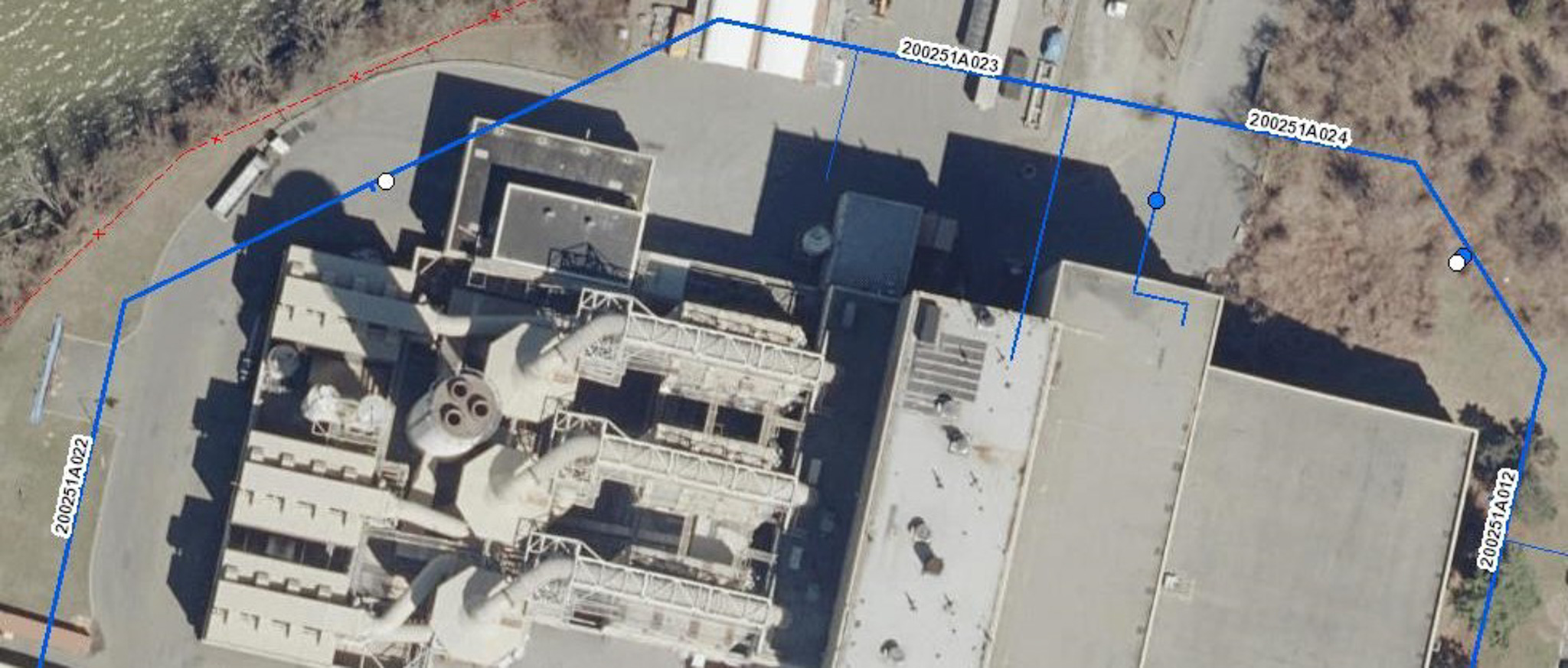
Why the Standard Phase II Environmental Site Assessment in NJ is No Longer Enough
The traditional Phase II environmental site assessment in NJ was designed to find tanks and spills. It wasn't designed to catch "forever chemicals" that migrate in parts per trillion.
If your consultant is simply checking the boxes of ASTM E1903-19 without a specific, high-resolution PFAS screen, you are flying blind. We are seeing cases where developers buy "clean" sites only to find out six months into construction that the groundwater contains PFOA levels that trigger mandatory, high-cost treatment systems.
For developers working in high-density areas like Jersey City, Hoboken, or the NJ Gold Coast, the stakes are even higher. The intersection of environmental due diligence for developers in NJ and the actual construction phase is where the most money is lost. If you haven't accounted for specialized water disposal or soil management during the excavation phase, your contingency fund will evaporate before you hit the foundation level.
Integrating Geotechnical and Environmental Data
One of the biggest mistakes we see is the "siloing" of data. The geotechnical team does their borings, and the environmental team does their sampling. In the age of PFAS, this is a recipe for disaster.
Understanding geotechnical investigation costs in NJ requires a holistic view. If your geotechnical borings encounter a high water table contaminated with PFAS, your dewatering costs will skyrocket. At Envicon, we integrate these disciplines from day one. By overlaying subsurface utility maps with contaminant plumes, we can predict exactly where your project will hit friction.
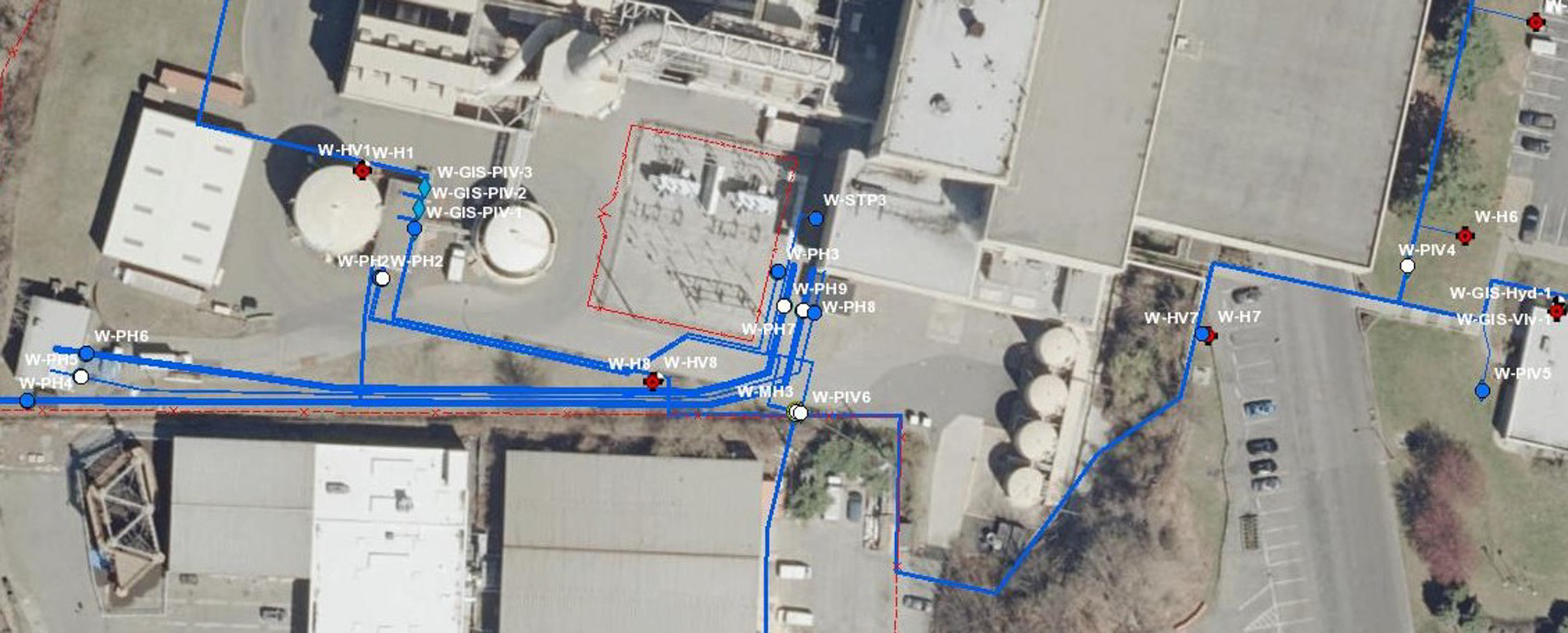

(Conceptual technical schematic showing a 3D cross-section of a contaminated groundwater plume intersecting with proposed foundation pilings)
The NYC Cross-Border Complication
Many of our clients operate across the Hudson. While NJ has its own rigors, the NYC OER brownfield cleanup process offers a different set of challenges and incentives. Navigating the NYC Voluntary Cleanup Program (VCP) requires a level of precision that "big box" firms often lack due to their rigid corporate structures.
Whether you are dealing with an "E-Designation" in Brooklyn or a contaminated site in Newark, the goal is the same: certainty. You cannot get certainty from a consultant who treats your project like a number. You get it from an authority that understands the local regulatory climate of Hudson County and the administrative nuances of the NJDEP.
Why the "Big Consultants" Are Failing You (And Why Envicon is Different)
You’ve likely hired the global engineering firms before. They have the 500-page reports and the thousands of employees. But when a PFAS issue hits the fan on a Friday afternoon before a Monday closing, who do you call?
Most large firms are built on billable hours and risk aversion. They will give you a list of 50 "potential" problems but won't give you a single definitive solution because their legal department won't let them.
At Envicon Strategic Solutions, we sell authority and trust, not just hours. We act as an extension of your acquisition team. Our approach is built on:
- Agility: We don't have six layers of management to approve a work plan. We move at the speed of your deal.
- Technical Superiority: We use high-resolution site characterization tools that the big guys think are "too expensive" for routine due diligence. We believe it's cheaper to spend $10k more on data now than to lose $2M on a bad acquisition later.
- Business Intelligence: We don't just tell you there is PFAS in the groundwater. We tell you how much it will cost to fix, how it will impact your geotechnical investigation costs in NJ, and how it will affect your exit strategy.
"The cost of PFAS remediation is no longer a 'down the road' problem. It is a 'right now' liability that can fundamentally devalue a property overnight." : Jason Pancoast, CEO of Envicon Strategic Solutions
Actionable Steps to De-Risk Your 2026 Acquisitions
If you are looking at an industrial or commercial site in New Jersey today, here is your playbook:
- Mandate a PFAS Screen: Regardless of the Phase I results, if the site had any industrial history (textiles, plating, firefighting foams, paper), run a targeted PFAS screen during your Phase II.
- Review the NRD Potential: Look beyond the property lines. Is the site part of a larger groundwater management area? Check the latest NJDEP industry resources to see if the property is in the crosshairs of upcoming state litigation.
- Audit Your Consultant: If your current consultant hasn't mentioned the 3M or Solvay settlements in their executive summaries, they aren't protecting you. They are just filling out forms.
- Integrated Budgeting: Ensure your environmental due diligence for developers in NJ includes a combined budget for geotechnical and environmental remediation. If they are budgeted separately, you are missing the overlap where the real costs live.

Summary: The New Era of Diligence
The era of "ignorance is bliss" in environmental due diligence is over. The rising costs of PFAS remediation in New Jersey are not just an obstacle; they are a filter that will separate the successful developers from those who get crushed by legacy liabilities.
In this environment, you don't need a consultant; you need a strategic partner. You need someone who knows that the NYC OER brownfield cleanup protocols and the NJDEP LSRP program are not just hurdles to jump, but tools to be used to create value and certainty.
Don't let your next acquisition be a multi-decade liability. Let’s look at the data, quantify the risk, and get your project out of the ground.
Ready to de-risk your next project? Contact our team today to schedule a consultation with an expert who understands the true cost of doing business in NJ and NY.
Key Takeaways for Developers:
- PFAS is a Balance Sheet Risk: Settlements in NJ are reaching into the billions, establishing long-term liability precedents.
- Update Your Phase II: Standard assessments are often insufficient for detecting low-level PFAS that can trigger massive cleanup costs.
- Integration is Key: Combine geotechnical and environmental data to avoid hidden construction-phase "surprises."
- Envicon's Advantage: We provide the authority and speed that large, cumbersome consulting firms simply cannot match.
Leave a Reply