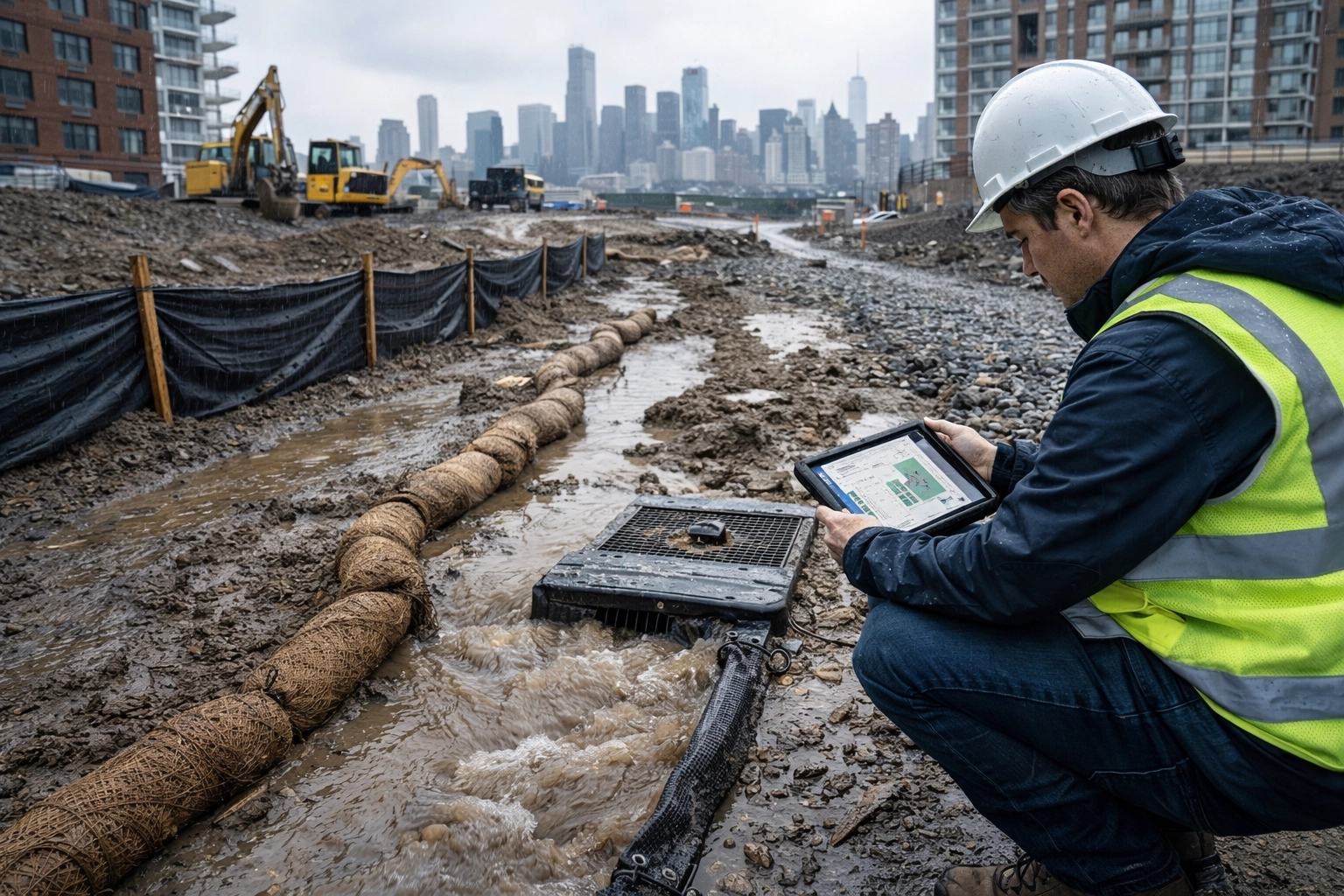
If you’ve spent any time on a high-stakes development site in North Jersey or the five boroughs, you know the drill. A massive three-ring binder sits in the job trailer, gathering dust. Inside is your Stormwater Pollution Prevention Plan (SWPPP). It cost you a small fortune, it’s filled with generic diagrams, and, if we’re being honest, nobody has looked at it since the day it was printed.
The problem? Most SWPPPs are written by engineers who haven't stepped foot in a muddy trench in a decade. They are desk-based documents designed to satisfy a checklist, not to manage the chaotic reality of an active construction site.
At Envicon Group, we see it differently. A SWPPP shouldn't be a hurdle; it should be a cleared path. When the clouds open up over a five-acre brownfield in Hudson County, you don't need "theoretical compliance." You need to know that your silt fences are holding, your discharge permits are valid, and the NJDEP isn't about to shut you down.
The Reality Gap: Why Desk-Based Plans Fail
Most national "big-box" firms treat stormwater management as an afterthought, an add-on to a larger engineering package. They use templates that look the same whether the project is in a desert in Arizona or a rainy, high-density site in Queens.
Effective site compliance requires moving from the desk to the field. You have to account for how runoff actually moves across your specific topography and how your crews actually operate. If a Best Management Practice (BMP) is positioned where a sub-contractor needs to stage steel, that BMP is going to be destroyed within 48 hours.
When your consultant doesn't understand the flow of a job site, your compliance is dead on arrival. We build plans for the 7:00 AM reality, not the 2:00 PM office meeting.

Designing for the Field, Not the Binder
A "field-first" SWPPP starts with a fundamental understanding of construction phasing. Your site looks different during excavation than it does during foundation pouring. A static plan is a failing plan.
1. Real-World BMP Placement
We don’t just stick silt fences on a map where they "look" right. We look at the soil types, the proximity to the nearest catch basin, and the actual grading of the site. A BMP that can’t be maintained or gets buried under a soil stockpile is a liability. We prioritize accessibility for maintenance. If your team can't get to a sediment trap to clean it out, they won't.
2. Site-Specific Source Control
In our region, you aren't just dealing with "dirt." Many of our sites are brownfields undergoing remediation. This means your stormwater isn't just "cloudy", it could be carrying contaminants that trigger massive regulatory headaches if they leave the property line. We tailor our source controls to the specific contaminants identified in your Phase II investigation.
3. Seasonal Strategy
New York and New Jersey winters are brutal on stormwater controls. Frozen ground, snowmelt, and salt change the chemistry and physics of your runoff. A desk-bound engineer in a satellite office 500 miles away isn't thinking about the March thaw in Jersey City. We are.
The Envicon Standalone SWPPP: Speed and Precision
One of the biggest frustrations we hear from developers is that they are "held hostage" by their primary engineering firm for stormwater docs. If your lead civil engineer is six weeks behind on grading plans, your SWPPP is stuck in the queue with them.
We’ve solved this by offering standalone SWPPP and stormwater discharge permitting. You don't have to move your entire project to us. We can step in as the specialists to handle the regulatory compliance and permitting while your other firms stay focused on their silos.
Because we are a PE-led, family-owned firm, we don't have the "black box" bureaucracy of the giants. When you call, you talk to the person who wrote the plan. We understand the urgency of a closing date or a mobilization schedule. We provide 72-hour turnarounds on critical documentation because we know every day of delay is a day of carry costs.

Beyond the Paper: Digital Compliance and Real-Time Data
In 2026, there is no excuse for "losing" inspection logs or not knowing the status of a discharge permit. We’ve integrated technology into our field operations to ensure that compliance is visible and verifiable.
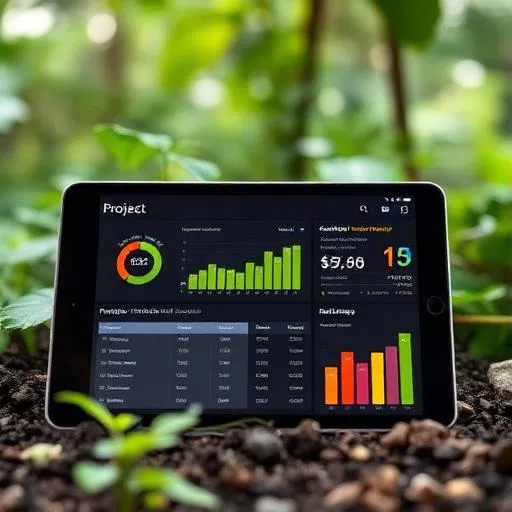
Our field teams use real-time digital tracking. When an inspection is performed, whether it’s the standard seven-day check or a post-rain event, the data is uploaded immediately. You aren't waiting for a PDF to be emailed three days later.
- Real-time Dashboards: See the status of your site’s compliance from your phone.
- Automated Alerts: Get notified the moment a corrective action is needed so you can fix it before the regulator arrives.
- Digital Twins: For complex sites, we use drone mapping and high-res modeling to visualize runoff patterns before they become a problem.
This isn't just "tech for tech's sake." It’s about creating a bulletproof record of compliance. If a neighbor complains or a regulator shows up for a surprise inspection, you have a time-stamped, photo-documented history of exactly what was done and when.
The Regulatory Insider Advantage: NYSDEC & NJDEP
In the Tri-State area, compliance isn't just about following the rules; it's about knowing the people who enforce them. After 20 years in the trenches, we know how the NYSDEC and NJDEP reviewers think. We know what they look for and what triggers an automatic "fail" in their eyes.
When we submit a stormwater discharge permit or a SWPPP for a high-priority site, it’s written in the language the regulators expect. We don't guess. We've spent decades building relationships with architects and regulators alike. We sit at the table with the agencies to resolve issues before they become stop-work orders.
"A SWPPP is not just a regulatory requirement; it’s an insurance policy for your project’s timeline. If the water doesn't move correctly, the project doesn't move at all." , Jason Pancoast, CEO.
Making the Switch: Why Envicon is the Smarter Choice
If you are currently working with a large national firm, ask yourself these three questions:
- Do I know the name of the person performing my inspections?
- Is my SWPPP tailored to my site’s specific construction phases?
- When I have a compliance emergency, does a partner pick up the phone?
If the answer is "no," you’re taking an unnecessary risk. Big firms deliver bloated, slow reports written to protect the consultant, not your project. Envicon produces clean, actionable documentation that holds up under scrutiny and actually keeps your site moving.
We don't sell reports. We sell cleared paths. Whether it's a standalone SWPPP, a complex discharge permit, or long-term construction oversight, we take ownership of the outcome.
Summary & Takeaways
Moving beyond the paperwork means treating stormwater as a dynamic part of the construction process. To stay compliant and keep your project on track, remember:
- Field-First Design: Ensure your BMPs are practical and accessible for the crews on the ground.
- Phased Compliance: Update your plan as the site changes. Static plans lead to fines.
- Standalone Speed: Use a specialist for SWPPPs to bypass the bottlenecks of larger engineering firms.
- Tech Integration: Use digital tracking to create a verifiable record of compliance.
- Local Fluency: Work with a firm that understands the specific nuances of NJDEP and NYSDEC.
Don't let a rainy day turn into a regulatory nightmare. If you're ready for a partner who values your timeline as much as you do, let’s talk.
Ready to clear the path for your next project? Contact Envicon Group today for a specialized SWPPP and stormwater compliance strategy that actually works in the field.
Leave a Reply