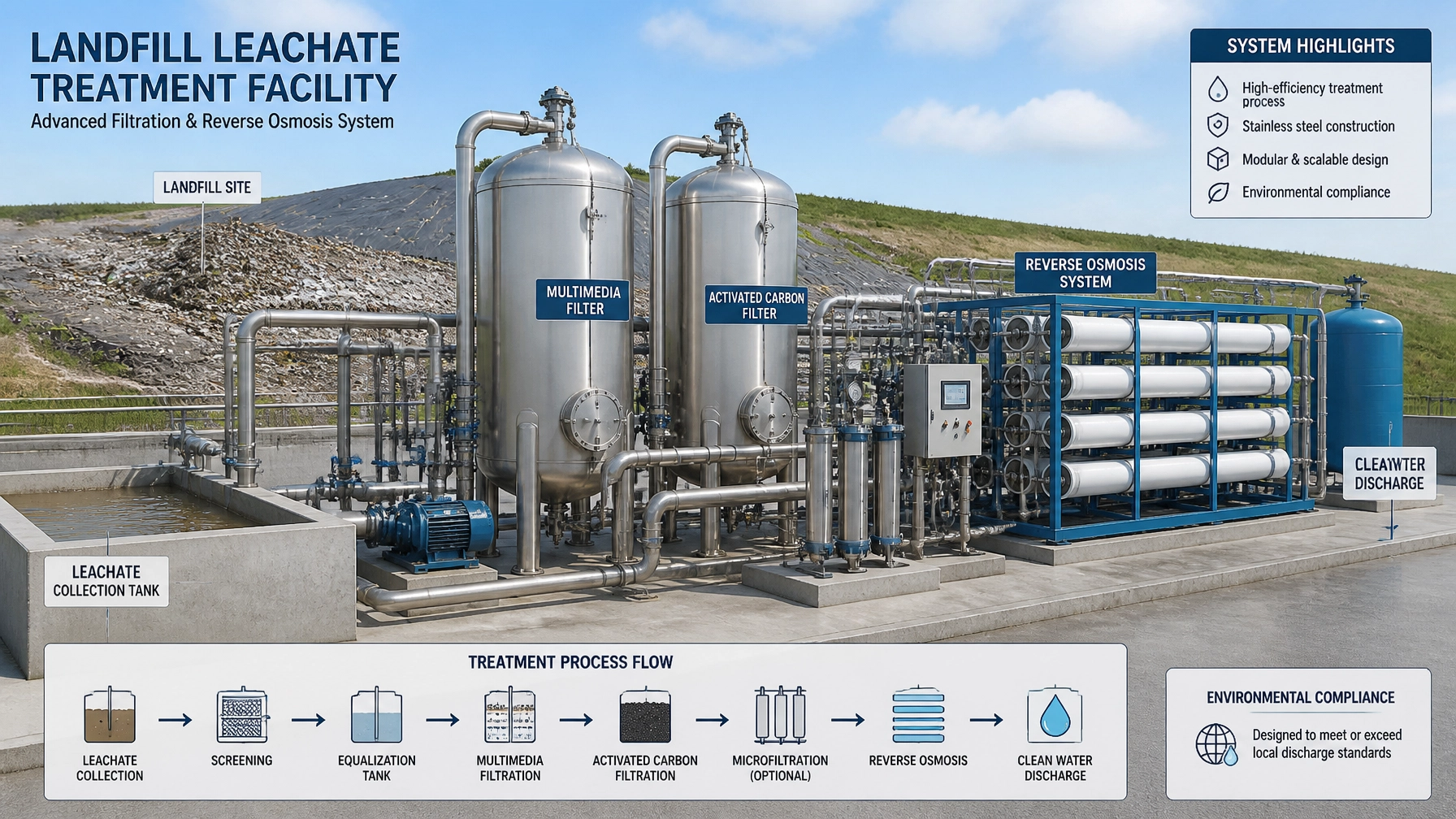
On July 1, 2026, the New York State Department of Environmental Conservation (NYSDEC) signaled a seismic shift in waste management policy. The department officially proposed landmark amendments to 6 NYCRR Parts 360 and 363, targeting the systematic treatment of emerging contaminants in landfill leachate. For active Municipal Solid Waste (MSW) and Construction and Demolition (C&D) debris landfills, the days of simply hauling or piping raw leachate to local Water Resource Recovery Facilities (WRRFs) are numbered.
This isn’t just another administrative update. It is a "first-in-nation" regulatory framework that mandates high-level, on-site treatment to remove PFAS and 1,4-dioxane before discharge. At Envicon Group, we have spent two decades navigating the intersection of complex regulations and field-level engineering. We know that for landfill owners, this proposal represents a significant capital and operational pivot.
The 99.9% Performance Standard: Precision Over Platitudes
The core of the NYSDEC proposal is a quantitative treatment standard that leaves no room for ambiguity. The amendments require a 99.9% removal performance for specific contaminants listed in the new regulatory tables.
Conventional treatment systems were never designed to handle the chemical stability of per- and polyfluoroalkyl substances (PFAS) or the high solubility of 1,4-dioxane. To hit a 99.9% reduction, "standard" filtration won't cut it. The NYSDEC’s supporting technical documents point toward a multi-stage approach, likely involving:
- Multi-stage Reverse Osmosis (RO): For the primary removal of dissolved solids and chemical constituents.
- Granular Activated Carbon (GAC): Serving as a final polishing stage for RO permeate.
- Thermal Oxidation: For managing vapor effluent and volatile fractions.
- Solidification/Evaporation: To handle the concentrated "reject" streams that remain after treatment.

Compliance Deadlines: The Clock is Already Ticking
Regulatory cycles often feel slow until they don't. The NYSDEC has outlined a rapid transition period for active sites. If your facility is currently operating under a Part 360 permit, you need to mark two critical dates:
- Conceptual Treatment Plan (1 Year): Within twelve months of the rule’s effective date, owners must submit a conceptual plan detailing how they intend to meet the new removal standards.
- Final Treatment Plan (2 Years): Within twenty-four months, a final, permit-ready engineering design must be submitted for agency review.
The public comment period for these amendments ends on September 9, 2026. This is the window for industry professionals to weigh in on the technical feasibility and economic impact of these "99.9%" mandates.
"We do not just deliver services: we help transform underused and contaminated properties into thriving assets." : Envicon Leadership Team
Beyond PFAS: Greenhouse Gas (GHG) Reductions
While the focus is heavily on leachate, the July 1 proposal also ties into New York’s broader Climate Leadership and Community Protection Act (CLCPA) goals. Separate but parallel efforts within the Part 360 series focus on reducing GHG emissions from solid waste facilities. This means any new leachate treatment infrastructure must be evaluated not just for its chemical efficacy, but for its energy footprint.
At Envicon, we integrate civil engineering and environmental compliance to ensure that your site-wide strategy doesn’t solve one regulatory problem while creating another. We don’t just look at the pipe; we look at the entire site lifecycle.

Why the "Big-Firm" Approach Fails Here
When you hire a large national firm to handle a regulatory shift like this, you typically get a 200-page report written defensively to protect the consultant’s liability. They might suggest a "cookie-cutter" treatment template that works in Ohio but fails under the specific scrutiny of NYSDEC’s Division of Materials Management.
At Envicon Group, we take a different path. We are PE-led and regulator-facing. We don't hide behind a queue; we sit at the table with the reviewers in Albany and the regional offices.
The Envicon Advantage:
- Direct Leadership: You aren't talking to a junior associate who was hired yesterday. You get hands-on coordination from professionals who have 20 years of experience in the NY/NJ metro area.
- Actionable Outcomes: We don't sell reports. We sell cleared paths. Our goal is to move your project from a "conceptual plan" to a "fully compliant asset" with zero fluff.
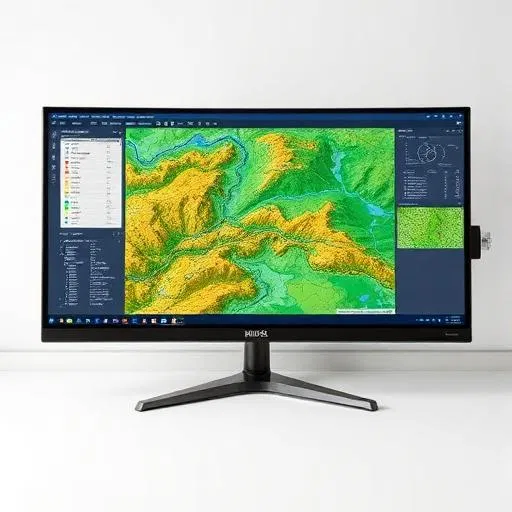
- Transparency Through Tech: While big firms are notorious for black-box regulatory coordination, we provide real-time project reporting dashboards. You see the data we see, exactly when we see it.
Turning "Emerging Contaminants" into Managed Risks
The term "emerging contaminants" often serves as a euphemism for "unforeseen costs." But for developers and landfill operators who plan ahead, these regulations are manageable. The key is in the Site Investigation and Characterization.
Before you commit to a multi-million dollar RO system, you need an accurate profile of your leachate. Is the 1,4-dioxane coming from a specific waste cell? Can we optimize your Phase I and II Environmental Site Assessments to better understand the legacy inputs of your site?
Takeaway for Stakeholders
The proposed amendments to Parts 360 and 363 are a clear signal that NYSDEC is moving toward a closed-loop system for landfill contaminants.
- Landfill Owners: Start your leachate characterization now. Waiting for the final rule adoption will leave you behind a 12-month conceptual plan deadline with no data.
- Waste Professionals: Evaluate your current WRRF agreements. They may soon be invalid if your leachate isn't pre-treated to the 99.9% standard.
- Developers: Environmental due diligence for sites near active landfills must now include an assessment of how these new treatment requirements will affect local infrastructure and carrying costs.

Envicon Group has built its reputation on resolving complex environmental and engineering challenges with precision, urgency, and integrity. We help our clients navigate the regulatory hurdles of the NYSDEC, NYS Department of Health, and NJ DEP with a focus on delivering actionable outcomes that support long-term growth.
Collaboration is not a buzzword: it is how we work. Let us help you clear the path.
Next Steps
- Review the full proposal on the NYSDEC website.
- Submit your public comments before the September 9, 2026 deadline.
- Audit your data. Ensure you have a clear baseline for your current leachate quality.
Call to Action
- Book a free consultation: https://envicongroup.com/contact
- Risk screener tool: https://envicongroup.com/risk-screener?utm_source=website&utm_medium=nav_megamenu&utm_campaign=resources&utm_content=risk-screener
- Read more on the blog homepage: https://envicongroup.com/blog?utm_source=website&utm_medium=nav_megamenu&utm_campaign=resources&utm_content=blog-insights
Leave a Reply