In the world of New York and New Jersey real estate development, the most expensive mistakes aren't usually made in the boardroom. They are made in the mud, at 7:00 AM, by a junior staffer who doesn’t know what they’re looking at.
Site characterization is the bedrock of your project. Whether you are navigating a Phase II Environmental Site Assessment (ESA) for a lender or trying to delineate a plume for a Remedial Action Work Plan (RAWP), the quality of your data is entirely dependent on the person standing next to the drill rig.
At many large, national consulting firms, the field work is treated as a "low-level" task. They send a staff scientist with six months of experience to log your soil borings while the senior P.E. stays in a climate-controlled office in another time zone. At Envicon Group, we see it differently. We know that if the field data is flawed, the entire engineering strategy is built on sand.
The Field Is Where the Project Is Won or Lost
When a drill rig is on-site, every minute costs money. But the real "carry cost" of a site investigation isn't the daily rate of the driller: it’s the risk of having to do it all over again.
Junior staffers are trained to follow a Standard Operating Procedure (SOP). They know how to put soil in a jar and label it. What they often lack is the "field sense" to recognize when the site is trying to tell them something unexpected. They miss the subtle change in soil texture that indicates a confining layer. They miss the faint odor that suggests a historical release not captured in the Phase I. They miss the opportunity to adjust the boring depth in real-time to capture the full vertical extent of a contaminant.

Why "Logging" Is More Than Just Taking Notes
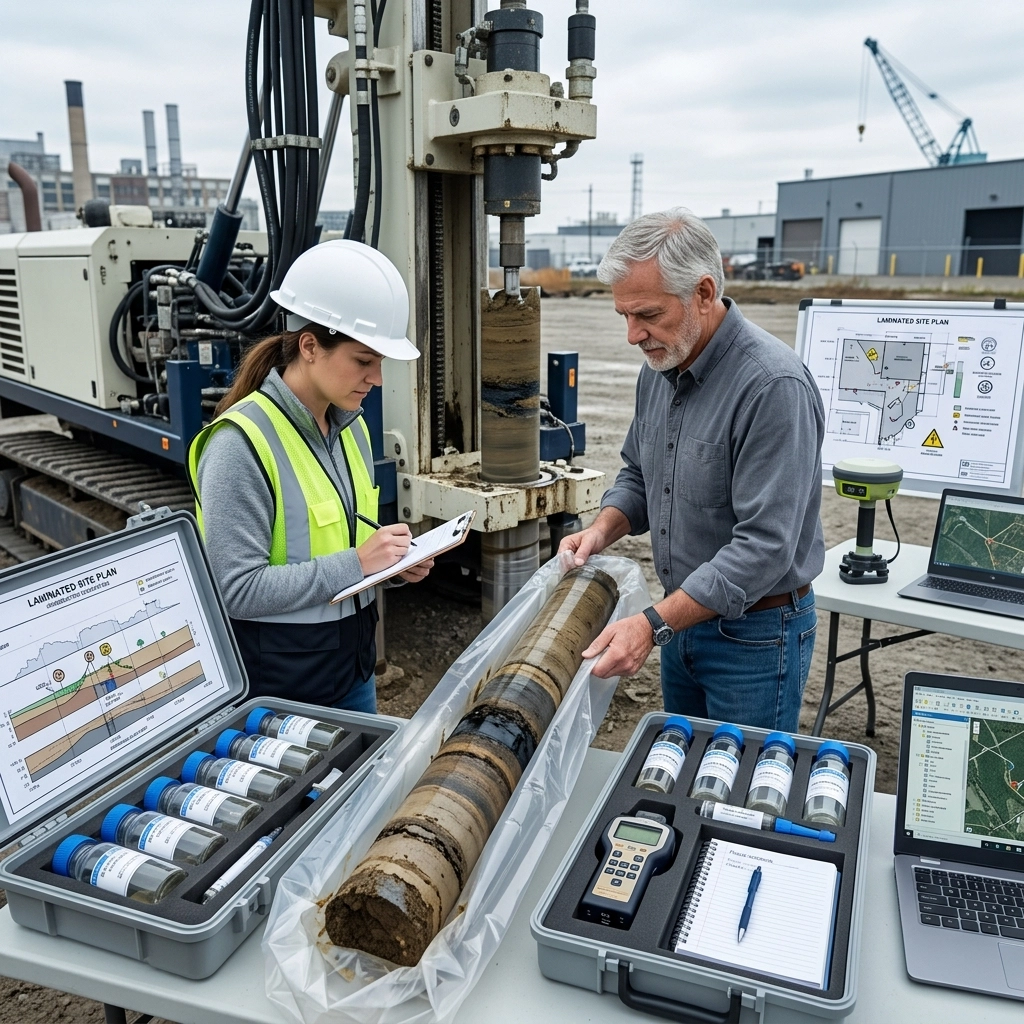
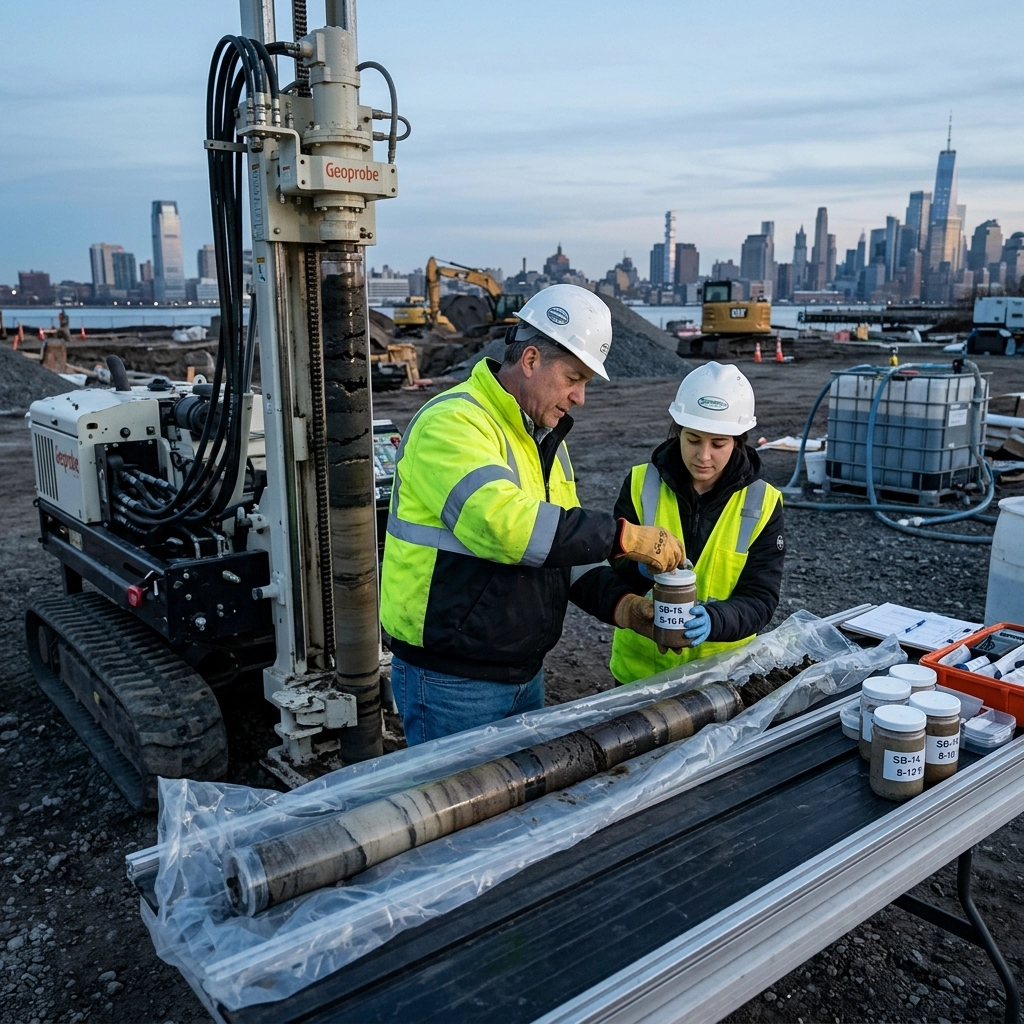
Soil logging is a technical art form. An experienced investigator looks at a macro-core sample and sees more than just "brown silty sand." They see the depositional history, the moisture content, and the subtle indicators of historical industrial use.
- Blow Counts and Compaction: In geotechnical investigations, understanding the resistance of the soil is critical for foundation design. A junior staffer might record numbers, but an expert understands how those numbers translate to actual structural integrity in the Hudson River waterfront's complex geology.
- Recovery Rates: If you pull a five-foot sleeve and only have two feet of soil, where did the rest go? A junior staffer might just log the two feet. An expert investigator knows how to troubleshoot the drilling method to ensure you’re getting a representative sample of the entire profile.
- PID Readings and Volatile Organic Compounds (VOCs): Using a Photoionization Detector (PID) requires more than just waving a wand. It requires an understanding of cross-sensitivity, temperature impacts, and how to properly "headspace" a sample to get an accurate reading that will hold up under NJDEP or NYSDEC scrutiny.
The High Cost of the "Big Box" Consultant
When you hire a massive national firm, you are often paying for their Manhattan skyline office and their 10,000-employee overhead. What you aren't getting is senior-level attention where it matters most: in the dirt.
We’ve seen it dozens of times. A client comes to us because their previous consultant’s report was rejected by the NYC Office of Environmental Remediation (OER). Why? Because the data gaps were so wide you could drive an excavator through them. The junior staffer didn't delineate the "hot spot," so the regulator demanded a re-mobilization.
Now, the developer is paying for:
- A second round of drilling.
- Another round of lab fees.
- The carry costs of a three-month delay in their construction schedule.
- The loss of trust with their lender.

The Site Characterization Checklist: What to Look For
If you are evaluating a consultant for your next site investigation, don't just look at the price of the proposal. Ask who is actually going to be on the site. Use this checklist to ensure your project isn’t being used as a training ground for entry-level employees.
1. Who is logging the soil?
Ask for the resume of the specific individual who will be in the field. Are they a Geologist-in-Training (GIT), a Professional Geologist (PG), or just a "Field Technician"? You want someone who understands the regulatory endpoint of the project, not just the mechanics of sampling.
2. Is there a "Real-Time" Data Loop?
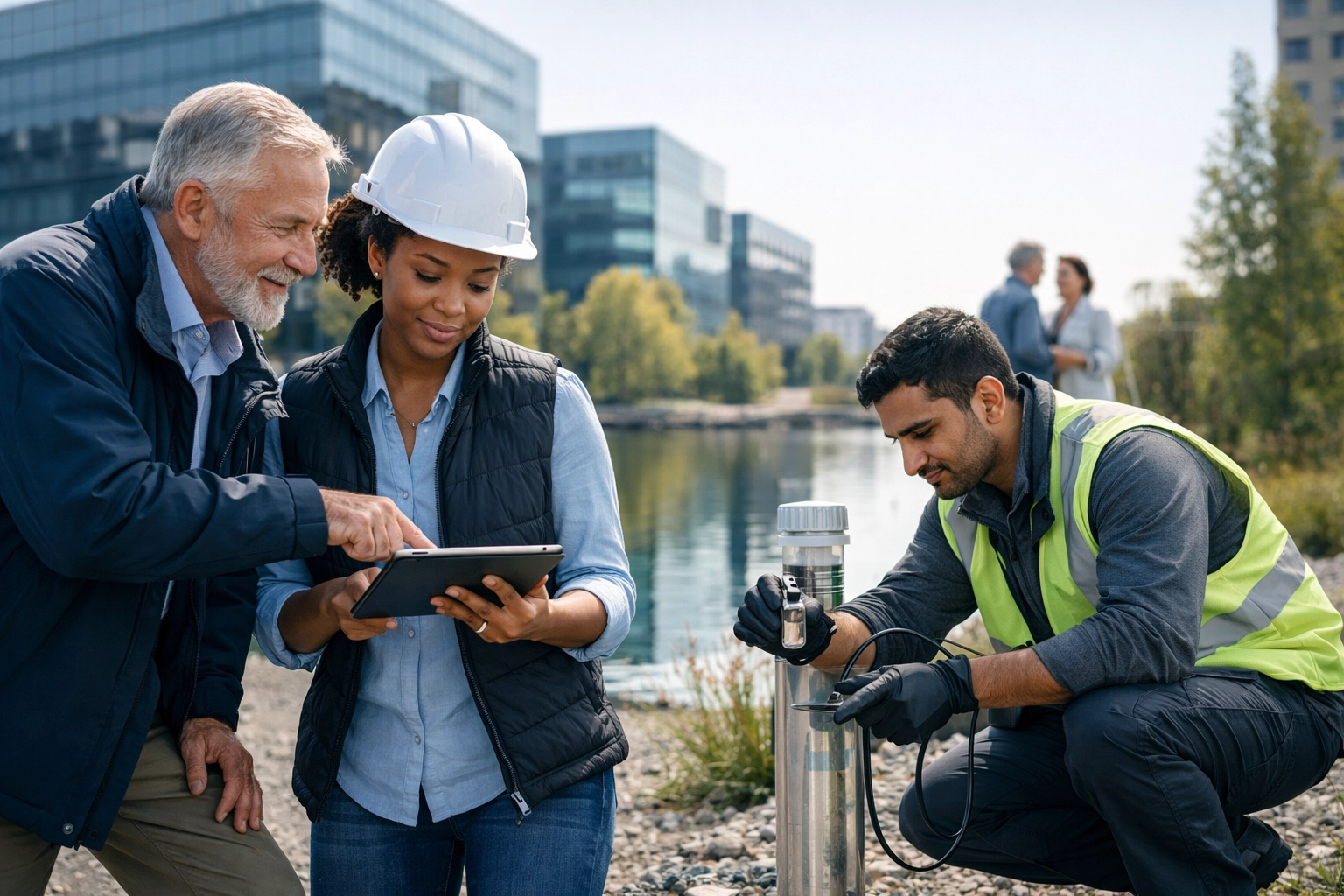
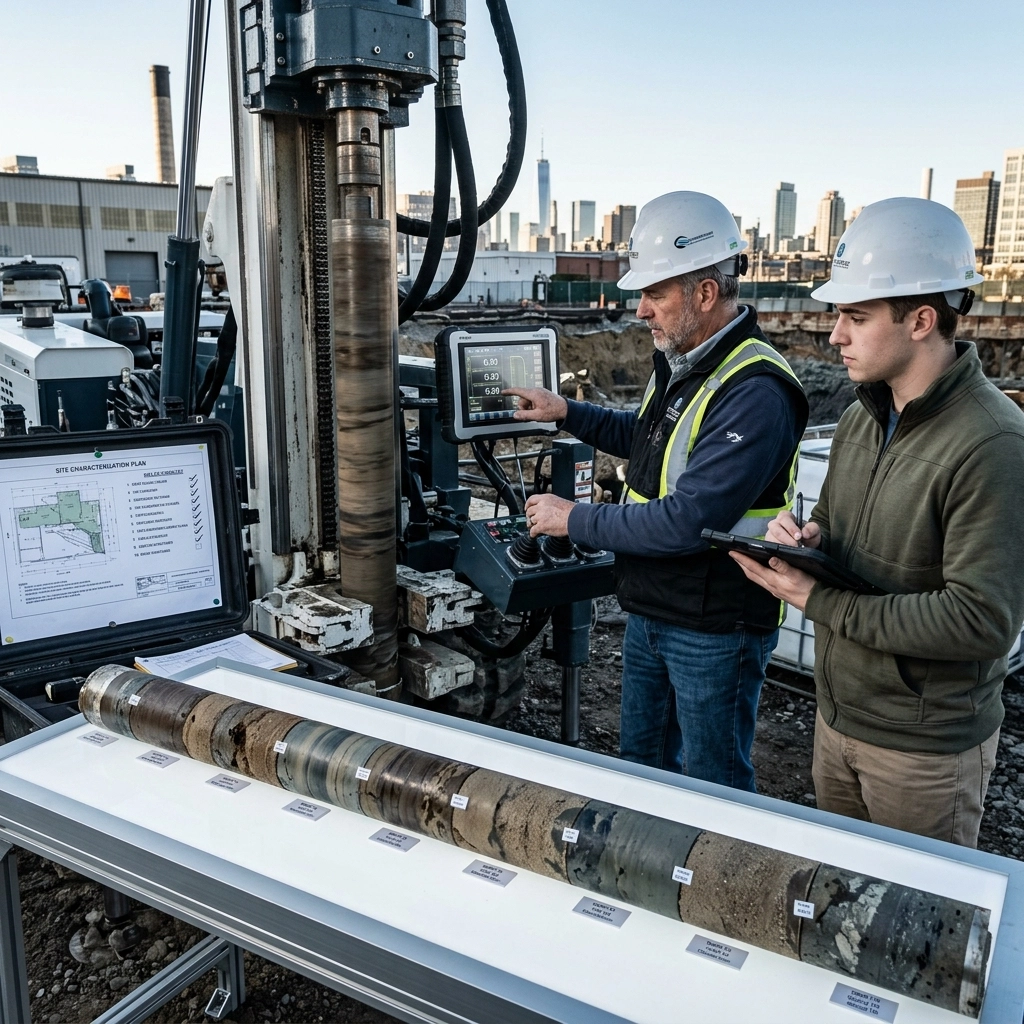
Does the field person have a direct line to the Project Manager or the P.E. in charge? At Envicon, our field teams are in constant communication with leadership. If we hit groundwater at 8 feet instead of the expected 15, we pivot immediately. We don't wait for a report to be written two weeks later to realize we need to change the well screen interval.
3. Regional Fluency
Does the investigator understand the specific nuances of NYC and NJ geology? The fill material in Jersey City is vastly different from the glacial till in Westchester. Knowing what "historic fill" looks like versus a localized petroleum spill can save you hundreds of thousands of dollars in disposal costs.
4. Technology Integration
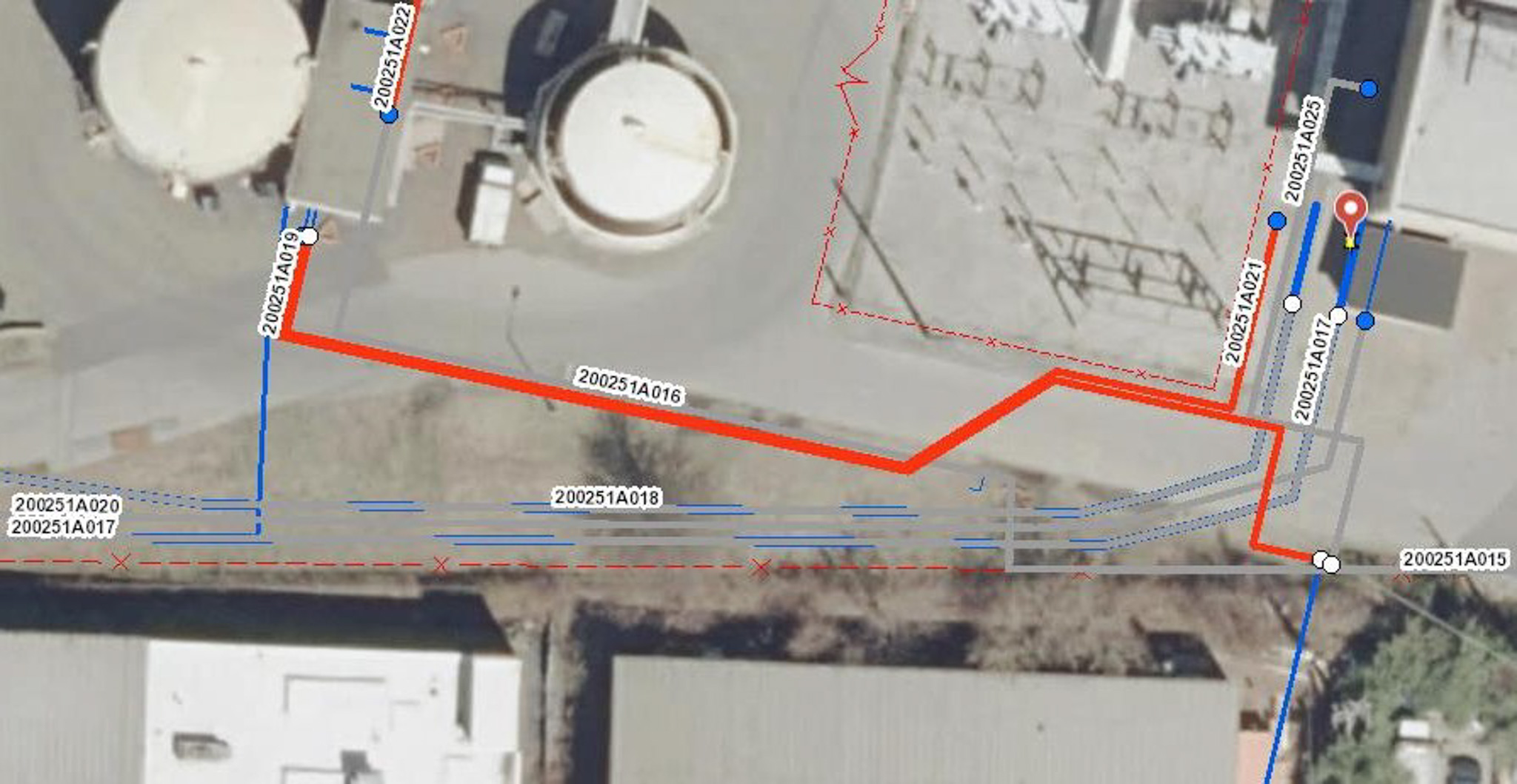
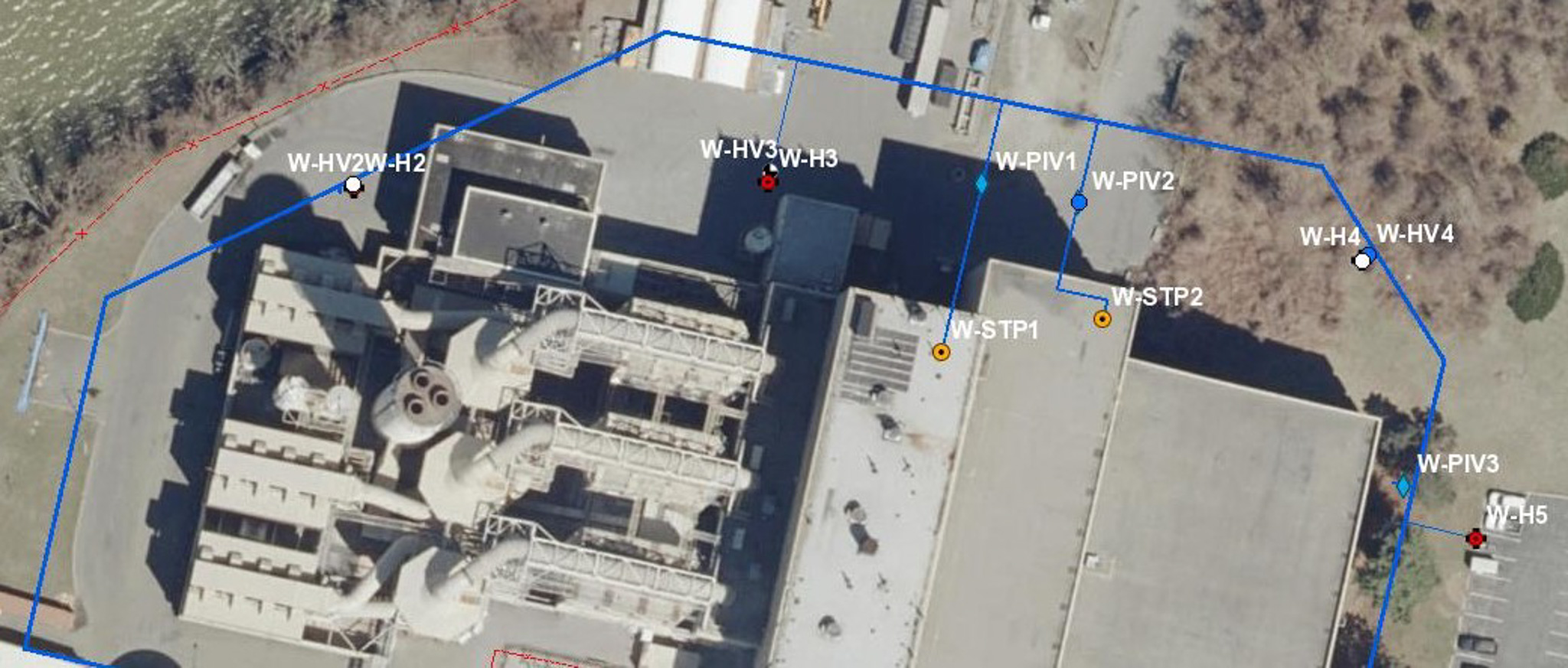
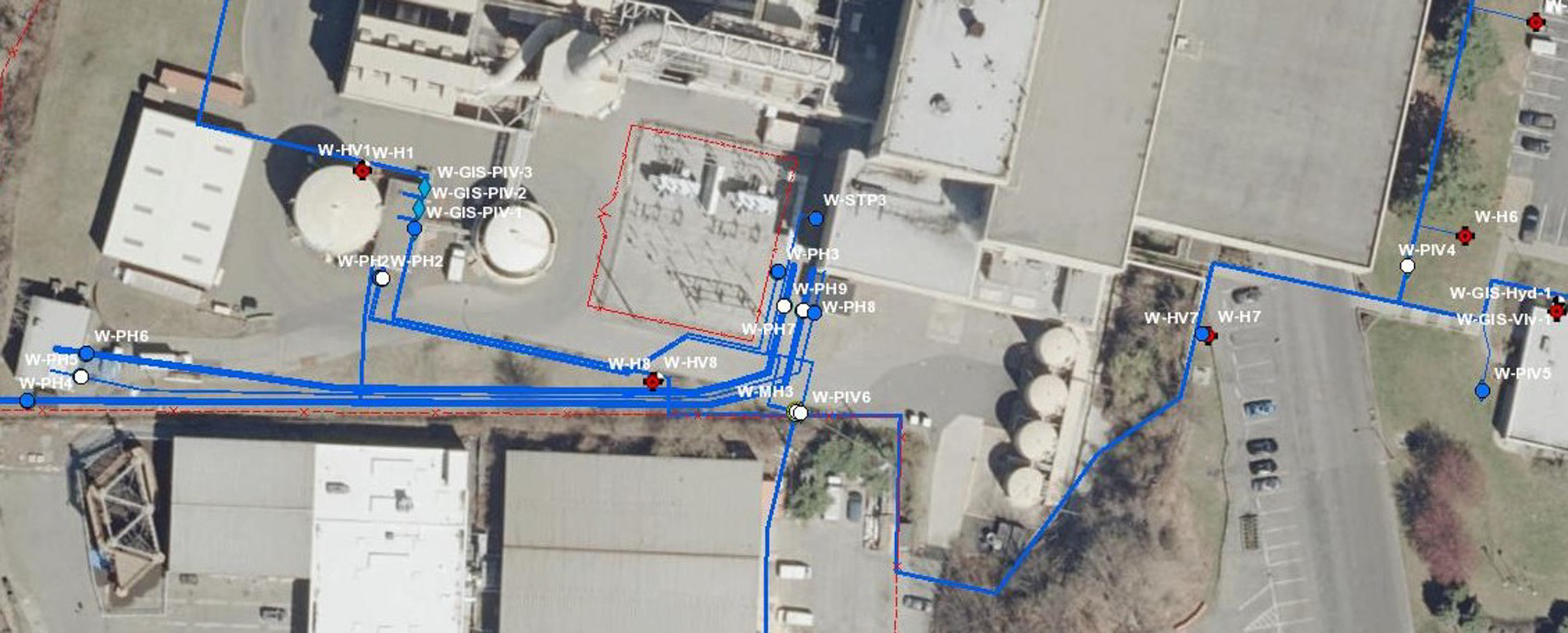
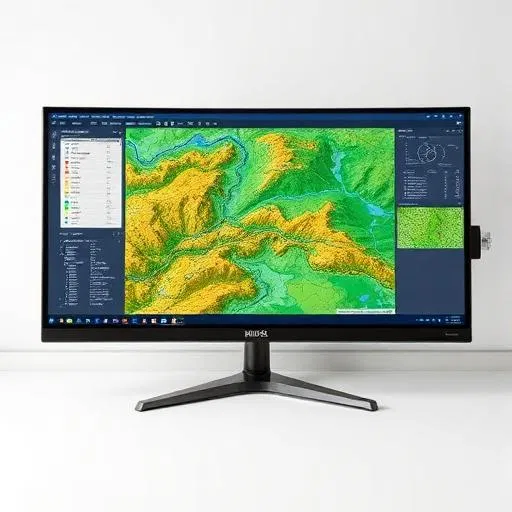
Are they using modern tools to map the site? We use high-precision GPS and tablet-based data entry to ensure that every boring location is exactly where it’s supposed to be on the site map. There is no "guessing" where a sample was taken when it comes time for the remedial excavation.
Technical Nuance: The "Path to Closure"
Every soil boring should be drilled with the "Path to Closure" in mind. We don't just collect data to check a box; we collect data to move the project toward a "No Further Action" (NFA) letter or a Response Action Outcome (RAO).
"Collaboration is not a buzzword: it’s how we work. We don't just deliver a report; we deliver a cleared path for development." : Envicon Group Mission
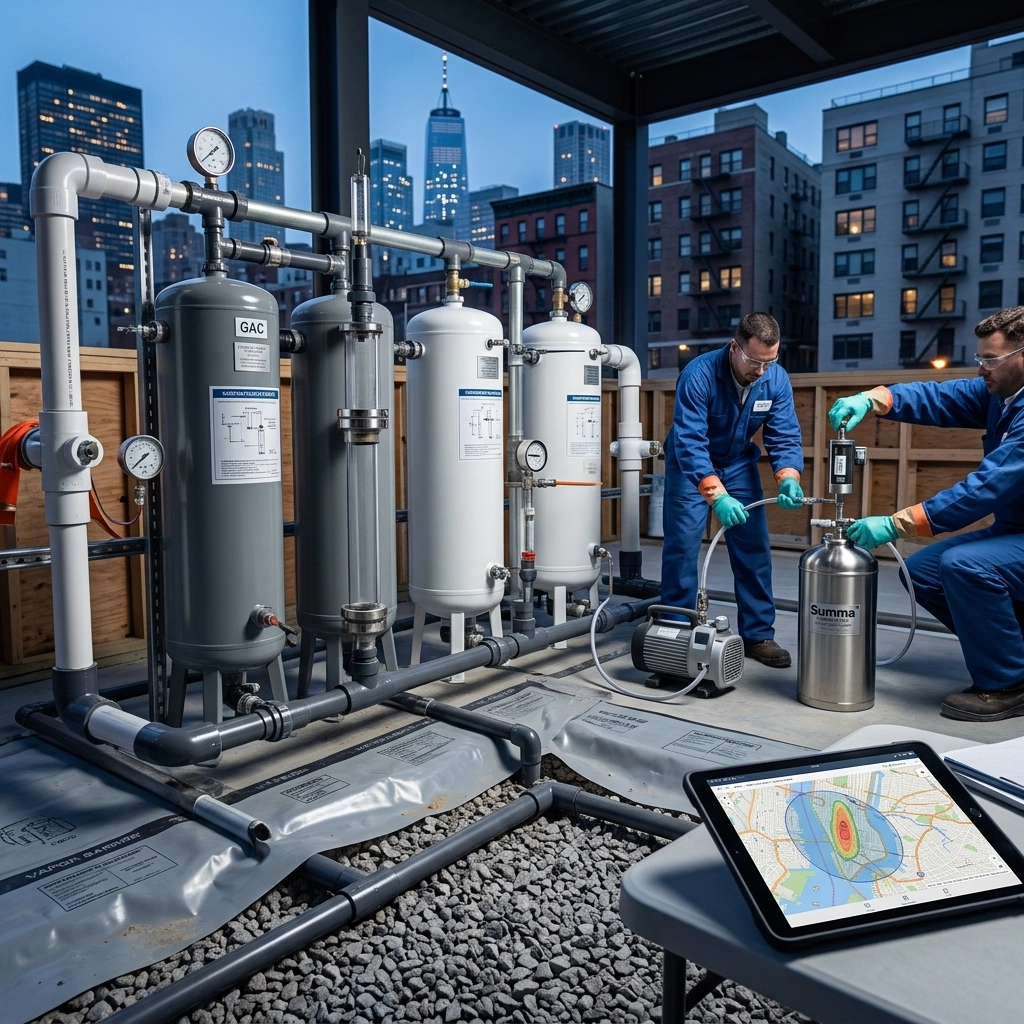
When an experienced Envicon investigator is on-site, they are thinking three steps ahead. They are thinking about how the soil classification will impact the Soil Management Plan (SMP). They are thinking about whether the groundwater data will trigger a need for a vapor barrier. They are acting as your advocate, ensuring that the investigation is as lean and effective as possible.

The Envicon Difference: Authority, Not Just Expertise
The "Big Box" firms sell you a safety net of insurance and a recognizable logo. We sell you the truth.
We are a family-owned, PE-led firm that has spent 20 years in the trenches of New York and New Jersey. We don't hide behind a queue. When you call us, you talk to the people who were on your site that morning.
Our approach to site characterization is built on three pillars:
- Precision: We get the data right the first time so you don't have to re-mobilize.
- Urgency: We know that "time is money" isn't a cliché in development; it's a financial reality.
- Integrity: If the soil is clean, we’ll tell you. If it’s contaminated, we’ll give you a realistic, cost-effective plan to fix it. We don't write defensive reports to protect ourselves: we write actionable reports to protect your investment.
Summary and Key Takeaways
Don't let your project's success be determined by someone who is still learning the difference between silt and clay. Site characterization is too important to delegate to junior staff.
- Experience Matters: Field decisions impact the entire remedial budget and construction timeline.
- Avoid the "Junior Trap": High-overhead firms use your project to train their new hires.
- Demand Real-Time Action: Your consultant should be able to pivot the investigation based on what they find in the first boring.
- Focus on the Endpoint: Every sample should be taken with the goal of regulatory closure and a buildable site.
If your current consultant is sending "staff scientists" you've never met to handle your critical due diligence, it’s time to make a change. We invite you to experience the difference that field-first, senior-led engineering makes.
Your project is stalled until the site is cleared. Let’s get it moving.

Ready to get a cleared path for your site?
Contact Envicon Group today to speak directly with a P.E. about your site characterization needs. We don't just find problems; we deliver buildable assets.