Category: Awards

  • LSRP Rules aren’t Suggestions: Why You Need a Decision-Maker on Site, Not a Junior Staffer

    LSRP Rules aren’t Suggestions: Why You Need a Decision-Maker on Site, Not a Junior Staffer

    It’s 7:00 AM on a Tuesday in Jersey City. The air is cold, the coffee is lukewarm, and your excavation crew just hit a pocket of black, odorous soil that wasn't on the original site plan. The project is already behind schedule, and every hour that machine stays idle costs you thousands in carrying costs and equipment rental.

    You look to your environmental consultant for a call. But the person standing there isn't the senior partner who pitched you in the boardroom three months ago. It’s a 23-year-old junior staffer with a clipboard and a deer-in-the-headlights stare.

    "I'll have to call my manager," they say.

    That manager is at a desk in a regional office three states away, stuck in a back-to-back meeting schedule. Meanwhile, your project sits. This isn't just an inconvenience: it’s a massive business risk. In the world of New Jersey site remediation, the Licensed Site Remediation Professional (LSRP) isn't just a consultant; they are the regulatory authority for your site. When they aren't in the field, your project is effectively rudderless.

    The Big-Firm "Bait and Switch"

    Most national environmental firms operate on a "body shop" model. They win your business with high-level resumes and a polished pitch from a Senior Vice President you will never see again. Once the contract is signed, the work is handed down to the lowest-cost labor available: junior staff with minimal field experience and zero decision-making authority.

    At Envicon, we see the fallout of this model every week. We get calls from developers who have been burned by "defensive report writing": reports written by junior staff to protect the consulting firm from liability, rather than reports designed to move the project toward a Response Action Outcome (RAO).

    When a junior staffer is the only one on-site during critical events like UST removals or soil characterization, they lack the "professional judgment" required by the Site Remediation Reform Act (SRRA). They follow a checklist. If something falls outside that checklist, the project stops.

    Soil Strata Core Sample

    The LSRP is Your Site’s Judge: Not a Spectator

    Under the NJDEP’s LSRP program, the responsibility for protecting public health and the environment shifted from the state directly to the LSRP. This means your LSRP is legally and ethically bound to ensure that the remediation follows the Technical Requirements for Site Remediation (N.J.A.C. 7:26E).

    If an LSRP isn't providing "direct supervisory control" over the field work, they are putting your project: and their license: at risk. The consequences of inadequate field oversight include:

    • RAO Audits: The NJDEP has a three-year window to audit any RAO issued for your site. If they find that the field data was collected improperly by unsupervised staff, they can rescind your closure.
    • Mandatory Timeframes: Missing a regulatory or mandatory timeframe because of field delays can trigger Direct Department Oversight, where the NJDEP takes control of your project and forces you to post a massive remediation funding source.
    • Cost Creep: Re-sampling because a junior staffer forgot to preserve a vial or misidentified a soil strata is the most common reason for budget overruns in environmental consulting.

    "Collaboration is not a buzzword: it’s how we work. Having a Professional Engineer (PE) or LSRP on site doesn't just ensure compliance; it ensures the project keeps moving because the person standing in the dirt has the authority to make the call." : Jason Pancoast, CEO of Envicon Group.

    Why "Field-First" Matters for Your Bottom Line

    At Envicon, we don't sell reports. We sell cleared paths. Our PE-led approach means that the people designing your remedial strategy are the same people standing on your site at 7:00 AM.

    When we are on-site, we aren't just "monitoring." We are looking for opportunities to optimize. If the soil looks cleaner than the models predicted, we adjust the sampling plan in real-time to potentially reduce the remediation footprint. If we find an unexpected challenge, we solve it right then and there with the construction manager, the architect, and the contractor.

    GIS Data and Mapping

    We use proprietary technology and real-time project reporting dashboards to give you full visibility into what’s happening in the field. You aren't waiting for a monthly PDF to find out your project is behind; you see the data as we collect it.

    The Technical Reality: N.J.A.C. 7:26I

    The rules governing LSRPs (N.J.A.C. 7:26I) are clear: the LSRP must exercise professional judgment that is "consistent with the protection of public health and safety and the environment." This isn't something that can be delegated to an intern.

    When you hire a consultant, you need to ask three hard questions:

    1. Who will actually be on-site when the drill rig is running?
    2. Does that person have the authority to change the work plan if site conditions change?
    3. How often will my LSRP be physically present during intrusive activities?

    If the answer involves a "project coordinator" or a "field technician" who has to call the office for every decision, you aren't paying for expertise: you're paying for a middleman.

    Groundwater Remediation Equipment

    Moving From Findings to Action

    Environmental consulting in the NY/NJ metro area is high-stakes. Whether you are dealing with brownfield redevelopment, ISRA compliance, or complex civil and site engineering, the "wait and see" approach of big-box firms is a luxury your budget can't afford.

    Envicon was built for developers who are tired of paying premium rates for junior-staff execution. We bring 20 years of direct agency relationships with the NJDEP, NYC OER, and NYC Parks. We don't hide behind a queue; we sit at the table with the regulators to advocate for your project.

    Summary of the Envicon Advantage:

    • PE-Led Leadership: Licensed professionals are in the field, not just the boardroom.
    • Zero-Fluff Documentation: We produce deliverables that hold up under regulatory scrutiny and get you to the next step.
    • Urgency & Integrity: We take ownership of outcomes, from the first boring to the final RAO.
    • Regional Fluency: We know the reviewers by name, and we know how they want to see the data.

    Don't let your multi-million dollar development be held hostage by a consultant's internal hierarchy. You deserve a partner who picks up the phone and a decision-maker who shows up at the site.

    Stop paying for reports. Start paying for a cleared path.

    Contact Envicon Group today to discuss your next project.Developer Consultation

  • Your Phase I ESA is Over 72 Hours? Why Speed is Your Best Defense in Due Diligence

    Your Phase I ESA is Over 72 Hours? Why Speed is Your Best Defense in Due Diligence

    You’ve got the LOI signed. The lender is ready to move. The clock on your due diligence period is ticking, and every day that passes is a day of carrying costs, market volatility, and mounting pressure. Then you call a national environmental firm for your Phase I Environmental Site Assessment (ESA), and they tell you three weeks.

    Three weeks for a report? In a market like New York or New Jersey, three weeks isn't just a delay: it's a liability.

    At Envicon Group, we don’t work on "consultant time." We work on "developer time." That’s why our standard for a Phase I ESA isn't fourteen days or even seven. It’s 72 hours.

    If your Phase I is taking longer than 72 hours, you aren’t just losing time: you’re losing your defense. Here is why speed, backed by technical precision, is the only way to play the due diligence game in 2026.

    The Big-Firm Bottleneck: Why "Standard" is Broken

    Most national firms treat a Phase I ESA like a commodity product. You talk to a partner at the pitch, then your project gets handed off to a junior staffer who’s juggling twenty other sites. They’re following a checklist, waiting for a manager to review their notes, and then waiting for a "report writer" to format the PDF.

    By the time that report hits your inbox in three weeks, your deal has cooled, or worse, your lender has flagged a concern that you could have addressed on day four.

    We’ve seen it happen: a "standard" Phase I sits in a queue while a critical REC (Recognized Environmental Condition) remains hidden. When you finally get the report, you realize you need a Phase II investigation, but your due diligence window has already closed. You’re left choosing between walking away from a good deal or taking an unquantified environmental risk.

    Technical Speed

    Precision at 72 Hours: How We Clear the Path

    You might be wondering: Can a 72-hour report actually be good?

    If you’re doing it the old-fashioned way: with clipboards and manual data entry: the answer is no. But we don't work like the big-box firms. We’ve built a proprietary technical backbone designed specifically for the NY and NJ markets.

    We aren't just faster; we’re more accurate because our leadership is in the field. When you hire Envicon, you aren't getting a junior intern. You’re getting a PE-led team that knows how to read the history of a Bronx industrial lot or a Jersey City waterfront site at a glance.

    • Proprietary Workflow: Our field data is synced in real-time. By the time our engineer leaves the site, 80% of the report is already drafted.
    • Direct Agency Access: We don't wait in a queue for records. We have 20 years of relationships with the NYC OER, NYSDEC, and NJDEP. We know where the skeletons are buried because we’ve probably remediated the site next door.
    • Zero-Fluff Reports: We don’t sell 200-page "defensive" reports designed to protect the consultant. We sell actionable documentation that tells you exactly what you need to know to close the deal.

    ASTM E1527-21: Speed Without Shortcuts

    Speed is useless if the report doesn't hold up under regulatory or lender scrutiny. Since the update to ASTM E1527-21, the requirements for a legally defensible Phase I have become significantly more stringent.

    Lenders now require clear identification of RECs, historical research that goes back further, and a deeper look at emerging contaminants like PFAS. If your consultant misses these details in their rush: or takes three weeks and still misses them because they don't know the local soil strata: your "innocent purchaser" defense is dead on arrival.

    A Phase I ESA is your first line of defense under the EPA’s All Appropriate Inquiry (AAI) rule. It’s what gives you CERCLA liability protection. At Envicon, our 72-hour turnaround includes a full review against the latest ASTM standards. We don't cut corners; we just remove the administrative friction that slows everyone else down.

    Lender Confidence

    100% Lender Approval: The Only Metric That Matters

    At the end of the day, a Phase I is a tool to get your financing across the finish line. If your lender rejects the report or asks for a dozen clarifications, that "three-week" timeline just turned into six.

    Envicon maintains a 100% lender approval rate. Why? Because we write for the bank as much as we write for you. We understand their risk thresholds. We know that a bank in Manhattan has different requirements than a local NJ credit union.

    We provide:

    1. Lender-Ready Language: No ambiguous findings that trigger unnecessary red flags.
    2. Reliance Letters: Issued immediately, so your bank can move as fast as we do.
    3. ASTM & AAI Compliance: Guaranteed to meet federal and state-level standards.

    If a lender has a question, they aren't calling a 1-800 number or waiting for a project manager to "check the file." They get a direct line to the professional who actually walked the site.

    The NJ/NY Nuance: Phase I vs. Preliminary Assessment

    If your project is in New Jersey, a Phase I ESA might satisfy your lender, but it won't satisfy the NJDEP. For state-level "innocent purchaser" protection, you need a Preliminary Assessment (PA).

    Large national firms often miss this distinction, delivering a Phase I to a Jersey developer and leaving them exposed to state-level liability. We offer combined Phase I/PA reports that cover both bases simultaneously. We handle the ISRA compliance and LSRP oversight while maintaining that same 72-hour urgency.

    In New York, we navigate the complexities of OER E-Designations and NYSDEC Brownfield requirements with the same level of precision. We don't just hand you a report; we hand you a cleared path to construction.

    Agency Fluency

    Summary: Don't Let Your Consultant Dictate Your Closing Date

    In real estate, time is the only thing you can't buy more of. Choosing a consultant who takes three weeks for a Phase I is choosing to put your project's fate in someone else's queue.

    The Envicon Takeaway:

    • Speed is a Defense: 72-hour turnarounds allow you to identify risks while you still have time to negotiate or walk away.
    • PE-Led Execution: No junior staffers. You get the expertise of a firm that has spent 20 years on NY and NJ sites.
    • Lender Certainty: 100% approval rate means no delays at the closing table.
    • Local Fluency: We know the OER, DEC, and DEP by name. We don't guess; we know.

    Stop paying big-firm overhead for slow-firm results. If you need a Phase I ESA that moves as fast as your deal does, you need Envicon.

    Ready to clear the path? Contact Envicon Group today and let’s get your 72-hour clock started.

  • Civil Engineering for Developers: Why Grading and Drainage shouldn’t be an Afterthought

    In the high-stakes world of New York and New Jersey real estate development, most project delays don’t happen because of a lack of vision. They happen because of a lack of coordination.

    Too many developers treat civil engineering as the "cleanup hitter": the firm brought in late in the game to figure out how to move water and dirt around after the building footprint is already locked in. By the time the civil team points out that your grading doesn’t work with the local SWPPP (Stormwater Pollution Prevention Plan) requirements or that your utilities clash with a subsurface environmental cap, you’re already looking at a six-figure redesign and a three-month permit delay.

    At Envicon Group, we see it differently. Grading, drainage, and utility design aren't just technical checkboxes; they are the financial bedrock of your project. When civil and environmental engineering are siloed, you pay the price in change orders and carrying costs. When they are integrated, you unlock a buildable, compliant asset faster than the competition.

    The Collision Course: Why Civil and Environmental Need to Talk

    If you’ve ever had a project stalled because your environmental consultant’s remediation plan made your civil engineer’s drainage design impossible to build, you know the pain of "Big-Box" consulting. Large national firms often house these departments in different cities: or at least different floors: where they rarely speak the same language.

    Integrating these disciplines isn’t about "synergy"; it’s about risk mitigation. In NYC and NJ, where contaminated sites are the norm rather than the exception, your civil site plan must be designed in tandem with your remedial strategy.

    • The Soil Balance: Your grading plan determines how much soil stays and how much goes. If your civil engineer isn't talking to your environmental team, you might end up exporting "clean" dirt while importing expensive fill, or worse, disturbing contaminated strata that could have been capped in place.
    • The Regulatory Overlap: Agencies like the NYC OER and NJ DEP don't care that your consultants are in different buildings. They expect a unified submittal. Integrated design ensures that your SWPPP doesn't conflict with your remedial action work plan.

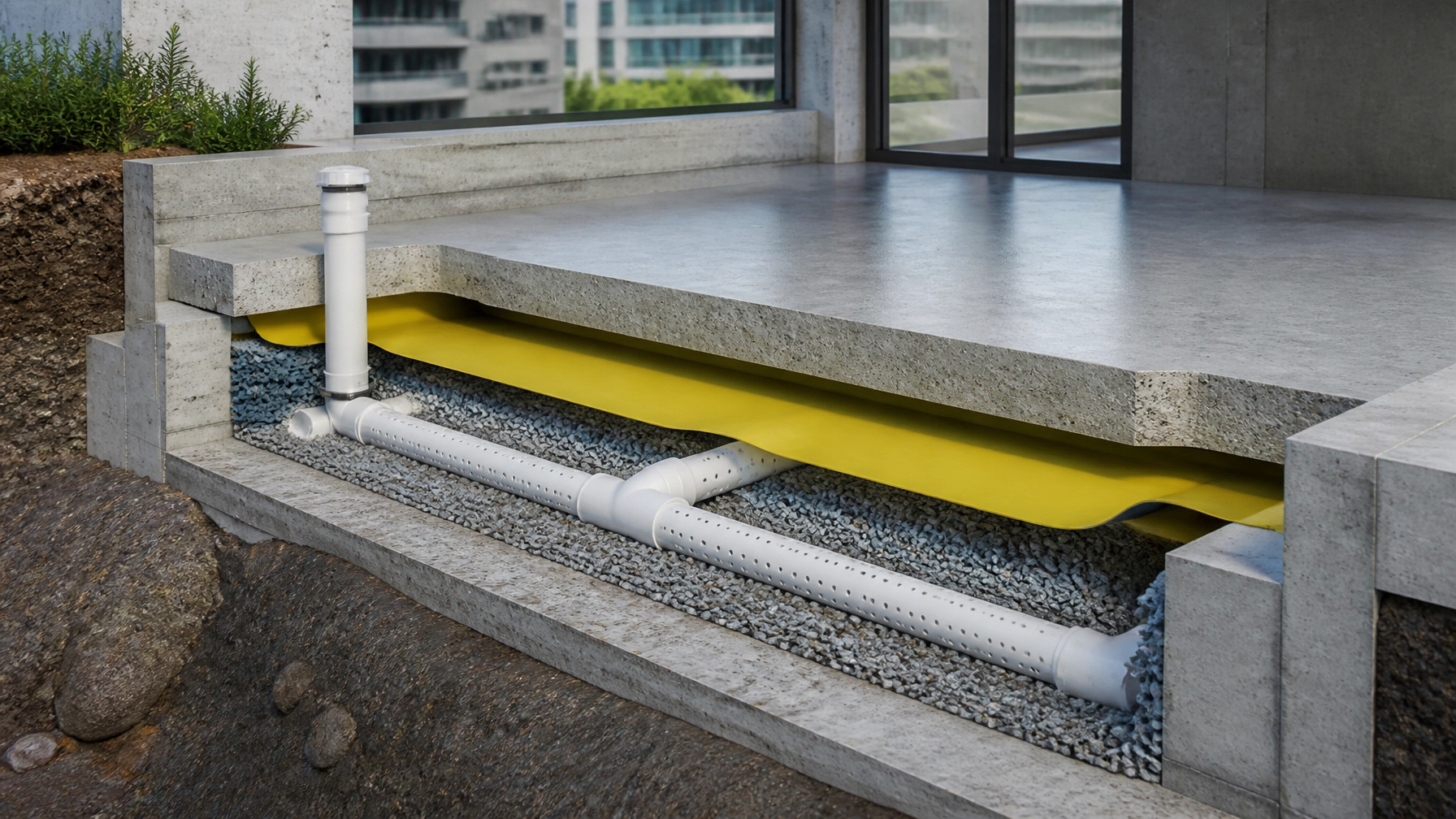
    A technical cross-section diagram showing soil layers and subsurface drainage systems, illustrating integrated environmental and civil engineering.

    Grading is Money: The Financial Impact of Poor Elevation Planning

    Grading is often viewed as a simple matter of leveling a site, but in reality, it is a complex balancing act of earthwork volumes and structural requirements. In the NY/NJ metro area, the cost of soil disposal is staggering.

    A "disconnected" civil engineer might design a site for optimal aesthetics or structural ease, but if that design requires exporting 5,000 cubic yards of soil that could have been redistributed on-site, they just added a massive line item to your budget.

    When Envicon manages your civil and site engineering, we approach grading with a "field-first" mentality. We look at the topography through the lens of environmental constraints. Can we use a retaining wall to minimize excavation in a contaminated zone? Can we adjust the finish floor elevation to avoid a shallow groundwater table? These aren't just engineering questions: they are ROI questions.

    Drainage & Stormwater: Navigating the NYC/NJ Regulatory Maze

    Stormwater management is no longer just about "getting the water off the site." In cities like Jersey City, Newark, and across the five boroughs, it’s about detention, retention, and water quality.

    New regulations, such as the NJDEP REAL rules and updated NYC DEP requirements, have made drainage design more technical than ever. If your stormwater plan is an afterthought, you risk:

    1. Lost Buildable Area: Poorly designed detention basins take up valuable real estate. We look for subsurface solutions or integrated green infrastructure that preserves your parking or building footprint.
    2. Permit Stalls: A rejected SWPPP can sit in a regulatory queue for months. We proactively coordinate with agencies to ensure our designs meet the latest climate resiliency standards from day one.

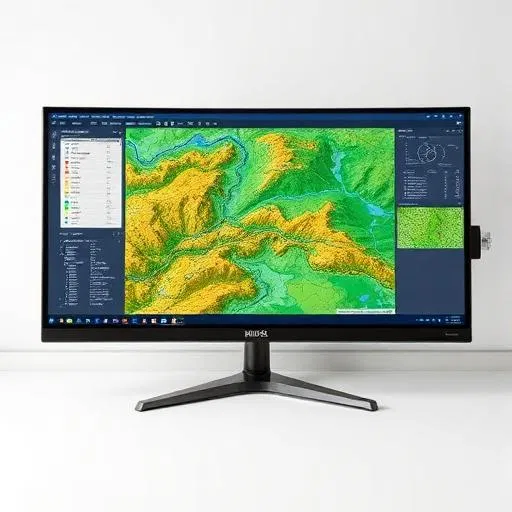
    Widescreen monitor showing 3D GIS analysis of terrain and site planning data.

    The Utility Puzzle: Coordinating Below-Grade Complexity

    Utilities are the invisible project killer. Whether it’s an existing gas line that wasn't properly mapped or a sewer tie-in that requires a depth your soil conditions can't support, utility conflicts are the primary cause of construction-phase delays.

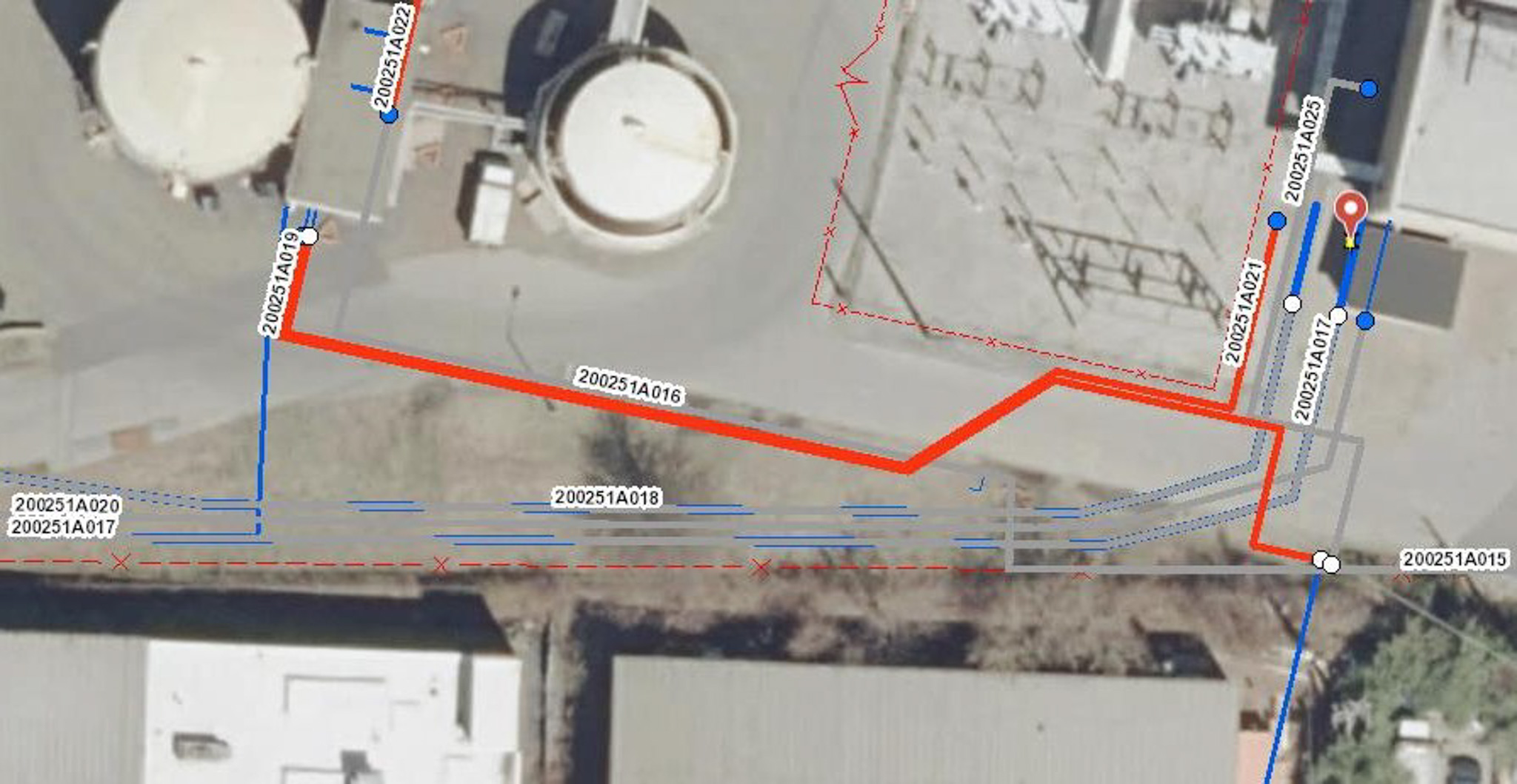
    Most firms hand you a utility plan and wish you luck. Envicon uses Digital & GIS tools to map over 500,000 data points, ensuring that what’s on the paper matches what’s in the ground. By coordinating utility routing with environmental remediation caps and structural foundations early, we eliminate the mid-construction "surprises" that lead to expensive change orders.

    The Big-Box Failure vs. The Envicon Answer

    The unspoken pain of hiring a large national firm is the "Partner Switch." You meet the senior leadership during the pitch, but your grading and drainage plans are actually being drafted by a junior engineer in a satellite office who has never stepped foot on your site.

    The Big-Box Experience The Envicon Approach
    Siloed Departments: Civil and environmental teams don't talk, leading to design clashes. Unified Execution: One team manages the entire subsurface and site design.
    Bloated Reports: Defensively written documents that don't offer a path to closure. Actionable Outcomes: Clean, permit-ready drawings designed to move the project forward.
    Reactive Problem Solving: You find out about a conflict when the excavator hits a pipe. Proactive Planning: GIS mapping and field-first engineering catch conflicts in design.
    Black Box Communication: You never know who is talking to your regulator. Direct Access: You have the senior PE’s cell phone number from day one.

    Aerial site map overlay showing subsurface utility and pipeline routes for coordinated site-civil planning.

    Why Integration is the Only Way Forward

    At Envicon, we don't just deliver services; we help transform underused and contaminated properties into thriving assets. We believe that integrity is about delivering the truth and never cutting corners, especially when it comes to the technical details of grading and drainage.

    If your current consultant is handing you reports but not solutions, it’s time to switch. You need a partner who understands that every week your project is stalled is another week of carrying costs and lost market timing.

    Key Takeaways for Developers:

    • Integrate Early: Bring civil and environmental teams together during the due diligence phase, not after the site plan is finished.
    • Focus on Soil Balance: Small changes in grading can save hundreds of thousands in soil disposal costs.
    • Demand Transparency: Use firms that leverage real-time reporting dashboards so you always know your project’s status.
    • Prioritize Regulatory Fluency: Ensure your engineer knows the specific reviewers at NYC OER, NYSDEC, or NJ DEP by name.

    Stop managing five vendors. Start moving your project forward.

    If you have a site in NY or NJ that needs a cleared path, give us a call. Most proposals are delivered the same day, and our engineers can be on-site within 48 hours.

    Request a Quote Today or use our Instant Cost Estimator to get a ballpark range for your project.

  • Site Characterization Secrets: How to Stop Chasing Soil Borings and Start Building

    Site Characterization Secrets: How to Stop Chasing Soil Borings and Start Building

    It’s 7:00 AM on a Tuesday in Long Island City. You’re standing on a site that should have been under construction three months ago. Instead, you’re looking at a drill rig and a consultant who just told you they need "one more round of delineation" because the last set of soil borings came back "inconclusive."

    Every week this project stalls, your carry costs are mounting. Your lender is losing patience. Your contractor is eyeing other jobs. And your environmental firm? They’re busy writing another 400-page report that tells you what you already know: you have a problem, but they aren't quite sure where it ends.

    This is the "Drilling Merry-Go-Round," and if you’ve worked with large national consulting firms, you’ve likely been stuck on it. At Envicon, we don't believe in chasing soil borings. We believe in clearing paths. Here is how we use technology and a field-first mentality to stop the endless sampling cycles and get you to your foundation pour.

    The Big-Box Failure: Why "More Borings" Isn't Better Data

    The traditional approach to site characterization: the one favored by firms with 10,000 employees and layers of middle management: is fundamentally flawed. They apply a cookie-cutter playbook designed for a cornfield in the Midwest to the complex, heterogeneous soil of New York City and New Jersey.

    They'll pitch you on a "comprehensive" investigation. In reality, that means they’ll punch a dozen holes in the ground, send the samples to a lab, wait three weeks, and then spend another month "analyzing" the results. When the lab data inevitably shows a spike they didn't expect, their answer is always the same: more borings.

    This defensive consulting protects the firm, not your project. They want to be 100% sure they didn't miss a single molecule of contamination so they don't get sued. You want to be 100% sure you can build. Those are two very different goals.

    At Envicon, we don’t sell reports written by interns who have never set foot on your site. We deliver actionable outcomes. We use High-Resolution Site Characterization (HRSC) to find the "secrets" your site is hiding on day one, not day ninety.

    A professional engineer reviewing 3D GIS analysis on a widescreen monitor, visualizing subsurface conditions.

    Secret #1: High-Resolution Site Characterization (HRSC)

    If traditional drilling is like taking a few blurry polaroids of a room, HRSC is like a high-definition 3D scan.

    We use tools like Direct-Push Technology (DPT) paired with continuous logging sensors. Instead of taking a soil sample every five feet and hoping you didn't miss the "hot spot" in between, we collect data every inch. We look at soil conductivity, vapor presence, and groundwater flow in real-time.

    Why this matters for your bottom line:

    • Precision Delineation: We don't guess where the contamination ends. we see it. This prevents the "just one more round" phone call.
    • Targeted Remediation: If you know exactly where the soil is impacted, you don't have to over-excavate. You stop paying "premium rates" for clean dirt to be hauled off as hazardous waste.
    • Regulatory Confidence: When we sit at the table with NYC OER or the NJDEP, we aren't presenting theories. We are presenting data that is hard to argue with.

    Secret #2: The "7 AM Dashboard" Advantage

    One of the biggest frustrations with "big-box" firms is the communication black box. You call your project manager, they call the field tech, the field tech checks their notebook, and maybe you get an answer by Friday.

    At Envicon, we’ve built a proprietary project management infrastructure. Our clients don't wait for monthly PDFs that are outdated before they hit your inbox. You get access to real-time project reporting dashboards.

    A technical 3D cross-section diagram showing soil strata and contamination plumes in a data-driven visualization.

    When our PEs (Professional Engineers) are on-site, the data they collect is uploaded instantly. You can see the schedule, the budget, and the actual subsurface findings as they happen. If we hit a snag, you know about it at 7:05 AM, and we’ve usually got a solution proposed by 9:00 AM.

    This transparency changes the dynamic. It moves the project from "waiting for the consultant" to "moving with the engineer."

    Navigating the NY/NJ Regulatory Landscape

    Whether you are dealing with an E-Designation in Brooklyn or a complex LSRP-led remediation in Jersey City, the rules are different here. National firms often try to use a "general" playbook that doesn't account for the specific quirks of NJDEP Ground Water Technical Guidance or the OER's Voluntary Cleanup Program (VCP).

    We live and breathe these jurisdictions. We know the reviewers by name. We understand that in New Jersey, your LSRP needs to make a decision on the fly to keep the trucks moving. In New York, we know that a "fast-track" submittal only works if it’s technically bulletproof from the start.

    We don't just meet the baseline for Phase I and Phase II ESAs; we exceed it with a 100% lender approval rate. We ensure your site characterization is done right the first time so your Environmental Site Assessment actually clears the path to financing.

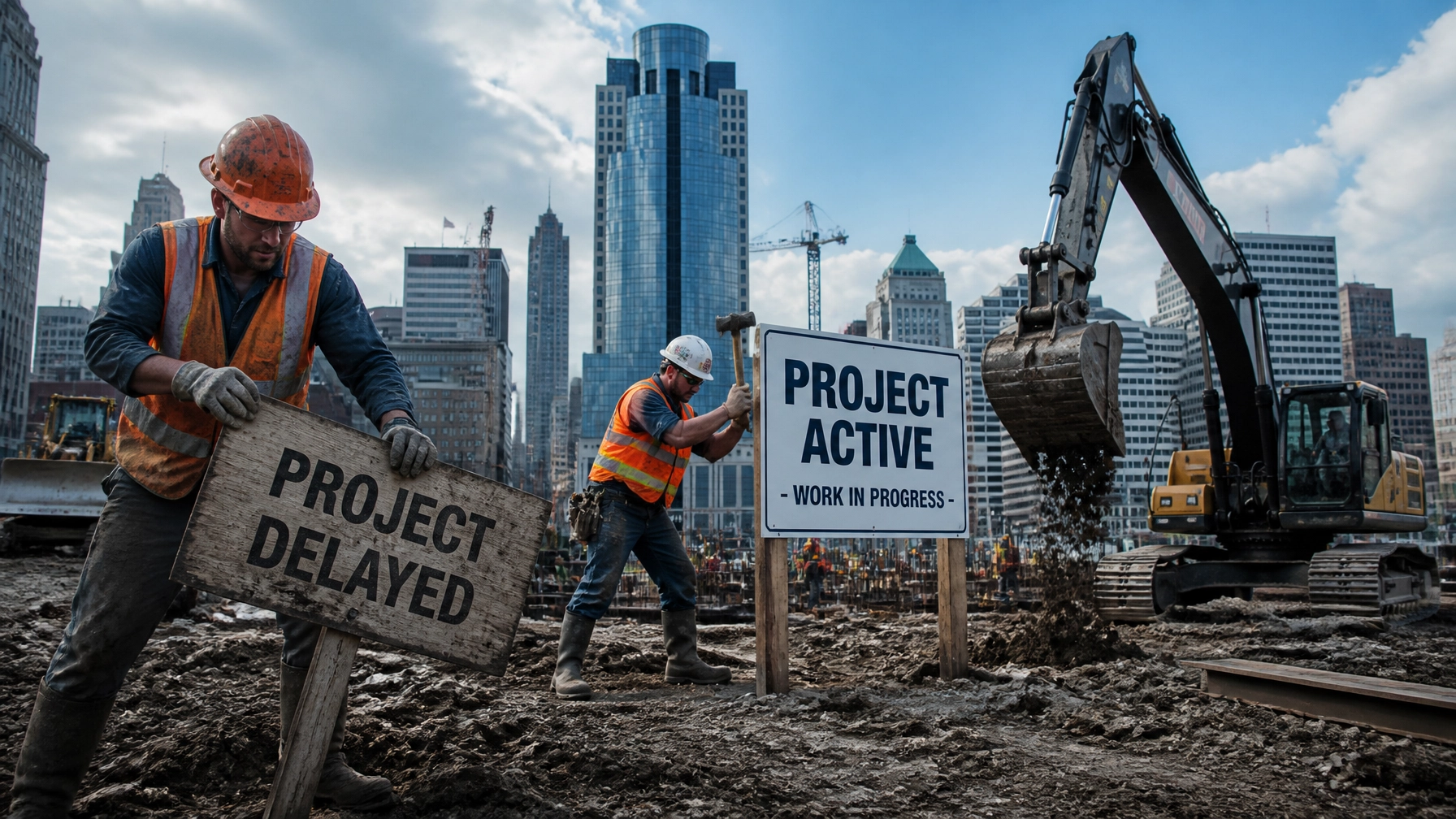
    Excavator and crew performing soil removal at an urban site, moving from investigation to active remediation.

    From Investigation to Construction: The "Cleared Path"

    The goal of site characterization isn't to create a library of soil borings. It’s to provide a Site Development Playbook that your civil engineers and contractors can actually use.

    Because Envicon handles both environmental consulting and civil site engineering, we bridge the gap that usually swallows a developer's budget. Your environmental findings inform the grading plan. Your soil management plan is integrated into the foundation design.

    We don't hand you a report and wish you luck. We take ownership of the outcome. Whether it’s securing SPCC plans, managing SWPPPs, or handling complex soil and groundwater disposal documentation, we are there until the site is clean and the building is up.

    Summary: How to Stop Chasing and Start Building

    If you’re tired of paying for bloated reports and "defensive" consulting that goes nowhere, it’s time to change the approach. Stop hiring firms that treat your project like a number in a queue.

    The Envicon Site Characterization Checklist:

    • Demand High-Resolution Tools: Stop settling for sparse soil borings that leave gaps.
    • Insist on Real-Time Access: You shouldn't have to wait weeks for data you paid for today.
    • Hire the Decision-Maker: Ensure the person writing your report is the same one standing on your site at 7 AM.
    • Integrate Early: Don't wait until the investigation is "done" to talk to your civil engineer.

    At Envicon Group, we help transform underused and contaminated properties into thriving assets. We solve environmental and engineering challenges with precision, speed, and trust. If your project is stalled, or you’re ready to start your next acquisition with a firm that actually moves the needle, let's talk.

    Concrete building foundation under construction, the final result of a successful, efficient site characterization.

    Ready to clear the path for your next project?
    Contact Envicon Group today and let’s get to work.


  • The “Wait and See” Strategy: Why Delaying Remediation Design is a $100k Mistake

    The “Wait and See” Strategy: Why Delaying Remediation Design is a $100k Mistake

    In the high-stakes world of New York and New Jersey real estate development, "wait and see" is often framed as a conservative, risk-mitigation strategy. On paper, it sounds logical: Let’s wait for the full Phase II results. Let’s see what the regulator says about the initial characterization. Let’s wait until the loan is fully closed before we spend a dime on remedial design.

    But in the field, "wait and see" is usually just code for "losing money."

    When you delay the integration of environmental remediation design into your early-stage planning, you aren’t avoiding risk: you’re compounding it. You are trading a relatively small, upfront investment in expert engineering for a massive, daily "burn rate" of carrying costs that can easily exceed $100,000 before you even break ground.

    At Envicon Group, we see this play out constantly. A developer hires a big-box firm that delivers a defensive, 400-page report that sits in a queue for weeks. Meanwhile, the project stalls, the lender gets nervous, and the "burn" begins. We don’t sell reports; we sell cleared paths. And the fastest way to clear a path is to stop waiting and start designing.

    The Math of Inertia: Breaking Down Your Daily Burn Rate

    Let’s be blunt: every day your project sits idle because of an unresolved environmental "question mark," you are writing a check to your lender, the insurance company, and the tax man.

    In the NYC and NJ markets, the carrying costs of a stalled site are staggering. Industry data suggests that once financing is in place, remediation-related delays burn approximately 0.5% to 3.0% of the total project value per month.

    For a $30 million development: a standard mid-sized project in our region: that is a monthly cost of $150,000 to $900,000. If you’re "waiting and seeing" for just three months, you’ve already incinerated enough capital to have paid for your entire remedial design ten times over.

    Here is where that money goes:

    • Financing Costs: On a $30M loan at 7%, your interest alone is roughly $175,000 per month. That interest accrues whether or not there’s an excavator on-site.
    • Insurance Premiums: In New York, construction insurance is a massive budget line, often accounting for 8–10% of total project costs due to the Scaffold Law and other regional factors. Every month of delay extends these high-premium periods.
    • Property Taxes: The municipality doesn’t care that your Phase II is sitting in a consultant’s "review" pile. The taxes keep running.
    • Opportunity Costs: Missing a peak leasing window or a favorable market exit can reduce your projected IRR by 10-15%. In a volatile market, timing is everything.

    The Regulatory Clock: Why Delay is Dangerous

    Waiting doesn’t just cost you interest; it risks your compliance status. The regulatory landscape in NY and NJ is shifting faster than most "big-box" consultants can keep up with.

    Take the NJDEP REAL (Resilient Environments and Landscapes) Rule. These updates are fundamentally changing how we look at flood zones and stormwater management. If you wait to finalize your design, you might find that the rules of the game have changed by the time you’re ready to submit. Suddenly, your "wait and see" approach means your project is now subject to more stringent, more expensive requirements than it would have been three months ago.

    The same applies to the NYC OER (Office of Environmental Remediation) and the Voluntary Cleanup Program (VCP). Navigating an E-Designation requires precise, proactive coordination. If you treat remediation as a "later" problem, you’re setting yourself up for a collision with your foundation and utility schedules.

    Technical soil strata diagram with remediation barrier design

    The Consultant Gap: Defensive Reporting vs. Action Plans

    Why do so many developers fall into the "wait and see" trap? Usually, it’s because their consultant is leading them there.

    Large national firms are built on a model of risk aversion: for themselves, not for you. They produce bloated, defensive reports designed to protect the consultant from liability. These reports are often written by junior staff who have never stood on your site and then reviewed by a partner you haven’t talked to since the pitch.

    The result? A document that tells you what might be wrong, but doesn't give you a clear, engineered path to fix it. They hand you a report and leave you to figure out what it means for your bottom line.

    At Envicon, we do the opposite. We are PE-led and field-first. When we find an issue during a Phase II Environmental Site Assessment, we don’t just flag it. We immediately begin looking at the remedial design and how it integrates with your civil and site engineering.

    We ask the hard questions early:

    • Can we reuse this soil on-site to avoid $200/ton disposal fees?
    • Will this vapor barrier interfere with your foundation's structural integrity?
    • Can we coordinate the remediation with the utility installation to save on mobilization?

    We don’t wait for the regulator to tell us what to do. We sit at the table with the NYC OER, NYSDEC, and NJ DEP and present them with a solution that works for the project and meets the code. That’s the difference between a consultant who sells "billable hours" and a partner who sells "cleared paths."

    Transparency: The Tech Advantage

    One of the biggest drivers of the "wait and see" delay is the information vacuum. If you don’t know exactly where your project stands, you can’t make an informed decision to move forward.

    Most firms send a monthly PDF report that is outdated the moment it hits your inbox. Envicon has built a proprietary environmental dashboard infrastructure that gives our clients real-time visibility into their site.

    Envicon real-time project dashboard vs. traditional paper reports

    With our dashboard, you can see exactly:

    • Which soil samples have been cleared.
    • Where the regulatory hurdles stand in the timeline.
    • The status of every SWPPP inspection and air monitoring result.

    When you have the data, you don't have to "wait and see." You can lead. You can show your lender exactly how you are managing the risk, and you can keep your construction teams moving.

    The Envicon Resolution: Ownership of Outcomes

    We believe that integrity isn't just about ethics; it's about delivering the truth and standing behind the work. If we tell you a site can be cleared by July, we take ownership of that outcome. We don't hide behind "pending results" or "agency delays" if there's a way to push the project forward.

    Our team has 20 years of direct relationships with the reviewers at the NJ DEP and NYC OER. We know them by name. We know how they work. We don't just send an email and wait; we pick up the phone because alignment is how projects actually get done.

    "Collaboration is not a buzzword: it's how we work." : Jason Pancoast, CEO

    Summary and Key Takeaways

    Delaying your remediation design is a gamble where the house (the bank and the regulator) always wins. The "Wait and See" strategy almost always leads to:

    • Inflated Carrying Costs: $100k+ in interest and insurance "burn" per month.
    • Regulatory Traps: Missing windows for grandfathered rules or tax credit deadlines.
    • Construction Stalls: Remediation issues discovered during excavation are 5x more expensive to fix than those addressed in design.
    • Communication Gaps: Large firms leave you in the dark; Envicon keeps you in the driver's seat with real-time data.

    Professional sampling equipment at a New York job site

    Don't Let Your Project Sit in a Queue

    If you’re tired of paying premium rates for junior-staff execution and defensive reports that don't move the needle, it's time to switch. Whether you need a Phase I ESA with a 48-hour turnaround or an LSRP for a complex NJ site, Envicon is ready to get on-site at 7 AM and find your path to closure.

    Stop waiting. Start building.

    Contact Envicon Group today to schedule a site-specific strategy session and see how we can shave months off your schedule and hundreds of thousands off your carrying costs.

  • Vapor Intrusion: The Silent Project Killer and How to Proactively Manage the Risk

    Vapor Intrusion: The Silent Project Killer and How to Proactively Manage the Risk

    It’s 7:00 AM on a Tuesday. You’re on-site, the concrete trucks are scheduled for next week, and your lender just called. They’ve been reviewing the latest round of indoor air data, and suddenly, your "clean" site isn’t so clean. They’re seeing hits of Trichloroethylene (TCE) or Tetrachloroethylene (PCE) that weren't there in the initial Phase II.

    Just like that, your schedule is shot.

    This is the reality of Vapor Intrusion (VI). In the NY/NJ development world, VI is the ultimate silent project killer. It doesn’t look like much: usually just invisible gases migrating from contaminated groundwater or soil into your building’s envelope: but it has the power to stall a closing, trigger mandatory public notifications, and add six figures in unbudgeted mitigation costs before you’ve even finished the foundation.

    At Envicon Group, we don’t just write reports about these risks; we clear the paths to resolve them. If you’re dealing with a project in 2026, the rules of the game have changed, and the "wait and see" approach is a one-way ticket to a stalled site.

    Why Vapor Intrusion Stalls Projects in 2026

    Vapor intrusion isn't a new concept, but the regulatory scrutiny on it has reached a fever pitch. In 2026, the threshold for what constitutes a "safe" level of indoor air has dropped, while the requirements for long-term monitoring have skyrocketed.

    When you hire a big national firm, they often treat VI as a checkbox. They’ll run a few soil vapor samples, compare them to a table, and tell you that you might have a problem. They leave the "what next" up to you. Meanwhile, your carrying costs are ticking up every week the project sits in a regulatory queue.

    The business impact is immediate:

    • Financing Hurdles: Lenders are increasingly wary of "open" VI cases. Without a clear path to a Response Action Outcome (RAO) or a Certificate of Completion (COC), the money stops flowing.
    • Construction Delays: You can’t pour a slab if the NYSDEC or NJDEP hasn't signed off on your mitigation design.
    • Market Timing: If you miss your window because of a rejected submittal, you’re not just paying for a new report: you’re losing market position.

    Close-up of a stainless steel Summa canister used for air sampling on an industrial construction site.

    The New NJDEP Reality: RAP, IANA, and Public Scrutiny

    If you’re developing in New Jersey, the regulatory landscape shifted significantly in early 2026. Vapor intrusion is no longer just a "media" concern; it is now a formal part of the Remedial Action Permit (RAP) process.

    The NJDEP now treats indoor air as its own media component, alongside soil and groundwater. This means that if your site has VI issues, you aren't just managing a one-time cleanup. You are managing a perpetual permit that requires financial assurance, biennial certifications, and: most critically: the newly implemented Indoor Air Notification Area (IANA).

    What is an IANA?

    Think of an IANA as a Classification Exception Area (CEA) for air. If indoor air standards are exceeded and you need an engineering control (like a sub-slab depressurization system), your site will be mapped on a public GIS layer. You are now required to notify the municipality, the health department, and nearby property owners that your building requires ongoing mitigation to be safe for occupants.

    This is where the "silent killer" gets loud. Without proactive management and a technically sharp LSRP who knows how to coordinate directly with the department, an IANA can become a PR nightmare and a massive liability for your exit strategy.

    Technical engineering visual of a New Jersey site plan overlay showing an Indoor Air Notification Area (IANA) zone.

    The NYC OER E-Designation Trap

    Across the river in NYC, the Office of Environmental Remediation (OER) and the NYSDEC have their own set of teeth. If your site has an E-Designation for hazardous materials, vapor intrusion is almost certainly on the menu.

    The trap many developers fall into is thinking that a standard vapor barrier is enough. In 2026, OER is looking for more than just a sheet of plastic. They want engineered Sub-Slab Depressurization Systems (SSDS) with active telemetry, pressure field extension testing, and specific performance criteria that must be met before they issue a Notice of Satisfaction.

    At national firms, regulatory coordination is a black box. You don’t know who is talking to your reviewer or why your submittal is sitting in a pile. At Envicon, we sit at the table with OER and NYSDEC. We know the reviewers by name because alignment is the only way projects actually get done in the five boroughs.

    Proactive Management: Design It Right the First Time

    The most expensive mistake you can make is treating vapor mitigation as a retrofit. Designing an SSDS after the foundation is in place is like trying to fix the plumbing after you’ve tiled the bathroom.

    Our approach is field-first and data-driven. We use high-resolution site characterization to map the plume before the first excavator hits the dirt.

    • Pre-emptive Testing: We don’t just follow the "minimum requirements." We sample where it matters: near sumps, elevator pits, and utility penetrations.
    • Integrated Design: Our civil and environmental teams work together. We don’t just give you a "report"; we give you a remedial design that integrates with your architectural plans, ensuring the mitigation system doesn't interfere with your usable space or your budget.
    • Real-Time Visibility: While big firms send you a monthly PDF that’s already outdated, Envicon provides real-time project reporting dashboards. You see exactly where we are with the regulators, the lab results, and the field activity as it happens.

    A field-level shot of a drill rig core sample sleeve being opened at a New York construction site, showing soil strata.

    The Envicon Difference: Solving, Not Reporting

    Most consultants sell you a document. We sell a cleared path.

    When you hire a large national firm, you get a cookie-cutter playbook. They’ll apply a strategy designed for a warehouse in Ohio to your high-rise in Long Island City. It doesn't work. The NYC and NJ markets are too complex, the regulators are too specific, and the stakes are too high.

    At Envicon, you get:

    1. Hands-on Leadership: The person who pitched you the project is the person answering your 7:00 AM call. No junior staff hand-offs.
    2. Technical Precision: We don’t write defensive, bloated reports. We produce documentation that holds up under scrutiny and moves the project to the next milestone.
    3. Agency Fluency: We bring 20 years of direct relationships with OER, NYSDEC, and NJDEP. We don’t wait in the queue; we drive the conversation.

    Summary and Takeaways

    Vapor intrusion is a manageable risk, but only if you stop treating it as an afterthought. To keep your project moving in 2026:

    • Acknowledge the 2026 Rules: NJ’s new IANA and RAP requirements mean VI is now a permanent part of your site’s legal and financial profile.
    • Avoid the "Wait and See": Early characterization and proactive design are significantly cheaper than retrofitting a failed system.
    • Demand Transparency: If your consultant can’t tell you who your regulator's reviewer is or give you real-time data, you’re at risk.

    Don't let invisible gases kill your deal. If you're looking at a site with potential vapor issues, or if your current consultant is spinning their wheels with the NJDEP or OER, give us a call. We’ll get on-site, get the data, and give you the truth: no fluff, just a path to building.

    Ready to clear the path for your next project? Contact Envicon Group today.

  • Brownfield Tax Credits in NJ: How to Turn a Contaminated Site into a Profitable Asset

    Brownfield Tax Credits in NJ: How to Turn a Contaminated Site into a Profitable Asset

    For most developers in New Jersey, a contaminated site feels like a liability. It’s a hole in the ground that swallows capital, stalls timelines, and creates endless regulatory friction. But in 2026, the math has shifted. What was once a "distressed asset" can now be the highest-margin project in your portfolio: if you know how to leverage the New Jersey Brownfields Redevelopment Incentive Program (BRIP).

    Managed by the NJ Economic Development Authority (NJEDA), the BRIP offers a one-time, transferable corporate tax credit that can cover up to 100% of your remediation costs. This isn't just a "nice to have" incentive; it’s a strategic tool designed to close the financing gap on high-stakes developments.

    The problem? Most big-box environmental firms treat these credits like an administrative afterthought. They’ll hand you a bloated report and wish you luck with the application. At Envicon Group, we don’t sell reports: we sell cleared paths. We understand that securing a $10 million tax credit requires more than just technical data; it requires a field-first strategy that aligns your site investigation with NJEDA’s strict competitive requirements.

    The BRIP Numbers: Turning Remediation into ROI

    The BRIP program is competitive, and the awards are significant. Depending on your project’s location and type, the tax credit can drastically alter your pro forma.

    • Solar on Landfills: In Government-Restricted Municipalities (GRM) or Qualified Incentive Tracts (QIT), you can see a 100% credit for remediation costs, capped at $12 million.
    • Commercial & Mixed-Use: In GRMs like Atlantic City, Paterson, or Trenton, you can secure up to 80% of remediation costs, capped at $12 million. In other areas of NJ, the credit typically covers 60%, capped at $8 million.
    • Residential Expansion: As of the 2026 legislative updates (Bill A4914), the program has expanded to include qualifying residential redevelopment projects, making brownfield sites even more attractive for multi-family developers.

    The most critical feature of these credits is that they are transferable. If your project doesn’t have the NJ tax liability to use the credit internally, you can sell it to an entity that does, providing an immediate infusion of liquidity to the project.

    Technical shot of a soil core sample showing various layers of NJ soil strata

    The "Lethal" Mistake: Don’t Touch the Dirt Yet

    There is one rule that kills more tax credit applications than any other: The Timing Rule.

    Under NJEDA regulations, if you start significant remediation work: beyond investigation and assessment: before you apply for the BRIP, you are disqualified. Many developers, pushed by aggressive schedules or bad advice from junior-staff consultants at national firms, jump into the cleanup to "keep things moving."

    By the time they realize they could have saved $4 million in costs, it’s too late. The agency’s stance is clear: if you could afford to start the cleanup without the credit, you didn't have a "financing gap," and therefore, you don’t need the incentive.

    At Envicon, we act as your strategic filter. We coordinate directly with your LSRP and the NJEDA to ensure every soil boring and groundwater sample supports your application without triggering the "start of remediation" trap. We understand the NJDEP LSRP rules aren't suggestions: they are the guardrails for your project's financial success.

    Why Your Current Consultant is Costing You Money

    When you hire a large national firm, you talk to a partner at the pitch and then never see them again. Your project gets handed to a junior associate who is more worried about billable hours than your IRR.

    This "big-box" approach creates three major points of friction:

    1. Defensive Reporting: They write reports to protect themselves, not to move your project. Their documents are often so bloated that regulatory reviewers at the NJDEP or NJEDA put them at the bottom of the pile.

    2. The Communication Black Box: You never know who is actually talking to your reviewer. Alignment with local officials and state agencies is how projects actually get done, yet big firms treat regulatory coordination like a secret society.
    3. Scope Creep: Without a field-first mentality, these firms often miss the nuances of site conditions, leading to change orders that inflate your budget mid-cleanup.

    Envicon works differently. We are family-owned, PE-led, and regulator-facing. We sit at the table with the NJDEP and NJEDA: not behind a queue. Our real-time project dashboards give you full visibility into field activity, so you’re never in the dark about your remediation status or your credit eligibility.

    Engineering site plan with remediation barriers and groundwater monitoring locations

    Navigating the Competitive Landscape

    Securing a BRIP award isn't automatic. It’s a competitive process where projects are scored based on economic impact, local support, and technical feasibility. To win, you need to prove:

    • A Financing Gap: You must demonstrate that the project is not economically feasible without the tax credit.
    • Prevailing Wage Compliance: All remediation and construction work must pay NJ construction prevailing wage.
    • Green Standards: Your project must meet specific Green Building and Green Remediation standards.
    • Local Support: You need a formal letter of support from the local governing body.

    This is where remedial design becomes a tactical advantage. We design cleanups that aren't just compliant: they are optimized for the tax credit scoring criteria. We help you navigate the compliance and permit matrix to ensure your project stands out to NJEDA reviewers.

    Action Plan: 5 Steps to Secure Your NJ Brownfield Tax Credit

    1. Stop Remediation Immediately: If you haven’t applied yet, don't move a single yard of contaminated soil. Limit your activity to Phase I and Phase II Site Assessments.
    2. Verify Brownfield Status: Ensure your site meets the NJEDA's definition of a brownfield. We can provide a Brownfield Opportunity Report to confirm eligibility.
    3. Get Local Buy-In: Start the conversation with the municipality early. A resolution of support is a non-negotiable requirement.
    4. Run the Math: Work with an engineering firm that understands the BRIP percentages. If you aren't in a GRM or QIT, your cap is lower, and your equity contribution requirement is higher (20% vs 10%).
    5. Engage a "Field-First" Partner: Hire a firm that picks up the phone and knows your reviewer by name. You need an advocate on site at 7 AM, not a project manager reading notes from someone they've never met.

    Professional engineers in safety gear reviewing blueprints on a brownfield site at dawn

    The Bottom Line

    "Integrity is not just ethical behavior: it is about delivering the truth and never cutting corners." At Envicon Group, we apply that philosophy to every brownfield project we touch. We help you transform underused, contaminated properties into thriving assets by removing the obstacles between you and a buildable site.

    The NJ Brownfield Tax Credit is a powerful lever for developers who move with precision and urgency. Don’t let a slow, generic consulting firm stall your project or leave millions of dollars on the table.

    Ready to unlock the potential of your site? Contact Envicon Group today to discuss your NJ Brownfield strategy.

    Summary Takeaway

    • NJ BRIP credits cover 60% to 100% of remediation costs (up to $12M).
    • Credits are transferable, providing critical project liquidity.
    • Timing is everything: Starting remediation before your application is a fatal error.
    • Expertise matters: Choose a firm with direct agency relationships and a field-first approach to maximize your chances in a competitive program.

  • The Hidden Carrying Costs of a 30-Day Phase I: Why “Standard” Timelines are Killing Your IRR

    The Hidden Carrying Costs of a 30-Day Phase I: Why “Standard” Timelines are Killing Your IRR

    It’s 7:00 AM on a Tuesday. You’re standing on a cold, gravel-strewn site in Jersey City or Long Island City, steam rising from your coffee, looking at a vacant lot that should already be under construction. Instead, it’s sitting idle. Why? Because you’re waiting on a Phase I Environmental Site Assessment (ESA) report from a firm that told you "three to four weeks" was the industry standard.

    In the world of high-stakes real estate development, "standard" is another word for "expensive."

    Most developers treat the Phase I as a box to check: a necessary evil for the lender. But if you’re looking at it that way, you’re missing the line item that’s silently gutting your Internal Rate of Return (IRR). While your big-box consultant is routing your report through three layers of junior reviewers and a corporate "Quality Assurance" department in a different time zone, your capital is locked, your interest is accruing, and your lender’s patience is thinning.

    At Envicon, we don’t do "standard." We deliver Phase I ESAs in as little as 48 to 72 hours. Because we know that in the NY/NJ market, a 27-day difference isn't just a scheduling quirk: it’s a six-figure financial hit.

    The Math of the Burn: Daily Carrying Costs in 2026

    Let’s talk numbers. If you’re playing in the $50M to $100M range for an urban redevelopment project, your daily carrying costs aren't a rounding error. Between debt service on the land acquisition loan, property taxes, insurance, site security, and developer overhead, a typical NYC development can easily burn $17,000 per day in non-productive costs.

    When a consultant tells you they’ll have the report to you in 30 days, they are effectively asking you to write a check for $510,000 just to wait for their PDF.

    Technical soil sample on a site map

    Every day that Phase I sits in someone's queue is a day your excavation team isn't on-site. It's a day your building permit is held up in the NYC OER or NJDEP pipeline. It’s a day you’re paying 8% interest on a bridge loan for a site that’s currently producing exactly zero dollars in cash flow.

    IRR Erosion: Why 27 Days Puts You 100 Basis Points in the Hole

    Investors and equity partners don't care about "environmental hurdles"; they care about the terminal value and the speed of the exit. IRR is hyper-sensitive to time.

    Research into the financial impact of environmental delays shows that for a typical 5-year value-add deal, a 60-to-90-day delay in closing can reduce your equity IRR by 50 to 150 basis points.

    Think about that. If you’re targeting a 15% IRR, a sluggish environmental process can drag you down to 14% before you’ve even moved the first yard of dirt. That’s the difference between a project that’s a "home run" and one that barely clears the hurdle rate for your investors.

    The industry-standard 30-day turnaround is a relic of a slower era. In 2026, waiting a month for a Phase I isn't just a delay: it’s an active impairment of your asset’s value.

    Why Lenders Lose Patience (and How to Keep It)

    Lenders are risk-averse by nature. They need that Phase I to satisfy ASTM E1527-21 standards and qualify for CERCLA "All Appropriate Inquiry" defenses. But lenders also have windows. Rate locks expire. Credit committees move on to other deals.

    When you tell a lender that the environmental report is "coming soon" for the third week in a row, you’re signaling that you don’t have control over your critical path. You look like a risk.

    Envicon has a 100% lender approval rate. We don’t just write reports; we write documents designed to pass through credit committee review on the first pass. By delivering in 72 hours, we move the deal from "pending" to "funded" while the competition is still looking for old Sanborn maps. We sell cleared paths, not just paper.

    Modern environmental dashboard showing project progress

    The Envicon 72-Hour Engine: How We Cut the Fat

    You might be wondering: How does Envicon do in 3 days what a national firm does in 30?

    The answer isn't that we work harder (though we do); it’s that we’ve built a specialized infrastructure for the NY/NJ market.

    1. No Hand-offs to Juniors: At a big-box firm, your project is handed to an intern or a junior staffer who has never stepped foot on a NYC brownfield. They write a draft, send it to a manager, who sends it to a partner. At Envicon, you talk to the Licensed Professional Engineer (PE) who is actually doing the work.
    2. Proprietary Technology: We’ve replaced spreadsheet chaos with real-time environmental dashboards. Our data collection is streamlined so that findings from the field are integrated into the report before the engineer even leaves the site.
    3. Regulator Fluency: We know the reviewers at NYC OER, NYSDEC, and NJDEP by name. We don't guess what they want; we know what they require. This "regional fluency" eliminates the back-and-forth that kills project timelines.
    4. Integrated Services: We are one of the few firms that combine environmental assessment with civil engineering. We don't just find a Recognized Environmental Condition (REC); we immediately start thinking about how it affects your foundation design and stormwater management.

    Moving from "Reports" to "Cleared Paths"

    Most consultants think their job is over when they hit "send" on an email with a 300-page PDF attachment. They give you a report and leave you to figure out what it means for your budget and your schedule.

    We see it differently. A Phase I is a tool to move a project forward. If that tool is blunt or late, it’s useless. We provide value-add work that bridges the gap from findings to action. If we find an issue, we’re already drafting the Phase II sampling plan and estimating the remediation costs so you can renegotiate the purchase price or adjust your pro forma in real-time.

    Aerial view of a brownfield remediation site

    The Bottom Line

    Every week your project sits in an environmental consultant’s queue, you are losing money. You are paying for their overhead, their bureaucracy, and their inability to move at the speed of the NY/NJ market.

    Stop paying for delays. Switch to a firm that understands your timeline is the only deadline that matters. Whether it’s a Phase I ESA, a SWPPP, or a complex brownfield redevelopment, Envicon is built to move your project from "stalled" to "cleared."

    Ready to stop the burn?
    Contact Envicon Group today for a same-day proposal. Let’s get your site cleared and your project moving.


    Summary Takeaway

    • Time is Money: In the NYC/NJ market, carrying costs can exceed $17k per day. A 30-day "standard" turnaround is a $500k hidden expense.
    • IRR Impact: Delays in environmental due diligence can erode project IRR by 100+ basis points.
    • The Envicon Edge: 72-hour turnarounds, 100% lender approval, and direct PE access.
    • Action: Don't treat environmental as a checkbox; treat it as a critical path item.

    Successful project closing document and pen

  • NYC’s New ‘Sustainable Development’ Rebrand: Beyond Just a Name Change

    NYC’s New ‘Sustainable Development’ Rebrand: Beyond Just a Name Change

    If you've been tracking the NYSDEC's Brownfield Cleanup Program (BCP) lately, you've probably noticed something subtle but significant: the language is changing. "Sustainable development" isn't just showing up in press releases anymore: it's woven into project guidance, approval criteria, and stakeholder expectations. This isn't window dressing. It's a fundamental shift in how New York State approaches contaminated site redevelopment, and developers who get ahead of it are watching their projects sail through approvals while others hit unexpected delays.

    The question is: are you treating this like a PR exercise, or are you redesigning your approach from the ground up?

    What's Actually Changing (And What Isn't)

    Let's be clear: the core mechanics of the BCP haven't disappeared overnight. You're still filing Brownfield Cleanup Agreements (BCAs), working through Remedial Investigation and Alternatives Analysis (RI/AA) phases, and chasing those Certificate of Completion (COC) milestones. The regulatory framework remains intact.

    What's shifting is the lens through which the NYSDEC and NYC Office of Environmental Remediation (OER) are evaluating projects. Sustainable development principles: green infrastructure integration, climate resilience considerations, long-term environmental stewardship: are moving from "nice-to-have" bonus points to embedded expectations. Projects that demonstrate these commitments upfront aren't just getting positive press; they're experiencing measurably faster agency feedback cycles and fewer request-for-information loops.

    NYC brownfield site with green infrastructure including bioswales and rain gardens during remediation

    We've seen this evolution firsthand with clients in Manhattan and Brooklyn. Two comparable BCP sites, similar contamination profiles, similar end-use scenarios. One team integrated stormwater management through bioswales and permeable pavement in their initial RI/AA submission. The other took a conventional approach, planning to address stormwater later in civil design. The sustainable approach received preliminary approval comments in 40% less time. That's not anecdotal: it's the new competitive advantage.

    The Green Infrastructure Advantage: More Than Optics

    Green infrastructure isn't just about looking good in a community meeting. When properly integrated into brownfield remediation strategy, it solves multiple engineering challenges simultaneously while directly addressing NYSDEC's expanding sustainability mandate.

    Consider a typical NYC brownfield scenario: you've got contaminated soils requiring excavation, impervious surfaces contributing to combined sewer overflow (CSO) issues, and community concerns about neighborhood livability. The traditional playbook handles these sequentially: remediate first, build infrastructure second, address community benefits third.

    The sustainable development approach layers these solutions:

    • Permeable pavement systems that reduce stormwater runoff while serving as engineered barriers over remediated zones
    • Rain gardens and bioswales that provide natural attenuation while creating community green space amenities
    • Soil capping strategies that incorporate native vegetation for erosion control and urban heat island mitigation
    • Constructed wetlands for groundwater management that double as habitat restoration features

    Active Urban Construction Site

    When you present this integrated approach in your BCP application documents, you're not just checking sustainability boxes: you're demonstrating sophisticated engineering that reduces long-term monitoring burdens, minimizes ongoing maintenance costs, and delivers measurable environmental co-benefits. NYSDEC reviewers recognize this. They've seen enough conventional plans. When something demonstrates genuine innovation that aligns with state climate goals, it gets attention.

    The Speed-to-Approval Reality

    Here's the part that matters for your bottom line: projects that embed sustainability from day one are moving through the approval pipeline faster. Not marginally faster: significantly faster.

    Why? Three reasons:

    First, you're anticipating comments before they arrive. NYSDEC staff are increasingly flagging climate resilience and sustainability considerations in their review feedback. If your initial submission already addresses stormwater management intensity, urban heat impacts, and long-term site stewardship, you're eliminating entire rounds of back-and-forth.

    Second, you're creating alignment across multiple agencies. NYC projects often require coordination between NYSDEC, NYC OER, Department of Environmental Protection (DEP), and Department of City Planning (DCP). Green infrastructure creates natural touchpoints that these agencies already support. When your brownfield remedy inherently addresses DEP's stormwater goals and DCP's sustainability objectives, you're building interagency consensus rather than fighting siloed review processes.

    Third, you're future-proofing against evolving standards. New York's Climate Leadership and Community Protection Act (CLCPA) continues to drive policy evolution. Projects approved today need to operate for decades. Demonstrating climate-forward thinking now reduces the risk of future compliance retrofits that could trigger reopeners or additional remediation obligations.

    Environmental engineering team collaborating on sustainable brownfield cleanup site plans

    Practical Integration: What This Looks Like In Practice

    So how do you actually operationalize this? It starts earlier than you think: during your Phase II Environmental Site Assessment (ESA) and continues through every stage of BCP enrollment and remediation.

    During Site Investigation:

    • Characterize existing stormwater flow patterns and identify opportunities for natural infiltration zones
    • Evaluate soil remediation endpoints that enable vegetative cover rather than defaulting to full impervious capping
    • Assess site topography for potential rain garden, bioswale, or constructed wetland locations
    • Document baseline ecosystem conditions to enable habitat enhancement claims

    In Your BCP Application:

    • Explicitly articulate how your remedial approach supports sustainable development objectives
    • Include conceptual green infrastructure plans alongside traditional remedy alternatives
    • Quantify environmental co-benefits: stormwater volume reduction, carbon sequestration potential, heat island mitigation
    • Reference alignment with NYC's Climate Mobilization Act and statewide CLCPA goals

    Modern Multi-Family Residential Development

    Through Remedy Design:

    • Select remedial technologies with lower carbon footprints (in-situ treatment vs. soil excavation where feasible)
    • Design engineered barriers that incorporate vegetation and biological activity
    • Plan for adaptive management that allows ecosystem evolution over time
    • Build in monitoring systems that track both contamination and ecological performance metrics

    In Community Engagement:

    • Frame sustainability features as neighborhood amenities, not just regulatory compliance
    • Demonstrate how green infrastructure creates jobs during construction and reduces flood risk long-term
    • Connect brownfield cleanup to broader community resilience and environmental justice goals

    The key is integration. These aren't separate workstreams; they're dimensions of a holistic site development strategy that happens to align perfectly with where NYSDEC is heading.

    The Real Rebrand: From Cleanup to Opportunity

    Here's what the "sustainable development" language shift really represents: New York State is repositioning brownfield sites from contaminated liabilities into climate solution opportunities. Every remediated acre is a chance to reduce stormwater burden, sequester carbon, mitigate heat, restore habitat, and build community resilience.

    This isn't altruistic thinking: it's pragmatic policy. New York has aggressive climate targets and limited public funding. Leveraging private brownfield redevelopment to deliver sustainability co-benefits is smart governance. And developers who recognize this aren't just being good environmental stewards; they're gaining tangible competitive advantages in approval timelines, community support, and long-term asset value.

    Completed NYC brownfield redevelopment with integrated green infrastructure and community spaces

    The developers treating this like a cosmetic rebrand: throwing "sustainable" into project descriptions without changing actual engineering: are missing the moment. The ones redesigning their approach from feasibility analysis forward are building the projects that define the next decade of urban redevelopment.

    Your Next Move

    If you're planning BCP enrollment in 2026, you have a choice. You can submit a conventional application and spend the next 18 months in iterative review cycles as NYSDEC staff request sustainability considerations you could have included upfront. Or you can lead with an integrated approach that demonstrates you understand where the program is heading and you're already there.

    The technical barriers aren't as high as you might think. Green infrastructure design for brownfield applications is well-established. The engineering is proven. The cost differentials are often neutral or favorable when you account for reduced long-term maintenance and monitoring obligations. What's required is a shift in planning mindset: bringing environmental engineers, civil engineers, and landscape architects into the same room earlier in the process.

    We've been guiding clients through this evolution across the New York metropolitan area, and the pattern is clear: early sustainability integration accelerates everything downstream. Faster approvals, stronger community support, reduced regulatory risk, and development outcomes that hold value in an increasingly climate-conscious market.

    The "rebrand" isn't just NYSDEC's. It's how successful developers are rethinking brownfield redevelopment itself: from cleanup obligation to sustainable development opportunity. The question is whether you're ready to make that shift before your competition does.


    Ready to integrate sustainability into your brownfield strategy? Our team helps developers navigate NYSDEC and NYC OER requirements while building climate-forward projects that move faster through approvals. Let's talk about your next project.Envicon Strategic Solutions Logo

  • Looking For an LSRP in New Jersey? Here Are 10 Things You Should Know

    Looking For an LSRP in New Jersey? Here Are 10 Things You Should Know

    If you're buying, selling, or developing property in New Jersey that has any history of industrial or commercial use, you're going to encounter a three-letter acronym that will become very important to your project: LSRP.

    A Licensed Site Remediation Professional isn't just another consultant. In New Jersey, an LSRP holds the legal authority to oversee your entire environmental cleanup process: from investigation through final closure. Choosing the right one can mean the difference between a project that moves efficiently toward completion and one that stalls indefinitely in regulatory limbo.

    Here's what you need to know before you hire one.

    1. LSRPs Have Real Legal Authority

    This isn't just a certification or a credential to hang on the wall. The 2009 Site Remediation Reform Act (SRRA) fundamentally changed how environmental remediation works in New Jersey by giving qualified professionals the authority to independently conduct environmental investigations and cleanups without prior New Jersey Department of Environmental Protection (NJDEP) approval.

    Before the LSRP program, every remediation project required individual NJDEP review and sign-off at multiple stages. The backlog was enormous, and projects would sit for months: sometimes years: waiting for agency response. The SRRA shifted that responsibility to licensed professionals who can now issue Response Action Outcomes (RAOs) on behalf of the state.

    This is a significant amount of power. Make sure you're handing it to someone who knows how to use it.

    LSRP and project manager reviewing a remediation plan on-site in New Jersey

    2. Not All Environmental Consultants Are LSRPs

    Here's where people get confused. You might have an environmental consultant who's been doing Phase I and Phase II work in New Jersey for decades. That doesn't make them an LSRP.

    The licensing requirements are specific and rigorous:

    • Bachelor's degree or higher in natural, chemical, or physical science or a related engineering field
    • Eight years of full-time professional experience in site remediation
    • At least five years of that experience must be in New Jersey, with three of those years occurring within the five years immediately prior to application
    • 5,000 hours of documented New Jersey-specific experience demonstrating competence to issue RAOs
    • Completion of OSHA 29 CFR 1910.120 environmental health and safety training within one year of application
    • Completion of a Board-approved course on New Jersey's site remediation rules within 36 months of application
    • Passing a rigorous state licensing examination

    The bottom line: your LSRP has earned the credential through extensive, verifiable New Jersey experience. Ask about it.

    3. You Are Required to Have One

    This isn't optional. Under SRRA, all responsible parties conducting site remediation in New Jersey must use the services of an LSRP. If you're remediating contaminated property: whether you caused the contamination or inherited it: you need an LSRP on your team.

    The only exception is if you've voluntarily enrolled in NJDEP direct oversight, which comes with its own set of complications and longer timelines. For most property transactions and development projects, the LSRP pathway is the faster, more practical route.

    4. They're Bound by Strict Ethics Rules

    LSRPs aren't just technically qualified: they're held to a strict code of professional ethics enforced by the Site Remediation Professional Licensing Board. Violations can result in penalties, suspension, or permanent license revocation.

    This matters for you because it means your LSRP has a legal and professional obligation to act in accordance with New Jersey's environmental regulations, even when that might conflict with what a client wants to hear. A good LSRP will tell you when something won't work and why. That's not obstruction: that's exactly what you're paying for.

    "The LSRP program put qualified professionals in charge of the process while maintaining accountability through rigorous oversight and ethics requirements. It's the best of both worlds for property owners who need to move projects forward responsibly."

    Environmental engineers reviewing site maps and remediation plans in a field office trailer (NJ job site)

    5. Experience in Your Specific Situation Matters

    Not all contaminated sites are the same. A gas station with leaking underground storage tanks presents different challenges than a former dry cleaner with chlorinated solvent contamination, which is different again from a legacy manufacturing facility with heavy metals in the soil.

    When you're evaluating LSRPs, ask about their experience with:

    • Your specific contaminants of concern
    • Your property type (industrial, commercial, residential redevelopment)
    • Your end use (the cleanup standards are different depending on how the property will be used)
    • Your regulatory pathway (are you in a Brownfield Development Area? Subject to an environmental covenant?)

    At Envicon, we've handled remediation projects across the spectrum: from complex urban infill sites to legacy industrial properties throughout the New Jersey corridor.

    6. Communication Style Is More Important Than You Think

    Technical competence is table stakes. What separates a good LSRP from a great one is the ability to communicate complex regulatory and technical information in terms you can actually use for decision-making.

    You need someone who will:

    • Explain the remediation process and timeline in plain language
    • Proactively identify potential problems before they become expensive surprises
    • Keep you informed of progress without burying you in unnecessary detail
    • Interface effectively with NJDEP when required
    • Coordinate with your attorneys, lenders, and other project stakeholders

    If you can't get a straight answer during the proposal process, that's a red flag.

    7. They Need to Maintain Ongoing Education

    The regulatory landscape doesn't stand still. LSRPs are required to renew their licenses every three years and complete 36 continuing education credits, including mandatory ethics training.

    This ensures your LSRP stays current on regulatory changes, new remediation technologies, and evolving NJDEP guidance. Ask when their license was last renewed and what continuing education they've completed recently.

    Groundwater sampling from a monitoring well using field meters and pumps (NJDEP-regulated investigation)

    8. The $900 Annual License Fee Is Just the Beginning

    LSRPs pay a $900 annual license fee to maintain their credentials. But the real cost of maintaining an LSRP practice includes ongoing training, professional liability insurance, and the infrastructure to manage complex remediation projects.

    What does this mean for you? Be wary of the lowest bid. An LSRP who's cutting corners on their practice is probably cutting corners elsewhere. Environmental remediation is not the place to shop for bargains.

    9. Criminal History and Professional Conduct Are Scrutinized

    Before someone can become an LSRP, their background is thoroughly vetted. Applicants cannot have been convicted of environmental crimes, fraud, theft by deception, forgery, or similar offenses. They also cannot have had any professional license revoked or surrendered due to disciplinary action within the previous 10 years.

    You can verify any LSRP's license status through the NJDEP LSRP licensing board. Do your due diligence.

    10. The Right LSRP Can Actually Save Your Project

    Here's the part that doesn't get talked about enough: a skilled LSRP doesn't just check regulatory boxes. They find the most efficient path through the remediation process that protects your interests while meeting all legal requirements.

    That might mean:

    • Identifying cleanup approaches that are less expensive but equally protective
    • Structuring investigations to answer the right questions the first time
    • Negotiating reasonable remediation timeframes that align with your development schedule
    • Helping you understand which regulatory pathways offer the best outcomes for your specific situation

    We've seen projects where the right LSRP involvement saved months of timeline and hundreds of thousands of dollars in unnecessary remediation costs. We've also seen projects where poor LSRP selection led to years of delays and regulatory complications.

    The Bottom Line

    Finding the right LSRP in New Jersey comes down to three things: verified credentials, relevant experience, and clear communication. Don't just hire the first name that comes up in a search. Interview multiple candidates, ask specific questions about their experience with sites like yours, and make sure you're comfortable with how they explain complex issues.

    Environmental remediation is a significant undertaking. The LSRP you choose will be your guide through every phase of the process. Choose wisely.

    If you're navigating a remediation project in New Jersey and need experienced guidance, our team at Envicon has the expertise to help you move forward efficiently and in full compliance with NJDEP requirements.Envicon Strategic Solutions Logo