In the high-stakes world of New York and New Jersey real estate development, most project delays don’t happen because of a lack of vision. They happen because of a lack of coordination.
Too many developers treat civil engineering as the "cleanup hitter": the firm brought in late in the game to figure out how to move water and dirt around after the building footprint is already locked in. By the time the civil team points out that your grading doesn’t work with the local SWPPP (Stormwater Pollution Prevention Plan) requirements or that your utilities clash with a subsurface environmental cap, you’re already looking at a six-figure redesign and a three-month permit delay.
At Envicon Group, we see it differently. Grading, drainage, and utility design aren't just technical checkboxes; they are the financial bedrock of your project. When civil and environmental engineering are siloed, you pay the price in change orders and carrying costs. When they are integrated, you unlock a buildable, compliant asset faster than the competition.
The Collision Course: Why Civil and Environmental Need to Talk
If you’ve ever had a project stalled because your environmental consultant’s remediation plan made your civil engineer’s drainage design impossible to build, you know the pain of "Big-Box" consulting. Large national firms often house these departments in different cities: or at least different floors: where they rarely speak the same language.
Integrating these disciplines isn’t about "synergy"; it’s about risk mitigation. In NYC and NJ, where contaminated sites are the norm rather than the exception, your civil site plan must be designed in tandem with your remedial strategy.
- The Soil Balance: Your grading plan determines how much soil stays and how much goes. If your civil engineer isn't talking to your environmental team, you might end up exporting "clean" dirt while importing expensive fill, or worse, disturbing contaminated strata that could have been capped in place.
- The Regulatory Overlap: Agencies like the NYC OER and NJ DEP don't care that your consultants are in different buildings. They expect a unified submittal. Integrated design ensures that your SWPPP doesn't conflict with your remedial action work plan.

Grading is Money: The Financial Impact of Poor Elevation Planning
Grading is often viewed as a simple matter of leveling a site, but in reality, it is a complex balancing act of earthwork volumes and structural requirements. In the NY/NJ metro area, the cost of soil disposal is staggering.
A "disconnected" civil engineer might design a site for optimal aesthetics or structural ease, but if that design requires exporting 5,000 cubic yards of soil that could have been redistributed on-site, they just added a massive line item to your budget.
When Envicon manages your civil and site engineering, we approach grading with a "field-first" mentality. We look at the topography through the lens of environmental constraints. Can we use a retaining wall to minimize excavation in a contaminated zone? Can we adjust the finish floor elevation to avoid a shallow groundwater table? These aren't just engineering questions: they are ROI questions.
Drainage & Stormwater: Navigating the NYC/NJ Regulatory Maze
Stormwater management is no longer just about "getting the water off the site." In cities like Jersey City, Newark, and across the five boroughs, it’s about detention, retention, and water quality.
New regulations, such as the NJDEP REAL rules and updated NYC DEP requirements, have made drainage design more technical than ever. If your stormwater plan is an afterthought, you risk:
- Lost Buildable Area: Poorly designed detention basins take up valuable real estate. We look for subsurface solutions or integrated green infrastructure that preserves your parking or building footprint.
- Permit Stalls: A rejected SWPPP can sit in a regulatory queue for months. We proactively coordinate with agencies to ensure our designs meet the latest climate resiliency standards from day one.
The Utility Puzzle: Coordinating Below-Grade Complexity
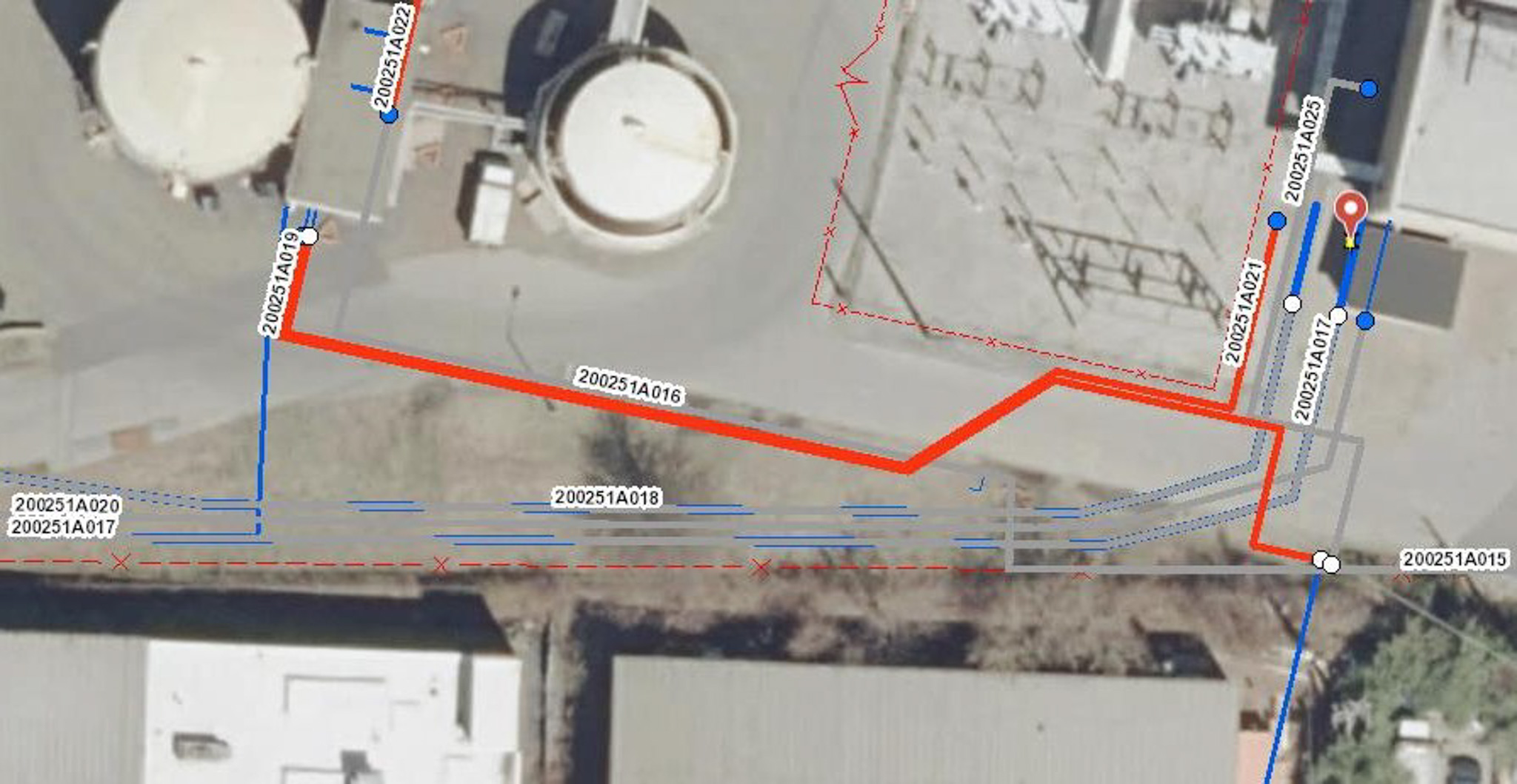
Utilities are the invisible project killer. Whether it’s an existing gas line that wasn't properly mapped or a sewer tie-in that requires a depth your soil conditions can't support, utility conflicts are the primary cause of construction-phase delays.
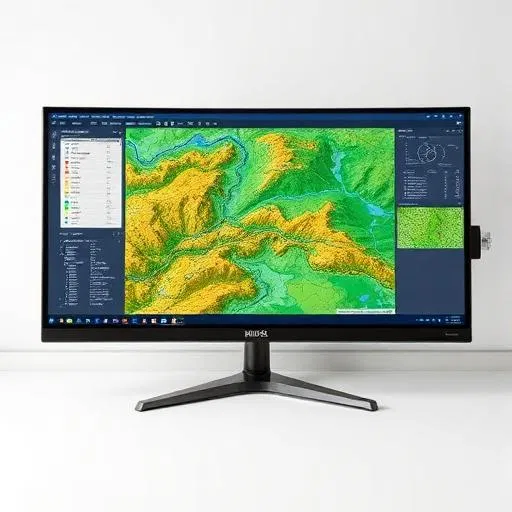
Most firms hand you a utility plan and wish you luck. Envicon uses Digital & GIS tools to map over 500,000 data points, ensuring that what’s on the paper matches what’s in the ground. By coordinating utility routing with environmental remediation caps and structural foundations early, we eliminate the mid-construction "surprises" that lead to expensive change orders.
The Big-Box Failure vs. The Envicon Answer
The unspoken pain of hiring a large national firm is the "Partner Switch." You meet the senior leadership during the pitch, but your grading and drainage plans are actually being drafted by a junior engineer in a satellite office who has never stepped foot on your site.
| The Big-Box Experience | The Envicon Approach |
|---|---|
| Siloed Departments: Civil and environmental teams don't talk, leading to design clashes. | Unified Execution: One team manages the entire subsurface and site design. |
| Bloated Reports: Defensively written documents that don't offer a path to closure. | Actionable Outcomes: Clean, permit-ready drawings designed to move the project forward. |
| Reactive Problem Solving: You find out about a conflict when the excavator hits a pipe. | Proactive Planning: GIS mapping and field-first engineering catch conflicts in design. |
| Black Box Communication: You never know who is talking to your regulator. | Direct Access: You have the senior PE’s cell phone number from day one. |
Why Integration is the Only Way Forward
At Envicon, we don't just deliver services; we help transform underused and contaminated properties into thriving assets. We believe that integrity is about delivering the truth and never cutting corners, especially when it comes to the technical details of grading and drainage.
If your current consultant is handing you reports but not solutions, it’s time to switch. You need a partner who understands that every week your project is stalled is another week of carrying costs and lost market timing.
Key Takeaways for Developers:
- Integrate Early: Bring civil and environmental teams together during the due diligence phase, not after the site plan is finished.
- Focus on Soil Balance: Small changes in grading can save hundreds of thousands in soil disposal costs.
- Demand Transparency: Use firms that leverage real-time reporting dashboards so you always know your project’s status.
- Prioritize Regulatory Fluency: Ensure your engineer knows the specific reviewers at NYC OER, NYSDEC, or NJ DEP by name.
Stop managing five vendors. Start moving your project forward.
If you have a site in NY or NJ that needs a cleared path, give us a call. Most proposals are delivered the same day, and our engineers can be on-site within 48 hours.
Request a Quote Today or use our Instant Cost Estimator to get a ballpark range for your project.
Leave a Reply