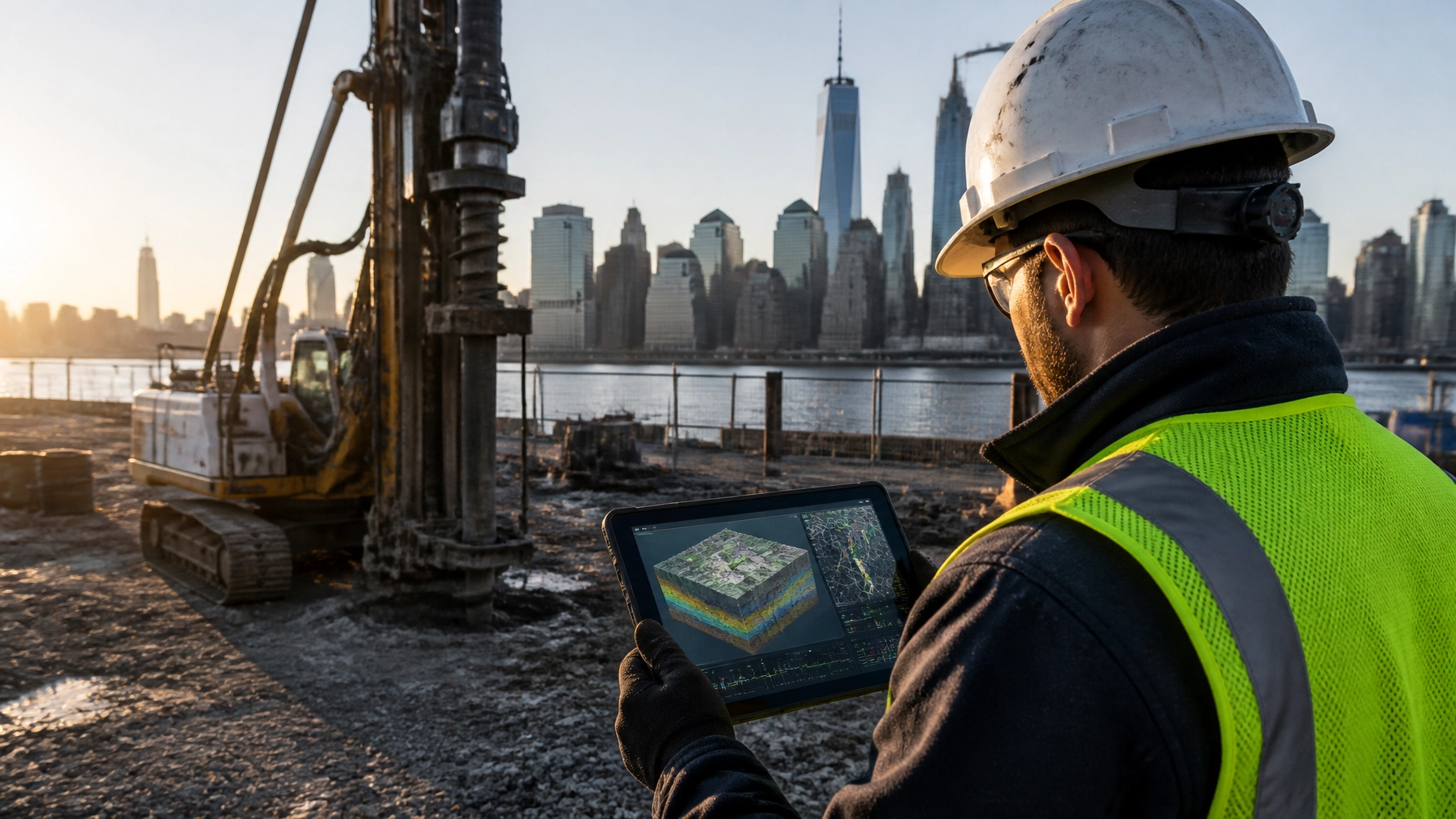
It’s 7:00 AM on a Tuesday in Long Island City. You’re standing on a site that should have been under construction three months ago. Instead, you’re looking at a drill rig and a consultant who just told you they need "one more round of delineation" because the last set of soil borings came back "inconclusive."
Every week this project stalls, your carry costs are mounting. Your lender is losing patience. Your contractor is eyeing other jobs. And your environmental firm? They’re busy writing another 400-page report that tells you what you already know: you have a problem, but they aren't quite sure where it ends.
This is the "Drilling Merry-Go-Round," and if you’ve worked with large national consulting firms, you’ve likely been stuck on it. At Envicon, we don't believe in chasing soil borings. We believe in clearing paths. Here is how we use technology and a field-first mentality to stop the endless sampling cycles and get you to your foundation pour.
The Big-Box Failure: Why "More Borings" Isn't Better Data
The traditional approach to site characterization: the one favored by firms with 10,000 employees and layers of middle management: is fundamentally flawed. They apply a cookie-cutter playbook designed for a cornfield in the Midwest to the complex, heterogeneous soil of New York City and New Jersey.
They'll pitch you on a "comprehensive" investigation. In reality, that means they’ll punch a dozen holes in the ground, send the samples to a lab, wait three weeks, and then spend another month "analyzing" the results. When the lab data inevitably shows a spike they didn't expect, their answer is always the same: more borings.
This defensive consulting protects the firm, not your project. They want to be 100% sure they didn't miss a single molecule of contamination so they don't get sued. You want to be 100% sure you can build. Those are two very different goals.
At Envicon, we don’t sell reports written by interns who have never set foot on your site. We deliver actionable outcomes. We use High-Resolution Site Characterization (HRSC) to find the "secrets" your site is hiding on day one, not day ninety.
Secret #1: High-Resolution Site Characterization (HRSC)
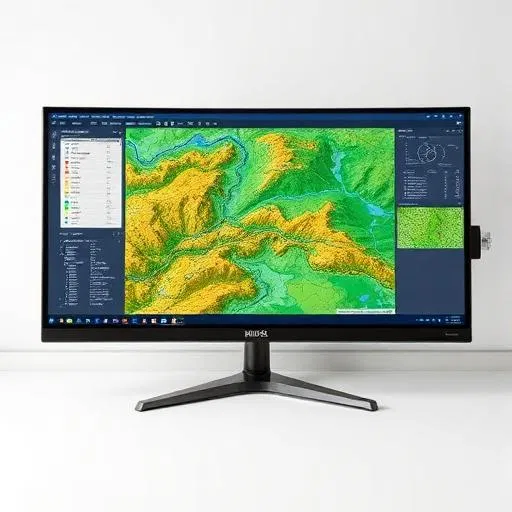
If traditional drilling is like taking a few blurry polaroids of a room, HRSC is like a high-definition 3D scan.
We use tools like Direct-Push Technology (DPT) paired with continuous logging sensors. Instead of taking a soil sample every five feet and hoping you didn't miss the "hot spot" in between, we collect data every inch. We look at soil conductivity, vapor presence, and groundwater flow in real-time.
Why this matters for your bottom line:
- Precision Delineation: We don't guess where the contamination ends. we see it. This prevents the "just one more round" phone call.
- Targeted Remediation: If you know exactly where the soil is impacted, you don't have to over-excavate. You stop paying "premium rates" for clean dirt to be hauled off as hazardous waste.
- Regulatory Confidence: When we sit at the table with NYC OER or the NJDEP, we aren't presenting theories. We are presenting data that is hard to argue with.
Secret #2: The "7 AM Dashboard" Advantage
One of the biggest frustrations with "big-box" firms is the communication black box. You call your project manager, they call the field tech, the field tech checks their notebook, and maybe you get an answer by Friday.
At Envicon, we’ve built a proprietary project management infrastructure. Our clients don't wait for monthly PDFs that are outdated before they hit your inbox. You get access to real-time project reporting dashboards.

When our PEs (Professional Engineers) are on-site, the data they collect is uploaded instantly. You can see the schedule, the budget, and the actual subsurface findings as they happen. If we hit a snag, you know about it at 7:05 AM, and we’ve usually got a solution proposed by 9:00 AM.
This transparency changes the dynamic. It moves the project from "waiting for the consultant" to "moving with the engineer."
Navigating the NY/NJ Regulatory Landscape
Whether you are dealing with an E-Designation in Brooklyn or a complex LSRP-led remediation in Jersey City, the rules are different here. National firms often try to use a "general" playbook that doesn't account for the specific quirks of NJDEP Ground Water Technical Guidance or the OER's Voluntary Cleanup Program (VCP).
We live and breathe these jurisdictions. We know the reviewers by name. We understand that in New Jersey, your LSRP needs to make a decision on the fly to keep the trucks moving. In New York, we know that a "fast-track" submittal only works if it’s technically bulletproof from the start.
We don't just meet the baseline for Phase I and Phase II ESAs; we exceed it with a 100% lender approval rate. We ensure your site characterization is done right the first time so your Environmental Site Assessment actually clears the path to financing.
From Investigation to Construction: The "Cleared Path"
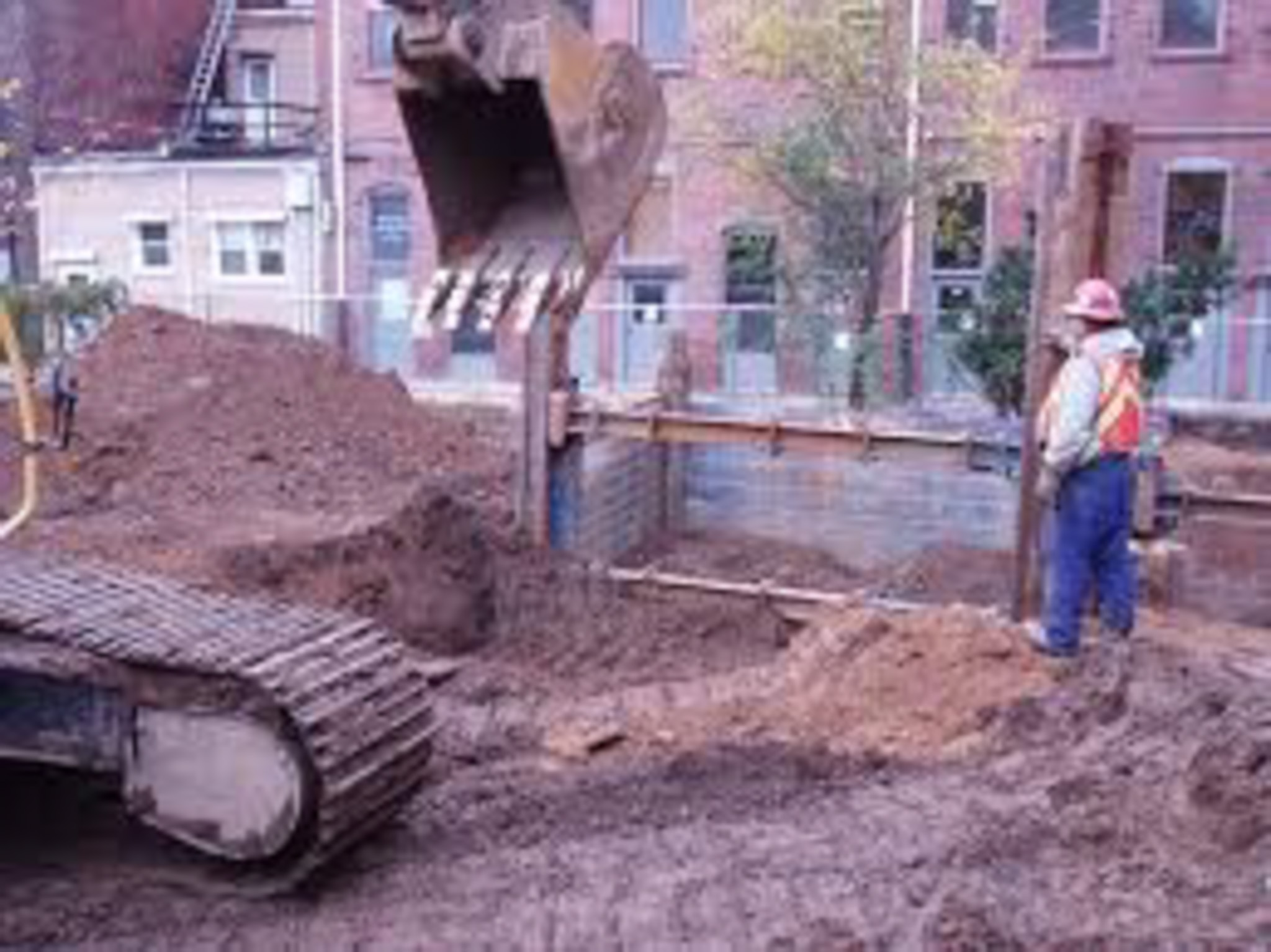
The goal of site characterization isn't to create a library of soil borings. It’s to provide a Site Development Playbook that your civil engineers and contractors can actually use.
Because Envicon handles both environmental consulting and civil site engineering, we bridge the gap that usually swallows a developer's budget. Your environmental findings inform the grading plan. Your soil management plan is integrated into the foundation design.
We don't hand you a report and wish you luck. We take ownership of the outcome. Whether it’s securing SPCC plans, managing SWPPPs, or handling complex soil and groundwater disposal documentation, we are there until the site is clean and the building is up.
Summary: How to Stop Chasing and Start Building
If you’re tired of paying for bloated reports and "defensive" consulting that goes nowhere, it’s time to change the approach. Stop hiring firms that treat your project like a number in a queue.
The Envicon Site Characterization Checklist:
- Demand High-Resolution Tools: Stop settling for sparse soil borings that leave gaps.
- Insist on Real-Time Access: You shouldn't have to wait weeks for data you paid for today.
- Hire the Decision-Maker: Ensure the person writing your report is the same one standing on your site at 7 AM.
- Integrate Early: Don't wait until the investigation is "done" to talk to your civil engineer.
At Envicon Group, we help transform underused and contaminated properties into thriving assets. We solve environmental and engineering challenges with precision, speed, and trust. If your project is stalled, or you’re ready to start your next acquisition with a firm that actually moves the needle, let's talk.

Ready to clear the path for your next project?
Contact Envicon Group today and let’s get to work.
Leave a Reply