If you are a developer in New Jersey, the goalposts just moved: and they moved uphill.
As of January 2026, the New Jersey Department of Environmental Protection (NJDEP) officially adopted the Resilient Environments and Landscapes (REAL) rules. While the name sounds like a sustainability initiative, for the real estate industry, it is a massive shift in how we design, grade, and permit projects.
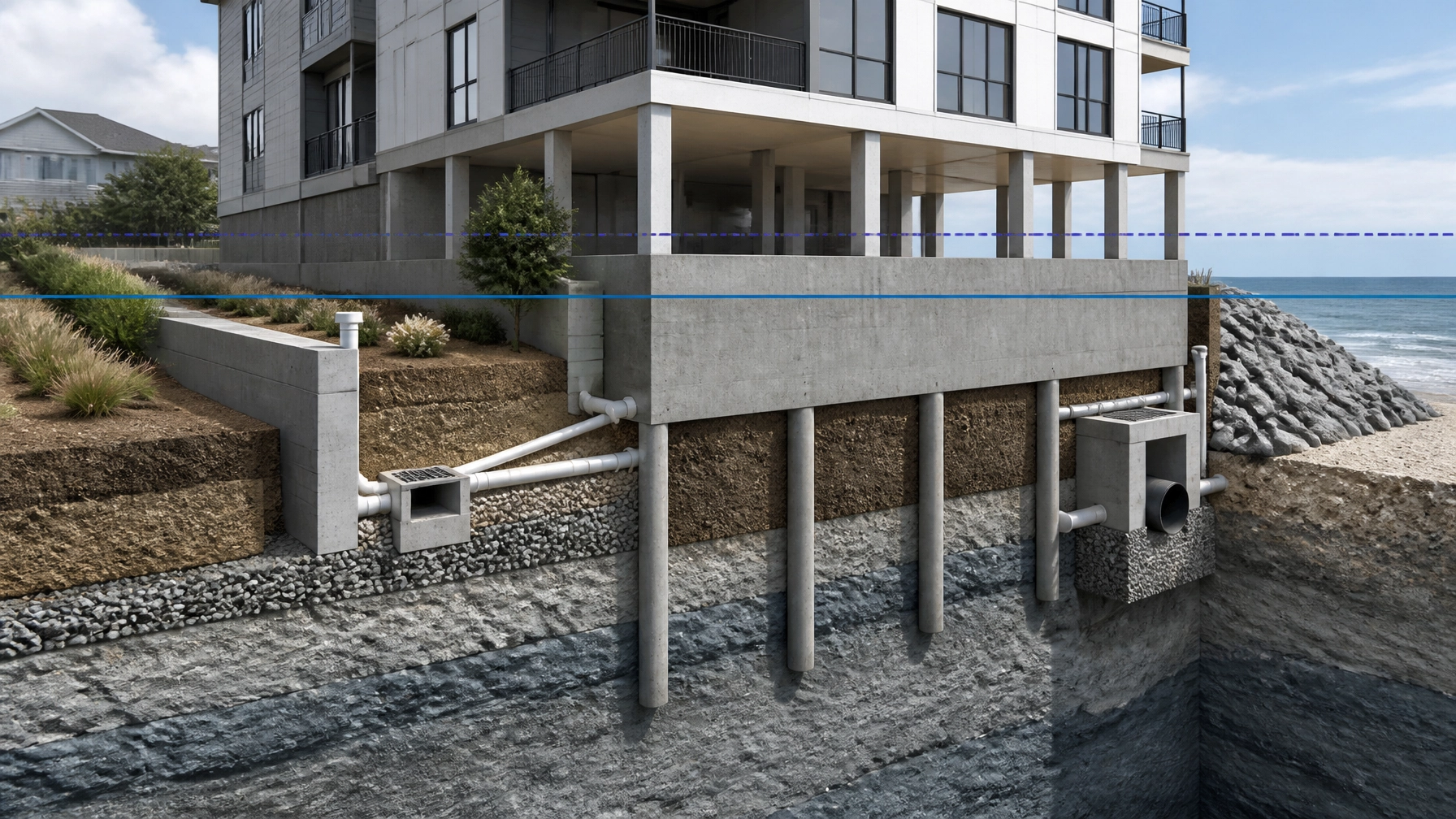
The centerpiece of these rules is the Climate-Adjusted Flood Elevation (CAFE). In coastal and tidal areas, the NJDEP now mandates that the regulated flood elevation is no longer just the FEMA Base Flood Elevation (BFE). It is now FEMA BFE plus four feet.
This isn't a suggestion; it's a mandate for new construction and substantial improvements. If your project is sitting in a tidal flood hazard area, your foundations, mechanicals, and access roads are about to get a lot higher.
Why the Math Changed
For decades, FEMA’s maps have been the "Bible" for flood risk. But as any developer in Hudson County or along the Shore knows, those maps are often looking in the rearview mirror. They rely on historical data.
The NJDEP’s REAL rules are forward-looking. By establishing the CAFE at BFE + 4 feet, the state is effectively modeling for approximately five feet of sea-level rise by the year 2100. The goal is to ensure that the infrastructure we build today won't be underwater, literally or financially: in thirty years.
But here is the rub: this new elevation standard applies even to properties that FEMA currently considers "low risk."
The "Hidden" Flood Zones
One of the most disruptive aspects of the CAFE mandate is its reach. The NJDEP has created new mapping layers that extend beyond the traditional FEMA Special Flood Hazard Areas. We are seeing properties previously classified as Zone X (outside the 100-year floodplain) now falling within the state-regulated Inundation Risk Zones (IRZ).
If you are evaluating a site based solely on a FEMA map, you are flying blind. You might think you’re in the clear, only to find out during permitting that the NJDEP requires you to elevate your first habitable floor five feet higher than expected (4 feet for CAFE plus typically 1 foot of municipal freeboard).
The Engineering Headache: Grading, Fill, and Walls
Designing a building to be four feet higher sounds simple on paper. In the field, it’s a domino effect of civil engineering challenges. At Envicon Group, we are seeing these challenges manifest in four specific ways:
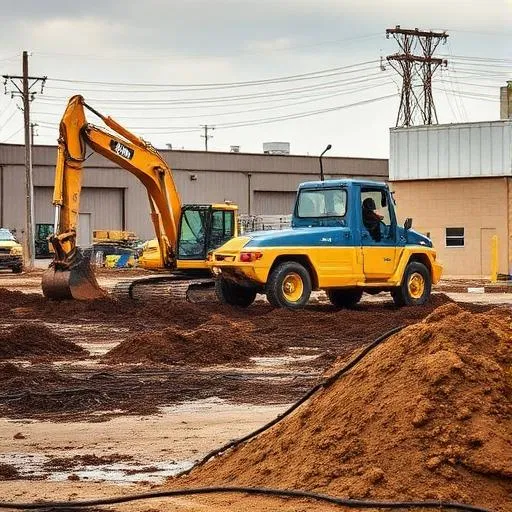
- Massive Fill Requirements: Elevating a site by four feet across several acres isn't just expensive; it’s logistically complex. You need to source clean fill, manage the soil and groundwater, and account for the added weight on the underlying soil strata.
- Retaining Wall Complexity: When you raise a building site significantly above the adjacent street level, you can’t just slope the soil. You need robust retaining wall systems to manage the grade change. This adds significant structural costs and impacts your setback requirements.
- ADA and Access Issues: A higher first floor means longer ramps and more complex elevator configurations. Designing a site that is both flood-resilient and accessible requires a level of precision that "cookie-cutter" engineering firms often miss.
- Stormwater Management: Raising the site changes how water flows off your property and onto your neighbors'. In New Jersey, you can’t solve your flood problem by creating one for the guy next door. This requires advanced stormwater and drainage design to ensure compliance.

The "Legacy" Window is Closing
There is a small silver lining, but the clock is ticking. When the REAL rules were adopted on January 20, 2026, the NJDEP included a 180-day legacy period.
As we sit here on July 6, 2026, that window is nearly shut. Projects with "administratively and technically complete" applications submitted before the July 20 deadline can still be reviewed under the old standards (FEMA BFE + 1 or 2 feet).
While there is a proposal to extend this legacy period to July 2027, you cannot bet your project’s viability on a "proposed" extension. If you haven't secured your flood hazard permits yet, you need a team that knows how to navigate the NJDEP regulatory landscape with urgency.
"The CAFE mandate is the biggest shift in NJ land use in a generation. It’s no longer about where the water was; it’s about where the water is going to be."
Why the "Big Box" Consultants Are Failing You
If you’ve hired a national firm for your NJ/NY development, you might be getting "defensive" reports. These are the 400-page PDFs that tell you everything that might be a problem but offer no clear path to solving it.
Large firms often apply a national playbook to a very local NJ problem. They’ll tell you that the CAFE rules are a "constraint." At Envicon, we see them as a design parameter.
When you hire a massive firm, the person who pitched you the project is rarely the one talking to the NJDEP reviewer. At Envicon, we sit at the table with the regulators. We know the reviewers by name. We don't just hand you a report and leave you to figure out why your grading plan was rejected. We take ownership of the outcome.
How We Clear the Path
At Envicon Group, we’ve built a project management infrastructure that most firms our size don’t have. We use real-time dashboards to track permit status, so you never have to wonder if your application is sitting in a "black box" at the NJDEP.
For projects affected by the CAFE mandate, we provide:
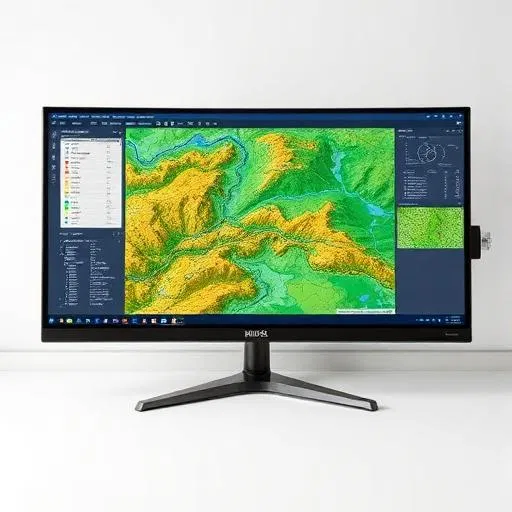
- Precision Mapping: We identify exactly where the new CAFE and IRZ lines hit your property line: not just where the FEMA map says they are.
- Integrated Site-Civil Design: Our environmental and civil teams work in the same room. We don't design a remediation plan that conflicts with your flood-elevation grading. We design one cohesive strategy.
- Regulator-Facing Expertise: We know how to present "hardship" cases and alternative designs that meet the spirit of the REAL rules without killing your project’s ROI.

The Takeaway: Don’t Wait for the Water
The REAL rules and the CAFE mandate are not "emerging" issues: they are here. Every week you delay in understanding your site’s new elevation requirements is a week of carrying costs and potential regulatory rejection.
If your project is in a coastal or tidal area in New Jersey, you need more than a consultant. You need a partner who can translate complex sea-level rise models into actionable site plans.
Key Summary:
- The Mandate: Coastal construction must now be elevated to FEMA BFE + 4 feet.
- The Reach: The rules apply to properties previously considered "low risk" by FEMA.
- The Deadline: The original 180-day legacy window closes on July 20, 2026.
- The Solution: Integrated civil and environmental engineering that addresses grading, fill, and drainage as a single challenge.
Ready to Navigate the REAL Rules?
If you're worried your current plans don't meet the new 4-foot mandate, let’s get ahead of it. We provide the technical precision and regulatory relationships needed to keep your project moving.
- Check your site's risk now: Risk screener tool
- Talk to a Principal Engineer: Book a free consultation
- Stay updated on NJ regulations: Read more on our blog

Leave a Reply