
If you’re developing in New York City, an (E) Designation on your lot is the ultimate bottleneck. It’s a zoning marker that says your site has potential hazardous materials, air quality, or noise issues. Until it’s addressed, the Department of Buildings (DOB) won't hand over your permits.
Most developers see an E-designation as a black box of delays. At Envicon, we see it as a checklist that needs a fast, precise response. We don’t just write reports to cover our backs; we write them to get your project moving.
Here is the step-by-step reality of how to clear your path and remove a NYC OER E-Designation.
Phase 1: The Paperwork Trap (Registration and EPIC)
Before you even touch the soil, you have to talk to the Office of Environmental Remediation (OER). Everything flows through EPIC: OER’s online portal.
- Confirm the Designation: Check the NYC Zoning Resolution for your lot. Is it Hazmat, Air, Noise, or all three?
- Open the Project in EPIC: This is where most projects stall because the wrong information is uploaded. You need a Qualified Environmental Professional (QEP) and a New York-licensed Professional Engineer (PE) from day one.
- The Phase I ESA: OER needs a Phase I Environmental Site Assessment to identify "Recognized Environmental Conditions" (RECs). If you’re lucky, and the history is clean, you might avoid the next phase: but in NYC, that's rare.
Phase 2: The Investigation (Phase II ESA)

If the Phase I flags issues, you’re moving to a Phase II. This is the technical deep dive.
- The Investigative Work Plan: You don’t just start drilling. You submit a Work Plan to OER for approval.
- Subsurface Sampling: We hit the site to pull soil, groundwater, and soil vapor samples.
- The RIR: We compile everything into a Remedial Investigation Report (RIR). This report tells OER exactly what’s in your dirt and what you need to do about it.
Phase 3: The Roadmap to Permits (RAP and NTP)
This is where the "Fast-Track" happens. You cannot get a building permit without an OER Notice to Proceed (NTP).
- The Remedial Action Plan (RAP): We design a plan to fix the issues: whether that’s excavating soil, installing a vapor barrier, or specialized window glass for noise.
- CHASP: You need a Construction Health and Safety Plan to ensure everyone on-site is protected.
- The NTP: Once OER approves the RAP, they issue the Notice to Proceed. You take this letter to the DOB, and your permits are released.
Phase 4: Implementation and the "Golden Ticket"

While your crew is digging, we’re watching. Our field engineers are on-site to ensure the RAP is followed to the letter. We document everything: every ton of soil moved, every square foot of vapor barrier installed, and every window spec verified.
- The Remedial Action Report (RAR): Once construction is done, we submit the final proof to OER.
- Notice of Satisfaction (NOS): This is the goal. OER issues a Notice of Satisfaction confirming you’ve met the requirements. This allows the DOB to issue your Temporary Certificate of Occupancy (TCO) or Final CO.
The Final Step: Formal Removal
OER doesn't actually remove the "E" from the zoning map: the Department of City Planning (DCP) does. Once OER issues the Final Notice of Satisfaction for every lot in the designation, DCP administratively wipes the "E" from the record.
Why Envicon?
Big national firms hand your OER project to a junior staffer who’s never set foot in NYC. They write bloated reports that get bounced back with 50 comments, costing you weeks of carry costs.
At Envicon, we know the OER reviewers by name. We understand the CEQR Technical Manual requirements because we work them every day. We don’t just deliver a report; we deliver a cleared site.
Stop waiting on your consultant. Get your project moving. Contact Envicon today to clear your E-designation.
Ready to move your site forward?
NJDEP Mandatory Timeframes: The Clock is Ticking on Your Remediation

In New Jersey, "I'll get to it eventually" is a recipe for a massive fine. The NJDEP doesn't care about your financing delays or contractor issues: they care about Mandatory Remediation Timeframes.
The Hammer: SRRA and the LSRP
Under the Site Remediation Reform Act (SRRA), the clock starts the moment a discharge is discovered. If you miss a deadline for a Preliminary Assessment (PA), Site Investigation (SI), or Remedial Investigation (RI), you are in immediate non-compliance.
The Risk of Direct Oversight
Miss a mandatory deadline, and you could lose control of your project. The NJDEP can place your site into Direct Oversight, meaning they: not your LSRP: dictate every move and every dollar spent.
The Envicon Strategy
We don’t just monitor deadlines; we beat them.
- Proactive Scheduling: We map out your NJDEP LSRP schedule on day one.
- Direct Agency Fluency: We know the NJDEP reviewers. We know what they need to see to keep a project moving.
Don't let a missed date derail your development. Talk to an Envicon LSRP today.
Ready to move your site forward?
ASTM E1527-21: Is Your Phase I ESA Already Outdated?

The rules for due diligence changed. If your environmental firm is still using the old ASTM E1527-13 standard, your lender is going to flag it, and your project is going to stall.
What's New in E1527-21?
The new standard isn't just a formatting change; it’s a technical shift.
- PFAS and Emerging Contaminants: While not yet "officially" hazardous substances under CERCLA during the standard's draft, the new update emphasizes evaluating these risks to protect your future liability.
- Historical Research: The requirements for looking back at a site's history (adjoining properties, aerials, etc.) are now much stricter.
- Shelf Life: A Phase I is now strictly valid for 180 days. Not a day more.
The Envicon Edge: 48-Hour Capability
We don't wait for the new standards to become "mandatory" to adopt them. We’ve been ASTM E1527-21 compliant since day one. Plus, we offer 48-hour turnarounds for high-stakes deals where timing is everything.
Get a report that holds up. Request a Phase I ESA.
Ready to move your site forward?
Unlocking Value: The Hudson County Brownfield Playbook
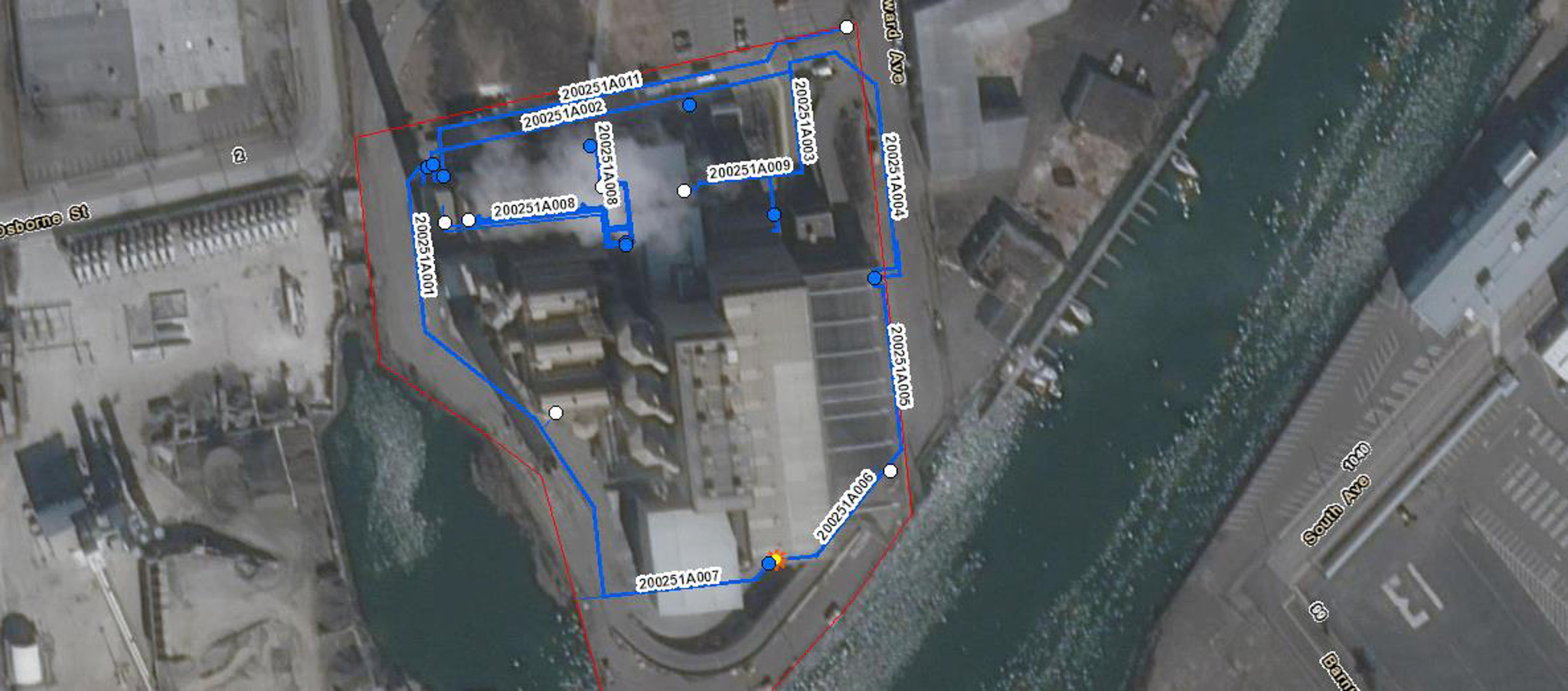
Hudson County: Jersey City, Hoboken, Bayonne: is the hottest market in NJ, but it’s built on industrial history. That history comes with a price: contamination.
Turning Liability into Asset
A "dirty" site is just a site that hasn't been cleared yet. The key to Hudson County development is leveraging Brownfield Incentives.
- Hazardous Discharge Site Remediation Fund (HDSRF): We help public and private entities tap into state funding to offset investigation costs.
- Tax Incremental Financing (TIF): We work with your legal team to ensure your remediation costs are factored into your project’s financial structure.
Field-First Engineering
We don’t sit in an office in another state. We are on the Jersey City waterfront daily. We know the soil strata, we know the groundwater levels, and we know how to design remediation strategies that work for these specific urban sites.
Ready to build in Hudson County? Let's clear the path.
Ready to move your site forward?
NYC OER vs. NYSDEC: Who Owns Your Cleanup?
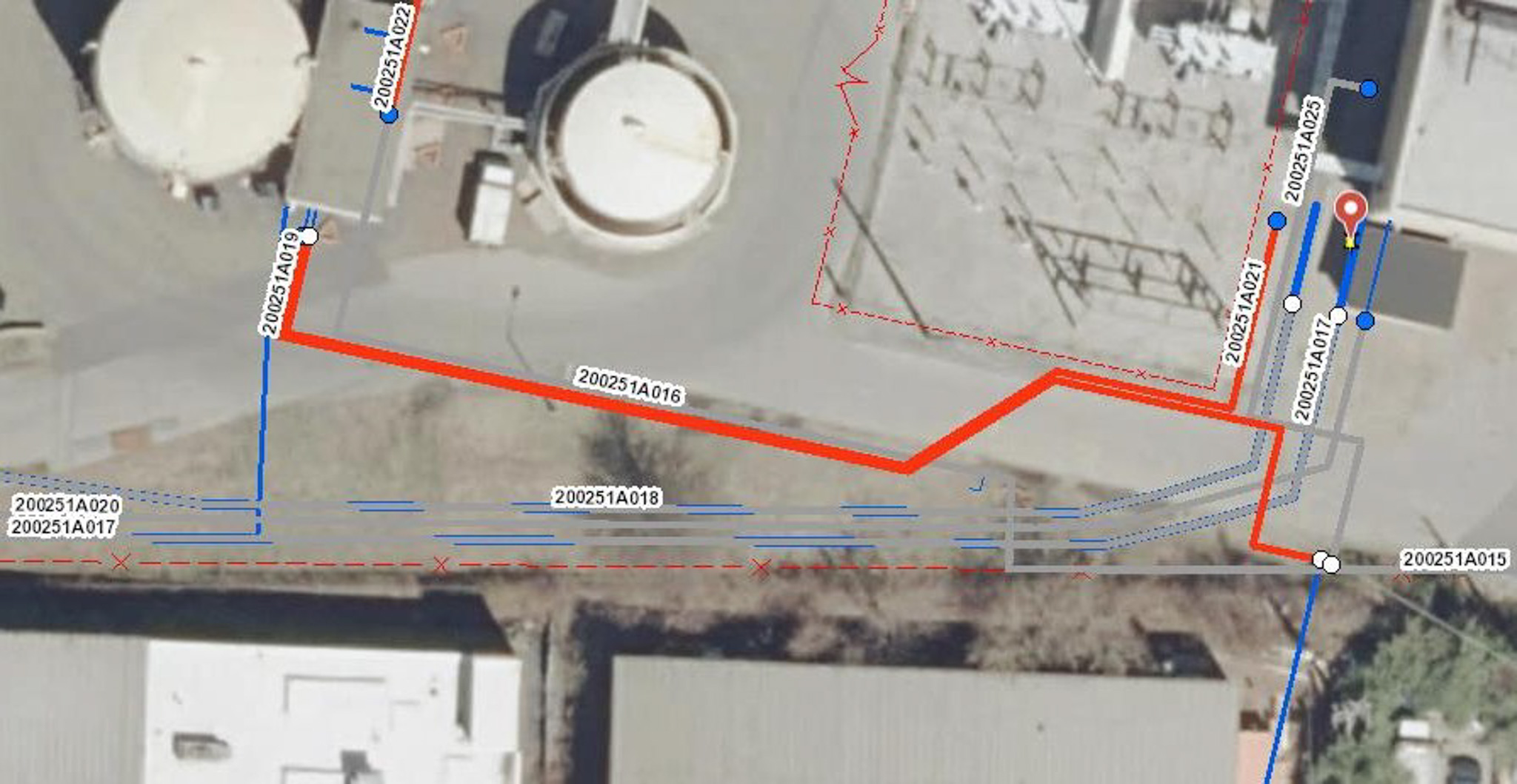
One of the biggest headaches for NYC developers is the "Jurisdiction Jumble." Is your site under the NYC Office of Environmental Remediation (OER) or the NYS Department of Environmental Conservation (DEC)?
The Differences Matter
- OER (The E-Designation): Focuses on city zoning and development. They are built for speed and integration with the DOB.
- DEC (The Brownfield Cleanup Program – BCP): Focuses on large-scale remediation and offers massive tax credits. It’s a longer, more rigorous process.
The Overlap Danger
If you enter the OER process but your site is actually a "Class 2" site under the DEC, you are going to waste six months and six figures in the wrong queue.
The Envicon Solution
We perform a Regulatory Analysis before we even sign a contract. We tell you which agency is the right fit for your project goals and your bottom line.
Choose the right path. Contact Envicon.
Ready to move your site forward?
Soil Management Plans: The Difference Between Profit and Waste

In NYC and NJ, soil is your biggest variable cost. If you don't have a solid Soil Management Plan (SMP), you’re at the mercy of the disposal facilities.
The Cost of Ignorance
Loading a truck with "unknown" soil and sending it to a facility is a recipe for a rejection and a massive bill.
- In-Situ Sampling: We sample the soil while it’s still in the ground. This allows us to pre-approve the soil for disposal before a single excavator arrives.
- Reuse vs. Disposal: Why pay to dump soil if it can be reused on-site or at a nearby development? We find those opportunities.
Our Tech: Real-Time Reporting
We use proprietary project management tools that track every load of soil. You get a dashboard that shows you exactly how much soil has moved and what your remaining budget looks like.
Optimize your dirt. Talk to our Soil Management experts.
Ready to move your site forward?
Vapor Intrusion: The Invisible Threat to Your TCO

You can clear the soil and the water, but if there are chemicals in the air beneath your slab, your project is dead in the water. Vapor Intrusion (VI) is now one of the top priorities for OER and NJDEP.
Mitigation that Works
We don't just recommend a generic "plastic sheet." We design custom Vapor Mitigation Systems (VMS):
- Active vs. Passive Systems: Depending on the concentrations, you might need a Sub-Slab Depressurization System (SSDS) that actively pulls air out.
- Vapor Barriers: We select the right chemical-resistant liners for your specific contaminants (TCE, PCE, etc.).
Testing to Close
The job isn't done when the barrier is down. We perform post-installation testing to prove to the regulators that the air is safe. No proof, no Certificate of Occupancy.
Protect your air. See our Remedial Design services.
Ready to move your site forward?
SWPPP Compliance: Why Your Stormwater Plan is Your Best Defense

A single heavy rainstorm can cost you thousands in fines if your Stormwater Pollution Prevention Plan (SWPPP) isn't being followed.
More Than a Document
A SWPPP isn't just a binder that sits in the trailer. It’s a living plan for:
- Erosion Control: Silt fences, hay bales, and stabilized entrances.
- Weekly Inspections: In both NY and NJ, you need a qualified professional to inspect the site every week and after every major rain event.
The Envicon Approach
We offer SWPPP as a standalone service. We don't just write the plan; we provide the inspectors who actually know what to look for: preventing fines before they happen.
Don't let the rain wash away your profit. Get a SWPPP quote.
Ready to move your site forward?
The 48-Hour Phase I: How Speed Saves the Deal
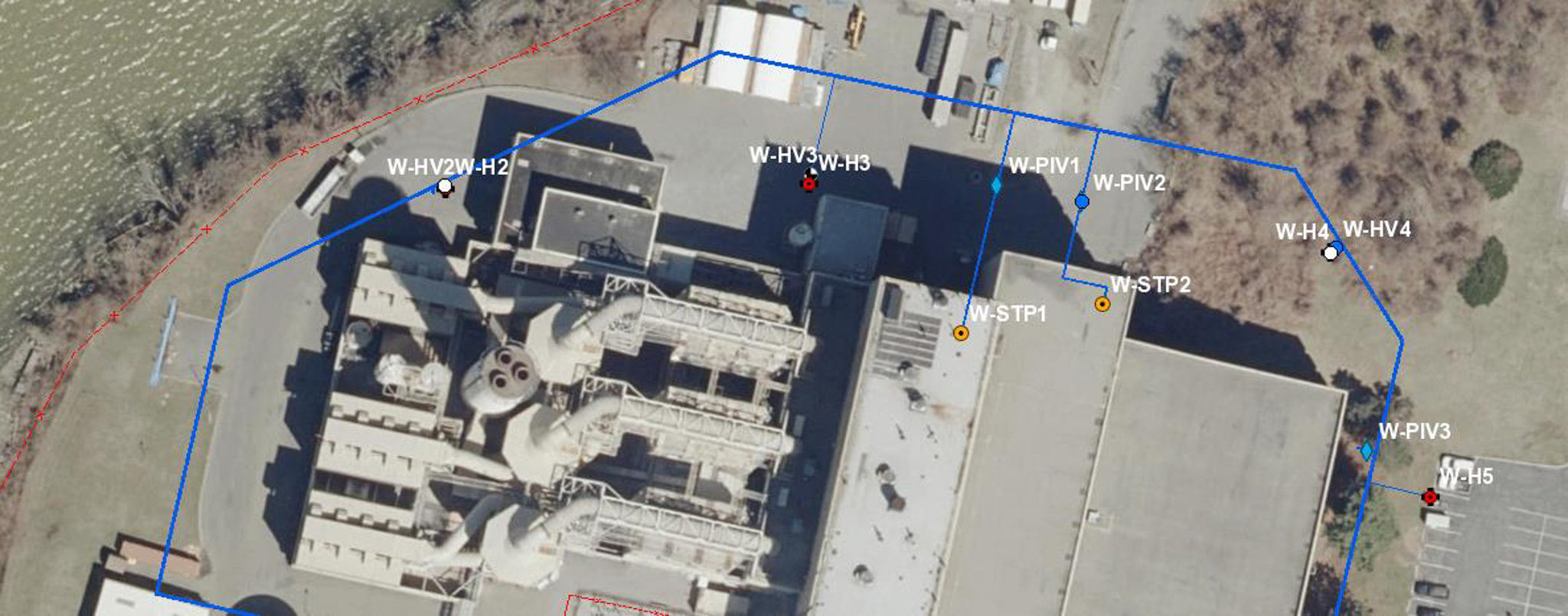
In real estate, "time is of the essence" isn't a cliché: it’s the difference between a closed deal and a lost opportunity.
Why Big Firms Are Slow
Most national firms have a "queue." Your Phase I sits on a junior's desk while a senior manager in another time zone reviews it. By the time you get the draft, your due diligence period is over.
The Envicon 48-Hour Capability
We’ve built a technology infrastructure that allows us to mobilize immediately.
- Direct Access: You talk to the person writing the report.
- Agile Teams: We have field staff ready to roll in NYC and NJ tomorrow morning.
Need it yesterday? We deliver.
Ready to move your site forward?
PE-Led Site Engineering: Why It Matters in the Field

Most engineering firms design in a vacuum. The Professional Engineer (PE) sits in the office, and a technician goes to the field. When a problem arises on-site, the technician has to "call the office."
The Field-First Difference
At Envicon, our leadership is on-site. When we encounter an unexpected utility line or a soil anomaly, our PE-led teams make decisions in real-time.
- No "Phone-a-Friend": We solve the problem at 7 am so your crew isn't standing around at 9 am.
- Precision Oversight: We ensure your site is built exactly as designed, reducing the risk of costly rework.
Get engineering that works on the ground. Talk to our PEs.
Ready to move your site forward?
PFAS in NJ: Navigating the New Regulatory Front
The "forever chemicals" (PFAS) are no longer a future concern: they are a current regulatory mandate in New Jersey.
The NJDEP Standard
New Jersey is a leader in PFAS regulation, with strict Maximum Contaminant Levels (MCLs) for PFOA and PFOS in groundwater. If your site has a history of firefighting foam, plating, or textile manufacturing, you are on the radar.
Investigation and Treatment
We specialize in PFAS site characterization:
- Clean Sampling: PFAS is everywhere (even in some field equipment). We use specialized protocols to ensure your results are accurate, not cross-contaminated.
- Remedial Strategies: From GAC (Granular Activated Carbon) to ion exchange, we design the systems to get your groundwater back in compliance.
Stay ahead of the PFAS wave. Consult with Envicon.
Ready to move your site forward?
Leave a Reply