If you’re developing in New Jersey right now, you know the regulatory ground is shifting. The NJDEP’s NJPACT (New Jersey Protecting Against Climate Threats) initiative isn’t just a proposal anymore; it’s a reality that is fundamentally changing how we design and permit sites.
On June 9, 2026, the NJDEP released a critical document: “Guide for Determining Which Rule Version Applies to Your Project.” This isn't just another PDF for your "read later" folder. It is the definitive map for navigating the transition from the old land-use rules to the new Resilient Environments and Landscapes (REAL) framework.
The clock is ticking toward July 20, 2026. This is the date that separates "Legacy" projects from those that must comply with the much more stringent REAL standards. At Envicon, we aren't just reading these guides; we’re interpreting them for developers who can’t afford a six-month delay because their consultant missed a transition detail.
The July 20, 2026 Line in the Sand
The REAL rules were officially adopted on January 20, 2026. However, the NJDEP provided a 180-day "grace period" known as the legacy provision. This period ends on July 20, 2026.
The June 9 Guide clarifies a simple but high-stakes question: Which set of rules does my permit application fall under?
- Legacy Status: If your application qualifies, it is reviewed under the rules in effect before January 20, 2026. This is often the goal for projects already deep in the design phase.
- REAL Rules: If you miss the window, your project is subject to the new climate-based standards, including significantly higher flood elevation requirements and new coastal inundation zones.
If your project is sitting in a "black box" at a large national firm, you need to know exactly where your application stands. A week of silence from your consultant right now could cost you millions in redesign fees later.

Why "Legacy" Status is the Goal
Why are developers racing to hit the July 20 deadline? Because the REAL rules aren't just minor tweaks; they are a complete overhaul of land-use standards.
Under the new REAL framework:
- Elevation Requirements: Most new or substantially improved buildings in flood-prone areas must now be elevated four feet above the base flood elevation.
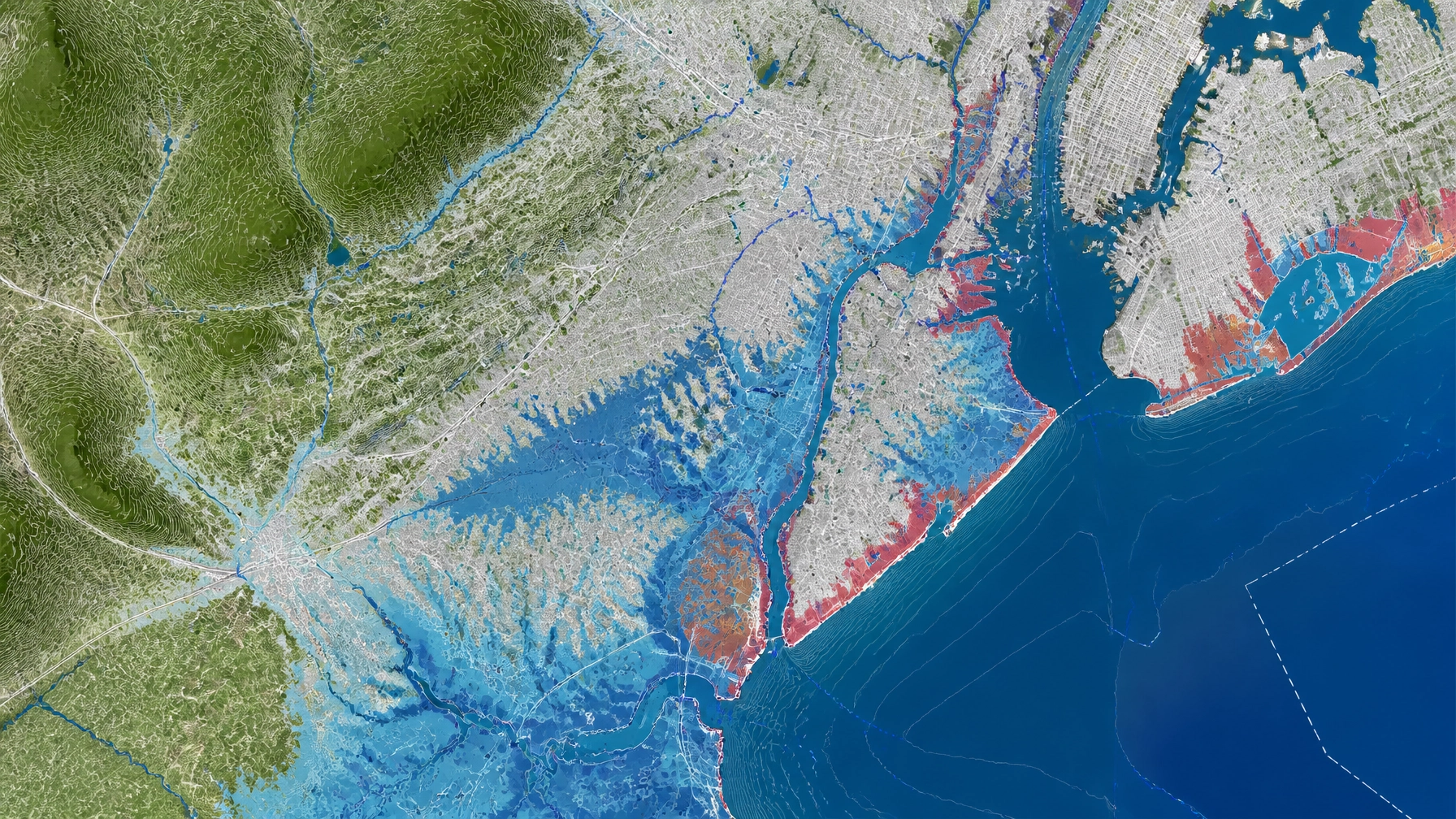
- Inundation Zones: The DEP has mapped new "Coastal Inundation Zones" that account for projected sea-level rise. Areas that were previously "dry" under old maps may now face severe development restrictions.
- Stormwater Management: The standards for managing runoff are becoming more aggressive, requiring larger basins or more complex green infrastructure.
For a project designed under the old rules, being forced into the REAL framework usually means going back to the drawing board. It means lost density, higher construction costs, and a complete re-working of your site-civil engineering.
The "Completeness" Trap: Don't Just Throw it in the Mail
One of the most important clarifications in the June 9 Guide is about application completeness.
The NJDEP explicitly states that you must submit your application before July 20, 2026, to be eligible for legacy status. However, simply mailing a half-finished folder isn't enough.
- The Good News: The NJDEP does not have to declare your application complete before July 20. As long as it was "administratively and technically complete" at the time of submission, you are protected.
- The Bad News: If the DEP reviews your submission after July 20 and finds it was missing key data: a soil log, a specific map, or a required fee: and you have to resubmit, you lose your legacy status.
This is where the "big-firm" approach fails. Large firms often treat submittals as a volume game, sending out reports written by junior staff that may lack the nuances required by the NJDEP reviewers. At Envicon, we prioritize regulatory compliance and permitting by ensuring every box is checked before the package leaves our office. We know the reviewers at the NJDEP by name; we know what they are looking for, and we don't leave "completeness" to chance.

The REAL Framework: A New Era for NJ Development
If you are starting a project now, you should likely be designing for the REAL rules from day one. Trying to "game" the legacy window for a project that won't be ready for submittal until August is a losing strategy.
The REAL framework includes updates to:
- Coastal Zone Management Rules (N.J.A.C. 7:7)
- Freshwater Wetlands Protection Act Rules (N.J.A.C. 7:7A)
- Stormwater Management Rules (N.J.A.C. 7:8)
- Flood Hazard Area Control Act Rules (N.J.A.C. 7:13)
The June 9 Guide provides specific scenarios: such as modifications to existing permits or projects located in newly mapped flood areas: and tells you exactly which rule version applies. It is a technical document that requires a professional engineer's eye to navigate.
The Extension Rumor: Proceed with Caution
You may have heard that the NJDEP is proposing to extend the legacy period until July 20, 2027. While this proposal exists, it is not yet the law of the land.
Relying on a proposed extension is a dangerous gamble. Until that extension is formally adopted and integrated into the rules, the July 20, 2026, deadline remains the only date that matters. Our advice to clients is simple: Work as if the July deadline is final. If we get an extra year, it’s a bonus, but missing the current deadline based on a "rumor" of an extension is a risk no developer should take.

The Envicon Difference: Cleared Paths, Not Just Reports
Most consultants will hand you a copy of the June 9 Guide and tell you to "take a look." At Envicon, we give you the answer.
We understand that you aren't just building a project; you're managing a timeline, a budget, and a set of stakeholders. When you hire us, you aren't getting a partner who disappears after the pitch. You get a team that is field-first and regulator-facing.
Whether you need a Phase I/II ESA to support your financing or a full site-civil redesign to meet the REAL standards, we provide the technical confidence to move your project forward. We use proprietary project management tools to give you real-time visibility into your permitting status, so you never have to wonder if your application is sitting in a queue.
Summary and Key Takeaways:
- The Guide: The June 9, 2026 NJDEP Guide is the manual for the REAL transition.
- The Date: July 20, 2026, is the current cutoff for legacy status.
- Completeness Matters: A flawed submission sent before the deadline will not protect you if it’s found incomplete later.
- Design Shift: The REAL rules require significantly higher elevations and stricter inundation zone management.
- The Strategy: Don't wait for the 2027 extension; file your complete applications now.
If you aren't sure if your project qualifies for legacy status, or if you're worried your current consultant isn't moving fast enough to beat the July 20 deadline, let's talk. We don't just deliver services; we help transform underused sites into buildable assets.
Ready to clear the path for your next project?
- Call now: (917) 764-2171
- Risk screener tool: Determine your site's environmental risk profile
- Read more on the blog: Stay updated on NJ/NY regulatory changes
Leave a Reply