Blog

  • Beyond the Checklist: Why Envicon Challenges the Status Quo in NY/NJ Engineering

    Beyond the Checklist: Why Envicon Challenges the Status Quo in NY/NJ Engineering

    If you’ve been in the New York or New Jersey development game for more than five minutes, you know the "checklist" is a lie.

    You know the drill: you hire a big-name consultant, they hand you a standardized 200-page report filled with boilerplate jargon, and they check every regulatory box. On paper, you’re compliant. In reality, your project is bleeding money, your timeline is slipping through your fingers, and you’re no closer to breaking ground than you were six months ago.

    At Envicon Group, we’ve realized something that the giant engineering firms haven’t: the checklist isn’t the goal. It’s the bare minimum.

    Real leadership in civil, geotechnical, and environmental engineering doesn’t come from following the rules, it comes from understanding the spirit of the law and navigating the "grey areas" where true value is created. We aren’t here to just be your experts; we’re here to be your authority.

    The Myth of the "Standard" Site

    In the tri-state area, there is no such thing as a standard site. Whether you’re dealing with the historic fill of a Jersey City waterfront or the complex NYC OER E-Designations of a Brooklyn mid-rise, every square inch of soil has a story, and usually, a complication.

    The status quo in our industry is reactive. Most firms wait for the NJDEP or the NYSDEC to tell them what to do. They wait for the problem to arise, then they bill you to fix it.

    We challenge that. We view engineering as a proactive strike. By the time we’re looking at a Phase I or Phase II Environmental Site Assessment, we aren’t just looking for contaminants; we’re looking for the path to "Yes." We’ve maintained a 100% lender approval rate not because we play it safe, but because we provide the level of technical certainty that makes banks feel invincible.

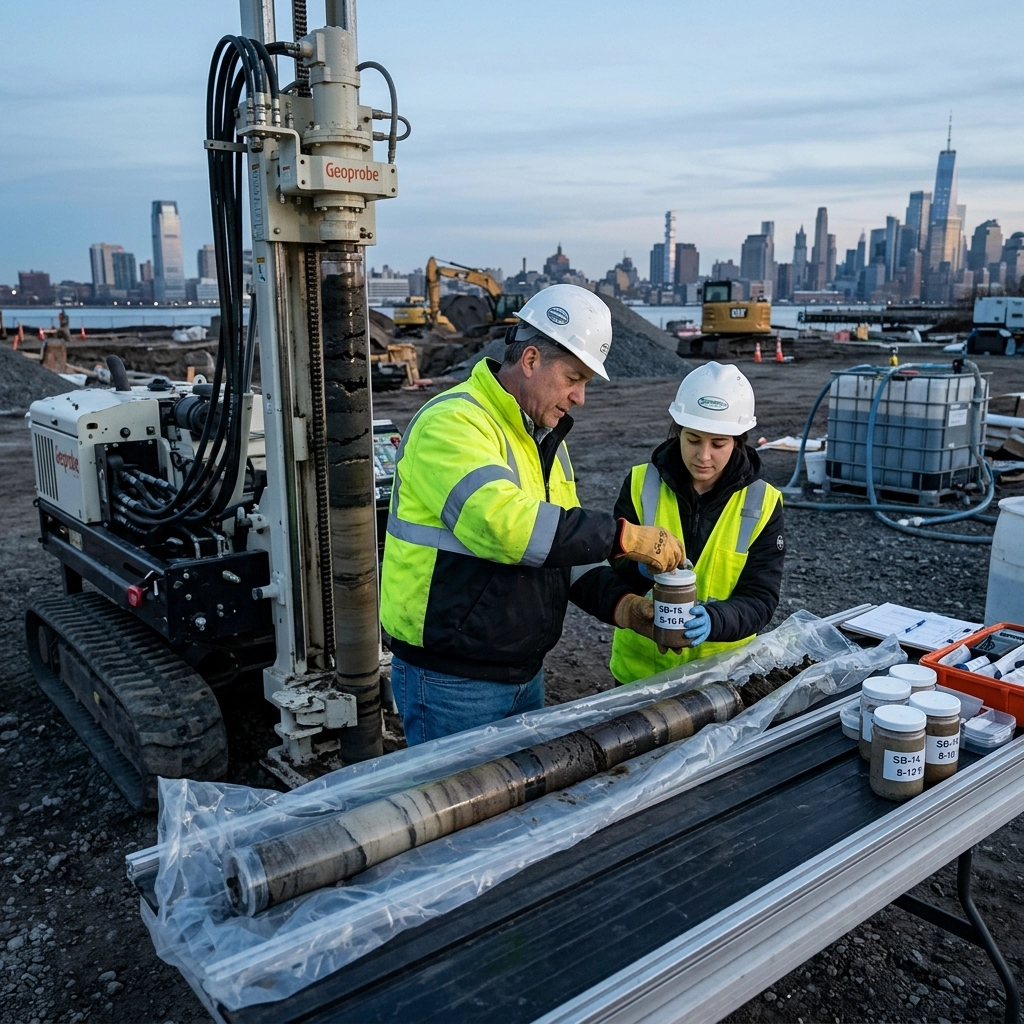
    Modern Urban Skyline at Dusk

    Navigating the Spirit, Not Just the Letter

    Regulations like the ASTM E1527-21 are often treated like a cage. But to a firm that understands the intent behind the policy, those regulations are a roadmap.

    When we deal with vapor intrusion or PFAS, the "forever chemicals" that are currently terrifying the market, we don't just report the presence of a substance and walk away. We look at the data through the lens of your ROI.

    • Is the remediation plan designed for safety, or is it designed for over-compliance?
    • Can we leverage the NYSDEC Brownfield Cleanup Program (BCP) to turn a liability into a tax-credited asset?
    • Are we utilizing Geotechnical Value Engineering to shave six figures off your foundation costs?

    Authority means having the guts to tell a regulator, "We have a better way that meets your safety goals while keeping this project viable." That is the Envicon difference. We don't just speak the language of engineering; we speak the language of development.

    Why the "Big Consultants" are Costing You Time

    It’s a common trap: "Nobody ever got fired for hiring the biggest firm in the city."

    But the "Big Firms" are often bogged down by their own bureaucracy. Your project becomes a number in a queue. You get a junior engineer who is following a template. When a crisis hits on-site, you’re waiting three days for a callback while their legal department clears a memo.

    At Envicon, we’ve optimized for speed and accountability. Our 48-hour turnaround on critical assessments isn't a marketing gimmick; it’s a commitment to your closing date. We know that in the NY/NJ market, time isn’t just money, it’s the difference between a deal living or dying.

    Envicon engineers using advanced site map technology to provide project certainty for a developer in NY and NJ.

    Technology as Transparency, Not a Buzzword

    We use technology, like subsurface utility mapping and advanced site map overlays, not because it looks cool in a presentation, but because it provides transparency.

    High-level technology allows us to see what others miss. It allows us to map contamination pathways with surgical precision, meaning you aren't excavating five tons of soil when three would have done the job. It’s about using data to remove the "fear factor" from a project. When you have the data, you have the power.
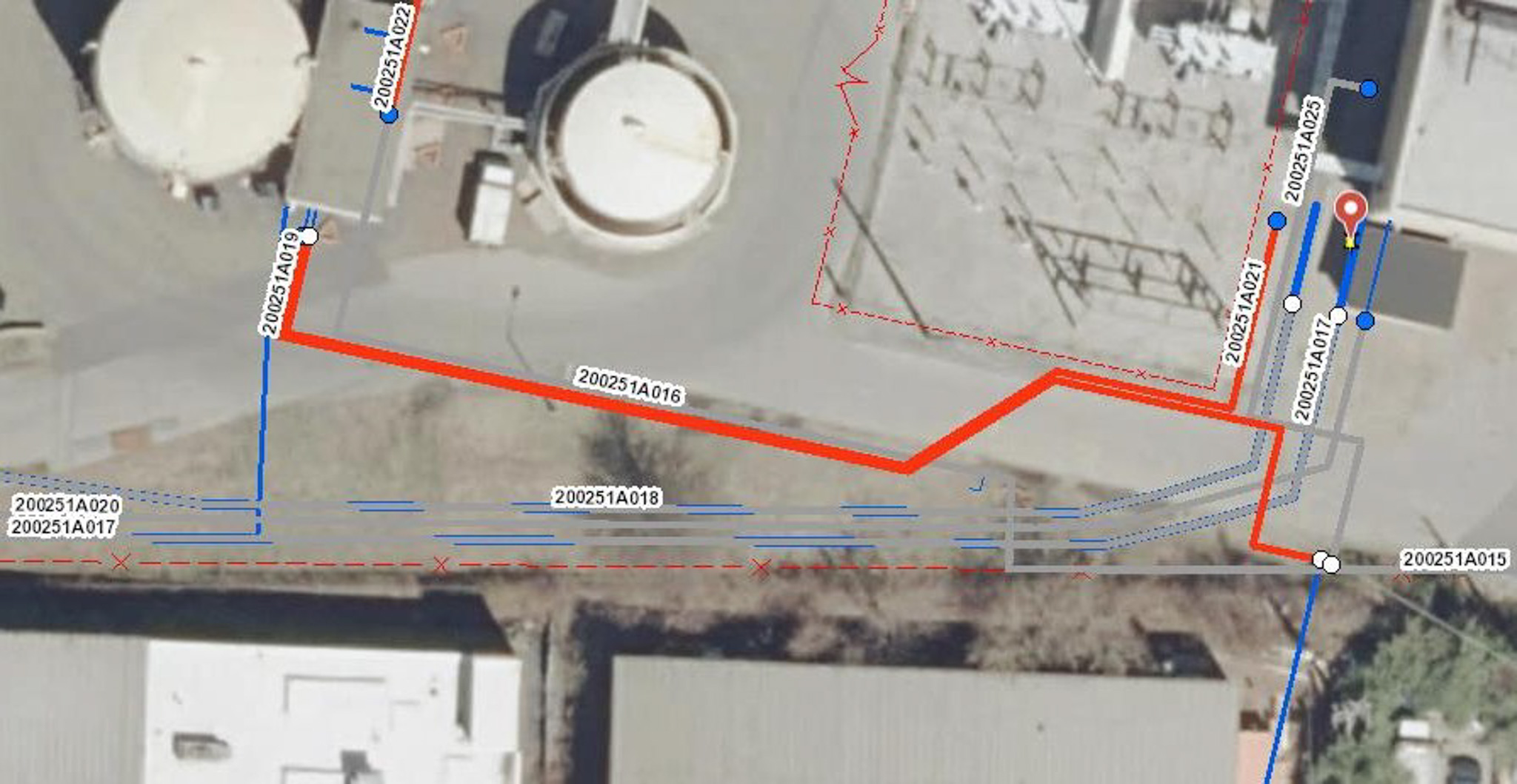
    Aerial site map overlay

    Selling Trust, Not Just Services

    Ultimately, you aren't paying us for a report. You’re paying us for the weight of our signature.

    When an Envicon engineer signs off on a SWPPP inspection or a geotechnical report, they are putting our firm's reputation on the line to protect yours. That is a level of trust that cannot be captured in a fee schedule.

    We believe that our work in remediation and civil engineering is a form of community healing. Every site we clean up in Hudson County or Manhattan is a site that will eventually house a family, a business, or a park. We take that responsibility personally.

    The Envicon Pitch: Why Switch?

    If you are currently working with a consultant who feels more like a roadblock than a partner, it’s time to ask yourself why.

    • Responsiveness: Do you get answers in hours or days?
    • Adaptability: Do they find reasons to say "no," or ways to say "how"?
    • Accountability: Do they stand by their numbers when the digging starts?
    • Authority: Do they lead the conversation with regulators, or do they just take notes?

    We invite you to experience an integrated approach where civil, geotechnical, and environmental expertise live under one roof. We don't just check the boxes. We redraw them.

    Key Takeaways for Your Next Project:

    • Don't settle for "Compliant": Demand "Optimized." Compliance keeps you out of jail; optimization keeps you in the black.
    • Experience the 48-Hour Advantage: Speed is a competitive edge in the NY/NJ real estate market.
    • Look for the Spirit of the Law: Hire experts who understand the "why" behind the NJDEP and NYSDEC rules.
    • Authority Over Knowledge: Knowledge is knowing the rules. Authority is knowing how to navigate them to your advantage.

    Ready to see your site through a new lens? Let’s stop talking about checklists and start talking about your vision.

    Explore our Projects | Get in TouchEnvicon Strategic Solutions Logo

    Envicon Group

    Engineering the Future of New York & New Jersey

    Civil • Environmental • Geotechnical • Technology

    [Website](https://wp.envicongroup.com) |
    [About Us](https://wp.envicongroup.com/about) |
    [Contact](https://wp.envicongroup.com/contact)

  • Cracking the Code: A Developer’s Guide to Removing NYC OER E-Designations

    Cracking the Code: A Developer’s Guide to Removing NYC OER E-Designations

    In the world of New York City real estate development, speed is the only currency that truly matters. But if you’ve spent any time looking at tax lots in the five boroughs lately, you’ve likely run into a small letter with massive implications: the E-Designation.

    To the uninitiated, an E-Designation on a zoning map looks like a minor administrative footnote. To a developer, it’s a potential multi-month bottleneck that can stall financing, delay Department of Buildings (DOB) permits, and wreak havoc on your pro forma.

    At Envicon, we don't view E-Designations as roadblocks. We view them as a sequence of logic gates that need to be cleared with precision. We aren’t just here to write reports; we’re your silent partner, clearing the regulatory path so your vision can actually break ground.

    Here is the no-nonsense guide to navigating the NYC Office of Environmental Remediation (OER) and getting that "E" off your plate.

    What Exactly is an E-Designation?

    An E-Designation is a NYC zoning map designation that indicates the presence of potential environmental requirements on a specific tax lot. These are typically assigned during a city-led rezoning. Before you can get a building permit for a lot with an "E," you must satisfy the OER that the environmental concerns have been addressed.

    There are three main categories:

    1. Hazardous Materials: Soil or groundwater contamination from historical industrial use.
    2. Air Quality: Requirements for specific fuel types (like natural gas) or stack locations to protect nearby residents.
    3. Noise: Requirements for specific window/wall attenuation (STC ratings) to ensure interior quiet.

    If you’re looking at a site with any of these, you aren't just dealing with the DOB; you’re in a partnership with the OER.

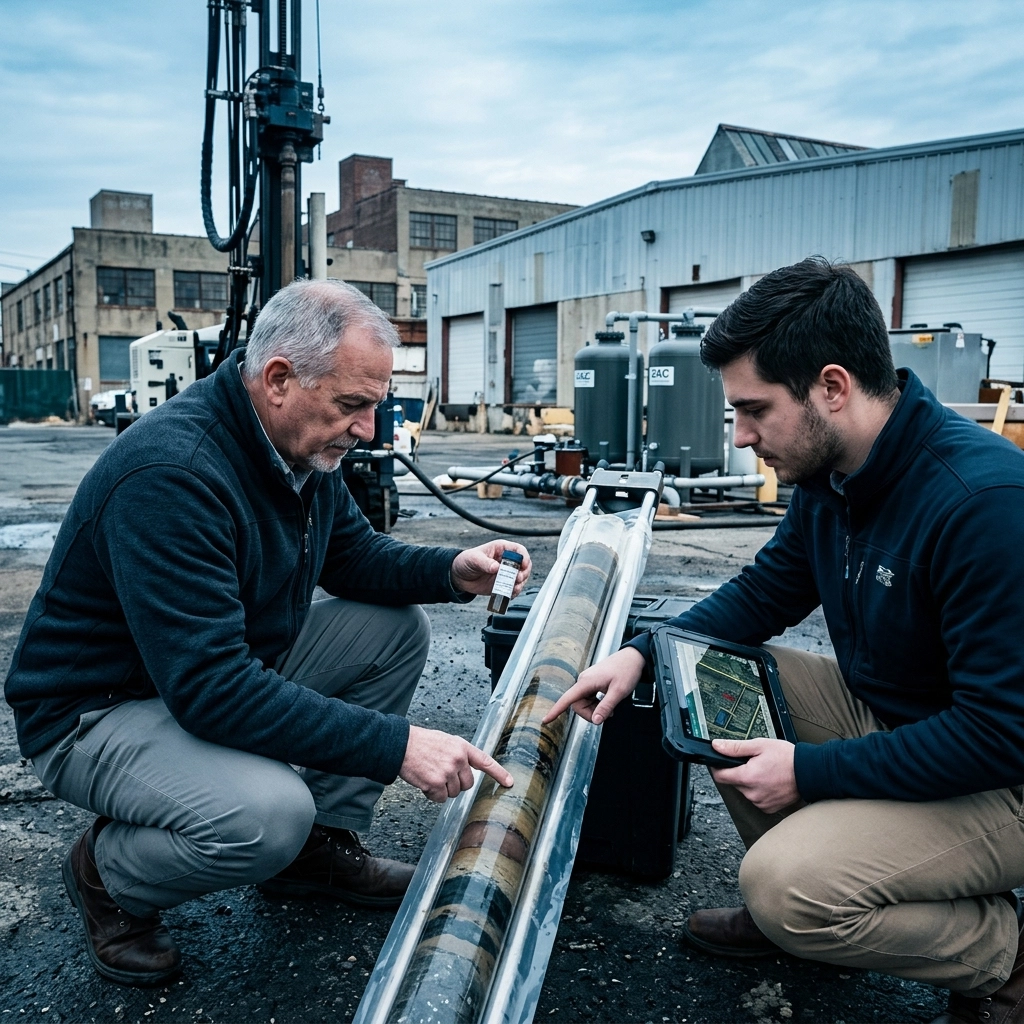
    Environmental consultant and developer reviewing 3D subsurface data for NYC OER E-Designation removal.

    Step 1: The Investigation (Phase I and Phase II)

    The process begins with data. You cannot negotiate with the OER using assumptions. You need a Phase I Environmental Site Assessment (ESA) to identify "Recognized Environmental Conditions" (RECs).

    If the Phase I flags issues: which it almost always does in an urban infill environment: the OER will require a Phase II Remedial Investigation (RI). This involves soil borings, groundwater sampling, and soil vapor testing.

    "In NYC development, the 'unknown' is your most expensive line item. A precise Phase II doesn't just satisfy the OER; it de-risks your entire capital stack." : Jason Pancoast, CEO of Envicon.

    At Envicon, we lean into our deep expertise in site assessments to ensure the Phase II is surgical. We don't over-sample for the sake of a higher bill; we sample to get the OER the answers they need to move you to the next phase.

    Step 2: The Remedial Action Plan (RAP)

    Once the investigation is complete, we draft the Remidial Action Plan (RAP) and a Construction Health and Safety Plan (CHASP). This is your playbook. It tells the OER exactly how you intend to handle the soil, what kind of vapor barrier you’re installing, and how you’ll protect the community during construction.

    For Air and Noise designations, this might involve an "Air RAP" or specific engineering specifications for your HVAC and window systems. This is where many "big box" consultants stumble: they propose overly complex solutions that satisfy the regulator but kill the project's budget. We focus on Value Engineering the remediation. If there’s a faster, more cost-effective way to achieve the same safety standard, that’s the path we take.

    Step 3: The Golden Ticket: The Notice to Proceed (NTP)

    You cannot get a work permit from the DOB until the OER issues a Notice to Proceed (NTP). This letter confirms that they have approved your RAP and CHASP.

    This is the most critical milestone for your timeline. Without the NTP, your excavators are sitting idle. We pride ourselves on the quality of our submissions: when we send a RAP to the OER, it’s designed for approval, not for a back-and-forth round of comments that eats up six weeks of your schedule.

    Urban Corridor Site Assessment

    Step 4: Implementation and the CAMP

    With the NTP in hand, construction begins. But the OER's oversight doesn't stop. During any ground-intrusive work, you must implement a Community Air Monitoring Plan (CAMP). This involves setting up stations to monitor dust and organic vapors at the perimeter of your site.

    If you’re working in a dense neighborhood, this is a matter of community trust. We manage the CAMP with a "no-drama" approach. We monitor the data in real-time, ensuring that your site stays compliant and your neighbors stay happy.

    Step 5: The Remedial Action Report (RAR)

    As construction winds down, we compile the Remedial Action Report (RAR). This is the "as-built" for the environmental work. It includes:

    • Disposal manifests for every ton of soil that left the site.
    • Documentation of the vapor barrier installation.
    • Clean fill certifications.
    • Photo documentation of all remediation steps.

    The RAR must be certified by a New York Professional Engineer (PE). This document proves you did what you said you would do in the RAP.

    Excavator removing underground storage tank

    Step 6: The Finish Line: Notice of Satisfaction (NOS)

    Once the OER approves the RAR, they issue a Notice of Satisfaction (NOS). This is the final sign-off sent to the DOB, which allows them to issue your Temporary Certificate of Occupancy (TCO).

    For HazMat sites that require ongoing monitoring, you might receive a "Conditional NOS," but the goal is always the Final Notice of Satisfaction. This is what officially "cracks the code" and removes the designation from the city's list, or at least satisfies the requirement for your specific development.

    Why Envicon is Your Best Strategic Partner

    The NYC regulatory landscape is a maze, and the OER is one of its most complex corners. Many developers come to us after getting stuck with a "big box" consultant who treats their project like a number. They’re tired of slow response times and engineers who don't understand the urgency of a closing date.

    Here is why Envicon Strategic Solutions is the partner you need for your NYC projects:

    • We Are Your Silent Partner: We don't just point out problems; we solve them behind the scenes so you can focus on leasing and construction.
    • Speed Over Bureaucracy: We know that every week of delay is a week of interest payments. We navigate the OER with an aggressive timeline in mind.
    • Technical Authority: Our team consists of seasoned experts who speak the OER’s language. When we walk into a meeting, we bring the authority that comes from decades of successful NYC/NJ projects.
    • Visionary Thinking: We don't just look at the dirt. We look at the community you're building. We ensure your project is a legacy of safety and integrity.

    Summary Checklist for Developers

    1. Check the Map: Identify "E" designations during the due diligence phase.
    2. Engage Early: Don't wait until you're filing for permits to call an environmental consultant.
    3. Budget for the Phase II: It is an investment in certainty.
    4. Demand a Value-Engineered RAP: Ensure your consultant isn't over-engineering the solution.
    5. Secure the NTP: Treat this as the most important date on your construction calendar.
    6. Document Everything: Ensure your field team is providing the data needed for the RAR from day one.

    Building in NYC is a feat of endurance and strategy. An E-Designation is simply one more variable to manage. With the right partner, it’s a variable that can be solved with precision and speed.

    Ready to clear the path for your next NYC project? Contact Envicon today and let’s get that "E" removed.

    Modern Multi-Family Residential Development

    Key Takeaway

    Navigating the NYC OER process is about more than just compliance; it's about momentum. By understanding the flow from Investigation to Notice of Satisfaction, and by partnering with a firm that values your timeline as much as you do, you can turn a potential bottleneck into a predictable step in your development success.

    For more resources on NYC/NJ regulations, visit our Resource Center or check out our Industry FAQ.Envicon Strategic Solutions Logo

  • Strategic Brownfield Redevelopment: Turning a ‘Complex’ Site into a Buildable Asset

    Strategic Brownfield Redevelopment: Turning a ‘Complex’ Site into a Buildable Asset

    You’ve seen the site. Maybe you already own it, or you’re looking at a deal in a prime Hudson County or NYC corridor that looks too good to be true. It’s an old industrial laundry, a former plating shop, or a vacant lot with a "history." To most, it’s a liability: a "complex" site wrapped in red tape and environmental stigma.

    At Envicon Group, we don’t see a liability. We see an underused property waiting to be transformed into a thriving asset.

    Turning a brownfield into a buildable site isn’t just about digging up dirt and hauling it away. It’s about a coordinated strategy that bridges the gap between environmental risk, civil engineering, and financial reality. If your current consultant is just handing you a Phase II report and wishing you luck, you’re losing time and money.

    The Brownfield Opportunity: Why "Complex" is Profitable

    In the tight real estate markets of New York and New Jersey, the easy sites are gone. What’s left are the infill properties: the brownfields. These sites are often located near critical infrastructure, transportation hubs, and established neighborhoods.

    The complexity of these sites is actually your barrier to entry. Because they are difficult to navigate, they are often undervalued. If you have the right team to de-risk the project, you’re not just building a building; you’re capturing the massive value gap created by the "stigmatized" status of the land.

    Strategic redevelopment allows you to:

    • Acquire prime real estate at a lower entry cost.
    • Access powerful state and federal tax credits.
    • Improve public health and community aesthetics.
    • Transform a neighborhood eyesore into a modern residential or commercial hub.

    The Foundation: Due Diligence as a Roadmap, Not a Checkbox

    Most developers treat a Phase I Environmental Site Assessment (ESA) as a box to tick for the lender. That’s a mistake. In brownfield redevelopment, your due diligence is your roadmap.

    When we step onto a site, we aren't just looking for Recognized Environmental Conditions (RECs). We’re looking for the path to closure. We ask: What does the NYSDEC or NJ DEP need to see to give us a "No Further Action" (NFA) letter? How will the soil conditions impact your foundation design?

    If your consultant is just identifying problems without proposing the civil and environmental fix, they aren't helping you. They’re just slowing you down. We integrate our environmental findings directly into our civil and site engineering plans.

    Modern digital GIS remediation model on a tablet over a historical NYC industrial site map for brownfield planning.

    Mastering the Math: Tax Credits and Strategic Guidance

    The secret sauce of successful brownfield redevelopment is the financing. In New York, the Brownfield Cleanup Program (BCP) is one of the most powerful tools in a developer’s arsenal. It provides significant tax credits: not just for the cost of the cleanup, but as a percentage of the total tangible property cost (the actual construction).

    In New Jersey, programs like the Brownfield Impact Fund provide similar leverage. However, getting into these programs requires precision. Your applications must be technically sound and strategically framed to meet the state's specific criteria for "contamination" and "redevelopment potential."

    We provide the strategic guidance to ensure your site qualifies and stays compliant. We don't just write the report; we help you build the financial case for the project. Every week your project sits in a regulatory queue is another week of carry costs and lender pressure. We push the process forward because we know the math depends on speed.

    Integrated Site Planning: Environmental Meets Civil

    The biggest disconnect in the industry is between the environmental consultant and the civil engineer. The environmental guy says "don't touch the soil," and the civil guy says "we need to grade the site for drainage."

    At Envicon, we are both. We design site-remediation plans that work with your development goals.

    Active active-site-preparation-remediation-brownfield-excavator-industrial-warehouse

    If we know we need to remove three feet of soil for remediation, we coordinate that with your building’s foundation and utility needs. By managing soil and groundwater handling plans in-house, we eliminate the finger-pointing that happens when separate firms are involved. We look at:

    • Grading and Drainage: How can we manage stormwater on a site with restricted infiltration?
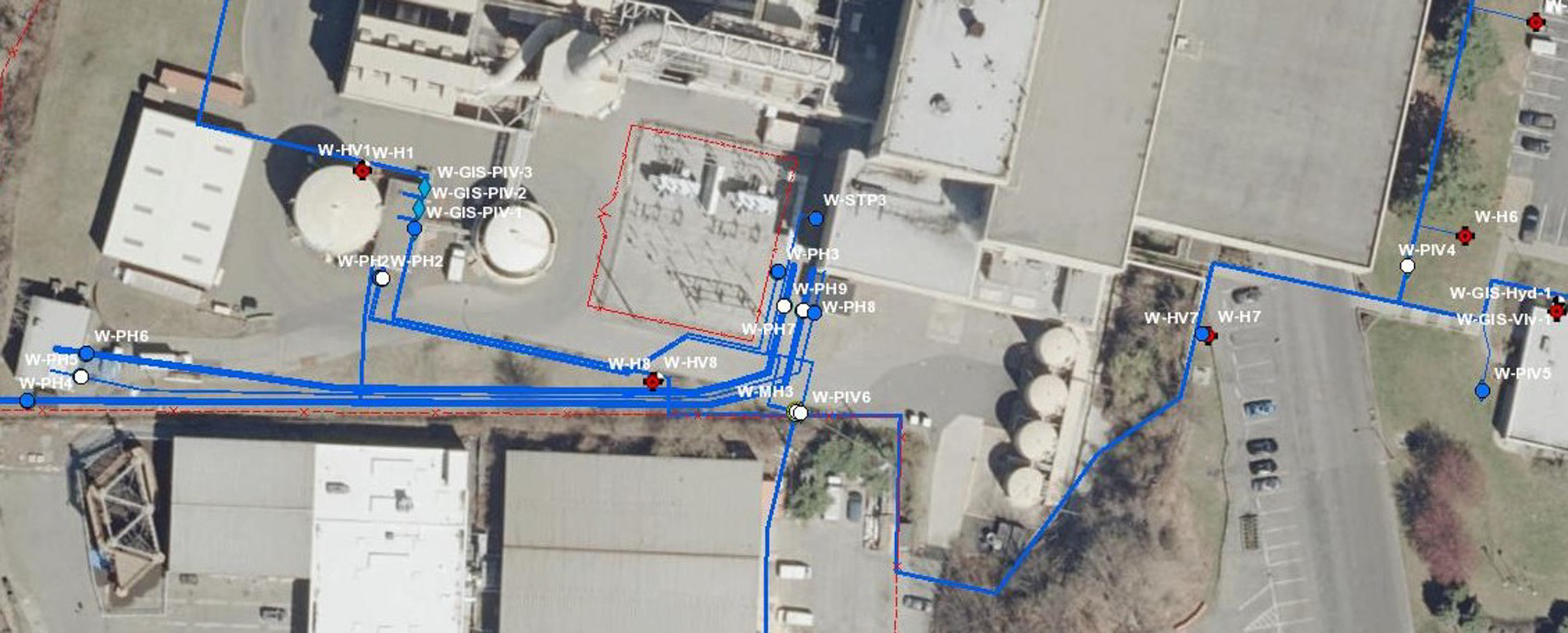
    • Utility Infrastructure: Mapping existing lines and designing new ones that don't interfere with remedial caps.
    • Vapor Mitigation: Integrating sub-slab depressurization systems (SSDS) into the building’s design from day one, not as an afterthought.

    Aerial Utility Infrastructure Site Map

    Navigating the Regulatory Black Box

    Whether you’re dealing with the NYC Office of Environmental Remediation (OER), the NYSDEC, or the NJ DEP, the process can feel like a black box. You submit a report and wait.

    We don't wait. We have 20 years of direct agency relationships. We know the reviewers by name. We understand what they are looking for because we are in the field with them every day.

    Regulatory alignment is how projects actually get done. We don't write defensive, "CYA" reports. We write deliverables that hold up under scrutiny and provide the clear data regulators need to issue approvals. We sit at the table with the architects, attorneys, and local officials to make sure everyone is moving in the same direction.

    Field-First Construction Oversight

    A brownfield project is won or lost in the dirt. Once the excavators start moving, the "known unknowns" become real-world challenges.

    Envicon provides active construction oversight and environmental monitoring. We don't just send a junior staffer with a clipboard. Our field-level QA/QC ensures that the contractor is following the Remedial Action Work Plan (RAWP) to the letter. This prevents the nightmare scenario of a rejected submittal or a re-mobilization order because a sample was taken incorrectly.

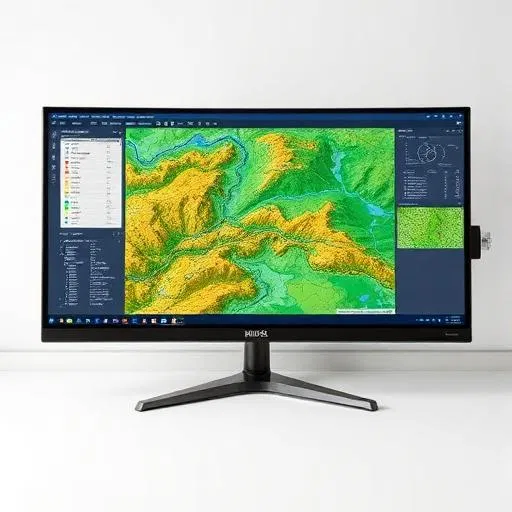
    We use advanced technology, including 3D GIS analysis and real-time project analytics, to track progress and maintain compliance. This transparency gives you: and your investors: peace of mind that the project is being executed correctly.

    widescreen-monitor-3d-gis-analysis.webp

    Why Envicon is the Clear Path Forward

    When you hire a national, big-box firm, you’re paying for a massive overhead and a partner who disappears after the contract is signed. You get a "cookie-cutter" playbook that doesn't account for the nuances of a site in Jersey City or Queens.

    At Envicon Group, we offer a different experience:

    • Hands-on Leadership: You get direct access to our PEs and senior consultants. We take ownership of the outcome.
    • Regional Fluency: We live and work in NY and NJ. We know the local rules because we helped shape the local standards.
    • Actionable Outcomes: We don't just deliver a report that says "more study is needed." We deliver a plan that says "here is how we build."
    • Efficiency: We eliminate the "consultant gap" by integrating civil, environmental, and geotechnical expertise under one roof.

    Summary: From Stigma to Success

    Brownfield redevelopment is a high-stakes game, but the rewards are substantial. By turning a complex, contaminated site into a buildable asset, you are creating value where others only saw risk.

    To succeed, you need a partner who understands that integrity is about delivering the truth, and precision is about moving the project forward. We remove the obstacles between you and a clean, compliant, and buildable site.

    Modern Multi-Family Residential Development - Brownfield Redevelopment

    The Takeaway:
    Don't let a "complex" site sit idle. With the right strategic guidance, technical expertise, and regulatory relationships, you can unlock the full potential of any property.

    Ready to clear the path for your next project?
    Whether you're in the middle of a stalled project or performing due diligence on a new acquisition, Envicon Group is ready to step in. Let’s talk about how we can turn your site into a thriving asset.

    Contact Envicon Group today for a strategic site consultation.

  • Lender-Ready: Why Your ESA Report is the Key to Fast Closing

    In the high-stakes world of New York and New Jersey real estate, the distance between a "handshake deal" and a "closed deal" is often measured in paper. Specifically, the pile of paper sitting on a loan officer’s desk. We’ve seen it happen dozens of times: a developer has the vision, the site is prime, and the equity is ready, but the entire acquisition grinds to a halt because the environmental due diligence looks more like a high school science project than a professional risk assessment.

    When you’re pushing for a fast closing, your Phase I Environmental Site Assessment (ESA) isn't just a regulatory hurdle. It is the key that unlocks the vault. If your ESA is weak, the lender stays home. If it’s bulletproof, you move to the closing table before the ink on your purchase agreement is even dry.

    At Envicon Strategic Solutions, we don’t just write reports; we build the trust necessary to move capital. Here is why your ESA report is the most critical document in your closing checklist and how to ensure it doesn't become a bottleneck.

    The Lender’s Perspective: It’s All About Risk

    To understand why lenders are so picky about an ESA, you have to look at the property through their eyes. They aren't looking at the sleek glass facade or the projected rent rolls: at least not initially. They are looking at potential liability.

    Under the Comprehensive Environmental Response, Compensation and Liability Act (CERCLA), the owner of a contaminated site can be held responsible for cleanup costs, even if they didn't cause the pollution. If a borrower defaults and the lender forecloses, that lender could inherit a multi-million dollar remediation nightmare.

    A "bulletproof" ESA provides the lender with the "Innocent Landowner Defense." It proves that "all appropriate inquiries" were made into the previous ownership and uses of the property. When we deliver a Phase I ESA, we aren't just giving you a PDF; we are giving your lender the confidence to sign off on your loan.

    Expert environmental professional and lender reviewing a Phase I ESA report for a fast closing in Jersey City.

    The ASTM E1527-21 Clock is Ticking

    One of the biggest reasons deals die in the eleventh hour is an expired report. According to the current ASTM E1527-21 standards, a Phase I ESA has a very specific shelf life.

    • 180 Days: The report is considered valid for up to six months.
    • 365 Days: If the report is between 180 days and one year old, specific components (like the site reconnaissance and interviews) must be updated.
    • Over 1 Year: The report is dead. You need a new one.

    In the fast-moving NJ and NYC markets, acquisition timelines often stretch. We’ve seen clients try to use a "clean" report from eight months ago, only to have the bank’s environmental reviewer reject it a week before closing. We prioritize fast turnarounds because we know that in this industry, being "on time" often means being "already late."

    The NYC/NJ Regulatory Gauntlet

    Doing business in the Tri-State area requires a level of local expertise that national "report mills" simply can’t match. Whether you are dealing with the NYC Office of Environmental Remediation (OER) and their dreaded E-Designations or the NJDEP’s Licensed Site Remediation Professional (LSRP) program, the nuances are massive.

    The NYC E-Designation Trap

    In New York City, a property might look clean on paper, but if it has an E-Designation for air quality, noise, or hazardous materials, your lender will want to know exactly how you plan to satisfy the OER. A generic Phase I won’t cut it. You need an ESA that speaks the language of the OER and provides a clear roadmap for remediation or mitigation.

    The NJDEP LSRP Factor

    In New Jersey, the LSRP program changed the game. The responsibility for ensuring a site is remediated to state standards falls on the LSRP, not the state. Lenders in Jersey want to see that an LSRP has reviewed the findings and that there is a clear path toward a Response Action Outcome (RAO).

    "In the world of NYC real estate, time isn't just money: it's the difference between a legacy project and a missed opportunity." : Jason Pancoast, CEO of Envicon Strategic Solutions.

    Aerial View with Monitoring Locations

    Why "Cheap" Reports are the Most Expensive Mistake

    We get it. Everyone wants to save a few thousand dollars on due diligence. But a "discount" Phase I is a magnet for Recognized Environmental Conditions (RECs).

    When a low-cost consultant isn't given the time or budget to properly investigate a site, they do the only thing they can to protect themselves: they flag everything as a potential risk. They’ll see a 50-year-old floor drain and call for a Phase II subsurface investigation because they didn't take the time to verify the plumbing blueprints.

    Suddenly, your $2,500 "savings" has triggered a $15,000 soil boring project and delayed your closing by three weeks.

    At Envicon, our approach is different. We focus on authority and integrity. We dig deeper during the initial Phase I to rule out non-issues. We use our deep knowledge of local historical land use in industries like manufacturing and energy to provide context. If we can prove a historical tank was properly pulled in 1994, we save you the Phase II and keep your closing on track.

    The Anatomy of a Bulletproof Report

    What does a lender-ready report actually look like? It’s more than just a summary. It includes:

    • Comprehensive Database Searches: Going beyond the standard radius search to look at local municipal records.
    • Strategic Site Reconnaissance: Not just a walk-through, but a forensic look at the property's physical state.
    • In-Depth Interviews: Talking to current and past owners to uncover what isn't in the public record.
    • Executive Summary for Non-Engineers: We write for the people who make the decisions: the lenders and investors: not just other scientists.

    Active Urban Construction Site

    Speed to Market: The Envicon Advantage

    Why do developers switch from the "Big Box" consultants to Envicon Strategic Solutions? It comes down to responsiveness and accountability.

    Your current big consultant probably has a "Standard Operating Procedure" that takes 21 business days regardless of the project's urgency. They have layers of project managers who have never stepped foot in Jersey City or Brooklyn.

    We operate differently. We understand that in redevelopment, you aren't just buying dirt; you’re building a community and a legacy. We offer:

    1. Direct Access: You talk to the experts, not a junior coordinator.
    2. Accelerated Timelines: We specialize in fast turnarounds because we know your interest rate lock depends on it.
    3. Local Authority: Our team knows the NJDEP and NYC OER requirements inside out. We don’t guess; we know.

    Summary: Don't Let Your ESA Kill Your Deal

    Your Environmental Site Assessment is the foundation of your acquisition. If that foundation is shaky, the whole deal can collapse under the weight of lender scrutiny.

    To ensure a fast closing in the NYC/NJ market, remember these three rules:

    • Watch the clock: Ensure your report is less than 180 days old at the time of closing.
    • Demand local expertise: National firms often miss regional nuances like NJDEP LSRP requirements or NYC E-Designations.
    • Invest in quality early: A thorough Phase I that rules out "fake" RECs is significantly cheaper than a needless Phase II.

    At Envicon Strategic Solutions, we are visionary in our approach and inspirational in our results. We don't just identify problems; we clear the path for your success. If you have a deal on the line and need a team that moves as fast as you do, it's time to make the switch.

    Ready to clear your lender’s checklist? Contact Envicon today for a consultation on your next acquisition. Let's get you to the closing table.Envicon Strategic Solutions Logo

  • Why the Industry Watches Our Move: Redefining the Standard for Technical Excellence

    Why the Industry Watches Our Move: Redefining the Standard for Technical Excellence

    In the high-stakes world of New York and New Jersey real estate development, there’s a quiet shift happening. If you’ve been paying attention to the job sites from the Hudson Waterfront to the heart of Manhattan, you’ve seen it. The old way of doing things: relying on massive, slow-moving consulting firms that treat your project like a ticket number: is dying.

    At Envicon Strategic Solutions, we aren’t just participating in the industry; we are redefining what "technical excellence" looks like in 2026. While others are still asking if a solution is possible, we’ve already moved on to how it scales, how it supports your operators, and how it maximizes your ROI.

    People ask me all the time, "Jason, why is everyone suddenly looking at Envicon's playbook?" The answer is simple: We sell authority, not just expert knowledge. We don’t just know the rules; we navigate the spirit of them to move your project forward when everyone else says "stop."

    The Death of Theoretical Engineering

    For decades, the engineering world was obsessed with the theoretical. Consultants would hand over 400-page reports filled with "maybe" and "potentially." In 2026, that doesn't fly. The industry is moving toward practical execution and real-time data-driven decision-making.

    In our region: where the NYC OER E-Designation and NJDEP regulations can change overnight: you don't need a theory. You need a trajectory. Technical excellence today means moving data from the sensor level directly to the decision-makers. It means knowing what is happening in the soil or the groundwater now, not three weeks from now when the lab results finally trickle in.

    Modern Urban Skyline at Dusk

    We’ve integrated Edge AI and localized intelligence into our environmental site assessments. By deploying AI closer to operations, we get low-latency, high-reliability decisions that match the breakneck speed of industrial and residential development in the NY/NJ corridor. When we are on-site, we’re not just collecting samples; we’re running a live diagnostic of your project’s health.

    Beyond the Checklist: The Authority of the Signature

    Any firm can follow a checklist. Any consultant can read a NJDEP guidance document. But there is a massive difference between following a standard and being the standard.

    When Envicon signs off on a report, it’s not just a administrative hurdle cleared. It is a statement of authority. Our clients aren’t just buying a Phase I or a Geotechnical Investigation; they are buying the peace of mind that comes with our reputation. We are the firm that other consultants call when a project gets "hairy." We are the ones who find the path through the red tape because we understand the regulatory landscape from the inside out.

    "Engineering is precise, but trust is personal. We’re the ones standing in the gap between you and the 'what ifs'." : Jason Pancoast, CEO

    This authority is built on a foundation of transparency. We use modular, API-driven systems to provide our clients with a window into their project that no "Big 4" firm can match. You shouldn't have to wonder where your remediation stands. With our tech-forward approach, the "invisible safety net" is always visible to you.

    Engineers using real-time subsurface modeling technology for site assessment on a NY/NJ urban construction site.

    Real-Time Intelligence in the Field

    The research is clear: by 2026, organizations have shifted from asking "what happened?" to "what will happen and what should we do?" This is where Envicon separates itself from the pack.

    Consider a typical redevelopment project in Jersey City. A traditional firm might find unexpected contamination and halt work for a month to "assess." Envicon utilizes object-centric process mining and real-time diagnostics to pivot in days, not weeks. We don't just report the problem; we orchestrate the solution using integrated platforms that manage everything from soil disposal costs to stormwater compliance.

    Our use of Vision AI for quality control and safety monitoring on-site isn't a gimmick: it’s a practical standard. It ensures that every steel beam secured and every gallon of groundwater treated meets a level of excellence that protects your brand as much as ours.

    Envicon Strategic Solutions LLC Site Worker

    Why the "Big Guys" Are Losing the Race

    You might be working with one of the massive global consultancies right now. You might feel "safe" because they have thousands of employees. But let me ask you this: When was the last time their CEO looked at your site plan? When was the last time they offered a value-engineering solution that actually saved you six figures on soil disposal?

    Here is why the industry is switching to Envicon:

    • Responsiveness: While big firms are stuck in internal committee meetings, we are on-site making calls.
    • Accountability: We don't hide behind layers of junior associates. You get the experts, every time.
    • Adaptability: Our tech stack is modular. We don't force your project into our old systems; we build our systems around your project’s needs.
    • Local Dominance: We know the NY/NJ soil because we live here. We know the regulators by their first names. We don’t need a "regional office" to tell us how things work in Hudson County.

    Technical excellence isn't about how many licenses you have on the wall; it’s about how those licenses are used to de-risk a project. We sell the certainty that your development will move from dirt to ribbon-cutting without a regulatory or geotechnical catastrophe.

    The Human Element of High-Tech Engineering

    Despite all the talk of AI and data, the core of Envicon is human. Redefining technical excellence means acknowledging the burden of responsibility we carry for our clients. Every Phase II ESA we conduct is a commitment to the community that will eventually live or work on that site.

    We see ourselves as healers of the land. When we remediate a contaminated "ghost site," we aren't just checking a box for the NYSDEC. We are transforming a liability into a neighborhood anchor. That is the visionary approach we bring to every project. We aren't just building structures; we’re building the future of the NY/NJ skyline.

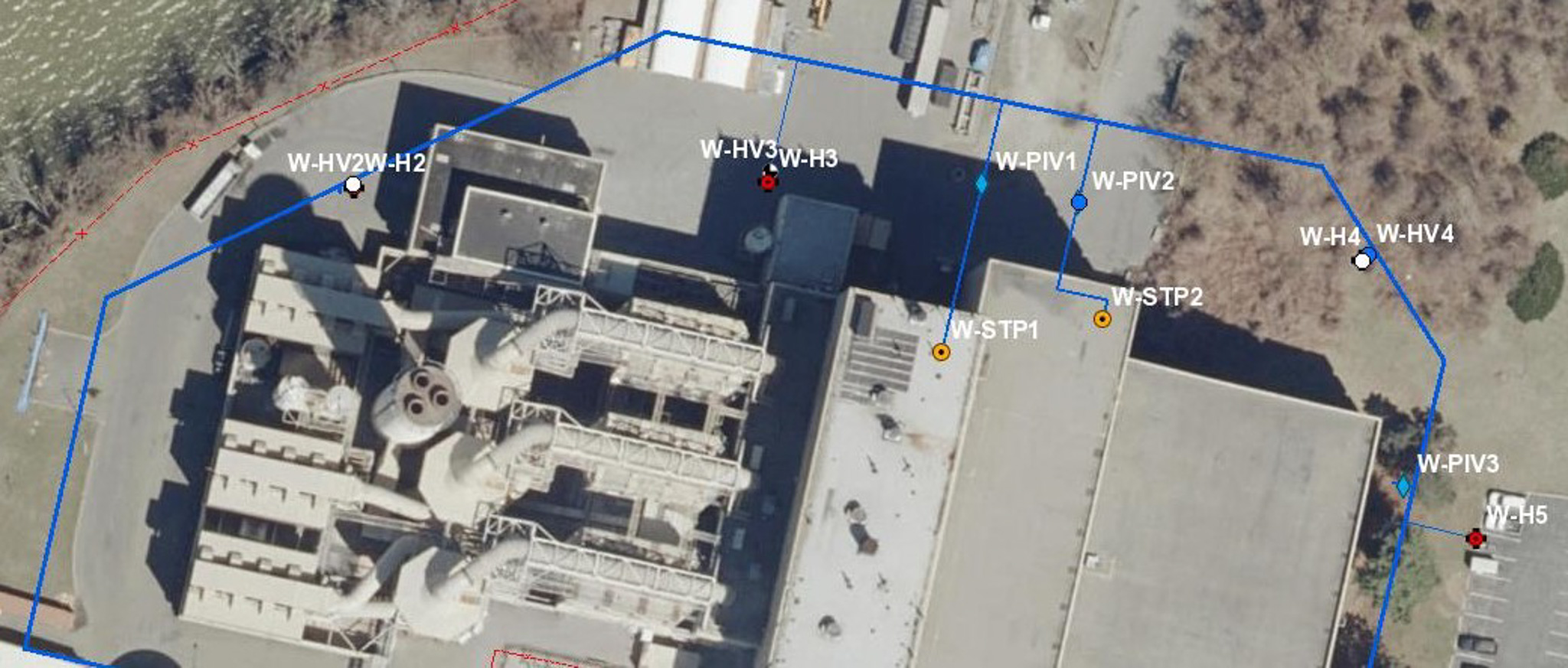
    Aerial Map Overlay of Industrial Facility Utilities

    Redefining Your Standard

    If you are tired of the same old "compliance as a chore" attitude from your current consultants, it’s time to look at why the industry is watching us. Technical excellence in 2026 requires a blend of aggressive technology, local authority, and an unwavering commitment to the client's bottom line.

    Don't settle for a consultant who just follows the rules. Partner with the firm that is helping to write the new ones.

    Key Takeaways for Your Next Project:

    • Real-time data is non-negotiable: If your consultant isn't giving you live diagnostics, you're operating in the past.
    • Authority beats knowledge: Look for a partner who has the reputation to back up their signatures.
    • Technology must be practical: Tech should lower your costs and increase transparency, not add "innovation" for innovation's sake.
    • Local matters: NY/NJ is a unique beast. You need a team that speaks the local regulatory language fluently.

    Ready to see what true technical excellence looks like on your site?
    Connect with our team at Envicon today and let’s move your project from a plan to a legacy.


    Envicon Group
    Visionary Engineering. Inspirational Results.

    Visit our Resource Center | View our Project Gallery | Our Locations

    ![Envicon Strategic Solutions Logo](https://cdn.marblism.com/wNXXN3yyY1Q.webp)

    ENVICON GROUP

    Civil • Geotechnical • Environmental • Technology Experts

    Serving the New York & New Jersey Metropolitan Area


    [www.envicongroup.com](https://wp.envicongroup.com) | [Contact Us](https://wp.envicongroup.com/contact)

  • Standalone SWPPP Services: Speeding Up Your Site Prep Without the Full-Firm Overhead

    Standalone SWPPP Services: Speeding Up Your Site Prep Without the Full-Firm Overhead

    In the high-stakes world of New York and New Jersey real estate development, momentum is your most valuable asset. When you have the equipment ready and the crew scheduled, the last thing you need is a regulatory bottleneck holding up your site preparation. Too often, developers find themselves trapped in a cycle of "big-firm" bureaucracy, where a simple Stormwater Pollution Prevention Plan (SWPPP) becomes a months-long ordeal handled by junior staff who have never actually stepped foot on a construction site.

    At Envicon Group, we look at things differently. We don't believe you should be forced into a massive, multi-discipline engineering contract just to get your erosion and sediment controls in order. We offer SWPPP services as a standalone, precision-focused solution designed to do one thing: move the obstacles between you and a buildable site.

    The Bottleneck: Why Site Prep Stalls

    Site preparation is the foundation of your project’s timeline. If the SWPPP isn't right, or if the Stormwater Discharge Permits are sitting in a reviewer’s queue because of a technicality, your project isn't moving. The carry costs alone on a stalled project in Hudson County or Manhattan can be staggering.

    Most national consulting firms treat SWPPPs as an afterthought: a low-margin "add-on" to a larger design package. They use cookie-cutter templates that don't account for the unique topographical or regulatory realities of the NYC/NJ market. The result? A plan that gets rejected by the NYSDEC or NJDEP, or worse, a plan that is impossible to implement in the field, leading to expensive change orders and mid-construction delays.

    We see this surface pain every week. A client calls us because their "firm of record" is sitting on a report for three weeks while the excavator sits idle. That is not how we work.

    Precision Engineering for Immediate Outcomes

    A SWPPP is more than a checklist; it is a strategic document. It dictates how you manage runoff, where you place your silt fences, and how you protect the integrity of the site during the most vulnerable phases of construction.

    When we provide standalone SWPPP services, we focus on three core pillars:

    1. Regulatory Fluency: We know the reviewers at the NYSDEC and NJDEP. We understand the specific nuances of the SPDES (State Pollutant Discharge Elimination System) General Permit. We don't guess at compliance; we engineer for it.
    2. Field-First Design: Our plans are written by PEs who spend time on-site. We design erosion controls that actually work with your equipment and your workflow, not against them.
    3. Speed to Approval: Because we specialize in this local market, we know how to package submittals so they move through the agency process without the "back-and-forth" that plagues less experienced firms.

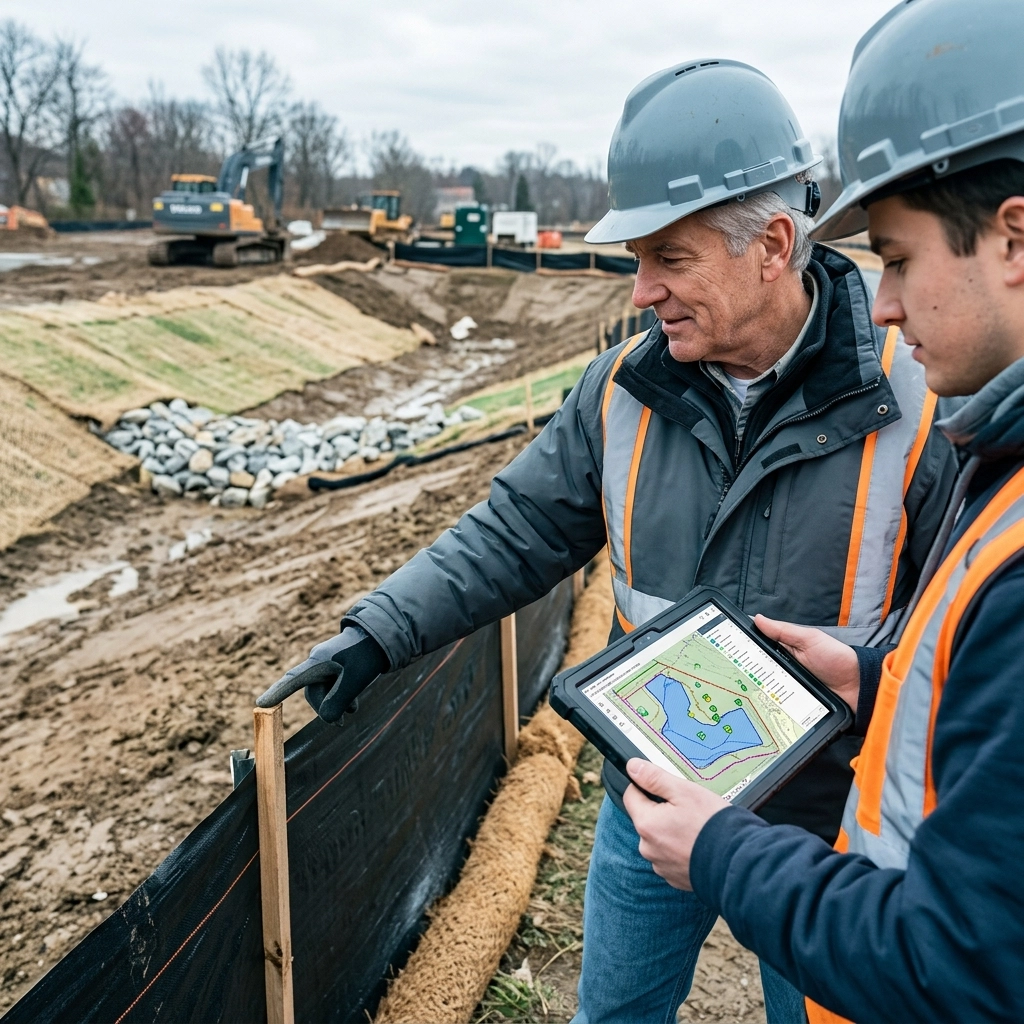
    Field tablet displaying site drainage mapping and erosion control silt fences for NJ SWPPP regulatory compliance.

    Beyond the SWPPP: SPCC Plans and Stormwater Permits

    For many sites in our region, a SWPPP is only one piece of the environmental compliance puzzle. If you are storing fuel for heavy equipment on-site, you likely need a Spill Prevention, Control, and Countermeasure (SPCC) plan.

    At Envicon, we integrate these services seamlessly. We handle the SPCC plans and the various stormwater discharge permits as a unified package. This eliminates the "silo" effect where one consultant handles the civil engineering and another handles the environmental compliance, often leaving the developer to bridge the gap between two conflicting reports.

    We take ownership of the outcome. Whether it's securing the initial permit or coordinating the mandatory weekly inspections once the dirt starts moving, we are your boots-on-the-ground partner.

    A stopwatch rests on top of site engineering blueprints, symbolizing Envicon Strategic Solutions’ commitment to fast turnarounds and timely delivery of lender-ready ESA reports and engineering assessments for redevelopment projects in the NJ/NYC market.

    The Big-Box Pain vs. The Envicon Answer

    Why do developers switch to Envicon? It usually comes down to a frustration with "Big-Box" consulting firms. When you hire a national firm with 10,000 employees, you talk to a charismatic partner during the pitch, and then you are handed off to a junior associate who is learning the regulations on your dime.

    At Envicon, you get:

    • Direct Leadership: You have a direct line to the PEs and experts who are actually doing the work. There are no layers of management between you and the person signing your plan.
    • Zero-Fluff Deliverables: We don't produce 200-page reports designed to protect the consultant's liability. We produce clean, actionable documentation designed to get you a permit and keep you compliant.
    • Transparent Pricing: We don't play the "scope creep" game. We provide clear, fixed-fee pricing for standalone SWPPPs and SPCC plans so you can budget with confidence.
    • Local Fluency: We have 20 years of experience in the NJ/NYC market. We don't apply a "national playbook" to a site in Newark; we apply local expertise built from decades of agency relationships.

    Why Standalone Services Make Sense Now

    The current regulatory environment in New York and New Jersey is becoming increasingly complex. The shift toward more stringent green infrastructure requirements and tighter controls on construction runoff means that the "old way" of doing SWPPPs: letting the general contractor handle it or using a generic template: is a recipe for a stop-work order.

    By pulling the SWPPP out of the massive engineering contract and giving it to a specialized firm like Envicon, you ensure that this critical path item gets the attention it deserves. It allows your lead architects and designers to focus on the building, while we focus on clearing the path through the dirt and the drainage.

    Circular rubber stamp with the word 'PERMIT' prominently in the center, surrounded by terms such as 'APPROVAL' and 'WONT TYPICAL,' printed on an official-looking document. This image represents the permitting and regulatory approval process crucial in site-civil, geotechnical, and environmental engineering for redevelopment projects, emphasizing compliance and authorization.

    The Field-First Mentality

    Collaboration is not a buzzword at Envicon; it’s our operational reality. We sit at the table with your contractors, your attorneys, and your project managers. We understand that a SWPPP is a living document. As the site changes: as the foundation is poured and the grading evolves: the plan needs to evolve with it.

    Our inspectors don't just show up to find problems; they show up to find solutions. If a sediment trap isn't performing or a stabilized construction entrance is failing, we don't just note it in a report and walk away. We work with the site super to adjust the controls in real-time, keeping you in compliance and keeping the project moving forward.

    Integrity is the Core of Our Delivery

    In this industry, integrity means delivering the truth, even when it’s not convenient. If your site has a drainage challenge that will trigger a more complex permit review, we tell you on Day One: not Day Ninety. We believe in doing the work right the first time so that you never have to deal with the fallout of a cut corner.

    We aren't just selling a report. We are selling a cleared path. We are selling the peace of mind that comes from knowing your environmental and stormwater compliance is being handled by experts who understand the stakes of your project.

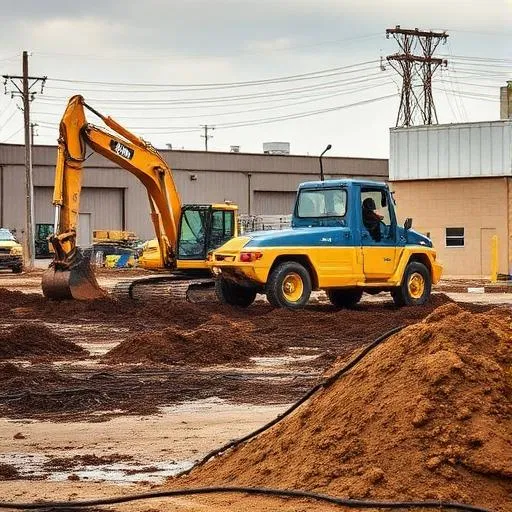
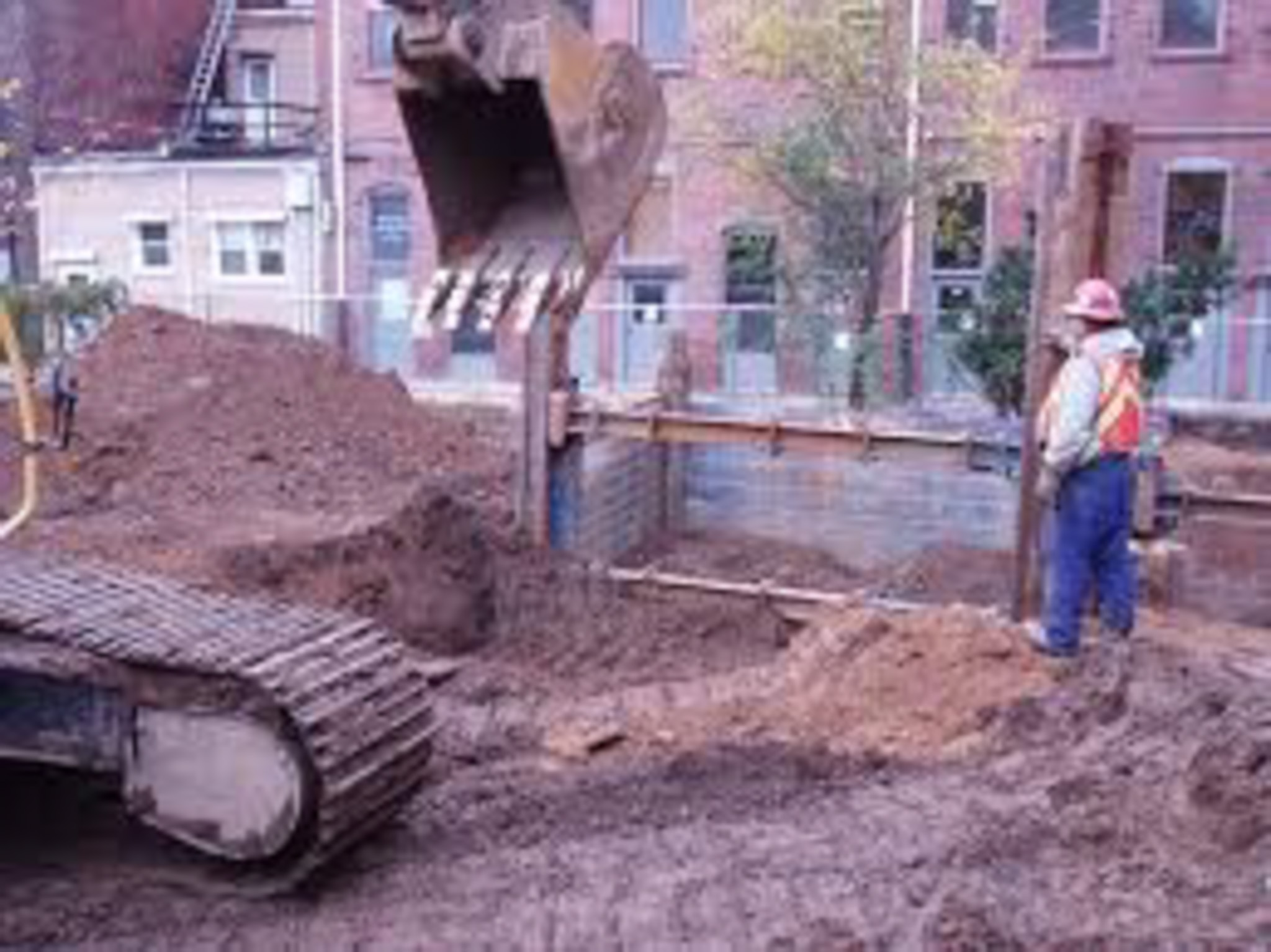
    Active brownfield redevelopment site with heavy equipment and soil staging areas. An excavator is operating, conducting soil excavation and removal for environmental site assessment and remediation. Industrial warehouse and utility infrastructure are visible in the background, typical of northern NJ/NYC redevelopment.

    Summary: Your Path to a Buildable Site

    If your current consultant is treating your SWPPP as a low-priority task, you are exposing your project to unnecessary risk. Standalone SWPPP services from Envicon Group offer a faster, more precise, and more cost-effective way to handle site-civil and environmental compliance.

    • Avoid the Overhead: Don't pay for 10 layers of management when you need one expert PE.
    • Accelerate Site Prep: Get your permits faster with local expertise and agency fluency.
    • Ensure Compliance: Bundle your SWPPP, SPCC, and Stormwater permits for a unified strategy.
    • Field-First Approach: Get plans that work for your contractors, not just for the auditors.

    Don't let a "CYA" report from a national firm stall your project. Envicon Group is ready to take ownership of your stormwater and environmental compliance, providing you with the technical precision and urgency your site demands.

    Stop waiting. Start building. Contact Envicon Group today to discuss how our standalone SWPPP and compliance services can speed up your next project in NY or NJ. Let’s get the obstacles out of your way.

  • The Soil We Inherit: Why Remediation is Envicon’s Gift to the Next Generation

    The Soil We Inherit: Why Remediation is Envicon’s Gift to the Next Generation

    When we talk about real estate development in the New York and New Jersey corridor, we usually talk about numbers. We talk about square footage, cap rates, and construction costs. But at Envicon, we’ve realized something over the years: the most important thing we deal with isn't a line item on a spreadsheet. It’s the dirt.

    The soil beneath our feet in Jersey City, Brooklyn, or Newark carries a heavy history. It’s a record of the industrial giants that built this region a century ago: and the chemical footprint they left behind. When a developer looks at a "distressed" property, they see a challenge. When we look at it, we see a chance to heal the land.

    Remediation isn't just about regulatory compliance or checking a box for the NJDEP or the NYSDEC. It’s about stewardship. It’s about taking a site that was a liability to a neighborhood and transforming it into a foundation where a community can finally take root.

    From Ghost Sites to Community Anchors

    Every city in our region has them: the "ghost sites." These are the fenced-off lots, the abandoned railway spurs, and the crumbling factories that sit silent while the rest of the neighborhood thrives. These sites aren't just eyesores; they are psychological wounds in a community. They signal that a place has been forgotten.

    Abandoned railway site with weathered tracks and potential contamination

    When we step onto one of these sites, we aren't just looking for contaminants. We are looking for the potential to bring life back. Our work in environmental and geotechnical engineering is the bridge between a toxic past and a vibrant future.

    By the time we finish a project, that soil isn't just "clean" by legal standards. It is safe for a playground. It is stable for a multi-family home. It is ready to support the next fifty years of growth. That is the gift we leave behind: a clean slate for the next generation.

    Selling Trust, Not Just Reports

    In this industry, it’s easy to get lost in the "expert" trap. You can find plenty of big-name consulting firms that will give you a 400-page report filled with jargon and "maybe" statements. They sell expert knowledge.

    We do things differently. We sell authority and trust.

    When you partner with Envicon, you aren't just buying a Phase I or Phase II ESA. You’re buying the peace of mind that comes from knowing our name is on the line. We don't hide behind layers of corporate bureaucracy or ambiguous findings. We provide the clarity you need to make a move.

    Trust is built in the trenches. It’s built when we tell a client, "This site has issues, but here is exactly how we’re going to fix them so you can sleep at night." It’s about taking the weight of the environmental risk off your shoulders and putting it on ours. We’ve navigated the red tape of the NYC OER and the complexities of NJDEP soil standards so many times that we don’t just know the rules: we understand the rhythm of the regulators.

    The Emotional Impact of Healing the Land

    There is a specific kind of pride that comes from seeing a project move from a "contaminated mess" to a "community asset." We remember a project where an old industrial lot was leaching into the local groundwater. For decades, the neighbors just walked past it, heads down.

    After our team implemented a strategic remediation plan, the site didn't just meet the standards; it became the anchor for a new residential block.

    Excavator and crew conducting soil removal at an urban redevelopment site

    That’s not just "development." That’s restoration. As consultants, we often deal with the "unseen": the groundwater plumes, the vapor intrusion, the soil stability deep underground. But the results are incredibly visible. You see it in the kids playing in a new park or the small business opening its doors on a site that used to be a hazard.

    As we like to say: "We don't just move dirt; we move communities forward."

    Why the "Big Consultant" Model is Failing You

    You might be used to working with the massive, global engineering firms. They have thousands of employees and impressive brochures. But ask yourself: do they care about your project’s legacy? Or are you just another billable hour in their quarterly report?

    At Envicon, we provide a "concise and sales-psychology optimized" alternative. Here is why our approach wins:

    • Accountability: You aren't shuffled between junior associates. You have direct access to decision-makers who understand the NY/NJ market intimately.
    • Adaptability: Regulations change. Markets shift. Big firms are like tankers: they take miles to turn. We’re the escort boat: agile, fast, and able to pivot your strategy in real-time.
    • Visionary Technology: We use advanced technology not as a gimmick, but as a transparency tool. You see what we see, when we see it.
    • Community Connection: We live here. We work here. We want these sites to be clean because our families live in these same zip codes.

    Environmental team and developer reviewing subsurface data on a remediated Jersey City urban redevelopment site.

    Building for 2076, Not Just Today

    Our work is often buried. Once the concrete is poured and the buildings rise, no one sees the remediation work we did. But the integrity of that work determines the safety of every person who enters that building for the next century.

    When we design a stormwater management system or a vapor mitigation barrier, we aren't just thinking about the inspection next week. We are thinking about the heavy rains of 2050. We are thinking about the families who will call this place home in 2076.

    That is what it means to be a "visionary" firm. It’s about looking past the immediate hurdles of a NYC OER E-Designation and seeing the long-term health of the urban ecosystem.

    Modern multi-family residential development on a former brownfield site

    Summary: The Envicon Promise

    We believe that every contaminated site in New York and New Jersey is a story waiting for a better ending. Our job as your strategic partner is to write that ending with you.

    • We sell trust: By providing certainty in an uncertain regulatory environment.
    • We sell community: By treating every site as a future home, not just a job site.
    • We sell authority: By leading the way in technical excellence and ethical engineering.

    The soil we inherit from the past doesn't have to define our future. With the right strategy, the right technology, and a partner who actually cares about the legacy of the land, we can turn any site into a gift for the next generation.

    If you’re ready to stop "managing" environmental issues and start solving them, let’s talk. Whether you’re an architect planning a new skyline or a developer looking at a complex NJ site, we’re here to ensure your project stands on solid, clean ground.

    Contact Envicon Group Today and let’s start healing the land together.


    Modern Urban Skyline at Dusk


    Envicon Group
    Visionary Engineering. Inspirational Results.

    Connect with us:
    About Us | Our Projects | Resources | Blog

    Envicon Strategic Solutions Logo

    New York | New Jersey | Strategic Environmental & Geotechnical Excellence

  • How to Remove an NYC E-Designation (Without Getting Stuck in the OER Queue)

    How to Remove an NYC E-Designation (Without Getting Stuck in the OER Queue)

    You’ve got the site. You’ve got the vision. You’ve probably even got the financing lined up. Then you look at the zoning map and see that dreaded letter: "E."

    In the world of New York City real estate, an E-Designation isn't just a label; it’s a roadblock. It means the Office of Environmental Remediation (OER) has its eyes on your project for potential hazardous materials, noise, or air quality issues. Until that "E" is handled, you aren't pulling building permits, and you certainly aren't hitting your ribbon-cutting date.

    Most developers treat the E-Designation process like a "black box." You hire a big-box environmental firm, they submit a stack of papers, and then… you wait. And wait. You’re stuck in the "OER queue," watching your carry costs climb while a junior staffer at a 10,000-employee firm forgets to follow up with your reviewer.

    At Envicon Group, we don’t do the "wait and see" approach. We believe in cleared paths, not just reports. Here is exactly how to remove an E-designation in NYC without losing your mind: or your budget: to regulatory purgatory.

    What is an E-Designation, Really?

    An E-Designation is a NYC zoning map designation that indicates a property may have environmental requirements related to:

    • Hazardous Materials: Legacy contamination from past industrial use.
    • Air Quality: Potential impacts from HVAC systems or nearby industrial chimneys.
    • Window/Wall Noise Attenuation: Requirements for specific building materials to keep interior noise levels down.

    The goal of the NYC OER brownfield cleanup program is to ensure that as we densify the city, we aren't exposing residents to old pollutants. It’s a noble goal, but for a developer, it’s a high-stakes compliance hurdle.

    The Standard Path to the Notice of Satisfaction (NOS)

    To get that E-Designation removed, you need a Notice of Satisfaction (NOS). This is the golden ticket that tells the Department of Buildings (DOB) you are good to go. Getting there usually follows this trajectory:

    1. Phase I ESA: Identifying the "Recognized Environmental Conditions." At Envicon, we offer a 72-hour turnaround capability for initial assessments because we know speed is the only thing that matters during due diligence.
    2. Remedial Investigation (RI): If the Phase I flags issues, you need to sample soil, groundwater, and soil vapor.
    3. Remedial Action Plan (RAP): You tell the OER how you plan to fix the problems.
    4. Notice to Proceed (NTP): OER signs off on your plan, allowing the DOB to issue work permits.
    5. Remediation & Construction: You do the work, and a Qualified Environmental Professional (QEP) watches every bucket of dirt move.
    6. Remedial Action Report (RAR): The "as-built" for the environmental work.
    7. Notice of Satisfaction (NOS): The final sign-off.

    Permit approval stamp on official document

    Why Most Projects Get "Stuck"

    If the path is so clearly defined, why do so many projects stall for six months or a year in the OER queue?

    1. The "Black Box" Communication Gap

    Big-box firms work on volume. They hit "send" on an email and wait for the regulatory agency to respond within their "standard" 30-to-60-day window. If the reviewer has a question, that email sits in an inbox. Meanwhile, your project is bleeding money.

    2. Junior Staff Execution

    At a national firm, you meet a senior partner during the pitch. Once the contract is signed, your project is handed off to a junior associate who might be handling 40 other files. They don’t have the experience to anticipate what an OER reviewer is going to ask for before they ask for it.

    3. Lack of Agency Relationships

    NYC OER and NYSDEC are run by people, not algorithms. Knowing the specific preferences of a reviewer: what they want to see in a remedial design and how they like their data presented: can shave weeks off an approval cycle.

    Active NYC OER brownfield cleanup site featuring soil management and filtration systems for E-designation removal.
    Description: A high-angle shot of a busy NYC construction site at sunrise, with the Manhattan skyline in the background, symbolizing the momentum of a project that has cleared its regulatory hurdles.

    The Envicon Difference: Active Coordination vs. Passive Reporting

    We’ve spent 20 years sitting at the table with the OER and NYSDEC. We don't just deliver services; we help transform underused and contaminated properties into thriving assets. Here is how we move you through the queue faster:

    Direct Agency Access

    When we submit a Remedial Action Plan (RAP), we don’t just wait for a formal letter. We pick up the phone. We know the reviewers. We understand the current internal pressures at the OER. This direct coordination means we resolve "comments" in hours or days, not weeks.

    Technology-Enabled Speed

    We use advanced field analytics to track soil and groundwater data in real-time. This means that while we are still on-site, we already know if we’ve met the cleanup goals. We don't wait three weeks for a lab to tell us we need to dig more; we know today.

    Tablet displaying project analytics and environmental data outdoors

    Integrated Engineering

    Often, an E-Designation for Noise or Air Quality requires specific engineering controls. Because we are a multi-disciplinary firm specializing in civil and site engineering, our environmental team talks to our engineering team. We don't design a remediation plan that makes your foundation impossible to build. We design for the buildable site.

    How to Remove an E-Designation: A Practical Checklist

    If you are looking at an E-Designation site right now, here is your immediate action plan:

    • Check the Designation Type: Is it HazMat, Air, Noise, or all three? Each has a different "flavor" of OER oversight.
    • Engage a QEP Early: Do not wait until you are filing for permits. You should have a Phase I ESA done before you even close on the property.
    • Synchronize with your Architect: For Noise/Air designations, your architect needs to bake the OER requirements into the building envelope design from day one.
    • Demand a Timeline: Ask your consultant for a specific date for the NTP. If they say "it depends on the city," they aren't managing the process; the process is managing them.

    "In New York development, time isn't just money: it's the difference between a project that pencils out and one that defaults. You need a partner who views a regulatory queue as a challenge to be bypassed, not a fact of life." : Jason Pancoast, CEO, Envicon Group

    The End Goal: The Final Notice of Satisfaction

    Once your construction is done and your Remedial Action Report (RAR) is submitted, the OER will issue the Notice of Satisfaction. Within ten days of that, the Department of City Planning is notified, and the E-Designation is administratively removed from the zoning map.

    This isn't just a paperwork victory. It’s the moment your property value reaches its full potential. A site with a "cleared" E-Designation is a de-risked asset that lenders and future buyers love.

    Aerial view of an active brownfield remediation site

    Why Switch to Envicon?

    If you are currently working with a large consultant and you feel like a number in a spreadsheet, it’s time to move. Most big firms are notorious for change orders and scope creep that inflate your budget after you’ve already committed.

    We focus on making complex projects simpler to execute. We provide transparent pricing, 72-hour turnarounds on critical due diligence, and a field-first mentality. We are family-owned and PE-led, meaning we answer to you, not a board of directors in another state.

    Takeaway Summary

    • E-Designations are roadblocks, but not permanent ones. They require OER approval to move from planning to permitting.
    • Speed is a choice. The "OER queue" is often a symptom of poor communication from your consultant, not just city bureaucracy.
    • Direct coordination is key. Having a firm that knows the reviewers and the NYC/NJ landscape personally is the fastest way to an NOS.
    • Integrated solutions matter. Don't separate your environmental remediation from your geotechnical or civil engineering.

    Stop waiting for the "black box" to give you an answer. Let’s get your site cleared and your project moving.

    Ready to bypass the queue? Contact Envicon Group today for a direct consultation on your NYC E-Designation site.

    Envicon Group Logo

  • Environmental Liability in NY/NJ: Why Most ‘Insurance-Driven’ Reports Leave You Exposed

    Environmental Liability in NY/NJ: Why Most ‘Insurance-Driven’ Reports Leave You Exposed

    You just received the final draft of your Phase I Environmental Site Assessment (ESA). It’s 400 pages long, bound in a heavy gloss cover, and it satisfied your lender’s checkbox. Your insurance broker says the pollution liability policy is bound. You feel protected.

    But here is the reality: that report wasn't written to move your project forward. It was written to protect the consultant’s professional liability insurance.

    In the high-stakes world of New York and New Jersey real estate, "insurance-driven" reporting is a silent project killer. While a big-box firm is busy padding their findings with "limitations" and "qualifications," your carry costs are mounting, and your buildable site is still a pipe dream. At Envicon Group, we see this every day. We don’t sell defensive reports; we sell cleared paths.

    The "Defensive Writing" Trap of National Firms

    If you’ve worked with a large national consulting firm, you know the drill. You talk to a senior partner during the pitch, but once the contract is signed, the project is handed off to a junior staffer who has never stepped foot on a Jersey City brownfield.

    The result is a report written for "CYA": Cover Your Assets. These reports are characterized by:

    • Vague Conclusions: Phrases like "cannot be ruled out" or "may require further investigation" are used to force you into an endless loop of Phase II and Phase III sampling.
    • Boilerplate Limitations: Pages of text explaining why the consultant isn't responsible if they missed something obvious.
    • Lack of Context: A report that treats a site in the Newark Ironbound the same as a greenfield in Nebraska.

    These firms aren't looking for a solution; they are looking for a way to ensure their own insurance carrier never has to pay a claim. They provide "data," but they don't provide a strategy. If your consultant’s primary goal is protecting their own liability, who is looking out for yours?

    Active brownfield redevelopment site with heavy equipment and soil staging areas

    The NY/NJ Subsurface: A Complex Story

    In our region, the soil isn't just dirt: it’s history. From the glacial till of the Hudson Highlands to the historic fill that makes up much of Long Island City and the Jersey waterfront, the subsurface is a complex puzzle of contaminants, varying strata, and unpredictable groundwater flow.

    Most insurance-driven reports fail because they don't respect the local geology. They apply a cookie-cutter approach to a landscape that is anything but standard.

    Detailed cross-section of NYC/NJ soil strata showing historic fill and monitoring well for environmental liability.
    Visual: A detailed cross-section diagram of typical NYC/NJ soil strata, showing layers of historic fill, organic silt, and bedrock, with potential contamination plumes mapped against regulatory thresholds.

    When you understand the soil strata, you can stop guessing. A "defensive" report will tell you that contamination exists. An Envicon report will tell you exactly where it is, how deep it goes, and: most importantly: how to manage it within your construction budget. We look at the strata as a roadmap, not an obstacle.

    Why 'Insurance-Driven' Reporting Leaves You Exposed

    There is a common misconception that having a "clean" insurance-driven report and a pollution policy means you are safe. The reality, as supported by recent New York court rulings regarding pollution exclusions, is that insurance is often a house of cards.

    1. The Exclusion Gap: Most standard General Liability (GL) policies have "Absolute Pollution Exclusions." If your report is vague and an incident occurs, the insurer will use that vagueness to deny the claim, arguing the condition was "pre-existing" or "not properly disclosed."
    2. Regulatory Misalignment: Insurance carriers care about financial loss; the NYSDEC and NJDEP care about environmental compliance. An insurance-driven report might satisfy a broker but fail to meet the rigorous standards of a Case Inventory Document (CID) or a Remedial Action Work Plan (RAWP).
    3. The Cost of "Maybe": When a consultant writes a defensive report, they often over-scope the remediation to "be safe." This leads to hundreds of thousands of dollars in unnecessary soil disposal and groundwater treatment costs. You aren't paying for cleanup; you're paying for their peace of mind.

    Envicon: We Sell Cleared Paths, Not Paper

    At Envicon Group, our mission is to resolve complex environmental and engineering challenges with precision and urgency. We believe that integrity isn't just about ethics: it’s about delivering the truth and never cutting corners to hide behind a report.

    We sit at the table with the NYC OER, the NYSDEC, and the NJDEP. We don’t wait in a queue; we pick up the phone. We know the reviewers by name, and we understand how they think. This regional fluency allows us to navigate regulatory hurdles that leave national firms stuttering.

    The Envicon Approach vs. The Big Box Pain

    Feature The Big Box Firm The Envicon Group
    Project Leadership Junior staff execution; Partner is invisible. Hands-on leadership from the first call to project close.
    Reporting Style Defensive, bloated, and full of "maybes." Actionable, clear, and designed for a path to closure.
    Regulatory Knowledge Cookie-cutter "national" playbook. 20 years of direct relationships with NYC/NJ agencies.
    Pricing Notorious for change orders and scope creep. Transparent pricing with a focus on project efficiency.
    Goal Protecting the consultant's liability. Unlocking the full potential of your buildable site.

    Tablet displaying project analytics and environmental data dashboards outdoors on active soil

    Real-Time Data, Not Old Reports

    One of the ways we move faster than the competition is by integrating technology directly into the field. We don't wait three weeks for a lab to tell us what we already suspected. We use real-time project analytics and environmental data dashboards to track progress.

    When we are on-site for a Phase II or a remedial excavation, we are looking at the data as it happens. This allows us to make "audible" calls in the field, potentially saving our clients days of downtime and thousands in mobilization costs. If we see a pocket of clean fill that can be reused on-site, we document it immediately and get the sign-off. That is the difference between a consultant and a partner.

    The Psychology of Trust in Development

    Development is inherently a game of risk. Your lender, your investors, and your community all need to trust that the ground under the project is safe. You don't build that trust with a 400-page defensive document that no one wants to read. You build it with authority.

    We sell authority. When we sign off on a site handling plan or a closure report, it’s backed by two decades of PE-led experience in the toughest jurisdictions in the country. We don't just deliver a service; we transform underused, contaminated properties into thriving assets. We take ownership of the outcome so you can focus on the vertical.

    Summary: What You Actually Need

    If your current environmental consultant is handing you reports that raise more questions than they answer, you are exposed. You are exposed to carry costs, regulatory delays, and insurance denials.

    To truly protect your investment in NY/NJ, you need:

    • Geographic Specificity: A consultant who knows the difference between the soil in Hudson County and the Bronx.
    • Regulatory Fluency: Direct lines to the people who approve your permits.
    • Actionable Outcomes: Reports that don't just identify "Areas of Concern" but provide a line-item budget for how to clear them.
    • Integrity: The truth about your site, delivered with a plan to fix it.

    Every week your project is stalled is a week of lost revenue. Stop paying for reports that protect the consultant. Start paying for a path to ground-break.

    Your project is more than a set of samples. It's a buildable site waiting to happen. Let’s get to work.

    Envicon Group Logo - High Res


    Ready to stop the defensive reporting cycle? Whether you're navigating a Phase I for a new acquisition or need a Remedial Action Work Plan that actually works, Envicon Group is your partner in the field. Contact us today to discuss your site.

  • Direct Agency Relationships: Why Who You Call at NYSDEC Matters More Than the Report

    Direct Agency Relationships: Why Who You Call at NYSDEC Matters More Than the Report

    You’ve seen the scenario play out a dozen times. You’re weeks away from a closing or a major construction milestone. You’ve spent tens of thousands of dollars on a comprehensive Remedial Investigation Report or a detailed Remedial Action Plan. On paper, the science is sound. The maps are clean. The data is all there.

    And then, your project hits a wall.

    It’s sitting in a digital queue at the New York State Department of Environmental Conservation (NYSDEC) or the New York City Office of Environmental Remediation (OER). You call your consultant, and they tell you, "We’re waiting on the agency."

    At Envicon Group, we’ve spent 20 years learning a fundamental truth about development in the NY/NJ metro area: A report is just paper. It’s the relationship behind the report that gets the shovel in the ground.

    In this industry, there is a dangerous misconception that technical accuracy is the only thing that matters. Don't get us wrong: technical precision is our baseline. But in the high-stakes world of urban redevelopment, "Regional Fluency" is the actual currency of speed. If your consultant doesn't know the reviewer’s name, their preferred format, or their specific regulatory "pet peeves," you aren't paying for a solution. You’re paying for a delay.

    The Fallacy of the "Perfect Report"

    Many of the big-box national firms produce beautiful, 500-page reports. They are formatted perfectly, bound in high-end folders, and written with so much legal boilerplate that they’re essentially bulletproof: for the consultant.

    The problem? These reports are often written to "check boxes" rather than to solve problems. They are defensive. They are designed to protect the firm from liability, not to move your project through the NYSDEC or NJ DEP bureaucracy.

    When an agency reviewer at the NYSDEC receives a bloated, defensive report, their natural instinct is to flag it. They’ll find a technicality, issue a "Notice of Discrepancy," and send you back to the end of the line.

    We take a different approach. We believe in the power of the pre-submission conversation. Before we even hit "send" on a major filing, we often already know where the reviewer stands. We understand their priorities. By the time the report hits their desk, it’s not a surprise: it’s the logical conclusion of a dialogue we’ve already started.

    Permit approval stamp on official document

    Regional Fluency: More Than Just a Map

    What does "Regional Fluency" actually mean? It means knowing that the way you handle a site under the jurisdiction of NYC OER is fundamentally different from how you approach a project with the NYSDEC or the NJ DEP.

    It means understanding that if your project borders a park, you need to be speaking with NYC Parks months before you think you do. It means knowing which specific office in the NJ DEP is currently backlogged and which one is moving quickly.

    This isn't something you can learn from a textbook. It’s something you learn by being in the trenches for two decades. At Envicon, we don't just work in these jurisdictions; we live in them. Our leadership team is PE-led and field-first. We aren't sitting in a corporate headquarters in another state; we are on-site in Hudson County, Brooklyn, and Queens at 7 AM.

    The Agencies You Need to Know:

    • NYSDEC (New York State Department of Environmental Conservation): The heavy hitters. They handle the Brownfield Cleanup Program (BCP) and major spills. If you aren't aligned with your regional project manager here, your tax credits are at risk.
    • NYC OER (Office of Environmental Remediation): The gatekeepers of the E-Designation program and the Voluntary Cleanup Program (VCP). Coordination here is about timing and granular detail.
    • NJ DEP (New Jersey Department of Environmental Protection): A different beast entirely, driven heavily by the LSRP (Licensed Site Remediation Professional) program. Here, the "relationship" is about professional trust and accountability.
    • NYC Parks: Often the "silent" agency that can derail a waterfront or adjacent project. Early coordination is the only way to survive.

    Isometric mapping of NYC redevelopment site showing NYSDEC and OER regulatory boundaries and environmental soil strata.

    Big-Box Pain vs. The Envicon Answer

    If you’re currently working with a 10,000-employee firm, you likely know the "Black Box" experience. You talk to a senior partner during the pitch. They’re impressive. They mention all the right acronyms. You sign the contract.

    Then, the partner disappears.

    Your project is handed off to a junior staffer in a regional satellite office who has never met your NYSDEC reviewer. When a problem arises, they can’t pick up the phone and fix it because they don't have the "juice." They send an email to a generic agency inbox and tell you they’re "following up."

    At Envicon, we are family-owned and operated. When you hire us, you’re hiring the people who actually do the work. We don't believe in the "Black Box." We believe in direct coordination. We work alongside your architects, structural engineers, and attorneys to ensure everyone is pulling in the same direction.

    "Collaboration is not a buzzword for us: it’s how we work," says our leadership. "We don't just deliver reports; we sell cleared paths."

    Alignment: The Key to Getting Projects Done

    Development is a team sport. If your environmental consultant is working in a vacuum, you’re going to have issues.

    One of the biggest value-adds we provide is inter-agency and inter-disciplinary alignment.

    For example, your civil engineer might design a stormwater system that works perfectly for the site’s topography. But if your environmental consultant hasn't cleared that design with the NYSDEC because of subsurface contamination issues, that design is useless. You’ll be hit with a change order that blows your budget and your timeline.

    We sit at the table with the whole team. We proactively check the civil designs against the environmental constraints. We make sure the SWPPP (Stormwater Pollution Prevention Plan) actually makes sense for the construction sequence. We ensure that the NYC Parks requirements for tree protection don't conflict with your soil remediation excavations.

    Urban redevelopment construction in NJ and NYC

    Trust Is Not an Accident

    In the regulatory world, your reputation precedes you. When a firm like Envicon submits a report, the reviewer knows it’s going to be honest, technically sound, and focused on a path to closure. They know we don't cut corners.

    Integrity isn't just about ethics; it’s about business efficiency. If an agency trusts your consultant, they spend less time scrutinizing every comma and more time moving the project toward an NFA (No Further Action) or a Certificate of Completion.

    That trust is built over 20 years of delivering the truth: even when it’s not what the client wants to hear in the short term. We’d rather tell you about a potential hurdle now than have the NYSDEC tell you six months from now when it’s ten times more expensive to fix.

    Why Switch to Envicon?

    If your current consultant feels like a "report factory," it’s time to rethink your strategy. You aren't just looking for an engineering seal; you’re looking for a partner who takes ownership of the outcome.

    The Envicon Difference:

    • Zero Fluff: Our reports are written to be read and approved, not to occupy shelf space.
    • Proactive Coordination: We talk to your reviewers, your architects, and your contractors daily.
    • Regional Fluency: 20 years of navigating NYC and NJ regulations.
    • Accountability: We stay on the project until it’s cleared. We don’t just hand you findings and walk away.
    • Speed: Because we have the relationships, we can often bypass the "queue" by simply knowing who to call.

    Licensed professional engineer seal with drafting symbols

    Summary: It’s About the Finish Line

    At the end of the day, your goal isn't to have a library of environmental reports. Your goal is a buildable, compliant, and profitable site.

    The paperwork is necessary, but the relationship is what makes the paperwork move. Whether you are dealing with a complex Phase II Investigation, a tricky E-Designation, or a high-stakes NYSDEC Brownfield site, the person on the other end of the phone matters more than the data in the PDF.

    Stop settling for "waiting on the agency." Hire the firm that the agency knows, respects, and actually listens to.

    Takeaway Points:

    • A report is a tool, not the goal. The goal is regulatory closure.
    • Regional Fluency is your biggest asset. Knowing the specific quirks of NYSDEC vs. OER saves months of time.
    • Big firms protect themselves; Envicon protects your project. We prioritize speed and buildability over defensive reporting.
    • Alignment is key. Your environmental, civil, and geotechnical strategies must be integrated to avoid costly change orders.

    Ready to move your project off the reviewer's desk and into the field? Contact Envicon Group today and let’s talk about how we can clear your path to a buildable site.Envicon Strategic Solutions Logo