
In the high-stakes world of New Jersey real estate and redevelopment, information is the only real currency. Whether you are eyeing a vacant lot in Jersey City or a sprawling industrial complex in the Meadowlands, your primary goal is the same: eliminate uncertainty.
The Environmental Site Assessment (ESA) process is designed to do exactly that. However, for many developers and investors, the transition from a Phase I ESA to a Phase II ESA feels like stepping into a financial black hole. You start with a "simple" report and suddenly find yourself looking at drill rigs and lab results.
Knowing when to stop: and when to keep digging: isn't just a technical decision; it’s a strategic one. At Envicon Strategic Solutions, we believe that environmental due diligence should be a tool for progress, not a barrier to it. In this guide, we’ll break down the nuances of the NJDEP-regulated landscape and how to navigate the shift from identification to evaluation without losing your shirt.
Phase I: The Identification Phase (The Search for "Smoke")
A Phase I ESA is essentially a historical deep dive. Think of it as a background check for a piece of land. Governed by the ASTM E1527-21 standard, this phase involves zero physical sampling. Instead, we are looking for "Recognized Environmental Conditions" (RECs).
A REC is defined as the presence or likely presence of hazardous substances or petroleum products in, on, or at a property. Our team scours decades of municipal records, aerial photographs, and Sanborn Fire Insurance maps to answer one question: Is there any reason to suspect this site is contaminated?
When is a Phase I Enough?
You can usually stop at Phase I if the report comes back "clean": meaning no RECs were identified. This typically happens with:
- Properties with a well-documented history of low-impact use (e.g., greenfields or modern office parks).
- Sites where previous remediation has already been closed out with a No Further Action (NFA) letter or a Response Action Outcome (RAO) from a Licensed Site Remediation Professional (LSRP).
If the history is clear and the "search for smoke" comes up empty, you have successfully de-risked your acquisition. You’ve satisfied the requirements for the "Innocent Landowner Defense" under CERCLA, and you can move toward closing with confidence.
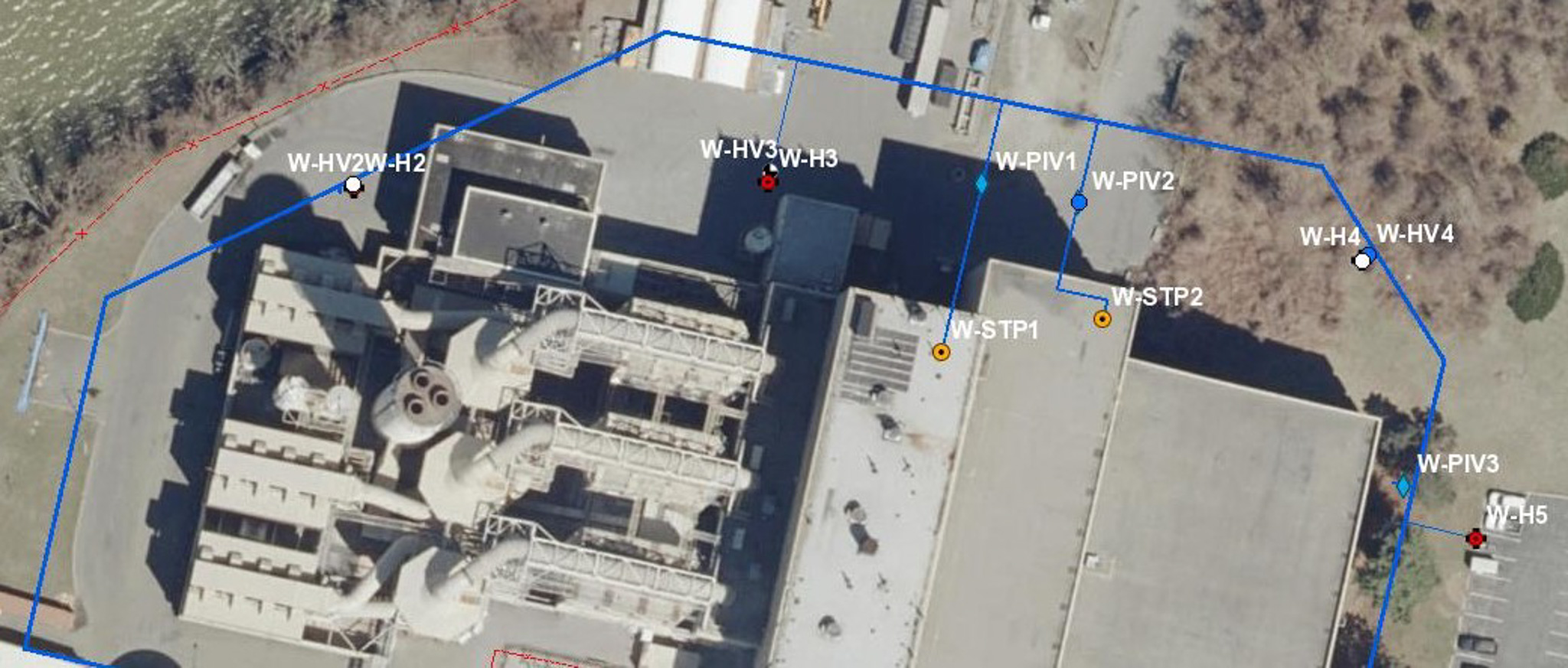
The Turning Point: When the "Smoke" Becomes a "Fire"
The decision to move to a Phase II ESA is triggered when a Phase I identifies a REC that cannot be explained away. In the New Jersey market, common triggers include:
- Historical Industrial Use: If the site was a machine shop in the 1950s, there’s a high probability of solvent or heavy metal presence.
- Underground Storage Tanks (USTs): Even if a tank was "removed," if there’s no documentation of soil sampling from the closure, it remains a REC.
- Dry Cleaners: Tetrachloroethylene (PCE) is a persistent "forever chemical" that often necessitates a closer look.
- Adjacent Threats: Sometimes the problem isn’t on your site, but the gas station next door has a known plume migrating your way.
As the research indicates, Phase I is about identification, while Phase II is about evaluation. If Phase I tells us where to look, Phase II tells us what is actually there.
Phase II: The Evaluation Phase (Quantifying the Risk)
Once a Phase II is triggered, we move from the library to the field. This is the "subsurface investigation." We aren't just looking for smoke anymore; we are measuring the heat of the fire.
In New Jersey, a Phase II ESA typically involves:
- Soil Borings: Collecting soil samples at various depths to check for contaminants.
- Groundwater Monitoring: Installing temporary or permanent wells to see if pollutants have reached the water table.
- Vapor Intrusion Screening: Testing the air pockets beneath a building's slab to ensure toxic gases aren't seeping into the indoor environment.
The goal of Phase II is to determine if the RECs identified in Phase I actually represent a violation of NJDEP Technical Requirements for Site Remediation (N.J.A.C. 7:26E).
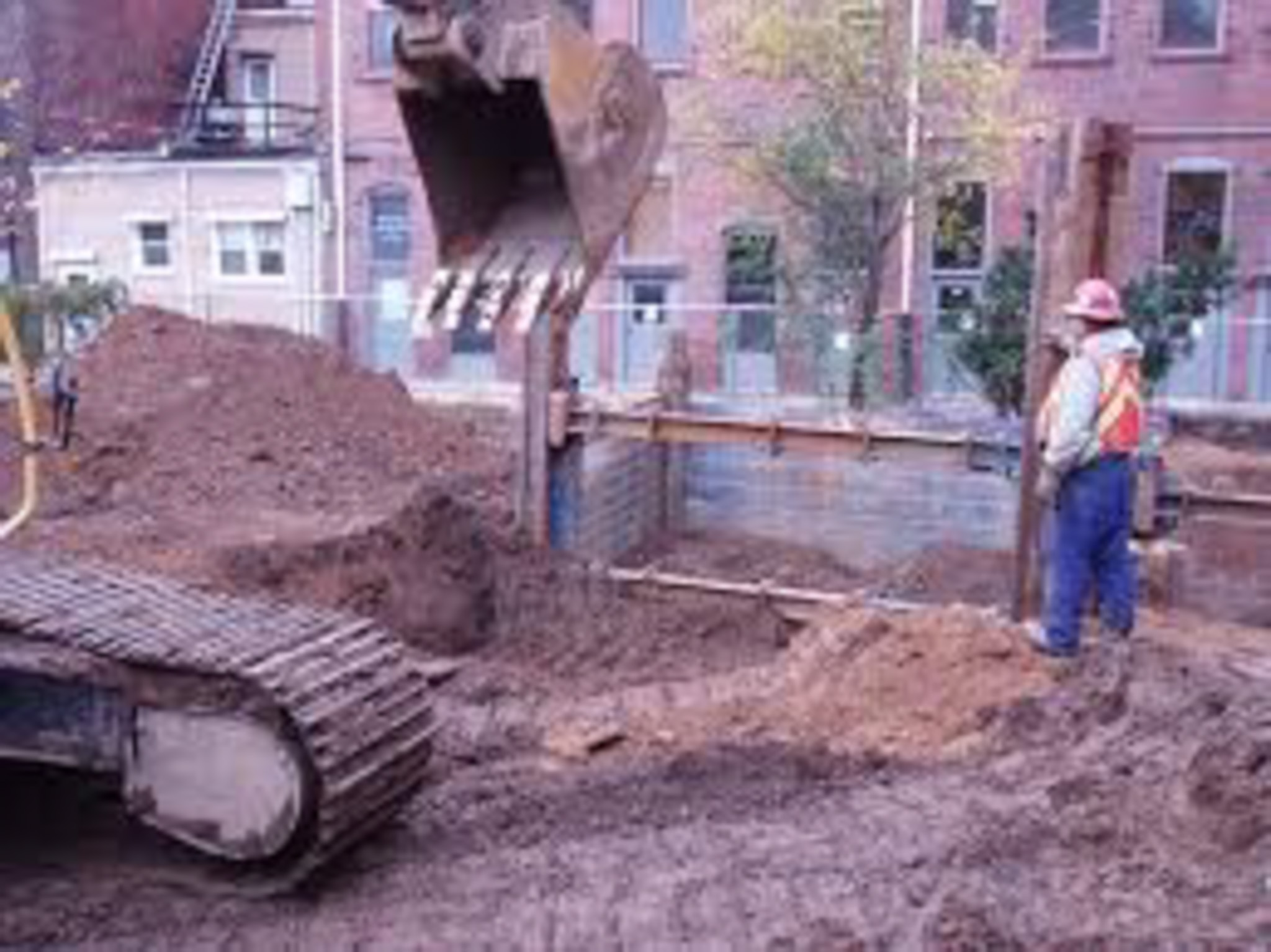
Knowing When to Stop During Phase II
A common mistake among "big box" consulting firms is "over-drilling." They will recommend 50 borings when 10 would suffice to characterize the risk. At Envicon, we advocate for a surgical approach.
"Expertise isn't found in how much soil you move; it's found in knowing exactly which handful of dirt tells the whole story." : Jason Pancoast, CEO of Envicon Strategic Solutions.
If Phase II sampling shows that contaminant levels are below NJDEP's Residential or Non-Residential Direct Contact Soil Remediation Standards, you stop. You’ve proven the site is safe for its intended use, and you have the data to back it up.
The New Jersey Factor: The Role of the LSRP
In New Jersey, you don't just "do" environmental work; you navigate a specific regulatory ecosystem. Since the Site Remediation Reform Act (SRRA), the responsibility for overseeing remediation has shifted from the NJDEP to Licensed Site Remediation Professionals (LSRPs).
An LSRP has the authority to issue a Response Action Outcome (RAO), which is the "Gold Seal" of environmental closure in NJ. When we conduct a Phase II for a client, our LSRPs aren't just checking boxes. They are looking for the most efficient path to that RAO. This might involve using the Linear Construction Program or leveraging "capping" strategies to leave some materials in place safely, rather than hauling everything to a landfill at a massive cost.

Why Envicon is Different (The De-Risking Strategy)
Most consultants sell you a report. We sell you a path forward. When a Phase I turns into a Phase II, the "standard" consultant will give you a list of problems. We give you a list of solutions.
Here is how we de-risk the process for our clients:
- Business-First Perspective: We understand that you are on a clock. We coordinate our field teams to minimize downtime and provide "real-time" updates so you aren't waiting three weeks for a lab report to make a "Go/No-Go" decision.
- Local Authority: We know the soils of Hudson County and the regulatory nuances of the NYC OER and NJDEP like the back of our hand. We don't guess; we know.
- Value Engineering: If Phase II reveals an issue, we don't just suggest digging it out. We look at geotechnical solutions, engineering controls, and institutional controls (like Deed Notices) that can save hundreds of thousands of dollars while still ensuring total safety and compliance.
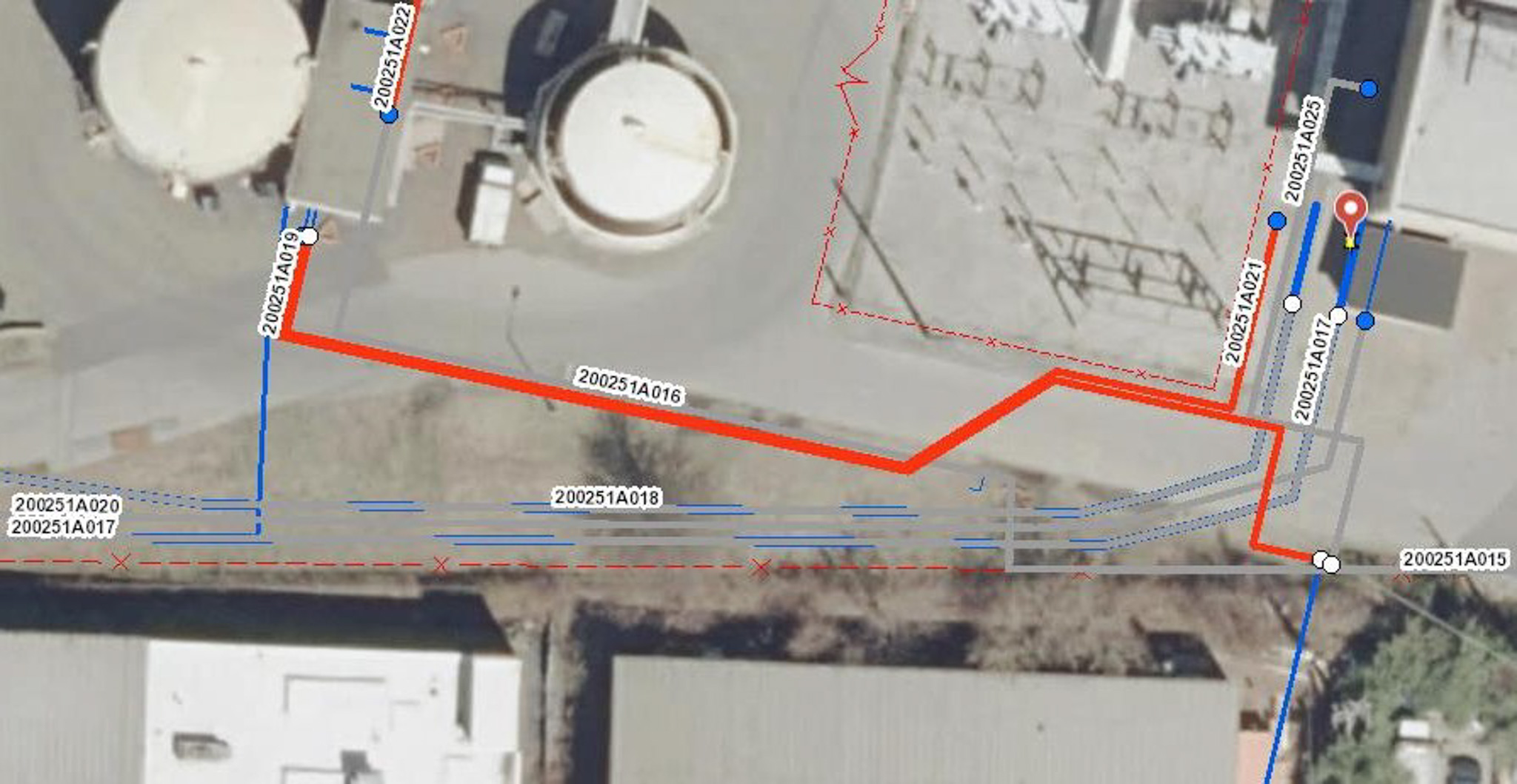
- Technology-Driven Mapping: We use advanced GIS and subsurface utility mapping to ensure we don't hit a gas line while we’re looking for a lead plume.
Summary: Your Due Diligence Checklist
When navigating the Phase I vs. Phase II dilemma, keep these takeaways in mind:
- Phase I is Mandatory: Never buy commercial or industrial property without one. It’s your insurance policy against future liability.
- Don't Fear the Phase II: A Phase II is often the only way to get a definitive "Yes" or "No" on a property's viability.
- The LSRP is Your Ally: In NJ, your LSRP is the bridge between regulatory red tape and project completion.
- Demand Strategy, Not Just Sampling: Ensure your consultant has a plan for what happens if they find something. "Dig and dump" is rarely the only option.
At Envicon Strategic Solutions, we don’t just look at the dirt: we look at the vision you have for the land. We help you build a legacy by ensuring that the ground beneath your feet is as solid as your business plan.
Ready to de-risk your next project?
Contact our team today to discuss your site assessment needs and let us help you find the smartest path to closure. Whether it’s a Phase I, a Phase II, or full-scale remediation, we have the local expertise to keep your project moving forward.
Key Takeaways
| Feature | Phase I ESA | Phase II ESA |
|---|---|---|
| Primary Goal | Identify potential risks (RECs) | Confirm/Quantify actual contamination |
| Methods | Records search, site walk, interviews | Drilling, soil/water sampling, lab analysis |
| NJ Context | ASTM E1527-21 Standard | NJDEP Technical Requirements / LSRP Oversight |
| Outcome | Report indicating if RECs exist | Data confirming if remediation is needed |
| When to Stop | No RECs found or risks are negligible | Contaminants are below regulatory standards |
For more information on navigating environmental challenges in the NY/NJ metro area, visit our blog or check out our FAQ page.
Leave a Reply