
In the world of high-stakes real estate development across New York and New Jersey, a Phase I Environmental Site Assessment (ESA) has often been viewed as a "check-the-box" requirement: a necessary hurdle to satisfy a lender or move an acquisition toward the finish line.
But as of February 14, 2024, that mindset became a massive financial liability.
The transition to the ASTM E1527-21 standard isn't just a clerical update or a minor tweak to how we format reports. It represents a fundamental shift in how environmental risk is identified, documented, and: most importantly: quantified. If you are still operating under the assumptions of the old 2013 standard, you aren't just behind the times; you are potentially walking into a multi-million dollar oversight that could derail your pro forma and your reputation.
At Envicon Strategic Solutions, we’ve seen how these changes ripple through projects in NYC and Northern New Jersey. This isn't just about compliance; it’s about protecting the vision you have for your property and the community you’re building.
The New Baseline: Beyond "Reasonably Ascertainable"
Under the previous standard (E1527-13), environmental professionals had a fair amount of leeway in determining which historical sources were "reasonably ascertainable." If a map was hard to find, it often stayed out of the report.
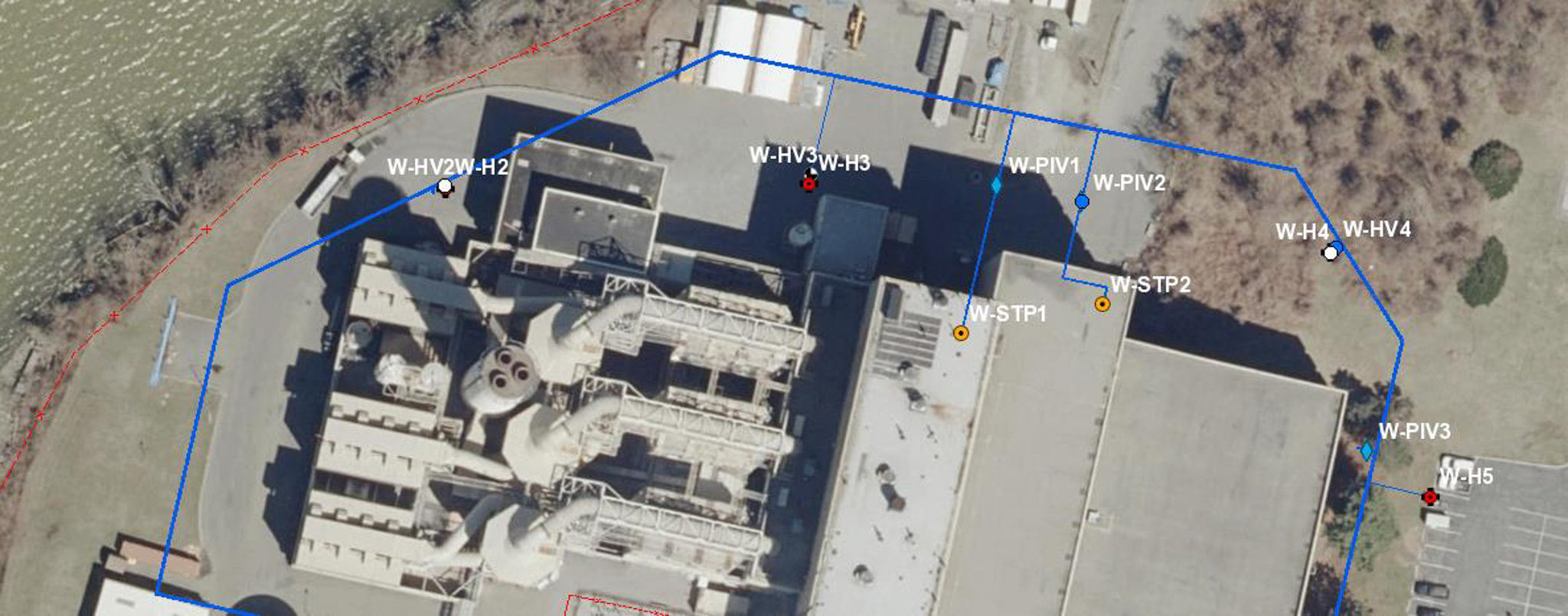
ASTM E1527-21 has effectively ended that ambiguity. The new standard mandates the review of at least four specific historical sources for both the subject property and all adjoining properties:
- Aerial Photographs
- Topographic Maps
- Fire Insurance (Sanborn) Maps
- City Directories
In a dense urban environment like Hudson County or Brooklyn, "adjoining properties" can mean a lot of potential headaches. If the dry cleaner next door had a spill in 1965 that wasn't properly documented in an old report, the new standard ensures it will likely be flagged today. Ignoring these "neighborly" risks is how a $5M acquisition turns into a $7M remediation nightmare.
The "Past is Never Dead" Trap: HRECs and Modern Standards
One of the most dangerous traps for developers is the Historical Recognized Environmental Condition (HREC). Under the old rules, if a site had a "No Further Action" (NFA) letter from the NJDEP or a "Notice of Satisfaction" from the NYC OER, it was often considered "case closed."
ASTM E1527-21 changes the game. It now requires environmental professionals to evaluate those past closures against current regulatory standards.
Think about it: The "clean" levels for soil and groundwater in 2005 are not the same as they are in 2026. With the rise of emerging contaminants like PFAS and the tightening of vapor intrusion pathways, a site that was officially "clean" twenty years ago might be considered a significant risk today.
"The biggest mistake a developer can make is assuming that yesterday's NFA is a shield against tomorrow's liability. The environment changes, regulations evolve, and your due diligence must be forward-looking, not just a backward glance." : Jason Pancoast, CEO of Envicon Strategic Solutions
The "Significant Data Gap" Dilemma
We’ve all seen reports where the consultant simply says, "Information was unavailable." Under the new standard, if a consultant cannot find critical information, they must explicitly define it as a Significant Data Gap.
Why does this matter to you? Because a lender looking at a report filled with "significant data gaps" sees one thing: Risk.
At Envicon, we don't just list gaps; we close them. Our deep familiarity with local industry resources and archives in NY and NJ allows us to find the historical breadcrumbs that "big box" national firms miss. We understand that in our market, the difference between a "Data Gap" and a "Clearance" is often just a matter of knowing which basement archive to dig through.

Why NY and NJ Developers Face Unique Pressures
If you’re developing in the Tri-State area, you’re already dealing with some of the most complex regulatory environments in the country. Whether it’s navigating an NYC OER E-Designation or working with an LSRP (Licensed Site Remediation Professional) in New Jersey, the ASTM E1527-21 standard adds another layer of complexity to an already crowded plate.
- NYC OER Requirements: The city is increasingly aligned with the newest ASTM standards for their redevelopment programs. A sloppy Phase I that doesn't meet E1527-21 can lead to immediate rejection of your Remedial Action Plan (RAP).
- NJDEP Compliance: For NJ projects, the "All Appropriate Inquiries" (AAI) protection: which shields you from certain CERCLA liabilities: is now tied directly to the E1527-21 standard. Using the old standard means you are essentially surrendering your legal defense before you even break ground.
The Envicon Edge: Visionary Risk Management
Most environmental firms see themselves as a cost center. We see ourselves as your strategic partner.
When you hire a massive, nationwide consulting firm, you often get a junior-level staffer churning out a templated report based on a database search. They don't know the history of the specific block in Newark or the nuances of the water table in Long Island City.
We take a different approach. We combine the technical rigor of the ASTM E1527-21 standard with a visionary's eye for what the property could be. We don't just tell you there's a problem; we tell you how to solve it in a way that protects your timeline and your investors.

Why our clients are switching to Envicon:
- Local Authority: We live and work in the jurisdictions where you build. We know the regulators, and we know the history of the land.
- Proactive Strategy: We identify CRECs (Controlled Recognized Environmental Conditions) early, allowing you to negotiate purchase prices or insurance before the deal is locked.
- Clarity over Jargon: We provide executive summaries that actually help you make decisions, not 400-page binders designed to hide uncertainty.
- Accountability: As a boutique firm, our reputation is tied to your success. You get senior-level attention on every Phase I ESA.
The Takeaway for 2026
The $2M oversight isn't usually a massive, hidden oil plume: it’s the failure to document a "significant data gap" or the refusal to re-evaluate an old HREC. In today’s market, certainty is the most valuable currency you have.
If you are looking at a new acquisition or managing a redevelopment project, ensure your environmental partner is not just "aware" of ASTM E1527-21, but is actively using it to de-risk your investment.
Don't let a paperwork update become a project killer.
Let's talk about your next project and how we can ensure your due diligence is as visionary as your development plan. Contact Envicon Strategic Solutions today.
Summary of Key Changes in ASTM E1527-21:
- Mandatory Sources: Aerials, topo maps, Sanborn maps, and city directories are now required for the subject site AND adjoining properties.
- Shelf Life: Reports are valid for 180 days; certain components must be updated if the closing takes longer than 6 months.
- HREC Evaluation: Past "clean" sites must be re-evaluated against current, often stricter, regulatory standards.
- Significant Data Gaps: Must be explicitly identified and their impact on the ability to find RECs must be documented.
- Lien Searches: Land title records for environmental liens and AULs must be searched back to 1980.
Published on Monday, March 9, 2026, at 2:00 PM.
Leave a Reply