
Look, your environmental attorney is probably great at what they do. They know CERCLA inside and out. They've negotiated brilliant indemnification clauses. They can cite case law in their sleep.
But here's the thing: most environmental attorneys aren't environmental consultants. And that gap, between legal theory and boots-on-the-ground reality, is where deals go sideways.
After two decades of watching developers navigate due diligence in NYC and New Jersey, I've seen the same blind spots crop up again and again. Not because attorneys are incompetent, but because "standard" due diligence has some not-so-standard pitfalls that don't always make it into the pre-closing memo.
Let's talk about what you're not hearing in those conference calls.
The 180-Day Deadline That Nobody Mentions Until It's Too Late
Here's a fun fact that should be tattooed on every acquisition proforma: to qualify for the "innocent purchaser defense" under CERCLA, certain components of your Phase I Environmental Site Assessment must be conducted or updated within 180 days prior to acquisition.
Miss that window? You've just forfeited one of your most valuable liability shields.

The entire Phase I ESA report must be less than one year old at closing. But that specific 180-day rule applies to critical components like interviews and site reconnaissance. If your deal drags out (and when don't they?), you might need to refresh portions of your assessment, and that's not always a rubber-stamp exercise.
I've watched developers scramble to update reports in the eleventh hour, only to discover new information that changes the entire risk profile. Or worse, they close anyway, thinking the old report is "close enough," and later discover they've lost their liability protection because they didn't follow the exact protocol.
Your attorney might tell you: "We need a Phase I ESA."
What they might not emphasize: The precise timing requirements that can void your legal defenses if you're even one day off.
Phase I Due Diligence is Basically a Surface-Level Scan
Let's be crystal clear about what a Phase I ESA actually does: it's a historical and above-surface investigation. That's it.
No soil samples. No groundwater testing. No subsurface investigation.
Think of it like getting a home inspection that only looks at the outside of the house. Sure, you'll spot obvious issues: cracked foundation, peeling paint, questionable landscaping. But what's happening in the walls, under the floors, or in the basement? Total mystery.
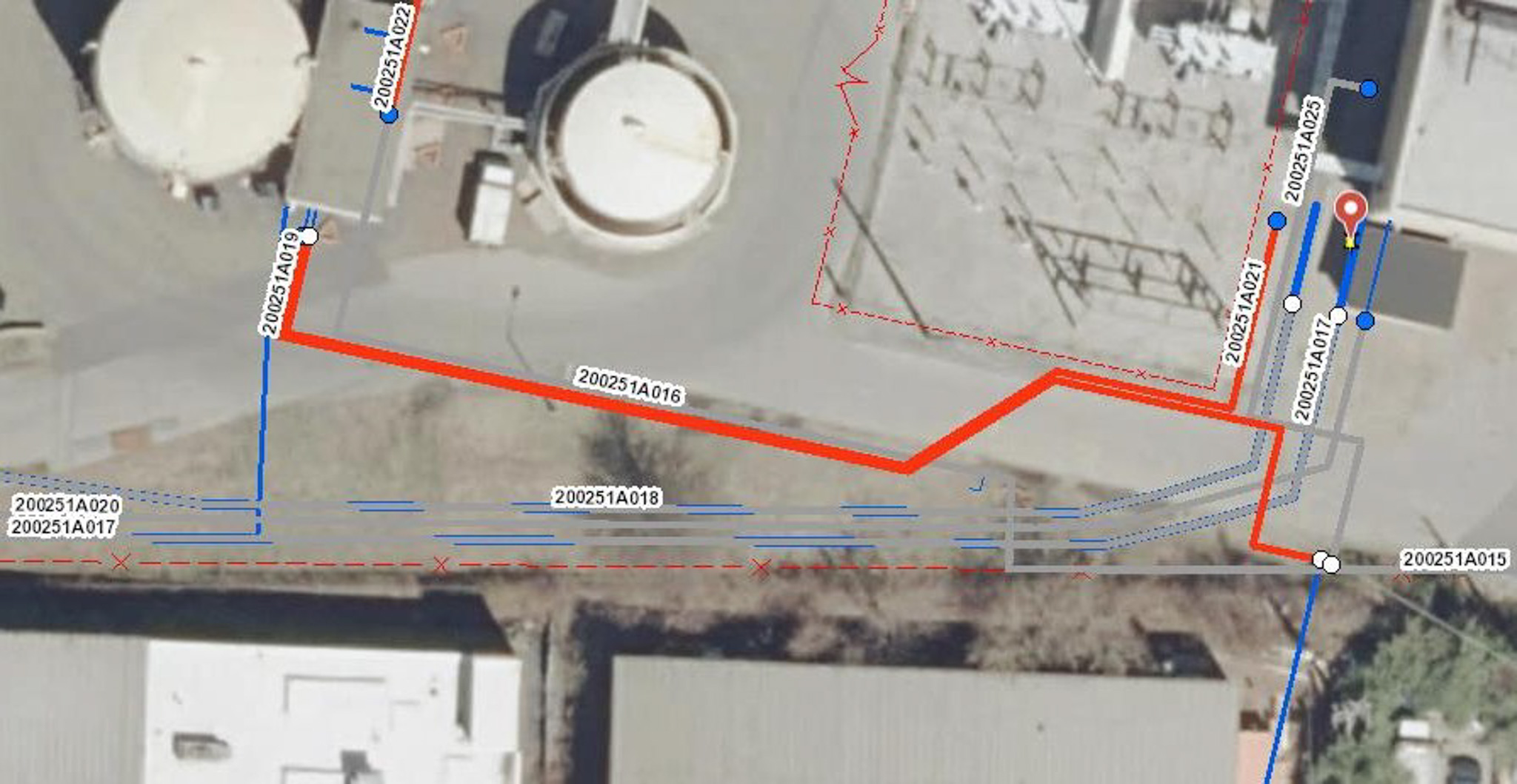
Here's where this gets legally dicey: if contamination exists beneath your property: or if contaminated groundwater is migrating from an off-site source: your Phase I might completely miss it. Yet you, as the property owner, can still face significant liability.
I recently worked with a developer who bought a former industrial property in Hudson County. Clean Phase I. No red flags. Six months after closing, the NJDEP contacted them about groundwater contamination migrating onto the site from an upgradient neighbor. The plume had been there for years, slowly moving through the aquifer, invisible to any historical records review or visual site inspection.
Now they're on the hook for monitoring, potential remediation, and regulatory reporting: despite doing "standard" due diligence.
Your attorney might tell you: "The Phase I came back clean."
What they might not explain: A clean Phase I doesn't mean clean soil or groundwater: it means no red flags in the historical records or visual inspection.
The "All Appropriate Inquiries" Compliance Minefield
Want to claim the Bona Fide Prospective Purchaser (BFPP) defense? Better nail every single requirement of "all appropriate inquiries" (AAI).
Not most of them. Not the important ones. All of them.
This means following the complete ASTM E1527-21 protocol, reviewing specific records, conducting interviews with the right people, and adhering to those timing rules we already discussed. Non-compliance with any single requirement can eliminate your liability protections entirely.

The problem? The standard checklist approach that many attorneys use doesn't always capture site-specific nuances. Did your consultant interview current and past site tenants? Did they review the exact regulatory databases required? Did they physically inspect every accessible structure?
I've reviewed Phase I ESAs from national firms where the site visit consisted of a drive-by and some photos from the sidewalk. Technically, that's an inspection. Legally, it might not satisfy AAI requirements if contamination is later discovered in an area that wasn't actually accessed.
The devil isn't just in the details: it's in the literal interpretation of compliance requirements when you're facing a CERCLA enforcement action.
The Post-Closing Obligations That Never Make It Into the Purchase Agreement
Here's the plot twist: even if your due diligence comes back spotless and you check every AAI box perfectly, you're not off the hook.
The BFPP defense comes with ongoing obligations:
- Exercise "reasonable care" regarding any hazardous substances you discover after closing
- Cooperate fully with regulatory authorities
- Comply with all land use restrictions and institutional controls
- Not impede response actions or natural resource restoration
What does "reasonable care" actually mean? Great question. It's one of those delightfully vague legal standards that gets defined through enforcement actions and case law. But generally, it means you can't ignore obvious problems, you need to prevent exposure pathways, and you should probably have some level of ongoing environmental oversight.
I rarely see this addressed in closing documents beyond boilerplate language. Developers think they're buying a property and moving on. Instead, they're buying a property with a perpetual obligation to remain environmentally vigilant.
Your attorney might tell you: "The liability protection looks solid."
What they might not highlight: The ongoing compliance obligations that continue long after the closing dinner.
Why You Need Technical Eyes on Legal Documents
Here's where the disconnect between legal and technical perspectives becomes painfully obvious: environmental indemnifications, representations, and warranties.
Attorneys draft these provisions thinking about legal liability. But environmental consultants read them thinking about actual site conditions and realistic remediation scenarios.
Example: I reviewed a purchase agreement where the seller agreed to indemnify the buyer for "all environmental conditions existing as of the closing date." Sounds great, right?
Except the Phase I noted the presence of aging underground storage tanks (USTs) that hadn't been properly closed or removed. The report recommended a Phase II investigation before closing. The buyer's attorney focused on getting strong indemnification language and moved forward without the Phase II.
Post-closing, those USTs leaked. Thousands of gallons of heating oil in the soil. Cleanup costs pushed $800K. The seller fought the indemnification claim, arguing the tanks were disclosed and the buyer assumed the risk by not investigating further.
A technical reviewer would have flagged that gap between the legal indemnification and the practical reality immediately. The attorneys were focused on contract language. The real issue was subsurface liability that was predictable but unquantified.
The Real Standard: Integration, Not Separation
Look, I'm not knocking environmental attorneys. We work with brilliant legal minds who protect our clients every single day.
But the standard model: where legal counsel handles contracts and liability, while environmental consultants handle site assessments, and never the two shall meet until something goes wrong: is fundamentally broken.

The best due diligence doesn't segment technical and legal reviews into separate silos. It integrates them from day one:
- Your environmental consultant should be reviewing draft purchase agreements to identify technical gaps in environmental provisions
- Your attorney should be on the phone with your consultant discussing realistic risk scenarios, not just legal theories
- Your team should be stress-testing liability protections against actual site conditions, not generic templates
At Envicon, we've built our entire practice around this integrated approach. We don't just deliver Phase I reports and disappear. We participate in deal negotiations. We help craft environmental provisions that actually align with subsurface conditions. We flag timing issues before they become compliance problems.
Because here's the reality: in NYC and New Jersey, where virtually every property has some industrial history, where groundwater is shallow and interconnected, where regulators are sophisticated and aggressive: "standard" due diligence isn't good enough anymore.
What You Should Actually Be Asking
Next time you're looking at an acquisition, ask these questions before you execute the PSA:
- What's the exact timeline for Phase I validity, and does it align with our projected closing date?
- Are there site conditions that warrant Phase II investigation even if the Phase I comes back clean?
- What ongoing environmental obligations come with BFPP status, and how do we budget for compliance?
- Who's reviewing environmental contract provisions with technical expertise, not just legal expertise?
- What's our plan if we discover contamination post-closing?
These aren't theoretical concerns. They're the gaps between "standard" due diligence and actual environmental protection.
The Bottom Line
Standard due diligence checks boxes. Strategic due diligence manages risk.
Your environmental attorney is an essential part of your team. But they're not environmental consultants, and they're not site-specific risk assessors. The magic happens when legal and technical expertise work together from the beginning: not when they're playing catch-up after closing.
If you're acquiring property in the NYC metro area and your due diligence process feels like everyone's working in separate rooms, we should probably talk. Because the gaps in "standard" practice are where liability lives.
And in 2026, with regulators tightening enforcement and PFAS contamination rewriting the playbook, those gaps just got a lot more expensive to ignore.
Site-Civil • Geotechnical • Environmental Consulting (NY/NJ/NYC)
Talk to our team •
View services
Leave a Reply