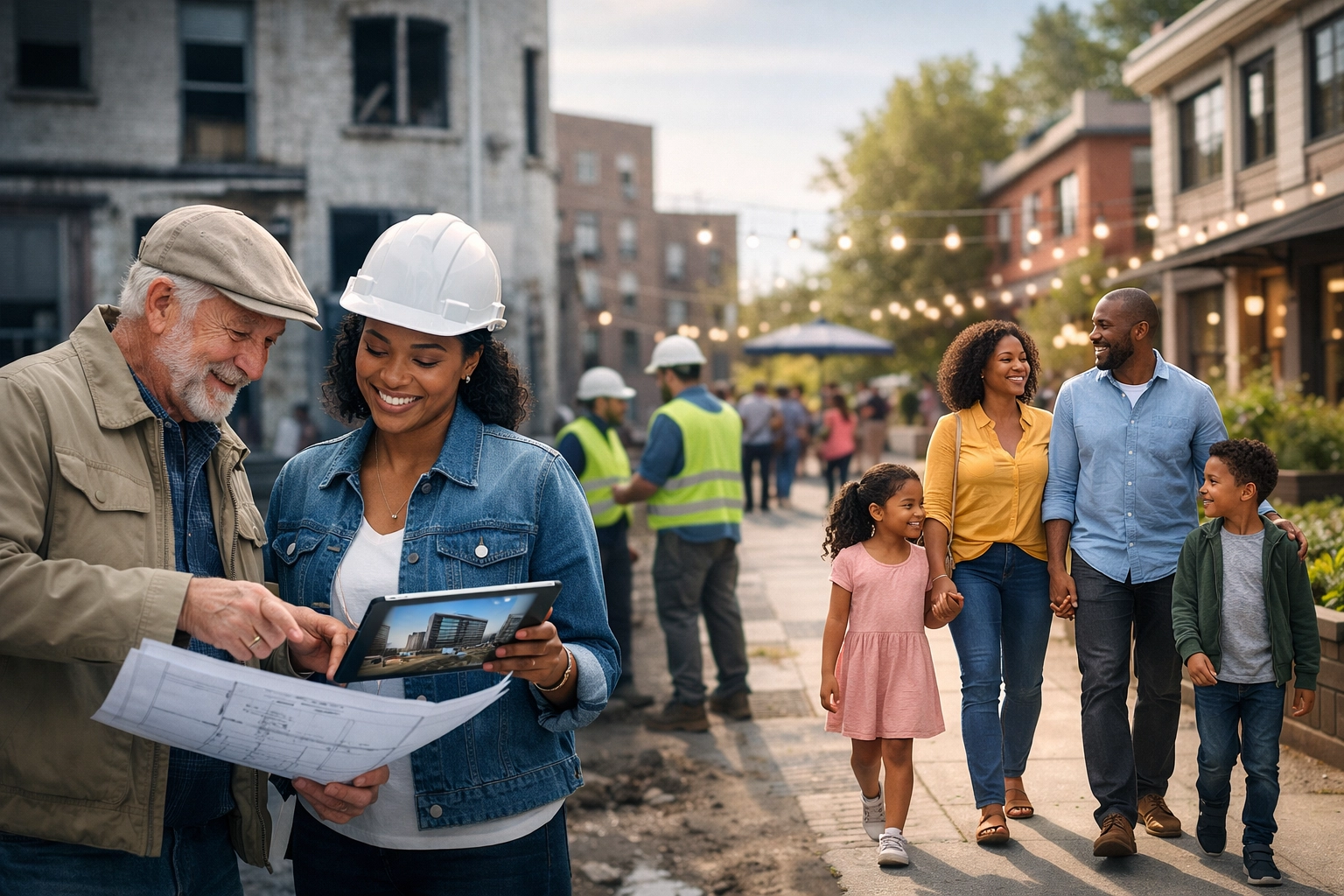
When you stand in front of a chain-link fence in Jersey City or an abandoned lot in Brooklyn, what do you see? To the casual observer, it’s an eyesore: a "hazard" marked by rusted steel, cracked concrete, and the invisible weight of environmental liability. To a developer, it’s a math problem involving Phase I ESAs, NJDEP regulations, and remediation costs.
But for the community that surrounds it, that lot is a wound.
At Envicon Strategic Solutions, we’ve spent years navigating the technical weeds of urban redevelopment. We know the NYC OER requirements and the NJ LSRP process like the back of our hand. But we’ve also learned that the most important part of our job isn't just moving dirt: it’s moving people from a state of psychological stress to a place of restoration.
Revitalization is an emotional journey. It’s the process of turning a "hazard" back into a "home."
The Weight of the "Hazard" Phase
For residents in dense urban corridors, a brownfield isn't just a site with a "Restricted Use" deed. It’s a source of chronic psychological stress.
Research shows that community displacement and the loss of familiar spaces often lead to deep feelings of disorientation and sadness [1]. This is what psychologists call a breakdown of "place attachment": the emotional bond we form with our surroundings that anchors our identity and sense of security.
When a neighborhood is dotted with contaminated sites, it sends a message of disinvestment. It suggests that the history of the place is a liability, not an asset. For the elderly or low-income families who have lived there for decades, the sight of a "hazard" is a constant reminder of a broken social network.
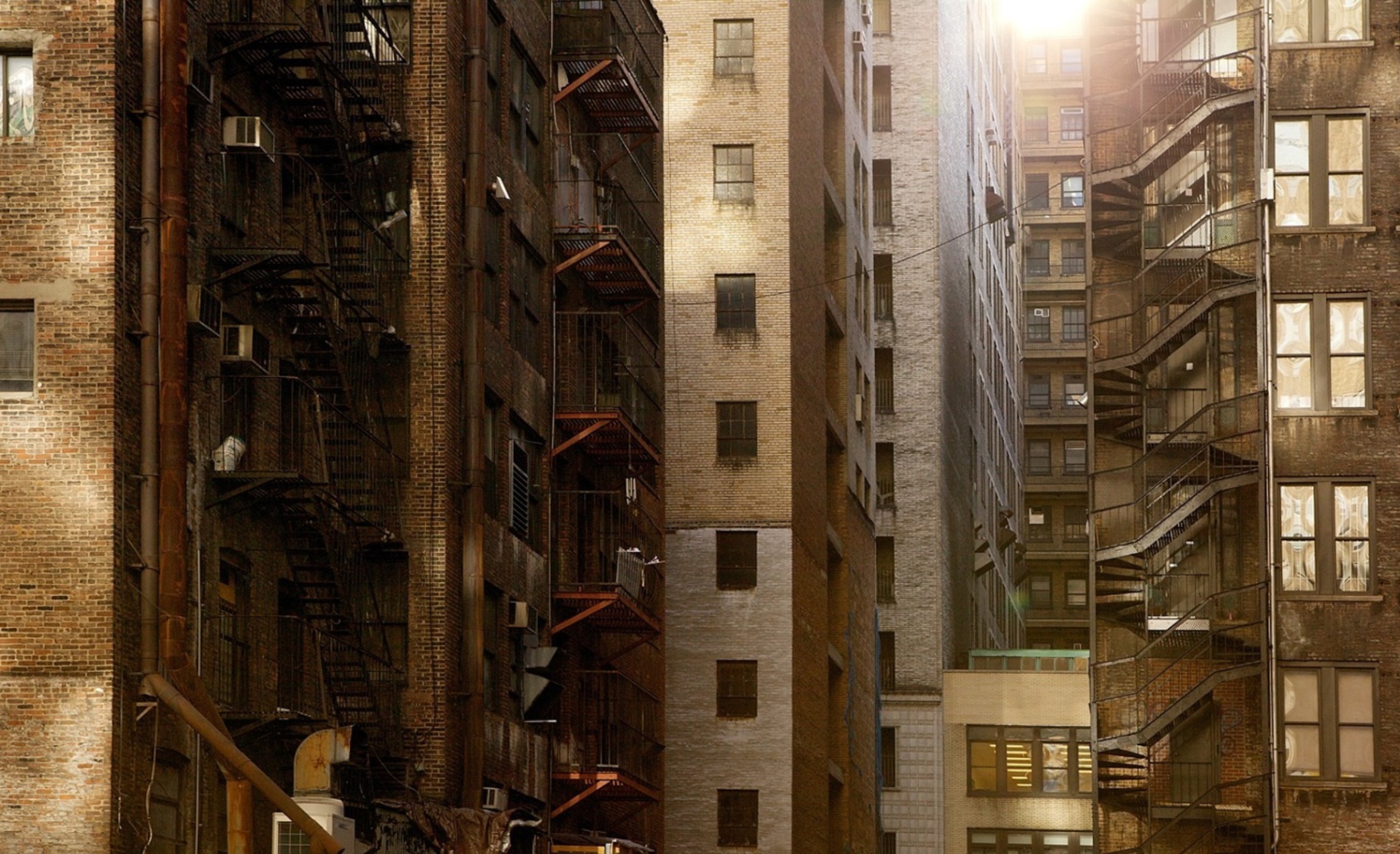
We often see this in our work across the Tri-State area. An old industrial laundry or a shuttered factory in a residential block isn't just a technical challenge for an LSRP; it’s a psychological burden for the family living next door. The uncertainty of what’s in the soil creates a sense of helplessness.
Seeing the Vision: Beyond the Soil Samples
This is where the visionary approach of Envicon comes in. Most big-box consulting firms look at a contaminated site and see a list of "Exceedances." They see a scope of work.
We see a legacy.
To turn a hazard into a home, you have to look past the current state and visualize the restorative potential. This isn't just "feel-good" talk; it’s a business imperative. When you design with the human experience in mind, you create assets that are more valuable, more sustainable, and more integrated into the community.
Sustainable urban design can significantly improve mental wellbeing. For example, adding high-quality green spaces: even in dense urban infill projects: is one of the most consistent ways to reduce mental health complaints among residents [2]. Cleaner streets, better lighting, and the removal of physical "hazards" reduce feelings of vulnerability.

The Human Impact of the Remediation Process
The "middle" part of a project: the remediation and construction: is often the most stressful for a community. It’s noisy, it’s dusty, and it’s disruptive. This is the critical bridge where revitalization either heals or harms.
Authentic community engagement is a mental health imperative [1]. If residents feel like changes are being made to them rather than with them, it exacerbates feelings of alienation.
At Envicon, we advocate for transparency. Whether we are working with architects on a new residential tower or helping a developer navigate the NYSDEC Brownfield Cleanup Program, we prioritize the "why" behind the technical "how."
- Noise Reduction: Thoughtful acoustic design during remediation and construction supports sleep and reduces anxiety for the neighborhood [2].
- Safety Perceptions: A well-managed, clean site reduces the perception of risk and encourages neighbors to remain engaged with their community.
- Transparency: Explaining exactly how a site is being cleaned up (and why it will be safe for children to play on later) builds the trust necessary to turn a project into a "home."
The "Home" Phase: Creating a Legacy
The final transformation from "hazard" to "home" is a powerful moment. It’s when the multi-family development finally opens its doors, the waterfront park is unveiled, or the new community center begins its first day of operation.
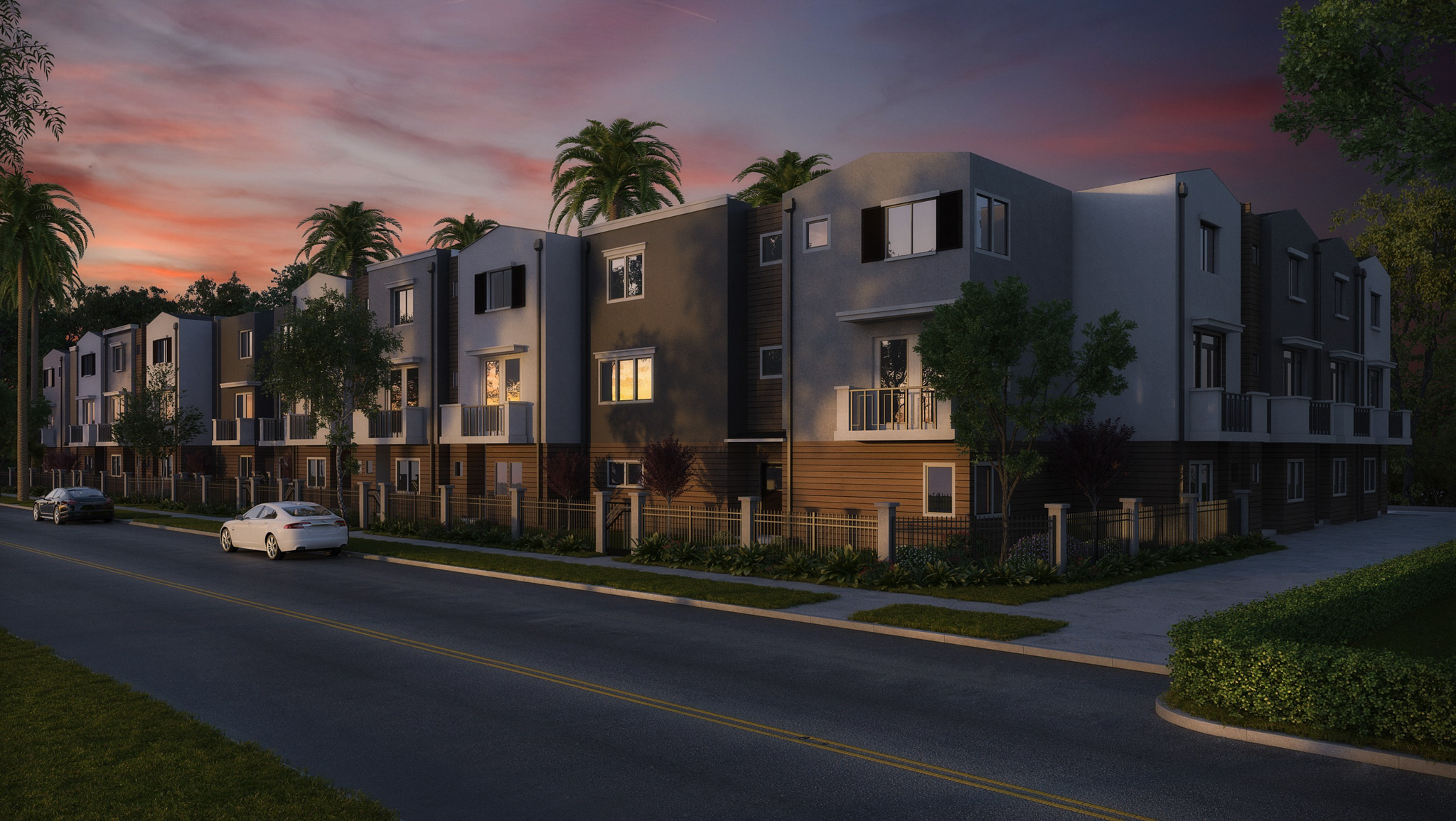
This is the "Home" phase. It’s the restoration of place attachment. It’s where the developer realizes their ROI, not just in dollars, but in the creation of a landmark that will stand for generations.
When we help a client successfully navigate the NYC OER E-Designation process or achieve a Response Action Outcome (RAO) in New Jersey, we aren't just filing paperwork. We are clearing the legal and environmental path for a new chapter in a city’s history.
"Revitalization is not about erasing the past; it’s about cleaning the slate so the future has a place to live." : Jason Pancoast, CEO of Envicon.
Why Envicon? The Difference Between "Consultant" and "Partner"
You have choices when it comes to environmental engineering and civil design. You could hire a massive global firm that treats your project like a number on a spreadsheet. Or you could work with Envicon.
The "big guys" sell you billable hours and a thick report that checks the regulatory boxes. We sell you authority and community.
- Local Mastery: We don't just know the rules; we know the people behind the rules in NYC and NJ. We understand the local politics of urban revitalization.
- Visionary Strategy: We look at your environmental due diligence as a tool for value creation, not just a line-item expense.
- Accountability: We take the "emotional journey" of your project personally. If there’s a hurdle with soil contamination or groundwater, we don't just report the problem: we find the visionary solution that keeps the project moving toward its ultimate goal: Home.
Summary: The Path Forward
The journey from hazard to home is complex, but it’s the most rewarding work we do. By understanding the psychological and social impact of contaminated land, we can approach remediation with a higher sense of purpose.
- Acknowledge the stress: Brownfields are more than just technical liabilities; they are community wounds.
- Prioritize restoration: Use green space, thoughtful design, and noise reduction to heal the neighborhood.
- Engage with integrity: Build trust through transparency and local expertise.
- Focus on legacy: Aim for a finished project that adds lasting value to the urban fabric.
If you’re ready to transform a challenging urban site into a cornerstone of the community, don't just hire a technician. Hire a visionary partner who understands the stakes.
Ready to start your project's transformation? Contact the team at Envicon today. Let's build something that lasts.
Sources:
- Place Attachment and Community Displacement in Urban Renewal, Journal of Environmental Psychology.
- The Role of Green Space in Supporting Mental Wellbeing, Public Health Research Review.

Leave a Reply