
If you’re managing an industrial or commercial real estate portfolio in New Jersey, you’ve likely heard the term PFAS more times than you care to count. The bigger issue now is cost. Owners, developers, and lenders are asking more specific questions: What does PFAS remediation cost in NJ? How do NJ environmental regulations affect cleanup budgets? And how do you keep a deal moving if PFAS shows up during due diligence?
New Jersey has been ahead of the curve on PFAS regulation for years. The state set drinking water standards for PFNA, PFOA, and PFOS through the NJDEP and New Jersey Drinking Water Quality Institute process, and those state requirements continue to shape investigation and remediation strategy across the market. For property owners, that means PFAS is not just a technical issue. It is a business issue tied directly to diligence, reserves, financing, and long-term operating costs. See NJDEP's PFAS guidance here: https://www.nj.gov/dep/wms/bears/pfas.html.
At Envicon, we’re seeing the same shift across North Jersey and the NYC metro market. The conversation is moving away from "How do we sample for this?" to "What are the real PFAS investigation and remediation costs, and how do NJ regulations affect asset value?" As we often tell clients, "The cheapest PFAS strategy is usually the one that gives you clear data early."
The Regulatory Premium: Why NJ is Different
New Jersey’s regulatory framework puts PFAS on the front burner. NJDEP has issued groundwater quality criteria, drinking water standards, and site remediation expectations that can drive additional sampling, receptor evaluation, and response planning long before a transaction closes. A site that looked manageable a few years ago can carry a very different cost profile today.
The financial impact is not theoretical. New Jersey has aggressively pursued PFAS-related enforcement and cost recovery, including major litigation and settlements involving large manufacturers. That matters because it signals how seriously the state treats PFAS risk. For market context, see NJDEP's PFAS page and state updates here: https://www.nj.gov/dep/wms/bears/pfas.html.
But you do not need to be a chemical manufacturer to feel the pressure. If your portfolio includes sites with historical industrial operations, metal finishing, plating, waste handling, airport support uses, or firefighting foam exposure, you may already be dealing with a PFAS remediation cost estimate in New Jersey whether you have prepared for it or not.
As one point we stress with clients: "In New Jersey, PFAS risk is not priced by the molecule alone. It is priced by the regulatory path that follows."
The Cost of the "Forever" Molecule
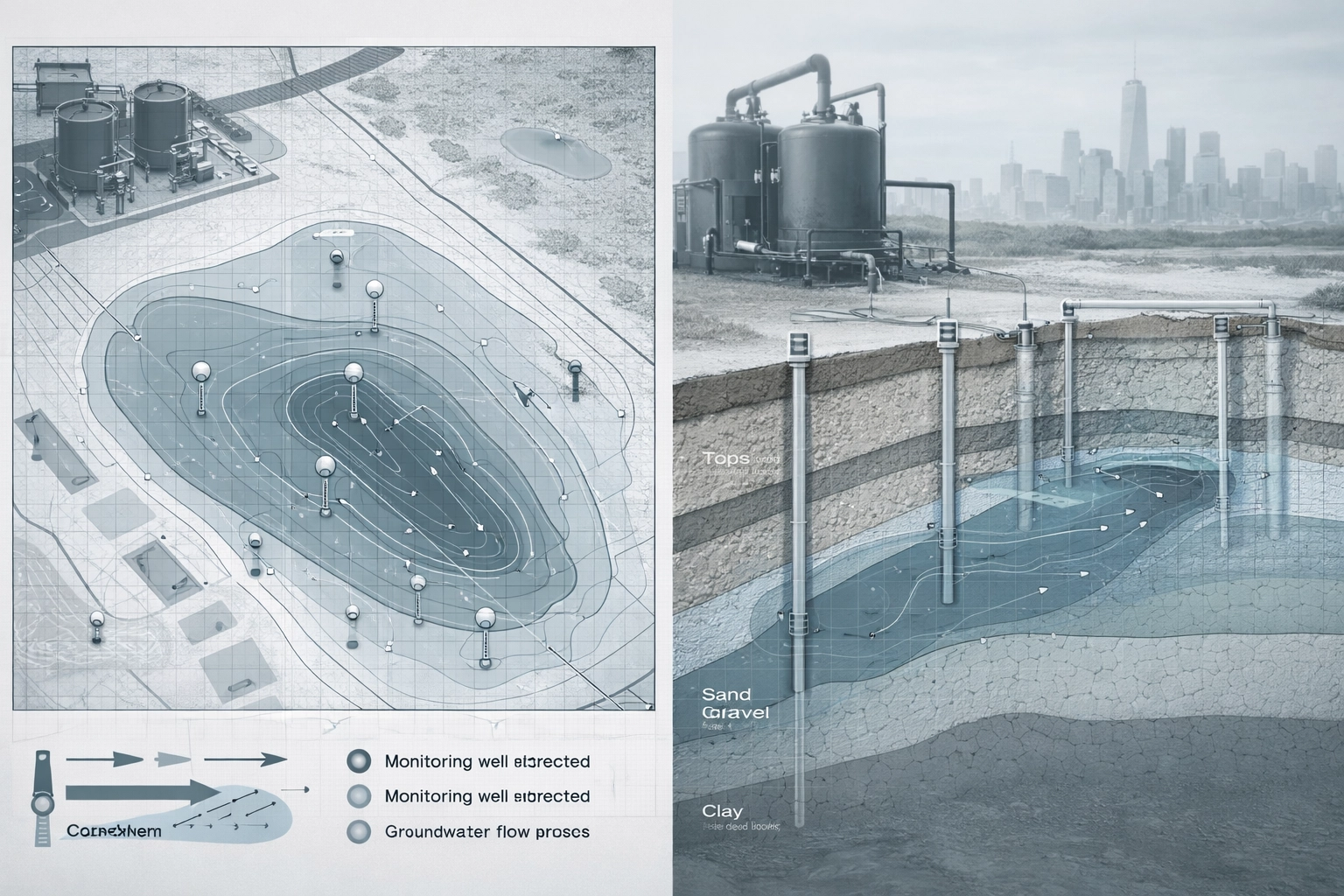
The technical reality of PFAS is that it doesn't degrade. It moves through groundwater like a ghost, and capturing it requires specialized: and expensive: infrastructure. When we talk about PFAS remediation costs in NJ, we are not talking about a one-time cleanup line item. We are usually talking about layered costs that can include:
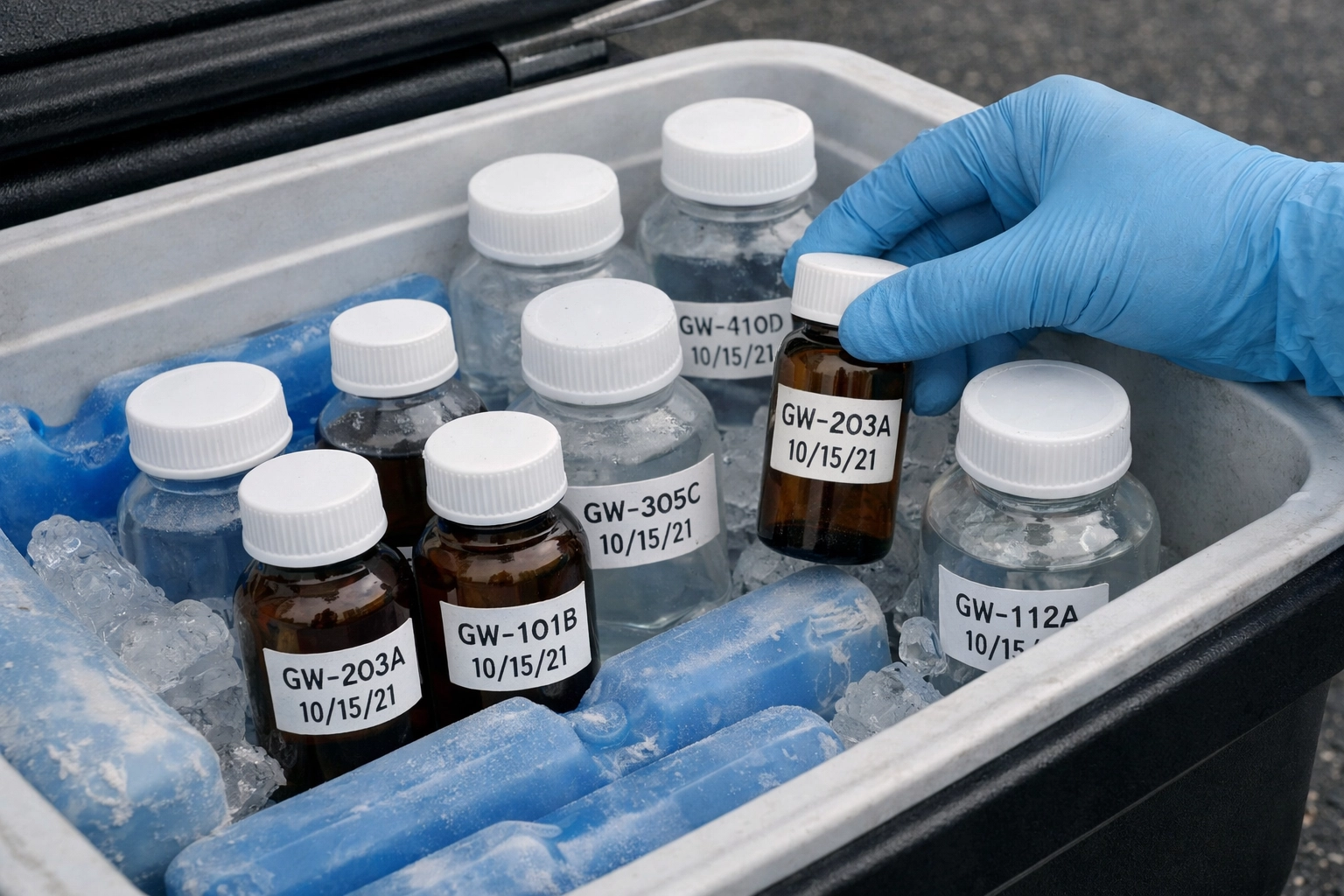
- site screening and targeted sampling
- groundwater delineation and monitoring well installation
- lab analysis using PFAS-specific methods
- waste handling and disposal requirements
- treatment system design and startup
- long-term operations, maintenance, and media changeout
- regulatory reporting and NJDEP coordination

Most portfolios are looking at two primary treatment technologies:
- Granular Activated Carbon (GAC): A common choice for PFAS-impacted water, but media replacement can become a major recurring operating cost.
- Ion Exchange (IX) Resins: Often effective in the right application, but usually with higher upfront material costs and site-specific maintenance considerations.
That is why smart owners ask for more than a rough opinion. They ask for a PFAS cleanup cost estimate for NJ industrial property that reflects both capital cost and long-term operating cost. When a lender, buyer, or attorney sees PFAS potential in a deal file, they are not just thinking about one treatment unit. They are thinking about reserve requirements, timeline risk, and the net present value of years of compliance and maintenance.
Portfolio Devaluation and the "Stalled Deal"
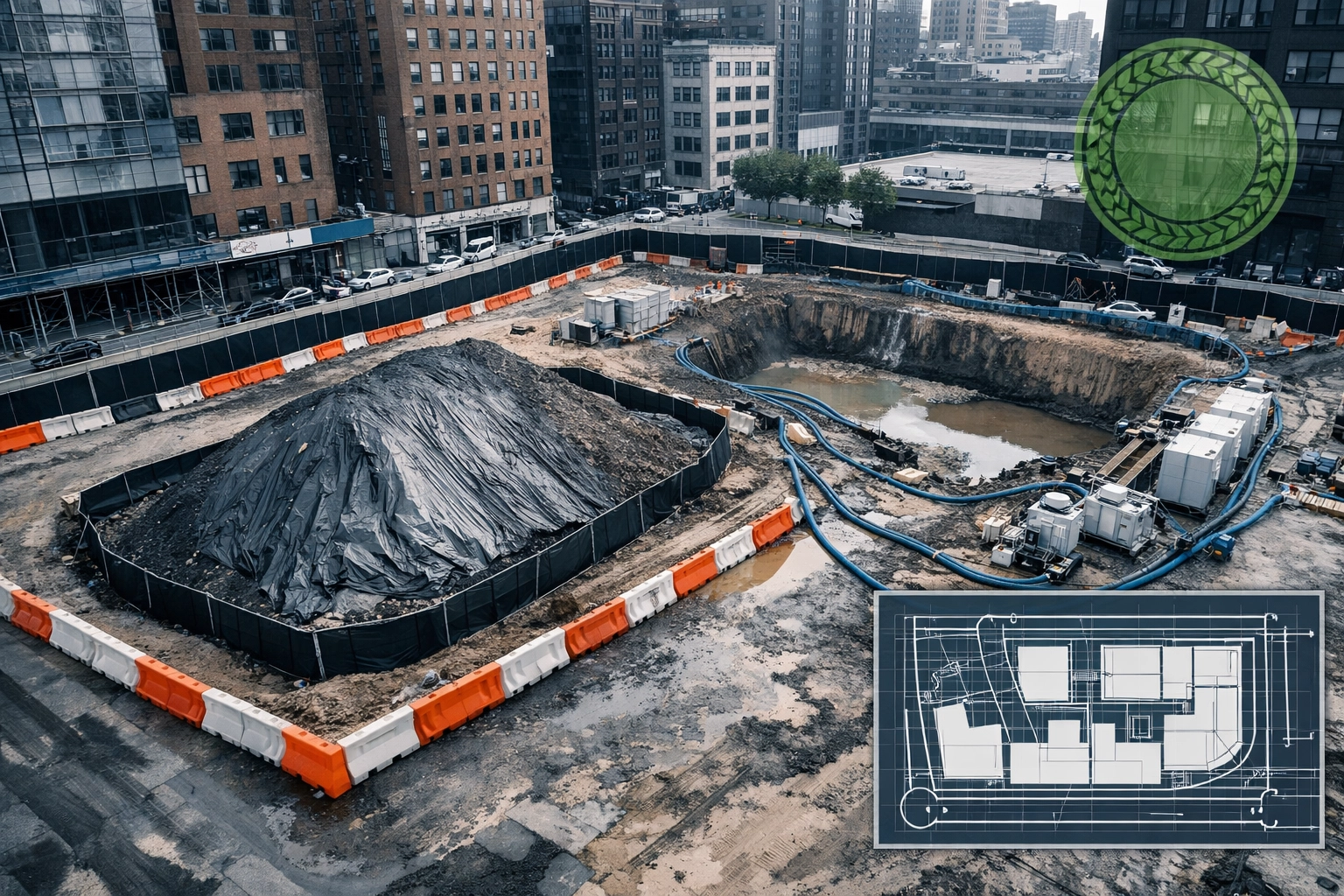
We’ve seen it happen: a $50M industrial acquisition in the Meadowlands or along the NJ Turnpike corridor hits a wall during due diligence because the buyer’s environmental consultant flagged PFAS in a nearby municipal well.
Suddenly, the financing gets shaky. The lender wants an escrow that looks more like a ransom note. This is where the "hidden tax" of PFAS hits hardest. It’s not just the remediation; it’s the cost of capital and the loss of liquidity.

In the NJ market, "standard" environmental insurance policies are increasingly carving out PFAS. If you’re relying on a policy written a few years ago to protect you today, you need to read the exclusions carefully. That is especially true if you are underwriting PFAS due diligence costs in New Jersey real estate transactions and expecting insurance to backstop the exposure.
Mapping the Risk: Beyond the Phase I
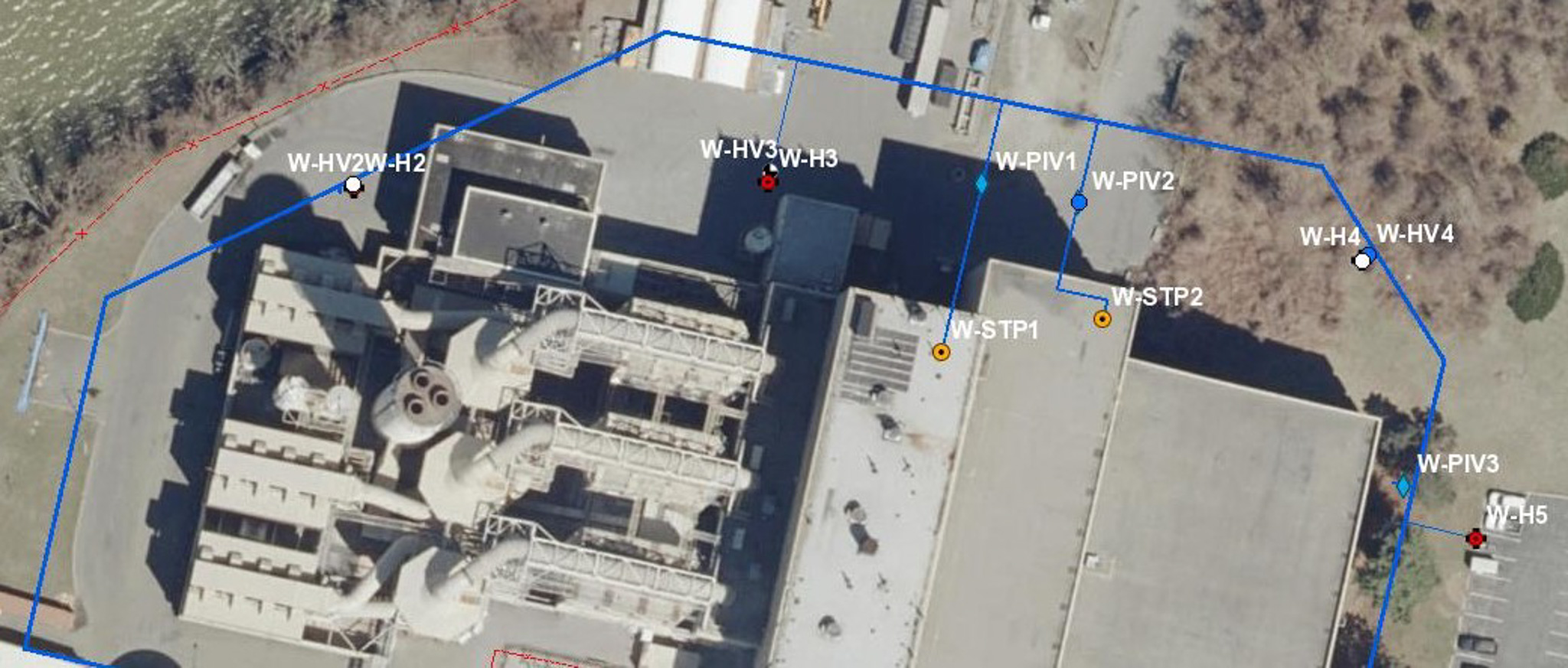
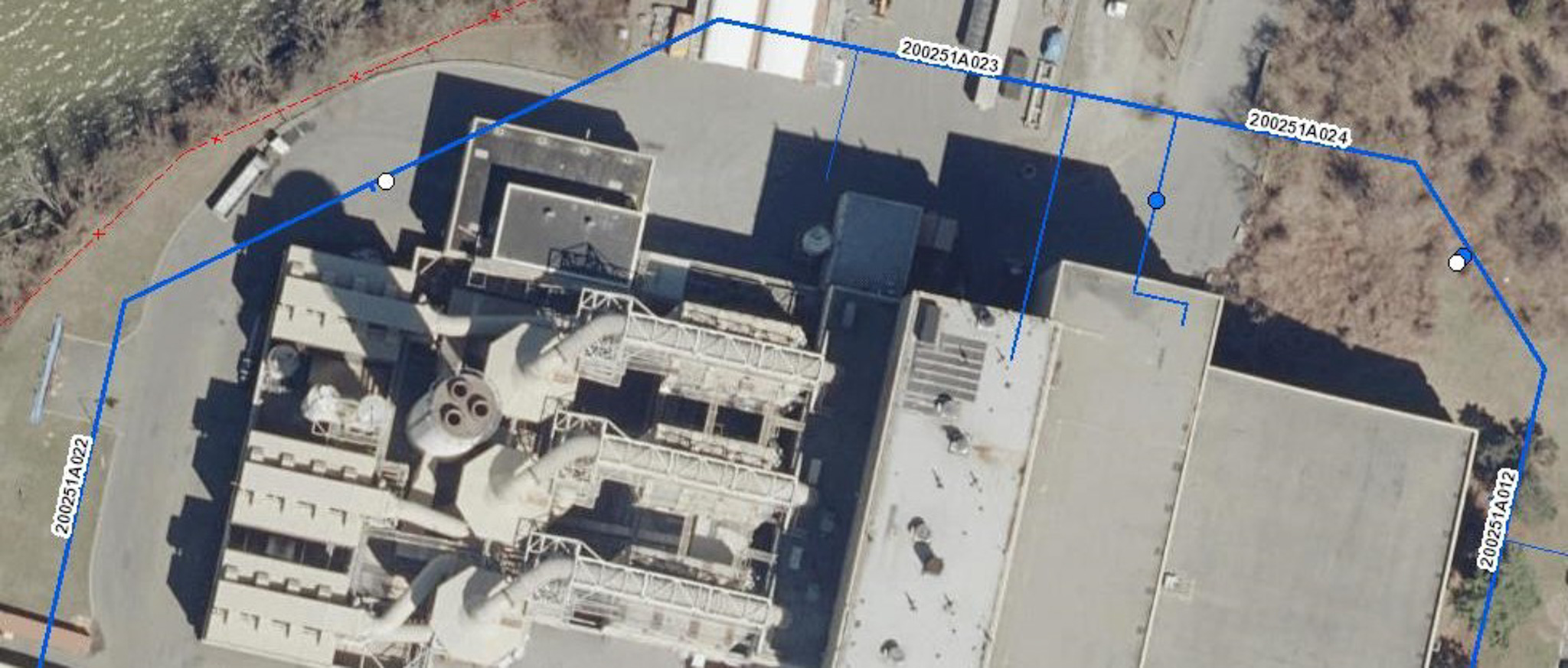
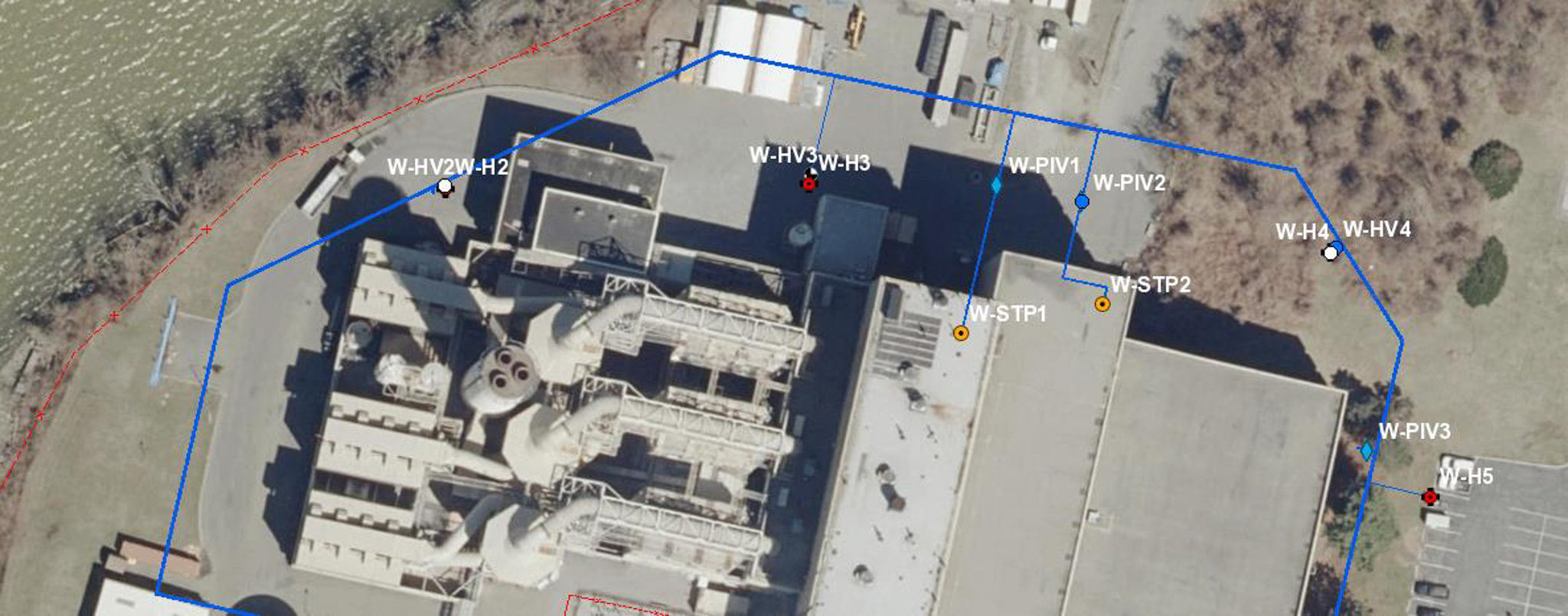
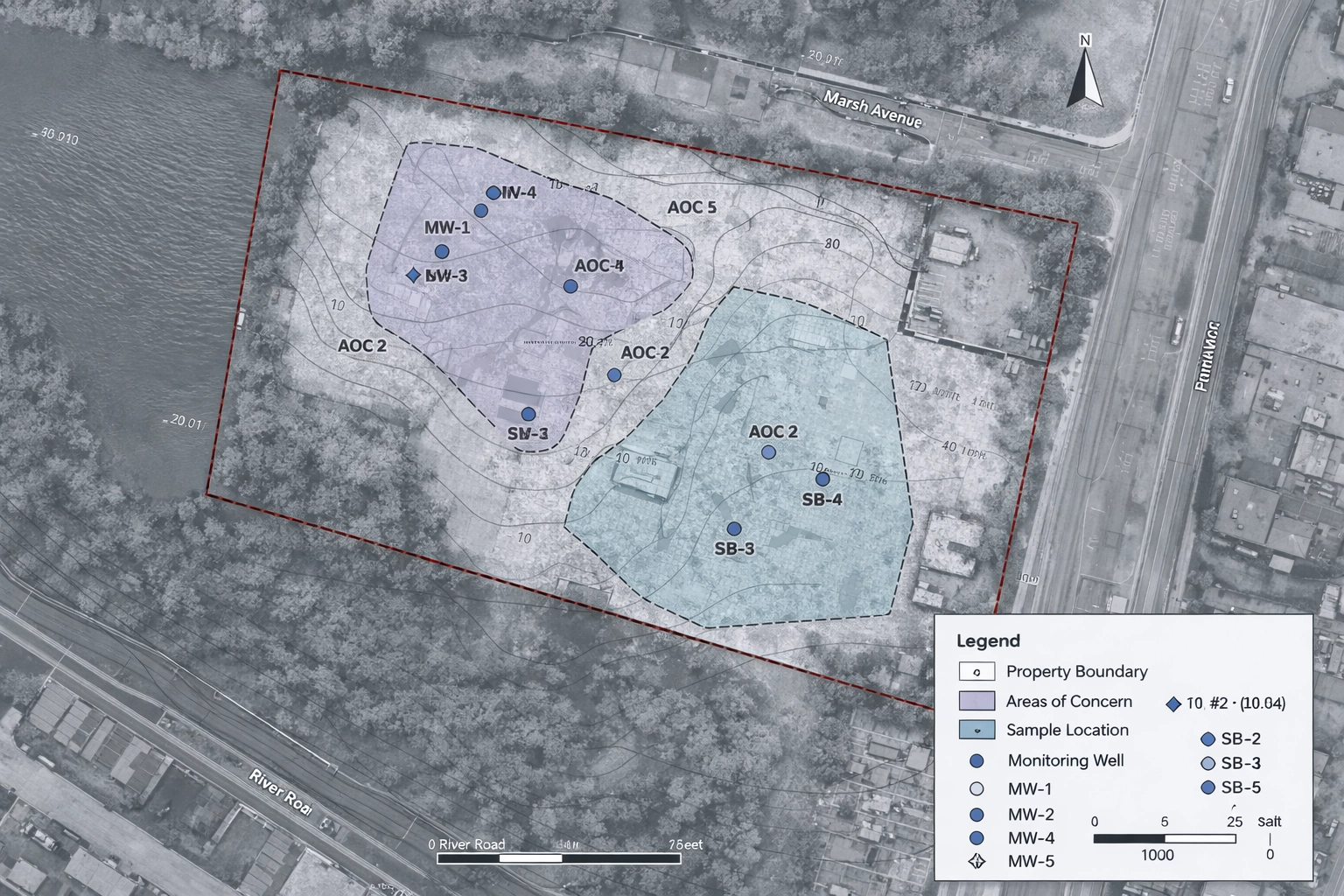
Generic environmental assessments do not cut it anymore. To protect a portfolio, you need a clear understanding of the subsurface and a practical view of where PFAS may migrate under New Jersey site conditions. That means combining targeted sampling with groundwater interpretation, receptor review, and plume modeling when warranted.

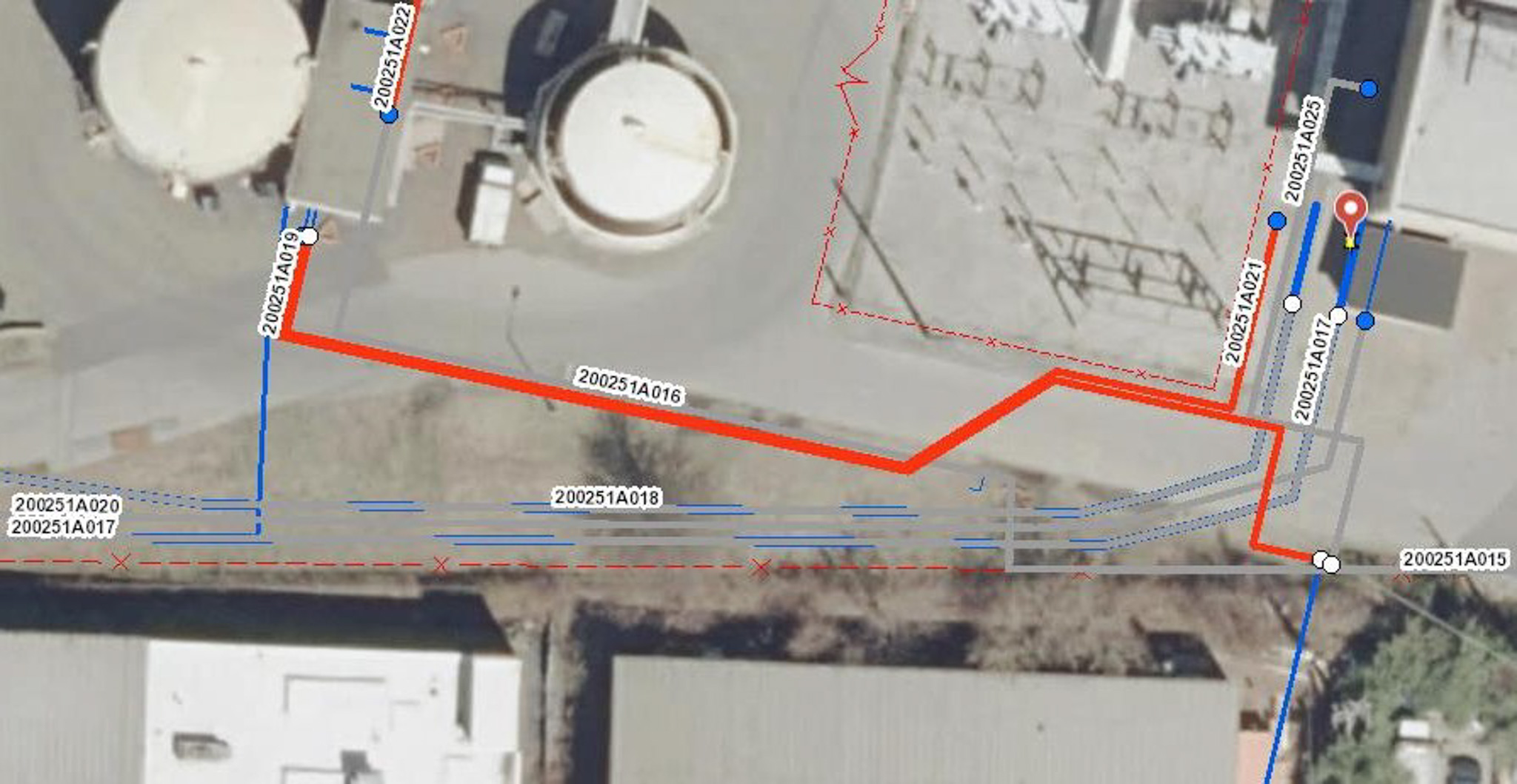
We use technical mapping and data review to help clients understand not just where PFAS is, but where the real cost exposure sits. By mapping groundwater flow direction, utility corridors, source areas, and nearby receptors, we can often narrow the area of concern and avoid wasting money on broad, unfocused investigation. That matters when you are trying to control PFAS site investigation costs under NJ environmental regulations and still keep a transaction on schedule.
Why the "Big Box" Consultant Approach is Failing You
You’ve probably worked with the massive global engineering firms. They have thousands of employees and even more billable hours. The problem? They often treat PFAS as a scientific curiosity rather than a business problem. They’ll give you a 400-page report that concludes with "more testing is needed."
At Envicon, we take a different path. We are insiders. We know that you don't want a science project; you want a path to closure.
- Accountability over Acronyms: We don't hide behind "maybe" and "potentially." We provide clear, actionable financial forecasting for remediation.
- Agility: While the big firms are stuck in a three-week internal review process just to approve a work plan, our team is already on-site.
- Sales Psychology for Your Exit: We don't just write reports for regulators; we write them for your future buyers. We frame the remediation in a way that builds trust and demonstrates control, reducing the "fear factor" that kills deals.
Action Items for Portfolio Managers
If you’re sitting on NJ assets, here is your immediate playbook:
- Audit Your Insurance: Check your environmental headers. If PFAS (or "emerging contaminants") isn't explicitly covered, you need to re-evaluate your risk transfer strategy.
- Baseline Your High-Risk Sites: Don't wait for a buyer to find it. Conduct confidential, privileged preliminary sampling on sites with high historical risk.
- Quantify the Long-Term OPEX: If you have an active remediation system, have a specialist (like us) run an NPV analysis on your 10, 20, and 30-year operating costs.
- Engage an LSRP Who Thinks Like a CFO: You need a Licensed Site Remediation Professional who understands that every monitoring well is a line item on your balance sheet.

The Bottom Line
PFAS is the most significant environmental challenge to hit the New Jersey real estate market in a generation. The financial impact is real, it is long-term, and it is largely unavoidable for those with industrial histories.
However, "unavoidable" doesn't mean "unmanageable." The difference between a portfolio that thrives and one that gets bogged down in litigation and devaluations comes down to the quality of the data and the strategy behind the remediation.
We don't just see molecules; we see assets. We don't just see "forever chemicals"; we see a challenge that requires a visionary approach to solve. If your current environmental consultant is giving you more questions than answers, it’s time to switch to a team that values your ROI as much as the ppm (parts per million).
Summary & Key Takeaways
- NJ regulations drive cost: NJDEP requirements can directly affect PFAS sampling scope, cleanup timing, and long-term compliance obligations.
- PFAS costs are broader than treatment: A realistic budget includes investigation, lab work, delineation, reporting, treatment design, and operations.
- Long-tail cost questions matter: Owners should ask for a true PFAS remediation cost estimate in NJ, not a vague allowance.
- The Envicon Advantage: We move faster than big-box consultants, stay grounded in NJ regulatory realities, and give you practical answers that support deals, financing, and closure.
Ready to de-risk your portfolio? Let’s put real numbers and a real strategy behind your PFAS exposure. Contact Envicon today to talk through investigation scope, NJ regulatory risk, and the cleanup cost drivers that matter most.
Explore our Services | Contact an Expert

Footer — Contact Envicon Group
Envicon Group | Northern NJ + NYC Metro
Website: https://wp.envicongroup.com
Services: https://wp.envicongroup.com/services
Contact: https://wp.envicongroup.com/contact