Category: Industry Insight

  • The “Green Infrastructure” Tax: Why Most Developers are Overpaying for Compliance

    The “Green Infrastructure” Tax: Why Most Developers are Overpaying for Compliance

    Here's a contrarian take: green infrastructure isn't expensive. Your approach to it is.

    Most developers treat stormwater management and green compliance like a mandatory tax, something to be minimized, outsourced to the lowest bidder, and forgotten about until the city inspector shows up. That mindset is costing you six figures per project, and you don't even realize it.

    The truth? Green infrastructure can actually reduce your total project costs when you stop treating it like a regulatory burden and start treating it like what it is: engineered infrastructure that serves multiple purposes. But first, let's talk about why you're bleeding money.

    The "Check-the-Box" Trap

    Walk me through your typical project timeline. You acquire the site, finalize your architectural plans, secure financing, and then, maybe six months in, someone remembers to call an environmental consultant to handle the "green stuff." By that point, you've already:

    • Locked in your site plan
    • Committed to specific building footprints
    • Finalized your grading design
    • Scheduled your construction timeline

    Now you're asking your consultant to retrofit green infrastructure into a design that wasn't built for it. Of course it's expensive. You're essentially paying for two designs: the one you wanted, and the compliance overlay you're forced to add.
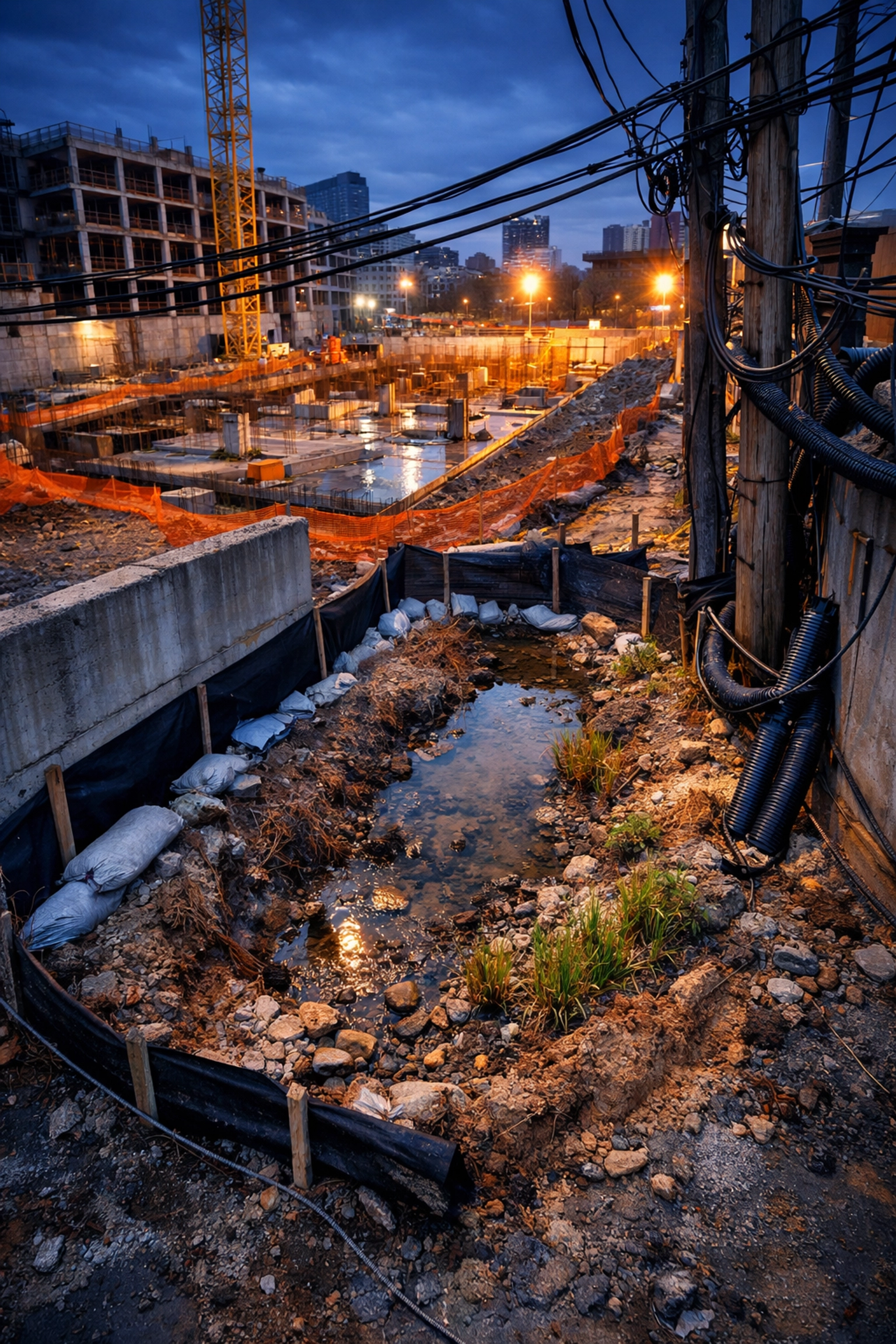
    Retrofitted bioswale at urban construction site showing costly green infrastructure compliance errors

    This is like hiring an interior designer after the house is built. Sure, they can make it work, but you're going to pay a premium for their creative problem-solving, and the results will always be compromised.

    The Real Cost of NYC Stormwater Compliance

    Let's get specific. In New York City, if your project disturbs more than one acre or creates more than 20,000 square feet of impervious surface, you're subject to MS4 stormwater requirements. The city wants you to manage the first inch of rainfall on-site through green infrastructure.

    Most developers approach this with a checklist mentality:

    • Install some bioswales? Check.
    • Add a green roof? Check.
    • Install permeable pavement somewhere? Check.

    Then they get the bill: $150,000 to $300,000 for a mid-sized project. They grumble about regulatory overreach and move on.

    Here's what they're missing: that same infrastructure could have been designed to reduce your site work costs, lower your ongoing maintenance expenses, and potentially unlock additional FAR or zoning benefits. But only if you plan for it from day one.

    The Alternative Compliance Loophole (That Nobody Talks About)

    NYC and most municipalities offer something called "alternative compliance" or "off-site mitigation" for stormwater. Translation: if it's not economically feasible to manage all your stormwater on-site, you can pay into a municipal fund or contribute to an off-site green infrastructure project.

    For some projects, particularly in dense urban environments where every square foot counts, this is dramatically cheaper than trying to shoehorn bioswales into your site plan. We've seen developers save $100,000+ by strategically using alternative compliance for a portion of their stormwater obligation.

    But here's the catch: you need to know this option exists before you finalize your site design. If you've already committed to on-site management in your plans, going back to request alternative compliance looks like you're trying to weasel out of requirements. Regulators don't like that.
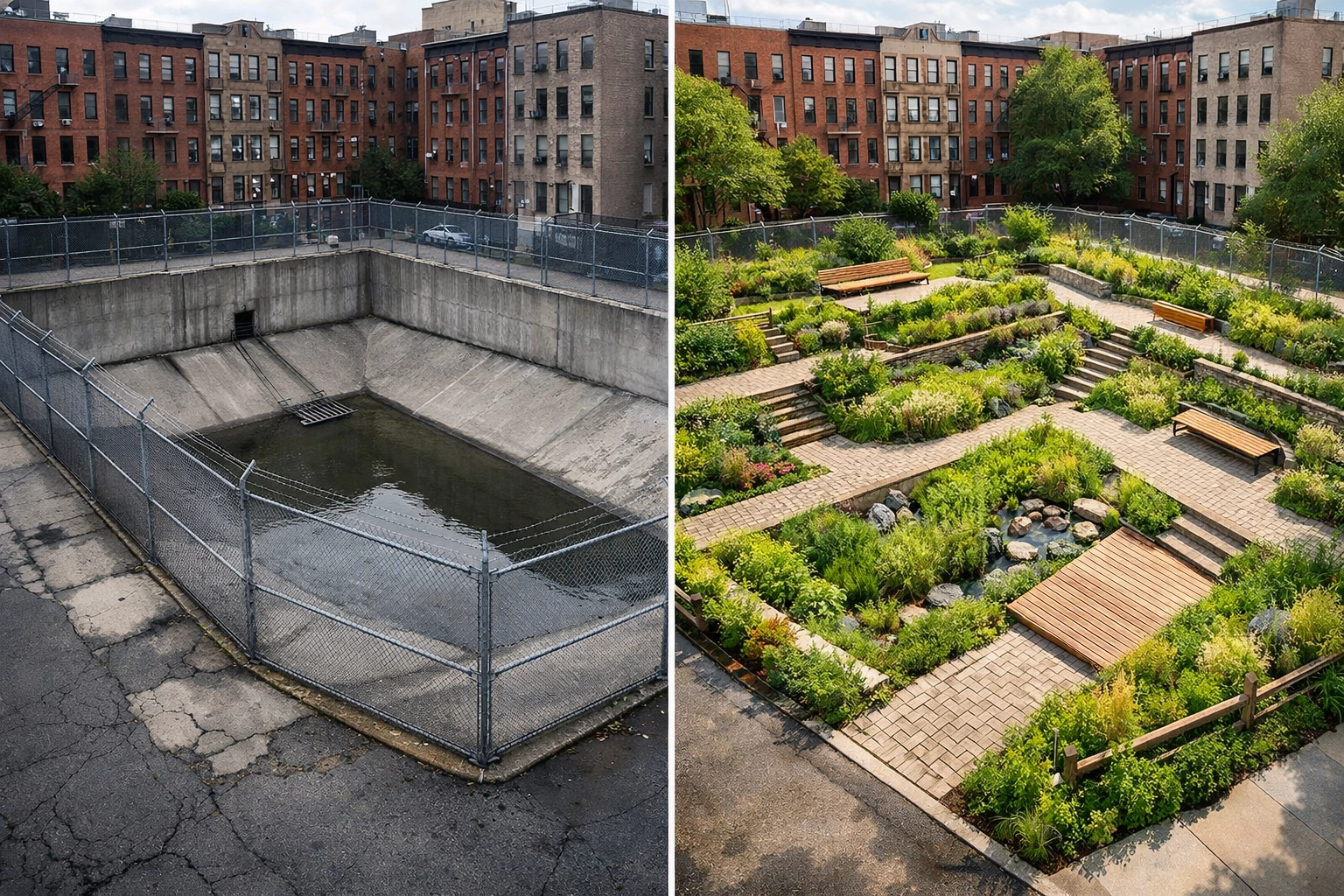
    Traditional concrete stormwater basin versus integrated green infrastructure with native plantings

    The Tax Credit Game You're Not Playing

    While we're talking about money you're leaving on the table, let's discuss Section 179D and Section 45L tax incentives. These federal programs offer substantial deductions, up to $5.81 per square foot for commercial projects and $2,500 to $5,000 per residential unit, for buildings that meet energy efficiency standards.

    Most developers know these programs exist. What they don't realize is that green infrastructure investments often qualify as part of the energy efficiency calculation. That bioswale you installed grudgingly? It might be generating tax credits.

    The deadline to maximize these benefits is June 30, 2026, less than five months away. If your project is wrapping up before then, you need to be documenting your green infrastructure investments now to claim these deductions.

    But here's where developers shoot themselves in the foot: to get the enhanced deductions, you need to meet prevailing wage and apprenticeship requirements. Most developers don't plan for this, so they either:

    1. Miss out on the enhanced deductions entirely (leaving $4+ per square foot on the table)
    2. Scramble to retrofit prevailing wage compliance after construction is underway (paying penalties and higher labor costs)

    Both options are expensive. The smart move is to structure your project for prevailing wage compliance from the start if the enhanced deductions justify the higher labor costs. For most projects over 50,000 square feet, they do.

    Integration Is the Answer (It Always Is)

    At Envicon, we've stopped separating "environmental compliance" from "civil engineering" because that separation is artificial and expensive. Your stormwater management system is your site's drainage infrastructure. Your soil remediation plan is your excavation and grading plan. Your environmental monitoring wells are your geotechnical investigation.

    When you integrate these disciplines from day one, three things happen:

    1. You eliminate redundant work. One soil boring can serve geotechnical, environmental, and stormwater infiltration testing purposes. One site survey can inform civil design, remediation planning, and green infrastructure placement.
    2. You unlock design efficiencies. Maybe that required bioswale can replace an expensive underground detention system. Maybe your green roof reduces your stormwater obligation enough that you don't need that cistern. Maybe your remediation excavation creates the perfect location for infiltration basins.
    3. You compress your timeline. When civil and environmental engineers are talking to each other from the start, you're not waiting for sequential approvals. You're processing permits in parallel.

    This integrated approach is exactly how we work with our architectural partners to turn environmental requirements into design opportunities rather than compliance headaches.

    The Prevailing Wage Calculation

    Let's be honest about the prevailing wage elephant in the room. Yes, it increases your labor costs. For a typical project, you might see a 15-25% increase in labor expenses for the work covered by prevailing wage requirements.

    But here's the math nobody's doing: if prevailing wage compliance unlocks an additional $4.65 per square foot in tax deductions (the difference between enhanced and standard Section 179D benefits), and your effective tax rate is 30%, you're getting $1.40 per square foot in real tax savings.

    On a 100,000 square foot building, that's $140,000 in your pocket. If the prevailing wage premium costs you $80,000 in additional labor, you're still $60,000 ahead: plus you've built in workforce development requirements that improve your project's community benefits profile for future approvals.

    The developers who are "overpaying" are the ones who see prevailing wage as pure cost rather than an investment with a quantifiable return.

    What You Should Do Differently Tomorrow

    Stop treating green infrastructure as a compliance afterthought. Here's your new playbook:

    Before Site Acquisition:

    • Request preliminary stormwater calculations for any site over one acre
    • Evaluate whether alternative compliance makes sense for dense urban sites
    • Factor green infrastructure costs into your proforma (3-5% of hard costs is realistic)

    During Design Development:

    • Loop your environmental consultant into your first civil engineering meeting
    • Evaluate tax credit opportunities and structure for prevailing wage if beneficial
    • Look for integration opportunities (green roofs that serve multiple functions, bioswales that replace conventional landscaping)

    Before Construction:

    • Document everything for tax credit purposes
    • Verify prevailing wage compliance if you're claiming enhanced deductions
    • Build green infrastructure maintenance into your long-term operations budget

    The bottom line: green infrastructure stops being a "tax" when you stop treating it like one. It's infrastructure. Plan for it accordingly.

    The Bottom Line

    Most developers overpay for green infrastructure compliance because they approach it reactively, treat it as separate from their core site work, and miss available incentives. The solution isn't lobbying for weaker regulations: it's integrating environmental planning into your development process from day one.

    We've watched clients cut their green infrastructure costs by 30-40% simply by changing when they bring environmental expertise to the table. Earlier is always cheaper.

    If you're starting a project in the NYC metro area and want to avoid the "green infrastructure tax," let's talk before you finalize your site plan. The conversation might save you more than the consulting fee.

    [FOOTER] Envicon Strategic Solutions

  • Your Phase I ESA is Lying to You: (And Your Lender Already Suspects It)

    You just closed on a 3-acre industrial property in Newark. The Phase I ESA came back "clean": no Recognized Environmental Conditions (RECs), nothing but a few historical dry cleaners two blocks over. Your lender greenlit the deal. You're feeling good.

    Here's the problem: that Phase I ESA is a snapshot, not an X-ray. And it's got blind spots the size of a Mack truck.

    Lenders know this. They've seen enough deals blow up six months post-closing to understand that a "clean" Phase I doesn't mean you're in the clear. It means you passed the minimum standard: a standard that was never designed to catch everything lurking under your new investment.

    Let's talk about what your Phase I ESA isn't telling you, why that matters, and what you should actually be doing during due diligence if you want to sleep at night.

    The Dirty Secret: Phase I ESAs Are Wildly Inconsistent

    Here's something most environmental consultants won't admit: two professionals can walk the same site and deliver completely different Phase I reports.

    What one consultant flags as a REC, another might gloss over as "no further action." The ASTM E1527-21 standard provides a framework, but interpretation? That's where things get messy. There's no central audit authority ensuring every consultant applies the same rigor. You're essentially rolling the dice on who shows up with the clipboard.

    This inconsistency creates a massive problem for lenders. They can't rely on the report alone because they've seen too many cases where a "second opinion" Phase I uncovered issues the first consultant missed entirely. That's why savvy lenders are increasingly requiring Phase II subsurface investigations even when Phase I results come back clean: especially on industrial or commercial redevelopment sites in New Jersey and New York.

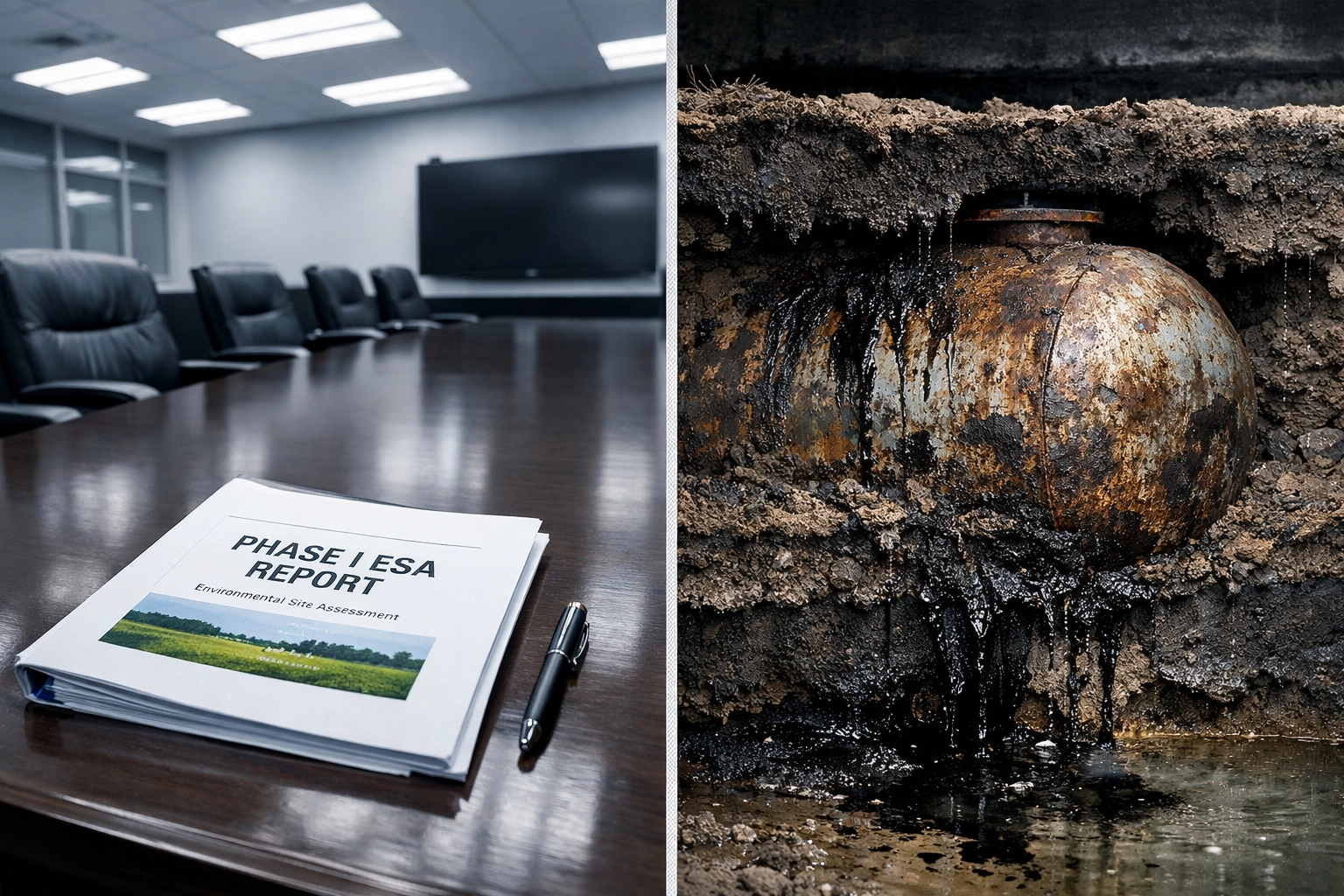
    Phase I ESA report contrasted with hidden underground storage tank contamination in soil layers

    What's Not in the Report (But Should Keep You Up at Night)

    A Phase I ESA has a defined scope. That's both its strength and its fatal flaw. Here's what's technically excluded from a standard Phase I assessment:

    • Asbestos-containing materials (ACM)
    • Lead-based paint
    • Radon gas
    • Mold and indoor air quality
    • Drinking water quality
    • Current operational safety hazards

    Read that list again. These are the exact issues that can kill your renovation budget or halt your construction timeline cold. But they're not required components of a Phase I ESA under ASTM standards.

    Sure, a thorough consultant might mention them in passing or recommend additional studies. But they're under no obligation to do so. And if your consultant is trying to keep costs down to win the bid? Those recommendations might never make it into the executive summary your lender actually reads.

    The Subsurface Problem: What You Can't See Will Hurt You

    The biggest limitation of a Phase I ESA? It doesn't dig.

    There's no soil sampling, no groundwater testing, no subsurface investigation. The entire assessment is based on visible conditions, historical records, and interviews. In other words, if the contamination is underground: where most contamination actually lives: your Phase I isn't going to find it.

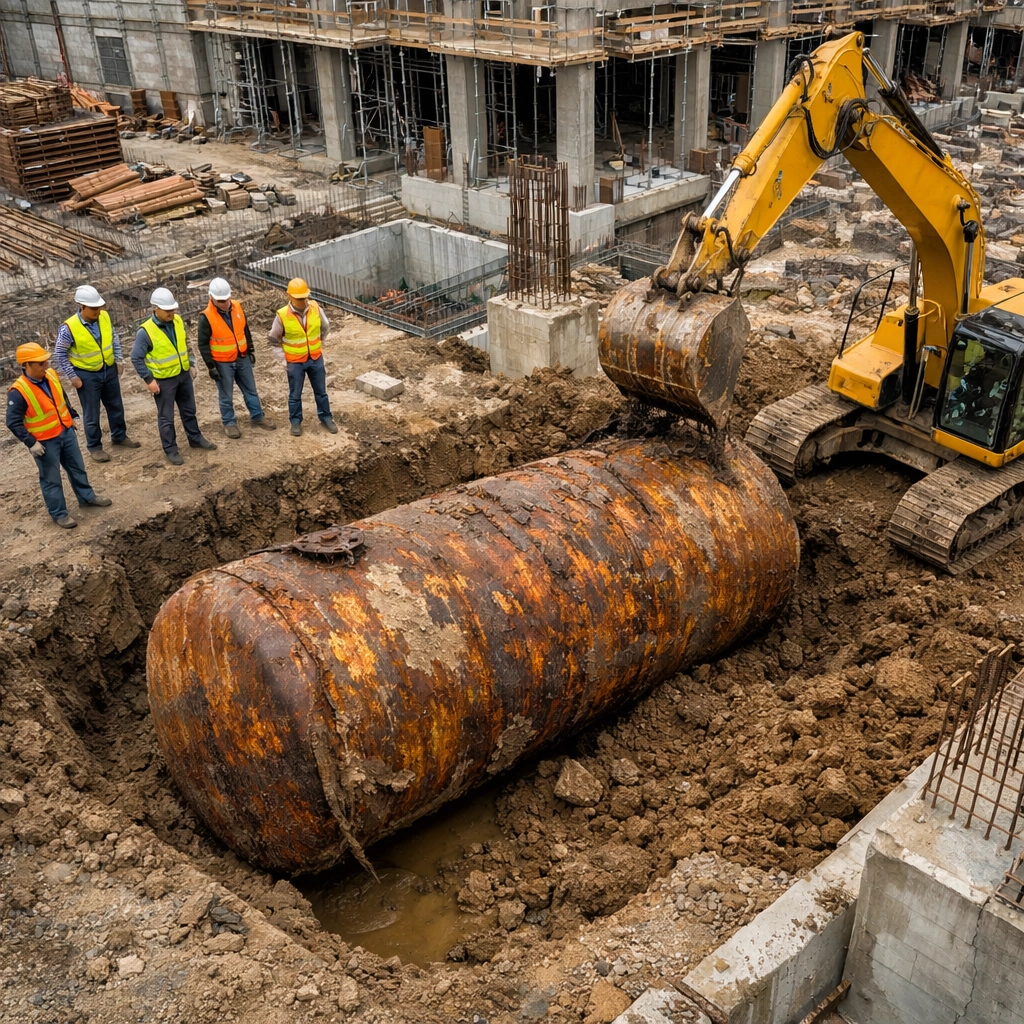
    Case in point: we've reviewed Phase I ESAs that completely missed abandoned underground storage tanks (USTs) because they were installed before 1970, never properly documented, and had no visible surface evidence. The property owner didn't know they existed. The seller didn't mention them. And the Phase I consultant had no reason to suspect them based on the site's "official" historical use.

    Fast forward six months: the excavator hits a single-walled steel tank full of petroleum product. Your construction timeline just exploded, your lender is demanding answers, and you're looking at a six-figure remediation bill no one budgeted for.

    Excavator uncovering buried storage tank at construction site during environmental remediation

    The 180-Day Expiration Date Nobody Talks About

    Here's another fun fact: Phase I ESAs go stale. Fast.

    According to ASTM standards, a Phase I report is valid for 180 days. After that, it requires a comprehensive update before lenders will accept it. Why? Because environmental conditions change. A building that looked stable in March might have a collapsed roof by September, leading to water intrusion and mold growth throughout the structure.

    More importantly, the Phase I captures conditions only up to the date of the site visit. Any contamination event that occurs after the consultant leaves the property: say, a hydraulic fluid spill from construction equipment or an illegal dumping incident: won't appear in your report. You're buying a historical document, not a guarantee of current conditions.

    This time sensitivity creates real problems in transactions with extended due diligence periods or delayed closings. That "clean" Phase I you received eight months ago? Your lender might demand a new one before they'll fund the deal.

    The Data Gap Problem: Garbage In, Garbage Out

    A Phase I ESA is only as good as the information fed into it. And here's the uncomfortable truth: property owners often don't know their own site history.

    Pre-1980s industrial operations were rarely documented with the rigor we see today. Records get lost, companies go out of business, buildings change hands a dozen times. The result? Significant data gaps that make it impossible for even the best consultant to piece together a complete environmental profile.

    When critical information is missing, the consultant is required to note it as a "Significant Data Gap" in the report. But here's the catch: that designation doesn't stop the transaction. It just shifts the risk: usually onto you, the buyer.

    Lenders understand this dynamic. They know that a Phase I with multiple data gaps is essentially a high-stakes guessing game. That's why institutional lenders are increasingly requiring buyers to address these gaps with Phase II investigations before closing, rather than accepting them as unavoidable limitations.

    What Your Lender Already Knows (That You Should Too)

    Let's be clear: sophisticated lenders don't treat Phase I ESAs as comprehensive protection. They understand the limitations we've outlined here, and they're factoring that risk into their underwriting.

    Here's what they're doing that you probably aren't:

    • Running supplementary title searches for environmental cleanup liens and deed restrictions that might not appear in a standard Phase I
    • Checking state databases for activity use limitations (AULs) or institutional controls tied to the property
    • Requiring additional assessments (vapor intrusion surveys, lead/asbestos testing) on properties with any industrial history
    • Building environmental contingency reserves into the loan structure to cover unexpected remediation costs

    In other words, they're not relying on the Phase I alone. Neither should you.

    Environmental consultants conducting Phase II site assessment at brownfield redevelopment project

    The Solution: Integrated Due Diligence From Day One

    At Envicon, we've seen this movie play out too many times. A buyer commissions the cheapest Phase I they can find, gets a clean report, closes the deal, and then discovers the real environmental conditions during demolition or excavation. By then, your negotiating leverage is gone and your budget is cooked.

    Our approach? Front-load the investigation. Don't wait for problems to surface: hunt them down during due diligence when you still have options.

    That means:

    • Phase II subsurface sampling on any property with commercial or industrial history, regardless of Phase I results
    • Integrated civil and environmental engineering to identify geotechnical surprises before you finalize your site plan
    • Pre-acquisition regulatory review to understand existing obligations, cleanup liens, and long-term monitoring requirements

    Is this more expensive than a bare-bones Phase I? Sure. But it's a fraction of the cost of a blown timeline, a lender recall, or a contamination discovery mid-construction.

    We work with developers and investors who understand that due diligence is a strategy, not a checkbox. The goal isn't to generate a document your lender will accept: it's to actually understand what you're buying so you can price the deal correctly and execute without surprises.

    The Takeaway: Trust, But Verify

    Phase I ESAs serve a purpose. They're the industry standard for initial environmental screening, and they provide a defensible baseline for demonstrating "appropriate inquiry" under federal liability protections.

    But if you're treating them as the final word on your property's environmental condition, you're setting yourself up for expensive surprises. Lenders already know the limitations of Phase I assessments: that's why they're building in additional protections and pushing more risk onto buyers.

    The smart move? Work with an environmental consultant who tells you what's actually on (and under) your property, not just what's required to close the deal. Because the only thing worse than discovering contamination is discovering it after you own the property.

    Want to talk about what a real due diligence process looks like for your next acquisition? Let's talk. We'll tell you what your Phase I ESA isn't saying: before it costs you six figures to find out the hard way.


    [FOOTER] Envicon Strategic Solutions

  • The Fastest Way to Get Brownfield Tax Credits Approved in New Jersey (Without the Usual Delays)

    The Fastest Way to Get Brownfield Tax Credits Approved in New Jersey (Without the Usual Delays)

    Let's start with what nobody wants to hear: there is no secret pathway to bypass New Jersey's Brownfield Redevelopment Incentive Program (BRIP) approval timeline. The NJEDA Board review takes six months to a year, minimum. Add the two-week Governor's veto period, and you're looking at substantial calendar time regardless of who you hire or how connected you think you are.

    But here's where most developers get it wrong. They focus on the approval timeline when the real delays happen before they ever submit an application. The firms winning BRIP awards in 2026 aren't faster because they've cracked some regulatory code. They're faster because they understand that brownfield tax credit approval is an integrated problem, not just a paperwork exercise.

    Why the Timeline Exists (And Why You Can't Skip It)

    BRIP is a competitive program, not a first-come-first-served entitlement. Every application gets ranked against pre-established criteria: economic feasibility, community benefit, job creation potential, board diversity considerations, and environmental remediation scope. The NJEDA reviews dozens of applications per cycle, and yours is competing for limited funding against projects throughout the state.

    That evaluation process is baked into the statute. You can't expedite it any more than you can expedite a court trial. What you can control is ensuring your application ranks high enough to win funding and doesn't trigger additional review cycles due to incomplete documentation or environmental uncertainties.

    Aerial view of industrial facility

    Where the Real Delays Happen

    Most BRIP applications fail not during NJDEP review but during the pre-application phase. Here's where projects stall:

    • Incomplete environmental characterization – Submitting a Phase I ESA without understanding the full remediation scope means your cost estimates are guesses. NJEDA will catch this.
    • Missing NJDEP coordination – If you don't have a clear pathway to a Remedial Action Outcome (RAO) or No Further Action Letter, your application raises red flags about project viability.
    • Civil engineering disconnects – Proposing a redevelopment plan that doesn't account for site grading, stormwater management, and utility relocation means your budget and timeline are fiction.
    • Incomplete municipal support – The letter of support from the local governing body isn't ceremonial. If the municipality hasn't bought into your vision, expect delays or rejection.

    The pattern across these failures? Treating environmental remediation, civil engineering, and financial structuring as separate workstreams instead of a unified strategy.

    The Integrated Approach: Why It Actually Accelerates Approval

    We've worked on BRIP applications where the developer hired an environmental consultant, a civil engineer, a land use attorney, and a financial advisor: all operating independently. By the time they assembled the application, the environmental scope had changed, the civil plans didn't match the remediation strategy, and the financial pro forma was based on outdated assumptions.

    That's not a recipe for fast approval. That's a recipe for resubmission.

    The firms getting approvals in under a year approach BRIP applications differently:

    They start with the end in mind. Before spending a dollar on Phase II ESAs or remedial investigations, they map out the entire approval pathway: NJDEP remediation requirements, municipal planning board approvals, infrastructure upgrades, and BRIP application timing. This isn't theoretical planning: it's sequencing activities so each phase informs the next without backtracking.

    They integrate environmental and civil from day one. Your remedial action workplan should inform your site grading plan. Your stormwater management design should account for soil disturbance during remediation. These aren't separate projects happening on the same site: they're interconnected decisions that affect cost, timeline, and regulatory approval.

    They front-load NJDEP coordination. NJDEP's RAO guidance for contaminated sites is explicit about documentation requirements, but it's less explicit about how to navigate the review process efficiently. The difference between a streamlined remediation and one that drags out for years often comes down to early coordination with the assigned Case Manager and clear communication about your remediation strategy.

    New Jersey brownfield site transformation from contaminated industrial property to active redevelopment

    Step-by-Step: Positioning Your Application for Fast-Track Approval

    Month 1-2: Integrated Site Assessment

    Don't just order a Phase I ESA. Coordinate a comprehensive site evaluation that includes environmental conditions, geotechnical characteristics, existing utilities, and civil infrastructure constraints. This integrated assessment should answer:

    • What contaminants are present and at what concentrations?
    • What remediation pathway will NJDEP require (Remedial Investigation/Remedial Action, or a streamlined approach)?
    • What site conditions will affect grading, foundation design, and stormwater management?
    • What off-site infrastructure improvements will the municipality require?

    Month 3-4: Remediation Strategy & RAO Pathway

    Work with your LSRP to develop a remediation strategy that aligns with your redevelopment timeline and budget. This is where NJDEP RAO guidance becomes critical. The pathway to a No Further Action Letter or Response Action Outcome varies significantly based on contaminant type, site use, and remediation approach.

    For BRIP applications, you need documentation showing:

    • A Licensed Site Remediation Professional (LSRP) has been retained
    • A clear scope of remedial work (and cost estimate)
    • A realistic timeline to achieve an RAO
    • Any deed notices or engineering controls that will be required

    This documentation directly strengthens your BRIP application by demonstrating that environmental risks are quantified and manageable.

    Month 5-6: Civil Engineering Integration

    Your civil engineering plans should be developed in parallel with: not after: environmental remediation planning. This includes:

    • Site grading and drainage design that accounts for soil disturbance during remediation
    • Utility relocation or upgrades coordinated with remedial excavation work
    • Stormwater management systems designed for post-remediation conditions
    • Construction sequencing that minimizes disruption and cost

    This integration is where Envicon's dual expertise in environmental and civil engineering creates tangible value. We're not coordinating between separate consultants: we're designing the remediation and civil work as a single, optimized scope.

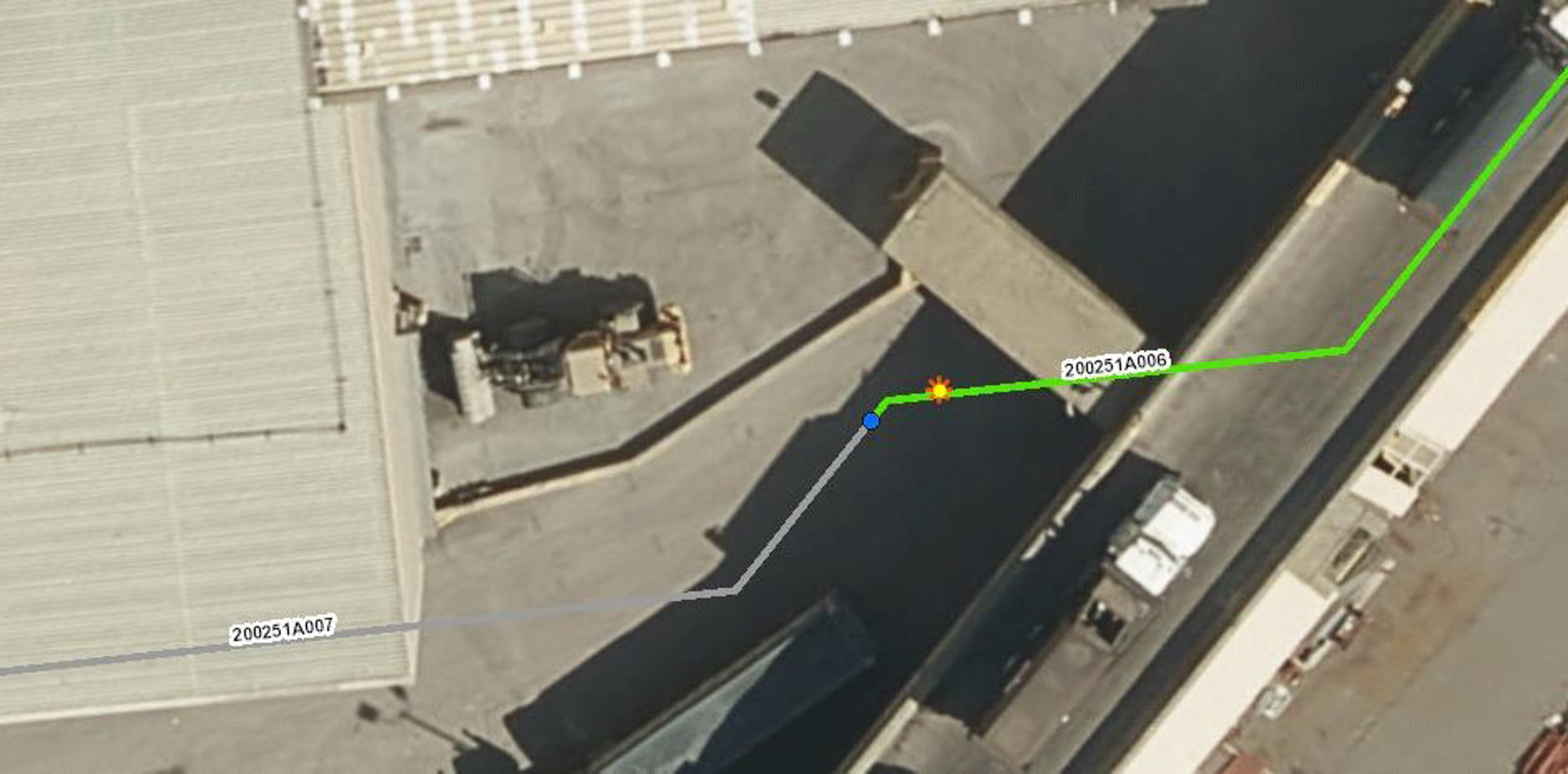
    Aerial Site Image Showing Utilities and Subsurface Investigation

    Month 7-8: Financial Structuring & Application Assembly

    With environmental and civil scopes locked in, your financial pro forma becomes reliable. You can now prepare:

    • Accurate remediation cost estimates (not placeholder numbers)
    • Civil infrastructure costs based on actual site conditions
    • Project timeline that reflects real-world sequencing
    • Tax credit calculations based on eligible costs

    Assemble your BRIP application with all required documentation: tax clearance certificate, property appraisal, letter of municipal support, and environmental oversight agreements. Review everything twice. No changes are permitted after submission.

    Month 9+: NJEDA Review & Approval

    At this point, you've done everything possible to position your application for approval. The NJEDA review process will take its course, but you've eliminated the common reasons for rejection or requests for additional information:

    • Your environmental scope is clearly defined and supported by an LSRP
    • Your civil engineering plans are realistic and coordinated with remediation work
    • Your financial projections are based on actual site conditions, not assumptions
    • Your municipal support is documented and genuine

    The ROI of Getting It Right

    The difference between a successful BRIP application and one that gets rejected or delayed isn't luck. It's preparation. Developers who treat brownfield redevelopment as an integrated challenge: environmental, civil, financial, and regulatory: consistently outperform those who approach it as a series of disconnected tasks.

    The tax credit can cover up to 75% of eligible remediation costs for projects in qualifying municipalities. For a typical brownfield redevelopment with $2-3 million in environmental remediation costs, that's $1.5-2.25 million in credits. The ROI on getting your application right the first time is substantial.

    More importantly, projects that navigate BRIP efficiently also navigate the entire redevelopment process more efficiently. Early coordination between environmental and civil teams means fewer change orders during construction. Clear NJDEP pathways mean fewer surprises during remediation. Strong municipal relationships mean smoother planning board approvals.

    What This Means for Your Next Brownfield Project

    If you're evaluating a brownfield acquisition or planning a BRIP application for the next funding cycle, the fastest path forward isn't about shortcuts: it's about smart sequencing and integrated execution.

    Start by understanding the full scope of your environmental obligations under NJDEP RAO guidance. Don't wait until you've purchased the property to figure out that your remediation costs are double what you modeled. Engage an LSRP early and coordinate environmental assessment with civil engineering evaluation from day one.

    The firms dominating brownfield redevelopment in New Jersey aren't doing anything magical. They're simply refusing to treat environmental remediation and site development as separate projects. At Envicon Strategic Solutions, that integrated approach isn't a selling point: it's how we've always operated.

    Need to accelerate your brownfield tax credit approval? The timeline to the next BRIP application window is shorter than you think. Contact our team to discuss how integrated environmental and civil engineering can position your project for funding in 2026.[FOOTER] Envicon Strategic Solutions

  • The “Lender-Proof” Report: How We Get Projects Past the Committee on the First Try

    The “Lender-Proof” Report: How We Get Projects Past the Committee on the First Try

    Here's the truth: Your Phase I ESA might be technically compliant and still get your deal killed in committee.

    We've seen it happen dozens of times. A developer spends weeks negotiating terms, assembles a solid proforma, and submits what looks like a perfectly acceptable environmental report. Two weeks later? The lender's environmental consultant kicks it back with a list of "clarifications needed." By the time you're on revision three, your rate lock has expired and the seller is fielding backup offers.

    The problem isn't usually bad science. It's that most environmental reports are written for regulators, not lenders. And those are two completely different audiences with completely different concerns.

    What Lenders Actually Care About (And Why Your Consultant Might Not)

    Lenders don't read your Phase I ESA looking for ASTM compliance. They're reading it to answer one question: "Can this property secure our loan without becoming a liability?"

    That means they're looking for:

    • Clear, defensible conclusions about recognized environmental conditions (RECs)
    • Quantifiable risk assessment that connects findings to financial exposure
    • A roadmap for resolution if issues exist
    • Documentation that holds up under their own consultant's review
    • Alignment with the budget you've already submitted

    Organized Phase I ESA report with financial documents ready for lender review

    Most Phase I ESAs check the regulatory boxes but fail the business logic test. They'll note that a property was a "commercial garage from 1965-1982" but won't connect the dots on what that means for subsurface impacts, remediation costs, or timeline delays. The lender's committee sees a gap. Their consultant sees an opportunity to recommend a Phase II. Your closing date just moved three months to the right.

    The "Lender-Proof" Framework: Building Reports That Survive Committee

    Over the years, we've developed what we internally call our "lender-proof" review process. It's not about cutting corners, it's about anticipating questions before they're asked and presenting findings in a format that creates confidence, not concern.

    1. Front-Load the Executive Summary with Business Intelligence

    Your executive summary shouldn't just summarize, it should tell a story that aligns with the lender's risk framework. We structure ours to answer the big questions immediately:

    • What is the current environmental status?
    • Are there any material RECs?
    • What's the financial exposure range if RECs exist?
    • What's the timeline to resolution?
    • Are there any "showstopper" issues?

    If the answer to question five is "no," we say that explicitly. In bold. Lenders appreciate clarity.

    2. Connect Historical Use to Financial Risk

    Here's where most reports fall short. They'll document that a site was an "automotive repair facility" but won't extrapolate what that means for your project budget. We do the math for them.

    For example: "Historical automotive use suggests potential subsurface impacts from hydraulic fluids, petroleum products, and chlorinated solvents. Based on comparable remediation projects in Hudson County, resolution costs typically range from $75,000 to $150,000 for properties of this size, with a 60-90 day timeline from NFA issuance."

    That's the kind of specificity that moves deals forward. The lender can plug those numbers into their model. Their committee can see you've done your homework. The environmental consultant reviewing your report has less ammunition to recommend "further investigation."

    Environmental consultants reviewing site maps and assessment documents as a team

    3. Include Regulatory Context (Not Just Regulatory Compliance)

    A lender-ready Phase I ESA doesn't just cite regulations, it explains what they mean for this specific transaction.

    If your property falls under New Jersey's LSRP program, we'll include a brief explanation of what that means for timeline and responsibility. If there's an existing Deed Notice, we'll detail exactly what restrictions apply and whether they're compatible with the proposed use. If PFAS is a potential concern (and in 2026, it often is), we'll explain the current regulatory landscape and whether testing is advisable pre-closing or post-acquisition.

    This contextual framing does two things: it demonstrates expertise, and it preemptively answers the questions the lender's consultant will ask anyway.

    4. Reconcile Findings with the Construction Budget

    This is the "hard stop" our research flagged, and it's where most consultants drop the ball.

    If your Phase I identifies potential soil impacts and your construction budget doesn't include a line item for environmental oversight or contingency soil management, that's a red flag. We call it out and recommend specific budget allocations based on project scope.

    For developers working on urban redevelopment projects, this integrated approach is table stakes. Your lender is going to reconcile your environmental findings with your draw schedule. If those don't align, you're headed for a revision cycle.

    5. Deliver Backup Documentation That Answers the Next Question

    Every lender-proof report we deliver includes comprehensive appendices with the documents their consultant will request anyway:

    • Historical aerials with annotations
    • Regulatory database reports with our interpretation
    • Interviews with site personnel or neighbors (documented)
    • Photographic logs with context
    • Correspondence with regulatory agencies if applicable

    We also include a brief "Consultant's Note" section that addresses common questions we anticipate based on the property type, location, or historical use. It's a small addition that dramatically reduces back-and-forth.

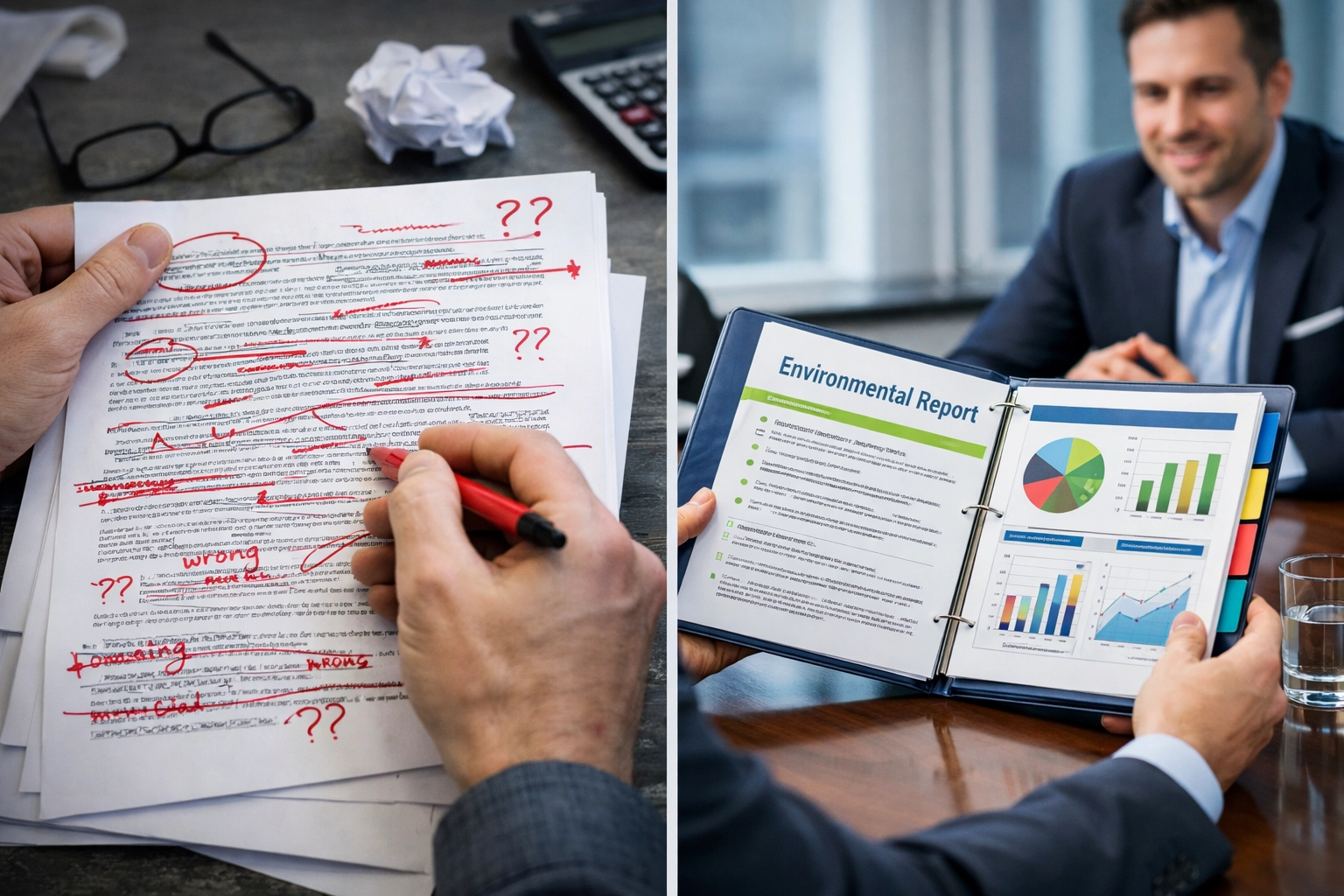
    Comparison of poorly prepared vs. professionally organized lender-ready Phase I ESA report

    When a Phase II ESA is Actually Needed (And How to Position It)

    Sometimes a Phase II ESA is unavoidable. A recognized environmental condition exists, and the lender needs quantifiable data before committing capital. Fair enough.

    But even here, the way you present the Phase II recommendation matters. We never just write "Phase II ESA recommended" and leave it hanging. Instead, we provide:

    • Specific scope recommendations (how many borings, what depths, what analyses)
    • Timeline estimates (typically 2-3 weeks for fieldwork, 2 weeks for lab turnaround, 1 week for reporting)
    • Cost ranges based on comparable projects
    • Rationale tied to lender requirements (not just regulatory curiosity)

    This level of detail accomplishes two goals: it shows the lender you're not just punting the problem down the road, and it gives you clear marching orders for the next phase. No ambiguity. No surprises.

    For developers acquiring properties with known contamination, this integrated approach to Phase I and Phase II ESAs is what separates deals that close from deals that die in committee.

    The Envicon Difference: Engineering Thinking Applied to Environmental Reports

    Here's what sets our approach apart: we're not just environmental scientists writing reports in a vacuum. We're integrated engineers who've spent years working alongside developers, lenders, and construction teams. We understand that a Phase I ESA isn't an academic exercise, it's a business document that needs to support a transaction.

    That means we think about:

    • How findings impact project timelines (not just compliance)
    • What questions underwriters will ask (not just what ASTM requires)
    • How to structure recommendations that align with draw schedules and construction phasing
    • When to engage regulatory agencies early to avoid surprises mid-project

    We've closed enough deals to know what "lender-proof" actually looks like. And we've revised enough other consultants' reports to know exactly where they fall short.

    The Bottom Line

    Getting your project past the lender's committee on the first try isn't about luck, it's about strategy. It's about understanding that a technically sound Phase I ESA and a lender-ready Phase I ESA aren't always the same thing.

    The best environmental reports do three things simultaneously: satisfy regulatory requirements, answer business questions, and create confidence in the transaction. If your current consultant is only checking one of those boxes, you're leaving money and time on the table.

    At Envicon, we don't just write reports that pass, we write reports that sell. Reports that give lenders the clarity they need to say "yes" quickly. Reports that keep your deal moving forward instead of sideways.

    Because in real estate development, timing isn't everything: it's the only thing. And a "lender-proof" report is how you protect it.

    Ready to stop revising and start closing? Let's talk about your next project and how we can help you get past committee on the first try.

    [FOOTER] Envicon Strategic Solutions logo on professional blue footer

  • Geotech vs. Environmental: Why Integrating Your Site Investigation is a No-Brainer

    Geotech vs. Environmental: Why Integrating Your Site Investigation is a No-Brainer

    Here's a scenario every developer knows too well: Your geotechnical engineer shows up in June, drills a dozen borings, tells you the soil is suitable for shallow foundations, and leaves. Fast forward to August, your environmental consultant arrives, drills their own borings 15 feet away from the geotech holes, discovers contaminated fill, and suddenly your budget needs another $80,000 for remediation nobody planned for.

    Two mobilizations. Two sets of reports. Two invoices. And a three-month delay while you figure out if the contaminated soil can even support your building.

    There's a better way, and it's not rocket science, it's just smart engineering.

    The Old School Approach is Costing You More Than You Think

    The traditional workflow treats geotechnical and environmental investigations like separate planets. Your geotech firm focuses on bearing capacity, settlement, and whether the ground can hold up your building. Your environmental consultant worries about contamination, regulatory compliance, and Phase II ESAs. They operate on different timelines, use different labs, and produce reports that rarely talk to each other.

    This siloed approach made sense decades ago when specialization was king. But in 2026? It's leaving money on the table.

    Excavator at Remediation Site

    Every time you mobilize a drill rig separately for geotech and environmental work, you're paying mobilization fees twice. Every time those teams don't coordinate, you're risking data gaps that lead to change orders mid-construction. And every time you discover a surprise contamination issue after the geotech work is done, you're looking at schedule delays that cascade through your entire project timeline.

    What Integration Actually Looks Like

    Geo-environmental consulting merges the best of both worlds: you get structural subsurface analysis and contamination assessment in one coordinated effort. Instead of two separate firms showing up months apart, a single integrated team handles everything from soil boring to lab analysis to regulatory strategy.

    Here's what that means on the ground:

    One mobilization. The drill rig shows up once. Your site manager coordinates with one team instead of juggling two schedules. Mobilization costs get cut nearly in half because you're not paying for redundant equipment, labor, and logistics.

    Shared data, smarter decisions. When the same team is collecting both geotech and environmental samples from the same borings, they're building a complete picture of what's happening underground. Soil layers, groundwater depth, bearing capacity, and contamination profiles: all in one dataset. That unified understanding supports better design decisions and more accurate cost estimates before you break ground.

    Faster timelines. Integrated investigations compress what used to take 8-12 weeks into 4-6 weeks. You're not waiting for one consultant to finish before the next one starts. Reports get delivered together, which means your design team and regulatory consultants can move forward simultaneously instead of in sequence.

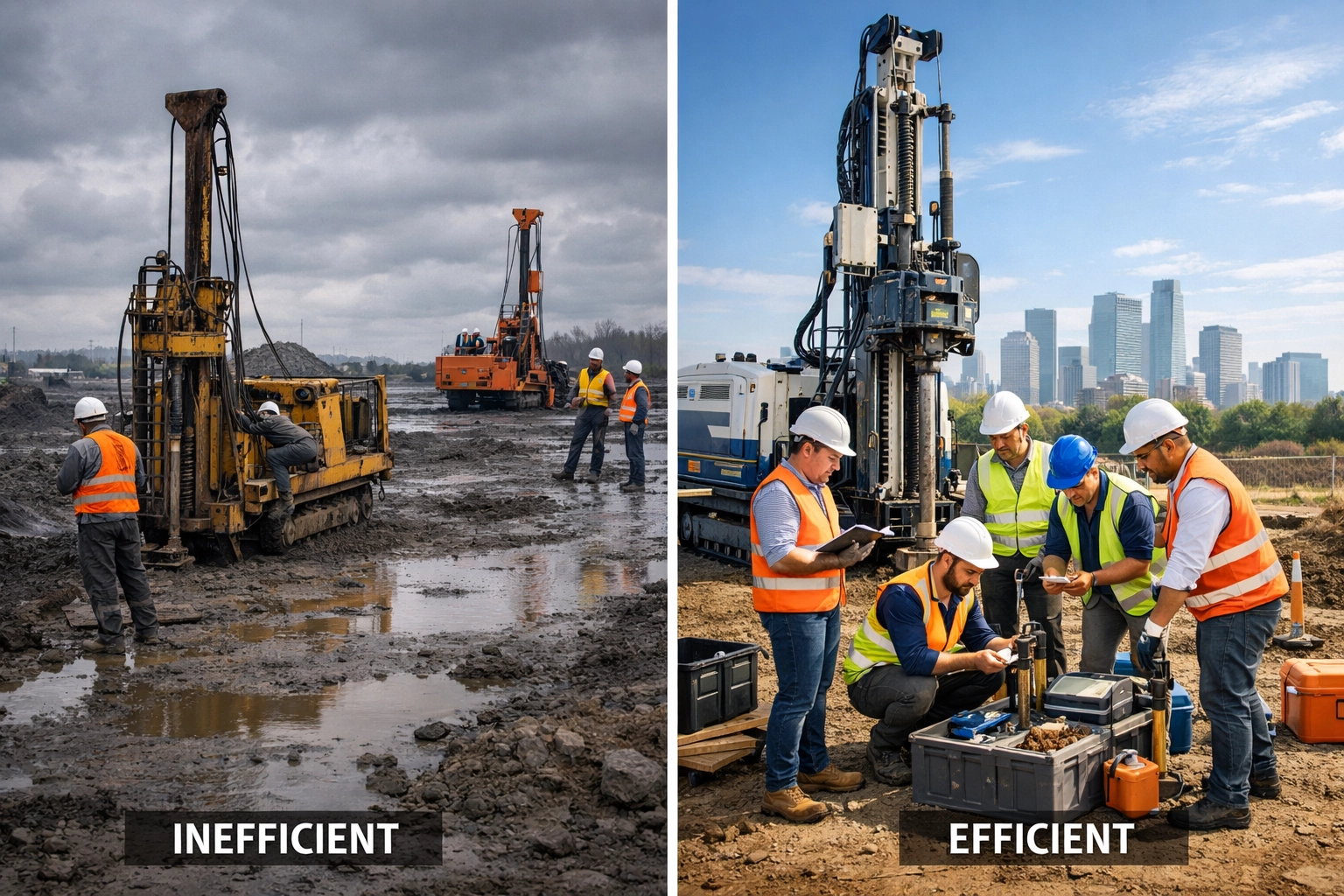
    Comparison of separate vs integrated site investigation showing efficiency gains

    The Value Engineering Advantage

    This is where the real savings kick in. Value engineering isn't just about cutting costs: it's about optimizing every dollar you spend to get maximum project value. And integrated site investigations are one of the highest-ROI moves you can make early in a project.

    Consider soil disposal. If your environmental team discovers contaminated fill but your geotech team already recommended over-excavation for structural reasons, you can kill two birds with one stone. Remove the contaminated soil, replace it with clean structural fill, and solve both problems in a single earthwork operation. That kind of coordination only happens when the same team is thinking about both issues from day one.

    Or take foundation design. If your geotech data shows marginal bearing capacity at shallow depths, but your environmental data reveals contamination in the upper three feet of soil, an integrated team can recommend deeper foundations that avoid both problems. No redesign. No change orders. Just a smart solution based on complete information.

    The numbers back this up: early, comprehensive site investigations reduce the likelihood of discovering environmental liabilities or geotechnical hazards mid-construction: which is exactly when those surprises cost the most. We're talking about change orders that can blow budgets by 20-30% and delays that push occupancy dates back by months.

    Real-World Applications Across the Metro

    In the NYC and northern New Jersey corridor, integrated site investigations aren't just a nice-to-have: they're becoming essential. Urban redevelopment sites are layered with complexity: historic fill contamination, tight site access, active utilities, and buildings on all sides. You can't afford to miss anything, and you definitely can't afford to mobilize heavy equipment twice.

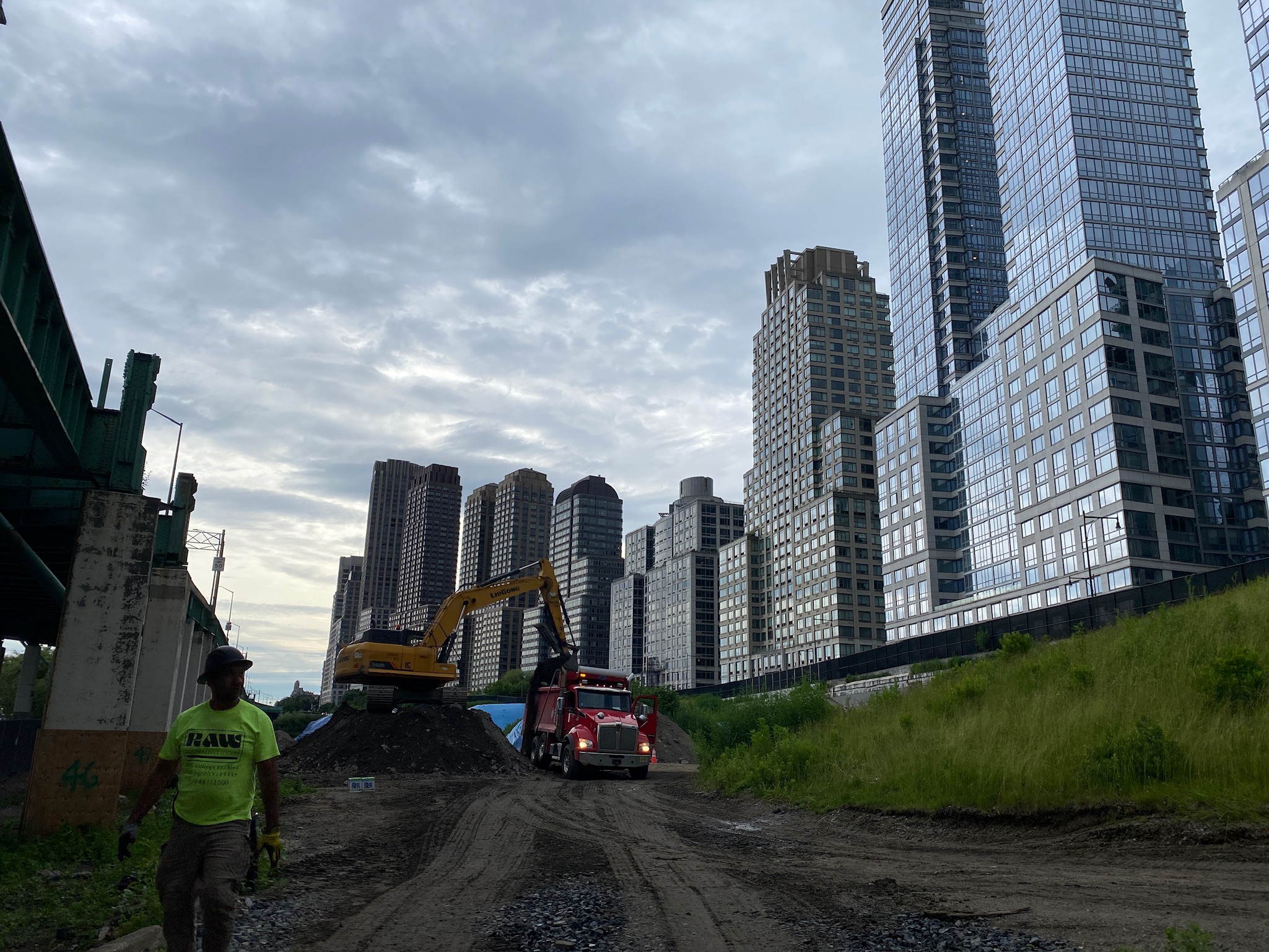
    Excavator Loading Soil at Urban Redevelopment Site

    Take a typical brownfield redevelopment in Hudson County. The site has 90 years of industrial history, questionable fill materials, and a mix of soil and groundwater contamination. An integrated investigation tackles everything at once:

    • Soil borings that collect both Standard Penetration Test (SPT) data for foundation design and environmental samples for lab analysis
    • Groundwater monitoring wells that assess both hydrostatic pressure (for basement design) and contaminant migration patterns
    • Unified reporting that feeds directly into both your structural engineer and your remediation strategy

    This approach doesn't just save time and money: it reduces risk. When your civil engineer and environmental consultant are literally looking at the same data from the same holes, there's no room for miscommunication or conflicting recommendations.

    Why Separate Investigations Create Hidden Costs

    Let's break down what happens when you don't integrate:

    Redundant site visits mean you're paying twice for traffic control, site safety plans, utility markouts, and project management oversight. In Manhattan, where lane closures require permits and coordination with NYCDOT, that's not trivial.

    Data gaps are almost inevitable when two teams work independently. Your geotech borings might miss the hotspot that your environmental consultant would have flagged. Your environmental samples might not extend deep enough to inform foundation design. Fixing those gaps later means remobilizing: see the problem?

    Conflicting recommendations slow down project approvals. If your geotech report says one thing and your Phase II ESA says another, your design team is stuck reconciling two sets of assumptions instead of moving forward with confidence.

    Regulatory complications multiply when environmental and structural issues intersect. If you're working with an LSRP in New Jersey or navigating NYC's E-Designation program, having a team that understands both the environmental compliance pathway and the civil engineering requirements is the difference between a smooth approval process and months of back-and-forth.

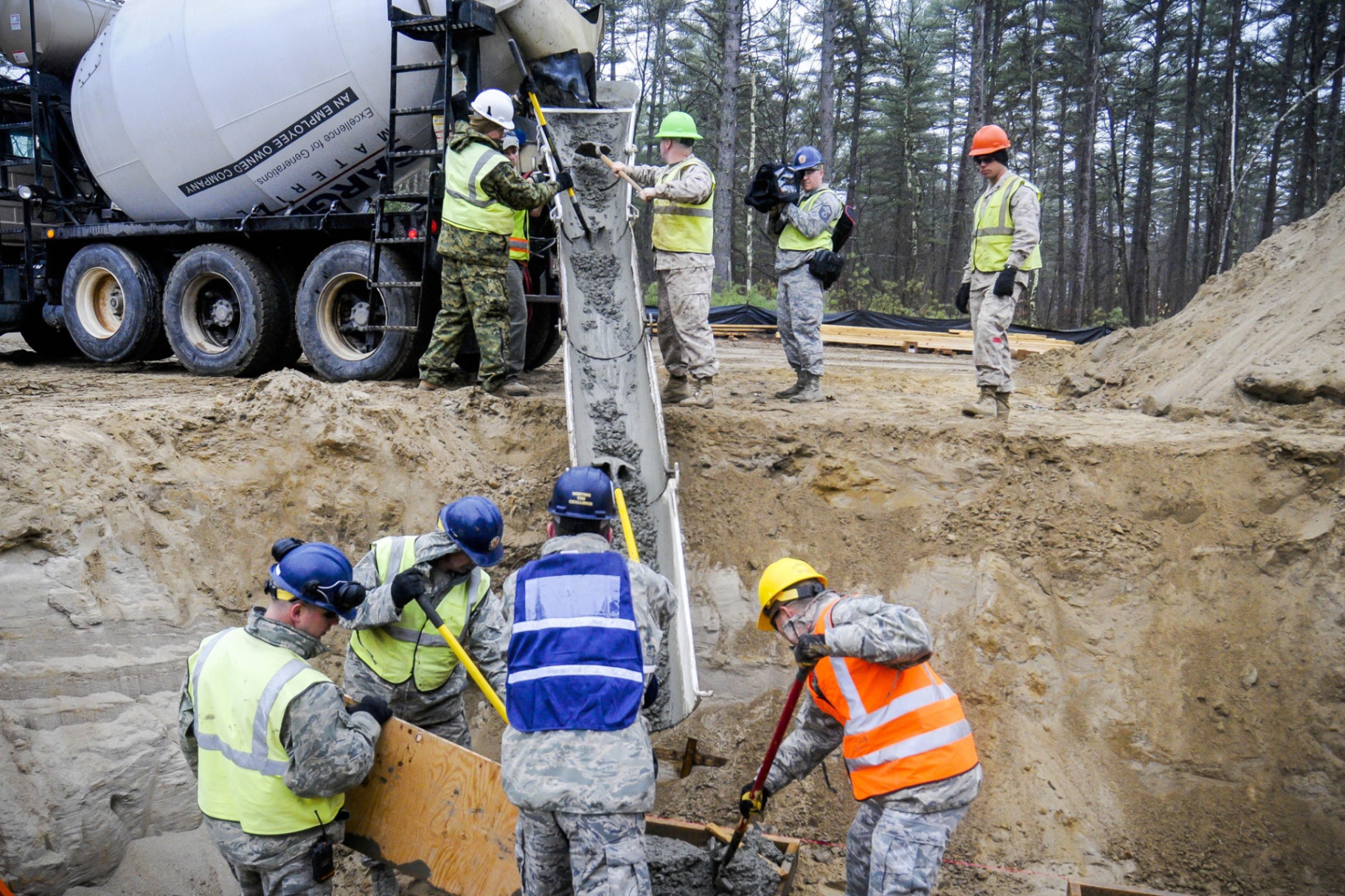
    Construction Crew Pouring Concrete

    The Bottom Line

    Integrating geotechnical and environmental site investigations isn't about doing more work: it's about doing the right work, once, with maximum efficiency. You get a complete picture of subsurface conditions. You avoid surprises that derail schedules and blow budgets. And you make better decisions earlier, when changes are cheap and easy instead of expensive and disruptive.

    This is exactly the kind of value engineering that separates successful projects from problem projects. It's why developers who've been burned by siloed investigations are increasingly looking for integrated engineering partners who can handle both sides of the subsurface equation.

    The next time you're scoping a site investigation, ask yourself: do you want two separate teams mobilizing at different times, producing disconnected reports, and leaving you to reconcile the gaps? Or do you want one coordinated effort that delivers complete data, faster timelines, and lower costs?

    The answer really is a no-brainer.

  • From Liability to Luxury: The 2026 Developer’s Playbook for NJ Brownfield Redevelopment

    From Liability to Luxury: The 2026 Developer’s Playbook for NJ Brownfield Redevelopment

    Every contaminated site tells two stories. The first is about what went wrong: decades of industrial use, petroleum spills, heavy metals leaching into soil. The second story? That's the one you write. And in 2026, New Jersey is handing developers the pen, the funding, and the regulatory framework to turn brownfield liabilities into landmark projects.

    The math has shifted. The risk profile has changed. The smart money isn't avoiding contaminated sites anymore: they're actively hunting for them. Here's why, and more importantly, how you position yourself to capitalize on what might be the most lucrative redevelopment window in a generation.

    Why 2026 is Your Moment

    New Jersey's brownfield incentive programs have been restructured, recapitalized, and turbocharged. Since 2023, the state has added 13 new Brownfield Development Areas across 10 communities: the first additions since 2009. That dormant decade is over. The NJDEP is approving, not just considering. Municipal partnerships are accelerating, not stalling.

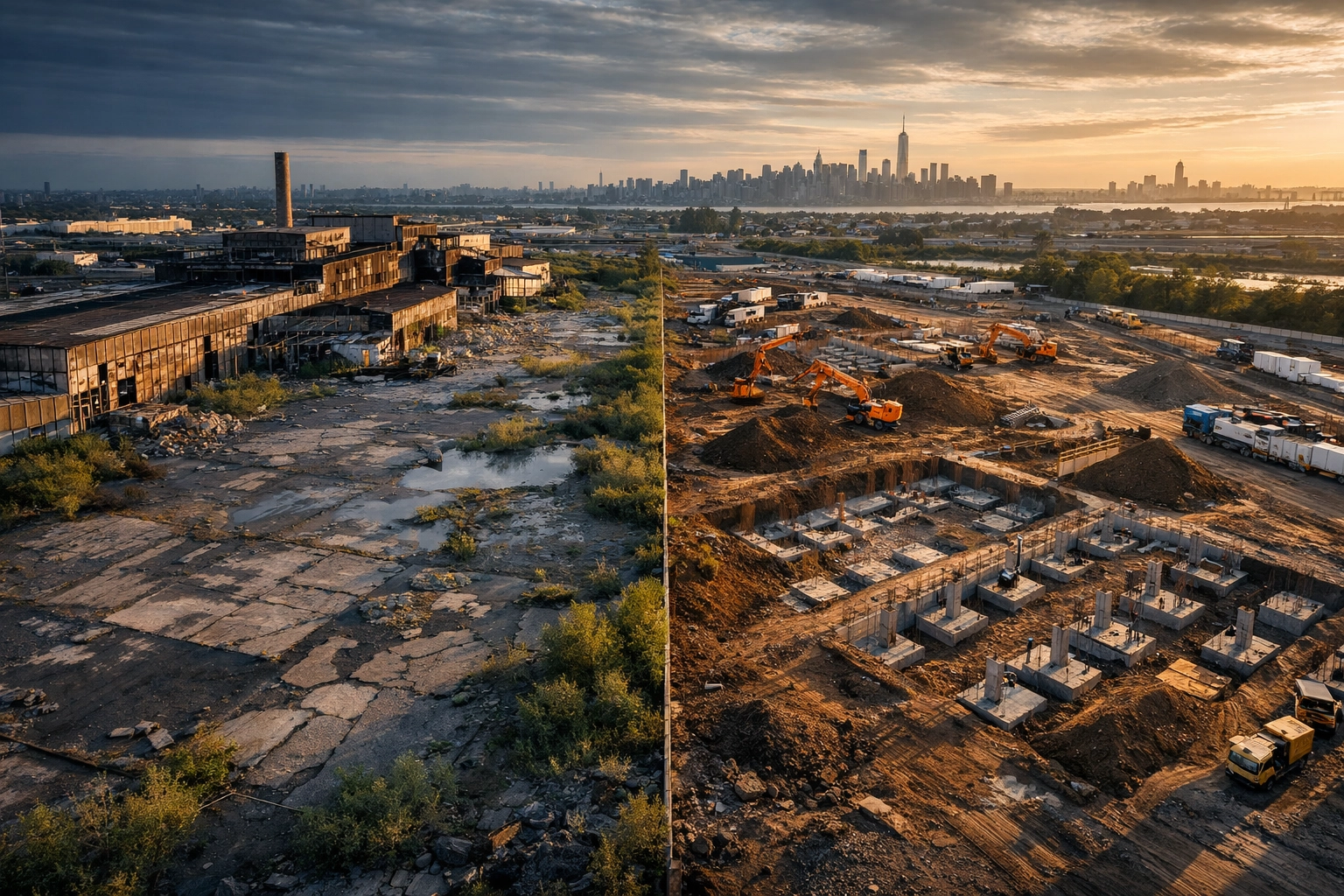
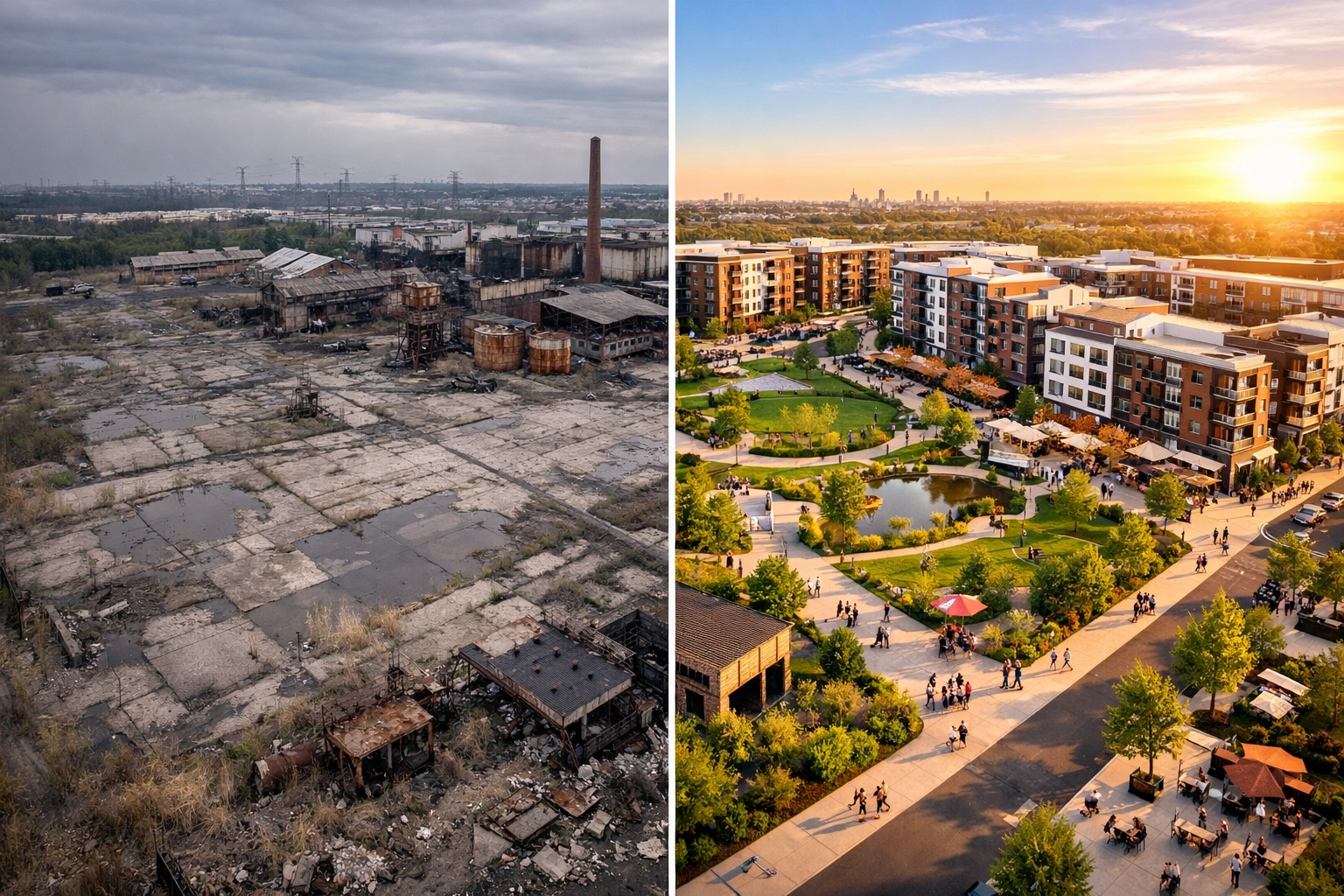
    Before and after aerial view of New Jersey brownfield site transformed into modern mixed-use development

    Three factors converge right now:

    Funding is substantial and available. The Brownfields Redevelopment Incentive Program (BRIP) allocates $50 million annually in transferable tax credits. The Hazardous Discharge Site Remediation Fund offers up to $5 million per municipality per year. The EPA's FY26 Multipurpose Grant Program adds another $20 million to the table. This isn't grant theater: this is real capital actively deployed to de-risk your projects.

    Legislative momentum is behind you. The September 2024 rule changes increased BRIP coverage to 80% of remediation costs in Government-Restricted Municipalities and Qualified Incentive Tracts, with maximum awards climbing to $12 million. For solar projects on closed sanitary landfills in these areas, coverage hits 100%. The political will exists to see these sites transformed.

    The market rewards vision over fear. Developers who understand environmental compliance as an integration strategy: not an obstacle: are closing deals their competitors won't touch. The Sayreville Waterfront BDA exemplifies this shift: a former National Lead site contaminated over decades is now a $2.5 billion mixed-use development with 1.3 million square feet of retail, 2 million square feet of commercial space, and 2,000 residential units including 300 affordable housing units.

    The Money is Real (And Transferable)

    Let's talk numbers, because this isn't theoretical. New Jersey's brownfield incentive architecture is designed to make your pro forma work.

    Brownfield Development Area (BDA) Grants provide remedial action matching grants covering up to 75% of cleanup costs across all site end uses. These aren't loans. They're grants. The state has distributed nearly $200 million through this program since 2003, and the 2026 allocation is live.

    BRIP Tax Credits are one-time, transferable credits covering environmental remediation, abatement, and demolition. Here's the strategic advantage: these credits can be sold for no less than 75% of face value for projects tied to Low Income Housing Tax Credits, or 85% for other projects. That transferability transforms an environmental liability into immediate liquidity.

    Your equity requirement is manageable: 20% developer contribution standard, dropping to 10% in GRMs and Qualified Incentive Tracts. For larger projects exceeding $5 million outside Atlantic City, Paterson, or Trenton, you'll need to demonstrate a project financing gap: but that gap is precisely what these programs are designed to close.

    Your Strategic Advantage: Integration

    Here's where most developers leave money on the table: they treat environmental remediation as a separate, sequential phase. Site assessment happens. Remediation happens. Then civil and site design happen. Three contracts. Three schedules. Three sets of delays.

    The integration play flips this model. When your environmental engineer and your civil engineer are coordinating from day one, you're not just saving time: you're fundamentally redesigning your risk profile and your budget.

    Consider soil management. Every cubic yard of contaminated soil you export costs money: often significant money in the NY/NJ metro. But if your environmental team and civil team are coordinating grading plans, stormwater management, and remediation targets simultaneously, you're identifying reuse opportunities that standard sequential approaches miss. Soil that would have been classified for offsite disposal becomes engineered fill for your parking structure. Groundwater monitoring wells are positioned to serve dual purposes for permanent site utilities.

    Engineering team reviewing brownfield remediation plans and site assessment documents in office

    This isn't theoretical optimization. This is how you shave 15-20% off your site preparation costs and compress your schedule by months. The NJDEP values this approach too: integrated remediation and redevelopment plans move faster through regulatory review because they demonstrate comprehensive site understanding.

    Making it Happen: Your Roadmap

    The pathway from contaminated site to certificate of occupancy follows a clear sequence, but success depends on execution precision at each stage.

    Secure BDA Designation: If your municipality hasn't already received Brownfield Development Area designation, this is step one. The designation unlocks both the HDSRF grants and establishes the NJDEP single point of contact who will shepherd your project through investigation, remediation, and redevelopment approvals. The Memorandum of Understanding between NJDEP, the municipality, and the BDA Steering Committee establishes this framework.

    Establish Your Eligibility: BRIP requires you to maintain good standing with three state agencies: NJDEP, Department of Labor and Workforce Development, and Department of the Treasury. Verify this status before you're deep into site acquisition. Additionally, confirm your access rights are airtight: "appropriate site access" is a non-negotiable program requirement.

    Demonstrate Reasonable Costs: Your remediation cost estimates need to withstand NJDEP scrutiny. This is where integrated engineering pays immediate dividends. When your Phase II ESA is designed with your civil engineer's grading and utility plans already in consideration, your remediation scope is defensible because it's tied directly to achievable redevelopment plans.

    Meet Green Standards: Both Green Remediation and Green Building Standards are mandatory. This isn't paperwork: it's design philosophy. Solar, geothermal, sustainable materials, LEED certification considerations: these elements need to be woven into your project vision from concept stage.

    Optimize Your Credits: For projects in GRMs or Qualified Incentive Tracts, you're accessing the enhanced 80% coverage tier. Make sure your site qualifies and your application emphasizes this status. For solar on closed landfills in these areas, the 100% coverage represents the single best risk-adjusted return in the brownfield universe right now.

    The Vision Forward

    The brownfield opportunity isn't just about cleaning up contamination: it's about rewriting the development economics of infill sites. Every former industrial property sitting vacant in Hudson County or Essex County or Camden County represents prime real estate in infrastructure-rich locations. The roads are there. The utilities are there. The transit access is there. The only thing missing is vision and the willingness to navigate environmental compliance strategically rather than defensively.

    New Jersey's 2026 incentive landscape removes the financial barriers that historically made these projects pencil poorly. When you can access grants covering 75% of remediation costs, transferable tax credits worth 60-80% of your environmental spend, and compress your timeline through integrated engineering, the pro forma shifts dramatically.

    The contaminated sites you're looking at today become the signature projects you're leasing or selling five years from now. The developer who sees liability is competing with the developer who sees luxury. The developer who treats environmental compliance as a cost center is competing with the developer who treats it as a strategic integration opportunity.

    That contaminated acre in downtown Paterson or along the Passaic River waterfront or in the heart of Jersey City? That's not a problem property. That's a $2.5 billion Sayreville story waiting to be written. The question isn't whether New Jersey's brownfield sites will be redeveloped: the funding, the regulatory framework, and the market demand guarantee they will be. The question is whether you'll be the one writing that next success story.

    The programs are live. The money is allocated. The regulatory pathway is established. What's your next move?


    Ready to explore brownfield opportunities in your target market? The Envicon team integrates environmental site assessment, remediation strategy, and civil engineering to transform contaminated sites into fundable, approvable projects. Let's talk about what you're looking at and how we make it work.

  • Avoiding the ‘Hold’ Letter: 5 Reasons Your NYC E-Designation Filings are Getting Rejected

    Avoiding the ‘Hold’ Letter: 5 Reasons Your NYC E-Designation Filings are Getting Rejected

    If you've ever received a "hold" letter from NYC's Office of Environmental Remediation (OER), you know the sinking feeling. Your project timeline just stretched by weeks: maybe months. Your financing is in limbo. And somewhere in the stack of paperwork, a detail got missed that's now costing you real money.

    Here's the thing: E-Designation filings aren't rejected because OER is being difficult. They're rejected because the submission didn't meet very specific technical and administrative requirements that the agency has established through years of case precedent. The good news? Most rejections follow predictable patterns.

    After shepherding dozens of E-Designation projects through the EPIC Environment portal, we've identified the five most common reasons filings get bounced back: and more importantly, how to get them right the first time.

    1. Your Environmental Professional Credentials Aren't Properly Documented

    OER requires that all investigation reports, remedial designs, and certifications be prepared and sealed by a New York State licensed Professional Engineer (PE). Sounds simple, right? Yet we see filings rejected because:

    • The PE stamp on the report doesn't match the credentials filed with the state
    • The engineer's license has expired or is in "renewal pending" status
    • Multiple consultants contributed sections, but the coordinating PE didn't review or seal certain appendices
    • The AKRF (Applicant's Qualified Environmental Professional) designation form wasn't submitted or contains outdated insurance information

    The fix: Before you even start your soil investigation, verify your environmental consultant's PE credentials are active and current in New York State. Request copies of their E&O insurance certificates and confirm they're filed correctly in EPIC. Double-check that every technical document: including boring logs, lab reports, and remedial work plans: bears the proper stamp and matches the designated AKRF on file.

    Engineers reviewing NYC E-Designation documents with PE stamps and building permits

    2. Your Construction Health and Safety Plan (CHASP) Is Generic

    This is the most frequent reason for hold letters we encounter. Many firms submit boilerplate CHASPs that were clearly copy-pasted from previous projects. OER reviewers can spot these in seconds because they contain:

    • Site addresses that don't match the project location
    • Contaminant lists that don't align with the Phase II findings
    • Generic monitoring protocols that don't address site-specific E-Designation requirements (air quality, noise, or hazardous materials)
    • Missing or outdated emergency contact information
    • No clear delineation of remedial action areas versus non-impacted construction zones

    OER's position is clear: your CHASP must be a living, site-specific document that protects workers and the public based on your actual soil and groundwater data. If your Phase II found petroleum contamination and lead, but your CHASP only addresses VOCs, you're getting a hold letter.

    The fix: Your CHASP should be written after: not before: you have complete site characterization. It must include:

    • Site-specific health and safety protocols tied directly to detected contaminants
    • Real-time air monitoring protocols that reference your E-Designation requirements
    • Clear stop-work triggers based on field screening criteria
    • Contact information for your site-specific personnel (not your corporate office in another state)
    • Detailed maps showing contaminated zones, exclusion areas, and decontamination stations

    We typically develop the CHASP in parallel with the Remedial Action Plan (RAP), ensuring they're technically and administratively aligned before submission.

    3. You Didn't Adequately Characterize Off-Site Impacts

    E-Designation properties often have contamination that extends beyond property lines: into adjacent lots, beneath sidewalks, or toward nearby waterways. OER wants to see that you've evaluated these scenarios and have a plan to address them.

    Filings get rejected when:

    • Soil borings stop at the property line, even when contaminant gradients suggest off-site migration
    • Groundwater flow direction isn't properly established
    • There's no discussion of vapor intrusion risk to neighboring buildings
    • The remedial design assumes contamination is contained, but no physical barrier (like a subslab depressurization system) is proposed

    The fix: During your Phase II, extend your investigation grid to include borings along property boundaries and, where access allows, test adjacent properties. Document groundwater gradients with multiple rounds of monitoring. If off-site impacts are likely, include a contingency plan in your RAP: whether that's additional excavation, institutional controls, or coordination with neighboring property owners.

    OER would rather see a conservative approach that acknowledges uncertainty than an overly optimistic plan that ignores obvious data gaps.

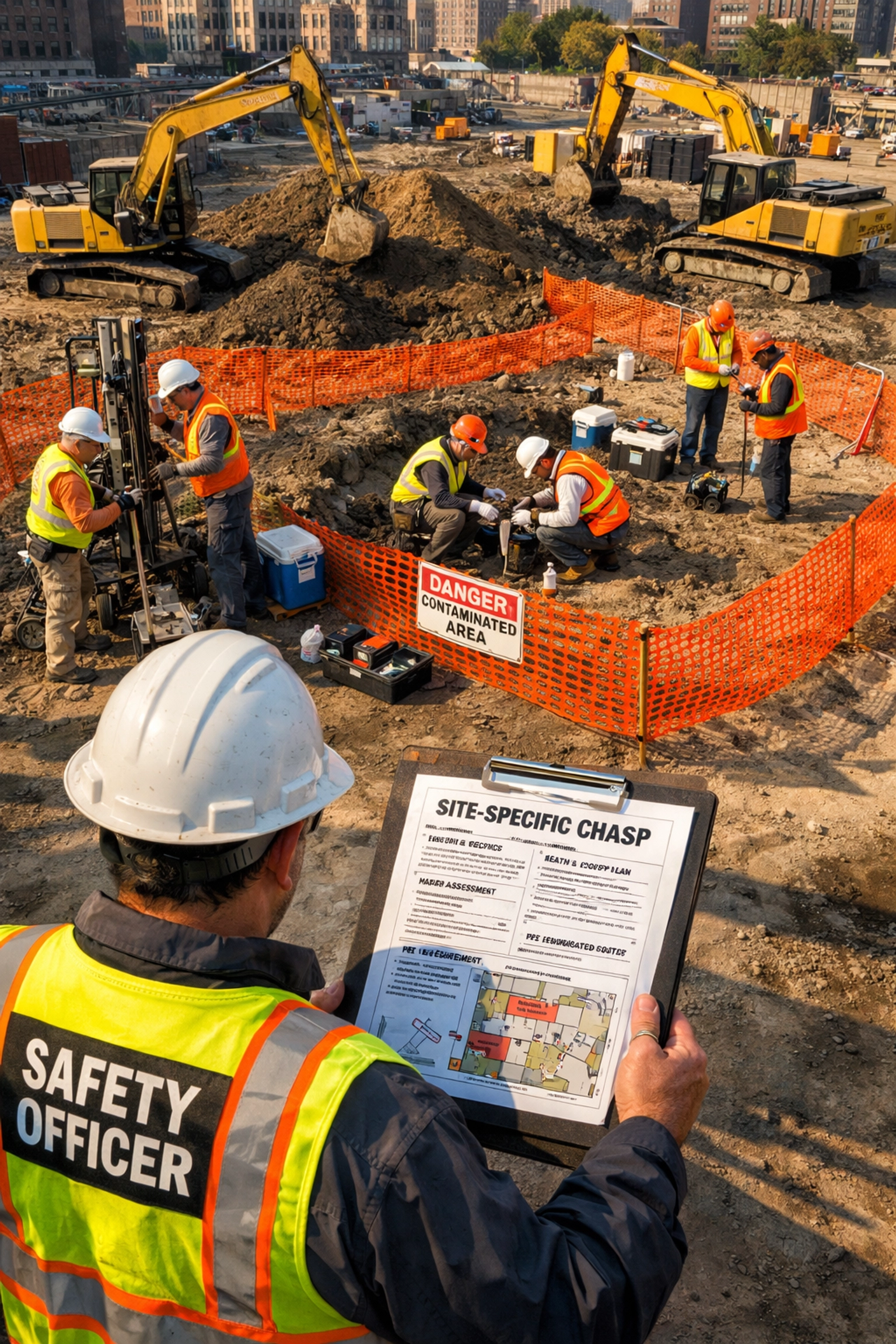
    NYC construction site with environmental monitoring and CHASP safety protocols in action

    4. Your Remedial Action Plan Lacks Engineering Details

    Here's where a lot of environmental consultants stumble: they submit a conceptual RAP that describes what will be done, but not how it will be done with sufficient engineering rigor. OER reviewers are looking for construction-level details, not aspirational narratives.

    Common deficiencies include:

    • No excavation depth calculations or volume estimates tied to analytical data
    • Vague language like "contaminated soil will be removed" without specifying removal limits, confirmation sampling protocols, or disposal facility approvals
    • Missing details on site restoration, backfill material specifications, or compaction requirements
    • No discussion of dewatering needs or groundwater management during excavation
    • Insufficient engineering controls for ongoing operations (e.g., vapor barriers, landscaping caps)

    The fix: Treat your RAP like a construction document. Include:

    • Scaled site plans showing excavation limits with coordinates
    • Cross-sections illustrating excavation depths relative to contamination isopleths
    • Confirmation sampling grids with rationale for sample density
    • Detailed specifications for any engineered controls (e.g., vapor barrier thickness, permeability)
    • Contingency protocols if field conditions differ from predictions

    If your project involves civil engineering components: grading, utilities, stormwater management: integrating those designs with your environmental remediation from the outset prevents conflicts and ensures OER sees a holistic, feasible plan. This is where Envicon's integrated civil and environmental approach eliminates the back-and-forth between disciplines that often causes delays.

    5. You Submitted Incomplete or Inconsistent Documentation

    This sounds basic, but it's remarkably common: OER receives packages where documents contradict each other, references are missing, or key forms aren't completed.

    Examples we've seen:

    • The Phase II report lists 12 soil samples, but only 10 lab reports are included in the appendix
    • The remedial budget estimate doesn't align with the scope of work described in the RAP
    • The E-Designation (E) designation requires air quality monitoring, but the CHASP and RAP don't mention it
    • Cross-references to "Attachment C" that doesn't exist
    • Certifications submitted without proper notarization or witnessing

    The fix: Before you hit "submit" in EPIC, conduct an internal QA/QC review. We use a standardized checklist that verifies:

    • Every sample referenced in the report has a corresponding lab report and chain-of-custody
    • All appendices, tables, and figures are present and correctly numbered
    • Engineering calculations are shown (not just stated)
    • E-Designation requirements from the original BIS are explicitly addressed in your plan
    • All forms are complete, signed, sealed, and dated

    It's also helpful to have someone who didn't write the documents review them. Fresh eyes catch inconsistencies that the author overlooks.

    Why Expertise Matters: The Cost of Delay

    Let's be honest: every week your project is on hold costs money. Carrying costs, financing extensions, contractor delays: it adds up fast. But beyond the direct costs, there's a reputational risk. Lenders and investors start questioning your team's competence when filings get bounced repeatedly.

    This is where working with a firm that has deep NYC OER experience pays dividends. At Envicon Strategic Solutions, we've navigated the E-Designation process across dozens of projects: from luxury residential conversions to industrial redevelopments. We know what OER reviewers are looking for because we've been on both sides of the table.

    Our integrated approach means your environmental investigation, remedial design, and civil engineering plans are coordinated from day one. There's no "handoff" between consultants that creates information gaps. No conflicting grading plans that undermine your soil management strategy. No surprises when it's time to excavate because we designed your foundation to accommodate the remediation.

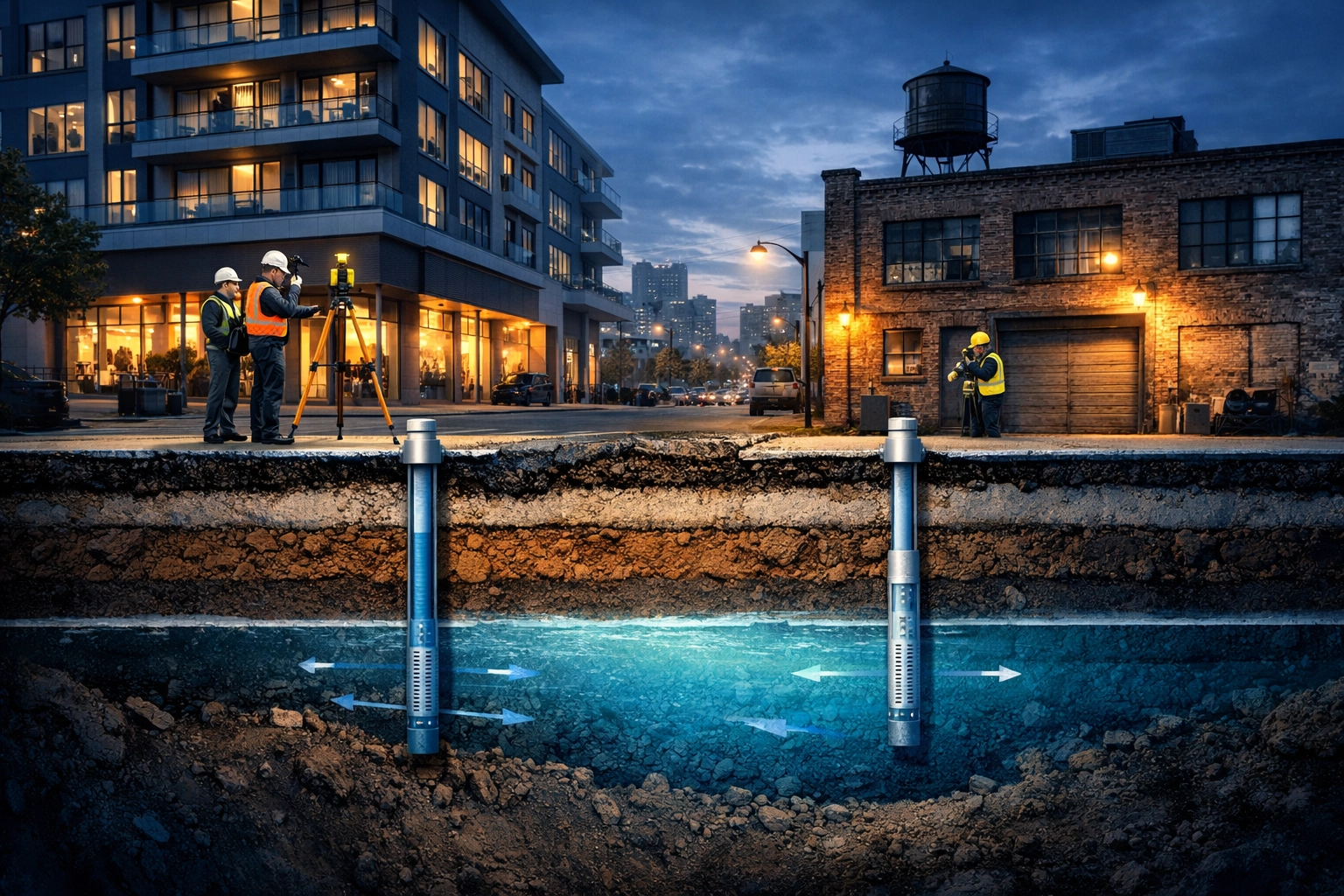
    Cross-section view of NYC property showing subsurface soil layers and groundwater monitoring wells

    Getting It Right the First Time

    Avoiding a hold letter isn't about luck: it's about preparation, attention to detail, and understanding what OER needs to approve your project. The five reasons we've outlined here account for the vast majority of rejections we see in the field:

    • Credential issues with your environmental professional
    • Generic, non-site-specific CHASP documents
    • Inadequate characterization of off-site impacts
    • Insufficient engineering detail in your remedial plan
    • Incomplete or inconsistent documentation packages

    Fix these, and you're in the top tier of submissions that sail through OER review with minimal comments.

    If you're staring at an E-Designation project and want to avoid the hold letter cycle entirely, let's talk. Our team has the technical depth and regulatory experience to get your filings approved the first time: so you can break ground on schedule and on budget.

    Need help navigating your E-Designation project? Contact our team for a consultation. We'll review your site conditions, help you develop a bulletproof filing strategy, and keep your project moving forward.

  • NYC's E-Designation Digital Makeover: How the New EPIC Portal Changes Your Compliance Game

    NYC's E-Designation Digital Makeover: How the New EPIC Portal Changes Your Compliance Game

    New York City just made E-Designation compliance significantly less painful. The Office of Environmental Remediation's new EPIC portal represents the biggest shift in how we handle environmental restrictions since the program launched in 1988. If you're still navigating E-Designations the old way, you're burning time and money your competition isn't.

    After decades of paper trails, scattered databases, and phone tag with OER staff, NYC finally centralized everything into a single digital platform. This isn't just a website upgrade: it's a fundamental change in how environmental due diligence gets done in the five boroughs.

    The Old E-Designation Dance (And Why It Sucked)

    Before EPIC, tracking E-Designations felt like archaeological research. You'd start with the Department of Buildings database, cross-reference with OER records, hunt down decades-old environmental reports, and hope you didn't miss anything. One missed E-Designation could derail a $50 million project.

    image_1

    The traditional workflow looked like this:

    • Manual searches across multiple city databases
    • Phone calls and emails to verify restriction status
    • Physical document requests for historical reports
    • Weeks waiting for responses during due diligence periods
    • Last-minute discoveries that killed deals or triggered expensive delays

    We've seen developers lose entire acquisition windows because they couldn't get clear answers on environmental restrictions fast enough. In Manhattan's competitive real estate market, that delay often meant the difference between profit and walking away.

    What EPIC Actually Changes

    The Environment Portal for Information and Compliance (EPIC) consolidates what used to be scattered across a dozen different touchpoints. Instead of calling three different OER divisions and waiting for callbacks, you log into one system.

    Here's what's new:

    Unified Property Search: The E and RD Property Search tool gives you instant access to environmental restrictions and restrictive declarations for any NYC property. No more guessing whether that Tribeca lot has soil vapor restrictions from a 1995 gas station.

    Document Central: All environmental reports, sampling data, and compliance documentation live in one digital library. Previous remediation reports that took weeks to obtain are now available instantly.

    Application Streamlining: New environmental applications and compliance updates get submitted through standardized digital forms. The days of mailing paper applications and wondering if they arrived are over.

    Real-Time Status Updates: Project status, review timelines, and approval notifications happen automatically. You know where your application stands without playing phone tag.

    The Numbers That Matter

    For environmental consultants and developers, EPIC translates into measurable time savings:

    • Property research that took 2-3 weeks now happens in hours
    • Document requests that required 10-15 business days are instant
    • Application status updates happen automatically instead of requiring follow-up calls
    • Compliance tracking becomes proactive instead of reactive

    These aren't minor improvements: they're workflow transformations that directly impact project timelines and costs.

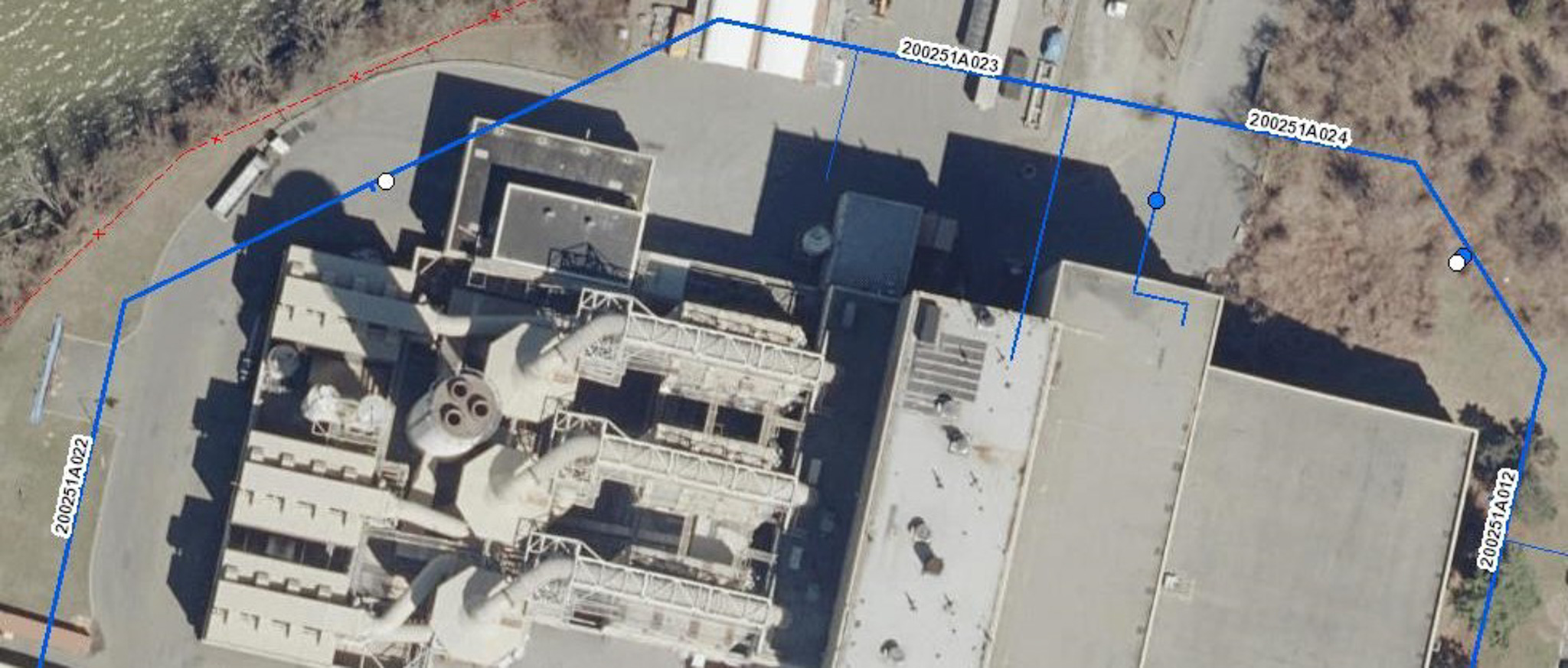
    Aerial Site Map with Facility Layout and Monitoring Points

    How Different Players Win

    Real Estate Developers: Due diligence periods just got more predictable. You can verify environmental restrictions, access historical reports, and understand compliance requirements during the letter of intent stage instead of after contract signing.

    Environmental Consultants: Client turnaround expectations just changed permanently. The excuse "we're waiting to hear back from OER" no longer flies when clients know the information is available digitally.

    Property Lawyers: Title examinations become more comprehensive. Environmental restrictions that previously required separate research streams now integrate into standard due diligence protocols.

    Lenders: Environmental risk assessment improves dramatically. Loan officers can verify compliance status and access supporting documentation without extending review periods.

    Adapting Your Workflow

    The firms winning with EPIC are the ones redesigning their processes around instant information access. Here's how we're advising clients to adapt:

    Phase I ESA Updates: Include real-time EPIC searches in every environmental assessment. Historical research that used to be a separate work task now happens during the initial site visit.

    Due Diligence Acceleration: Front-load environmental restriction research during preliminary negotiations. Use EPIC data to identify potential issues before they become deal-killers.

    Compliance Monitoring: Set up systematic EPIC reviews for ongoing projects. Environmental compliance moves from reactive crisis management to proactive monitoring.

    Client Communication: Update service timelines and deliverable schedules to reflect digital access. Clients expect faster turnaround when they know the data is available instantly.

    image_2

    The Compliance Reality Check

    EPIC doesn't eliminate E-Designation complexity: it makes that complexity more visible and manageable. Environmental restrictions still require technical expertise to interpret and navigate. Soil vapor mitigation systems still need proper design and installation. Groundwater monitoring still requires qualified professionals.

    What changes is the speed and accuracy of information access. The environmental challenges remain the same, but your ability to identify, understand, and address them improves dramatically.

    Consider a recent project in Long Island City where subsurface vapor intrusion restrictions required active mitigation systems. Previously, understanding the specific requirements would have involved multiple calls, document requests, and site visits to piece together the regulatory history. With EPIC, the entire restriction framework, historical documentation, and compliance requirements were clear within hours.

    Strategic Implications

    The firms that adapt quickly to EPIC's capabilities gain competitive advantages that compound over time. Faster due diligence means more opportunities to evaluate potential projects. Better compliance tracking reduces regulatory surprises. Improved client communication builds stronger relationships.

    We're already seeing the market respond. Developers are shortening due diligence periods, knowing environmental research happens faster. Lenders are requesting more comprehensive environmental documentation, knowing consultants can provide it without extended timelines.

    The environmental consulting landscape in NYC just shifted toward firms that can leverage digital tools effectively while maintaining technical expertise for complex environmental challenges.

    Modern Urban Skyline at Dusk

    Beyond the Portal

    EPIC represents more than workflow improvement: it signals NYC's commitment to streamlining environmental compliance while maintaining protective standards. The city recognizes that cumbersome bureaucracy doesn't improve environmental outcomes; clear, accessible information does.

    This digital transformation also sets expectations for how other regulatory agencies will modernize. The Department of Environmental Protection, the Department of Buildings, and other city agencies are watching EPIC's success closely.

    For environmental professionals, EPIC validates the importance of staying current with regulatory technology. The firms that embrace digital tools while maintaining technical competence will lead the industry forward.

    At Envicon Strategic Solutions, we're integrating EPIC capabilities into all our NYC environmental assessments. Our clients expect us to leverage every available tool to deliver faster, more accurate environmental due diligence.

    The E-Designation compliance game just changed permanently. The question isn't whether to adapt to EPIC: it's how quickly you can integrate its capabilities into your workflow to serve clients better than your competition.

    Environmental compliance in NYC just got faster, clearer, and more predictable. The firms that recognize this shift and adapt accordingly will be the ones winning projects and building client relationships in 2026 and beyond.

  • The Problem with 'Big Box' Environmental Firms: Why Local NYC Expertise Wins

    The Problem with 'Big Box' Environmental Firms: Why Local NYC Expertise Wins

    You've been there. Your Phase I ESA comes back from a national firm, and it reads like it could have been written for a site in Phoenix or Portland. The boilerplate language is immaculate. The formatting is pristine. And it completely misses the fact that your Brooklyn property sits 200 feet from a former manufactured gas plant that any local consultant would have flagged in the first five minutes.

    This is the "big box" problem in environmental consulting, and it's costing NYC developers time, money, and deals.

    The Allure of the Big Name (And Why It Backfires)

    We get it. When you're closing a $40 million acquisition, there's a certain comfort in hiring a firm with offices in 47 countries and a logo you recognize from industry conferences. The assumption is that bigger means better, more resources, more expertise, more firepower.

    But here's what actually happens on the ground in New York City:

    • Your project gets assigned to a junior associate in a regional office who's never walked past an E-Designation site
    • Reports get routed through multiple review layers, adding weeks to your timeline
    • Local regulatory nuances get missed because the firm's SOPs were written for a national audience
    • You become a small fish in a very large pond, competing for attention with Fortune 500 clients

    The consulting industry has been criticized for creating what some analysts call "permanent client dependency", billing models that prioritize hours over outcomes. When you're working with a firm that treats NYC as just another pin on their national map, you're paying for that overhead without getting the specialized knowledge you actually need.

    Urban Corridor Site Assessment

    NYC Isn't Just Another Market, It's a Different Animal

    Let's be direct: environmental due diligence in New York City operates under a regulatory framework that doesn't exist anywhere else in the country.

    You've got the NYC Office of Environmental Remediation (OER) running the E-Designation program. You've got NYSDEC overseeing Brownfield Cleanup Programs with Part 375 soil cleanup objectives. You've got the DEP managing everything from air quality permits to sewer connections. And you've got local community boards, landmarks commissions, and a dozen other stakeholders who can derail your project if you don't know how to navigate them.

    A national firm might have environmental expertise. But do they know that OER's review timelines have shifted dramatically over the past 18 months? Do they have a direct line to the project manager handling your E-Designation clearance? Do they understand why your Manhattan Phase II needs a different sampling strategy than your Newark industrial site?

    "In this business, relationships aren't a nice-to-have, they're the difference between a 60-day approval and a 6-month delay."

    That's the local advantage in a nutshell.

    The Hidden Cost of Generic Reports

    Here's a scenario we see constantly: A developer hires a big-box firm for a Phase I ESA. The report comes back "clean" with no recognized environmental conditions. The deal closes. Then, six months into construction, the contractor hits contaminated soil that anyone familiar with the neighborhood's industrial history would have anticipated.

    Suddenly you're looking at:

    • Emergency remediation costs that weren't in your budget
    • Construction delays that blow your financing timeline
    • Regulatory scrutiny that could have been avoided with proper upfront due diligence

    The report wasn't technically wrong, it followed ASTM standards to the letter. But it lacked the institutional knowledge that comes from working in these neighborhoods for decades. It didn't flag the dry cleaner that operated two doors down in the 1970s. It didn't mention the underground storage tank database discrepancy that's common in that part of Queens.

    Generic reports create generic outcomes. And in NYC real estate, generic can be catastrophic.

    Brownfield Urban Buildings Cluster

    What Local Expertise Actually Looks Like

    When we work on a project in the Bronx, we're not starting from scratch. We've been in those neighborhoods. We know which blocks have legacy contamination from former industrial operations. We know which agency contacts respond quickly and which ones require a different approach.

    Local expertise manifests in ways that don't show up on a capabilities brochure:

    • Regulatory relationships: Years of working with NYSDEC and OER means we understand how to present findings in a way that facilitates approval rather than triggering additional scrutiny
    • Historical knowledge: We've reviewed thousands of Sanborn maps, city directories, and environmental databases specific to the five boroughs and northern New Jersey
    • Realistic timelines: We can tell you, honestly: whether your E-Designation clearance is going to take 90 days or 9 months, and what you can do to influence that timeline
    • Integrated problem-solving: When your environmental assessment reveals issues that impact your civil design, we're solving both problems simultaneously rather than passing you to another department

    This isn't about being small for the sake of being small. It's about being specialized in a market that punishes generalists.

    The Integration Advantage Nobody Talks About

    Here's something the big-box firms don't want you to think about: when your environmental consultant and your civil engineer are different companies: or worse, different departments that don't communicate: you're paying for inefficiency.

    Your contaminated soil needs to go somewhere. Your stormwater management plan needs to account for remediation infrastructure. Your foundation design needs to consider what's underneath it. These aren't separate problems. They're interconnected challenges that require integrated solutions.

    Active Urban Construction Site

    At Envicon, we've built our practice around this integration. When we're doing compliance and permitting work, we're already thinking about how the remediation will impact the civil design. When we're designing stormwater systems, we're accounting for the environmental constraints we identified in the assessment phase.

    Our work on the SW Brooklyn Marine Transfer Station and the Fresh Kills Landfill project demonstrated exactly this kind of integrated approach: environmental and civil engineering working as a single solution rather than parallel workstreams that occasionally intersect.

    The result? Faster timelines, fewer change orders, and projects that actually close on schedule.

    When Big Makes Sense (And When It Doesn't)

    We're not saying national firms have no place in the market. If you're a multinational corporation with facilities across 30 states and you need consistency in your environmental compliance program, a big-box firm might make sense.

    But if you're a developer working on a Hoboken mixed-use project, an investor acquiring industrial properties in Staten Island, or a municipality managing brownfield redevelopment: you need a partner who understands your specific market, your specific challenges, and your specific path to approval.

    "The best environmental consultant isn't the one with the most offices. It's the one who knows your site before they've even seen it."

    Modern Multi-Family Residential Development - Brownfield Redevelopment

    The Bottom Line

    Big-box environmental firms aren't bad at what they do. They're just optimized for a different kind of client: one that values brand recognition over local knowledge, and standardization over specialization.

    In NYC and northern New Jersey, the environmental consulting game rewards something different: deep local expertise, regulatory relationships built over years, and the ability to integrate environmental and civil solutions into a single, efficient workflow.

    That's not a capability you can buy by acquiring smaller firms or opening a satellite office. It's built through decades of work in these specific neighborhoods, on these specific project types, with these specific agencies.

    When your deal timeline depends on getting it right the first time, the question isn't whether you can afford boutique expertise. It's whether you can afford to go without it.

    Ready to work with a team that actually knows your market? Let's talk about your next project.

  • New Jersey Brownfield Redevelopment: 5 Strategies to Maximize Your 2026 Tax Credits

    New Jersey Brownfield Redevelopment: 5 Strategies to Maximize Your 2026 Tax Credits

    New Jersey's Brownfields Redevelopment Incentive Program isn't just another state subsidy: it's one of the most aggressive tax credit programs in the Northeast for developers willing to tackle contaminated sites. We're talking about awards covering up to 100% of your remediation costs, with maximum credits reaching $12 million per project.

    But here's the catch: most developers leave significant money on the table because they don't understand how to position their projects strategically from day one.

    At Envicon Strategic Solutions, we've guided dozens of brownfield projects through the NJDEP process. The difference between a good tax credit award and a great one often comes down to decisions made before the first Phase I ESA is even ordered. Here are five strategies to maximize your 2026 tax credit potential.

    Strategy 1: Target Government-Restricted Municipalities and Qualified Incentive Tracts

    Location isn't just about market fundamentals anymore: it's about incentive geography.

    Projects located in Government-Restricted Municipalities (GRMs) like Atlantic City, Paterson, and Trenton, or within Qualified Incentive Tracts (QITs), receive dramatically better terms under the Brownfields Redevelopment Incentive Program:

    • 80% of remediation costs covered (up to $12 million) vs. 60% (up to $8 million) elsewhere
    • Only 10% developer equity contribution required vs. 20% in non-designated areas
    • Simplified qualification for projects under $5 million

    For developers evaluating multiple acquisition targets, this math should influence your site selection process. A $10 million remediation project in Paterson could yield $8 million in tax credits. That same project in a non-GRM location? You're looking at $6 million: a $2 million swing based purely on geography.

    We've seen clients pivot their entire acquisition strategy once they understand these incentive zones. If you're targeting urban infill sites in northern or central New Jersey, cross-reference your target list against the current QIT designations before you commit capital.

    Industrial Redevelopment Site Aerial

    Strategy 2: Consider Solar Development on Closed Sanitary Landfills

    This is the program's hidden gem, and surprisingly few developers are taking advantage of it.

    If your brownfield site is a closed sanitary landfill and you incorporate a solar panel array into your redevelopment plan, you qualify for the program's maximum award: 100% of remediation costs covered.

    • Projects in GRMs or QITs: up to $12 million
    • Projects elsewhere in New Jersey: up to $8 million

    Closed landfills are notoriously difficult to redevelop for traditional uses due to settlement issues, cap integrity requirements, and ongoing gas management. But they're often ideally suited for solar installations: large, flat, and typically located in areas with good grid access.

    The economics work on multiple levels: you're monetizing an otherwise challenging asset, generating renewable energy revenue, and capturing the maximum possible tax credit. For municipalities or private landowners sitting on closed landfill liability, this combination can transform a balance sheet burden into a performing asset.

    "The brownfield tax credit program rewards developers who align their projects with the state's broader economic and environmental goals. Solar on landfills checks every box."

    Strategy 3: Establish Project Financing That Demonstrates Economic Infeasibility

    Here's where many developers stumble: the "financing gap" requirement.

    For projects exceeding $5 million in remediation costs located outside Atlantic City, Paterson, or Trenton, you must demonstrate that your project would not proceed without the tax credit. Projects under $5 million or in those targeted cities bypass this requirement entirely.

    This isn't about appearing desperate: it's about presenting accurate pro forma financials that reflect the true cost burden of environmental remediation. The NJEDA wants to see that:

    • Remediation costs create a legitimate gap between project costs and market-supportable returns
    • The tax credit bridges that gap to make the project financially viable
    • Your financing structure is competitive and realistic

    Work with your environmental consultant and financial advisors to model scenarios early. We've helped clients restructure their capital stacks specifically to meet this threshold: not through manipulation, but by accurately capturing costs that might otherwise be buried in contingency line items.

    Brownfield Redevelopment Aerial View

    Strategy 4: Leverage Transferable Tax Credits for Immediate Liquidity

    Not every developer has sufficient New Jersey tax liability to use credits directly. The program anticipated this.

    Tax credits awarded through the Brownfields Redevelopment Incentive Program are fully transferable. You can sell them to other taxpayers at:

    • 75% minimum for projects with Low Income Housing Tax Credits (LIHTC)
    • 85% minimum for all other projects

    This creates immediate liquidity. If you're awarded $5 million in tax credits but have minimal NJ tax exposure, you can sell those credits for $4.25 million (at the 85% floor) and deploy that capital back into your project or your next acquisition.

    The tax credit transfer market in New Jersey is active, with established buyers including banks, insurance companies, and corporations with significant state tax liability. Your financial advisor or a specialized tax credit broker can facilitate these transactions, typically closing within 60-90 days of credit certification.

    For developers running multiple projects simultaneously, this transferability feature enables a velocity of capital that wouldn't otherwise be possible.

    Strategy 5: Build Green Remediation Standards Into Your Project From Day One

    Compliance with Green Remediation and Green Building Standards isn't optional: it's a mandatory eligibility requirement for the program.

    But here's what separates sophisticated developers from everyone else: they don't treat green standards as a compliance checkbox. They integrate these requirements into project planning from the initial environmental assessment phase.

    Key green remediation strategies include:

    • Minimizing excavation volumes through in-situ treatment technologies
    • Reducing transportation emissions by treating soil on-site rather than hauling to landfills
    • Incorporating renewable energy into remediation operations
    • Maximizing material reuse for clean fill and construction aggregates

    When you retrofit green standards mid-project, you're often looking at costly modifications, schedule delays, and potential re-permitting. When you design for them from the start, they become cost-neutral or even cost-positive through reduced disposal fees and operational efficiencies.

    Our integrated approach: combining environmental services with civil engineering: allows us to identify these optimization opportunities before construction begins, not after.

    Active Remediation Site Aerial

    Application Timing and Fees

    The Brownfields Redevelopment Incentive Program operates on a rolling application basis: there's no annual deadline or competitive scoring window. This gives you flexibility to apply when your project is properly positioned, not when an arbitrary calendar dictates.

    Application fees are straightforward:

    • $2,000 for projects with remediation costs of $5 million or less
    • $7,000 for projects exceeding $5 million

    These fees are non-refundable, so ensure your project genuinely qualifies before submitting. A thorough pre-application consultation with your environmental and financial team can prevent wasted fees and application cycles.

    The Bottom Line

    New Jersey's brownfield incentive structure rewards developers who think strategically about site selection, project design, and capital structure. The difference between capturing 60% of your remediation costs and 100% isn't luck: it's planning.

    Here's your action checklist for 2026:

    • Map your target sites against GRM and QIT designations before acquisition
    • Evaluate solar potential on any closed landfill assets in your portfolio
    • Model your pro forma to accurately reflect remediation cost burdens
    • Plan your capital structure with tax credit transferability in mind
    • Integrate green standards from day one of environmental assessment

    At Envicon Strategic Solutions, we don't just conduct environmental assessments: we help you position your entire project for maximum incentive capture. Because in New Jersey brownfield development, the real value engineering happens before you break ground.

    Ready to discuss your 2026 brownfield strategy? Reach out to our team to start the conversation.