Category: Industry Insight

  • The LSRP Advantage: How to Navigate NJDEP Rules Without Getting Stuck

    The LSRP Advantage: How to Navigate NJDEP Rules Without Getting Stuck

    Envicon Strategic Solutions logo

    If you’ve been developing property in New Jersey for more than fifteen years, you remember the "Dark Ages." Back then, every single move you made on a contaminated site required the explicit, written blessing of a case manager at the New Jersey Department of Environmental Protection (NJDEP). You’d submit a report, wait six months (or a year), get a stack of comments back, and repeat the cycle. Projects didn't just crawl; they died on the vine.

    Then came the Site Remediation Reform Act (SRRA) in 2009. It changed the landscape by introducing the Licensed Site Remediation Professional (LSRP). Suddenly, the keys to the kingdom were handed over to private-sector experts. But even with the LSRP program in full swing, we still see developers getting stuck. Why? Because having an LSRP is one thing: having an LSRP who understands the intersection of regulatory law, engineering, and your bottom line is another.

    At Envicon Strategic Solutions, we don't just "check boxes" for the NJDEP. We use the LSRP program as a high-velocity tool to push your project through the finish line. Here is how you leverage the LSRP advantage to navigate environmental due diligence for developers in NJ without getting bogged down in the bureaucracy.

    The Shift from "Permission" to "Professional Judgment"

    The biggest hurdle for many developers is shifting their mindset from seeking permission to exercising judgment. Under the old system, the NJDEP was the driver. Under the current NJDEP LSRP rules, your LSRP is the driver, and the NJDEP is more like the highway patrol. They set the rules of the road, but they aren't steering your car.

    An LSRP has the statutory authority to review and certify work plans, approve remediation strategies, and issue the final closure document: the Response Action Outcome (RAO). This means you aren’t waiting for a state employee to get to your file. You are working with a partner who is incentivized to keep the project moving.

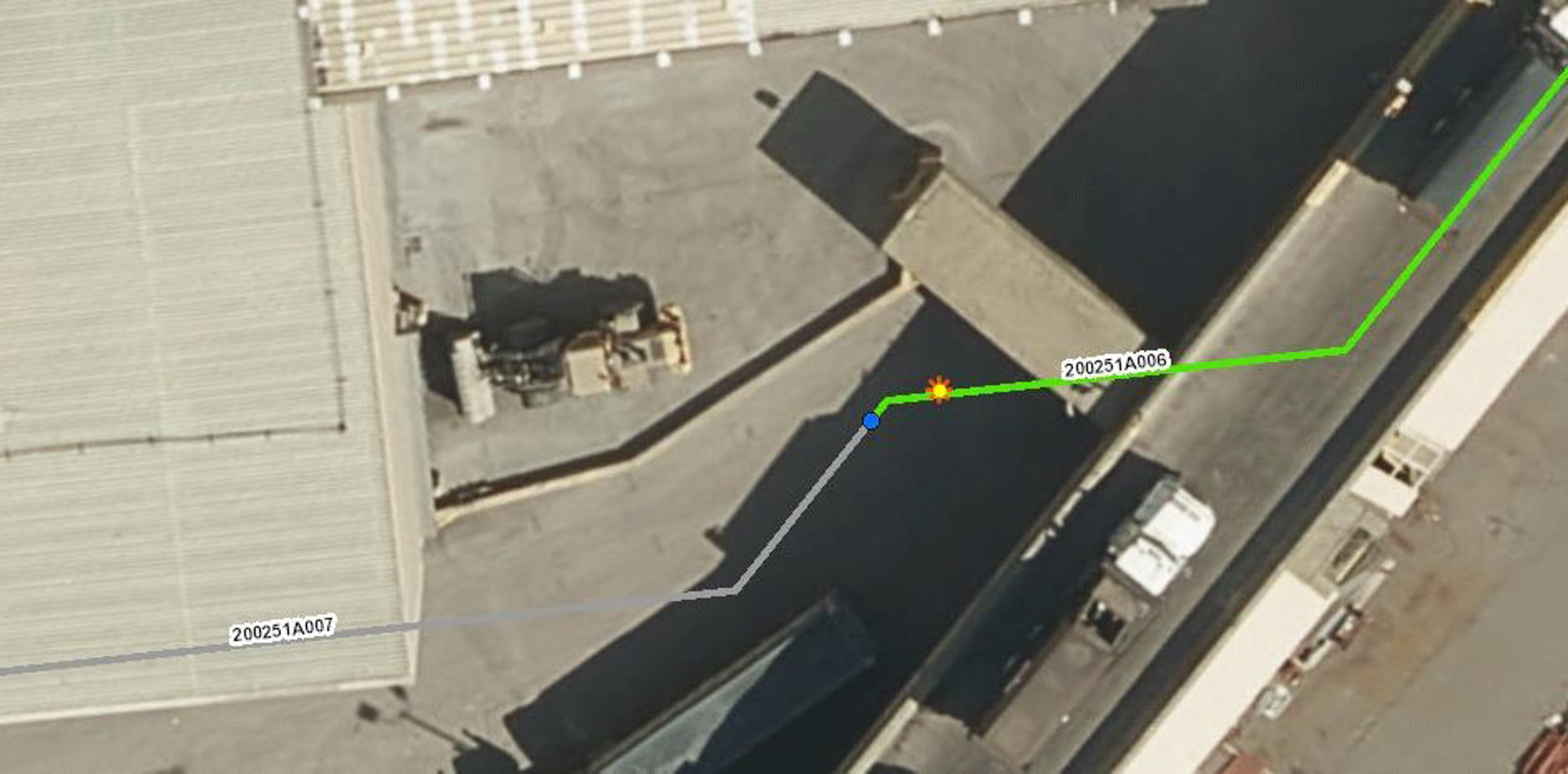
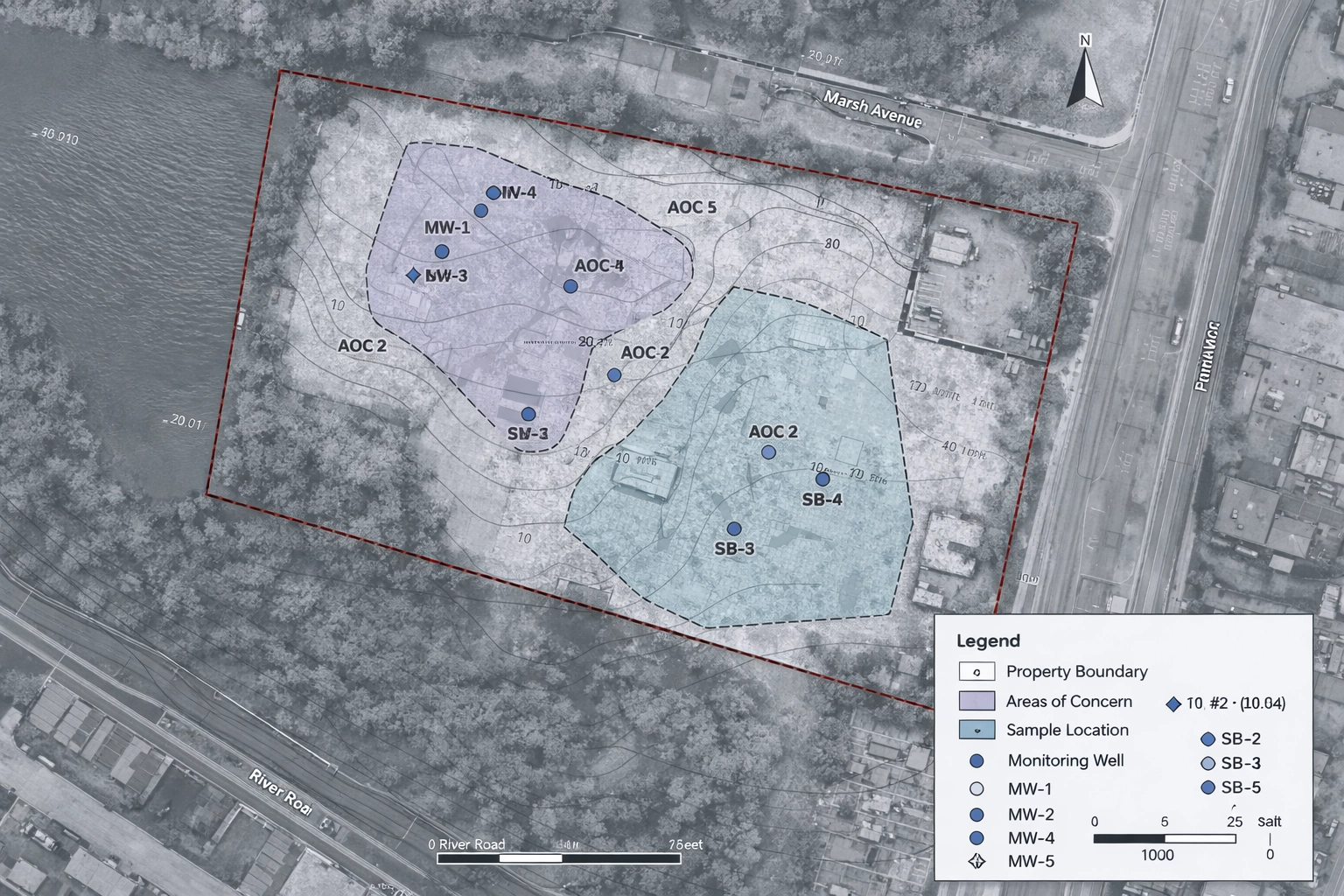
    NJDEP-style LSRP site map showing property boundary, AOC polygons, utilities, and labeled sampling/monitoring points for remediation planning.

    Speed: The 50% Rule

    Time is the most expensive variable in any development deal. Research shows that the LSRP program can reduce project duration by up to 50% compared to the old traditional oversight system. Think about the carrying costs of a multi-million dollar property in Hudson County or Newark. Cutting two or three years off a remediation schedule isn't just a "nice to have": it’s the difference between a profitable exit and a failed investment.

    Take the cleanup of the former River Oil Terminal in Passaic as a benchmark. Transitioning that site into the LSRP program was estimated to shave three full years off the remediation timeframe. That is three years of avoided taxes, insurance, and interest. When we handle environmental due diligence, we aren't just looking for contaminants; we are looking for the fastest path to an RAO.

    Navigating the ARRCS and Technical Requirements

    The LSRP program is governed by a complex web of regulations, primarily the Administrative Requirements for the Remediation of Contaminated Sites (ARRCS) and the Technical Requirements for Site Remediation (N.J.A.C. 7:26E).

    To the uninitiated, these are a labyrinth of mandatory timeframes and technical standards. If you miss a "Mandatory Remedial Measure" deadline, you lose your LSRP’s oversight and fall back into "Direct Oversight" by the NJDEP. That is the penalty box. You do not want to be in the penalty box.

    An expert LSRP doesn't just know the rules; they know how to apply them with "professional judgment." This is a specific legal term that allows an LSRP to deviate from technical guidance if they can scientifically prove that the alternative protects public health and the environment just as well. This is where the real value happens.

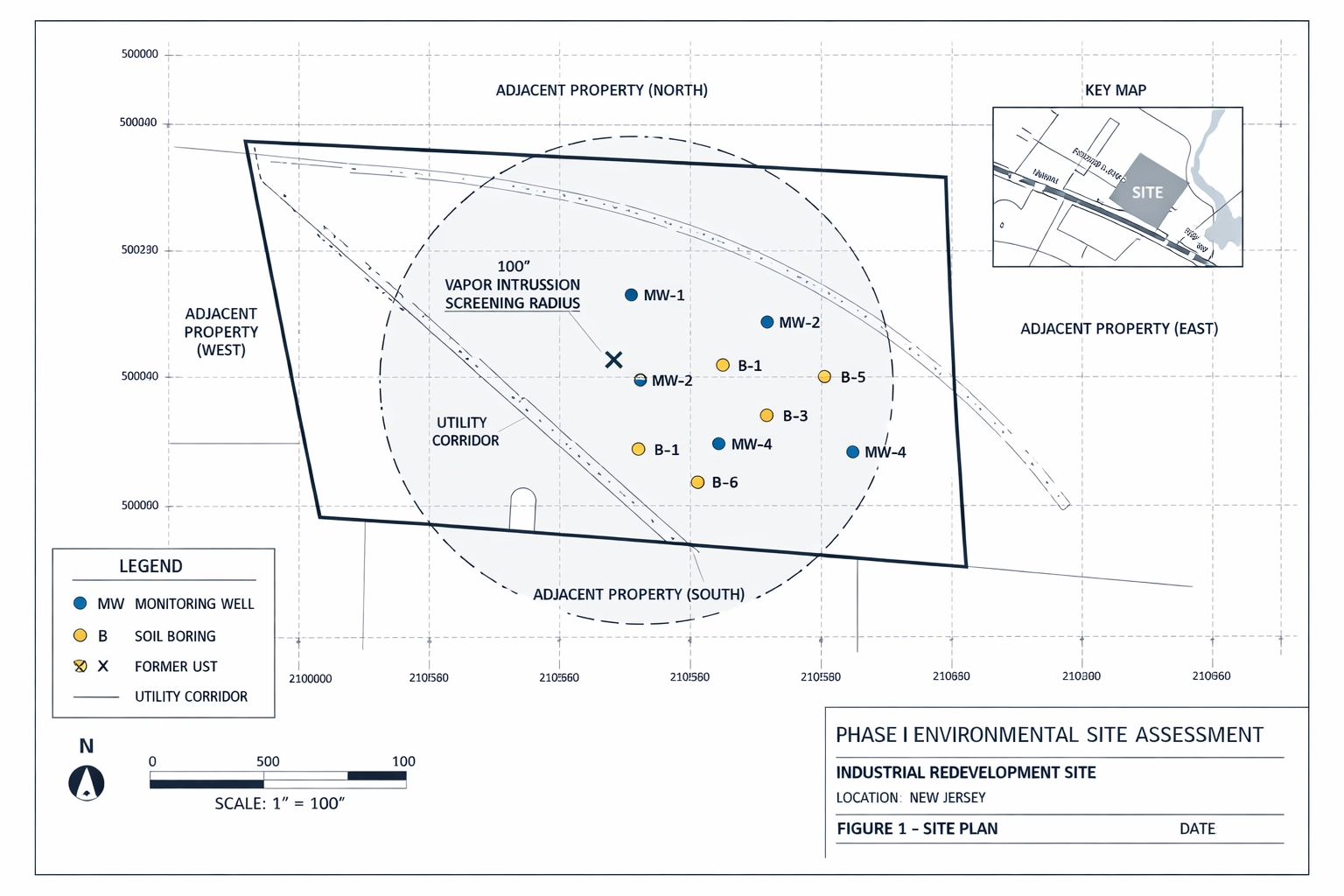
    Optimized subsurface remediation plan under NJDEP LSRP rules contrasting standard and strategic soil boring layouts.
    Visual: A technical flow-chart schematic detailing the LSRP decision-making process, contrasting standard NJDEP technical guidance vs. the application of Professional Judgment for site-specific conditions.

    Cost Certainty in a Volatile Market

    One of the biggest complaints we hear from developers who come to us from "big box" consulting firms is the lack of cost certainty. They get a low-ball estimate for a Phase I or Phase II, only to be hit with "change order after change order" as the LSRP uncovers new issues.

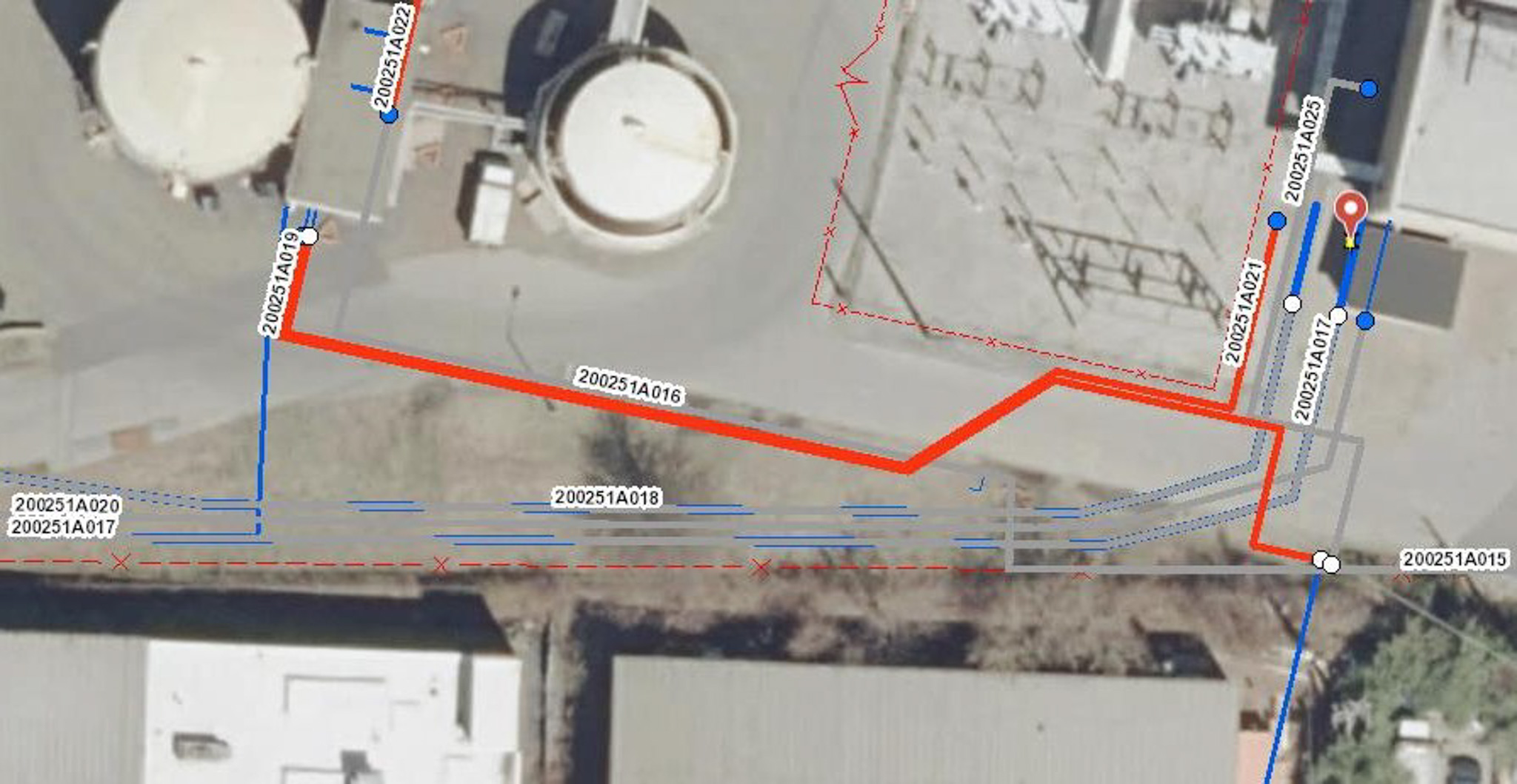
    At Envicon, we view environmental due diligence for developers in NJ as a risk management exercise. We don't just identify a problem; we quantify the financial exit. By using high-resolution site characterization: like the utility and monitoring overlays seen in technical mapping: we reduce the "unknowns" early in the process.

    "The LSRP's primary obligation is to protect public health and the environment, but their secondary obligation is to provide the client with a clear, predictable path to closure. If you don't have both, you don't have a strategy; you have a liability." : Jason Pancoast, CEO.

    Why Your Current Consultant Might Be Holding You Back

    If you are working with a massive, multi-national engineering firm, you might feel like you’re in good hands. But the reality is that these firms often operate with a "defensive" mindset. Their LSRPs are often more worried about their firm’s internal liability than your project’s schedule. They over-sample, over-report, and play it so safe that your project grinds to a halt.

    The Envicon Approach vs. The Big Consultant:

    • Responsiveness: When a tank is pulled and the soil looks "hot," you need a decision in an hour, not a week. We are built for speed.
    • Accountability: You deal with senior experts who own the outcome, not a junior staffer who is just following a checklist.
    • Adaptability: We don’t just follow the Technical Requirements blindly. We look for the "Professional Judgment" opportunities that save hundreds of thousands in excavation costs.
    • Integrated Vision: Because we understand civil and geotechnical engineering, we don't look at environmental issues in a vacuum. We see how a remediation cap can double as your parking lot sub-base.

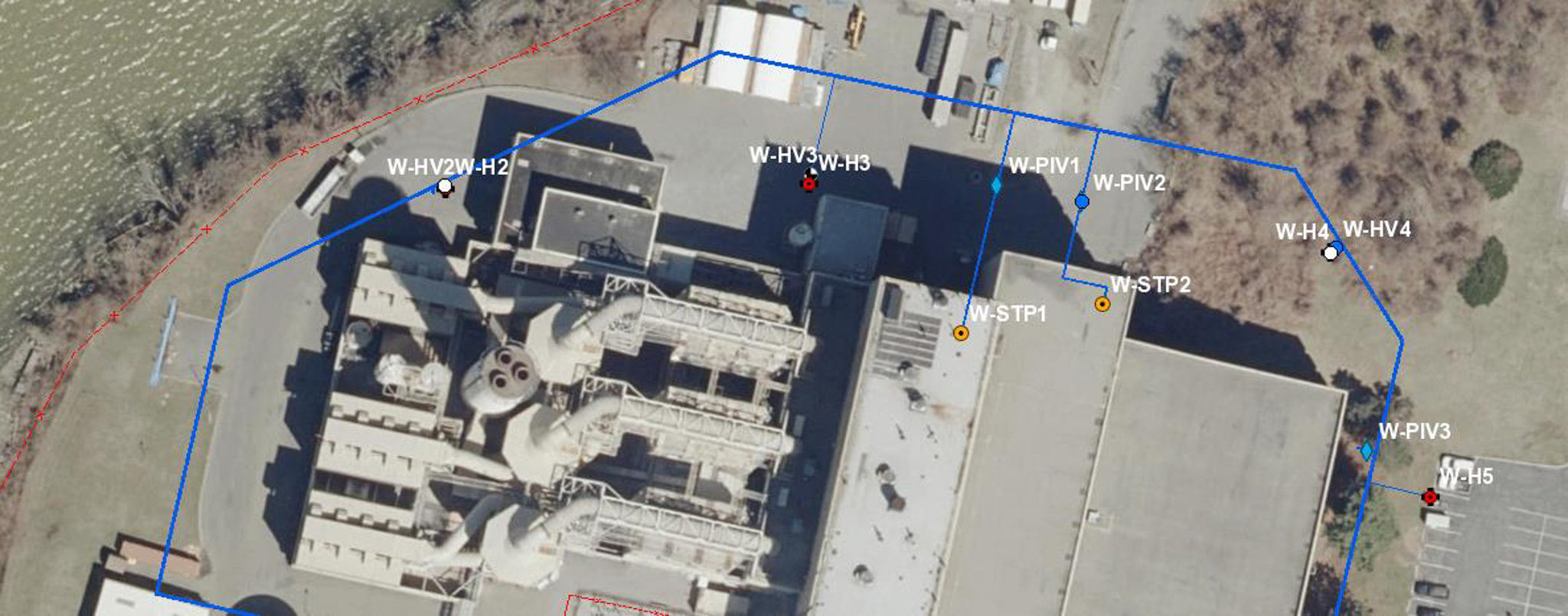
    Technical utility and sampling plan view showing building footprints, pipelines, manholes, valves, and labeled sampling points on a coordinate grid.

    The RAO: Your "Get Out of Jail" Card

    The ultimate goal of any LSRP interaction is the Response Action Outcome (RAO). This is the document that replaces the old "No Further Action" (NFA) letter. It is what your bank wants to see, what your buyers want to see, and what stops the clock on your environmental liability.

    However, not all RAOs are created equal. An RAO can be "Unrestricted Use" (the gold standard) or "Restricted Use" (requiring a Deed Notice and Engineering Controls). A visionary LSRP looks at your final site plan and determines if a Restricted Use RAO is actually better for your ROI. If you're building a warehouse, you don't need "residential" soil standards under the slab. Navigating these NJDEP LSRP rules requires an insider’s understanding of how the state views long-term stewardship.

    Due Diligence is Not a Commodity

    If you are choosing an LSRP based on the lowest bid for a Preliminary Assessment (PA), you are making a mistake. A cheap PA often leads to an expensive Remedial Investigation. We’ve seen $5,000 reports cost developers $500,000 in missed "Areas of Concern" (AOCs) that were only discovered after the closing.

    When we conduct environmental due diligence for developers in NJ, we look at the historical context of the site through a technical lens. We look at the utility pathways, the former process lines, and the specific chemical signatures of NJ’s industrial past. We find the problems before you own them, and we give you the price tag to fix them before you sign the contract.

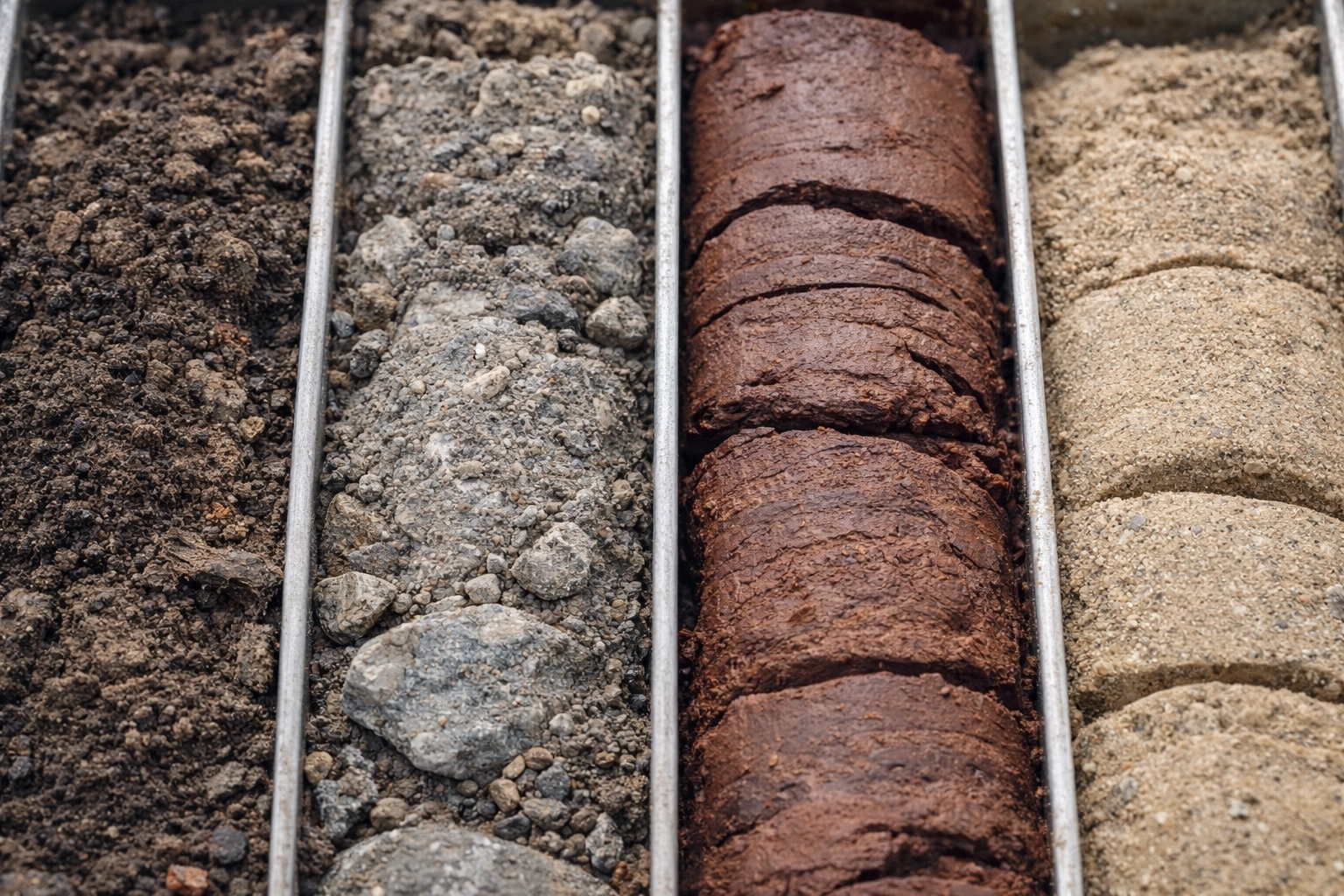
    Geotechnical soil boring log sheet showing stratigraphy by depth, sample IDs, SPT N-values, groundwater observations, and field notes.

    Summary and Takeaways

    Navigating the NJDEP doesn't have to be a nightmare of red tape and delays. The LSRP program was designed to put you in control, provided you have the right person in the driver's seat.

    • Leverage Professional Judgment: Don't settle for "by the book" if the book is killing your project. Demand an LSRP who uses scientific evidence to find efficiencies.
    • Watch the Deadlines: Compliance is non-negotiable. Ensure your LSRP has a rigorous tracking system for ARRCS mandatory timeframes.
    • Integrate Early: Environmental strategy should start during the due diligence phase, not after the purchase.
    • Think Beyond Environmental: Choose a partner like Envicon who understands how soil remediation impacts foundation design and site civil work.

    At Envicon Strategic Solutions, we don't just manage cases; we solve puzzles. We are the insiders who know the rules well enough to know exactly where the flexibility lies. If you are tired of your current consultant telling you why you "can't" do something, it’s time to switch to a team that focuses on how you can.

    Ready to move your project forward? Contact our LSRP team today and let’s get your site to an RAO without the headache.


    Envicon Strategic Solutions — Contact

  • The Real Cost of an NJ LSRP: Why Budgeting for ‘Compliance’ Isn’t Enough

    The Real Cost of an NJ LSRP: Why Budgeting for ‘Compliance’ Isn’t Enough

    If you're developing or redeveloping property in New Jersey, you've probably already budgeted for your Licensed Site Remediation Professional (LSRP). You've seen the hourly rates: somewhere between $150 and $290 depending on seniority: and maybe you've added a buffer for soil remediation costs. You think you're covered.

    Here's the problem: most developers budget for compliance, not for success. And that gap between the two can cost you 20-30% more than you planned, along with months of schedule delays that compound into serious carrying costs.

    Let's talk about what the real cost of an LSRP actually is: and why the cheapest hourly rate is almost never the smartest investment.

    The Three Costs Everyone Sees (And Plans For)

    When you start shopping for an LSRP, three numbers typically make it into your pro forma:

    1. Licensing and Regulatory Fees

    These are actually the smallest line items. For 2025, NJDEP charges a $990 annual license fee, plus nominal application and renewal fees. The Site Remediation Program itself charges annual fees ranging from $880 to $19,360 depending on your site's complexity: the number of contaminated areas of concern (CAOC) and contaminated media (CM).

    2. Professional Services

    This is where your LSRP's time gets billed. Expect $150-$206 per hour for standard LSRPs, $165-$225 for Senior LSRP/Project Managers, and $180-$290 for Principal LSRPs. Support staff: environmental specialists, technicians, CAD drafters: run $85-$185 per hour depending on their role.

    NJ brownfield remediation site showing simultaneous soil excavation and foundation construction

    3. Actual Remediation Work

    Soil remediation costs typically range from $3,000 to $15,000 for residential properties, with most projects landing in the $8,000-$10,000 range. Low-level contamination cleanup runs $3,000-$6,000, moderate contamination hits $6,000-$12,000, and complex cases involving groundwater contamination can exceed $25,000. These costs include excavation, testing, disposal, and site restoration.

    So far, so good. You add these up, apply a 10% contingency, and move on with your life.

    The Invisible Costs That Destroy Budgets

    Here's where most developers get blindsided: and where a strategic LSRP versus a "checklist LSRP" makes all the difference.

    Schedule Delays = Carrying Cost Hemorrhage

    Every extra month your site sits in remediation is a month you're paying:

    • Property taxes
    • Debt service on acquisition financing
    • Insurance
    • Security
    • Lost opportunity cost on capital

    A generic LSRP who treats your project like just another "file to close" might take the safest, slowest path through NJDEP's process. Meanwhile, an LSRP who understands redevelopment timelines will strategically phase remediation to keep your critical path moving. The difference between a 9-month versus 15-month remediation schedule isn't just six months: it's six months of carrying costs that can easily exceed $50,000 to $100,000 on a mid-sized project.

    LSRP consulting on strategic soil segregation at NJ construction site to reduce disposal costs

    Soil Disposal Roulette

    Here's a scenario that happens constantly: Your Phase II ESA identifies contamination. Your LSRP recommends excavation. You get a disposal quote for "contaminated soil" at $150-$200 per ton.

    But here's the question a strategic LSRP asks: "Do we actually need to dispose of all of it as contaminated material?"

    Through proper characterization, segregation strategies, and understanding of receiving facility acceptance criteria, an experienced LSRP can often reclassify portions of your soil for significantly cheaper disposal: or even beneficial reuse. On a project requiring 500 tons of soil removal, the difference between uniform "contaminated" disposal and strategic segregation can save $30,000 to $75,000.

    Rework and Change Orders

    A purely "compliance-focused" LSRP might not think about how your remediation plan impacts your civil site design. They close out the environmental case, hand you a Response Action Outcome (RAO), and walk away.

    Then your civil engineer discovers that the remediation left you with unsuitable fill, inadequate compaction for your foundation loads, or drainage issues that require expensive rework. Suddenly you're spending another $40,000 to re-grade and import engineered fill that should have been coordinated during remediation.

    Why a "Redevelopment LSRP" Saves Money

    The best LSRPs don't just think about closing cases: they think about making projects successful. Here's what that looks like in practice:

    They Understand Your End Game

    A redevelopment-minded LSRP asks: What are you building here? When does it need to be vertical? What are your foundation requirements? What's your target market and exit strategy?

    Those questions inform every decision: from the aggressiveness of your remedial approach to the timing of your regulatory submissions to how soil is managed on site.

    Integrated team meeting at NJ development site coordinating remediation and civil engineering plans

    They Engineer Solutions, Not Just Compliance

    Instead of defaulting to "dig and haul," a strategic LSRP evaluates:

    • Can we stabilize contamination in place and use deed restrictions?
    • Can we consolidate contaminated soil under parking areas with engineered caps?
    • Can we coordinate soil import needs with remediation export needs to reduce trucking costs?
    • Can we phase remediation to match construction sequencing?

    These aren't just environmental questions: they're value engineering questions that directly impact your bottom line.

    They Navigate Regulatory Process Like a Chess Game

    NJDEP's Site Remediation Reform Act (SRRA) gave LSRPs direct oversight authority, but it didn't eliminate bureaucracy. There are still Strategic Plans to submit, Classification Exception Areas (CEAs) to negotiate, and deed restrictions to record.

    An LSRP who knows the regulators, understands the unwritten rules, and can anticipate objections moves your project through approval cycles significantly faster than someone learning on your dime.

    The Value Engineering Advantage: Integrated Consulting

    This is where firms like Envicon flip the traditional model on its head.

    Most developers hire three separate consultants:

    1. An environmental firm for remediation
    2. A civil engineer for site design
    3. A geotechnical engineer for foundation recommendations

    Each one does their scope in isolation. Then everyone gets together for coordination meetings where conflicts get identified, change orders get issued, and your budget gets shredded.

    The integrated approach works differently. When your LSRP is also your civil engineer, they're thinking about grading, drainage, and structural loads while they're designing your remediation strategy. They're coordinating soil disposal with soil import. They're planning foundation systems around contamination constraints instead of treating them as separate problems to solve sequentially.

    Here's what that looks like in dollars:

    • Traditional approach: Separate contracts for environmental ($120K), civil ($80K), and geotech ($35K) = $235K in professional fees, plus change orders
    • Integrated approach: Single contract for coordinated services ($190K) with built-in value engineering = $45K savings, plus schedule compression
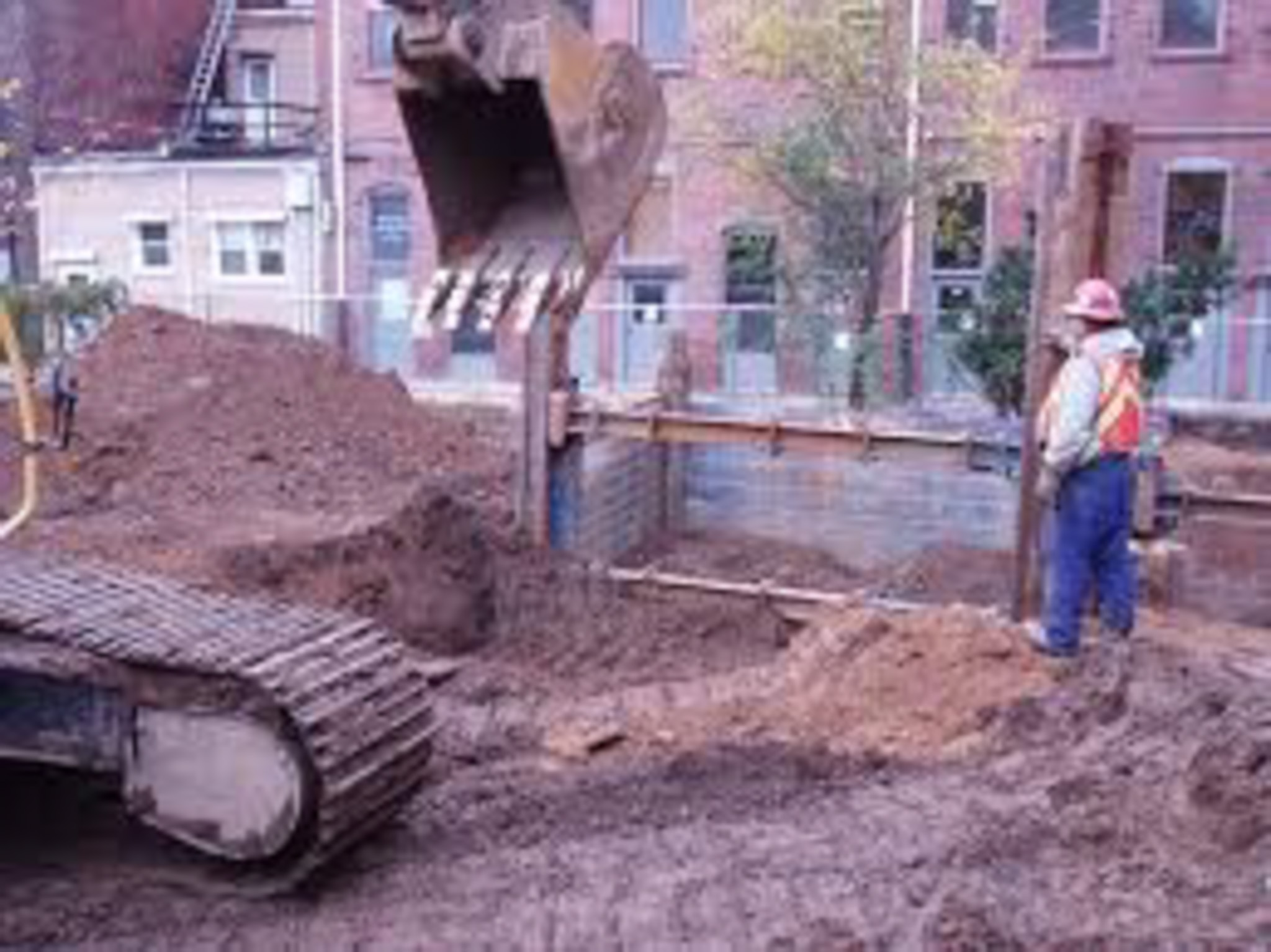
    The hourly rate might look similar, but the total project cost tells a completely different story.

    Before and after transformation of NJ brownfield site into modern mixed-use development

    What to Look for in Your LSRP

    If you're evaluating LSRPs for your next project, here are the questions that separate strategic advisors from compliance box-checkers:

    Ask About Their Development Experience

    • "How many redevelopment projects have you closed in the past 24 months?"
    • "Can you walk me through a project where you saved a developer significant money through strategic remediation?"

    Probe Their Integration Capabilities

    • "How do you coordinate with civil and structural design?"
    • "Do you have in-house civil engineering, or will I need to hire that separately?"
    • "Can you provide design-build remediation services?"

    Test Their Regulatory Sophistication

    • "What's your typical timeline for Remedial Investigation through Response Action Outcome?"
    • "How do you approach CEA negotiations with NJDEP?"
    • "When was the last time you had a remedial action plan rejected, and why?"

    Evaluate Their Business Acumen

    • "How do you approach cost-benefit analysis for remedial alternatives?"
    • "Can you help me understand the carrying cost implications of different remediation timelines?"

    The answers should sound less like a textbook and more like a business strategy session.

    The Bottom Line

    When you budget $150K for LSRP services and $200K for remediation, you're not actually budgeting for the real cost: you're budgeting for the line item cost.
    The real cost includes:

    • Schedule delays that add carrying costs
    • Inefficient soil management that inflates disposal fees
    • Lack of coordination that creates rework
    • Missed value engineering opportunities that leave money on the table

    A strategic LSRP who thinks like a developer, engineers solutions instead of just compliance, and integrates environmental work with civil design doesn't cost more: they save you a fortune by avoiding the invisible costs that destroy budgets.

    At Envicon Strategic Solutions, we've built our entire practice around this integrated approach. We're not just closing environmental cases: we're making projects pencil. Because in the New Jersey redevelopment game, that's the only metric that actually matters.

    Your LSRP should be a strategic partner, not just a regulatory checkbox. Choose accordingly.

  • What Keeps an Environmental Engineer Up at Night (So You Don’t Have To)

    What Keeps an Environmental Engineer Up at Night (So You Don’t Have To)

    It’s 2:00 AM on a Tuesday. The city is quiet, but my mind is racing. For most people, a plot of land in North Jersey or a vacant lot in Brooklyn is just a financial opportunity: a line item on a balance sheet. But for us at Envicon, when we look at that same dirt, we see a story. We see the past century of industrial legacy, the current web of shifting regulations, and the future safety of the people who will eventually live and work there.

    If you’ve ever wondered why we’re so obsessive about a single soil sample or why we push back on a "quick and dirty" assessment, it’s because of what we carry. Being a consultant in the NY/NJ corridor isn't just about knowing the math; it’s about carrying the weight of the "what ifs."

    We stay awake so you can sleep. Here is a look behind the curtain at what really goes on in the mind of your environmental partner.

    The Ghost in the Soil: The PFAS Evolution

    Right now, the industry is staring down a massive shift. As we head deeper into 2026, the EPA is tightening the screws on greenhouse gas emissions and hazardous substances. But the real "ghost" haunting our dreams is PFAS: the "forever chemicals."

    Research shows that environmental engineers are facing an unprecedented intersection of technology and policy-driven innovation. When we’re out in the field, we aren't just checking boxes for a Phase I ESA. We’re thinking about how a regulation that changes tomorrow could impact the value of your asset ten years from now.

    It’s an emotional burden. If we miss something, it’s not just a budget overrun; it’s a potential blow to the community’s health and your corporate reputation. We take that personally. We don’t just sell you a report; we sell you a shield.

    Urban Waterfront Skyline at Dusk

    The High-Stakes Chess Match with NYC OER and NJDEP

    Navigating the NYC OER E-Designation process or NJDEP soil standards feels like a high-stakes chess match where the rules change every three moves. You might see red tape. We see a puzzle that needs to be solved to protect your timeline.

    I often think about the families who will eventually move into these redeveloped spaces. Whether it’s a luxury high-rise in Jersey City or affordable housing in the Bronx, that soil is the foundation of their lives. When we deal with remediation planning, we aren't just "cleaning dirt." We are healing the land.

    There’s an immense sense of pride: and anxiety: in knowing that our signature on a Remedial Action Report (RAR) is the final word on safety. We don’t just offer expert knowledge; we offer the authority that comes from being the ones who stand between a "dead" project and a thriving community anchor.

    Why the "Big Box" Consultants Fall Short

    We’ve all seen it. The massive, global engineering firms that treat your project like a number. They have "expertise," sure, but do they have soul?

    At Envicon, we’ve built our culture on the "Envicon Advantage." Here is why our approach is fundamentally different from the big guys:

    • Accountability over Anonymity: When you call us, you get a decision-maker who knows your site by heart, not a junior associate who’s never stepped foot in the Five Boroughs.
    • Adaptability in Real-Time: Regulatory shifts don't wait for a corporate board meeting. We pivot instantly because we are local, agile, and invested in the NY/NJ market.
    • Community First: We live here. Our kids play in the parks we help remediate. We sell community, not just development.

    If your current consultant feels like a vending machine: you put money in and a generic report comes out: you’re leaving yourself exposed. You need a partner who feels the same "pit in their stomach" about your project’s success as you do.

    Envicon Strategic Solutions LLC Site Worker

    The Silent Pressure of the Electrical Grid

    Our research into 2026 infrastructure trends shows a growing pressure on the electrical grid. As building owners pursue electrification, we’re the ones figuring out how to balance renewable energy sources with grid stability.

    It’s a complex, interconnected problem. We’re forecasting air quality, predicting noise pollution impacts, and mapping exposure risks across urban zones. This isn't just data; it's a safety net. We use advanced technology to create transparency, so you are never blindsided by a "grid reliability" issue that could stall your project for months.

    Environmental engineers using advanced technology to monitor urban grid reliability for secure project development.

    The Weight of the Signature

    Every time we sign a document, we are putting our reputation on the line to protect yours. Trust is a fragile thing in this industry, and it's built in the smallest details. It’s in the way we handle a Geotechnical Investigation or the way we interpret a tricky groundwater sample.

    "Engineering is precise, but trust is personal. We are the ones standing in the gap between the developer and the 'what ifs'." : Jason Pancoast, CEO

    We don't want you to worry about the New ASTM E1527-21 standards or the NJDEP Indoor Air Notification Areas. That's our job. We sell the peace of mind that comes from knowing your project is being handled by people who actually care about the outcome.

    Turning "Dead" Sites into ROI Engines

    Some of our favorite projects are the ones everyone else walked away from. The abandoned railway sites with overgrown tracks and decades of mystery in the soil. To others, they are liabilities. To us, they are the future.

    When we take on a brownfield redevelopment, we’re doing more than engineering. We’re performing a service for the future of New York and New Jersey. We’re turning "scary" environmental data into actionable information that leads to a Ribbon Cutting ceremony. That is the ultimate emotional payoff.

    Abandoned Railway Site

    The Takeaway: Sleep Better Because We’re Awake

    If you’re tired of feeling like just another project in a consultant’s queue, it’s time to shift your perspective. Don’t just hire an expert; hire a partner who shares your vision and carries your burden.

    At Envicon Strategic Solutions, we offer:

    • Visionary Strategy: We see the 10-year horizon, not just the 30-day deadline.
    • Local Authority: We know the regulators, the politicians, and the dirt of NY/NJ.
    • Radical Transparency: Our tech-first approach means you see what we see, when we see it.

    The stakes are too high to settle for "standard" service. You deserve a team that stays up at night so you don’t have to.

    Ready to build something that lasts?

    Let’s talk about your next project and how we can take the weight off your shoulders.
    Contact Envicon Today


    Summary & Key Takeaways:

    • PFAS and 2026 Regulations: Evolving EPA standards mean you need a proactive, not reactive, consultant.
    • The Emotional Connection: Remediation is about healing communities and ensuring long-term safety.
    • Envicon vs. The Giants: Our local expertise and personal accountability provide a level of trust that "Big Box" firms can't match.
    • Authority Over Knowledge: Real value comes from a partner who can navigate the spirit of the law, not just the letter.

    Envicon Strategic Solutions Logo

    Envicon Strategic Solutions

    Engineering the Future. Protecting the Legacy.

    Serving New York and New Jersey with Visionary Environmental, Geotechnical, and Civil Engineering.

    Website |
    Services |

    Connect With Us

  • 20 New Concepts Optimizing Sales Psychology

    20 New Concepts Optimizing Sales Psychology

    1. The Ghost in the Boardroom: Why Environmental Risks are Your Project’s Biggest Secret.
    2. Engineering the Unseen: The Invisible Foundations of New Jersey’s Future.
    3. The Ethics of Earthwork: Why We Refuse to Cut Corners on Soil.
    4. From Liability to Legacy: The Emotional Journey of Brownfield Restoration.
    5. The Architects of Certainty: How Envicon Eliminates the "Maybe" in Development.
    6. Why Your Lender Loves Our Name: The Financial Power of Proven Integrity.
    7. The Soil’s Memory: Understanding the Industrial Heritage of the Hudson.
    8. Building on a Promise: Why Geotechnical Precision is an Act of Faith.
    9. The Guarded Horizon: Protecting the NY/NJ Coastline for Our Grandchildren.
    10. Beyond the Permit: Why True Compliance is a Moral Obligation.
    11. The Pulse of the Site: Real-Time Tech as a Tool for Radical Honesty.
    12. The Handshake Still Matters: Why Personal Accountability Outlasts Any Contract.
    13. Healing the Scars: How Remediation Restores Dignity to Urban Spaces.
    14. The Navigator’s Code: Steering Through the Fog of NY/NJ Regulations.
    15. Why We Say "No": And Why That’s the Most Important Thing You’ll Hear.
    16. The Bedrock of Trust: Why Our Geotechnical Insights are Non-Negotiable.
    17. A Vision for Clean Water: The Human Impact of Professional Diligence.
    18. The Silent Guardian: How Envicon Stands Watch Over Your Reputation.
    19. The ROI of Integrity: Why Doing it Right the First Time Costs Less.
    20. Designing for Resilience: The Emotional Security of a Climate-Ready Site.

    The Silent Partner: Why Our Name on Your Report is Your Ultimate Peace of Mind

    In the high-stakes world of New York and New Jersey real estate, thousands of documents cross your desk every year. Most are just paper: checklists, invoices, and standard operating procedures. But there is one document that carries a weight far beyond its page count: the final environmental or geotechnical report.

    When you look at that signature line, you aren’t just looking at a technical sign-off. You are looking at a shield. At Envicon Strategic Solutions, we understand that our name on your report represents the ultimate transfer of risk. It is the moment where your "what-ifs" become our "we’ve got this."

    We don’t just sell engineering services. We sell the ability to sleep through the night.

    The Weight of the Ink

    Every project begins with a vision. Whether it’s a high-rise transforming the urban waterfront skyline or a critical infrastructure link like a suspension bridge, the complexity is staggering. Between the NJDEP’s evolving soil standards and the labyrinth of NYC OER E-designations, the margin for error is non-existent.

    In this environment, "expertise" is the baseline. Anyone can read a sensor or cite a regulation. But "authority" is different. Authority is the courage to stand behind a finding when the pressure is on. It’s the trust that comes from knowing your consultant isn't just a vendor, but a silent partner in your boardroom.

    "True partnership isn't found in the services provided, but in the peace of mind that remains after the work is done."
    Suspension Bridge at Dusk

    Beyond the Checklist: Selling Trust, Not Tasks

    Many of our clients come to us after being burned by "Big Box" consulting firms. You know the ones: where your project is assigned to a junior associate you’ve never met, and your "urgent" email sits in an inbox for three days. To them, your site is a number. To us, it’s a legacy.

    When we conduct a Phase I ESA or a Geotechnical Investigation, we aren’t just checking boxes to satisfy a lender. We are looking for the hidden story of the land. We are analyzing the soil’s memory to ensure that the community you are building is safe for the next fifty years.

    By choosing Envicon, you are choosing a team that values accountability over billable hours. While the giants of the industry are bogged down in their own bureaucracy, we are on the ground, adapting to site conditions in real-time. Our technology isn’t just for show; it’s for transparency. When we use aerial site mapping to delineate utility routes or monitoring points, we are giving you a window into the truth.

    Engineers reviewing a digital site map for New Jersey environmental remediation and site assessment planning.

    Healing the Land: The Community Factor

    We believe that every remediation project is an act of healing. In the NY/NJ area, we deal with the industrial scars of the past century. To some, these are just "brownfields" or "contaminated sites." To us, they are opportunities to restore a community’s heart.

    When we navigate the NYSDEC Brownfield Cleanup Program, we aren’t just performing a service. We are transforming a liability into a neighborhood anchor. This is the difference between "development" and "community-building." Our engineers don’t just see molecules of PFAS or lead; they see the playground that will eventually sit on that land. They see the families who will work in those buildings.

    This emotional investment is why our reports hold so much weight. We refuse to sign off on anything that doesn't meet our own internal standard: Would I let my family live here?

    Why Clients are Switching to the Envicon Approach

    If you are currently working with a large-scale consultant, ask yourself these three questions:

    1. Responsiveness: Does my consultant anticipate regulatory shifts like the new ASTM E1527-21 standards before they become a problem, or are they reacting after the fact?
    2. Ownership: If a site issue arises during construction, does my consultant take the lead, or do they point to the fine print in their contract?
    3. Value Engineering: Are they simply identifying problems, or are they finding the strategic "Value Engineering" solutions that save seven figures in soil disposal costs?

    At Envicon, our geotechnical and environmental experts don't just find problems; we engineer exits. We are leaner, faster, and more integrated. We don't have a "B-team." When you hire us, you get our full authority and our unwavering signature.

    Field engineer at brownfield site

    The Future is Grounded in Certainty

    As we move further into 2026, the regulatory landscape is only getting tighter. From emerging contaminants to stricter climate resilience requirements in energy and renewables, the "old way" of consulting is dead. You need a partner who doesn't just know the rules but understands the intent behind them.

    Our signature is more than a formality. It is a promise that your project is built on a foundation of integrity. It is the assurance that when the inspectors arrive, or when the property is sold ten years from now, the work will stand the test of time.

    Your peace of mind is our signature. Let’s build something that lasts.

    Takeaways for Your Next Project:

    • Signatures Matter: Don't treat your environmental report as a commodity; it is your primary risk-management tool.
    • Local Insider Knowledge: In NY/NJ, generic advice is dangerous. You need a firm that knows the specific soil and the specific regulators.
    • The Envicon Edge: Demand more than data. Demand a partner who provides the authority to move your project forward with confidence.

    Ready to experience the difference that true partnership makes? Contact Envicon Strategic Solutions today to discuss your next site assessment or redevelopment project.


    Envicon Strategic Solutions Logo

    Envicon Strategic Solutions

    Visionary Engineering. Inspirational Results. Unwavering Trust.

    Website |
    Services |

    Contact Us

    Serving New York, New Jersey, and the Greater Tri-State Area.

  • The Envicon Manifesto: Why We Fired the Traditional Engineering Model

    The Envicon Manifesto: Why We Fired the Traditional Engineering Model

    Let's get something out of the way upfront: the traditional engineering consulting model is broken. Not "needs some tweaks" broken. Not "could use a refresh" broken. Fundamentally, structurally, expensively broken.

    We know this because we came from that world. We saw how it operated from the inside. And in 2020, we made a decision to burn it down and build something better.

    This isn't a rant. It's a reckoning. And if you've ever felt like your engineering consultant was treating your project like a billable-hours buffet rather than a business problem that needs solving: this one's for you.

    The Traditional Model: Death by a Thousand Silos

    Here's how most traditional engineering firms operate: You need environmental site assessment? Call Environmental. Civil design? Different department. Geotechnical analysis? That's a third group. Value engineering to keep costs down? Good luck: that's nobody's department.

    Each silo operates independently, generating reports that rarely talk to each other. Your Phase II ESA identifies contaminated soil. Your civil team designs grading and drainage. Your geotech recommends foundation types. Then, six months into construction, someone realizes the soil management plan conflicts with the civil design, the excavation depth creates vapor intrusion concerns, and suddenly you're bleeding budget and time.

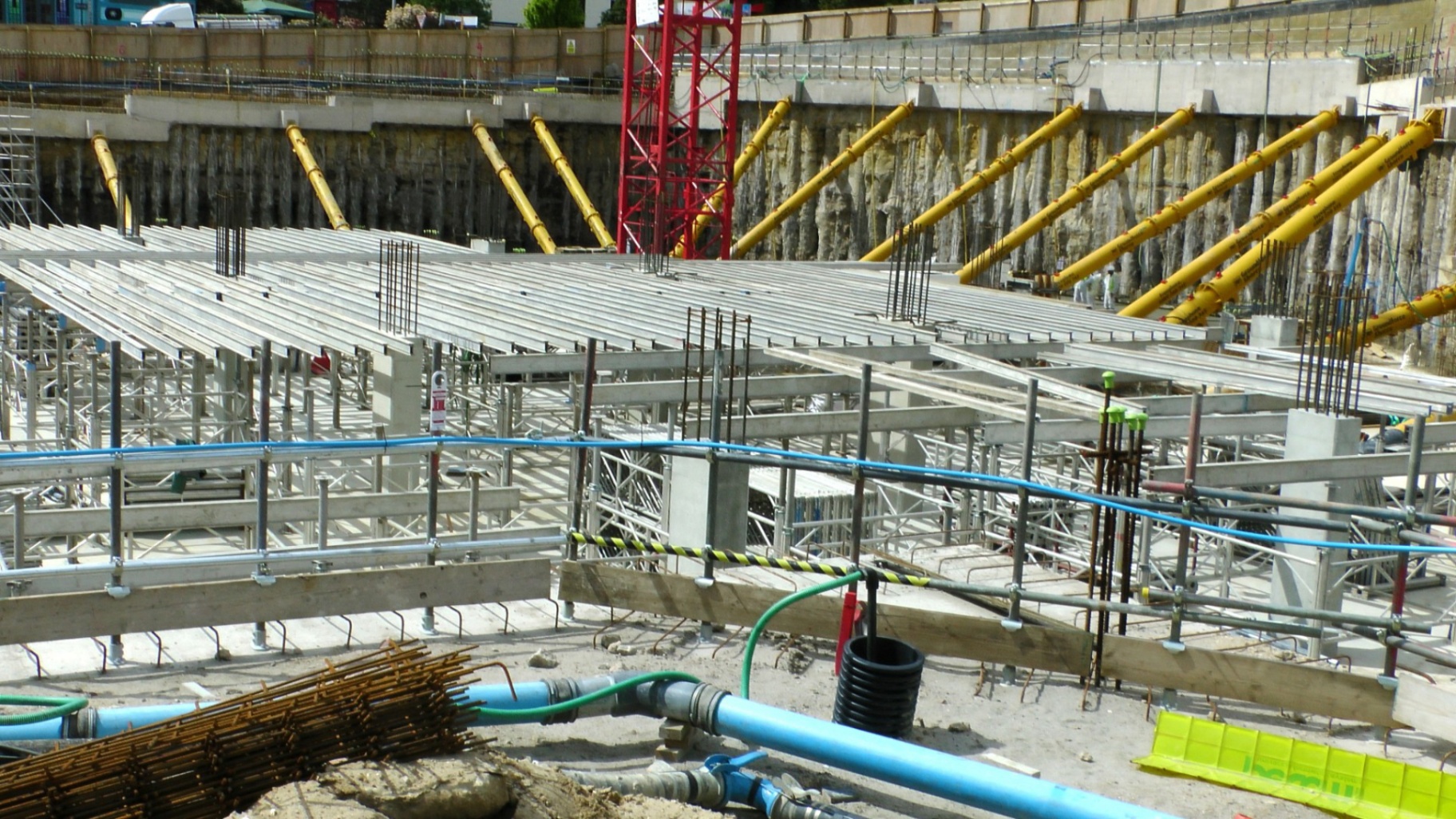
    Industrial Facility Site Assessment

    The traditional model is built around specialization to the point of fragmentation. Departments protect their turf. Scope creep becomes revenue strategy. And the client? You're the project manager nobody asked you to be, coordinating consultants who should be coordinating themselves.

    We fired that model because it doesn't serve clients: it serves billable hours.

    The Integration Imperative

    At Envicon, we built something different from day one: integrated engineering. Not as a buzzword. As a business model.

    When we say integrated, we mean your environmental consultant and civil engineer are in the same room: often the same person: from the feasibility study through final sign-off. We mean soil boring logs inform foundation design in real time. We mean remediation strategies are designed around reuse and value engineering, not maximum dig-and-haul invoices.

    Environmental and civil engineers collaborating on integrated site design and soil analysis

    This isn't just more efficient. It's fundamentally better engineering. Because contamination doesn't care about departmental org charts. A vapor intrusion pathway doesn't wait for the civil team to finish their drawings before it becomes a problem. Real sites are messy, interconnected systems: and they need consultants who think that way.

    Here's what integrated engineering looks like in practice:

    • Single point of accountability: One team, one proposal, one throat to choke if something goes sideways
    • Continuous risk assessment: Environmental constraints inform civil design from day one, not as surprises during bidding
    • Value engineering as standard practice: We're optimizing soil reuse, excavation phasing, and remediation sequencing before you even ask
    • Speed: No waiting for Department A to finish so Department B can start: we're running parallel from the beginning

    The result? Projects that move faster, cost less, and deliver cleaner risk profiles for lenders and buyers.

    Value Engineering Isn't an Upsell: It's How We Think

    Let's talk about value engineering, because most firms treat it like an optional add-on service you purchase after the "real" engineering is done. That's backwards.

    Value engineering should be woven into every decision from site selection through closeout. It's not about cheapening the work: it's about eliminating waste, optimizing sequences, and finding the path that delivers regulatory compliance and project goals at the lowest true cost.

    Active construction site

    Here's where traditional firms leave money on the table:

    Soil management: The default move is "characterize, profile, and export." We start with: Can we reuse this on-site? Can we treat and reuse? Can we sequence excavation to balance cut-and-fill? On a typical urban infill project, this approach can save $100,000 to $500,000 in export and import costs.

    Remediation design: Traditional Phase II reports give you contamination data. Period. Our Phase II reports include preliminary remediation cost estimates, reuse scenarios, and risk-based alternatives. You're not paying for data: you're paying for decision-making intelligence.

    Regulatory strategy: Big-box firms follow the playbook. We write new plays. Whether it's navigating NJDEP LSRP timelines, NYC OER negotiations, or NYSDEC Part 375 pathways, we're finding the fastest compliant route: not the most conservative one that protects the consultant's liability at your expense.

    This is what it means to act like an owner's representative, not a vendor. We're on your side of the table.

    Speed is a Competitive Advantage (And We're Fast)

    In real estate development, time isn't just money: it's everything. Financing costs. Market windows. Lease-up schedules. Every month of delay is a month of carrying costs and a month closer to the next economic hiccup.

    Traditional engineering firms operate on "industry standard" timelines that were set in 1995 and haven't been questioned since. A Phase I takes three weeks. A Phase II takes six to eight weeks. Remediation design takes another month. Why? Because that's how long it takes when nobody's incentivized to move faster.

    We've collapsed those timelines by rethinking the workflow:

    • Phase I ESAs: One week turnaround, standard. Because we're not waiting for a mailroom to route hard copies between departments.
    • Phase II ESAs: Results in three weeks, including lab turnaround, because we're coordinating sampling, analysis, and reporting as a single integrated process.
    • Regulatory submissions: We draft as we go, not after the engineering is "done." Your NJDEP submissions go in weeks faster because we're building the administrative record in parallel with the fieldwork.

    Envicon Civil Engineering Structures

    Speed without quality is recklessness. But speed with quality? That's a market advantage. And it only happens when you're not fighting internal bureaucracy every step of the way.

    The Manifesto (The Actual Bullet Points)

    So here it is: the operating philosophy that drives every project we touch:

    1. Integration over silos. Environmental and civil engineering are one discipline, not two departments fighting over scope.

    2. Value engineering is standard, not optional. Every project gets cost optimization baked in from day one.

    3. Speed is a deliverable. Timelines are commitments, not estimates. We move at the speed of your business, not industry inertia.

    4. Regulatory navigation, not regulatory compliance theater. We find the fastest legally defensible path, not the most conservative one that protects our liability at your expense.

    5. Transparency on risk. We tell you what's actually risky and what's just CYA. You deserve to make informed decisions, not be scared into scope creep.

    6. Owner's rep mindset. We work for you, not the regulator, not the lab, not our billable hours target. Your win is our win.

    This isn't marketing copy. This is how we bid, how we staff, how we execute, and how we measure success.

    Why This Matters to You

    If you're a developer, attorney, or property owner reading this, you've probably experienced the traditional model's dysfunction firsthand. You've gotten the Phase II report that was technically thorough but strategically useless. You've watched consultants pass the buck between departments while your closing date slips. You've paid for "expertise" that felt more like checking boxes than solving problems.

    The Envicon model is built for clients who are tired of that experience. Clients who want a consultant that thinks like an owner, moves like a startup, and delivers like a specialist.

    We're not for everyone. If you want the comfort of a household name and don't mind paying the big-box premium for it, there are plenty of options. But if you want faster, smarter, more integrated engineering that actually moves your project forward: we should talk.

    Because the traditional model? We already fired it. And we're not looking back.


    Envicon Strategic Solutions logo

    Envicon Strategic Solutions
    Site-Civil • Geotechnical • Environmental

  • Why “Big Box” Consulting is Failing the NYC Market: A Post-Mortem

    Why “Big Box” Consulting is Failing the NYC Market: A Post-Mortem

    Let's talk about the elephant in the boardroom: big box consulting firms are hemorrhaging credibility in New York City, and nowhere is this more obvious than in the environmental and civil engineering space.

    You know the firms I'm talking about. The ones with the glass tower headquarters, the 200-person "environmental practice groups," and the PowerPoint decks that could double as sleep aids. They promise integrated solutions, local expertise, and "partnership." What you actually get is a revolving door of junior staff, cookie-cutter reports, and invoices that make your CFO physically ill.

    Here's the uncomfortable truth: if you're a developer, property owner, or attorney working on NYC projects, you've probably been burned by one of these outfits. And you're not alone.

    The Numbers Don't Lie

    A recent survey of 702 executives found that 84 percent of those who worked with big three consultancies felt they "were no help at all" in corporate transformation projects. That's not a typo. Eighty-four percent.

    The consulting industry knows they have a problem. Entry-level consulting hiring has plummeted by 54% year-over-year. McKinsey alone reportedly planned thousands of job cuts: roughly 10% across non-client-facing groups. When the biggest names in the business are shedding staff faster than a Phase II ESA report sheds credibility under DEC scrutiny, something is fundamentally broken.

    But here's what those studies miss: the environmental consulting market in NYC has its own special brand of dysfunction.

    Empty corporate boardroom symbolizing disconnected big box consulting firms in NYC

    Why NYC Broke the Big Box Model

    New York City isn't Dallas. It's not Phoenix. It's not even Boston. The environmental and civil engineering challenges here are uniquely complex, brutally time-sensitive, and completely intolerant of the "standard operating procedures" that big box firms love to deploy.

    When you're working with NYC OER E-Designations, navigating NYSDEC Part 375 updates, or trying to push a brownfield project through the city's legendary bureaucracy, you need someone who lives and breathes this market. Not someone who flew in from the Cleveland office for a "site visit" and thinks Hudson County is in Manhattan.

    The Four Fatal Flaws

    1. The Revolving Door Problem

    You hire a senior consultant with 20 years of NYC experience. Great! Except you'll meet them exactly twice: at the kickoff meeting and when they show up to sell you the next phase of work. The actual work? That's done by a 26-year-old analyst who's never set foot on a contaminated site in their life and thinks "LSRP" is a typo.

    This isn't cynicism: it's the business model. Big firms need to keep utilization rates high and partner compensation higher. That means your $350/hour principal is selling and schmoozing, not reviewing boring logs or red-flagging vapor intrusion risks before they kill your deal.

    2. The Template Trap

    Big box firms love standardization. It's efficient! Scalable! Also completely useless when you're dealing with a former manufactured gas plant site in Long Island City that's now zoned for residential, has riparian rights issues, and needs to close in 60 days or your buyer walks.

    Experienced environmental engineer conducting hands-on site assessment versus desk-based consultant

    We've seen Phase I ESAs from major firms that miss obvious red flags because the template said "check these boxes" but nobody bothered to actually think about the property's history. We've reviewed remediation plans that would work great in suburban New Jersey but completely ignore the logistical nightmare of soil export in Midtown Manhattan.

    When you're paying for expertise, getting a template is insulting. When that template fails the lender test and blows up your financing, it's malpractice.

    3. The Conflict of Interest Labyrinth

    Here's something your big box environmental consultant NYC probably won't tell you: many of them have cozy relationships with remediation contractors, software vendors, and lab companies. They'll recommend a $2 million remediation plan when a $400,000 engineering control would pass regulatory muster, because guess who's getting a piece of that contract?

    This isn't hypothetical. We regularly get calls from developers who were told they needed full-scale excavation and off-site disposal, only to discover later that on-site treatment or institutional controls would have worked fine. The difference? About $1.5 million and six months of schedule.

    4. The Communication Black Hole

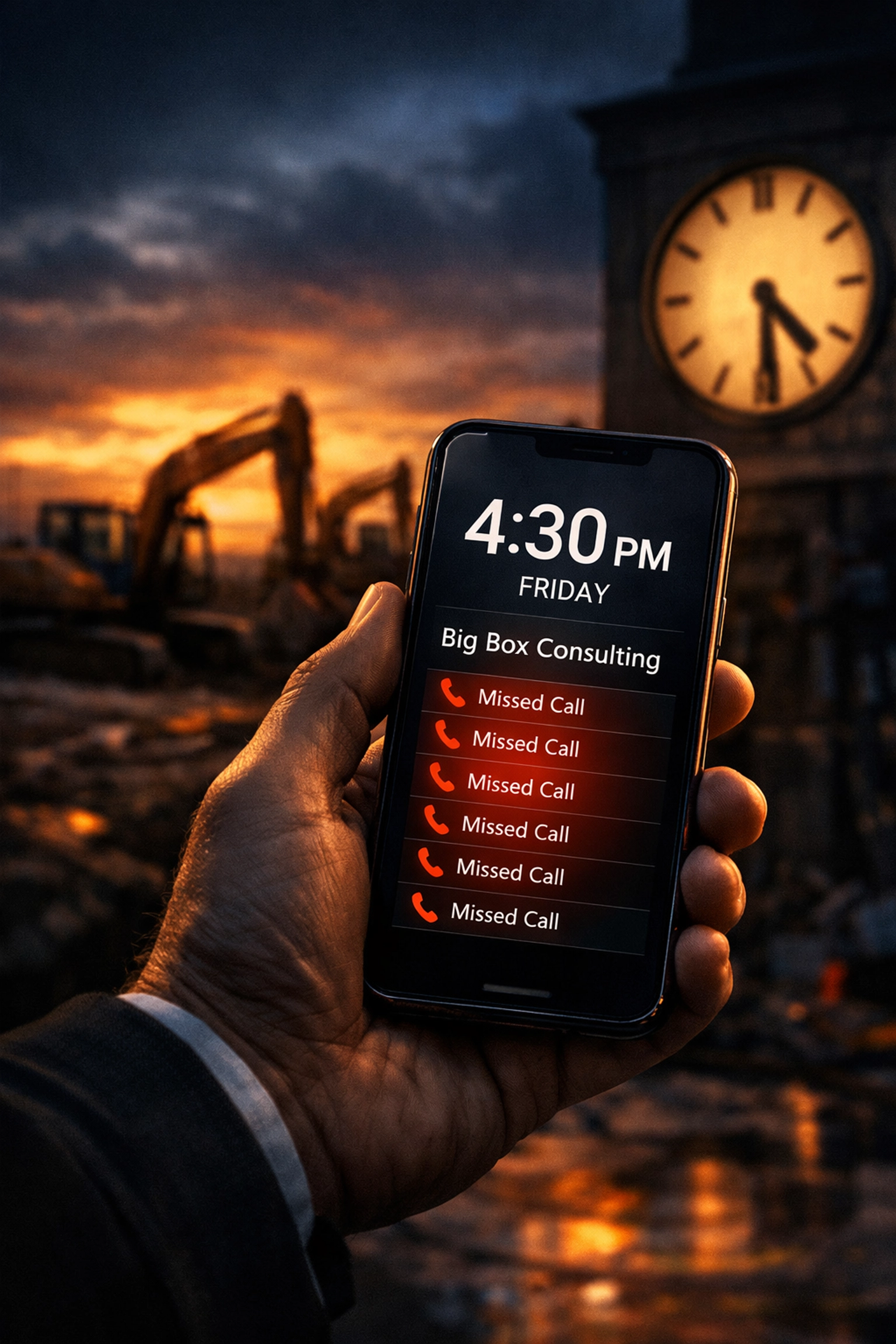
    Try calling your big box project manager at 4:30 PM on a Friday when NYSDEC just sent comments on your Remedial Action Work Plan and your closing is Monday. Good luck. You'll get voicemail, an auto-reply about "business hours," and maybe: maybe: a response by Tuesday.

    Meanwhile, your deal is dying. Your lender is panicking. Your attorney is drafting termination clauses. And your consultant is unreachable because they're "working on other priorities."

    In NYC's fast-moving real estate market, this communication lag isn't just annoying: it's financially catastrophic.

    What the Market Actually Needs

    Look, we're not saying big firms are evil. They're just structurally incapable of delivering what NYC projects actually require.

    What works in this market is the exact opposite of the big box model:

    Responsive, Direct Access
    When issues arise: and they always do: you need to talk to the person who actually knows your project. Not a call center. Not a junior associate reading from your file. The principal engineer who's been on your site and understands the regulatory context.

    Local Regulatory Expertise
    NYC and New Jersey environmental regulations aren't just different from other markets: they're constantly evolving. NYSDEC's recent Part 375 changes alone created massive implications for brownfield developers. You need an environmental engineering firm NYC that lives in these regulations daily, not one that has to "research" basic compliance questions.

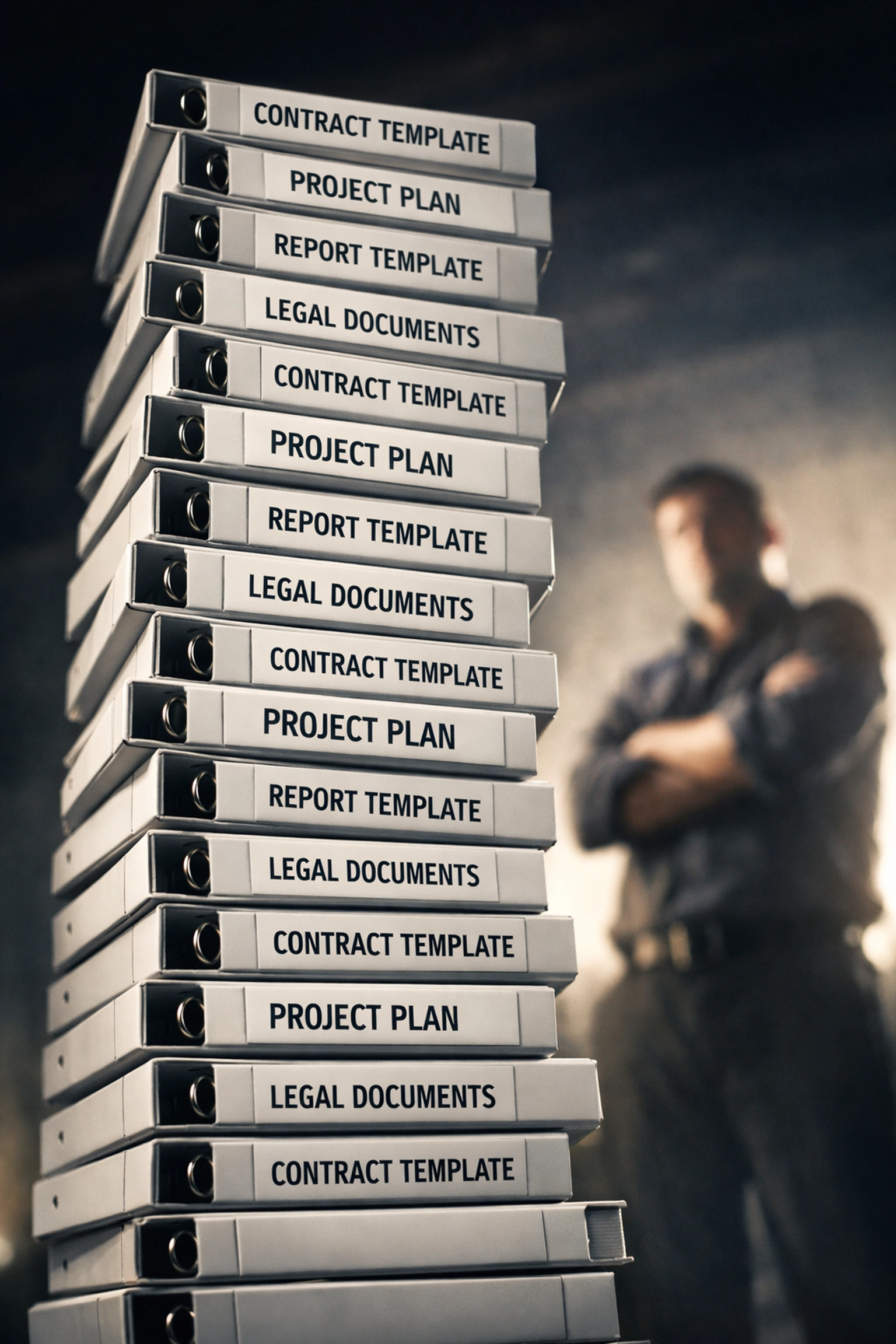
    Stack of generic consulting templates representing cookie-cutter approach to environmental projects

    Integrated Engineering Approach
    Here's a radical idea: what if your civil engineer and your environmental consultant actually talked to each other before designing your site plan? What if they worked for the same firm and understood how remediation constraints affect grading, drainage, and foundation design?

    Big box firms claim to offer this integration. In practice, their civil group and environmental group operate like competing fiefdoms, each protecting their turf and billable hours.

    Business-Focused Solutions
    At the end of the day, you're not hiring an environmental consultant to write reports. You're hiring them to solve business problems. Can we close this deal? Can we get this site shovel-ready? Can we satisfy the lender without spending six figures on unnecessary testing?

    Big firms are trained to identify problems and recommend comprehensive solutions (translation: expensive ones). Small, nimble firms understand that the best solution is the one that actually works for your proforma and timeline.

    The Envicon Difference

    We've spent years cleaning up the messes left by big box consultants. It's actually a significant part of our business: developers and attorneys come to us when their previous firm has blown a deadline, missed a critical issue, or proposed a solution that makes no financial sense.

    What we do differently:

    • Principal involvement on every project. Not as a figurehead. As the person actually reviewing your data and making strategic calls.
    • Integrated civil and environmental engineering. We don't hand off between departments. We design holistically from day one.
    • Transparent, fixed-fee options. No surprise invoices. No scope creep justified by "unforeseen conditions" that we should have foreseen.
    • Local regulatory fluency. We're not researching NYSDEC requirements: we're on a first-name basis with the reviewers.

    Unanswered calls to environmental consultant with idle NYC construction site in background

    The Takeaway

    The big box consulting model made sense in a different era. When projects moved slower, communication was harder, and standardization was actually valuable. That era is over.

    Today's NYC market demands speed, precision, and accountability. It requires consultants who understand that your environmental due diligence isn't an academic exercise: it's the linchpin of a financial transaction with real money at stake.

    If you're working with a big box firm and feeling like you're getting generic service at premium prices, trust that instinct. You probably are.

    The good news? You have options. The NYC environmental consulting market is full of talented, responsive firms that actually give a damn about your project's success.

    You just have to be willing to break up with the big box.

    Need an environmental consultant who actually answers the phone? Let's talk. We're not the biggest firm in New York. But we might be the most effective one for your next project.


    ![\[FOOTER\] Envicon Strategic Solutions logo on professional blue footer](https://cdn.marblism.com/pyjh-aiJmQ_.webp)
  • NJDEP PFAS Update 2026: The Developer’s Survival Guide to New Soil Standards

    NJDEP PFAS Update 2026: The Developer’s Survival Guide to New Soil Standards

    If you're holding a property in New Jersey right now: whether it's in pre-development, active remediation, or even inching toward closure: the ground just shifted beneath you. Literally.

    On January 1, 2026, the New Jersey Department of Environmental Protection (NJDEP) implemented sweeping changes to PFAS testing and remediation standards. And unlike most regulatory updates that nibble around the edges, this one fundamentally rewrites the playbook for environmental due diligence, site characterization, and property valuations across the state.

    Here's what you need to know, why it matters to your bottom line, and how to turn regulatory chaos into competitive advantage.

    The Mandatory Testing Trap: No More "Wait and See"

    The biggest change isn't just what you have to test for: it's when you have to test for it.

    GenX, PFNA, PFOS, and PFOA are now mandatory analytes at any site where contaminants are unknown or poorly documented. This eliminates the discretion that Licensed Site Remediation Professionals (LSRPs) previously exercised. If your Phase I ESA identified a data gap or your Phase II lacks comprehensive contaminant profiling, you're now required to sample for these four "forever chemicals."

    This isn't a suggestion. It's a regulatory mandate.

    For developers, this means:

    • Brownfield acquisitions just got more expensive upfront. That old gas station you were eyeing? Add another round of soil and groundwater sampling to your due diligence budget.
    • Timeline compression. You can't defer PFAS testing until later phases. It's part of the initial characterization now.
    • Deal-killer potential. Properties that looked "clean enough" under 2025 standards may suddenly trigger remediation obligations that weren't priced into your acquisition model.

    PFAS soil sampling at New Jersey industrial site for environmental testing

    The New Soil Standards: What the Numbers Actually Mean

    NJDEP established interim soil remediation standards that vary based on exposure pathways. Here's the breakdown:

    Contaminant Residential (mg/kg) Nonresidential (mg/kg) Soil Leachate (µg/L)
    GenX 0.23 3.9 0.40
    PFNA 0.047 0.67 0.26
    PFOS 0.11 1.6 0.26
    PFOA 0.13 1.8 0.28

    Translation: If you're redeveloping for residential use, your cleanup thresholds just got dramatically tighter. For context, PFNA's residential standard is 0.047 mg/kg: that's parts per million territory where even minor historical contamination can trigger major remediation obligations.

    The Migration to Groundwater pathway adds another layer of complexity. Instead of fixed standards, NJDEP requires area-of-concern or site-specific calculations. That means your LSRP will need to model contaminant fate and transport for each property: adding both cost and time to your remediation strategy.

    Groundwater: The Hidden Liability Multiplier

    GenX now has a groundwater quality standard of 0.02 micrograms per liter (µg/L), with a practical quantitation level of 0.0075 µg/L. To put that in perspective, that's roughly equivalent to detecting one drop of water in 20 Olympic-sized swimming pools.

    Why does this matter? Because groundwater contamination doesn't respect property boundaries. If your site is upgradient of a contaminated plume: or worse, contributing to one: you're now looking at:

    • Long-term groundwater monitoring commitments
    • Potential involvement in regional remediation efforts
    • Classification changes that impact property marketability
    • Engineering controls (like vapor intrusion systems) that affect future building design

    Aerial Site Image Showing Utilities and Subsurface Investigation

    The "Almost Closed" Problem

    Here's the scenario that's keeping LSRPs up at night: You've got a site that's been in remediation for years. The contamination is well-characterized (or so you thought). You're six months from a No Further Action (NFA) letter or Response Action Outcome (RAO). You've already lined up your financing and your GC.

    Then the PFAS rules drop.

    Any site undergoing active remediation: even if it's approaching closure: must now evaluate historic PFAS use and determine applicability of the new standards. If your remedial investigation didn't include PFAS sampling (and most didn't prior to 2024), you're potentially looking at:

    • Supplemental site investigation
    • Remedial Action Workplan amendments
    • Delayed closure timelines
    • Renegotiated cleanup budgets

    This isn't theoretical. We're already seeing it with clients who had sites "ready to close" in Q4 2025. The new standards pushed their NFA timelines into mid-2026 at the earliest.

    Strategic Implications for Developers

    The PFAS update isn't just an environmental compliance issue: it's a fundamental shift in how you need to approach site selection, due diligence, and capital planning.

    Due Diligence: Your Phase I ESA checklist just expanded. Historical research now needs to identify any potential PFAS sources: dry cleaners, metal plating facilities, firefighting foam use, landfills, industrial coatings operations. If there's even a plausible historical use case, you need soil and groundwater sampling before you close.

    Site Characterization: The integrated civil-environmental approach we've been advocating for years? It's no longer optional. You can't afford to run separate environmental and geotechnical investigations when PFAS sampling may require deeper borings and more extensive monitoring well networks. Coordinate your subsurface work from day one.

    Property Valuations: Expect appraisers and lenders to start building PFAS contingencies into their models. Sites with documented or suspected PFAS contamination will see valuation discounts ranging from 10-30% depending on concentration levels and remediation complexity. The flip side? Clean sites with comprehensive PFAS data will command premiums.

    PFAS groundwater contamination migration through soil layers in New Jersey

    The Firefighting Foam Ban: Closing the Front Door

    In a rare piece of good news, New Jersey enacted a ban on Class B firefighting foams containing intentionally added PFAS, effective January 8, 2026. This eliminates one of the most common sources of future contamination.

    For developers of industrial, warehouse, and logistics properties, this means you can finally close the loop on ongoing PFAS liability: assuming you've addressed legacy contamination. Sites that previously had active foam systems can now transition to PFAS-free alternatives without worrying about re-contamination during training exercises or emergency response.

    How to Stay Ahead of the Curve

    Here's your action plan if you're developing or remediating property in New Jersey:

    Immediate Actions (Next 30 Days):

    • Inventory your pipeline for sites with incomplete contaminant characterization
    • Request PFAS-specific historical research as part of all new Phase I ESAs
    • Review existing remedial investigation reports for PFAS data gaps
    • Build PFAS sampling costs into your 2026 due diligence budgets

    Medium-Term Strategy (Next 6 Months):

    • Integrate PFAS sampling into your standard geotechnical investigation scope: you're drilling borings anyway, add the environmental sampling
    • Establish relationships with labs that have capacity for low-detection-limit PFAS analysis (turnaround times are already stretching)
    • For properties approaching closure, proactively evaluate whether supplemental PFAS investigation makes sense before NJDEP mandates it

    Long-Term Positioning:

    • Start viewing PFAS contamination the same way you view vapor intrusion: it's a permanent feature of the NJ development landscape
    • Factor PFAS remediation timelines (typically 12-24 months longer than conventional contaminants) into your project schedules
    • Consider partnering with firms that can provide integrated environmental and civil solutions to compress investigation timelines and reduce mobilization costs

    Excavator and Crew at Urban Redevelopment Site

    The Bottom Line

    The 2026 PFAS standards represent the most significant shift in New Jersey environmental regulation since the Licensed Site Remediation Professional Act. They will increase due diligence costs, extend remediation timelines, and create uncertainty around property valuations.

    But here's the opportunity: While your competitors are still treating environmental and civil as separate silos, you can integrate subsurface investigation, compress timelines, and turn regulatory complexity into competitive advantage.

    The developers who win in this new landscape will be the ones who stop viewing environmental compliance as a necessary evil and start treating it as strategic site intelligence. Know your soil chemistry before you design your foundations. Understand your groundwater conditions before you plan your utilities. Close your PFAS data gaps before the lender asks.

    Because in 2026, the cost of not knowing just went up. Significantly.

    Need to evaluate PFAS risk on your next acquisition? Our integrated civil-environmental teams can compress your due diligence timeline and give you the site intelligence you need to make confident decisions. Get in touch and let's talk about turning regulatory headwinds into strategic advantages.

  • Looking for NJ Geotechnical Investigation Costs? Here Are 10 Things You Should Know

    Looking for NJ Geotechnical Investigation Costs? Here Are 10 Things You Should Know

    If you’re developing in New Jersey, you already know the ground beneath your feet is rarely just "dirt." Whether you’re looking at a sleek multi-family mid-rise in Jersey City or an industrial warehouse expansion in the Meadowlands, the subsurface is a complex puzzle of glacial till, urban fill, and regulatory landmines.

    At Envicon Strategic Solutions, we see geotechnical investigations not just as a line item in your pre-construction budget, but as the foundational risk-mitigation tool for your entire project. If you’re asking, "What is this going to cost me?" the answer is rarely a single number. It’s a strategy.

    Here are 10 things you need to know about NJ geotechnical investigation costs and how to navigate them without blowing your contingency fund.


    1. The Baseline: Residential vs. Commercial Reality

    For a standard residential property in New Jersey, you might see quotes ranging from $1,000 to $5,000, with a sweet spot around $2,700. However, for the developers we partner with: those handling commercial, industrial, or complex urban infill: these numbers are just the starting blocks.

    When you move into contaminated sites or areas with poor structural soils, the investigation isn't just about bearing capacity; it’s about liability management. On these sites, costs can quickly climb into the five or even six-figure range depending on the depth of the "story" the ground is trying to tell.

    2. Why Site Size Dictates Your Minimum Spend

    The NJDEP (New Jersey Department of Environmental Protection) doesn't leave much to guesswork when it comes to sampling density. For properties 4 acres or smaller, you’re looking at a minimum of two samples, with costs typically starting between $600 and $1,800.

    Scale that up to a 100-acre logistics center, and your minimum entry fee for sampling alone jumps to approximately $7,000. We often see developers try to "skim" on the number of borings to save a few thousand dollars upfront, only to be hit with a $500,000 change order during excavation because they missed a lens of organic peat or a buried foundation.

    Modern Urban Skyline at Dusk

    3. Understanding the Menu of Test Types

    Not all holes in the ground are created equal. Your total cost is a sum of specific technical needs:

    • Soil Compaction Tests: Essential for slab-on-grade foundations, typically $190–$350.
    • Soil Percolation Tests: If you’re dealing with septic or complex stormwater management, expect $250–$850.
    • Advanced Composition Analysis: Necessary for determining chemical stability, ranging from $300–$1,750.
    • Soil Borings (15–20 feet): The bread and butter of geotech, usually $750–$1,500 per hole.

    4. The "Hidden" Costs of Site Prep

    Before a drill rig even touches the site, there’s a logistical dance that costs money. Utility locating is non-negotiable in New Jersey’s dense infrastructure. Vegetation clearing, site access for heavy machinery, and private utility mark-outs can add $200 to $500 per day to your field costs.

    At Envicon, we emphasize integrated civil engineering during this phase. If we can coordinate the utility survey with the geotech mobilization, we’re not just saving you money: we’re saving you a week on your critical path.

    5. The Professional Premium (Why the "Cheap" Engineer is Expensive)

    In New Jersey, a Licensed Geotechnical Engineer or a Licensed Site Remediation Professional (LSRP) typically charges between $100 and $250 per hour.

    It’s tempting to go with the lowest hourly rate. However, the value isn't in the hour spent; it’s in the professional judgment that prevents over-engineering. A visionary engineer might spend two extra hours analyzing data to save you $100,000 in reinforced steel rebar or unnecessary deep foundations.

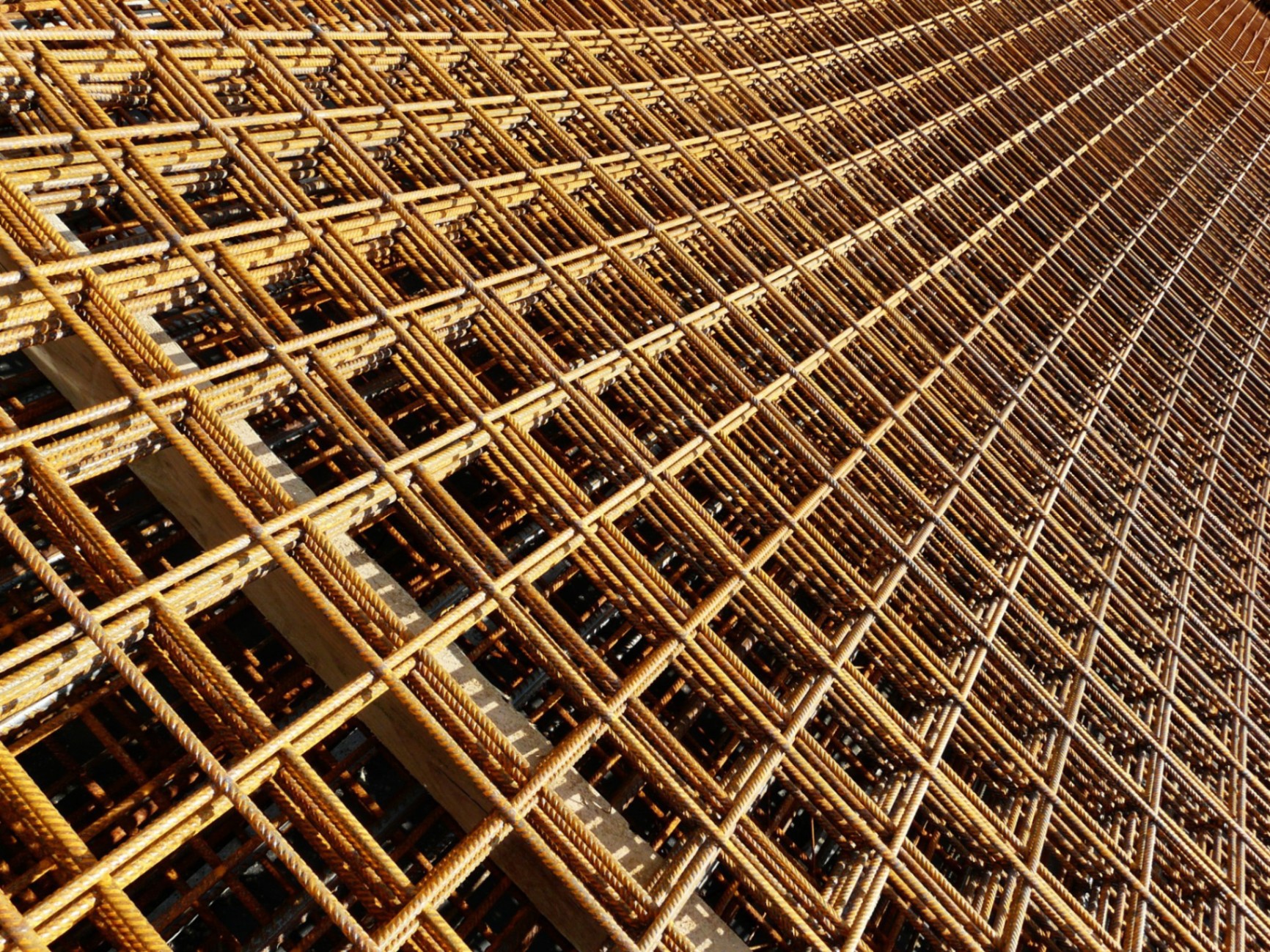
    Reinforced Steel Rebar Grid in Foundation Phase

    6. NYC OER vs. NJDEP: The Cross-Border Complexity

    If you’re a developer working both sides of the Hudson, you know the NYC OER (Office of Environmental Remediation) and NJDEP speak different languages. NYC OER brownfield cleanup requirements often demand more rigorous upfront geotechnical and environmental data to secure "E-Designations" or Voluntary Cleanup Program (VCP) entries.

    Integrating your geotechnical investigation with an environmental site assessment is the only way to avoid paying for two separate mobilizations. If you’re digging anyway, sample for both structural integrity and environmental compliance simultaneously.

    7. The New Cost Driver: PFAS Remediation

    The regulatory landscape shifted permanently with the focus on "forever chemicals." PFAS remediation costs in NJ are now a critical factor in due diligence. If your geotechnical investigation reveals groundwater issues, the cost of specialized testing for PFAS can add several thousand dollars to your laboratory bill.

    Because New Jersey has some of the strictest PFAS limits in the country, identifying these risks during the geotech phase is a visionary move. It allows you to price the remediation into your acquisition cost rather than discovering it after you've closed.

    8. Phase II Environmental Site Assessment Integration

    We often see developers treat Geotech and Phase II ESAs as two different worlds. They aren't. A Phase II Environmental Site Assessment in NJ is often triggered by the same subsurface anomalies your geotech investigation is designed to find.

    By running these processes in parallel, you reduce oversight fees and administrative bloat. More importantly, you get a holistic view of the "Site Constraints" map.
    Digital mapping of soil conditions and environmental contamination for NJ geotechnical and Phase II ESA integration.

    9. NJDEP Oversight and Administrative Fees

    If you want a formal "No Further Action" (NFA) determination or a Response Action Outcome (RAO) from an LSRP, you have to pay the state for the privilege. NJDEP oversight costs range from $500 to $4,000 for standard sites. If contamination is detected, those fees can jump to $8,000 or more, not including the actual remedial work.

    10. The Envicon Difference: Beyond the "Big Consultant" Model

    Most developers are used to the "Big Box" consulting firms. You get a junior engineer in the field, a senior manager you never talk to, and a bill for "administrative overhead" that makes your eyes water.

    Why choose Envicon?

    • Responsiveness: We don't operate on "consultant time." We operate on "developer time."
    • Accountability: Our CEO, Jason Pancoast, and our senior leads are in the trenches. We don't bury mistakes in 400-page reports; we solve them with practical site engineering.
    • Sales Psychology Optimized: We don't just sell you a geotech report. We sell you the confidence to tell your investors that the site is de-risked. We sell the community the assurance that the development is safe. We sell authority.

    Summary Takeaways for NJ Developers

    • Don't ignore the extras: Budget for utility mark-outs and site access.
    • Integrate or die: Combine your Geotech with your Phase II ESA and NYC OER requirements to save 20-30% on total field costs.
    • PFAS is real: Include it in your pro forma if you’re in an industrial corridor.
    • Invest in the brain, not the rig: The value is in the engineering analysis that keeps your foundation costs lean.

    "The most expensive geotechnical report is the one that was too cheap to find the truth."

    If you’re ready to move beyond the "pointing at dirt" style of consulting and want a visionary partner for your next NJ or NYC project, let’s talk.

    Ready to de-risk your next acquisition?
    Contact Envicon Strategic Solutions today for a strategic consultation that goes deeper than the soil.[FOOTER] Envicon Strategic Solutions

  • ASTM E1527-21 vs. The Old Standard: Which Is Better For Your NJ Property Acquisition?

    ASTM E1527-21 vs. The Old Standard: Which Is Better For Your NJ Property Acquisition?

    If you’re moving dirt in New Jersey or New York, you already know the stakes. In our world, a "good deal" can turn into a million-dollar liability overnight if you miss a single detail in the soil or groundwater. For years, the industry relied on the ASTM E1527-13 standard for Phase I Environmental Site Assessments (ESAs). It was the gold standard: until it wasn't.

    In late 2021, the standard evolved to ASTM E1527-21. While some consultants treated this as a minor clerical update, we at Envicon Strategic Solutions saw it for what it truly is: a fundamental shift in how we protect your capital and your legacy.

    If you’re still hearing "we can just do a standard Phase I" from your current consultant without a deep dive into these new requirements, you’re likely walking into a closing with a blindfold on. Let’s break down why the new standard isn't just "better": it's the only way to play the game in today's regulatory climate.

    The Legal Shield: Why the "Old Way" Leaves You Exposed

    The primary reason anyone performs a Phase I ESA isn't just to be a good steward of the Earth; it’s to qualify for the Innocent Landowner Defense under CERCLA (the Comprehensive Environmental Response, Compensation, and Liability Act). This is your "get out of jail free" card if you accidentally buy a property with legacy contamination you didn't cause.

    As of February 13, 2024, the EPA officially retired the old E1527-13 standard for satisfying "All Appropriate Inquiries" (AAI). This means if you are using the old standard for a deal today, you do not have federal liability protection. Period.

    At Envicon, we don't just check boxes. We look at a property in Jersey City or Newark and see the layers of history. Using the outdated standard in a high-stakes market like ours isn't just a mistake; it's a choice to remain vulnerable.

    Environmental professionals reviewing site data for a NJ property acquisition using the ASTM E1527-21 standard.

    RECs Reimagined: It’s Not Just About the "No Further Action" Letter

    In the old days (pre-2021), if a property had a "No Further Action" (NFA) letter or a Response Action Outcome (RAO) from the NJDEP, many consultants would mark it as a "Historical Recognized Environmental Condition" (HREC) and move on.

    The new ASTM E1527-21 standard changes the math. Now, we are required to evaluate whether that past closure meets current unrestricted use standards.

    Think about that for a second. New Jersey's remediation standards for soil and groundwater change constantly. A cleanup that was "good enough" in 2005 might be a massive red flag in 2026. Under the new standard, if the old cleanup doesn't meet today's stricter numbers, it’s a Recognized Environmental Condition (REC).

    This is where the "Big Box" consulting firms often fail our clients. They see an old NFA letter and stop digging. We see an old NFA letter and ask, "Does this protect my client's 2026 ROI?" We bridge the gap between yesterday’s compliance and tomorrow’s reality.

    The PFAS Factor: The "Invisible" Deal-Killer

    Perhaps the most significant: and controversial: addition to the E1527-21 standard is the explicit mention of Emerging Contaminants, specifically PFAS (per- and polyfluoroalkyl substances).

    While PFAS aren't currently classified as "hazardous substances" under federal CERCLA law (though that is rapidly changing), the new ASTM standard encourages looking at them as "Non-Scope Considerations." In New Jersey, where the NJDEP is a national leader in PFAS regulation, ignoring these "forever chemicals" is a recipe for disaster.

    If you’re acquiring an industrial site or even a former dry cleaner in Hudson County, you need to know if PFAS is present. Even if it doesn't trigger a federal CERCLA issue today, it will absolutely impact your ability to get financing or sell the property five years from now.

    We don't just follow the federal minimum. We look at the industry resources and local trends to ensure your NJ property acquisition isn't haunted by chemicals the rest of the industry is too afraid to talk about.

    Modern Urban Skyline at Dusk

    Data Gaps: No More "I Couldn't Get In"

    We’ve all seen Phase I reports where the consultant says, "The basement was locked, so we couldn't inspect it." Under the old standard, that was often brushed aside.

    The E1527-21 standard is much tougher on Data Gaps. It requires us to explicitly state why a gap exists, how significant it is, and how it affects our ability to identify RECs. It also mandates more visual documentation: photographs and maps are no longer "nice to haves"; they are requirements.

    When you work with Envicon, you aren't getting a report full of excuses. You're getting a clear, visual site map overlay that shows exactly what we saw and, more importantly, what it means for your development timeline. We use technology to close the gaps that leave other firms guessing.

    Why Envicon Beats the "Big Box" Consultant

    You have a choice when it comes to your environmental due diligence. You can go with a massive, multinational firm where your project is handled by a junior staffer in a different time zone, or you can partner with an agile, visionary team that lives and breathes the NY/NJ market.

    Here is why the smart money is switching to Envicon:

    • Local Nuance: We don’t just know the ASTM standard; we know the NJDEP LSRP program and the NYC OER "E-Designation" process inside and out.
    • Visionary Thinking: We don't just tell you there's a problem. We tell you how to fix it, what it will cost, and how to turn a "hazard" into a community asset.
    • Responsiveness: In this market, deals move at the speed of light. We deliver lender-ready reports that actually pass through underwriting without the back-and-forth.
    • Accountability: When you call Envicon, you talk to the experts who actually walked your site. We take ownership of our findings because we know your closing depends on them.

    "Environmental due diligence shouldn't be a hurdle to your closing; it should be the foundation of your confidence." : Jason Pancoast, CEO

    Summary of Key Changes: E1527-13 vs. E1527-21

    Feature E1527-13 (The Old) E1527-21 (The New)
    EPA Status Retired / Not Valid for AAI Only Valid Standard for AAI
    REC Definition Broadly interpreted Clarified and tightened
    HRECs Often ignored if NFA was present Must meet current standards
    PFAS Not mentioned Included as "Emerging Contaminant"
    Visuals Optional/Limited Mandatory photos and maps
    Shelf Life 180 days (vague start) 180 days (strict milestone dates)

    The Takeaway for Your Next Acquisition

    The shift to ASTM E1527-21 isn't just a technicality: it’s a superior tool for de-risking your investments. By choosing the new standard, you are opting for better documentation, a more thorough look at historical risks, and the only path to federal liability protection.

    Don't let your acquisition be derailed by a "standard" report that misses the modern reality of environmental risk. Whether you’re an architect, a developer, or an environmental lawyer, you need a partner who sees the vision for your property as clearly as you do.

    Ready to de-risk your next NJ or NY acquisition?

    Let’s talk. At Envicon Strategic Solutions, we don't just provide reports; we provide the strategic clarity you need to build the future.

    Contact us today to schedule your next Phase I ESA or to review your current portfolio for hidden risks. Your legacy: and your bottom line: will thank you.


    For more insights into navigating the complexities of urban redevelopment, check out our blog or explore our recent projects.[FOOTER] Envicon Strategic Solutions

  • ASTM E1527-21: The Technical Nuances That Most Developers Miss

    ASTM E1527-21: The Technical Nuances That Most Developers Miss

    If you’re developing property in New Jersey or the surrounding tri-state area, you know that the Phase I Environmental Site Assessment (ESA) is the gatekeeper of your deal. It’s the document that satisfies the "All Appropriate Inquiries" (AAI) requirement under CERCLA, providing you with that crucial status as a Bona Fide Prospective Purchaser.

    However, since the transition to the ASTM E1527-21 standard, we’ve seen a recurring trend: developers are treating these reports as a commodity check-the-box exercise, while the technical nuances: the "fine print" that determines liability and project timelines: are being glossed over by high-volume, low-cost consulting shops.

    In the world of professional services, a Phase I is only as good as the Environmental Professional (EP) signing it. At Envicon Strategic Solutions, we’ve spent years navigating the shift from the old E1527-13 standard to the rigorous 2021 update.

    Here are the technical nuances of ASTM E1527-21 that most developers miss, and why they matter for your next acquisition.

    1. The "Likely" Presence: A Subjective Threshold with Objective Consequences

    The updated definition of a Recognized Environmental Condition (REC) is one of the most significant shifts in the standard. It now encompasses three distinct scenarios:

    1. The presence of hazardous substances due to a release.
    2. The likely presence of hazardous substances due to a release.
    3. The presence of hazardous substances under conditions that pose a material threat of a future release.

    The word "likely" is where most developers get tripped up. Under the -13 standard, there was more room for "professional judgment" to dismiss potential concerns. Under ASTM E1527-21, "likely" is defined as "that which is neither certain nor proved, but can be expected or believed based on the logic and experience of the EP."

    For our clients, this means that if we see a historical record of a dry cleaner on an adjacent property with no documented cleanup, it’s no longer just a "business risk": it’s a REC. This shift forces a Phase II investigation far more often than it used to. If your consultant is still using the "we didn't see a spill, so it's fine" logic, they are leaving your AAI protection at risk.

    Aerial Site Map with Facility Layout and Monitoring Points

    2. The Mandatory "Big Three" Historical Sources

    In the past, an EP could use their discretion to determine which historical sources were "reasonably ascertainable." ASTM E1527-21 has removed much of that flexibility. The standard now mandates that the EP must review the following four sources for the subject property and adjoining properties:

    • Aerial Photographs
    • Sanborn Fire Insurance Maps
    • City Directories
    • Topographic Maps

    If these sources are not reviewed, the EP must document why they weren't available. We often see reports from large, national firms that skip the Sanborn maps because they are "not available for this specific rural block." At Envicon, we dig deeper. In New Jersey, where industrial history is layered like an onion, skipping a 1920s Sanborn map could mean missing a buried gasoline tank that wasn't registered with the state but was clearly marked a century ago.

    3. The "Material Threat" of a Future Release

    This is a forward-looking nuance. The -21 standard explicitly includes the "material threat" of a future release. Think of an aging, abandoned underground storage tank (UST) that hasn't leaked yet, but is past its structural prime.

    Most developers view environmental due diligence as an audit of the past. ASTM E1527-21 turns it into a forecast of the future. If a site has infrastructure that is failing, even if the soil is currently "clean," it can be flagged as a REC. This changes the capital expenditure (CapEx) conversation during the due diligence period. You aren't just buying the land; you're buying the liability of a potential future breach.

    4. The 180-Day "Shelf Life" Clock

    Time is the enemy of every real estate deal. ASTM E1527-21 clarifies the shelf life of a Phase I ESA. To remain valid for AAI, the report must be completed within 180 days of the acquisition date. However, several components have specific "start dates":

    • Interviews
    • Search for recorded environmental cleanup liens
    • Review of government records
    • Visual inspection
    • The declaration by the EP

    These components must be updated if they are older than 180 days. If your deal drags on for a year (as they often do in Hudson County), a simple "update" letter won't cut it. You need a full refresh of these five components to maintain your legal shield. We’ve seen developers lose their CERCLA protection because their "big firm" consultant let the clock run out without a proper update.

    5. Vapor Encroachment: The Invisible Deal-Breaker

    Vapor intrusion (VI) is no longer an afterthought. The -21 standard reinforces the requirement to evaluate the Vapor Encroachment Screen (VES). In high-density areas like Newark or Jersey City, where volatile organic compounds (VOCs) from a neighbor’s historic dry cleaner can migrate through the soil gas into your proposed basement, this is a critical health and safety issue.

    Even if your soil and groundwater are clean, vapor can make a building uninhabitable or trigger massive mitigation costs (like sub-slab depressurization systems). Our approach at Envicon is to integrate the VES into the very first stage of due diligence, ensuring you know if you're buying a "vapor cloud" before you commit to the project.

    6. The "NFA" Trap: Why Old Closures Aren't Forever

    A "No Further Action" (NFA) letter or a Response Action Outcome (RAO) from an LSRP is a great asset, but it is not a "get out of jail free" card under ASTM E1527-21.

    The EP must now reassess whether a historical REC (HREC) still meets the definition of an HREC based on current regulatory standards. For example, if a site was closed in 1995 based on a 100 ppm cleanup standard, but the current NJDEP standard is now 5 ppm, that old "closure" is actually a Controlled Recognized Environmental Condition (CREC) or even an active REC.

    "Uncertainty cannot be fully eliminated. No environmental site assessment can wholly eliminate uncertainty regarding the potential for recognized environmental conditions in connection with a subject property." : ASTM E1527-21 Standard Practice

    We don't just look at the piece of paper that says "Closed." We look at the data behind it to see if it holds up against today’s more stringent environmental laws.

    7. Emerging Contaminants (PFAS) and "Non-Scope" Risks

    Technically, PFAS (Per- and Polyfluoroalkyl Substances) are "non-scope" considerations under the current ASTM E1527-21 standard because they haven't been fully classified as hazardous substances under CERCLA yet.

    However, ignoring PFAS in New Jersey is a massive risk. The NJDEP is a national leader in PFAS regulation, with some of the strictest MCLs (Maximum Contaminant Levels) in the country. A "standard" Phase I that follows the letter of the ASTM but ignores "non-scope" PFAS is doing the developer a massive disservice. At Envicon, we treat emerging contaminants as a vital part of our environmental due diligence because we know the state will care, even if the ASTM standard doesn't require it yet.

    Why Envicon is the Strategic Choice for NJ Developers

    Most large environmental consulting firms operate on a "production line" model. They churn out Phase I reports by the hundreds, often assigning the bulk of the research to junior staff who have never stepped foot on a construction site.

    At Envicon Strategic Solutions, we operate differently. We are a visionary, multi-disciplinary firm that integrates civil engineering, geotechnical expertise, and environmental science. We don't just provide you with a list of problems; we provide you with a roadmap for development.

    • Concise Strategy over Fluff: We don't hide behind 500 pages of boilerplate text. Our reports are designed for the decision-maker: clear, actionable, and technically bulletproof.
    • Local Accountability: We understand the specific soil strata of New Jersey and the regulatory nuances of the NJDEP. We aren't a national firm trying to figure out local rules; we are the local experts.
    • Adaptability: Whether you’re dealing with a complex Brownfield in Environmental Justice communities or a suburban redevelopment, we adapt our scope to match your specific risk tolerance.

    Don't let a "standard" Phase I miss a non-standard risk. If you’re looking for a partner who sees the technical nuances and protects your investment, let’s talk.

    Summary Takeaways for Developers:

    • Assume "Likely" means "Will require investigation": The -21 standard lowers the bar for calling out a REC.
    • Check the Clock: If your acquisition date is more than 6 months from your report date, you need an update.
    • Vapor is Real: Even on "clean" sites, off-site migration is a major liability in NJ/NYC.
    • PFAS is Coming: Just because it’s "non-scope" doesn't mean it’s not your problem.
    • Old NFAs Expire: Regulatory standards change; your due diligence must account for today's numbers, not yesterday's.

    Ready to move forward with confidence?
    Explore our Services | View our Projects | Contact an Expert


    Envicon Strategic Solutions logo