Blog

  • PFAS in NJ: Assessing the Long-Term Financial Impact on Your Portfolio

    PFAS in NJ: Assessing the Long-Term Financial Impact on Your Portfolio

    Envicon logo

    If you’re managing an industrial or commercial real estate portfolio in New Jersey, you’ve likely heard the term PFAS more times than you care to count. The bigger issue now is cost. Owners, developers, and lenders are asking more specific questions: What does PFAS remediation cost in NJ? How do NJ environmental regulations affect cleanup budgets? And how do you keep a deal moving if PFAS shows up during due diligence?

    New Jersey has been ahead of the curve on PFAS regulation for years. The state set drinking water standards for PFNA, PFOA, and PFOS through the NJDEP and New Jersey Drinking Water Quality Institute process, and those state requirements continue to shape investigation and remediation strategy across the market. For property owners, that means PFAS is not just a technical issue. It is a business issue tied directly to diligence, reserves, financing, and long-term operating costs. See NJDEP's PFAS guidance here: https://www.nj.gov/dep/wms/bears/pfas.html.

    At Envicon, we’re seeing the same shift across North Jersey and the NYC metro market. The conversation is moving away from "How do we sample for this?" to "What are the real PFAS investigation and remediation costs, and how do NJ regulations affect asset value?" As we often tell clients, "The cheapest PFAS strategy is usually the one that gives you clear data early."

    The Regulatory Premium: Why NJ is Different

    New Jersey’s regulatory framework puts PFAS on the front burner. NJDEP has issued groundwater quality criteria, drinking water standards, and site remediation expectations that can drive additional sampling, receptor evaluation, and response planning long before a transaction closes. A site that looked manageable a few years ago can carry a very different cost profile today.

    The financial impact is not theoretical. New Jersey has aggressively pursued PFAS-related enforcement and cost recovery, including major litigation and settlements involving large manufacturers. That matters because it signals how seriously the state treats PFAS risk. For market context, see NJDEP's PFAS page and state updates here: https://www.nj.gov/dep/wms/bears/pfas.html.

    But you do not need to be a chemical manufacturer to feel the pressure. If your portfolio includes sites with historical industrial operations, metal finishing, plating, waste handling, airport support uses, or firefighting foam exposure, you may already be dealing with a PFAS remediation cost estimate in New Jersey whether you have prepared for it or not.

    As one point we stress with clients: "In New Jersey, PFAS risk is not priced by the molecule alone. It is priced by the regulatory path that follows."

    The Cost of the "Forever" Molecule

    The technical reality of PFAS is that it doesn't degrade. It moves through groundwater like a ghost, and capturing it requires specialized: and expensive: infrastructure. When we talk about PFAS remediation costs in NJ, we are not talking about a one-time cleanup line item. We are usually talking about layered costs that can include:

    • site screening and targeted sampling
    • groundwater delineation and monitoring well installation
    • lab analysis using PFAS-specific methods
    • waste handling and disposal requirements
    • treatment system design and startup
    • long-term operations, maintenance, and media changeout
    • regulatory reporting and NJDEP coordination

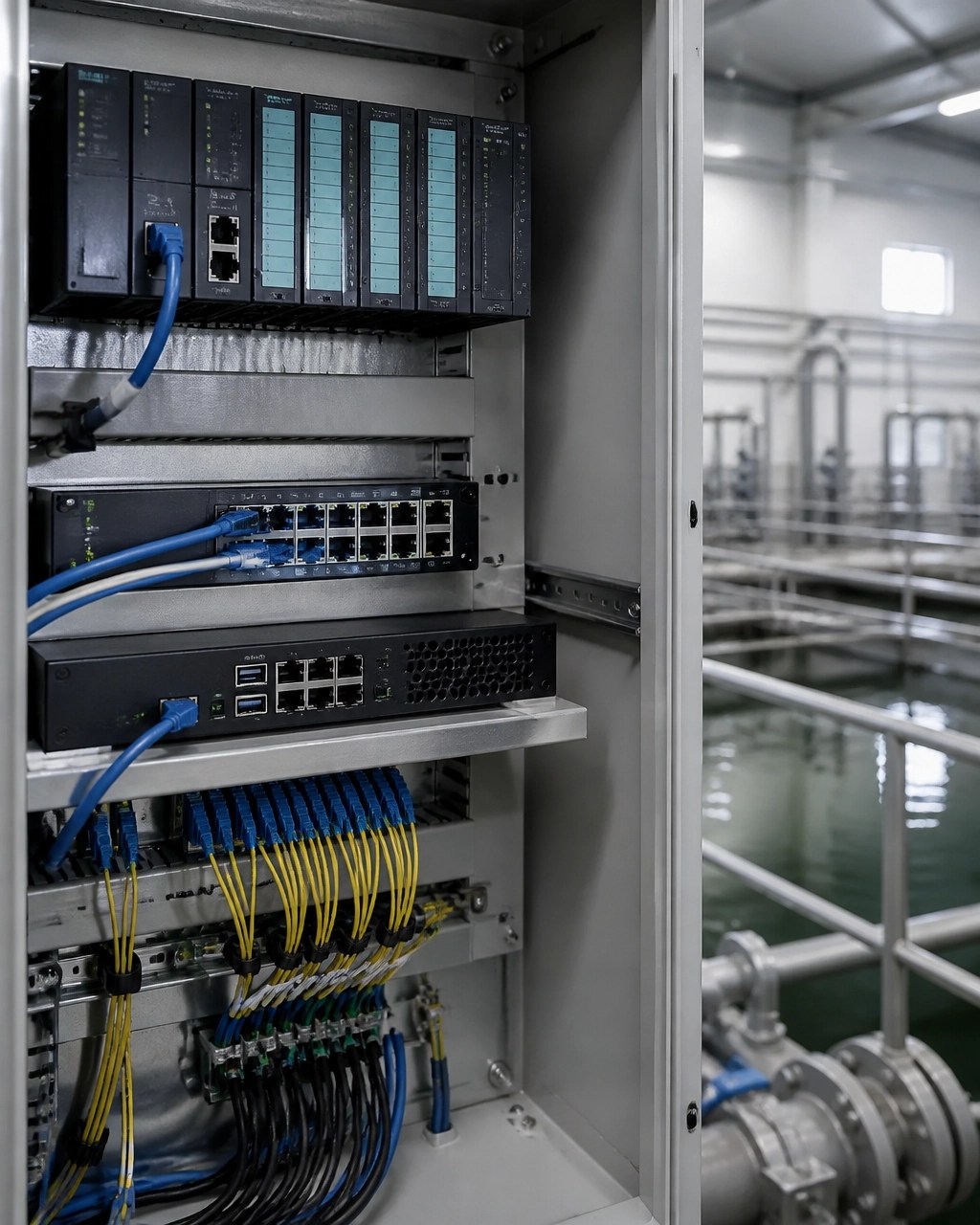
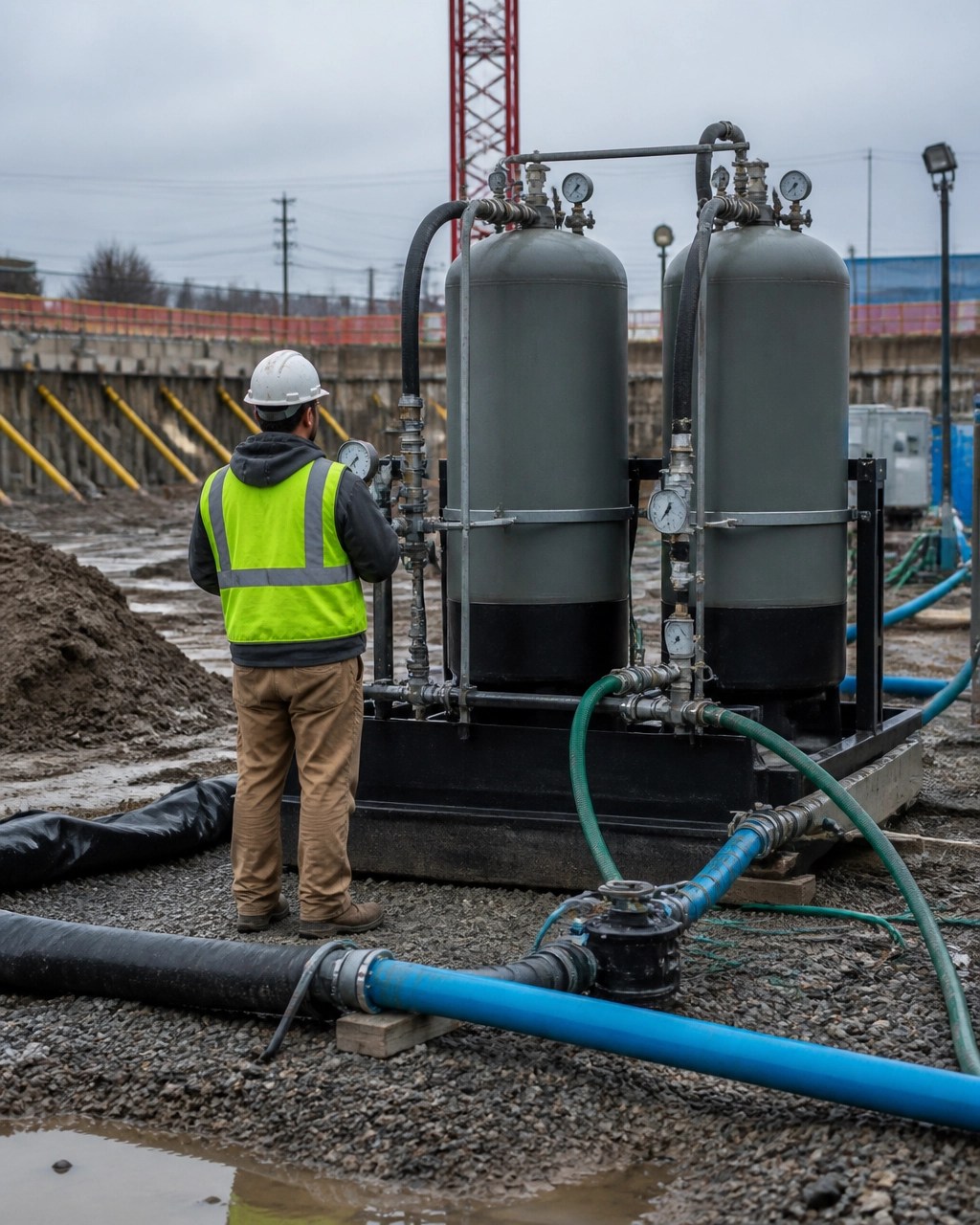
    PFAS treatment system with granular activated carbon vessels, piping, gauges, and treatment skid at an industrial/commercial site in New Jersey.

    Most portfolios are looking at two primary treatment technologies:

    1. Granular Activated Carbon (GAC): A common choice for PFAS-impacted water, but media replacement can become a major recurring operating cost.
    2. Ion Exchange (IX) Resins: Often effective in the right application, but usually with higher upfront material costs and site-specific maintenance considerations.

    That is why smart owners ask for more than a rough opinion. They ask for a PFAS cleanup cost estimate for NJ industrial property that reflects both capital cost and long-term operating cost. When a lender, buyer, or attorney sees PFAS potential in a deal file, they are not just thinking about one treatment unit. They are thinking about reserve requirements, timeline risk, and the net present value of years of compliance and maintenance.

    Portfolio Devaluation and the "Stalled Deal"

    We’ve seen it happen: a $50M industrial acquisition in the Meadowlands or along the NJ Turnpike corridor hits a wall during due diligence because the buyer’s environmental consultant flagged PFAS in a nearby municipal well.

    Suddenly, the financing gets shaky. The lender wants an escrow that looks more like a ransom note. This is where the "hidden tax" of PFAS hits hardest. It’s not just the remediation; it’s the cost of capital and the loss of liquidity.

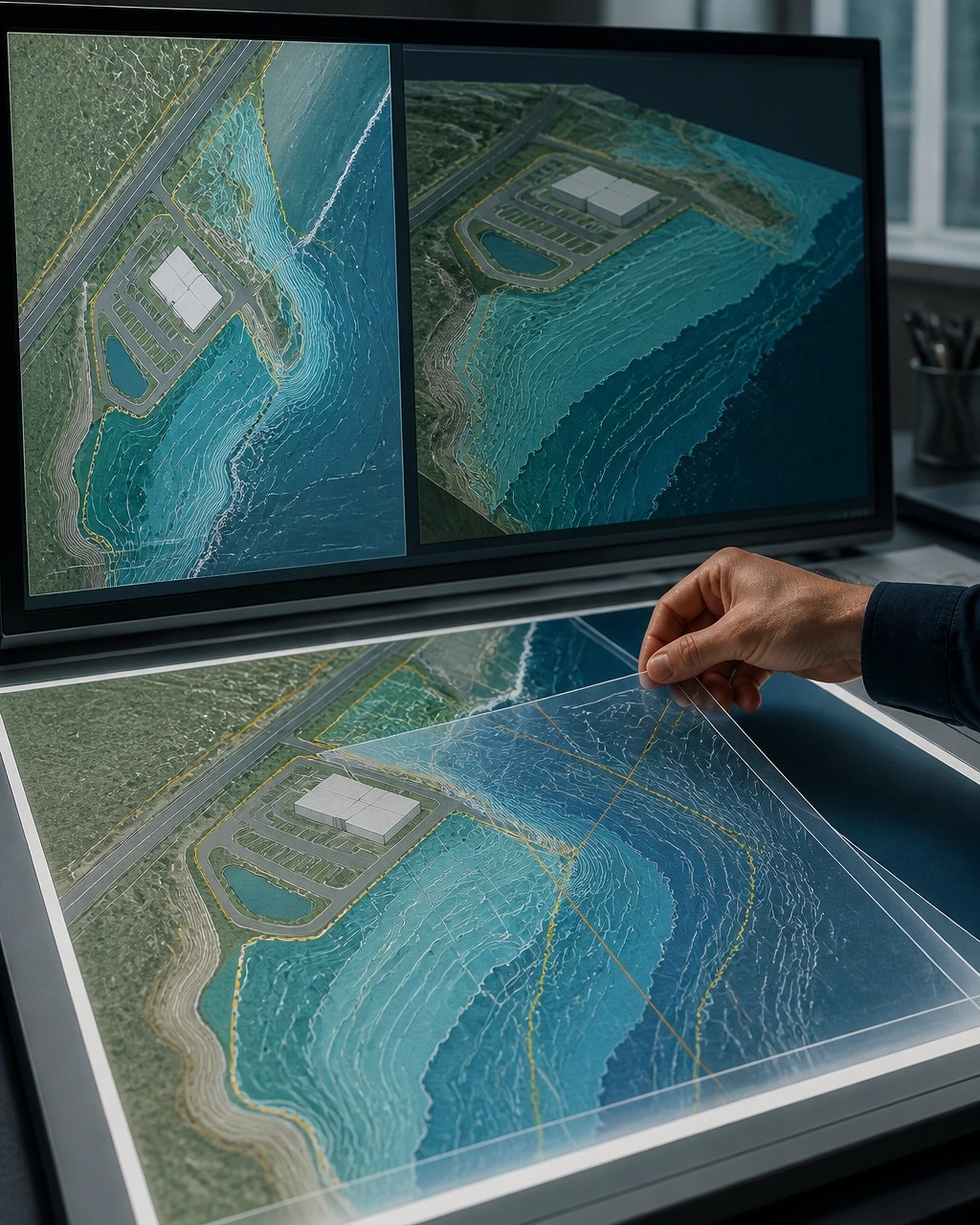
    Technical plume model visualization for PFAS groundwater contamination in New Jersey with monitoring wells, plume contours, receptors, and flow direction review.

    In the NJ market, "standard" environmental insurance policies are increasingly carving out PFAS. If you’re relying on a policy written a few years ago to protect you today, you need to read the exclusions carefully. That is especially true if you are underwriting PFAS due diligence costs in New Jersey real estate transactions and expecting insurance to backstop the exposure.

    Mapping the Risk: Beyond the Phase I

    Generic environmental assessments do not cut it anymore. To protect a portfolio, you need a clear understanding of the subsurface and a practical view of where PFAS may migrate under New Jersey site conditions. That means combining targeted sampling with groundwater interpretation, receptor review, and plume modeling when warranted.

    Technical environmental engineering image showing laboratory PFAS sampling workflow with sample vials, chain-of-custody forms, coolers, analytical lab setup, and field equipment.

    We use technical mapping and data review to help clients understand not just where PFAS is, but where the real cost exposure sits. By mapping groundwater flow direction, utility corridors, source areas, and nearby receptors, we can often narrow the area of concern and avoid wasting money on broad, unfocused investigation. That matters when you are trying to control PFAS site investigation costs under NJ environmental regulations and still keep a transaction on schedule.

    Why the "Big Box" Consultant Approach is Failing You

    You’ve probably worked with the massive global engineering firms. They have thousands of employees and even more billable hours. The problem? They often treat PFAS as a scientific curiosity rather than a business problem. They’ll give you a 400-page report that concludes with "more testing is needed."

    At Envicon, we take a different path. We are insiders. We know that you don't want a science project; you want a path to closure.

    • Accountability over Acronyms: We don't hide behind "maybe" and "potentially." We provide clear, actionable financial forecasting for remediation.
    • Agility: While the big firms are stuck in a three-week internal review process just to approve a work plan, our team is already on-site.
    • Sales Psychology for Your Exit: We don't just write reports for regulators; we write them for your future buyers. We frame the remediation in a way that builds trust and demonstrates control, reducing the "fear factor" that kills deals.

    Action Items for Portfolio Managers

    If you’re sitting on NJ assets, here is your immediate playbook:

    1. Audit Your Insurance: Check your environmental headers. If PFAS (or "emerging contaminants") isn't explicitly covered, you need to re-evaluate your risk transfer strategy.
    2. Baseline Your High-Risk Sites: Don't wait for a buyer to find it. Conduct confidential, privileged preliminary sampling on sites with high historical risk.
    3. Quantify the Long-Term OPEX: If you have an active remediation system, have a specialist (like us) run an NPV analysis on your 10, 20, and 30-year operating costs.
    4. Engage an LSRP Who Thinks Like a CFO: You need a Licensed Site Remediation Professional who understands that every monitoring well is a line item on your balance sheet.

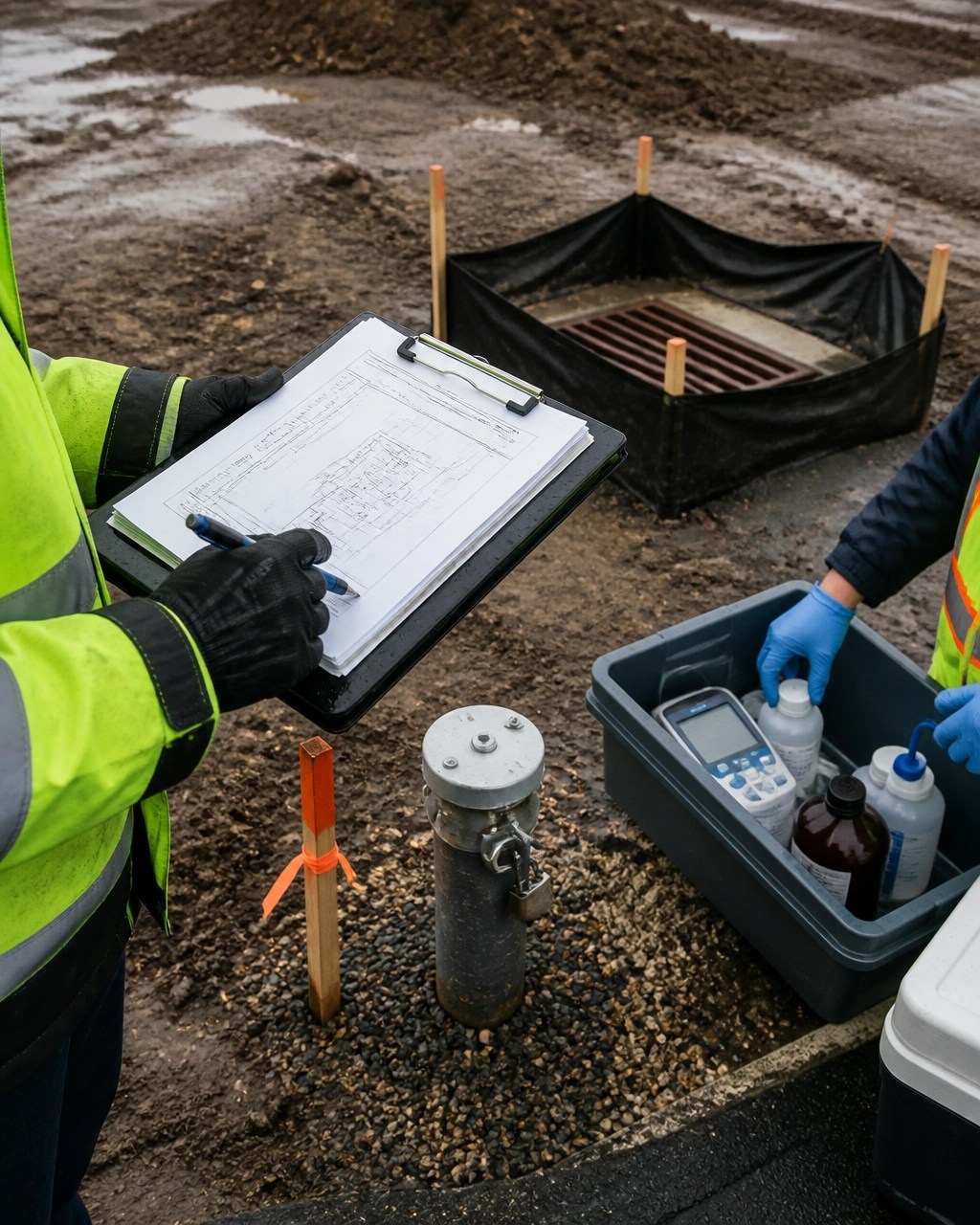
    Close-up PFAS investigation scene with monitoring well heads, field meter, sample bottles, site plan clipboard, and consultant review near an industrial site.

    The Bottom Line

    PFAS is the most significant environmental challenge to hit the New Jersey real estate market in a generation. The financial impact is real, it is long-term, and it is largely unavoidable for those with industrial histories.

    However, "unavoidable" doesn't mean "unmanageable." The difference between a portfolio that thrives and one that gets bogged down in litigation and devaluations comes down to the quality of the data and the strategy behind the remediation.

    We don't just see molecules; we see assets. We don't just see "forever chemicals"; we see a challenge that requires a visionary approach to solve. If your current environmental consultant is giving you more questions than answers, it’s time to switch to a team that values your ROI as much as the ppm (parts per million).

    Summary & Key Takeaways

    • NJ regulations drive cost: NJDEP requirements can directly affect PFAS sampling scope, cleanup timing, and long-term compliance obligations.
    • PFAS costs are broader than treatment: A realistic budget includes investigation, lab work, delineation, reporting, treatment design, and operations.
    • Long-tail cost questions matter: Owners should ask for a true PFAS remediation cost estimate in NJ, not a vague allowance.
    • The Envicon Advantage: We move faster than big-box consultants, stay grounded in NJ regulatory realities, and give you practical answers that support deals, financing, and closure.

    Ready to de-risk your portfolio? Let’s put real numbers and a real strategy behind your PFAS exposure. Contact Envicon today to talk through investigation scope, NJ regulatory risk, and the cleanup cost drivers that matter most.

    Explore our Services | Contact an Expert

    Hero image showing technician collecting groundwater samples at a monitoring well beside an industrial property in New Jersey, with sample bottles and coolers visible.


    Footer — Contact Envicon Group

    Envicon Group | Northern NJ + NYC Metro
    Website: https://wp.envicongroup.com
    Services: https://wp.envicongroup.com/services
    Contact: https://wp.envicongroup.com/contact

  • Are You Making These Common Phase II Environmental Site Assessment Mistakes?

    Are You Making These Common Phase II Environmental Site Assessment Mistakes?

    In the high-stakes world of New York and New Jersey real estate development, speed is often treated as the ultimate currency. But when it comes to environmental due diligence, moving too fast without the right strategy is the quickest way to bleed capital.

    A Phase II Environmental Site Assessment (ESA) is supposed to be your shield: a definitive look beneath the surface to quantify risks identified during a Phase I. Yet, we frequently see developers and even seasoned land-use attorneys fall into traps that turn a standard investigation into a budgetary black hole.

    At Envicon Strategic Solutions, we don’t just view a Phase II as a checklist item. We see it as a critical piece of the visionary puzzle that transforms a contaminated brownfield into a community asset. To get there, you have to avoid the technical and strategic errors that haunt many Tri-State projects.

    1. The "Blind" Phase II: Skipping the Phase I Foundation

    One of the most expensive mistakes a developer can make is attempting to "save time" by jumping straight to a Phase II without a comprehensive Phase I ESA.

    A Phase II is only as good as the conceptual site model (CSM) it is based on. Without the historical context provided by a Phase I: which unearths decades of industrial use, former underground storage tanks (USTs), and neighboring off-site threats: your Phase II is essentially a "best guess" operation.

    In NJ, Phase II environmental site assessment protocols are stringent. If you miss a historical gasoline plume because you didn't look at 1940s Sanborn maps, you aren't just missing data; you’re inheriting a liability that could stall your project for years.

    The Envicon Approach: We treat the Phase I as the blueprint. By understanding the "why" behind the "where," we target our drilling with surgical precision, ensuring we find what needs to be found the first time.

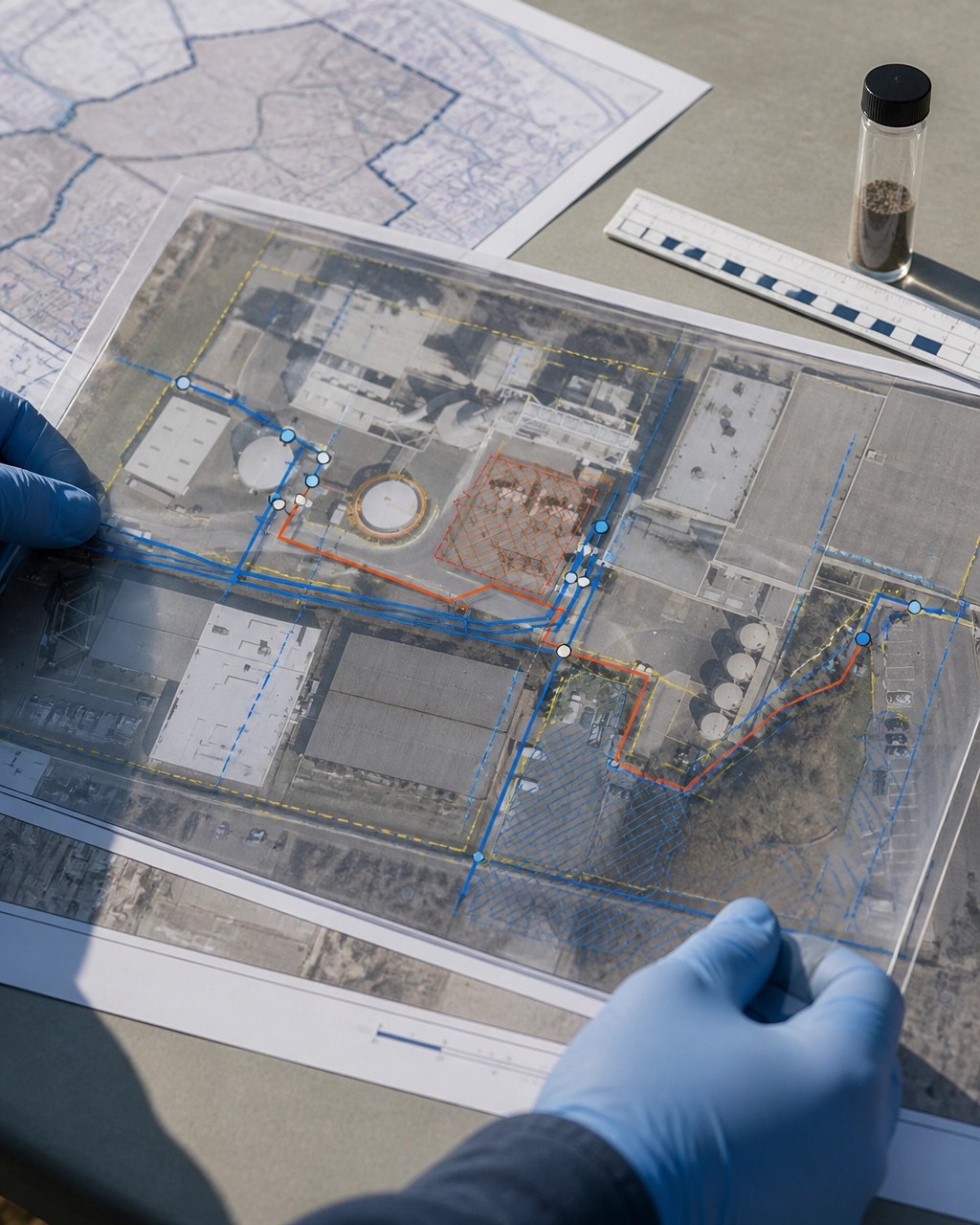
    Aerial site map overlay showing subsurface utility and pipeline routes, labeled with monitoring points.

    2. The "Soil-Only" Blinders: Ignoring Vapor and Groundwater

    We often see reports from "big-box" consultants that focus almost exclusively on soil sampling. While soil is a primary medium, it’s rarely the whole story: especially in dense urban corridors like Jersey City, Newark, or the five boroughs.

    In NYC, for instance, a NYC OER brownfield cleanup requires a holistic look at the site. If you ignore soil vapor or groundwater during the initial Phase II, you are setting yourself up for a massive change order later.

    • Soil Vapor: In the Tri-State, vapor intrusion is a top priority for regulators. Ignoring it during the Phase II means you might discover a need for a sub-slab depressurization system (SSDS) only after your foundation is already being poured.
    • The PFAS Factor: Emerging contaminants are the new frontier. PFAS remediation costs in NJ are rising as the NJDEP tightens standards. If your Phase II doesn't account for these "forever chemicals" in the groundwater, your "clean" site might actually be a multi-million dollar liability.

    3. The "Kitchen Sink" vs. The "Missed Hit" (Over-Testing and Under-Testing)

    There is a delicate balance between being thorough and being wasteful.

    Some consultants play it "safe" by testing for every regulated parameter in the book. This drives up lab costs and creates a mountain of data that can actually complicate the regulatory path. On the other hand, some under-test, missing specific contaminants related to the site's unique history: like specific heavy metals from a former electroplating shop or PCBs from an old transformer pad.

    Effective environmental due diligence for developers in NJ requires an insider’s knowledge of industrial processes. You need a partner who knows exactly what to look for based on the specific industry that occupied the site in 1950, not someone who just checks every box on the lab form.

    4. Failing to Leverage Regulatory Math

    Finding a "hit" on a lab report doesn't always mean you need to dig it out. This is where many consultants fail their clients. They see an exceedance of a residential soil cleanup standard and immediately recommend remediation.

    Modern regulations, especially under the NJDEP, allow for more sophisticated interpretations.

    • Averaging: Can the contamination be mathematically averaged across a functional area?
    • Background Levels: Is the "contamination" actually just naturally occurring background levels of arsenic or lead common in urban fill?
    • Institutional Controls: Can we use a deed notice or a cap instead of expensive excavation?

    If your consultant isn't looking for these off-ramps, they are spending your money unnecessarily. At Envicon, we speak the language of the NJDEP and NYC OER fluently. We look for the most visionary, cost-effective way to achieve compliance without compromising safety or project integrity.

    Modern urban skyline at dusk representing the complexity of redevelopment in metropolitan environments.

    5. The Silo Effect: Separating Geotechnical and Environmental Data

    This is perhaps the most common operational mistake we see. A developer hires one firm for the Phase II and another for the geotechnical investigation.

    These two disciplines are inextricably linked.

    • The Conflict: The environmental consultant wants to know where the "dirty" dirt is. The geotech wants to know where the "soft" dirt is.
    • The Cost: When these two don't talk, you end up paying for two separate mobilizations, two sets of drill rigs, and two sets of site supervisors.
    • The Result: You get two reports that might contradict each other regarding depth to bedrock or groundwater levels.

    By integrating these services, you can significantly reduce geotechnical investigation costs in NJ. At Envicon, we provide an integrated approach where the environmental and geotechnical data sets inform one another. This doesn't just save money; it creates a more robust foundation, literally: for your development.

    6. Ignoring the Petroleum "Elephant in the Room"

    Research shows that petroleum contamination from underground storage tanks is the number one reason properties fail a Phase II ESA. Yet, many investigations are surprisingly light on UST searches.

    A "clean" Phase II that missed a 5,000-gallon leaking heating oil tank is a ticking time bomb. In the NYC/NJ market, historic tanks are everywhere. Whether it’s an abandoned tank under a sidewalk or a forgotten industrial fuel farm, these require specialized expertise to locate and characterize.

    "True due diligence isn't about finding what’s easy to see; it’s about having the foresight to look for what others have missed." : The Envicon Philosophy

    Why the "Big Box" Consultants Are Costing You

    Many developers stick with large, national consulting firms because of the name recognition. But in the nuanced landscape of the New York and New Jersey metro areas, "big" often means "slow" and "detached."

    The Envicon Difference:

    • Accountability: You aren't just another project number. You have direct access to our senior strategists who are invested in your project’s success.
    • Speed to Market: We understand that every day your project is stalled by an RIR (Remedial Investigation Report) or a RAW (Remedial Action Workplan) is a day of lost revenue.
    • Local Mastery: We don't just know the regulations; we know the people who write them. Our relationships with local regulators in Hudson, Essex, and Bergen counties: and within the NYC OER: allow us to navigate hurdles that stop other firms in their tracks.
    • Visionary Thinking: We don't just give you a list of problems. We provide a roadmap to the finish line, integrating civil engineering and environmental science to turn liabilities into assets.

    The Bottom Line: Due Diligence is a Strategic Asset

    A Phase II Environmental Site Assessment should never be a "check-the-box" activity. It is the most critical risk-mitigation tool in your arsenal. By avoiding incomplete sampling plans, leveraging regulatory nuances, and integrating your geotechnical and environmental efforts, you protect your bottom line and ensure your project’s future.

    If you’re tired of the same "pointing-at-dirt" consulting and want a visionary partner who understands the business of development as well as the science of remediation, let's talk.

    Ready to de-risk your next acquisition?
    Contact the experts at Envicon Strategic Solutions today.

    Key Takeaways for Developers:

    • Never skip the Phase I: It provides the "why" for your Phase II.
    • Look beyond soil: Vapor intrusion and PFAS are the primary drivers of modern remediation costs.
    • Demand integration: Combine your geotechnical and environmental investigations to save on mobilization and data conflicts.
    • Think regulatory: Ensure your consultant is using mathematical averaging and site-specific standards to minimize unnecessary excavation.
    • Choose a partner, not a vendor: Work with experts who understand the NYC/NJ landscape and can provide a clear path to closure.

    Soil core sample for Phase II environmental site assessment and due diligence for NJ and NYC developers.

  • 7 Mistakes You’re Making with Environmental Due Diligence (And How to Fix Them)

    7 Mistakes You’re Making with Environmental Due Diligence (And How to Fix Them)

    In the high-stakes world of New York and New Jersey real estate development, environmental due diligence is often viewed as a hurdle: a necessary evil required by lenders or regulators. But at Envicon Strategic Solutions, we see it differently. We see it as the single most important tool for protecting your capital, your reputation, and your vision for the future.

    Whether you are navigating the complexities of an NYC OER brownfield cleanup or assessing a commercial lot in Jersey City, the difference between a profitable project and a financial disaster often comes down to the quality of your initial investigation. Unfortunately, many developers fall into the same traps, relying on outdated methods or "budget" consultants who lack the local expertise to see the full picture.

    Here are the seven most common mistakes we see developers making with environmental due diligence and, more importantly, how to fix them before they derail your next acquisition.


    1. Skipping the Phase I ESA Based on "Gut Feelings"

    One of the most dangerous phrases in real estate is, "The property looks clean." Assuming that a vacant lot or a seemingly modern office building doesn't have environmental baggage is a recipe for disaster. A Phase I Environmental Site Assessment (ESA) isn't just a visual inspection; it is a deep dive into the historical use of the land, adjacent properties, and regulatory records.

    Without a Phase I, you forfeit your "Innocent Landowner Defense" under CERCLA. This means if contamination is discovered later, you are 100% liable for the cleanup, regardless of whether you caused it.

    The Fix: Never skip the Phase I. It is your foundational defense. Even if the property looks pristine, the historical record might reveal a buried heating oil tank or a former dry cleaner two doors down that has impacted the groundwater.

    Aerial site map overlay showing subsurface utility and pipeline routes, essential for Phase I and Phase II planning.

    2. Delaying Assessments Until After the Closing

    We understand the pressure to close a deal quickly. However, waiting to complete your environmental due diligence for developers NJ until after you hold the deed is an enormous gamble. Once the title transfers, so does the liability.

    If you discover that you need an intensive Phase II environmental site assessment NJ after the closing, you’ve lost your leverage. You can no longer negotiate the purchase price down or request that the seller perform the remediation.

    The Fix: Make environmental due diligence a non-negotiable part of your pre-closing checklist. If the timeline is tight, work with a partner like Envicon that prioritizes responsiveness and can mobilize quickly to give you the data you need to make an informed "go/no-go" decision.

    3. Fearing the Phase II and Phase III Recommendations

    It’s a common reaction: a Phase I report identifies a Recognized Environmental Condition (REC), and the developer's first instinct is to push back on the recommendation for a Phase II. The fear is often rooted in cost and schedule. But ignoring a REC is like ignoring a "Check Engine" light while driving at 80 mph.

    In New Jersey, specifically, ignoring a Phase II can lead to massive long-term issues. If a leaking underground storage tank (UST) is left unaddressed, the plume will continue to migrate, significantly increasing your eventual remediation costs.

    The Fix: View Phase II and Phase III assessments as risk-mitigation investments, not expenses. Characterizing the soil and groundwater early allows you to accurately budget for PFAS remediation costs NJ or other contaminants. Knowledge is power: knowing the extent of the issue allows you to bake those costs into your pro forma from day one.

    4. Relying on "Stale" Environmental Reports

    The ASTM E1527-21 standard is clear: a Phase I ESA has a shelf life. Most parts of the report are only valid for 180 days. If you are relying on an environmental report that the seller provided from two years ago, you are effectively flying blind.

    Furthermore, regulations change. What was considered "acceptable" five years ago may now be a major regulatory trigger under the current NJDEP or NYC OER frameworks.

    The Fix: If a report is older than six months, it needs an update. This ensures that any new regulatory listings or recent activities on neighboring properties are accounted for. You can learn more about our process for updated assessments on our services page.

    Modern urban skyline representing the complex regulatory environment of NYC and NJ development.

    5. Choosing the Lowest-Bid Consultant

    In the world of environmental consulting, you truly get what you pay for. Choosing a firm solely because they submitted the lowest bid often leads to "commodity" reporting: templated documents that miss the nuances of your specific site.

    A "check-the-box" consultant might miss the subtle signs of a vapor intrusion risk or fail to understand how a specific NYC OER brownfield cleanup requirement will impact your foundation design. This results in change orders, regulatory delays, and unexpected costs during construction that far outweigh the $2,000 you saved on the initial report.

    The Fix: Partner with an expert who understands the intersection of environmental science and civil engineering. At Envicon, we don't just identify problems; we provide strategic solutions. We understand how geotechnical investigation costs NJ interact with environmental remediation, allowing us to streamline your site preparation.

    6. Ignoring Emerging Contaminants like PFAS

    The regulatory landscape is shifting beneath our feet. "Emerging contaminants," particularly Per- and Polyfluoroalkyl Substances (PFAS), are becoming a primary focus for the NJDEP. Because these "forever chemicals" were used in everything from firefighting foam to waterproof coatings, they are ubiquitous.

    If your due diligence doesn't account for these, you could be blindsided by astronomical PFAS remediation costs NJ mid-way through your project. Standard Phase I reports from five years ago likely didn't even mention them.

    The Fix: Ensure your consultant is looking forward, not backward. Ask specifically about PFAS and vapor intrusion risks during the due diligence phase. Early detection allows for the integration of treatment systems into your site's infrastructure, which is significantly cheaper than retrofitting them later.

    Aerial view of an industrial facility with labeled monitoring locations, highlighting the technical precision required for modern site assessments.

    7. Failing to Establish "User" Reliance

    This is a technicality that kills deals. Often, a lender will commission a Phase I report. The developer pays for it, but the report is addressed to the bank. If the developer is not named as an authorized "user" or does not have a formal reliance letter, they have no legal standing to rely on that report’s findings for liability protection.

    The Fix: Always ensure that you, as the purchaser or developer, are explicitly identified as a "user" of the report. This establishes a legal relationship between you and the environmental firm, ensuring you are covered by their professional liability insurance and can use the report as part of your legal defense.


    The Envicon Advantage: Why Switch From Your "Big Box" Consultant?

    Most large, national consulting firms treat environmental due diligence like an assembly line. Your project is just another number, handled by a junior associate in a different time zone who has never stepped foot in Hudson County or the Five Boroughs.

    At Envicon Strategic Solutions, we offer a different path. We are local experts who live and work in the very communities you are building. When you work with us, you aren't just buying a report; you are gaining a strategic partner who understands the local political and regulatory climate.

    • Integrated Expertise: We bridge the gap between environmental science, civil engineering, and geotechnical investigation. We don't just tell you there’s an issue; we tell you how it affects your foundation, your utility tie-ins, and your bottom line.
    • Accountability: We don't hide behind layers of corporate bureaucracy. You have direct access to our senior leadership, including our CEO, Jason Pancoast.
    • Visionary Strategy: We see the potential in brownfields where others see only liability. We help you navigate the NYC OER brownfield cleanup process to unlock tax credits and grants that turn "unbuildable" sites into landmarks.

    "Environmental due diligence shouldn't be a roadblock; it should be the roadmap for a successful development." : The Envicon Team

    Summary & Takeaways

    To ensure your next project in NY or NJ stays on track and under budget, keep these points in mind:

    • Foundation First: Never skip a Phase I ESA, and never let it go "stale" (180 days).
    • Timing is Everything: Complete all investigations before closing to maintain negotiation leverage.
    • Look Beyond the Surface: Factor in emerging risks like PFAS and vapor intrusion early.
    • Expertise Over Price: A cheap report is the most expensive thing you can buy if it misses a critical liability.
    • Get it in Writing: Ensure you have proper "user" reliance on every report you use.

    Don't let hidden environmental issues turn your vision into a liability. Let’s build something better, together.

    Ready to de-risk your next acquisition?
    Contact Envicon Strategic Solutions today to discuss your project and see how our integrated approach to environmental and civil engineering can streamline your development. Explore our past projects to see how we’ve helped developers transform complex sites into thriving assets.

  • Soil Export Cost Reduction: 3 Integrated Strategies to Save $50k+ on Your Next Project

    Soil Export Cost Reduction: 3 Integrated Strategies to Save $50k+ on Your Next Project

    Here's a number that'll make your project accountant wince: $72 to $120 per cubic yard for contaminated soil disposal in the NY/NJ metro area. And that's just the tipping fee: before you factor in trucking, manifests, lab work, and the inevitable "surprises" that pop up mid-excavation.

    On a typical 5,000-cubic-yard grading job, the difference between smart soil management and winging it can easily exceed $50,000. For larger brownfield redevelopments? We're talking six figures.

    The good news? Most developers are overpaying because they're treating soil disposal as an afterthought instead of a front-loaded engineering decision. When you integrate environmental characterization with civil design from day one, those export costs become negotiable: not inevitable.

    Here are the three strategies we use to keep our clients' soil budgets under control.

    Segregated soil stockpiles at construction site showing contaminated and clean fill separation

    Strategy #1: Strategic Sampling to Minimize Hazardous Classification

    The worst time to discover your soil is classified as hazardous waste is when the excavator's already on-site and your trucking contractor is asking for twice the agreed-upon rate.

    The problem with typical sampling approaches: Most Phase II ESAs are designed to answer one question: "Is there contamination present?": not to provide the granular data you need for cost-effective disposal planning. A consultant might drill a few borings, find petroleum impacts, and slap a "contaminated soil" label on 3,000 cubic yards without distinguishing between material that's mildly impacted versus truly hazardous.

    The integrated approach: Strategic sampling means collecting enough data points to segregate soil by disposal tier: not just "clean" versus "dirty," but establishing clear boundaries between:

    • Inert/clean fill (cheapest disposal, sometimes even reusable)
    • Non-hazardous contaminated soil (moderate cost)
    • Characteristic hazardous waste (expensive, heavily regulated)

    When you sample with disposal strategy in mind, you can identify pockets of reusable material that would otherwise get lumped into a more expensive waste category. On a recent Hudson County redevelopment, this approach alone saved our client $68,000 by proving that 40% of their "impacted" soil was actually below regulatory screening levels and could be reused on-site with a soil management plan.

    Key takeaway: Don't just test to find contamination: test to map it with enough resolution to make disposal decisions. That means more sample points upfront, but the ROI on those extra lab fees is massive.

    Aerial Site Map - Phase II ESA

    Strategy #2: On-Site Reuse via Integrated Grading Plans

    This is where having an engineer who understands both environmental compliance and civil design becomes your secret weapon.

    The traditional siloed approach: Environmental consultant says, "You have 2,000 cubic yards of contaminated soil." Civil engineer says, "We need 1,500 cubic yards of fill for the rear elevation." Two separate scopes, two separate invoices, and a massive missed opportunity.

    The integrated approach: When your environmental and civil teams are talking to each other (or better yet, working under the same roof), you can design grading plans that bury low-level contaminated soil beneath clean cap layers instead of trucking it off-site.

    This isn't just about moving dirt around: it's about engineering compliant reuse scenarios that satisfy NJDEP or NYC OER requirements while slashing export volumes.

    Practical techniques include:

    • Contour grading to create natural depressions where impacted soil can be placed and capped
    • Terracing on sloped sites to create engineered "burial cells"
    • Strategic placement beneath hardscapes like parking lots or building footprints where human exposure is eliminated

    For every 100 cubic yards you can reuse on-site, you're saving $7,000–$12,000 in combined disposal and import costs. On a recent mixed-use project in Newark, we reduced export by 1,800 cubic yards through integrated grading design: that's $130,000 that went back into the development budget instead of a landfill operator's pocket.

    The regulatory fine print: This only works if you get ahead of it with the regulators. NYC OER and NJDEP both allow on-site reuse under specific conditions, but you need to bake it into your soil management plan and sometimes your remedial action workplan. Trying to pivot mid-construction is a recipe for stop-work orders.

    Cross-section of engineered soil layers with contaminated soil capped by clean fill

    Strategy #3: Early Characterization to Find Cheaper Disposal Facilities

    Not all disposal facilities charge the same rates, and not all contaminated soil requires the most expensive disposal pathway. But if you wait until excavation to characterize your soil, you lose all negotiating leverage.

    Why early characterization matters: Disposal facilities pre-approve waste streams based on analytical data. The more time you have to shop facilities and provide complete characterization upfront, the more options you unlock.

    For example:

    • Class B recycling facilities in New Jersey can accept petroleum-contaminated soil at $40–$60/CY if it meets their waste acceptance criteria: versus $90–$120/CY at a Subtitle D landfill
    • Beneficial reuse programs (like engineered fill operations) sometimes take low-level impacted soil for free or a nominal tipping fee
    • Out-of-state facilities in Pennsylvania can be 30% cheaper than NJ options if your contamination profile fits their permits

    But here's the catch: these facilities require detailed characterization data (sometimes including TCLP testing for metals, full VOC/SVOC scans, and waste classification) weeks before your first truck shows up. If you're scrambling to get lab results back during demolition, you're stuck taking whatever facility has capacity and paying their premium rates.

    The proactive play: Characterize soil during your Phase II ESA or early design phase, then pre-qualify 2-3 disposal facilities before you break ground. Lock in pricing and waste acceptance before you're under schedule pressure.

    On a recent brownfield project in Jersey City, early characterization allowed us to split the waste stream: 60% went to a Class B recycler at $55/CY, and 40% went to a Subtitle D landfill at $95/CY. If we'd defaulted to the landfill for everything (the "safe" choice when you're rushed), disposal costs would have been $85,000 higher.

    Excavator at Remediation Site

    Real-World Savings Breakdown

    Let's look at a composite example based on actual projects we've managed:

    Scenario: 4,000 cubic yards of soil excavation for a retail redevelopment on a former gas station site

    Traditional approach (siloed):

    • Limited sampling = entire volume assumed hazardous
    • Export to Subtitle D landfill at $110/CY
    • 100% export volume
    • Total cost: $440,000

    Integrated approach (Envicon methodology):

    • Strategic sampling identifies 1,200 CY as reusable below screening levels
    • Grading design accommodates 1,200 CY on-site reuse with 2-foot clean cap
    • Early characterization pre-qualifies Class B recycler for 1,800 CY at $58/CY
    • Only 1,000 CY requires landfill disposal at $110/CY
    • Total cost: $214,400
    • Savings: $225,600

    That's not a typo. And it's not rare when you plan ahead.

    Excavator and Crew at Urban Redevelopment Site

    The Integration Advantage

    Here's what most developers miss: soil disposal costs aren't a fixed line item: they're a design variable. But you can only manipulate that variable if your environmental engineer and civil engineer are working off the same set of drawings and thinking about disposal strategy before the first boring gets drilled.

    That integrated approach is exactly what separates the firms that help clients build wealth from the ones that just check regulatory boxes.

    When we say we do "value engineering," this is what we mean: finding the technical pathways that keep projects compliant while putting money back in your pocket. Every project has them. You just need an engineering team that's looking for them instead of defaulting to the most conservative (read: expensive) option.

    If you're staring down a grading job with questionable soil, let's talk before you lock in your disposal budget. The conversation might just save you $50,000: or a lot more.

    Reach out to our team to discuss soil management strategies for your next project.

  • Is Your Phase II ESA Missing These New PFAS Requirements? The Lender-Ready Checklist for 2026

    Is Your Phase II ESA Missing These New PFAS Requirements? The Lender-Ready Checklist for 2026

    The environmental site assessment game just changed dramatically. EPA's April 2024 designation of PFOA and PFOS as CERCLA hazardous substances isn't just another regulatory update: it's fundamentally reshaping how lenders evaluate environmental risk in commercial real estate transactions.

    If you're still using pre-2024 Phase II ESA protocols, you're leaving money on the table and potentially exposing your clients to significant liability. Here's what every developer, lender, and environmental consultant in the NY/NJ market needs to know about the new PFAS requirements heading into 2026.

    The CERCLA Game-Changer: What Actually Happened

    When EPA designated perfluorooctanoic acid (PFOA) and perfluorooctanesulfonic acid (PFOS) as hazardous substances under CERCLA, it triggered immediate changes to All Appropriate Inquiries (AAI) investigations. This isn't just academic: it directly impacts your liability protection and access to EPA Brownfields grants.

    The critical shift: Phase I ESAs completed before this designation may no longer satisfy AAI requirements for CERCLA liability protection. ASTM E1527-21 Appendix X6.10 now requires evaluation of emerging contaminants designated as CERCLA hazardous substances, which includes PFOA and PFOS.

    For Phase II ESAs, this means your sampling protocols, laboratory analysis, and reporting standards must now account for these "forever chemicals" to meet lender expectations and regulatory requirements.

    Geotechnical and Environmental Site Assessment at High-Rise Redevelopment

    What Lenders Are Actually Looking For in 2026

    Lenders aren't just asking for PFAS testing: they're demanding comprehensive risk evaluation that demonstrates you understand the regulatory landscape and potential future liabilities. Based on our recent transactions across NYC and New Jersey, here's what's becoming standard:

    Enhanced Historical Review Requirements:

    • Documentation of any historical dry cleaning operations within 1,000 feet
    • Fire training facilities or firefighting foam usage history
    • Industrial coating or electroplating operations
    • Wastewater treatment facilities and biosolids application areas
    • Military installations or airports within a 2-mile radius

    Expanded Groundwater Sampling Protocols:

    • PFAS testing at all monitoring wells, not just downgradient locations
    • Surface water sampling if the site is within 500 feet of water bodies
    • Soil sampling at the vadose zone/groundwater interface
    • Background/upgradient sampling to establish baseline conditions

    The 2026 Lender-Ready Phase II ESA Checklist

    Pre-Investigation Requirements

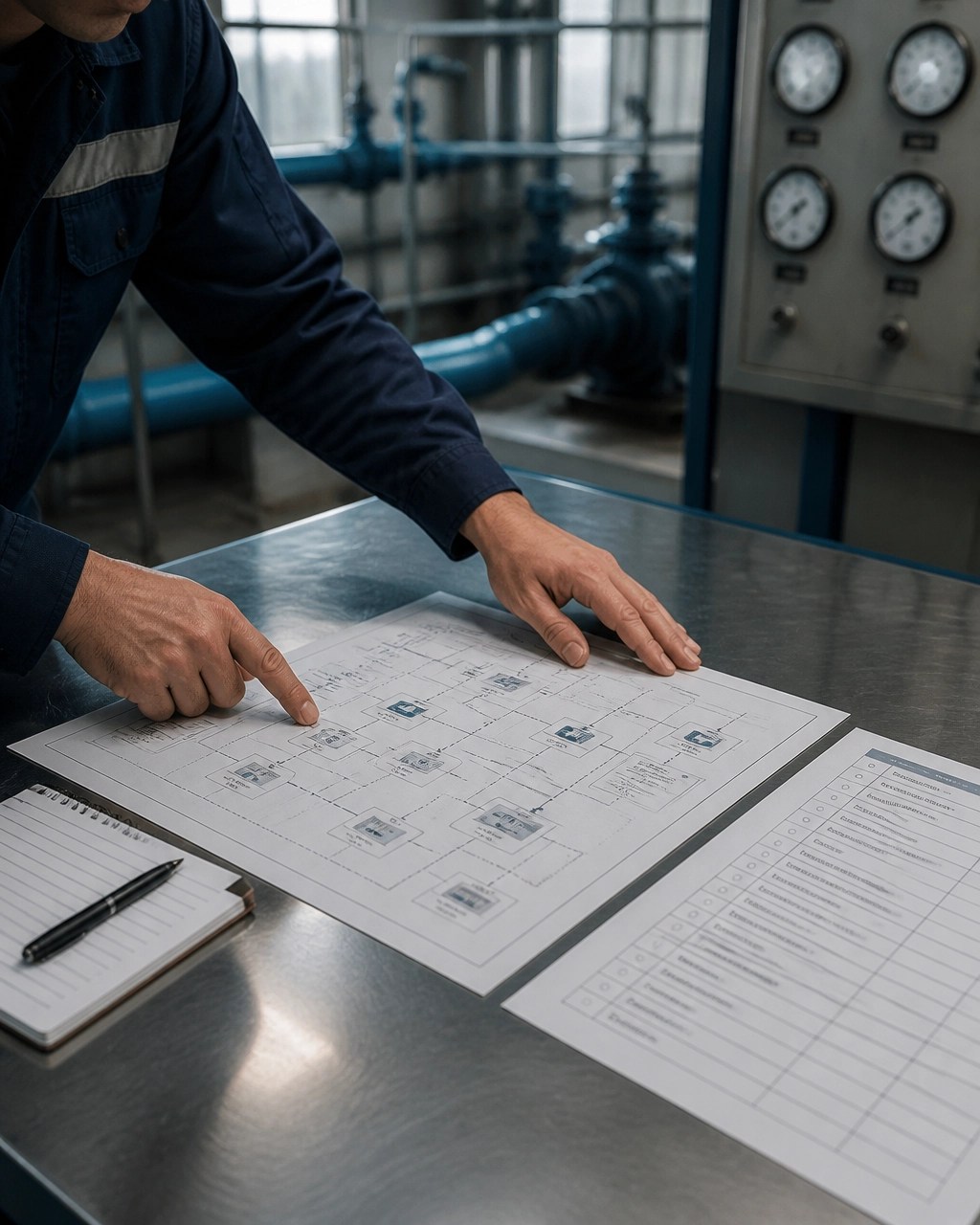
    Updated Phase I ESA Compliance: Verify your Phase I ESA meets post-April 2024 AAI requirements with specific PFOA/PFOS evaluation

    PFAS-Specific Historical Research: Document all potential PFAS sources within a 1-mile radius, including:

    • Fire departments and training facilities
    • Airports and military installations
    • Industrial facilities using PFAS-containing materials
    • Wastewater treatment plants and landfills

    Regulatory Database Expansion: Include PFAS-specific databases beyond standard EDR reports

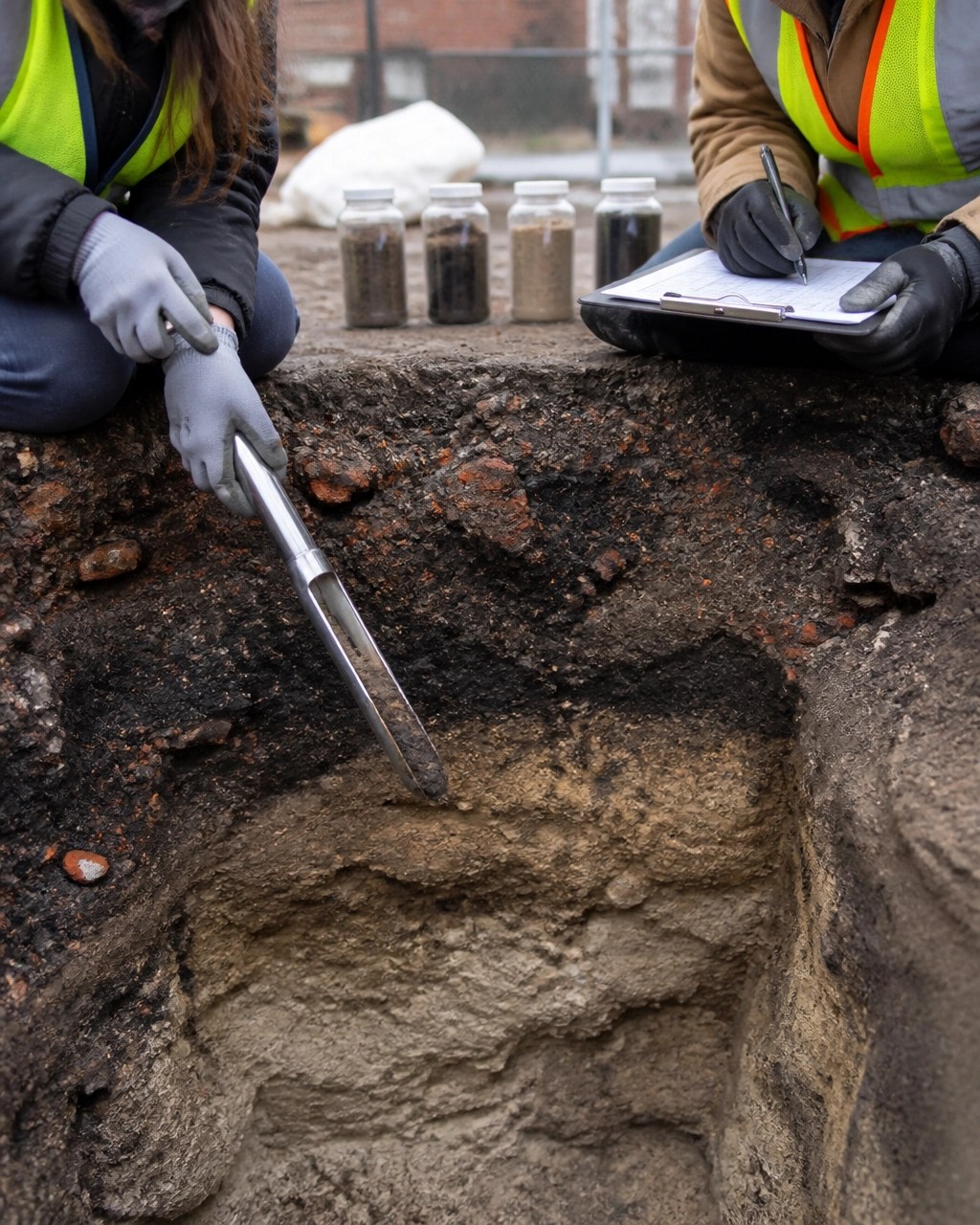
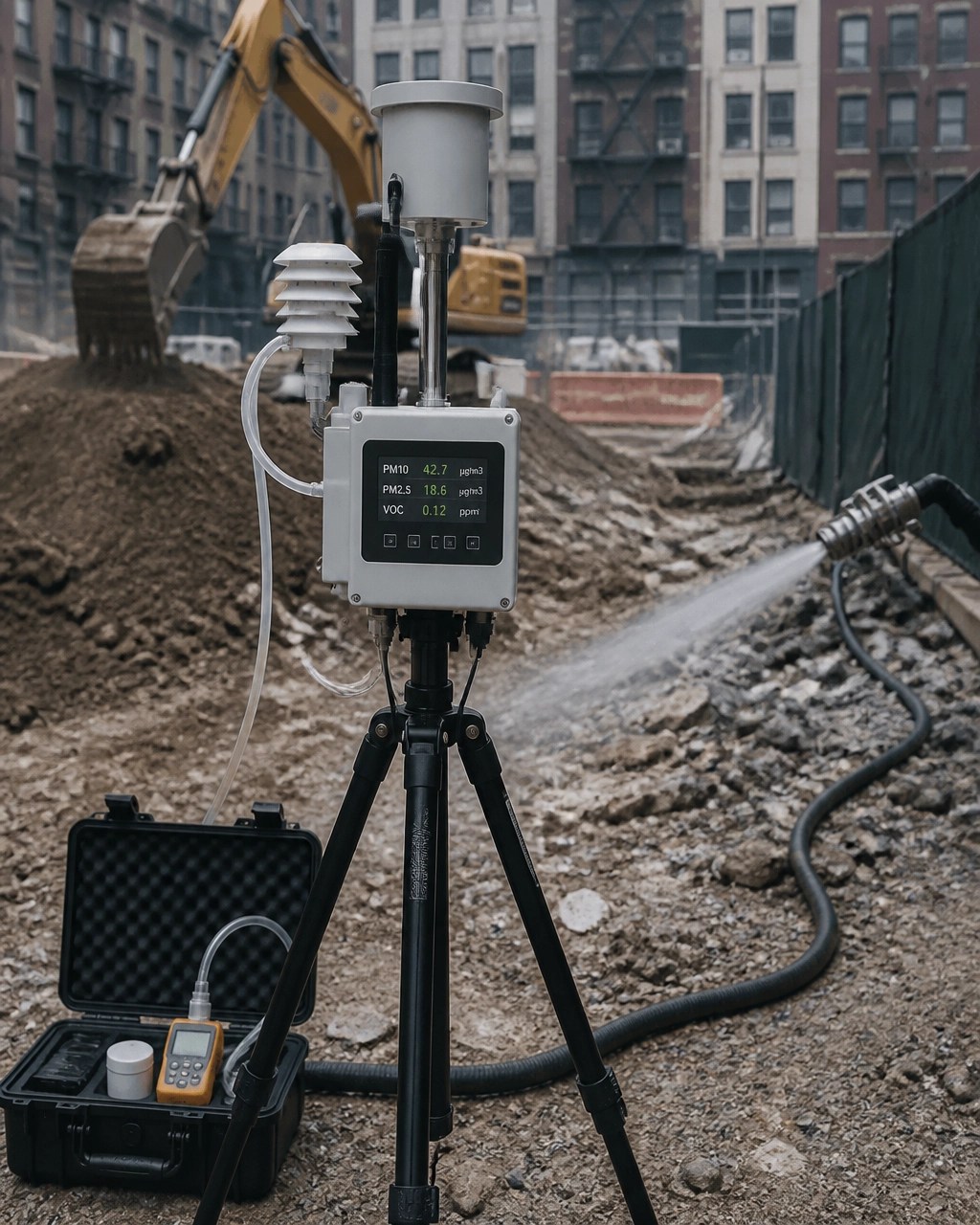
    image_1

    Field Investigation Standards

    Comprehensive Soil Sampling:

    • Collect samples from 0-2 feet (surface), 2-4 feet (subsurface), and at groundwater interface
    • Include background/reference samples from upgradient areas
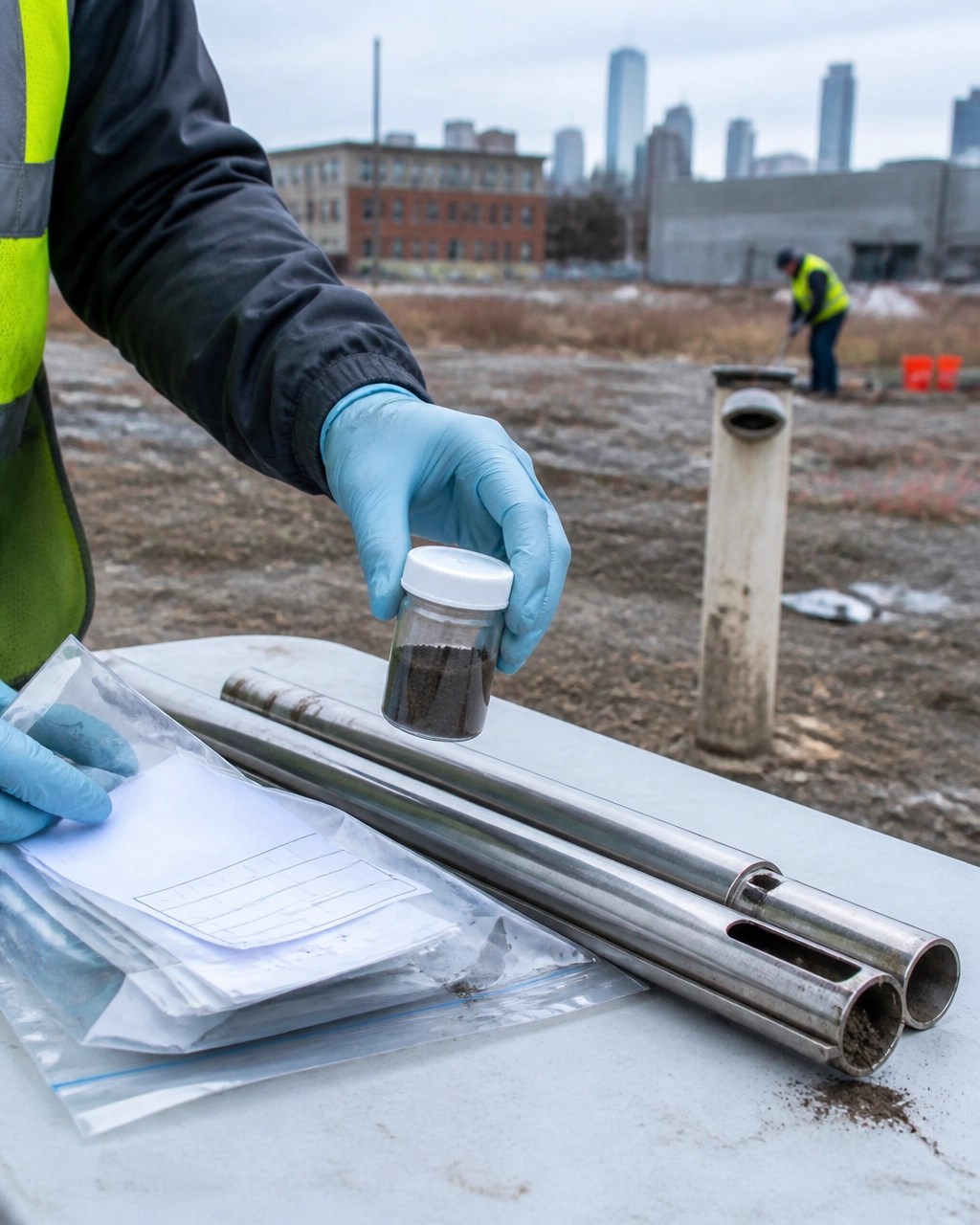
    • Use appropriate sampling containers (PFAS-free) and chain-of-custody protocols

    Groundwater Assessment Protocol:

    • Sample all existing monitoring wells for PFAS analysis
    • Install additional wells if plume delineation is incomplete
    • Include upgradient background wells for comparison

    Surface Water Considerations:

    • Sample any on-site surface water bodies or nearby receptors
    • Document potential migration pathways to sensitive receptors

    Laboratory Analysis Requirements

    EPA Method 537.1: Drinking water analysis for 18 PFAS compounds (minimum requirement)

    EPA Method 1633: Expanded analysis covering 40+ PFAS compounds (recommended for comprehensive assessment)

    Quality Assurance Protocols:

    • Use certified laboratories with PFAS-specific accreditation
    • Include method blanks, duplicates, and matrix spike recoveries
    • Document detection limits meeting regulatory action levels

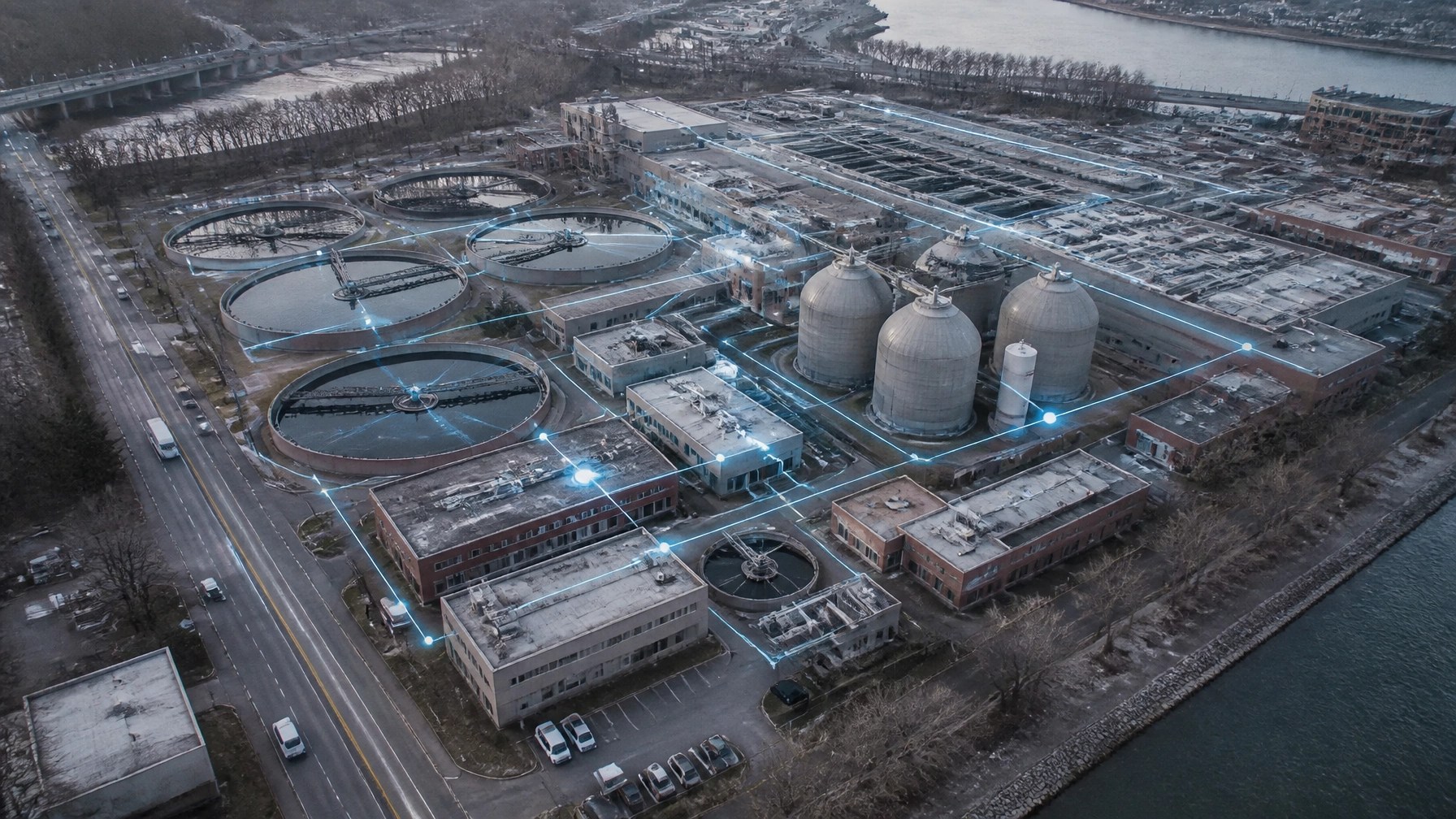
    Aerial view of industrial facility

    Reporting and Documentation Standards

    Regulatory Threshold Comparison: Compare results to EPA's maximum contaminant levels (4 ppt for PFOA, 4 ppt for PFOS)

    Risk Assessment Integration: Include PFAS in human health and ecological risk evaluations

    Future Liability Discussion: Address potential regulatory changes and emerging PFAS compounds

    Remediation Cost Estimates: Provide preliminary treatment cost estimates if contamination is detected

    NY/NJ Specific Considerations

    New York State Requirements

    The New York State Department of Environmental Conservation (NYSDEC) is developing PFAS guidance that will likely exceed federal minimums. Current expectations include:

    • PFAS testing at all Brownfield Cleanup Program (BCP) sites
    • Enhanced groundwater monitoring for E-Designation properties with environmental restrictions
    • Integration with NYC DEP requirements for development near water supply infrastructure

    New Jersey Developments

    New Jersey is ahead of the federal curve with established Maximum Contaminant Levels (MCLs) for PFOA (14 ppt) and PFOS (13 ppt) in groundwater. The New Jersey Department of Environmental Protection (NJDEP) requires:

    • Licensed Site Remediation Professional (LSRP) oversight for sites with PFAS contamination above MCLs
    • Integration with Industrial Site Recovery Act (ISRA) requirements
    • Vapor intrusion assessments for PFAS in groundwater

    Common Mistakes That Kill Deals

    Insufficient Background Sampling: Lenders are rejecting reports that don't establish clear background conditions. Without upgradient or off-site reference samples, you can't demonstrate whether contamination is site-related or regional.

    Laboratory Limitations: Using labs without proper PFAS accreditation or detection limits above regulatory thresholds creates gaps in due diligence that sophisticated lenders won't accept.

    Incomplete Plume Delineation: PFAS plumes can extend significantly beyond traditional contaminant boundaries. Incomplete characterization leaves open questions about off-site liability and remediation costs.

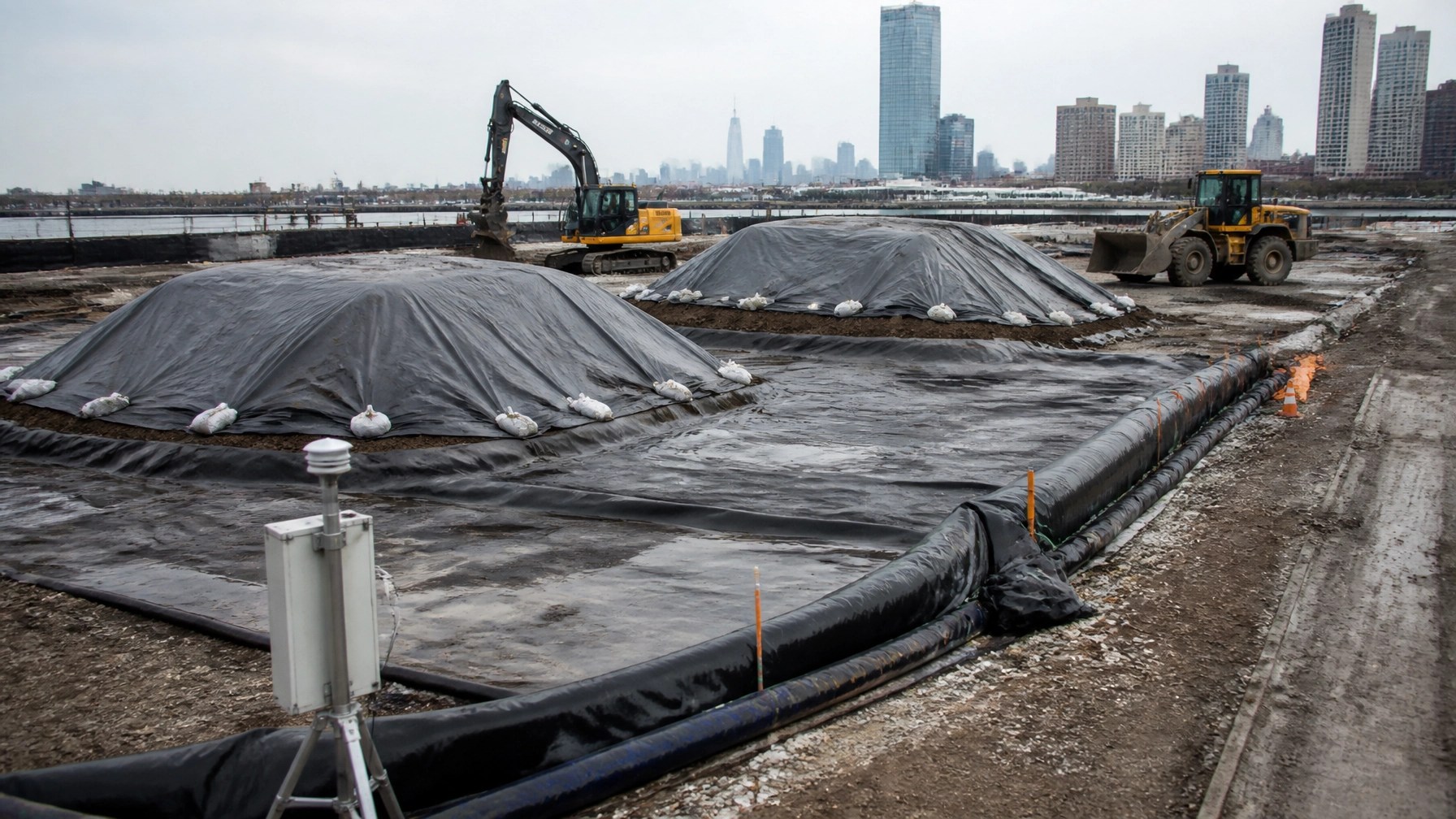
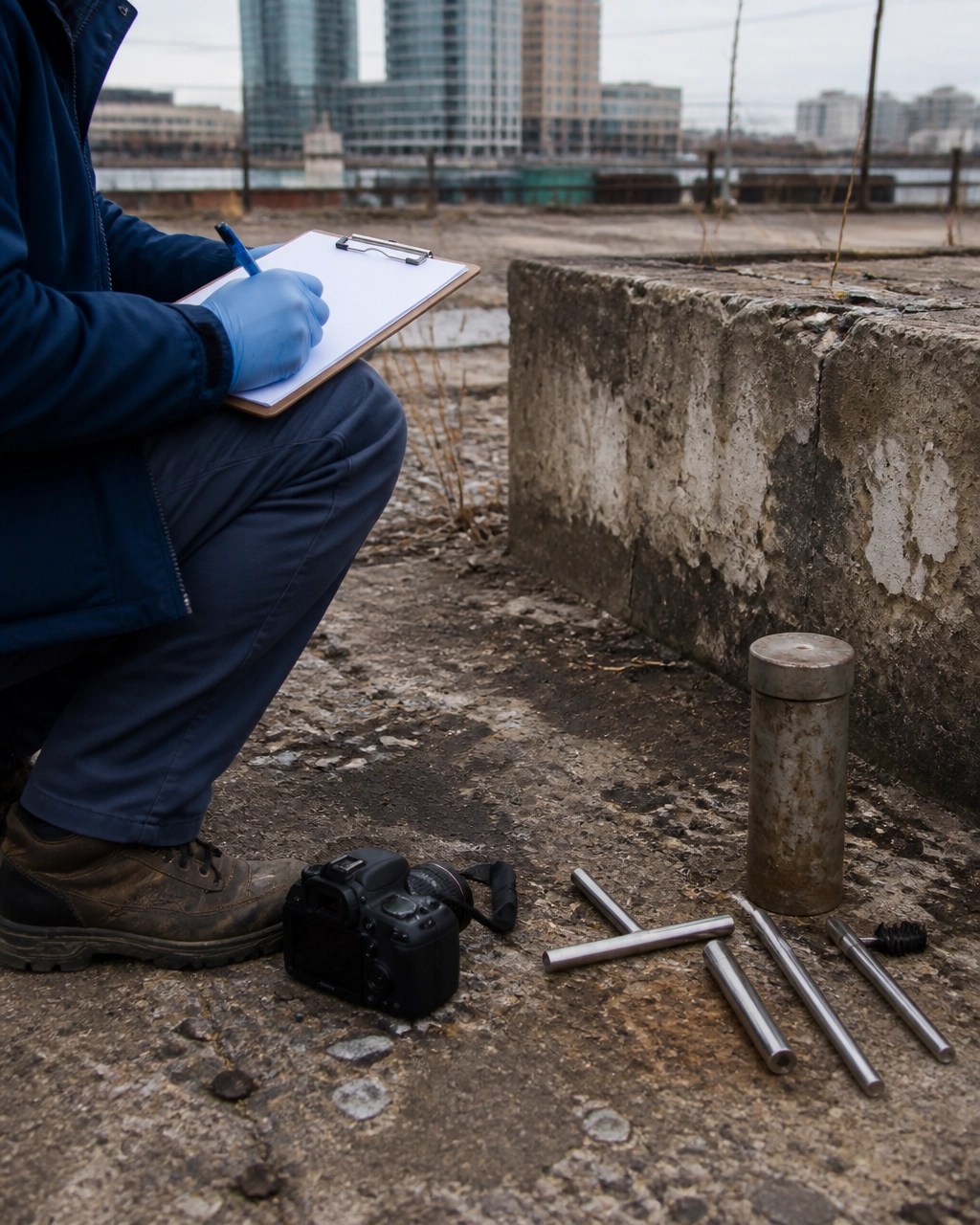
    image_2

    Implementation Strategy: Next Steps

    For Active Transactions: If you have Phase II ESAs in progress or recently completed without PFAS analysis, consider supplemental investigations before loan closing. The cost of additional sampling is minimal compared to potential liability exposure or deal delays.

    For Portfolio Management: Prioritize PFAS assessment at properties with historical industrial use, fire training areas, or proximity to airports and military installations. These represent the highest-risk locations for PFAS contamination.

    Regulatory Monitoring: Subscribe to EPA and state agency updates for emerging PFAS regulations. The regulatory landscape is evolving rapidly, with new compounds and lower action levels expected.

    Looking Ahead: The 2026 Reality

    PFAS requirements in Phase II ESAs aren't going away: they're becoming more stringent. EPA is evaluating additional PFAS compounds for CERCLA designation, and state regulations are tightening detection limits and expanding testing requirements.

    Lenders are increasingly sophisticated about environmental risk, and PFAS represents a significant component of long-term liability exposure. Properties with incomplete PFAS characterization will face increasing difficulty securing favorable financing terms.

    The firms that adapt quickly to these new requirements will have a competitive advantage in securing projects and maintaining lender relationships. Those that don't risk being left behind as the market evolves.

    The bottom line: 2026 isn't just about compliance: it's about positioning your projects for successful financing in an increasingly complex regulatory environment. The PFAS requirements aren't optional anymore; they're the new standard for professional environmental due diligence.

    Ready to ensure your Phase II ESAs meet 2026 lender requirements? The regulatory landscape is complex, but the path forward doesn't have to be. Contact our team to discuss how we're helping clients navigate these new PFAS requirements and maintain competitive advantage in today's market.

  • The $2M Oversight: Why ASTM E1527-21 Isn’t Just a Paperwork Update

    The $2M Oversight: Why ASTM E1527-21 Isn’t Just a Paperwork Update

    In the world of high-stakes real estate development across New York and New Jersey, a Phase I Environmental Site Assessment (ESA) has often been viewed as a "check-the-box" requirement: a necessary hurdle to satisfy a lender or move an acquisition toward the finish line.

    But as of February 14, 2024, that mindset became a massive financial liability.

    The transition to the ASTM E1527-21 standard isn't just a clerical update or a minor tweak to how we format reports. It represents a fundamental shift in how environmental risk is identified, documented, and: most importantly: quantified. If you are still operating under the assumptions of the old 2013 standard, you aren't just behind the times; you are potentially walking into a multi-million dollar oversight that could derail your pro forma and your reputation.

    At Envicon Strategic Solutions, we’ve seen how these changes ripple through projects in NYC and Northern New Jersey. This isn't just about compliance; it’s about protecting the vision you have for your property and the community you’re building.

    The New Baseline: Beyond "Reasonably Ascertainable"

    Under the previous standard (E1527-13), environmental professionals had a fair amount of leeway in determining which historical sources were "reasonably ascertainable." If a map was hard to find, it often stayed out of the report.

    ASTM E1527-21 has effectively ended that ambiguity. The new standard mandates the review of at least four specific historical sources for both the subject property and all adjoining properties:

    1. Aerial Photographs
    2. Topographic Maps
    3. Fire Insurance (Sanborn) Maps
    4. City Directories

    In a dense urban environment like Hudson County or Brooklyn, "adjoining properties" can mean a lot of potential headaches. If the dry cleaner next door had a spill in 1965 that wasn't properly documented in an old report, the new standard ensures it will likely be flagged today. Ignoring these "neighborly" risks is how a $5M acquisition turns into a $7M remediation nightmare.

    Aerial Site Map with Facility Layout and Monitoring Points

    The "Past is Never Dead" Trap: HRECs and Modern Standards

    One of the most dangerous traps for developers is the Historical Recognized Environmental Condition (HREC). Under the old rules, if a site had a "No Further Action" (NFA) letter from the NJDEP or a "Notice of Satisfaction" from the NYC OER, it was often considered "case closed."

    ASTM E1527-21 changes the game. It now requires environmental professionals to evaluate those past closures against current regulatory standards.

    Think about it: The "clean" levels for soil and groundwater in 2005 are not the same as they are in 2026. With the rise of emerging contaminants like PFAS and the tightening of vapor intrusion pathways, a site that was officially "clean" twenty years ago might be considered a significant risk today.

    "The biggest mistake a developer can make is assuming that yesterday's NFA is a shield against tomorrow's liability. The environment changes, regulations evolve, and your due diligence must be forward-looking, not just a backward glance." : Jason Pancoast, CEO of Envicon Strategic Solutions

    The "Significant Data Gap" Dilemma

    We’ve all seen reports where the consultant simply says, "Information was unavailable." Under the new standard, if a consultant cannot find critical information, they must explicitly define it as a Significant Data Gap.

    Why does this matter to you? Because a lender looking at a report filled with "significant data gaps" sees one thing: Risk.

    At Envicon, we don't just list gaps; we close them. Our deep familiarity with local industry resources and archives in NY and NJ allows us to find the historical breadcrumbs that "big box" national firms miss. We understand that in our market, the difference between a "Data Gap" and a "Clearance" is often just a matter of knowing which basement archive to dig through.

    Active Urban Brownfield Redevelopment Site

    Why NY and NJ Developers Face Unique Pressures

    If you’re developing in the Tri-State area, you’re already dealing with some of the most complex regulatory environments in the country. Whether it’s navigating an NYC OER E-Designation or working with an LSRP (Licensed Site Remediation Professional) in New Jersey, the ASTM E1527-21 standard adds another layer of complexity to an already crowded plate.

    • NYC OER Requirements: The city is increasingly aligned with the newest ASTM standards for their redevelopment programs. A sloppy Phase I that doesn't meet E1527-21 can lead to immediate rejection of your Remedial Action Plan (RAP).
    • NJDEP Compliance: For NJ projects, the "All Appropriate Inquiries" (AAI) protection: which shields you from certain CERCLA liabilities: is now tied directly to the E1527-21 standard. Using the old standard means you are essentially surrendering your legal defense before you even break ground.

    The Envicon Edge: Visionary Risk Management

    Most environmental firms see themselves as a cost center. We see ourselves as your strategic partner.

    When you hire a massive, nationwide consulting firm, you often get a junior-level staffer churning out a templated report based on a database search. They don't know the history of the specific block in Newark or the nuances of the water table in Long Island City.

    We take a different approach. We combine the technical rigor of the ASTM E1527-21 standard with a visionary's eye for what the property could be. We don't just tell you there's a problem; we tell you how to solve it in a way that protects your timeline and your investors.

    Excavator removing underground storage tank

    Why our clients are switching to Envicon:

    • Local Authority: We live and work in the jurisdictions where you build. We know the regulators, and we know the history of the land.
    • Proactive Strategy: We identify CRECs (Controlled Recognized Environmental Conditions) early, allowing you to negotiate purchase prices or insurance before the deal is locked.
    • Clarity over Jargon: We provide executive summaries that actually help you make decisions, not 400-page binders designed to hide uncertainty.
    • Accountability: As a boutique firm, our reputation is tied to your success. You get senior-level attention on every Phase I ESA.

    The Takeaway for 2026

    The $2M oversight isn't usually a massive, hidden oil plume: it’s the failure to document a "significant data gap" or the refusal to re-evaluate an old HREC. In today’s market, certainty is the most valuable currency you have.

    If you are looking at a new acquisition or managing a redevelopment project, ensure your environmental partner is not just "aware" of ASTM E1527-21, but is actively using it to de-risk your investment.

    Don't let a paperwork update become a project killer.

    Let's talk about your next project and how we can ensure your due diligence is as visionary as your development plan. Contact Envicon Strategic Solutions today.


    Summary of Key Changes in ASTM E1527-21:

    • Mandatory Sources: Aerials, topo maps, Sanborn maps, and city directories are now required for the subject site AND adjoining properties.
    • Shelf Life: Reports are valid for 180 days; certain components must be updated if the closing takes longer than 6 months.
    • HREC Evaluation: Past "clean" sites must be re-evaluated against current, often stricter, regulatory standards.
    • Significant Data Gaps: Must be explicitly identified and their impact on the ability to find RECs must be documented.
    • Lien Searches: Land title records for environmental liens and AULs must be searched back to 1980.

    Published on Monday, March 9, 2026, at 2:00 PM.

  • How to Integrate NYC OER Brownfield Cleanup With Your Development Timeline

    How to Integrate NYC OER Brownfield Cleanup With Your Development Timeline

    In the high-stakes arena of New York City real estate, time isn't just money: it’s the difference between a landmark success and a stalled asset. For developers navigating the complexities of the NYC Office of Environmental Remediation (OER) and the Voluntary Cleanup Program (VCP), the environmental track is often viewed as a hurdle. At Envicon Strategic Solutions, we see it differently. We view environmental compliance as a strategic lever that, when integrated early, accelerates your vertical climb.

    If you are dealing with an "E-Designation" or seeking the robust tax benefits of the New York State Brownfield Cleanup Program (BCP), the path forward requires more than just technical box-checking. It requires a visionary approach to land use that treats remediation and construction as a single, fluid workflow.

    The OER Gating Items: Why Sequence Matters

    The most common mistake we see in NYC development isn't a lack of capital; it's a lack of sequential foresight. The OER process is governed by strict "gating items." You cannot legally move dirt until your Remedial Action Work Plan (RAWP) is approved and a Notice to Proceed is issued.

    If your environmental consultant is operating in a silo, separate from your shoring and excavation team, you are likely hemorrhaging time. Integrating the NYC OER brownfield cleanup into your master schedule starts with the enrollment phase.

    All environmental investigation must follow a Work Plan approved by the regulatory body before work begins. This isn't a suggestion: it’s a statutory requirement. Waiting until the architects have finalized blueprints to start your environmental characterization is a recipe for a six-month delay.

    Subsurface mapping of a Manhattan development site for NYC OER brownfield cleanup and environmental assessment.

    Mapping the Critical Path to the 2036 Deadline

    The regulatory landscape has a ticking clock that every developer in the tri-state area needs to memorize: December 31, 2036.

    Under current legislation, sites must receive their Certificate of Completion (CoC) by this date to remain eligible for specific tax incentives. While 2036 might seem distant, the physics of NYC construction says otherwise. When you factor in the ten-year window to place a building into service post-remediation to claim tangible property tax credits, the "buffer" disappears quickly.

    Strategic developers are currently looking at their portfolios with a ten-year lens. They are asking:

    • How does the Phase II environmental site assessment NJ or NY process impact our acquisition price?
    • Are we accounting for the sequential nature of DEC/OER review cycles?
    • Is our remediation strategy flexible enough to handle "emerging contaminants" like PFAS?

    The "Excavation as Remediation" Strategy

    One of the most effective ways to compress your timeline is to align your remedial action with your foundation work. In NYC, where most sites require significant excavation for sub-grade parking or mechanicals, the soil being removed is often the remediation itself.

    By coordinating the RAWP with the geotechnical investigation costs NJ and NY, we can classify soil for disposal before the first shovel hits the ground. This "characterization-in-place" allows for direct loading: moving soil from the ground to the truck to the facility without double-handling or stockpiling.

    Active construction site

    When your environmental team and your civil engineers speak the same language, you avoid the nightmare of "hot spots" being discovered during active excavation, which can shut down a site for weeks.

    Beyond NYC: Regional Due Diligence and PFAS Risks

    While OER is specific to the five boroughs, many of our clients operate across the river. The integration of environmental due diligence doesn't stop at the Hudson. In fact, environmental due diligence for developers NJ is becoming increasingly complex due to the focus on PFAS (per- and polyfluoroalkyl substances).

    Rising PFAS remediation costs NJ are changing the way acquisitions are de-risked. If you are looking at a multi-state portfolio, you need an advisor who understands that a "clean" Phase I ESA in 2024 might be a liability in 2026. At Envicon, we don't just look at what the law says today; we look at where the regulatory wind is blowing. This visionary approach ensures that the project you start today isn't derailed by the standards of tomorrow.

    Aerial site map overlay

    The Technical Reality of the NYC BIG Program

    For smaller developers or those working in underserved communities, the NYC Brownfield Incentive Grant (BIG) Program offers a lifeline. These grants cover technical assistance for project planning, including the development of required documents and the selection of qualified vendors.

    Leveraging these grants early in the pre-development phase can offset the initial geotechnical investigation costs and allow for a more robust characterization of the site. This isn't just about saving money; it’s about having the best data available when you go to your lenders.

    "True site vision isn't seeing the dirt as it is today; it’s seeing the completed structure while the first boring is still being drilled."

    Why the "Big Consultant" Model is Broken

    We’ve all seen it: the massive engineering firms where your project is handled by a junior associate and your "senior" advisor is unreachable. In the fast-moving world of NYC development, that model is a liability.

    Envicon was built to be the antidote to the slow, bureaucratic consulting firm. Here is why the Envicon approach beats the traditional big-box consultants:

    1. Velocity of Communication: We don't hide behind "review periods." When a site issue arises at 4:00 PM on a Friday, we are solving it before the Monday morning kickoff.
    2. Integrated Expertise: We bridge the gap between civil, geotechnical, and environmental engineering. We don't point fingers at other trades; we provide the solution that works for all of them.
    3. Local Authority: We don't just know the OER rules; we understand the "why" behind them. Our relationships with regulators are built on a foundation of technical excellence and integrity.
    4. Sales Psychology for Your Lenders: We help you sell the safety and viability of your project to your investors. We provide the technical authority that turns environmental "risk" into a managed "variable."

    Environmental soil core sample and site map on a workbench, ensuring project safety and technical compliance.

    Conclusion: Building the Future, Faster

    Integrating NYC OER brownfield cleanup with your development timeline isn't a logistical burden: it’s a competitive advantage. By engaging in deep environmental due diligence early, understanding the hard deadlines like the 2036 CoC cutoff, and aligning your excavation with your remediation goals, you protect your capital and your community.

    The future of New York City and New Jersey is built on repurposed land. At Envicon Strategic Solutions, we are proud to be the architects of that transition, providing the visionary leadership and no-nonsense technical expertise required to turn brownfields into landmarks.

    Key Takeaways for Your Next Project:

    • Start Early: Enrollment in the VCP should happen months before you expect to break ground.
    • Coordinate Trades: Ensure your environmental and geotechnical teams are sharing data to optimize soil disposal.
    • Watch the 2036 Clock: Plan your construction phases to ensure a Certificate of Completion is achieved within the tax credit window.
    • De-Risk Emerging Contaminants: Address PFAS and other emerging risks during the Phase II stage, especially in the NJ market.

    Ready to streamline your next development? Let’s look at your site together. Visit Envicon Strategic Solutions to see how we can move your project from a liability to a legacy.

  • The LSRP Advantage: How to Navigate NJDEP Rules Without Getting Stuck

    The LSRP Advantage: How to Navigate NJDEP Rules Without Getting Stuck

    Envicon Strategic Solutions logo

    If you’ve been developing property in New Jersey for more than fifteen years, you remember the "Dark Ages." Back then, every single move you made on a contaminated site required the explicit, written blessing of a case manager at the New Jersey Department of Environmental Protection (NJDEP). You’d submit a report, wait six months (or a year), get a stack of comments back, and repeat the cycle. Projects didn't just crawl; they died on the vine.

    Then came the Site Remediation Reform Act (SRRA) in 2009. It changed the landscape by introducing the Licensed Site Remediation Professional (LSRP). Suddenly, the keys to the kingdom were handed over to private-sector experts. But even with the LSRP program in full swing, we still see developers getting stuck. Why? Because having an LSRP is one thing: having an LSRP who understands the intersection of regulatory law, engineering, and your bottom line is another.

    At Envicon Strategic Solutions, we don't just "check boxes" for the NJDEP. We use the LSRP program as a high-velocity tool to push your project through the finish line. Here is how you leverage the LSRP advantage to navigate environmental due diligence for developers in NJ without getting bogged down in the bureaucracy.

    The Shift from "Permission" to "Professional Judgment"

    The biggest hurdle for many developers is shifting their mindset from seeking permission to exercising judgment. Under the old system, the NJDEP was the driver. Under the current NJDEP LSRP rules, your LSRP is the driver, and the NJDEP is more like the highway patrol. They set the rules of the road, but they aren't steering your car.

    An LSRP has the statutory authority to review and certify work plans, approve remediation strategies, and issue the final closure document: the Response Action Outcome (RAO). This means you aren’t waiting for a state employee to get to your file. You are working with a partner who is incentivized to keep the project moving.

    NJDEP-style LSRP site map showing property boundary, AOC polygons, utilities, and labeled sampling/monitoring points for remediation planning.

    Speed: The 50% Rule

    Time is the most expensive variable in any development deal. Research shows that the LSRP program can reduce project duration by up to 50% compared to the old traditional oversight system. Think about the carrying costs of a multi-million dollar property in Hudson County or Newark. Cutting two or three years off a remediation schedule isn't just a "nice to have": it’s the difference between a profitable exit and a failed investment.

    Take the cleanup of the former River Oil Terminal in Passaic as a benchmark. Transitioning that site into the LSRP program was estimated to shave three full years off the remediation timeframe. That is three years of avoided taxes, insurance, and interest. When we handle environmental due diligence, we aren't just looking for contaminants; we are looking for the fastest path to an RAO.

    Navigating the ARRCS and Technical Requirements

    The LSRP program is governed by a complex web of regulations, primarily the Administrative Requirements for the Remediation of Contaminated Sites (ARRCS) and the Technical Requirements for Site Remediation (N.J.A.C. 7:26E).

    To the uninitiated, these are a labyrinth of mandatory timeframes and technical standards. If you miss a "Mandatory Remedial Measure" deadline, you lose your LSRP’s oversight and fall back into "Direct Oversight" by the NJDEP. That is the penalty box. You do not want to be in the penalty box.

    An expert LSRP doesn't just know the rules; they know how to apply them with "professional judgment." This is a specific legal term that allows an LSRP to deviate from technical guidance if they can scientifically prove that the alternative protects public health and the environment just as well. This is where the real value happens.

    Optimized subsurface remediation plan under NJDEP LSRP rules contrasting standard and strategic soil boring layouts.
    Visual: A technical flow-chart schematic detailing the LSRP decision-making process, contrasting standard NJDEP technical guidance vs. the application of Professional Judgment for site-specific conditions.

    Cost Certainty in a Volatile Market

    One of the biggest complaints we hear from developers who come to us from "big box" consulting firms is the lack of cost certainty. They get a low-ball estimate for a Phase I or Phase II, only to be hit with "change order after change order" as the LSRP uncovers new issues.

    At Envicon, we view environmental due diligence for developers in NJ as a risk management exercise. We don't just identify a problem; we quantify the financial exit. By using high-resolution site characterization: like the utility and monitoring overlays seen in technical mapping: we reduce the "unknowns" early in the process.

    "The LSRP's primary obligation is to protect public health and the environment, but their secondary obligation is to provide the client with a clear, predictable path to closure. If you don't have both, you don't have a strategy; you have a liability." : Jason Pancoast, CEO.

    Why Your Current Consultant Might Be Holding You Back

    If you are working with a massive, multi-national engineering firm, you might feel like you’re in good hands. But the reality is that these firms often operate with a "defensive" mindset. Their LSRPs are often more worried about their firm’s internal liability than your project’s schedule. They over-sample, over-report, and play it so safe that your project grinds to a halt.

    The Envicon Approach vs. The Big Consultant:

    • Responsiveness: When a tank is pulled and the soil looks "hot," you need a decision in an hour, not a week. We are built for speed.
    • Accountability: You deal with senior experts who own the outcome, not a junior staffer who is just following a checklist.
    • Adaptability: We don’t just follow the Technical Requirements blindly. We look for the "Professional Judgment" opportunities that save hundreds of thousands in excavation costs.
    • Integrated Vision: Because we understand civil and geotechnical engineering, we don't look at environmental issues in a vacuum. We see how a remediation cap can double as your parking lot sub-base.

    Technical utility and sampling plan view showing building footprints, pipelines, manholes, valves, and labeled sampling points on a coordinate grid.

    The RAO: Your "Get Out of Jail" Card

    The ultimate goal of any LSRP interaction is the Response Action Outcome (RAO). This is the document that replaces the old "No Further Action" (NFA) letter. It is what your bank wants to see, what your buyers want to see, and what stops the clock on your environmental liability.

    However, not all RAOs are created equal. An RAO can be "Unrestricted Use" (the gold standard) or "Restricted Use" (requiring a Deed Notice and Engineering Controls). A visionary LSRP looks at your final site plan and determines if a Restricted Use RAO is actually better for your ROI. If you're building a warehouse, you don't need "residential" soil standards under the slab. Navigating these NJDEP LSRP rules requires an insider’s understanding of how the state views long-term stewardship.

    Due Diligence is Not a Commodity

    If you are choosing an LSRP based on the lowest bid for a Preliminary Assessment (PA), you are making a mistake. A cheap PA often leads to an expensive Remedial Investigation. We’ve seen $5,000 reports cost developers $500,000 in missed "Areas of Concern" (AOCs) that were only discovered after the closing.

    When we conduct environmental due diligence for developers in NJ, we look at the historical context of the site through a technical lens. We look at the utility pathways, the former process lines, and the specific chemical signatures of NJ’s industrial past. We find the problems before you own them, and we give you the price tag to fix them before you sign the contract.

    Geotechnical soil boring log sheet showing stratigraphy by depth, sample IDs, SPT N-values, groundwater observations, and field notes.

    Summary and Takeaways

    Navigating the NJDEP doesn't have to be a nightmare of red tape and delays. The LSRP program was designed to put you in control, provided you have the right person in the driver's seat.

    • Leverage Professional Judgment: Don't settle for "by the book" if the book is killing your project. Demand an LSRP who uses scientific evidence to find efficiencies.
    • Watch the Deadlines: Compliance is non-negotiable. Ensure your LSRP has a rigorous tracking system for ARRCS mandatory timeframes.
    • Integrate Early: Environmental strategy should start during the due diligence phase, not after the purchase.
    • Think Beyond Environmental: Choose a partner like Envicon who understands how soil remediation impacts foundation design and site civil work.

    At Envicon Strategic Solutions, we don't just manage cases; we solve puzzles. We are the insiders who know the rules well enough to know exactly where the flexibility lies. If you are tired of your current consultant telling you why you "can't" do something, it’s time to switch to a team that focuses on how you can.

    Ready to move your project forward? Contact our LSRP team today and let’s get your site to an RAO without the headache.


    Envicon Strategic Solutions — Contact

  • The Real Cost of an NJ LSRP: Why Budgeting for ‘Compliance’ Isn’t Enough

    The Real Cost of an NJ LSRP: Why Budgeting for ‘Compliance’ Isn’t Enough

    If you're developing or redeveloping property in New Jersey, you've probably already budgeted for your Licensed Site Remediation Professional (LSRP). You've seen the hourly rates: somewhere between $150 and $290 depending on seniority: and maybe you've added a buffer for soil remediation costs. You think you're covered.

    Here's the problem: most developers budget for compliance, not for success. And that gap between the two can cost you 20-30% more than you planned, along with months of schedule delays that compound into serious carrying costs.

    Let's talk about what the real cost of an LSRP actually is: and why the cheapest hourly rate is almost never the smartest investment.

    The Three Costs Everyone Sees (And Plans For)

    When you start shopping for an LSRP, three numbers typically make it into your pro forma:

    1. Licensing and Regulatory Fees

    These are actually the smallest line items. For 2025, NJDEP charges a $990 annual license fee, plus nominal application and renewal fees. The Site Remediation Program itself charges annual fees ranging from $880 to $19,360 depending on your site's complexity: the number of contaminated areas of concern (CAOC) and contaminated media (CM).

    2. Professional Services

    This is where your LSRP's time gets billed. Expect $150-$206 per hour for standard LSRPs, $165-$225 for Senior LSRP/Project Managers, and $180-$290 for Principal LSRPs. Support staff: environmental specialists, technicians, CAD drafters: run $85-$185 per hour depending on their role.

    NJ brownfield remediation site showing simultaneous soil excavation and foundation construction

    3. Actual Remediation Work

    Soil remediation costs typically range from $3,000 to $15,000 for residential properties, with most projects landing in the $8,000-$10,000 range. Low-level contamination cleanup runs $3,000-$6,000, moderate contamination hits $6,000-$12,000, and complex cases involving groundwater contamination can exceed $25,000. These costs include excavation, testing, disposal, and site restoration.

    So far, so good. You add these up, apply a 10% contingency, and move on with your life.

    The Invisible Costs That Destroy Budgets

    Here's where most developers get blindsided: and where a strategic LSRP versus a "checklist LSRP" makes all the difference.

    Schedule Delays = Carrying Cost Hemorrhage

    Every extra month your site sits in remediation is a month you're paying:

    • Property taxes
    • Debt service on acquisition financing
    • Insurance
    • Security
    • Lost opportunity cost on capital

    A generic LSRP who treats your project like just another "file to close" might take the safest, slowest path through NJDEP's process. Meanwhile, an LSRP who understands redevelopment timelines will strategically phase remediation to keep your critical path moving. The difference between a 9-month versus 15-month remediation schedule isn't just six months: it's six months of carrying costs that can easily exceed $50,000 to $100,000 on a mid-sized project.

    LSRP consulting on strategic soil segregation at NJ construction site to reduce disposal costs

    Soil Disposal Roulette

    Here's a scenario that happens constantly: Your Phase II ESA identifies contamination. Your LSRP recommends excavation. You get a disposal quote for "contaminated soil" at $150-$200 per ton.

    But here's the question a strategic LSRP asks: "Do we actually need to dispose of all of it as contaminated material?"

    Through proper characterization, segregation strategies, and understanding of receiving facility acceptance criteria, an experienced LSRP can often reclassify portions of your soil for significantly cheaper disposal: or even beneficial reuse. On a project requiring 500 tons of soil removal, the difference between uniform "contaminated" disposal and strategic segregation can save $30,000 to $75,000.

    Rework and Change Orders

    A purely "compliance-focused" LSRP might not think about how your remediation plan impacts your civil site design. They close out the environmental case, hand you a Response Action Outcome (RAO), and walk away.

    Then your civil engineer discovers that the remediation left you with unsuitable fill, inadequate compaction for your foundation loads, or drainage issues that require expensive rework. Suddenly you're spending another $40,000 to re-grade and import engineered fill that should have been coordinated during remediation.

    Why a "Redevelopment LSRP" Saves Money

    The best LSRPs don't just think about closing cases: they think about making projects successful. Here's what that looks like in practice:

    They Understand Your End Game

    A redevelopment-minded LSRP asks: What are you building here? When does it need to be vertical? What are your foundation requirements? What's your target market and exit strategy?

    Those questions inform every decision: from the aggressiveness of your remedial approach to the timing of your regulatory submissions to how soil is managed on site.

    Integrated team meeting at NJ development site coordinating remediation and civil engineering plans

    They Engineer Solutions, Not Just Compliance

    Instead of defaulting to "dig and haul," a strategic LSRP evaluates:

    • Can we stabilize contamination in place and use deed restrictions?
    • Can we consolidate contaminated soil under parking areas with engineered caps?
    • Can we coordinate soil import needs with remediation export needs to reduce trucking costs?
    • Can we phase remediation to match construction sequencing?

    These aren't just environmental questions: they're value engineering questions that directly impact your bottom line.

    They Navigate Regulatory Process Like a Chess Game

    NJDEP's Site Remediation Reform Act (SRRA) gave LSRPs direct oversight authority, but it didn't eliminate bureaucracy. There are still Strategic Plans to submit, Classification Exception Areas (CEAs) to negotiate, and deed restrictions to record.

    An LSRP who knows the regulators, understands the unwritten rules, and can anticipate objections moves your project through approval cycles significantly faster than someone learning on your dime.

    The Value Engineering Advantage: Integrated Consulting

    This is where firms like Envicon flip the traditional model on its head.

    Most developers hire three separate consultants:

    1. An environmental firm for remediation
    2. A civil engineer for site design
    3. A geotechnical engineer for foundation recommendations

    Each one does their scope in isolation. Then everyone gets together for coordination meetings where conflicts get identified, change orders get issued, and your budget gets shredded.

    The integrated approach works differently. When your LSRP is also your civil engineer, they're thinking about grading, drainage, and structural loads while they're designing your remediation strategy. They're coordinating soil disposal with soil import. They're planning foundation systems around contamination constraints instead of treating them as separate problems to solve sequentially.

    Here's what that looks like in dollars:

    • Traditional approach: Separate contracts for environmental ($120K), civil ($80K), and geotech ($35K) = $235K in professional fees, plus change orders
    • Integrated approach: Single contract for coordinated services ($190K) with built-in value engineering = $45K savings, plus schedule compression

    The hourly rate might look similar, but the total project cost tells a completely different story.

    Before and after transformation of NJ brownfield site into modern mixed-use development

    What to Look for in Your LSRP

    If you're evaluating LSRPs for your next project, here are the questions that separate strategic advisors from compliance box-checkers:

    Ask About Their Development Experience

    • "How many redevelopment projects have you closed in the past 24 months?"
    • "Can you walk me through a project where you saved a developer significant money through strategic remediation?"

    Probe Their Integration Capabilities

    • "How do you coordinate with civil and structural design?"
    • "Do you have in-house civil engineering, or will I need to hire that separately?"
    • "Can you provide design-build remediation services?"

    Test Their Regulatory Sophistication

    • "What's your typical timeline for Remedial Investigation through Response Action Outcome?"
    • "How do you approach CEA negotiations with NJDEP?"
    • "When was the last time you had a remedial action plan rejected, and why?"

    Evaluate Their Business Acumen

    • "How do you approach cost-benefit analysis for remedial alternatives?"
    • "Can you help me understand the carrying cost implications of different remediation timelines?"

    The answers should sound less like a textbook and more like a business strategy session.

    The Bottom Line

    When you budget $150K for LSRP services and $200K for remediation, you're not actually budgeting for the real cost: you're budgeting for the line item cost.

    The real cost includes:

    • Schedule delays that add carrying costs
    • Inefficient soil management that inflates disposal fees
    • Lack of coordination that creates rework
    • Missed value engineering opportunities that leave money on the table

    A strategic LSRP who thinks like a developer, engineers solutions instead of just compliance, and integrates environmental work with civil design doesn't cost more: they save you a fortune by avoiding the invisible costs that destroy budgets.

    At Envicon Strategic Solutions, we've built our entire practice around this integrated approach. We're not just closing environmental cases: we're making projects pencil. Because in the New Jersey redevelopment game, that's the only metric that actually matters.

    Your LSRP should be a strategic partner, not just a regulatory checkbox. Choose accordingly.

  • What Keeps an Environmental Engineer Up at Night (So You Don’t Have To)

    What Keeps an Environmental Engineer Up at Night (So You Don’t Have To)

    It’s 2:00 AM on a Tuesday. The city is quiet, but my mind is racing. For most people, a plot of land in North Jersey or a vacant lot in Brooklyn is just a financial opportunity: a line item on a balance sheet. But for us at Envicon, when we look at that same dirt, we see a story. We see the past century of industrial legacy, the current web of shifting regulations, and the future safety of the people who will eventually live and work there.

    If you’ve ever wondered why we’re so obsessive about a single soil sample or why we push back on a "quick and dirty" assessment, it’s because of what we carry. Being a consultant in the NY/NJ corridor isn't just about knowing the math; it’s about carrying the weight of the "what ifs."

    We stay awake so you can sleep. Here is a look behind the curtain at what really goes on in the mind of your environmental partner.

    The Ghost in the Soil: The PFAS Evolution

    Right now, the industry is staring down a massive shift. As we head deeper into 2026, the EPA is tightening the screws on greenhouse gas emissions and hazardous substances. But the real "ghost" haunting our dreams is PFAS: the "forever chemicals."

    Research shows that environmental engineers are facing an unprecedented intersection of technology and policy-driven innovation. When we’re out in the field, we aren't just checking boxes for a Phase I ESA. We’re thinking about how a regulation that changes tomorrow could impact the value of your asset ten years from now.

    It’s an emotional burden. If we miss something, it’s not just a budget overrun; it’s a potential blow to the community’s health and your corporate reputation. We take that personally. We don’t just sell you a report; we sell you a shield.

    Urban Waterfront Skyline at Dusk

    The High-Stakes Chess Match with NYC OER and NJDEP

    Navigating the NYC OER E-Designation process or NJDEP soil standards feels like a high-stakes chess match where the rules change every three moves. You might see red tape. We see a puzzle that needs to be solved to protect your timeline.

    I often think about the families who will eventually move into these redeveloped spaces. Whether it’s a luxury high-rise in Jersey City or affordable housing in the Bronx, that soil is the foundation of their lives. When we deal with remediation planning, we aren't just "cleaning dirt." We are healing the land.

    There’s an immense sense of pride: and anxiety: in knowing that our signature on a Remedial Action Report (RAR) is the final word on safety. We don’t just offer expert knowledge; we offer the authority that comes from being the ones who stand between a "dead" project and a thriving community anchor.

    Why the "Big Box" Consultants Fall Short

    We’ve all seen it. The massive, global engineering firms that treat your project like a number. They have "expertise," sure, but do they have soul?

    At Envicon, we’ve built our culture on the "Envicon Advantage." Here is why our approach is fundamentally different from the big guys:

    • Accountability over Anonymity: When you call us, you get a decision-maker who knows your site by heart, not a junior associate who’s never stepped foot in the Five Boroughs.
    • Adaptability in Real-Time: Regulatory shifts don't wait for a corporate board meeting. We pivot instantly because we are local, agile, and invested in the NY/NJ market.
    • Community First: We live here. Our kids play in the parks we help remediate. We sell community, not just development.

    If your current consultant feels like a vending machine: you put money in and a generic report comes out: you’re leaving yourself exposed. You need a partner who feels the same "pit in their stomach" about your project’s success as you do.

    Envicon Strategic Solutions LLC Site Worker

    The Silent Pressure of the Electrical Grid

    Our research into 2026 infrastructure trends shows a growing pressure on the electrical grid. As building owners pursue electrification, we’re the ones figuring out how to balance renewable energy sources with grid stability.

    It’s a complex, interconnected problem. We’re forecasting air quality, predicting noise pollution impacts, and mapping exposure risks across urban zones. This isn't just data; it's a safety net. We use advanced technology to create transparency, so you are never blindsided by a "grid reliability" issue that could stall your project for months.

    Environmental engineers using advanced technology to monitor urban grid reliability for secure project development.

    The Weight of the Signature

    Every time we sign a document, we are putting our reputation on the line to protect yours. Trust is a fragile thing in this industry, and it's built in the smallest details. It’s in the way we handle a Geotechnical Investigation or the way we interpret a tricky groundwater sample.

    "Engineering is precise, but trust is personal. We are the ones standing in the gap between the developer and the 'what ifs'." : Jason Pancoast, CEO

    We don't want you to worry about the New ASTM E1527-21 standards or the NJDEP Indoor Air Notification Areas. That's our job. We sell the peace of mind that comes from knowing your project is being handled by people who actually care about the outcome.

    Turning "Dead" Sites into ROI Engines

    Some of our favorite projects are the ones everyone else walked away from. The abandoned railway sites with overgrown tracks and decades of mystery in the soil. To others, they are liabilities. To us, they are the future.

    When we take on a brownfield redevelopment, we’re doing more than engineering. We’re performing a service for the future of New York and New Jersey. We’re turning "scary" environmental data into actionable information that leads to a Ribbon Cutting ceremony. That is the ultimate emotional payoff.

    Abandoned Railway Site

    The Takeaway: Sleep Better Because We’re Awake

    If you’re tired of feeling like just another project in a consultant’s queue, it’s time to shift your perspective. Don’t just hire an expert; hire a partner who shares your vision and carries your burden.

    At Envicon Strategic Solutions, we offer:

    • Visionary Strategy: We see the 10-year horizon, not just the 30-day deadline.
    • Local Authority: We know the regulators, the politicians, and the dirt of NY/NJ.
    • Radical Transparency: Our tech-first approach means you see what we see, when we see it.

    The stakes are too high to settle for "standard" service. You deserve a team that stays up at night so you don’t have to.

    Ready to build something that lasts?

    Let’s talk about your next project and how we can take the weight off your shoulders.
    Contact Envicon Today


    Summary & Key Takeaways:

    • PFAS and 2026 Regulations: Evolving EPA standards mean you need a proactive, not reactive, consultant.
    • The Emotional Connection: Remediation is about healing communities and ensuring long-term safety.
    • Envicon vs. The Giants: Our local expertise and personal accountability provide a level of trust that "Big Box" firms can't match.
    • Authority Over Knowledge: Real value comes from a partner who can navigate the spirit of the law, not just the letter.

    Envicon Strategic Solutions Logo

    Envicon Strategic Solutions

    Engineering the Future. Protecting the Legacy.

    Serving New York and New Jersey with Visionary Environmental, Geotechnical, and Civil Engineering.

    Website |
    Services |
    Connect With Us