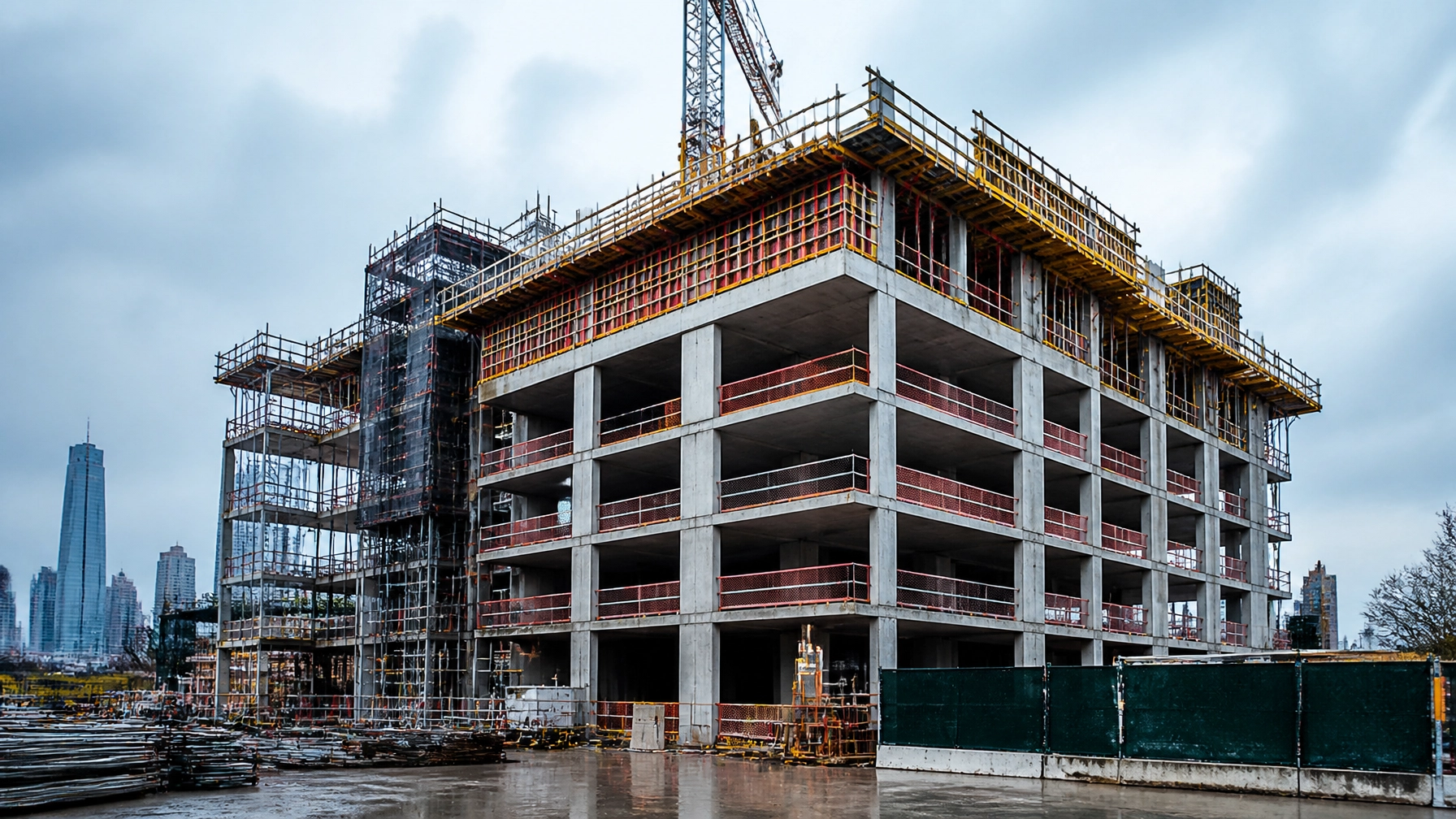
For years, the biggest hurdle for housing in New York City hasn’t just been the cost of labor or materials: it’s been the sheer weight of the State Environmental Quality Review Act (SEQRA). Navigating the environmental review process often meant months or even years of delays, ballooning carry costs, and a mountain of reports that felt more like defensive paperwork than a path to progress.
That changed with the 2026 SEQRA reforms. New York has introduced a powerful new mechanism: the “Qualified Action” housing exemption. This reform is designed to fast-track residential projects by bypassing the full SEQRA environmental impact review, provided you meet specific criteria and: crucially: can certify your site’s environmental condition via a Phase I ESA.
At Envicon Group, we don’t just sell reports; we sell cleared paths. If you’re looking to get your project out of the queue and into the ground, here is how you leverage these new exemptions.
What is a "Qualified Action"?
The new "Qualified Action" (QA) status essentially gives your project a green light to skip the traditional, lengthy SEQRA process. However, this isn't a free pass for every site. To qualify in NYC, your project must check several specific boxes:
- Residential Focus: The project must be primarily housing or include limited non-industrial uses (capped at 50,000 square feet).
- Unit Thresholds: Up to 250 units citywide, or up to 500 units if the zoning district allows heights over 45 feet.
- Infrastructure Ready: The site must be connected to existing community water and sewerage systems by the time it’s occupied.
- Previously Disturbed: This is the big one. The site must be "previously disturbed": meaning it’s been developed or improved before and isn't sitting in a flood hazard area (unless specific local elevation ordinances are met).
- Zoning: The site cannot be in an area zoned exclusively for industrial use.
If you hit these markers, your project can move through building permits, variances, and site plan approvals as a single, exempt package.

The Phase I ESA Certification: Your Entry Ticket
While the QA exemption streamlines the review, it doesn't eliminate environmental responsibility. In fact, for most non-land-use applications (like building permits or financial assistance), the applicant must certify that a Phase I Environmental Site Assessment (ESA) has been conducted in accordance with EPA’s “All Appropriate Inquiries” (AAI) standards (40 CFR § 312).
This isn't just a checkbox; it’s a legal certification. You are stating that:
- A professional Site Investigation has been performed.
- You have followed (or will follow) all recommendations within that report.
- The project is in full compliance with hazardous waste laws.
At many large national firms, a Phase I is a boilerplate document generated by a junior staffer in a different time zone. Under these new regulations, a "boilerplate" report is a liability. If your certification is based on a report that doesn't hold up under agency scrutiny, your 120-day window closes, and your project stalls.
The 120-Day Clock: A Race Against Carry Costs
One of the most visionary aspects of the new reform is the strict timeline. The responsible agency (DOB, HPD, or CPC) now has 120 days from the time you submit your application to determine if your project qualifies for the exemption.
There is a small 30-day extension window, but the pressure is on the agency to act. However, there’s a catch: no "deemed approved" clause. If the agency misses the deadline, the project isn't automatically exempt. You have to file an Article 78 proceeding to force a decision.
This is why having a firm that knows your reviewer by name is vital. At Envicon, we don’t sit behind a queue. We work directly with regulators at NYC OER, NYSDEC, and local agencies to ensure your Regulatory Compliance is airtight before the clock even starts ticking.

Why Most Big-Box Firms Will Fail You Here
If you hire a national firm with 10,000 employees, you’ll talk to a partner during the pitch and likely never see them again. Your Phase I will be farmed out, and when the agency reviewer has a question about your 120-day determination, you’ll be stuck waiting for a project manager to "get back to you."
In the new NYC housing landscape, that delay is fatal. Every week your project sits in a queue costs you carry costs and risks lender patience.
Envicon’s difference is built into how we work:
- Regional Fluency: We’ve been family-owned and operated in NY/NJ for 20 years. We don’t apply a "national playbook" to a Brooklyn brownfield.
- Direct Access: The engineer writing your report is the one answering your call. We provide Brownfield Redevelopment Support that is proactive, not defensive.
- Transparent Tech: We use proprietary project management tools that give you a real-time dashboard of your site’s status. You’ll know exactly where your Phase I stands before you ever hit that 120-day mark.
"Collaboration is not a buzzword: it's how we work. We don't just deliver reports; we deliver cleared paths to development." : Jason Pancoast, CEO.
Moving from Findings to Action
The goal of the SEQRA reform isn’t just to produce more paperwork; it’s to build more housing. But to use the "Qualified Action" exemption, you need an environmental partner who understands that the report is a means to an end, not the product itself.
If your current consultant hands you a report and tells you to "figure out what it means," you’re already behind. You need a team that provides value-add work: interpreting the data, coordinating with architects, and ensuring that your Site-Civil Engineering aligns with your environmental findings.

Key Takeaways for Developers:
- Check Eligibility Early: Determine if your unit count, zoning, and "previously disturbed" status qualify you for a QA exemption before you spend a dollar on design.
- Don't Skimp on the Phase I: The certification is a legal commitment. Ensure your ESA is AAI-compliant and performed by a firm with local agency experience.
- Manage the 120-Day Window: Track your submittals aggressively. If the agency lags, be prepared to move with your legal and environmental team to keep the project moving.
- Avoid the "National Firm" Trap: Large firms are built for protection, not speed. In a time-sensitive SEQRA exemption scenario, you need hands-on leadership and direct coordination.
Envicon Group specializes in turning complex, environmentally challenged sites into buildable assets. We’re field-first and regulator-facing, sitting at the table with the people who approve your projects.
Take the Next Step
If your project is stalled or you’re planning a new multifamily development in NYC, don't wait for the red tape to settle around you. Leverage the new SEQRA exemptions with a team that knows how to clear the path.
- Book a free consultation: https://envicongroup.com/contact
- Risk screener tool: https://envicongroup.com/risk-screener
- General website: https://envicongroup.com
Leave a Reply