Category: Industry Insight

  • The $100k Signature: Why Choosing the Wrong LSRP is a Seven-Figure Mistake

    Let's talk about the most expensive autograph in New Jersey real estate.

    No, it's not the seller's signature on your purchase agreement. It's the Licensed Site Remediation Professional (LSRP) sign-off that stands between your contaminated site and its certificate of completion. And if you choose the wrong LSRP, that signature can cost you somewhere north of seven figures in delays, rework, and regulatory nightmares.

    The LSRP Program: New Jersey's Privatized Cleanup Machine

    Back in 2009, the NJDEP decided to stop being the bottleneck in every single contaminated site cleanup across the state. They created the LSRP program: a licensed cadre of environmental professionals who essentially act as private regulators. These folks review site investigations, design remediation plans, oversee cleanup work, and ultimately sign off that a site meets New Jersey's environmental standards.

    Sounds straightforward, right? Here's the catch: not all LSRPs are created equal, and the one you pick basically becomes your project's environmental dictator.

    LSRP contract signature document with blueprints and financial calculations on conference table

    Why the $100k Baseline is Just the Beginning

    The typical LSRP retainer starts around $100,000 for a moderately complex brownfield site. That buys you their license, their stamp, and theoretically their expertise. But here's what developers don't realize until it's too late: that six-figure investment can either streamline your project or sabotage it completely.

    The wrong LSRP will:

    • Miss critical data gaps during Phase II investigation, forcing expensive re-sampling months into your timeline
    • Design overly conservative remediation plans that blow your environmental budget by 40-60%
    • Take a "wait for NJDEP guidance" approach on gray-area issues, adding months of inaction
    • Struggle with complex vapor intrusion modeling, leading to unnecessary engineering controls
    • Provide reporting that raises more questions than it answers, triggering endless regulatory review cycles

    That original $100k? It metastasizes into $300k in consultant fees, $500k in unnecessary soil excavation, and six months of holding costs while your construction timeline implodes.

    The Seven-Figure Cascade Effect

    Let's walk through a real scenario we've seen play out across Hudson County and Newark development sites:

    A developer acquires a former industrial property for $2.5 million, planning a mixed-use redevelopment with a 14-month construction timeline. They hire the cheapest qualified LSRP they can find: someone with a valid license but limited experience with urban infill projects.

    Month 3: The LSRP completes a Phase II investigation but misses the significance of historical underground storage tank locations. No soil boring samples are collected from the critical southwest corner of the property.

    Month 8: During excavation, the contractor hits contaminated soil that wasn't anticipated. Work stops. Emergency sampling is required. The LSRP now needs to amend their remedial action workplan.

    Month 11: NJDEP requests additional data. The LSRP's original reporting was unclear about the conceptual site model. More investigation, more delays.

    Month 16: The project is now four months behind schedule. Construction financing has extended terms and higher rates. The luxury condo pre-sales are falling through because buyers are losing confidence.

    Month 20: Finally receiving regulatory approval for the revised cleanup plan. Total environmental cost overrun: $850,000. Lost financing costs and carrying charges: $420,000. Opportunity cost of delayed revenue: incalculable.

    That $100k signature just became a $1.3 million mistake: and that's before calculating the reputational damage and future financing challenges.
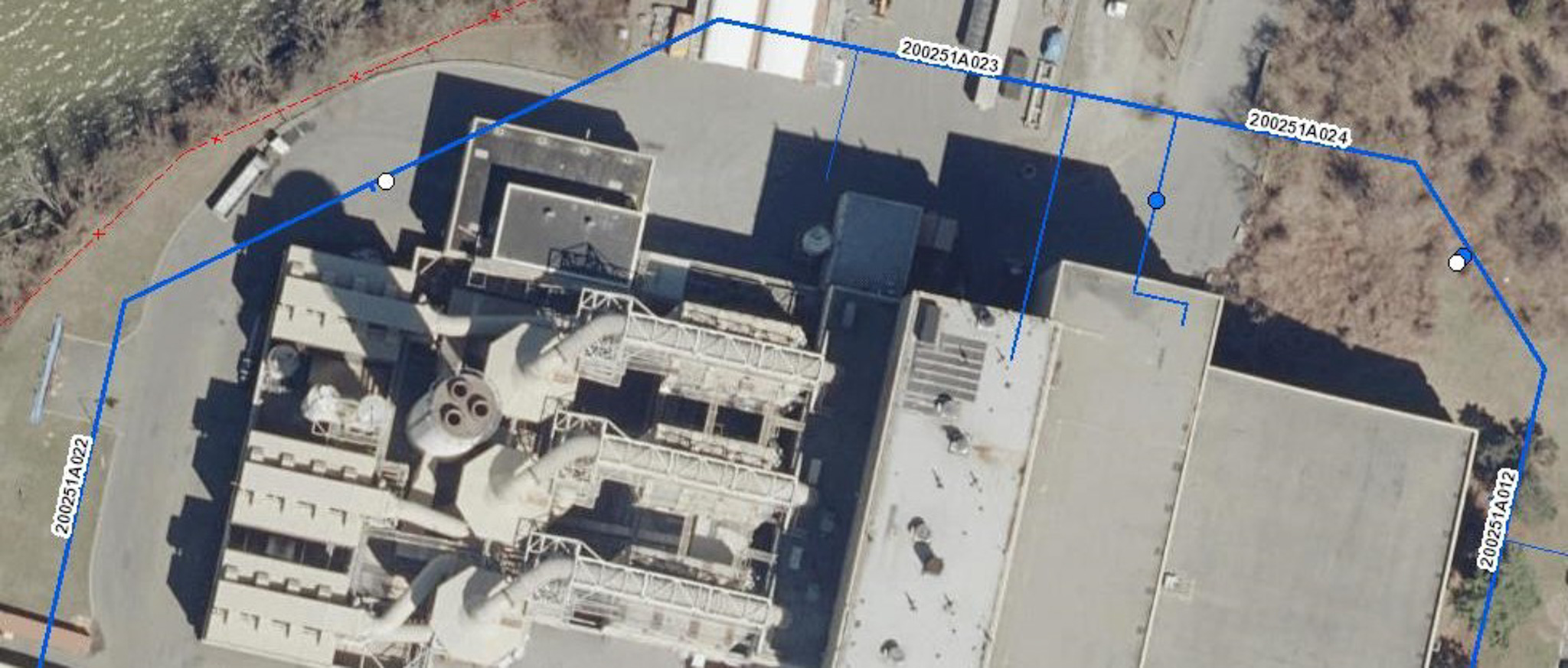
    Aerial view of industrial facility

    What Separates Elite LSRPs from License-Holders

    New Jersey has roughly 700 active LSRPs. About 50 of them are actually masters of their craft. The difference isn't just technical competency: it's strategic thinking.

    Elite LSRPs understand:

    • Lender psychology: They write reports that pre-emptively answer every question a bank's environmental consultant will raise
    • Municipal politics: They know which municipalities have environmental commissions that will scrutinize deed notices and which ones rubber-stamp
    • Regulatory personalities: They understand how different NJDEP case managers interpret gray areas in the regulations
    • Design integration: They coordinate with civil engineers early to avoid conflicts between remediation requirements and site grading
    • Risk-based decision making: They know when to push for receptor-based cleanup standards vs. when to just dig and haul

    The mediocre LSRP treats every site like a textbook problem. The elite LSRP treats your site like the complex business transaction it actually is.

    The Three Questions Your LSRP Better Answer Correctly

    Before you write that six-figure check, put your prospective LSRP through this gauntlet:

    1. "Walk me through how you handle vapor intrusion risk in a building with both residential and commercial tenants."

    If they immediately start talking about soil gas sampling grids without asking about your building design timeline, HVAC plans, and foundation type: they're not thinking strategically. Vapor intrusion is where most brownfield deals die quietly, and the LSRP's approach can either enable creative solutions or mandate deal-killing engineering controls.

    2. "How do you approach soil management when we're excavating 15,000 cubic yards for our foundation?"

    The right answer involves on-site characterization protocols, real-time laboratory turnaround coordination, beneficial reuse opportunities, and disposal facility pre-approval. If they shrug and say "we'll profile it and ship it offsite," you just added $750,000 to your earthwork budget.

    3. "What's your typical timeline from remedial action selection to Response Action Outcome issuance for a site like mine?"

    Anyone who gives you a vague "12-18 months" hasn't actually managed their process. Elite LSRPs provide milestone-driven schedules with regulatory submittal dates, anticipated review periods, and contingency triggers. They own the timeline.

    Environmental professional reviewing site data versus stressed developer at stalled construction project

    The Envicon Advantage: When Your LSRP is Actually Integrated

    Here's where we get biased, but factual: at Envicon Strategic Solutions, our LSRPs don't operate in a vacuum. They're surrounded by civil engineers, geotechnical specialists, and project managers who are all pulling in the same direction: toward your certificate of occupancy.

    When your LSRP is embedded in an integrated engineering team, magic happens:

    • Your Phase II investigation already anticipates civil engineering constraints
    • Your remedial design coordinates with your grading plan, eliminating rework
    • Your soil management strategy is optimized for your actual construction sequence
    • Your vapor intrigation mitigation approach integrates with your foundation design from day one

    We've seen developers save 20-30% on total environmental project costs and shave 4-6 months off their regulatory timelines simply by having all the disciplines talking to each other from kickoff.

    The Due Diligence You're Not Doing (But Should)

    Most developers pick their LSRP based on a combination of cost and whoever returns their call first. That's insane when you consider the financial leverage involved.

    Do this instead:

    • Request case studies from similar project types in your target municipality
    • Ask for references from lenders who have reviewed their Phase I and Phase II reports
    • Verify their professional liability insurance limits (you want minimum $2M coverage)
    • Understand their subconsultant network for specialized work like ecological risk assessments
    • Confirm they have existing relationships with local disposal facilities and laboratories

    The developer who spends three weeks vetting LSRP candidates will save three months on their project timeline. It's the highest-ROI due diligence you'll do.

    Active Urban Construction Site

    When Price Shopping Your LSRP is Actually Reckless

    We get it. You're a developer. You price-shop everything from rebar to roofing contractors. But environmental compliance isn't lumber: you can't value-engineer your way to a lower price without accepting higher risk.

    The LSRP who quotes $75,000 when everyone else is quoting $125,000 isn't finding efficiencies. They're either underestimating the scope (and will hit you with change orders), or they're inexperienced (and will make costly mistakes), or they're desperate for work (which tells you something about their reputation).

    Environmental risk doesn't care about your budget. Site contamination doesn't negotiate. The NJDEP doesn't give participation trophies for trying to save money.

    Pay for competence. It's cheaper.

    The Bottom Line: Your LSRP is Your Project's Insurance Policy

    That $100k signature isn't an expense: it's an insurance premium against seven-figure disasters. The right LSRP protects you from regulatory delays, remediation cost overruns, financing complications, and acquisition failures.

    The wrong LSRP? They're just someone with a license who will happily bill you while your project burns.

    At Envicon, we've built our reputation on being the LSRP that developers call when they can't afford mistakes. Not because we're the cheapest: we're not. But because we understand that your environmental compliance is just one piece of a complex development puzzle, and our job is to make that piece fit seamlessly with everything else.

    If you're staring at a contaminated site in New Jersey and trying to decide whether your LSRP is worth the investment, let's talk. Because the signature you need isn't just any LSRP's: it's the one that actually understands what your project needs to succeed.

    The math is simple: spend $100k wisely now, or spend seven figures correcting mistakes later. In New Jersey development, there is no middle ground.Envicon Strategic Solutions Logo

  • Turning Dirt into Dollars: The Industrial Owner’s Guide to 2026 Repositioning

    Turning Dirt into Dollars: The Industrial Owner’s Guide to 2026 Repositioning

    If you own an aging industrial property in the New York-New Jersey metro, I've got good news and bad news. The bad news? That 40-year-old facility with the leaky roof and questionable soil history isn't magically going to fix itself. The good news? You're sitting on what might be the most valuable real estate asset class of 2026: if you play it right.

    Let's talk about turning that liability into a check.

    The 2026 Industrial Market: Your Window is Now

    Here's the reality: industrial vacancy is sitting at 4.5% nationally, up only marginally from historic lows. New construction for buildings over 750,000 square feet has plummeted 85% compared to recent peaks. Translation? There's a massive shortage of quality industrial space, and tenants are desperate for facilities that actually work for modern operations.

    Your tired warehouse suddenly looks a lot more interesting when there's nothing else available.

    The supply crunch isn't temporary. With construction costs still elevated and financing tight, new ground-up development is expensive and risky. That means your existing building: even with its challenges: has scarcity value. But here's the catch: "scarcity" doesn't mean you can slap some paint on it and call it a day. Tenants in 2026 are savvy, and they're making long-term supply chain decisions based on facility capabilities, not just square footage.

    Industrial warehouse renovation showing modernization upgrades for 2026 repositioning

    What Modern Tenants Actually Want (And Why Your Building Probably Doesn't Have It)

    The days of "four walls and a roof" industrial leasing are over. Today's occupiers: whether they're last-mile logistics operators, light manufacturers, or e-commerce fulfillment centers: have specific requirements that older buildings simply weren't designed to handle.

    Power capacity is the new king. Automation, robotics, electric vehicle charging infrastructure, and climate control systems all demand serious electrical capacity. If your building is still running on 1980s-era service, you're already behind. Upgrading electrical infrastructure isn't cheap, but it's the single most valuable investment you can make to attract premium tenants.

    Flexibility matters more than size. Tenants want column-free space, reconfigurable loading docks, and floor systems that can handle modern racking and automation. They're not interested in buildings with odd layouts, low ceiling clearances, or limited truck access. The good news? Many of these issues can be addressed through targeted capital improvements that don't require a complete gut renovation.

    Technology integration is non-negotiable. Smart building systems, integrated security, real-time occupancy monitoring, automated climate controls: these aren't luxuries anymore. They're baseline expectations. Tenants want to know their facility can integrate with their operational technology stack from day one.

    Build-to-suit projects now represent roughly 20% of new industrial starts, up significantly from recent lows. That tells you everything: tenants are willing to pay for customization and functionality. If your repositioning strategy delivers those attributes, you're competing directly with new construction at a fraction of the cost.

    The Environmental Elephant in the Warehouse

    Let's address what everyone's thinking but nobody wants to say: if you've owned an industrial property for more than a decade, there's probably some environmental baggage. Old manufacturing operations, underground storage tanks, historic solvent use, asbestos-containing materials: these are the realities of legacy industrial sites.

    Here's the mistake most owners make: they treat environmental issues as deal-killers instead of repositioning opportunities.

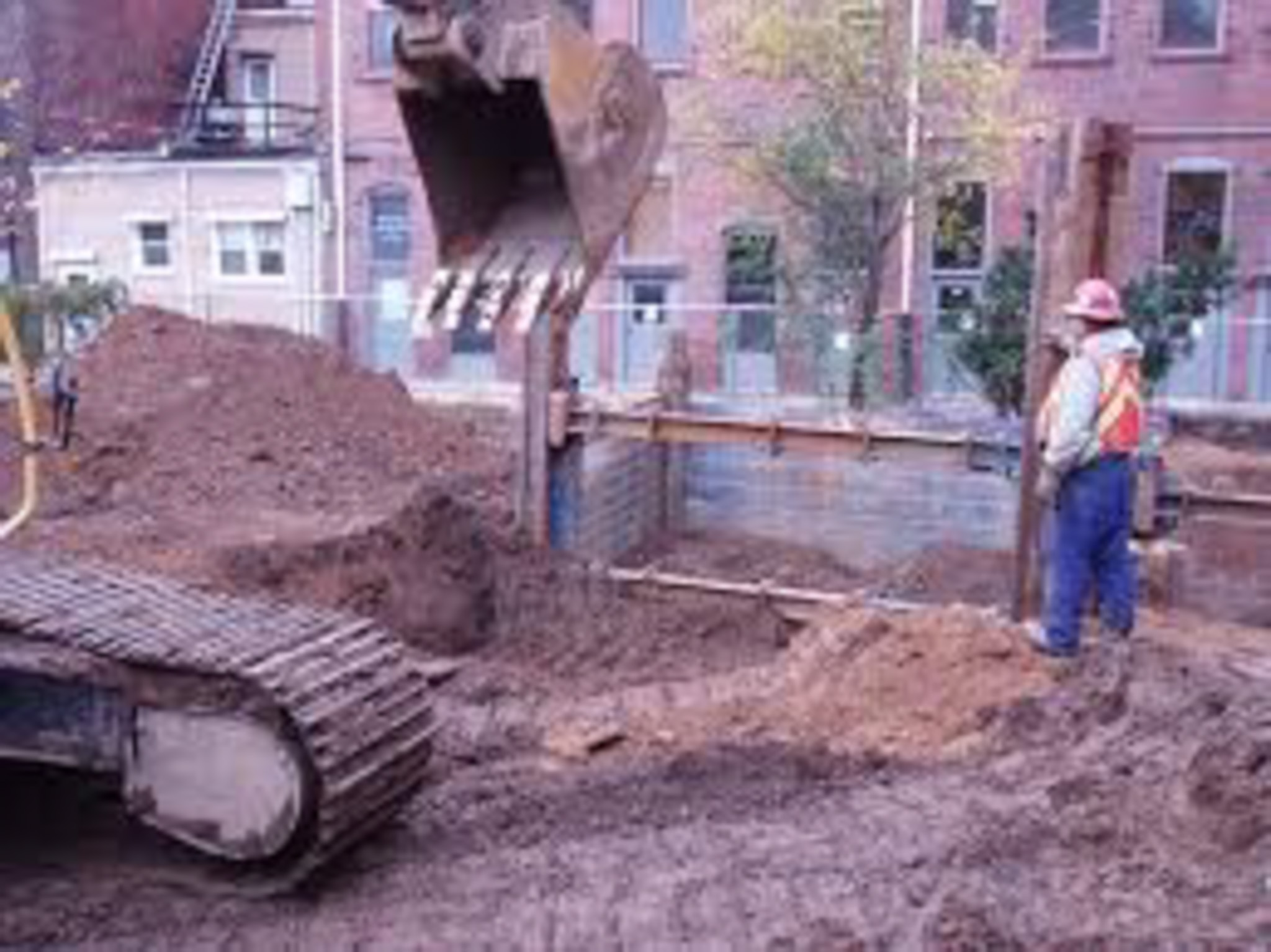
    Excavator and crew conducting soil removal at an urban redevelopment site

    Brownfield redevelopment is a business model, not a burden. States like New Jersey and New York have sophisticated brownfield programs that provide liability protection, tax incentives, and streamlined regulatory pathways for owners who proactively address contamination. The key word is "proactively." Waiting until you're forced to deal with environmental issues by a regulator or a tenant's Phase II ESA puts you in reactive mode: and that's expensive.

    Start with a realistic assessment. Not every site needs a multi-million-dollar soil excavation. Many industrial properties can be addressed through engineered controls, deed restrictions, or vapor mitigation systems that allow productive reuse while managing risk. The trick is understanding the regulatory framework and designing a remediation strategy that aligns with your repositioning timeline and budget.

    Contaminated site redevelopment can actually unlock value. Properties with known environmental conditions often trade at significant discounts. But once remediated and enrolled in a regulatory closure program, those same properties can command premium pricing because the environmental risk has been quantified and managed. You're essentially arbitraging information and regulatory compliance.

    The data backs this up: logistics demand is projected to require 250-350 million square feet of space by 2030. A significant portion of that demand will be met through repositioned industrial properties, not new construction. Environmental issues are speed bumps, not roadblocks: if you have the right team.

    Geographic Strategy: Not All Industrial Markets Are Created Equal

    Location matters, but not in the way you think. The conventional wisdom is to chase hot markets like Dallas, Miami, or the Inland Empire. That's fine if you're a developer with $50 million to deploy. But for existing owners, the play is different.

    Proximity to infrastructure is everything. Highways, rail lines, ports, airports: these are the circulatory system of modern logistics. Even secondary industrial markets perform well if they have multimodal connectivity. Southern New Jersey, Hudson County, parts of Long Island: these aren't sexy markets, but they offer infrastructure access that tenants need.

    High-population markets provide demand diversity. Here's an interesting stat: in Southern California port markets, only 25% of industrial occupier demand is directly trade-related. The rest comes from regional distribution, manufacturing, and local services. That diversification makes markets more resilient to tariff swings and trade volatility. The same logic applies in the New York-New Jersey region: you're not just serving imports and exports; you're serving 20 million people who need goods delivered.

    Workforce availability is underrated. Tenants care about more than just the building; they need access to labor. Industrial repositioning in areas with skilled workforces and established transportation networks has a structural advantage over remote greenfield sites.

    Environmental remediation work in progress at industrial brownfield site

    The Numbers: What Repositioning Actually Costs (And Returns)

    Let's talk dollars. A typical industrial repositioning project: addressing deferred maintenance, upgrading systems, and resolving environmental issues: might run $20-$40 per square foot for a moderate renovation. That's significantly less than the $100+ per square foot for new construction.

    If you're bringing a 100,000-square-foot building up to modern standards at $30 per square foot, you're investing $3 million. In a market with constrained supply and 4.5% vacancy, that same building could lease at $12-$15 per square foot triple-net (or more in tight markets). Your stabilized value just jumped from $8-10 million to $15-20 million, depending on cap rates.

    The math works: but only if you execute correctly. Here's where most owners screw up:

    • They underestimate timeline. Environmental approvals, permitting, and construction take longer than you think. Build in contingency.
    • They skimp on the wrong things. Cutting corners on electrical upgrades or vapor mitigation to save $200k can cost you $2 million in tenant value.
    • They ignore tenant engagement. The best repositioning projects involve early dialogue with prospective tenants to understand their specific needs.

    The Integrated Approach: Why Your Architect Can't Do This Alone

    Here's the dirty secret of industrial repositioning: it requires coordination between disciplines that usually don't talk to each other. Your architect is focused on layout and aesthetics. Your contractor is focused on schedule and budget. Your environmental consultant is focused on regulatory compliance.

    Nobody's focused on making sure those three things actually align with your business objectives and timeline.

    This is where integrated engineering pays off. When your civil engineer, environmental consultant, and design team are working from the same set of assumptions and a unified strategy, you avoid costly surprises. You're not excavating contaminated soil after you've already installed new foundations. You're not discovering Phase II ESA issues three months into construction. You're planning the entire repositioning as a single, coordinated program.

    We've seen owners save 20-30% on total project costs and cut 6-12 months off schedules by taking an integrated approach from day one. In a market where time is money and tenant demand is urgent, that's the difference between hitting your return targets and watching a project bleed cash.

    Your Move: The 2026 Repositioning Playbook

    If you're an industrial owner sitting on an underperforming asset, here's your action plan:

    1. Get a reality check. Commission a Phase I ESA and a building systems assessment. Know what you're dealing with before you start making plans.
    2. Model the economics. What's your current NOI? What could it be with a repositioned, modernized facility? What's the investment required? Run the numbers with realistic assumptions.
    3. Engage the market. Talk to brokers and potential tenants. What are they looking for? What would make your building competitive?
    4. Build the right team. Don't hire five separate consultants who've never worked together. Find integrated partners who can manage environmental, civil, and design coordination as a unified scope.
    5. Understand the regulatory pathway. If you've got environmental issues, enroll in brownfield programs early. Liability protection and tax credits can materially improve your project returns.
    6. Execute with urgency. The supply shortage won't last forever. New construction will eventually pencil again. Your window to reposition at favorable economics is right now.

    The Bottom Line

    Industrial property repositioning in 2026 isn't about slapping lipstick on a pig. It's about understanding market fundamentals, tenant demands, and regulatory realities: and then executing a strategic capital plan that transforms an aging asset into a modern, income-producing facility.

    The dirt under your building isn't just dirt. It's equity, if you know how to extract it.

    Want to talk through your specific property? Reach out: we've been turning industrial liabilities into competitive assets for two decades, and we'd be happy to walk through your repositioning strategy.

    Because in 2026, the question isn't whether your industrial property has value. It's whether you're going to unlock it.Envicon Strategic Solutions Logo

    Envicon Group
    Site-Civil • Geotechnical • Environmental

    [Talk to our team](https://wp.envicongroup.com/contact)
    [www.envicongroup.com](https://wp.envicongroup.com)
  • The ‘Protecting Against Forever Chemicals Act’: What NJ Property Owners Need to Know

    The ‘Protecting Against Forever Chemicals Act’: What NJ Property Owners Need to Know

    If you own commercial or industrial property in New Jersey, the regulatory ground just shifted beneath your feet. Again.

    On the surface, New Jersey's Protecting Against Forever Chemicals Act (S-1042) looks like a consumer protection law targeting cosmetics and cookware. But if you're a property owner, developer, or anyone holding industrial real estate, you need to read between the lines. This legislation isn't just about what ends up on store shelves in 2028: it's the opening salvo in a much broader campaign against PFAS contamination that will fundamentally reshape environmental compliance, site assessments, and remediation standards across the state.

    We've been here before with other contaminants. First it's awareness. Then it's regulation. Then it's liability. The smart money doesn't wait for the third phase.

    What the Act Actually Does

    Starting January 2028, New Jersey will prohibit the sale of four product categories containing intentionally added per- and polyfluoroalkyl substances (PFAS):

    • Carpets and fabric treatments
    • Cosmetics and personal care products
    • Food packaging materials
    • Cookware (with mandatory labeling requirements for PFAS-containing products)

    The law only targets intentionally added PFAS, which means trace contamination from manufacturing processes gets a pass: for now. Violations carry penalties ranging from $1,000 to $25,000, enforced by the Division of Consumer Affairs.

    But here's what really matters to property owners: the state simultaneously allocated $5 million for PFAS research, environmental monitoring, and testing protocols. The NJDEP must establish a comprehensive source reduction program by January 2026 to minimize PFAS in air, water, and soil statewide.

    That's not consumer protection. That's infrastructure for environmental enforcement.

    Environmental consultant conducting PFAS site assessment at New Jersey industrial waterfront facility

    The Ripple Effect Nobody's Talking About

    When New Jersey banned certain products, they didn't just draw a line in the sand: they illuminated a roadmap for future regulatory action. Here's what we're already seeing in our practice:

    Phase II ESAs are getting PFAS questions. Lenders and investors who barely understood vapor intrusion two years ago are now asking pointed questions about historical PFAS usage. They're not waiting for formal guidance: they're building risk models based on property use history.

    Industrial site scrutiny just intensified. Any property with historical manufacturing, aerospace, metal plating, textile treatment, or firefighting foam usage is now under the microscope. The NJDEP's new monitoring programs will prioritize these sectors, and you can bet enforcement actions will follow positive detections.

    The "innocent landowner" defense is narrowing. Courts are increasingly skeptical of property owners who claim ignorance about legacy contamination. With PFAS making headlines and state-funded monitoring programs launching, the window to claim "we didn't know" is closing fast.

    What This Means for Different Property Types

    Former Industrial Sites

    If you're sitting on a former manufacturing facility, chemical plant, or aerospace property, you're in the crosshairs. PFAS were ubiquitous in industrial processes from the 1950s through the 2000s. Chromium plating operations, metal finishing, semiconductor manufacturing: these weren't just using PFAS, they were practically built on it.

    The practical reality: your Phase II ESA from 2019 is already outdated. It didn't test for PFAS because nobody required it. But the buyer walking through your property today isn't thinking about 2019 standards: they're thinking about 2026 liability.

    Airport Properties and Fire Training Facilities

    This deserves its own category because the exposure is categorical and well-documented. Aqueous film-forming foam (AFFF) containing PFAS was the industry standard for decades. If your property hosted any firefighting training or aviation operations, assume contamination until proven otherwise.

    The New Jersey Department of Environmental Protection knows this. They're building their monitoring network around high-probability sites, and airport-adjacent properties are target number one.

    Aerial View of Industrial Site Pre-Assessment

    Commercial Redevelopment Projects

    Here's where it gets interesting for developers. That underutilized commercial property you're eyeing for mixed-use redevelopment? The one with the old dry cleaner, the auto body shop, the printing operation? Every single one of those historical tenants potentially used PFAS-containing products.

    The calculation has changed. What used to be a straightforward brownfield redevelopment with predictable soil and groundwater remediation now includes PFAS assessment, which means:

    • Extended investigation timelines
    • Higher sampling and analysis costs
    • More complex remedial strategies
    • Greater regulatory uncertainty
    • Longer approval processes with NJDEP

    But here's the opportunity: developers who move proactively: who build PFAS assessment into their due diligence before regulatory mandates force the issue: will gain competitive advantage. You'll know your liability. You'll have cleaner deal structures. You'll avoid surprises that crater transactions six months into a project.

    The 2026 Compliance Timeline You Can't Ignore

    The legislation's January 2026 deadline for NJDEP's source reduction program isn't arbitrary: it's an inflection point. Once that program launches, here's what we anticipate:

    Q1 2026: NJDEP finalizes monitoring protocols and identifies priority sites for assessment. Property owners in targeted sectors receive notification.

    Q2-Q3 2026: Initial environmental monitoring data becomes public. Properties with positive detections enter enforcement or voluntary remediation pathways.

    Q4 2026: Regulatory guidance begins crystallizing around acceptable PFAS levels in soil, groundwater, and air for different property uses.

    2027: The compliance machinery kicks into high gear. LSRPs begin incorporating PFAS into standard site investigation work plans. Transaction attorneys start including PFAS-specific indemnification language.

    2028: Product bans take effect, but by this point, environmental compliance standards have already evolved beyond the consumer protection framework.

    What Smart Property Owners Are Doing Right Now

    The clients we work with who consistently stay ahead of regulatory shifts share common characteristics. They don't wait for enforcement letters. They don't assume legacy contamination will remain buried forever. They treat environmental compliance as competitive intelligence.

    Here's the playbook:

    Conduct historical use assessments. Pull permits, interview long-term employees, review historical aerial photographs, and identify any operations that likely used PFAS. You're building a defensible knowledge base.

    Integrate PFAS into existing environmental work. If you're already conducting Phase II ESAs or monitoring wells, add PFAS parameters now while mobilization costs are already sunk. Incremental sampling is cheaper than separate mobilizations later.

    Document everything. Environmental compliance is moving toward affirmative obligations. "We didn't test because nobody required it" won't hold up. "We conducted reasonable investigation based on available information" will.

    Talk to your environmental consultants. The regulatory landscape is evolving monthly. Firms plugged into NJDEP rulemaking processes can provide advance warning about coming requirements and help position your properties proactively.

    The Bigger Picture: PFAS as Regulatory Blueprint

    If you've been in New Jersey real estate long enough, you've seen this movie before. Chromium in Jersey City. Lead paint disclosure requirements. Vapor intrusion from chlorinated solvents. Each time, the regulatory framework follows the same pattern:

    1. Scientific awareness builds
    2. Legislation targets the most obvious sources
    3. Environmental monitoring expands
    4. Cleanup standards evolve
    5. Liability attaches to property owners

    We're currently between steps 2 and 3 with PFAS. The Protecting Against Forever Chemicals Act is step 2: targeting products. The $5 million monitoring program is step 3 beginning. Steps 4 and 5 are coming, and they'll arrive faster than previous contaminant cycles because the regulatory infrastructure already exists.

    Your Next Move

    The property owners who navigate this transition successfully won't be the ones who wait for certainty. They'll be the ones who recognize that environmental compliance isn't a defensive obligation: it's strategic intelligence that informs everything from acquisition decisions to redevelopment planning to transaction structuring.

    If you're holding industrial property in New Jersey, the question isn't whether PFAS will become your problem. It's whether you'll discover the extent of that problem on your timeline or someone else's.

    At Envicon, we're helping property owners move from reactive compliance to strategic positioning. Because in 2026, the best environmental strategy isn't about managing liability after it surfaces: it's about understanding your exposure before anyone asks the question.

    The "forever chemicals" earned their name because they don't break down. But legacy contamination doesn't have to mean permanent liability. It just requires getting ahead of the curve while you still can.Envicon Strategic Solutions Logo

  • The $1M Soil Boring: How One Bad Sample Can Kill a Deal (and How to Avoid It)

    The $1M Soil Boring: How One Bad Sample Can Kill a Deal (and How to Avoid It)

    Let me tell you about a deal that died on a Tuesday afternoon.

    A developer in Hudson County had a 2.3-acre former industrial site under contract. Beautiful location, solid zoning, market-rate residential demand through the roof. The Phase I ESA flagged some concerns, no surprise for an old manufacturing property, so they moved to Phase II. Standard protocol: drill some borings, collect samples, send them to the lab.

    Then boring B-7 came back hot. Really hot. Benzene concentrations that would make your environmental attorney lose sleep for a week.

    The developer's financing evaporated within 72 hours. The seller refused to renegotiate. The deal collapsed. The kicker? Three subsequent borings drilled within 10 feet of B-7 came back clean. That single sample, likely compromised during drilling or handling, cost everyone involved about $1.2 million in sunk costs, lost opportunity, and legal fees.

    This isn't a rare horror story. It happens more often than anyone in our industry wants to admit.

    Why One Sample Carries So Much Weight

    Here's the reality: lenders, investors, and risk managers don't think like engineers. They see contaminant concentrations above regulatory thresholds, and their mental math goes straight to worst-case scenarios. That one elevated reading doesn't just represent a data point, it represents potential liability, cleanup costs, schedule delays, and regulatory entanglements.

    Excavator and Crew at Urban Redevelopment Site

    In a Phase II ESA, you're essentially creating a snapshot of subsurface conditions using a limited number of sampling points. Every boring represents thousands of cubic yards of soil, and every sample becomes a proxy for a much larger volume of earth. When one sample goes sideways, it casts doubt over the entire site characterization.

    The problem compounds because most purchase agreements include environmental contingencies with specific thresholds. A single exceedance can trigger termination rights, price renegotiations, or demands for additional investigation, all of which burn time and trust.

    What Makes a Sample "Bad"

    A "bad" sample isn't always contaminated soil. Sometimes it's a good sample that got compromised. Sometimes it's a genuinely contaminated sample collected in the wrong location. And sometimes it's a clean sample that got cross-contaminated during handling.

    The usual suspects:

    • Cross-contamination during drilling – Poor decontamination protocols between borings, drilling fluid additives that interfere with analysis, or equipment that's seen too many contaminated sites
    • Improper sample handling – Wrong container types, broken chain of custody, temperature excursions during shipping
    • Laboratory errors – Sample mix-ups, contaminated blanks, instrument calibration issues
    • Unrepresentative sampling locations – Hitting a buried drum, a former loading area, or a concentrated spill zone that doesn't reflect broader site conditions
    • Interference compounds – Naturally occurring substances or fill materials that can produce false positives for certain analytes

    The worst part? By the time you realize a sample is questionable, you're already in damage control mode. The lender has seen the report. The investor is nervous. The clock is ticking on your due diligence period.

    The Real Cost of a Bad Sample

    That $1M figure in the title isn't hyperbole. Let's break down what actually happens when a deal-killing sample shows up:

    Immediate hard costs:

    • Additional Phase II investigation to confirm or refute findings: $25,000–$75,000
    • Extended due diligence period (if seller agrees): potential lost opportunity cost
    • Legal review and renegotiation: $15,000–$50,000
    • Remediation design and cost estimating: $10,000–$30,000

    Soft costs that add up fast:

    • Carrying costs on earnest money and deposits
    • Team time (attorneys, engineers, lenders) multiplied across weeks or months
    • Opportunity cost of capital tied up in a stalled deal
    • Reputational risk with lenders if you walk from multiple deals

    Deal structure impacts:

    • Purchase price reductions demanded by buyers (typically 2-5x the estimated remediation cost)
    • Escrow holdbacks that tie up capital post-closing
    • Increased insurance premiums or loss of coverage
    • Seller financing becoming unavailable

    For a $10M acquisition, a single questionable sample can realistically trigger $500K–$1.5M in combined direct and indirect costs. And that assumes the deal survives at all.

    The Smart Sampling Strategy

    Here's what the developers who consistently close deals understand: Phase II site investigations aren't just about checking regulatory boxes. They're about generating defensible data that supports transactions.

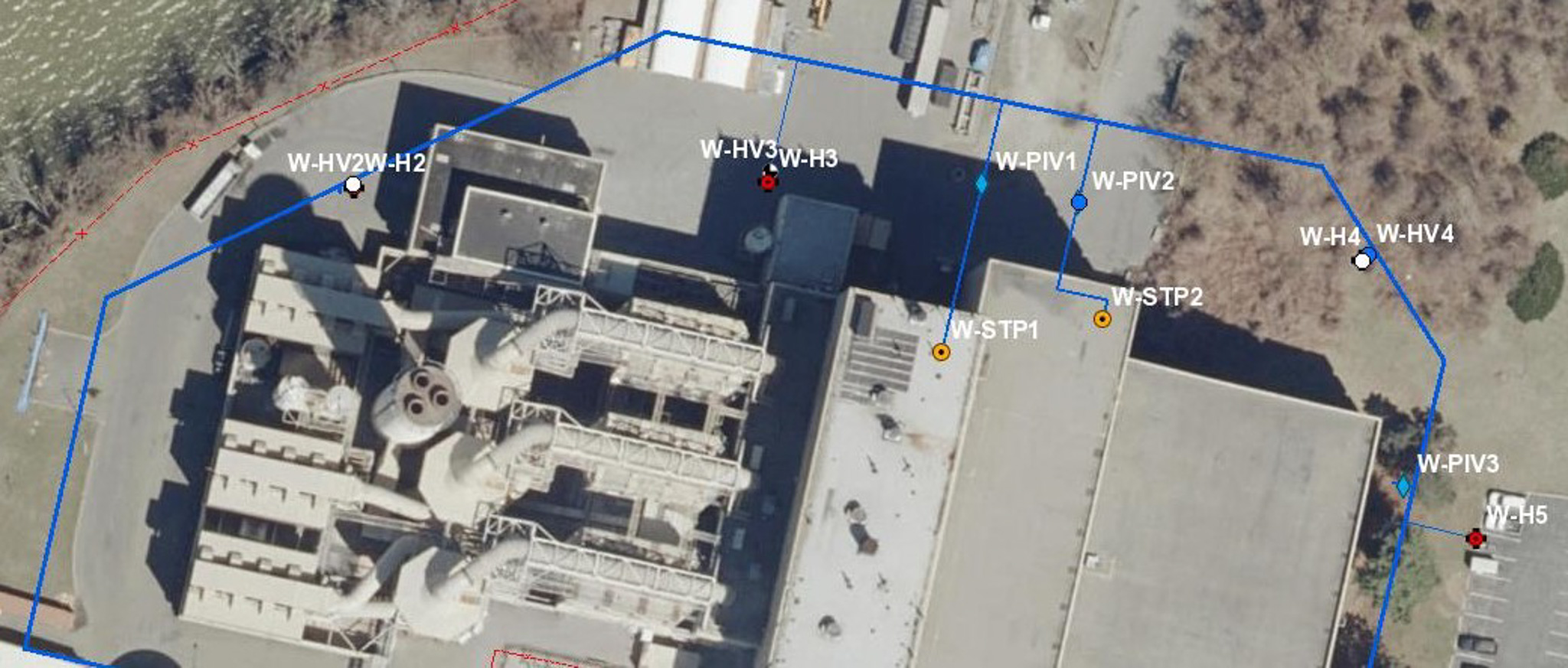
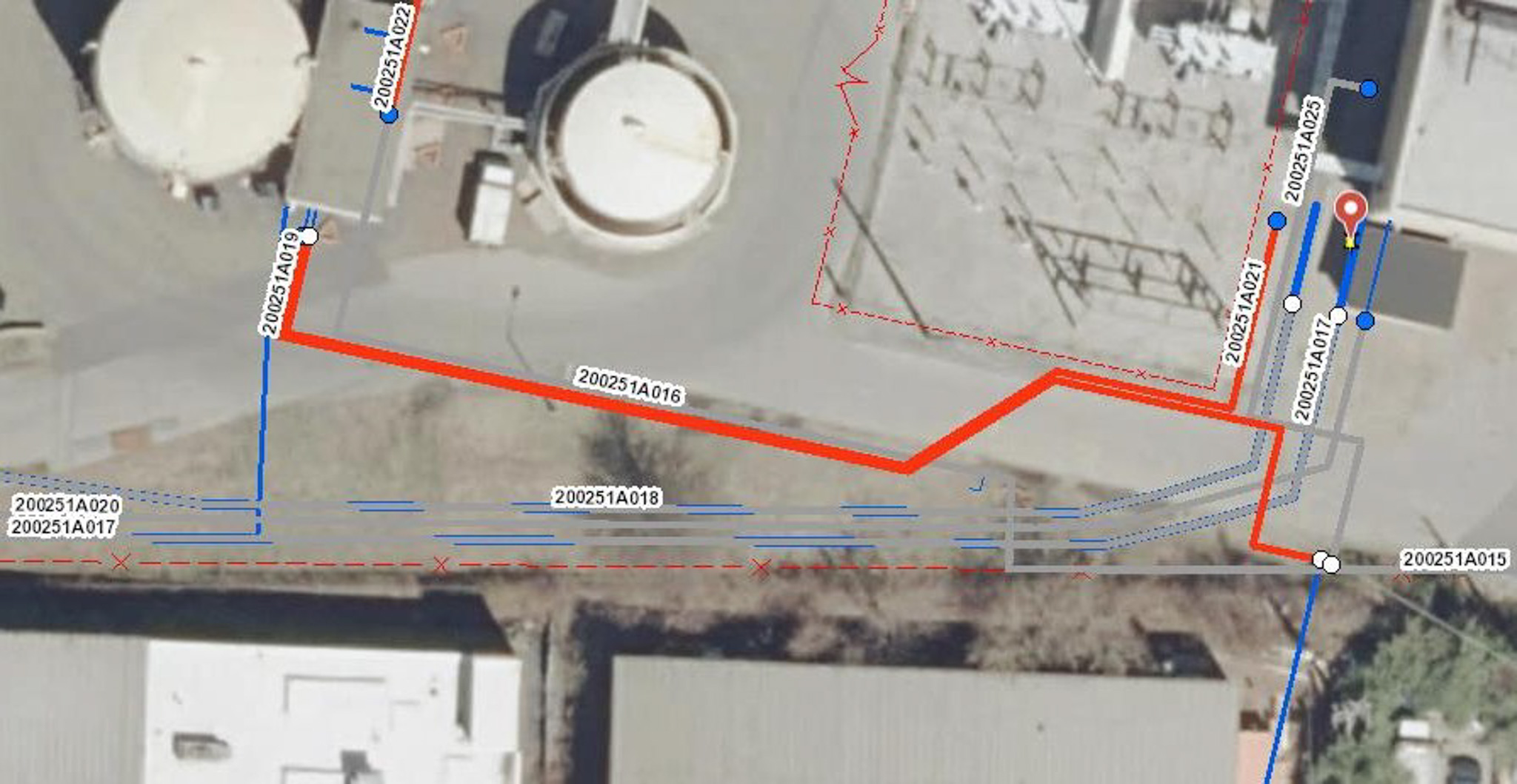
    Aerial View with Monitoring Locations

    Start with a battle plan, not a boring grid. Your Phase II work plan should reflect actual site history, operations, and potential exposure pathways, not just a generic template. Former loading docks, underground storage areas, waste disposal zones, and drainage patterns should drive your sampling locations.

    Collect duplicate and split samples strategically. On high-stakes sites, we collect field duplicates and split samples for critical boring locations. Yes, it adds cost upfront ($2,000–$5,000), but it provides instant insurance if a result comes back questionable. You can immediately send the split to a second lab for confirmation.

    Use real-time screening where appropriate. For volatile organic compounds, field screening with a photoionization detector (PID) or portable GC-MS can identify contamination in real time, allowing you to adjust your sampling strategy on the fly. This prevents the nightmare scenario where you're back on-site for a second mobilization.

    Document everything obsessively. Chain of custody forms, decontamination logs, field photos, sample container lot numbers: treat your Phase II like a legal proceeding, because it might become one. The more documentation you have, the easier it is to identify and explain anomalous results.

    Build in confirmation sampling from day one. On any site with known or suspected contamination, include contingent confirmation borings in your scope and budget. If you get a hot sample, you're already authorized to drill three more locations the same day. This turns a three-week delay into a three-hour adjustment.

    Working with the Right Investigation Team

    Not all environmental consultants approach Phase II investigations the same way. Some treat them as paperwork exercises. Others understand they're high-stakes technical and financial documents that need to survive scrutiny from lenders, attorneys, and regulators.

    What to look for:

    • LSRP credentials in New Jersey or similar state-specific qualifications that demonstrate regulatory expertise
    • Experience in transaction-driven investigations where speed and defensibility matter as much as technical rigor
    • In-house laboratory relationships where turnaround times can be negotiated and data quality is consistently high
    • Integration with civil and geotechnical engineering – soil boring programs that serve multiple purposes (environmental, geotechnical, foundation design) save time and money

    At Envicon, we've structured our site investigation services specifically around transaction timelines. Our approach isn't just about collecting samples: it's about generating lender-proof reports that keep deals moving forward.

    Active Urban Construction Site

    What to Do When You Get a Bad Number

    Despite your best planning, sometimes you'll still get a result that doesn't make sense. Here's the immediate playbook:

    Hour 1-24: Assess and validate

    • Review the lab report for qualifiers, flags, and quality control data
    • Check field documentation for any irregularities during that specific sampling event
    • Compare the result to adjacent boring locations: is this an isolated anomaly or part of a trend?
    • If you have a split sample, send it to a second lab immediately

    Day 2-7: Supplemental investigation

    • Mobilize for confirmation sampling around the questionable location
    • Collect samples from depths above and below the original sample point
    • Document any visual or olfactory observations that might explain contamination
    • Consider if the result could reflect a very localized condition (buried debris, former spill location)

    Week 2: Strategic response

    • If confirmation sampling validates the original result, develop a focused remedial action plan
    • If confirmation sampling contradicts it, prepare technical justification for why the original sample was unrepresentative
    • Engage your environmental attorney and lender early: surprises destroy credibility

    The key is controlled urgency. Panic kills deals. Methodical, well-documented response saves them.

    The Bottom Line

    That one soil boring: that one sample: can absolutely kill a million-dollar deal. But it doesn't have to.

    The difference comes down to strategy, execution, and working with a team that understands both the technical nuances and the transaction realities. Phase II investigations aren't just environmental paperwork. They're risk management tools that can either derail your acquisition or provide the confidence you need to close.

    Smart developers don't just budget for the investigation: they budget for doing it right the first time. Because the cost of a bad sample isn't just the remediation. It's the deal you lose, the financing that evaporates, and the six months you spent on a project that's now radioactive to every lender in the market.

    If you're staring at a Phase II ESA scope of work right now, ask yourself: is this designed to generate defensible data, or just check a box? Your answer might be worth a million dollars.

    Want to talk through a Phase II strategy before your next boring goes in the ground? Let's have that conversation. We've seen enough deals die to know exactly how to keep yours alive.Envicon Strategic Solutions LogoEnvicon Group
    Site-Civil • Geotechnical • Environmental
    www.envicongroup.com

  • The 2026 TSCA Ticking Clock: Is Your Industrial Site Compliant?

    The 2026 TSCA Ticking Clock: Is Your Industrial Site Compliant?

    If you own or are eyeing an industrial property in the NY/NJ market, there's a regulatory deadline barreling toward you that most people aren't talking about yet: TSCA PFAS reporting. And unlike those "aspirational" compliance timelines we all love to joke about, this one has teeth: and it's coming in hot.

    The EPA is finalizing a revised PFAS reporting rule expected in June 2026, requiring manufacturers and importers to disclose PFAS materials manufactured or imported into the U.S. from 2011 to 2022. That's a 11-year lookback. If your site had any industrial operations, supply chain activity, or chemical inputs during that window, you've got homework to do. And if you're acquiring a property with that kind of history? You need to know what's lurking in those records before you sign.

    Why This Matters More Than Your Average Compliance Update

    Here's the reality: PFAS: those "forever chemicals" we keep hearing about: aren't just in firefighting foam anymore. They're in coatings, textiles, electronics manufacturing, metal plating operations, plastics production, packaging materials, and dozens of other industrial processes. If your site touched any of those sectors between 2011 and 2022, there's a decent chance PFAS was part of the equation.

    Industrial site compliance team reviewing PFAS documentation at chemical facility

    The EPA isn't messing around with enforcement, either. We're talking civil penalties up to $40,000 per violation, per day. One incomplete disclosure or missed material could turn into a seven-figure liability faster than you can say "confidential business information." And that doesn't even include the operational disruptions: shipment detentions, CBP audited status, or the nightmare scenario of a deal falling apart mid-closing because the Phase II ESA uncovered undisclosed PFAS use.

    For property owners, this is about more than just checking a compliance box. It's about understanding your liability exposure and making sure a past tenant's chemical practices don't torpedo your future development plans.

    The 2011 Lookback: Harder Than It Sounds

    Let's be honest: most companies don't have pristine records going back to 2011. Suppliers change. Formulations get updated. Staff turns over. That industrial coating you used in 2014? Good luck tracking down the MSDS from the vendor who went out of business in 2018.

    But here's what the EPA expects you to produce:

    • CAS numbers and chemical names for every PFAS-containing substance
    • Production volumes or import quantities by year
    • Use categories and how those materials were deployed on-site
    • Supply chain documentation proving where materials came from
    • Exposure data for workers and environmental pathways

    If you're acquiring a property, this is where the due diligence gets real. You need to reconstruct that operational history: not just for the current owner, but for every tenant and operator who touched the site during the reporting window. One gap in the chain, and you're on the hook for someone else's compliance failure.

    The Section 8(d) Curveball Nobody's Ready For

    While everyone's focused on the June PFAS rule, there's another deadline that's even closer: Section 8(d) reporting on May 22, 2026: less than four months away. This covers 16 designated chemicals that may already be part of your site's operations or supply chain.

    If your facility manufactures or imports any of these substances, you need accurate submissions covering production volumes, uses, and exposure data. Legal and compliance teams should be reviewing obligations now, especially around confidential business information handling. Miss this one, and you're already behind when the PFAS reporting hits in June.

    What an Environmental Compliance Audit Actually Needs to Cover

    A real PFAS audit isn't a box-checking exercise. It's a forensic dive into your site's operational DNA. Here's what we look for when we're de-risking an acquisition or prepping a client for reporting:

    Supply Chain Reconstruction

    We trace every chemical input back to its origin: vendor invoices, shipping manifests, formulation specs. If a coating contained PFAS, we need proof of when it was purchased, how much was used, and where it ended up (waste stream, emissions, wastewater discharge).

    Tenant History Analysis

    For multi-tenant industrial properties, this gets messy fast. We pull lease agreements, permitted activities, historical aerial photos, and any available environmental reports to map which operations happened where and when. A metal plating shop in 2013 carries very different PFAS risk than a dry goods warehouse.

    Aerial View with Monitoring Locations

    Waste Management Trail

    Where did your waste go? If PFAS-containing materials left the site, we need documentation showing proper disposal or recycling. Undocumented waste streams are red flags for regulators: and deal-killers for lenders.

    Recordkeeping System Validation

    The EPA requires records maintained for at least three years, but the lookback goes to 2011. We verify that your current systems can actually produce what the EPA will demand: and if they can't, we help reconstruct what's missing before the deadline hits.

    How This Changes the M&A Game

    If you're buying or selling an industrial property in 2026, PFAS compliance is now a core deal term. Smart buyers are building TSCA audit costs into their due diligence budgets. Smarter sellers are getting ahead of it and conducting their own compliance audits before listing: because the last thing you want is a buyer walking away at the 11th hour because their Phase II uncovered undisclosed PFAS use that tanks their financing.

    We've seen this play out repeatedly with brownfield redevelopment projects. A site that looks clean on paper suddenly becomes a liability minefield when the PFAS question comes up. Lenders want certainty. They want to know that the compliance risk is quantified, disclosed, and manageable. An environmental compliance audit that covers TSCA obligations gives them that confidence: and keeps your deal on schedule.

    Environmental compliance audit presentation de-risking industrial property acquisition

    The phrase we keep coming back to with clients is "de-risking acquisitions." That's what a proper audit does. It transforms an unknown liability into a known quantity. It gives you leverage in negotiations. And it prevents the nightmare scenario where you discover a compliance gap six months after closing, when it's your problem and your wallet.

    The Envicon Approach: Audits That Actually Protect You

    Here's the thing about TSCA compliance: it's not just an environmental issue. It's a business risk issue. It touches procurement, operations, legal, finance, and real estate: and if those departments aren't talking to each other, you're exposed.

    Our audits start with a simple question: What's the worst-case scenario, and how do we eliminate it? We reverse-engineer compliance from the regulator's perspective. What would the EPA flag in an inspection? What would a buyer's counsel red-line in the purchase agreement? What would a lender's environmental consultant call out as a financing risk?

    Then we build the documentation package that answers those questions before they're asked. Chemical inventories cross-referenced against TSCA listings. Supply chain evidence tied to CAS numbers. Historical use patterns mapped to waste manifests. Disclosure statements that cover every base without over-disclosing and creating unnecessary liability.

    Field team inspecting underground storage tanks

    For clients with complex site histories: former manufacturing facilities, multi-tenant industrial parks, properties with legacy operations: we treat the audit like an investigation. We interview former staff, pull archived permits, review historical site plans, and piece together operational timelines that would otherwise be lost to institutional memory.

    The goal isn't just compliance. It's confidence. When a buyer asks about PFAS during due diligence, we want you saying "Here's the audit, here's the disclosure, and here's why this isn't a deal risk." When a lender requests TSCA documentation, we want you handing over a complete package that moves the transaction forward instead of stalling it.

    What You Should Be Doing Right Now

    If you're sitting on an industrial property: or about to close on one: here's your action plan before the June deadline:

    • Audit your chemical inventory immediately. Pull every purchase order, MSDS, and formulation spec from 2011 forward. If you can't produce documentation, flag it now.
    • Map your tenant history. If the site had multiple operators, identify who was doing what and when. Don't assume the previous owner's disclosures are complete.
    • Review your waste management records. Confirm that disposal documentation exists and is traceable for every chemical waste stream that left the site.
    • Assess your recordkeeping systems. Can you actually produce what the EPA will demand? If not, reconstruct what's missing while there's still time.
    • Talk to your lender or buyer early. If you're mid-transaction, get ahead of the PFAS question. Proactive disclosure beats reactive damage control every time.

    The May 22 Section 8(d) deadline is the warm-up act. The June PFAS reporting rule is the main event. And if you're not ready for either, you're gambling with six-figure penalties and deal-breaking delays.

    The Bottom Line

    TSCA compliance in 2026 isn't optional, and it's not something you can paper over with a standard Phase I ESA. The PFAS reporting requirements are fundamentally changing how industrial properties are valued, transacted, and financed. Properties with clean, documented compliance histories will move faster and command better terms. Properties with gaps or unknowns will face scrutiny, delays, and discounted valuations.

    We've built our practice around helping clients navigate exactly these kinds of regulatory inflection points. Whether you're managing an existing portfolio or evaluating a new acquisition, the time to act is now: not three weeks before the deadline when everyone else is scrambling.

    The clock is ticking. Let's make sure you're ahead of it.

    Want to discuss your site's PFAS exposure or schedule a compliance audit? Reach out to our team: we'll walk you through what a proper TSCA audit looks like and how we keep your projects on schedule while managing regulatory risk.

    Envicon Strategic Solutions Logo

  • More Than a Warehouse: How Strategic Engineering Revitalizes the NY/NJ Skyline

    More Than a Warehouse: How Strategic Engineering Revitalizes the NY/NJ Skyline

    Walk through certain parts of Jersey City, Newark, or Long Island City, and you’ll see them: "ghost sites." These are the fenced-off, rusted-out lots that have sat silent for decades. To the casual observer, they are eyesores: remnants of an industrial past that the modern world forgot. But to us, these sites aren't just problems to be solved. They are the seeds of a neighborhood’s rebirth.

    At Envicon Strategic Solutions, we’ve spent our careers looking at the dirt beneath the NY/NJ skyline. We’ve realized that our job isn't just about civil, geotechnical, or environmental engineering. It’s about healing the land so that communities can finally move forward. When we step onto a contaminated brownfield, we aren't just checking boxes for the NJDEP or NYC OER; we are preparing the ground for someone’s future home, a local park, or a hub of innovation.

    The Emotional Weight of Remediation

    There is a profound difference between "filling a hole" and "laying a foundation." Most engineering firms treat remediation as a purely technical hurdle: a cost center to be minimized. We see it as a gift to the next generation.

    Think about the soil we inherit in this region. Decades of heavy industry left behind a legacy of chemicals and heavy metals. When we perform environmental site assessments, we aren't just looking for contaminants; we are identifying the barriers that keep a community from thriving.

    Remediation is an act of restoration. It’s the process of taking something broken and making it safe again. When a "dead" project suddenly becomes a neighborhood anchor: a multi-family development where children play or a transit-oriented hub that connects workers to their families faster: that is the real ROI. That is the emotion behind the engineering.

    Urban Waterfront District at Sunset

    Strategic Engineering: The Invisible Backbone of the Skyline

    The NY/NJ skyline is one of the most complex engineering environments on the planet. Look at Hudson Yards. It’s a marvel not because of the glass and steel, but because of the massive platform constructed over active train lines. It required a level of strategic engineering that integrated transit infrastructure with vertical development, all while the city continued to move beneath it.

    We bring that same level of "big picture" thinking to every project, regardless of scale. Whether it’s navigating the NYC OER E-Designation process or designing a geotechnical solution for a high-rise on the Hudson waterfront, our goal is to find the path that others miss.

    Strategic engineering means looking at the site and seeing the community it will serve. It means understanding that a warehouse isn't just a box for goods: it’s a link in a supply chain that feeds a city. It means realizing that a residential development isn't just a building; it’s the heartbeat of a block.

    "The most successful projects are the ones where the engineering disappears into the fabric of the neighborhood. If people feel safe and connected, we’ve done our job." : Jason Pancoast, CEO of Envicon Strategic Solutions.

    Selling Trust, Not Just Services

    In this industry, you can buy a Phase I ESA anywhere. You can hire any firm to pull a soil sample. But you can’t buy the peace of mind that comes from knowing your consultant cares as much about your reputation as you do.

    When we sign a report, that signature carries the weight of our authority. We aren't just experts; we are your silent partners. We know that in the NY/NJ market, one regulatory misstep can derail a $100 million deal. That’s why we don't just provide "expert knowledge": we provide a shield.

    Our clients don’t call us because they need a geologist; they call us because they need to sleep at night. They trust us to navigate the NJDEP Indoor Air Notification Area (IANA) or the NYSDEC Brownfield Cleanup Program because they know we don't just follow the rules: we understand the spirit of the regulations. We anticipate the "what ifs" so you don’t have to.

    Envicon engineers reviewing digital site models at a New Jersey urban development site for strategic site planning.
    Alt-text: A vibrant community park built on a formerly remediated brownfield site, showing families and greenery.

    The Envicon Edge: Why "Big" Isn't Always "Better"

    You’ve seen the big-box consulting firms. They have thousands of employees, layers of bureaucracy, and a "one-size-fits-all" approach to engineering. They are the cruise ships of the industry: slow to turn and often disconnected from the local grit of the NY/NJ streets.

    Envicon is different. We are the agile, tech-first alternative. Here is why developers are switching to our approach:

    • Accountability: You don’t get passed off to a junior associate who doesn't know your site’s history. You get the experts who are actually doing the work.
    • Responsiveness: In this market, time is literally money. We use technology to provide real-time transparency, ensuring you are never blindsided by a lab result or a regulatory delay.
    • Local Grit: We know the regulators in Trenton and Albany. We know the soil conditions in the Ironbound and the bedrock in Manhattan. We don’t just read the maps; we’ve walked the sites.
    • Value Engineering: We don't just tell you what's wrong; we tell you how to fix it without breaking the bank. Our geotechnical value engineering often shaves six or seven figures off foundation costs by rethinking the data.

    Turning Ghost Sites into Neighborhood Anchors

    Every vacant lot is a missed opportunity for a community. When we revitalize these sites, we are participating in a larger story of urban evolution.

    Consider the impact of transit-integrated development. Projects like the proposed upgrades at 175 Park Avenue aren't just about office space; they are about investing hundreds of millions into public transit to make the city more accessible. That is the power of strategic engineering: it turns a private investment into a public good.

    When we work on a brownfield redevelopment, we aren't just "cleaning up." We are creating the conditions for a coffee shop to open, for a young couple to buy their first home, and for a neighborhood to find its pride again.

    Urban Redevelopment and Infrastructure Site

    Summary: The Envicon Vision

    Revitalizing the NY/NJ skyline is about more than just construction; it’s about connection. It’s about:

    • Healing the land through meticulous, visionary remediation.
    • Building trust by standing behind every signature and every report.
    • Fostering community by turning neglected "ghost sites" into vibrant neighborhood anchors.
    • Leveraging technology to provide transparency and speed that legacy firms simply can't match.

    We invite you to look at your next project through a different lens. Don't just look for a consultant; look for a partner who understands the legacy you want to leave behind.

    If you’re ready to move beyond the checklist and start building something that matters, let’s talk.


    Takeaway Action Items

    1. Audit Your Current Pipeline: Identify "stalled" sites that may benefit from a fresh, strategic engineering perspective.
    2. Evaluate Your Risk: Ensure your current environmental reports are being handled by partners who prioritize your reputation over their billable hours.
    3. Think Long-Term: Consider how remediation and geotechnical choices today will impact the community value of your project in ten years.

    Modern Multi-Family Residential Development - Brownfield Redevelopment


    Envicon Strategic Solutions
    Innovative Engineering. Community Impact. Unwavering Trust.

    Explore Our Services | View Our Projects | Contact Us


    Envicon Strategic Solutions Logo

    © 2026 Envicon Strategic Solutions. All Rights Reserved.

    Serving New York and New Jersey with Visionary Engineering & Environmental Excellence.

    Privacy Policy | Terms of Service

  • The NJDEP Historic Fill Playbook: Why Your Project Doesn’t Have to Stall

    The NJDEP Historic Fill Playbook: Why Your Project Doesn’t Have to Stall

    It’s 7:00 AM on a Tuesday in North Jersey. The coffee in your truck’s cup holder is still too hot to drink, and the excavator is already idling. You’re looking at a trench that just turned up a layer of ash, broken brick, and some dark, gritty soil that definitely wasn't in the original site plan.

    If you’ve been developing in New Jersey for more than five minutes, you know what that is: historic fill. And if you’re working with a traditional big-box environmental firm, you probably just felt your stomach drop. You’re already calculating the weeks of delays, the "additional characterization" fees, and the possibility of your lender pulling the plug because your Phase I just turned into a nightmare.

    But here’s the truth: NJDEP historic fill regulations don't have to stall your project.

    At Envicon Group, we see historic fill for what it is: a manageable site condition, not a terminal diagnosis. While other firms are busy drafting 300-page reports that hide behind "coulds" and "mights," we’re focused on the cleared path to your Certificate of Occupancy.

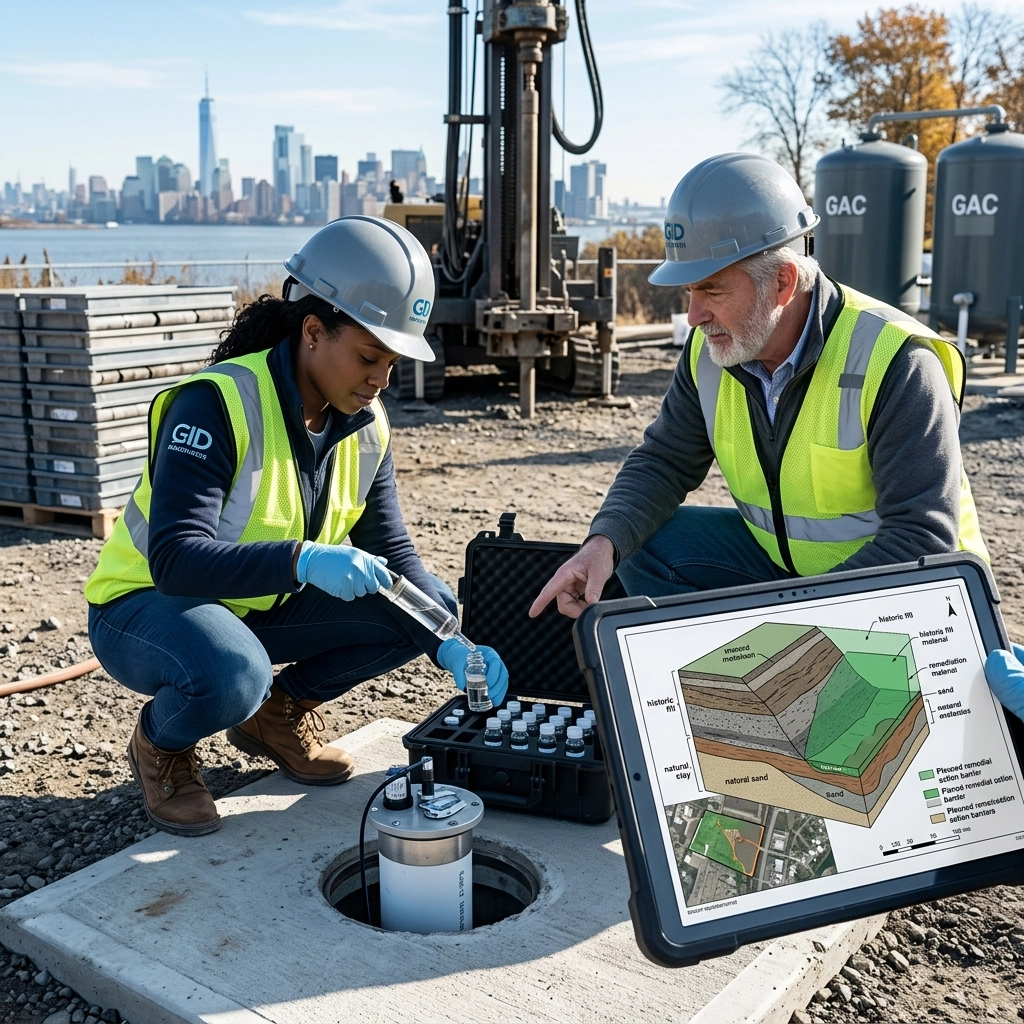
    Soil core sampling for NJDEP historic fill guidance for residential developers at a remediation site.

    The Big-Box Problem: Reports vs. Results

    Let’s talk about the "Consultant Trap." You hire a national firm because they have a fancy logo and 10,000 employees. You meet a senior partner at the pitch, and then you never see them again. Your project gets handed off to a junior staffer who has never stood on a silt-covered site at dawn.

    When they find historic fill, their default setting is "defensive." They write reports designed to protect their own liability, not your bottom line. They recommend endless rounds of sampling because they don't have the guts or the regional experience to make a call.

    At Envicon, we don’t sell reports. We sell cleared paths. We’ve spent 20 years in the trenches (literally) dealing with the NJDEP. We know the reviewers. We know the guidance. And we know that for a residential developer, time isn't just money: it’s everything.

    What Actually is NJDEP Historic Fill?

    Before we get into the "how-to," let’s clear up the "what." According to the NJDEP Technical Guidance, historic fill is non-indigenous material: usually a mix of soil, ash, cinders, and construction debris: that was used to raise the elevation of a site before modern regulations existed.

    In places like Jersey City, Newark, or Hoboken, almost everything is sitting on historic fill. It’s the rule, not the exception. The NJDEP assumes this stuff is contaminated with Polycyclic Aromatic Hydrocarbons (PAHs) and heavy metals because of where it came from (coal ash, industrial waste, etc.).

    The problem isn't the dirt itself; it’s how your consultant handles the NJDEP historic fill guidance for residential developers.

    Excavator at Remediation Site

    Why Projects Stall (And How We Keep Them Moving)

    Projects usually stall for three reasons: slow turnarounds, over-investigation, and a lack of regulatory confidence.

    1. The 72-Hour Turnaround

    In the world of residential development, you often have a 30-day or 60-day due diligence window. If your consultant takes three weeks just to get a crew on-site to look at the soil, you’re already dead in the water.

    Envicon operates on a different clock. We offer a 72-hour turnaround on critical assessments when the stakes are high. We don't wait for a committee meeting to decide our next move. We’re field-first. If we find fill, we identify the limits and the implications immediately so you can make an informed decision before the hard money goes down.

    2. Option A vs. Option B: The Strategic Choice

    The NJDEP gives you two ways to handle historic fill.

    • Option A: Assume it’s contaminated and move straight to capping.
    • Option B: Sample it to death to prove it’s "clean" (it almost never is).

    Big firms love Option B because it allows them to bill for hundreds of lab samples and weeks of data analysis. We prefer the strategic approach. Why spend $20,000 on lab fees to prove what we already know? We’d rather help you design an engineering control: like your building footprint, parking lot, or two feet of clean soil: that satisfies the NJDEP and keeps your budget intact.

    3. Hands-On Leadership

    When an issue arises on an Envicon site, you aren't waiting for a "Project Manager" to call you back from a satellite office in another state. You’re talking to our leadership. Our PEs and LSRPs are regulator-facing. We sit at the table with the NJDEP and advocate for your project, using 20 years of built-up trust to get common-sense solutions approved.

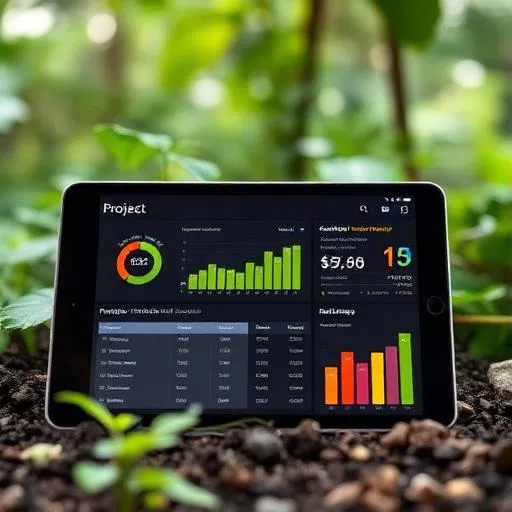
    Tablet showing project analytics on-site

    The "Cleared Path" to Residential Success

    For a residential project, the end goal is a Response Action Outcome (RAO). This is the "all-clear" from your LSRP that says the site is safe for its intended use.

    If you have historic fill, getting that RAO usually involves two things:

    1. Engineering Controls: A "cap" (pavement, building, or clean soil) that prevents people from touching the fill.
    2. Institutional Controls: A "Deed Notice" that tells future owners the fill is there and the cap needs to be maintained.

    Some consultants act like a Deed Notice is a deal-breaker. It’s not. It’s a standard tool in the NJ developer’s toolbox. We work with your legal team to ensure the Deed Notice is drafted correctly and doesn't interfere with your financing or future sales.

    "We don’t just deliver services; we help transform underused and contaminated properties into thriving assets. Collaboration isn't a buzzword for us: it’s how we get your project to the finish line." : Jason Pancoast, CEO

    Avoiding the Change-Order Merry-Go-Round

    The big firms are notorious for low-balling the initial proposal and then hitting you with a barrage of change orders the second things get "complicated."

    At Envicon, we pride ourselves on transparent pricing and zero fluff. We account for the complexities of NJDEP historic fill guidance from day one. We’d rather give you the hard truth about your soil management costs upfront than surprise you with a $50,000 bill when you're 50% through construction.

    Stopwatch on engineering blueprints

    Soil Management: The Hidden Profit Killer

    One of the biggest ways a historic fill project stalls is through poor soil management. If you don't have a plan for where every cubic yard of dirt is going, you’re going to end up with stockpiles that shut down your site.

    Envicon provides comprehensive soil and groundwater management. We don't just tell you the soil is contaminated; we help you find the most cost-effective disposal or reuse facility and coordinate the logistics. We manage the "fill" so you can manage the "build."

    Summary: Take Control of Your Site

    Historic fill is a reality of development in the New York and New Jersey markets. You can’t avoid it, but you can choose how you respond to it.

    • Don't accept "slow" as the status quo. Demand the 72-hour turnaround.
    • Don't pay for "bloated" reports. Demand a clear, actionable strategy.
    • Don't settle for a "junior" team. Demand hands-on, expert leadership.

    At Envicon Group, we remove the obstacles between you and a buildable site. We don't just identify problems; we resolve them with precision, urgency, and integrity.

    Whether you’re in the middle of due diligence or your excavator just hit a layer of ash, give us a call. Let’s get your project back on track and moving toward that RAO.

    Permit approval stamp on official document

    Key Takeaways for Developers:

    • Identify Early: Use a Preliminary Assessment (PA) to spot fill potential before you buy.
    • Think Like a Contractor: Design your building and site layout to serve as your "cap" to save on remediation costs.
    • Choose the Right Partner: You need an LSRP who understands the "Cleared Path" philosophy, not just the rulebook.
    • Manage the Paperwork: Ensure your Deed Notices and Remedial Action Permits are handled early to avoid delays at closing.

    Ready to clear the path for your next project? Contact Envicon Group today and experience the difference that 20 years of local expertise can make.

  • The Site Characterization Checklist: Why Junior Staff Shouldn’t Be Handling Your Soil Borings

    The Site Characterization Checklist: Why Junior Staff Shouldn’t Be Handling Your Soil Borings

    In the world of New York and New Jersey real estate development, the most expensive mistakes aren't usually made in the boardroom. They are made in the mud, at 7:00 AM, by a junior staffer who doesn’t know what they’re looking at.

    Site characterization is the bedrock of your project. Whether you are navigating a Phase II Environmental Site Assessment (ESA) for a lender or trying to delineate a plume for a Remedial Action Work Plan (RAWP), the quality of your data is entirely dependent on the person standing next to the drill rig.

    At many large, national consulting firms, the field work is treated as a "low-level" task. They send a staff scientist with six months of experience to log your soil borings while the senior P.E. stays in a climate-controlled office in another time zone. At Envicon Group, we see it differently. We know that if the field data is flawed, the entire engineering strategy is built on sand.

    The Field Is Where the Project Is Won or Lost

    When a drill rig is on-site, every minute costs money. But the real "carry cost" of a site investigation isn't the daily rate of the driller: it’s the risk of having to do it all over again.

    Junior staffers are trained to follow a Standard Operating Procedure (SOP). They know how to put soil in a jar and label it. What they often lack is the "field sense" to recognize when the site is trying to tell them something unexpected. They miss the subtle change in soil texture that indicates a confining layer. They miss the faint odor that suggests a historical release not captured in the Phase I. They miss the opportunity to adjust the boring depth in real-time to capture the full vertical extent of a contaminant.

    Geologist inspecting NJ soil strata in a macro-core sample for accurate environmental site characterization.

    Why "Logging" Is More Than Just Taking Notes

    Soil logging is a technical art form. An experienced investigator looks at a macro-core sample and sees more than just "brown silty sand." They see the depositional history, the moisture content, and the subtle indicators of historical industrial use.

    1. Blow Counts and Compaction: In geotechnical investigations, understanding the resistance of the soil is critical for foundation design. A junior staffer might record numbers, but an expert understands how those numbers translate to actual structural integrity in the Hudson River waterfront's complex geology.
    2. Recovery Rates: If you pull a five-foot sleeve and only have two feet of soil, where did the rest go? A junior staffer might just log the two feet. An expert investigator knows how to troubleshoot the drilling method to ensure you’re getting a representative sample of the entire profile.
    3. PID Readings and Volatile Organic Compounds (VOCs): Using a Photoionization Detector (PID) requires more than just waving a wand. It requires an understanding of cross-sensitivity, temperature impacts, and how to properly "headspace" a sample to get an accurate reading that will hold up under NJDEP or NYSDEC scrutiny.

    The High Cost of the "Big Box" Consultant

    When you hire a massive national firm, you are often paying for their Manhattan skyline office and their 10,000-employee overhead. What you aren't getting is senior-level attention where it matters most: in the dirt.

    We’ve seen it dozens of times. A client comes to us because their previous consultant’s report was rejected by the NYC Office of Environmental Remediation (OER). Why? Because the data gaps were so wide you could drive an excavator through them. The junior staffer didn't delineate the "hot spot," so the regulator demanded a re-mobilization.

    Now, the developer is paying for:

    • A second round of drilling.
    • Another round of lab fees.
    • The carry costs of a three-month delay in their construction schedule.
    • The loss of trust with their lender.

    Active Urban Construction Site

    The Site Characterization Checklist: What to Look For

    If you are evaluating a consultant for your next site investigation, don't just look at the price of the proposal. Ask who is actually going to be on the site. Use this checklist to ensure your project isn’t being used as a training ground for entry-level employees.

    1. Who is logging the soil?

    Ask for the resume of the specific individual who will be in the field. Are they a Geologist-in-Training (GIT), a Professional Geologist (PG), or just a "Field Technician"? You want someone who understands the regulatory endpoint of the project, not just the mechanics of sampling.

    2. Is there a "Real-Time" Data Loop?

    Does the field person have a direct line to the Project Manager or the P.E. in charge? At Envicon, our field teams are in constant communication with leadership. If we hit groundwater at 8 feet instead of the expected 15, we pivot immediately. We don't wait for a report to be written two weeks later to realize we need to change the well screen interval.

    3. Regional Fluency

    Does the investigator understand the specific nuances of NYC and NJ geology? The fill material in Jersey City is vastly different from the glacial till in Westchester. Knowing what "historic fill" looks like versus a localized petroleum spill can save you hundreds of thousands of dollars in disposal costs.

    4. Technology Integration

    Are they using modern tools to map the site? We use high-precision GPS and tablet-based data entry to ensure that every boring location is exactly where it’s supposed to be on the site map. There is no "guessing" where a sample was taken when it comes time for the remedial excavation.

    Tablet Displaying Project Analytics

    Technical Nuance: The "Path to Closure"

    Every soil boring should be drilled with the "Path to Closure" in mind. We don't just collect data to check a box; we collect data to move the project toward a "No Further Action" (NFA) letter or a Response Action Outcome (RAO).

    "Collaboration is not a buzzword: it’s how we work. We don't just deliver a report; we deliver a cleared path for development." : Envicon Group Mission

    When an experienced Envicon investigator is on-site, they are thinking three steps ahead. They are thinking about how the soil classification will impact the Soil Management Plan (SMP). They are thinking about whether the groundwater data will trigger a need for a vapor barrier. They are acting as your advocate, ensuring that the investigation is as lean and effective as possible.

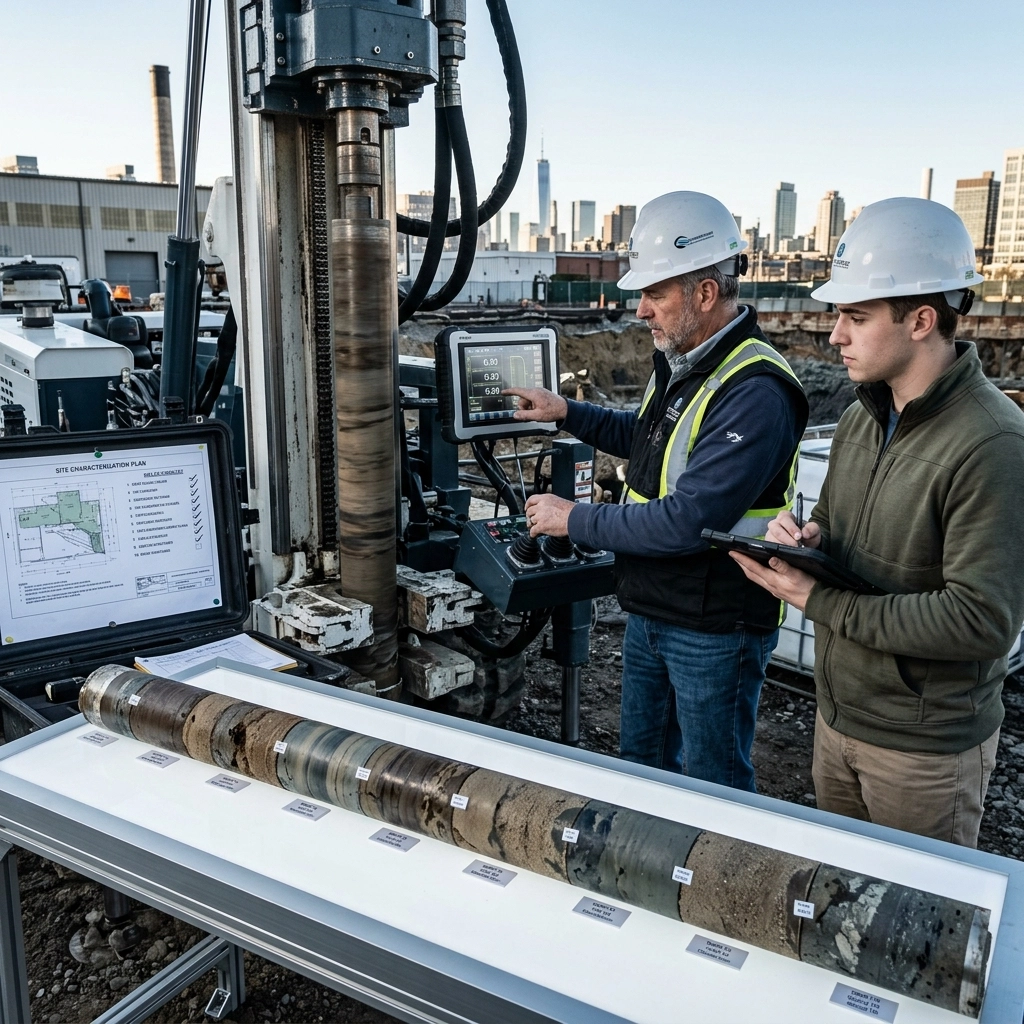
    Precision drill rig performing soil borings at an urban redevelopment site in Long Island City.

    The Envicon Difference: Authority, Not Just Expertise

    The "Big Box" firms sell you a safety net of insurance and a recognizable logo. We sell you the truth.

    We are a family-owned, PE-led firm that has spent 20 years in the trenches of New York and New Jersey. We don't hide behind a queue. When you call us, you talk to the people who were on your site that morning.

    Our approach to site characterization is built on three pillars:

    1. Precision: We get the data right the first time so you don't have to re-mobilize.
    2. Urgency: We know that "time is money" isn't a cliché in development; it's a financial reality.
    3. Integrity: If the soil is clean, we’ll tell you. If it’s contaminated, we’ll give you a realistic, cost-effective plan to fix it. We don't write defensive reports to protect ourselves: we write actionable reports to protect your investment.

    Summary and Key Takeaways

    Don't let your project's success be determined by someone who is still learning the difference between silt and clay. Site characterization is too important to delegate to junior staff.

    • Experience Matters: Field decisions impact the entire remedial budget and construction timeline.
    • Avoid the "Junior Trap": High-overhead firms use your project to train their new hires.
    • Demand Real-Time Action: Your consultant should be able to pivot the investigation based on what they find in the first boring.
    • Focus on the Endpoint: Every sample should be taken with the goal of regulatory closure and a buildable site.

    If your current consultant is sending "staff scientists" you've never met to handle your critical due diligence, it’s time to make a change. We invite you to experience the difference that field-first, senior-led engineering makes.

    Your project is stalled until the site is cleared. Let’s get it moving.

    Blue groundwater monitoring well caps on a remediated brownfield site, clearing the path for NYC development.

    Ready to get a cleared path for your site?
    Contact Envicon Group today to speak directly with a P.E. about your site characterization needs. We don't just find problems; we deliver buildable assets.

  • Legacy vs. Liability: Why Environmental Integrity is the New Gold Standard for NJ Properties

    Legacy vs. Liability: Why Environmental Integrity is the New Gold Standard for NJ Properties

    In the high-stakes world of New Jersey real estate, we’ve reached a tipping point. For decades, environmental compliance was seen as a hurdle: a "check-the-box" nuisance that stood between a developer and their certificate of occupancy. You’d hire a consultant to tell you the bare minimum required to keep the regulators at bay, and you’d move on.

    But the world changed in early 2026. With the NJDEP’s adoption of the Resilient Environments and Landscapes (REAL) Rules and the upholding of the strict Environmental Justice Rules, the "bare minimum" is no longer a safety net. It’s a trap.

    At Envicon, we’re seeing a massive shift in how the most successful property investors and public agencies view their land. They aren't just looking for a "clean" report; they are looking for Environmental Integrity. They’ve realized that in today’s market, integrity isn’t just a moral choice: it’s the new gold standard for property value.

    The Regulatory Tsunami: Why 2026 Changed Everything

    If you’ve been paying attention to the news out of Trenton this year, you know the stakes have never been higher. The January 20, 2026, adoption of the REAL Rules fundamentally altered how we look at coastal zone management, flood hazards, and stormwater. This isn't just about protecting the environment; it’s about protecting your investment from becoming a permanent liability.

    When the New Jersey Appellate Court affirmed the Environmental Justice Rules in January, they sent a clear message: the community matters as much as the concrete. For developers, this means that if your project doesn't demonstrate a deep, foundational integrity regarding its environmental footprint, you aren't just facing delays: you’re facing a total stop.

    We’ve moved from an era of "remediation" to an era of "stewardship." And as a visionary investor, that should be music to your ears. Why? Because properties built on integrity hold their value while the "cut-corner" projects of the past crumble under the weight of new regulations and public scrutiny.

    Modern Urban Skyline at Dusk

    Integrity as the Ultimate Insurance Policy

    Think of high-quality environmental work as an invisible shield. When we perform a Phase I or Phase II Environmental Site Assessment, we aren’t just looking for toxins in the dirt. We’re looking for the ghosts that could haunt your balance sheet ten years from now.

    Selling "Legacy" means looking beyond the immediate closing. It’s about asking: “Will this property be an asset or a headline in 2040?”

    When you prioritize environmental integrity, you are buying the ultimate insurance policy.

    • Lenders breathe easier: Banks are increasingly wary of climate risk and "legacy" contamination. An Envicon report on the cover of your deal is a signal to the gatekeepers that the work has been done right the first time.
    • Future-Proofing: By exceeding current standards today, you insulate yourself against the regulatory shifts of tomorrow.
    • Marketability: In a world where ESG (Environmental, Social, and Governance) scores drive institutional capital, a property with a documented history of integrity is a magnet for top-tier tenants and buyers.

    "The best time to solve an environmental problem was twenty years ago. The second best time is during your due diligence period today."

    The "Big Box" vs. The Envicon Way

    We often get called in as the "second firm." A developer goes with a massive, national "big box" firm because they recognize the name. Six months later, they’re stuck in a DEP feedback loop, their costs are spiraling, and the report feels like it was written by a robot that’s never actually set foot in Jersey City or Newark.

    That’s where we’re different. We don’t just provide expert knowledge; we provide Authority.

    Our integrated approach combines civil engineering, geotechnics, and environmental science into a single, cohesive strategy. We don't just hand you a list of problems; we hand you a roadmap to resolution. While the big firms are busy checking boxes, we’re in the room where it happens, using our 20+ years of local "dirt" experience to simplify the complex. We’re the ones who see through the soil to the intuition that only decades in the field can build.

    Environmental engineering expert and developer handshake at a Jersey City redevelopment site using digital site mapping.
    Suggested prompt: A close-up, professional shot of a hand-shake between a developer in a suit and an engineer in a high-visibility vest on a clean construction site, symbolizing trust and partnership.

    From Blight to Bright: Selling Community, Not Just Development

    There is a deep emotional satisfaction in brownfield redevelopment that often gets lost in the spreadsheets. At Envicon, we believe that turning a "Keep Out" sign into a "Welcome Home" mat is the highest form of professional service.

    When you take a contaminated, forgotten industrial site and transform it into a vibrant multi-family residential development, you aren't just making a profit. You’re building a legacy. You’re fixing the mistakes of the past to provide a cleaner, safer future for the next generation.

    This is the "soul" of our work. When we help a client navigate the NJDEP LSRP (Licensed Site Remediation Professional) process, we aren't just pushing paper. We’re acting as the guardians of that community's future. That’s a story worth telling your investors, your stakeholders, and your family.

    Modern Multi-Family Residential Development - Brownfield Redevelopment

    The Environmental Due Diligence Checklist for NJ Investors

    If you’re looking at a deal in the NY/NJ metro area right now, here is what your "Integrity Audit" should look like:

    1. Look Beyond the ASTM Standard: Don't just settle for a standard Phase I. Ensure your consultant is looking at the new REAL rules and how they affect the site’s 50-year viability.
    2. Verify the LSRP’s Track Record: In NJ, your LSRP is the judge and jury. You need someone with the authority to move projects through the system, not just someone who follows the manual.
    3. Integrated Geotech: Never separate your environmental and geotechnical work. Soil conditions affect remediation costs, and remediation affects foundation design. Our integrated approach saves time and prevents "scope gap" disasters.
    4. Technology as Transparency: Use real-time monitoring and digital site maps to keep all stakeholders informed. Transparency builds the trust necessary for fast-paced approvals.

    Aerial site map overlay

    The Bottom Line: Your Name is on the Deed

    At the end of the day, we aren't just selling services. We’re selling the peace of mind that comes from knowing your name is attached to a project of integrity.

    Whether you are a public agency looking to revitalize an urban corridor or a private investor eyeing a complex acquisition, remember this: Liability is temporary, but legacy is permanent.

    We’ve built our reputation on being the firm that doesn't cut corners on the dirt. We see the risks so you don’t have to live with them. That is the Envicon standard.

    Key Takeaways:

    • Regulatory Shift: The 2026 REAL and EJ Rules have made "bare minimum" compliance a major business risk.
    • Value Creation: Environmental integrity increases long-term ROI and exit valuations.
    • Integrated Strategy: Combining environmental, geotech, and civil engineering is the only way to de-risk complex urban projects.
    • Trust Over Templates: Choose a partner who understands the local landscape and prioritizes your long-term legacy over short-term reports.

    Ready to turn your potential liability into a lasting legacy? Contact Envicon Group today and let’s look at what’s really under the surface of your next project. We’re here to help you build the New Jersey of tomorrow, starting today.Envicon Strategic Solutions Logo

  • Phase I vs Phase II ESA: Which Does Your Property Transaction Actually Need?

    Phase I vs Phase II ESA: Which Does Your Property Transaction Actually Need?

    Here's the reality: most property investors in New Jersey and New York waste thousands of dollars on environmental assessments they don't need: or worse, they skip the ones they do need and end up with six-figure cleanup bills after closing.

    The difference between a Phase I and Phase II Environmental Site Assessment isn't just technical jargon. It's the difference between a $3,500 insurance policy and a $25,000+ investigation that may kill your deal. Understanding which you actually need (and when) can save your transaction: and your balance sheet.

    What a Phase I ESA Actually Does (Spoiler: No Digging)

    A Phase I Environmental Site Assessment is pure detective work. No soil samples. No groundwater testing. No lab analysis. Just research, observation, and documentation designed to answer one question: Does this property have a history that suggests environmental contamination?

    Field engineers inspecting aboveground storage tank

    Your Phase I consultant will review historical records (sometimes dating back to the 1800s for older industrial areas), conduct a site walkthrough, interview current and past owners, and check regulatory databases like the NJDEP Site Remediation Program or the EPA's CERCLIS list. The goal is identifying Recognized Environmental Conditions (RECs): past or present uses that could have contaminated the property.

    Here's what triggers a Phase I requirement:

    • Commercial property purchases or sales
    • Refinancing commercial real estate
    • SBA loans for business acquisition
    • Investor due diligence for multifamily or mixed-use projects
    • Lender requirements (virtually all institutional lenders require Phase I)

    In New Jersey and New York, lenders won't touch a commercial transaction without a Phase I. It's not optional: it's the baseline. The assessment typically costs between $2,500 and $5,000 for standard properties, though complex sites with extensive industrial histories may run higher.

    The real value? CERCLA liability protection. If you complete a Phase I ESA that meets ASTM E1527-21 standards and shows no RECs, you establish yourself as an "innocent landowner" or "bona fide prospective purchaser" under federal law. That means if contamination is discovered later, you're not automatically on the hook for cleanup costs that could reach millions.

    Environmental consultants conducting Phase I ESA site investigation at former industrial property

    When Phase II Becomes Non-Negotiable

    A Phase II ESA is triggered by one thing: your Phase I identified potential environmental concerns that need quantification. Maybe the site was a dry cleaner. Maybe there's a 10,000-gallon underground storage tank still in the ground. Maybe the property sits downgradient from a Superfund site.

    Unlike Phase I's paper trail approach, Phase II is empirical. We're drilling soil borings, installing monitoring wells, collecting samples, and sending them to certified labs. We're measuring concentrations of volatile organic compounds (VOCs), petroleum hydrocarbons, heavy metals, or increasingly, PFAS.

    Phase II environmental site assessment NJ cost breakdown:

    • Basic investigation (4-6 soil borings): $8,000–$15,000
    • Comprehensive assessment (soil + groundwater monitoring wells): $15,000–$35,000
    • Extended investigations (PFAS, vapor intrusion, off-site migration): $35,000–$75,000+

    The price depends on site size, suspected contaminants, and how deep we need to go, literally and figuratively. A quarter-acre former gas station might need six borings to 15 feet. A three-acre industrial site might require twelve borings to 25 feet plus three monitoring wells.

    Here's the distinction property investors miss: you don't choose Phase II. The Phase I findings choose it for you. If your Phase I comes back clean with no RECs, you're done. If it identifies concerns, your lender will require Phase II before closing, or you'll need it to accurately price remediation into your acquisition.

    Aerial View with Monitoring Locations

    The "Maybe" Zone: When Phase II Is Strategic, Not Required

    There's a gray area where Phase II becomes a business decision rather than a compliance requirement. Your Phase I might identify a Historical Recognized Environmental Condition (HREC): something that was remediated years ago and closed out by NJDEP or NYSDEC.

    Example scenario: You're acquiring a 1950s warehouse in Hudson County. The Phase I finds that the property was remediated in 2003 for heating oil contamination and received a No Further Action letter from NJDEP. Your lender accepts the Phase I. Do you proceed or commission Phase II sampling?

    We've worked both sides of this calculation with clients. If you're planning a quick flip to another commercial user, the NFA letter and Phase I might be sufficient. If you're converting to residential condos or installing a childcare center, you're likely commissioning Phase II regardless of what the NFA says: because your future buyers or tenants (and their attorneys) will demand current data.

    The environmental due diligence NJ cost equation changes based on your exit strategy. Spending $15,000 on confirmatory Phase II sampling might reveal clean conditions that add $200,000 to your property value by eliminating buyer uncertainty. Or it might find residual contamination that requires a deed notice or ongoing monitoring: information that reshapes your entire development pro forma.

    The Liability You're Actually Buying

    Here's what keeps our clients up at night: New Jersey operates under strict joint and several liability for contaminated properties. If contamination exists: even if you didn't cause it: NJDEP can compel you to investigate and remediate as the current owner.

    A Phase I ESA that meets All Appropriate Inquiries (AAI) under CERCLA provides federal liability protection. But state programs like New Jersey's Industrial Site Recovery Act (ISRA) and the Brownfield and Contaminated Site Remediation Act have their own requirements. Your Phase I might satisfy your lender, but it won't necessarily shield you from NJDEP enforcement if contamination migrates off-site or creates a human health risk.

    The decision tree looks like this:

    • Phase I shows no RECs: You're clear to close with standard liability protection
    • Phase I identifies RECs: Phase II is mandatory for accurate risk assessment and pricing
    • Phase I identifies HRECs with regulatory closure: Phase II is strategic based on end use and risk tolerance
    • No Phase I conducted: You assume 100% liability for any environmental conditions, known or unknown

    What Property Investors Actually Need to Know

    After managing hundreds of environmental due diligence projects across New Jersey and New York, we see the same pattern: investors who treat environmental assessments as compliance checkboxes end up surprised. Those who treat them as business intelligence tools end up profitable.

    Your Phase I costs $3,500 and takes 7-10 business days. It's required, non-negotiable, and protects you from catastrophic liability. Budget it into every commercial acquisition.

    Your Phase II costs $15,000+ and takes 3-6 weeks. It's only needed when Phase I findings demand it: but when you need it, you really need it. Don't let false economies convince you to skip soil sampling when your Phase I identifies legitimate concerns. The cost of Phase II is finite. The cost of undiscovered contamination is not.

    The real question isn't "Which assessment do I need?" It's "What liability am I willing to accept?" A $40,000 Phase II investigation that finds contamination isn't a failed assessment: it's a successful one. You've quantified the problem before you own it. You can negotiate remediation costs into the purchase price, walk away from the deal, or factor cleanup into your development budget with actual numbers.

    We've watched developers save seven figures by walking away from properties where Phase II findings revealed contamination that would have bankrupted the project. We've also helped investors acquire brownfield properties in New Jersey at steep discounts by using Phase II data to negotiate purchase price reductions that more than covered remediation costs.

    The Bottom Line for Your Next Transaction

    Start with Phase I. Always. No exceptions, no shortcuts. It's required by lenders, protects you legally, and costs less than 1% of most commercial property values.

    Proceed to Phase II when the data demands it. If your Phase I consultant identifies RECs, don't debate whether you need Phase II. You do. The only question is scope and budget.

    Use environmental due diligence strategically. The assessment isn't overhead: it's risk intelligence. Properties with environmental concerns aren't automatically bad deals. They're opportunities for investors who understand the numbers and timeline for remediation.

    The difference between a profitable redevelopment and a legal nightmare often comes down to knowing what you're buying before you sign the contract. Phase I tells you what might be there. Phase II tells you what is there. Both answer the only question that matters: what's this going to cost you?

    If you're evaluating a property transaction in New Jersey or New York and need straight answers about environmental due diligence costs and timelines, we're happy to talk through your specific situation. Because the best time to discover contamination is before you own it.Envicon Strategic Solutions Logo