The regulatory landscape for New Jersey water systems just shifted significantly. On February 2, 2026, the New Jersey Department of Environmental Protection (NJDEP) proposed sweeping amendments to the Safe Drinking Water Act rules (N.J.A.C. 7:10) for state-specific lead and copper requirements. While the federal lead action level remains locked at 15 parts per billion (ppb): anticipating future federal tightening under the Lead and Copper Rule Improvements (LCRI): NJDEP's new framework introduces aggressive state-level monitoring, rigorous service line inventory mandates, and unforgiving compliance timelines.
For New Jersey water utilities, municipal leaders, and property developers, these amendments are not distant bureaucratic updates. They are immediate operational mandates. If your service line records contain gaps, or if your engineering team relies on cookie-cutter national templates, your next regulatory audit or transaction due diligence is sitting on a ticking clock.
At Envicon Group, we don’t just watch regulatory shifts from a distant corporate office; we navigate them daily alongside state and local agencies. Here is what the February 2026 proposal means for your infrastructure, your compliance standing, and your project timelines.
The Core Pillars of NJDEP’s February 2026 Proposal
The proposed rule changes (Proposal No. PRN 2026-009) build upon federal standards to establish a strict state overlay. The goal is simple: eliminate lead exposure points across New Jersey distribution networks with zero margin for error.
Key structural changes include:
- Stricter Tap Sampling Protocols: Systems with lead or galvanized service lines must now collect both traditional first-draw samples and follow-up "fifth-liter" (f-liter) samples: a larger volume draw designed to capture water directly from the service line. The higher of the two results dictates compliance.
- Annualized Testing Frequency: Utilities previously permitted to sample every three years will move to mandatory annual testing. Reductions in frequency will require explicit, hard-fought DEP approval.
- Zero Tolerance for Unverified Records: Service lines that cannot be definitively classified as non-lead are legally treated as lead under compliance calculations, forcing immediate action or rapid re-investigation.
- Corrosion Control Overhauls: Exceeding the lead action level immediately strips a system of its "optimized corrosion control" designation, triggering aggressive state intervention, re-evaluation, and public notification.
Decoding the Inventory and Replacement Mandates
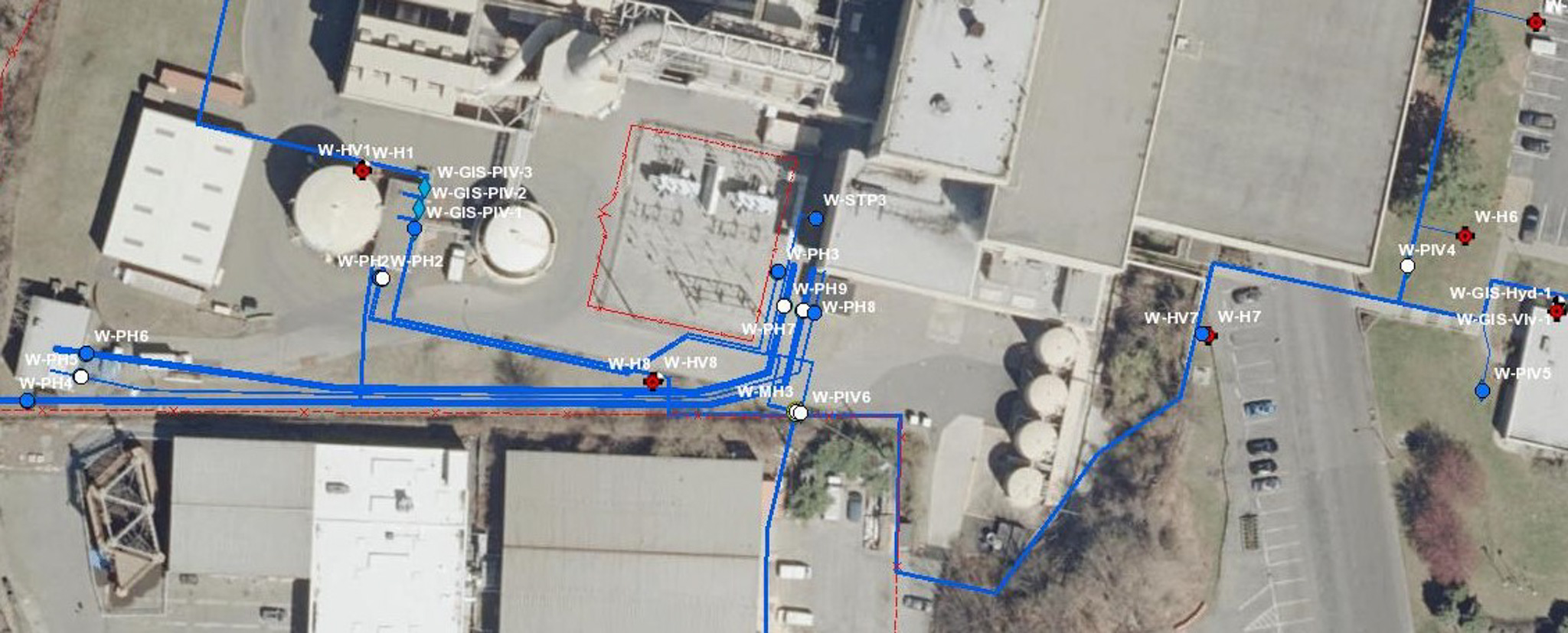
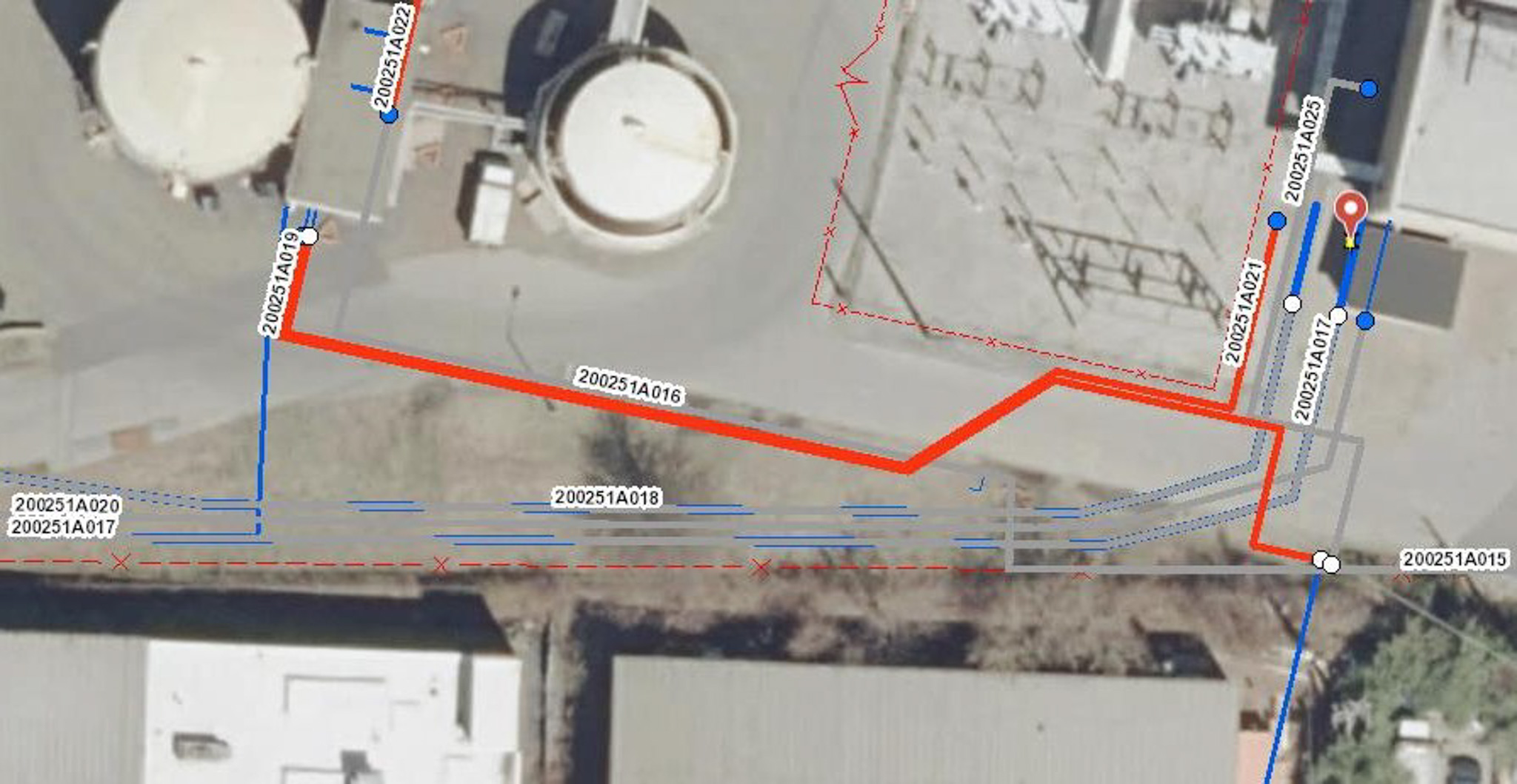
One of the most consequential aspects of the proposal centers on lead service line (LSL) inventories and replacement strategies. Under the framework, utilities and municipalities must maintain comprehensive, publicly accessible records.
When records are incomplete, the burden of proof falls entirely on the system owner. If an old connection card or historical utility map leaves a service line status as "unknown," the state treats it as lead. This classification instantly inflates compliance metrics, skews consumer confidence reports (CCRs), and triggers mandatory replacement planning.
Furthermore, the state's overarching objective remains anchored to New Jersey's 2031 lead service line replacement deadline. To hit this target without blowing municipal budgets, systems must implement structured, annual replacement rates paired with vulnerability-based prioritization.
"Collaboration is not a buzzword: it's how we work. When regulatory changes threaten your development timeline or municipal compliance, you need a field-first partner who sits at the table, not behind a queue."
Expanding Reach: Schools, Childcare, and Public Communication
The February 2026 proposal closes historical gaps by targeting sensitive receptors. While public schools follow Department of Education testing schedules, community water systems must now provide annual lead testing at schools and childcare facilities not already covered by DOE or DCF oversight.
Simultaneously, public notification requirements have accelerated dramatically:
- Three-Day Notice: If a home’s tap sample reveals elevated lead, the customer must be formally notified within three business days.
- Expanded CCR Disclosures: Inventories must be presented in plain language that average property owners can actually understand, supported by strict language-access and translation rules.
- Milestone Tracking: Utilities must keep customers informed throughout every stage of scheduled service line replacements, eliminating the black box of municipal utility coordination.
The Big-Box Consultant Blind Spot vs. The Envicon Approach
When major regulatory revisions hit New Jersey, large national engineering firms often default to a predictable playbook: they deliver massive, defensive reports written to protect the consultant rather than clear a path for the client. They assign junior staff to pore over historical GIS records, apply generic templates designed for entirely different geographic markets, and leave your team to wrestle with NJDEP reviewers.
That approach results in scope creep, bloated budgets, and stalled projects.
At Envicon Group, our approach is built on 20 years of direct, regional fluency in New Jersey and New York jurisdictions. We sit directly at the table with state regulators: not behind an administrative queue.
When you partner with Envicon for environmental due diligence, site characterization, and infrastructure compliance, you get:
- Hands-on Leadership: Direct coordination and proactive problem-solving from seasoned professional engineers (PEs) from the first call through project close.
- Proprietary Technology Integration: Real-time project reporting dashboards that give you full visibility into schedule, budget, deliverable status, and field sampling activity.
- Actionable Outcomes: We don't hand you a compliance report and walk away. We deliver cleared paths, verified utility records, and strategic remediation plans that protect your capital and accelerate your closing or construction start.

Practical Action Items for NJ Utilities, Municipalities, and Developers
To stay ahead of the pending adoption of N.J.A.C. 7:10 amendments, stakeholders must take proactive steps immediately:
- Audit Your Inventory Now: Review existing service line databases to identify every "unknown" classification. Every unverified line is an administrative liability.
- Upgrade Sampling Protocols: Ensure field teams are prepared for dual first-draw and fifth-liter sampling requirements to prevent sudden compliance violations.
- Align With Local Regulators: Establish direct lines of communication with NJDEP reviewers to clarify corrosion control parameters and remediation milestones before formal notices arrive.
- Engage Technical Experts: Partner with an experienced, field-first environmental and civil engineering team that understands regional utility networks inside and out.
Summary and Takeaway
The NJDEP’s February 2026 proposed amendments to the Safe Drinking Water Act represent a permanent raising of the bar for water quality and infrastructure accountability in New Jersey. Meeting these standards requires more than administrative compliance: it demands rigorous field investigation, transparent data management, and uncompromised engineering integrity.
We do not just deliver services: we help transform underused and complex sites into compliant, thriving assets. Let us remove the obstacles between your project and a fully cleared, buildable future.
Ready to Secure Your Site and Streamline Compliance?
Don't let evolving regulations stall your next acquisition, municipal project, or development milestone. Connect with our engineering team today:
- Book a free consultation: Schedule a consultation with our PEs -> Wait, the link in the list is
https://envicongroup.com/contact. Let's use that. Book a free consultation - Estimate project requirements: Use our interactive Cost Estimator Tool
- Speak with an expert immediately: Call now: (917) 764-2171
Leave a Reply