Category: Industry Insight

  • Site Selection in a Regulated World: How We See What Others Miss

    Site Selection in a Regulated World: How We See What Others Miss

    In the high-stakes world of New York and New Jersey real estate, the "easy" sites were snapped up decades ago. What remains are the complex puzzles: the parcels with history, the ones burdened by regulatory "ghosts," and the sites that make traditional consultants nervous.

    At Envicon Strategic Solutions, we don’t just see a lot; we see a legacy. While most firms approach site selection as a checkbox exercise in risk avoidance, we approach it as an exercise in value creation. Site selection in 2026 isn't just about finding a footprint; it’s about identifying the invisible regulatory pathways that lead to a successful closing.

    The Anatomy of a Missed Opportunity

    Most developers and investors start their search with operational constraints: access to transit, power capacity, and zoning. These are the basics. However, many organizations overlook the deeper environmental and regulatory dimensions until they are already deep into due diligence. By then, they’ve often fallen in love with a site that has a "fatal flaw."

    Traditional big-box consulting firms are great at telling you why a project won’t work. They hand you a 400-page Phase I Environmental Site Assessment (ESA) that highlights every potential liability in terrifying detail but offers no roadmap for mitigation. They see a rusted railway; we see the foundation for a modern multi-family development.

    Abandoned Railway Site

    When you look at an abandoned railway like the one above, do you see contamination or opportunity? Where others see heavy metal soil concentrations and decades of runoff, we see a prime candidate for the NYSDEC Brownfield Cleanup Program (BCP) or a strategic NJDEP remediation play. Seeing what others miss means understanding that "contaminated" doesn't mean "unbuildable": it often means "discounted."

    The "Regulatory Ninja" Approach to NYC and NJ

    Navigating the Tri-State area requires more than just technical knowledge; it requires a "regulatory ninja" mindset. In New York City, for instance, an OER E-Designation can paralyze a project if not handled correctly. We’ve seen developers lose months of momentum because they didn't account for the specific testing protocols required by the Office of Environmental Remediation.

    In New Jersey, the Licensed Site Remediation Professional (LSRP) program has changed the game, putting the power of closure in the hands of qualified experts rather than buried in the backlogs of the NJDEP.

    Our approach to de-risking acquisitions involves:

    • Early Screening: We identify NYC OER requirements or NJDEP ISRA triggers before the Letter of Intent (LOI) is even signed.
    • Subsurface Clarity: We don't just guess what’s under the asphalt. We use precision mapping to understand the true scope of any remediation.
    • Negotiation Leverage: By quantifying environmental liabilities accurately, we give our clients the data they need to negotiate a purchase price that reflects the true cost of development.
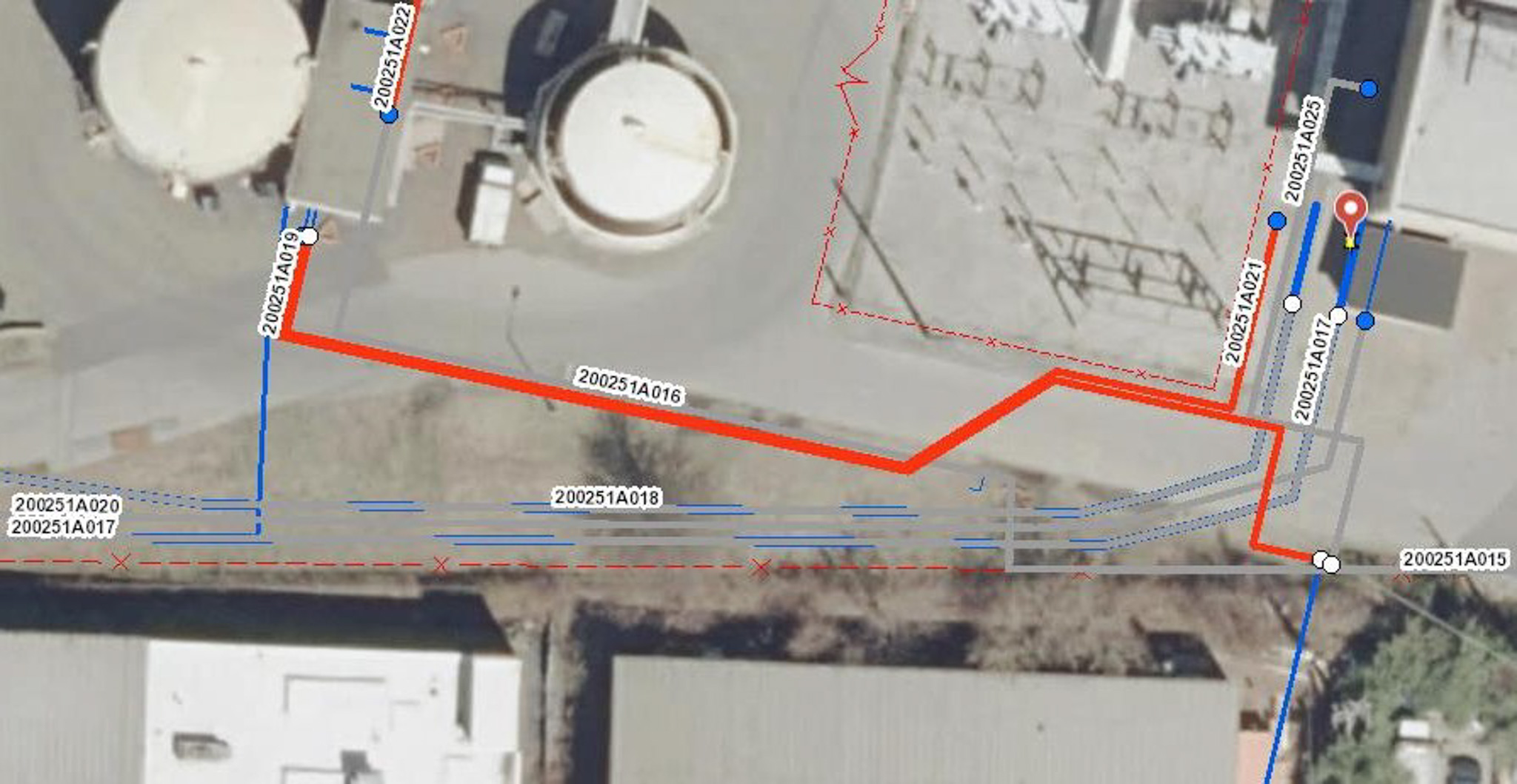
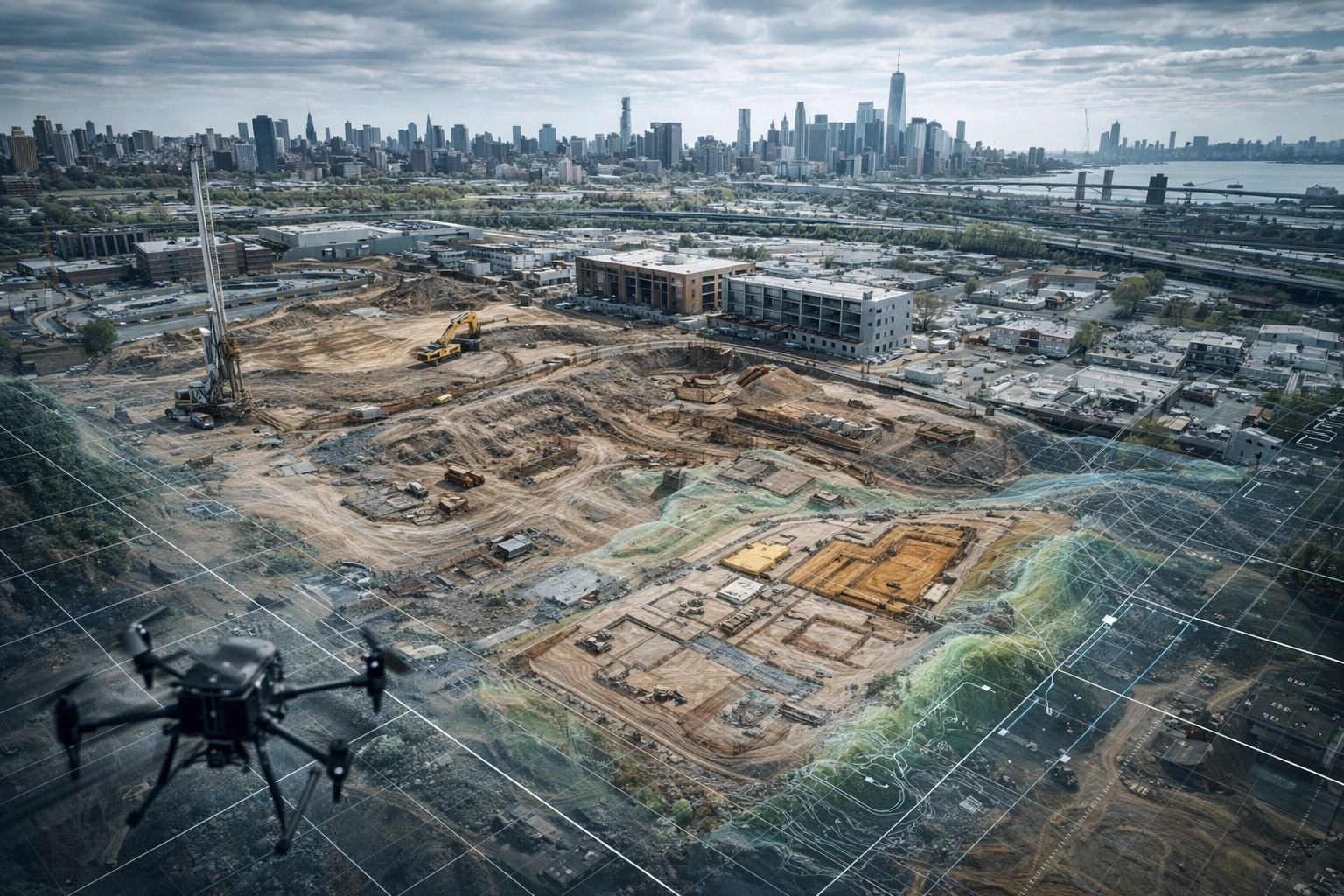
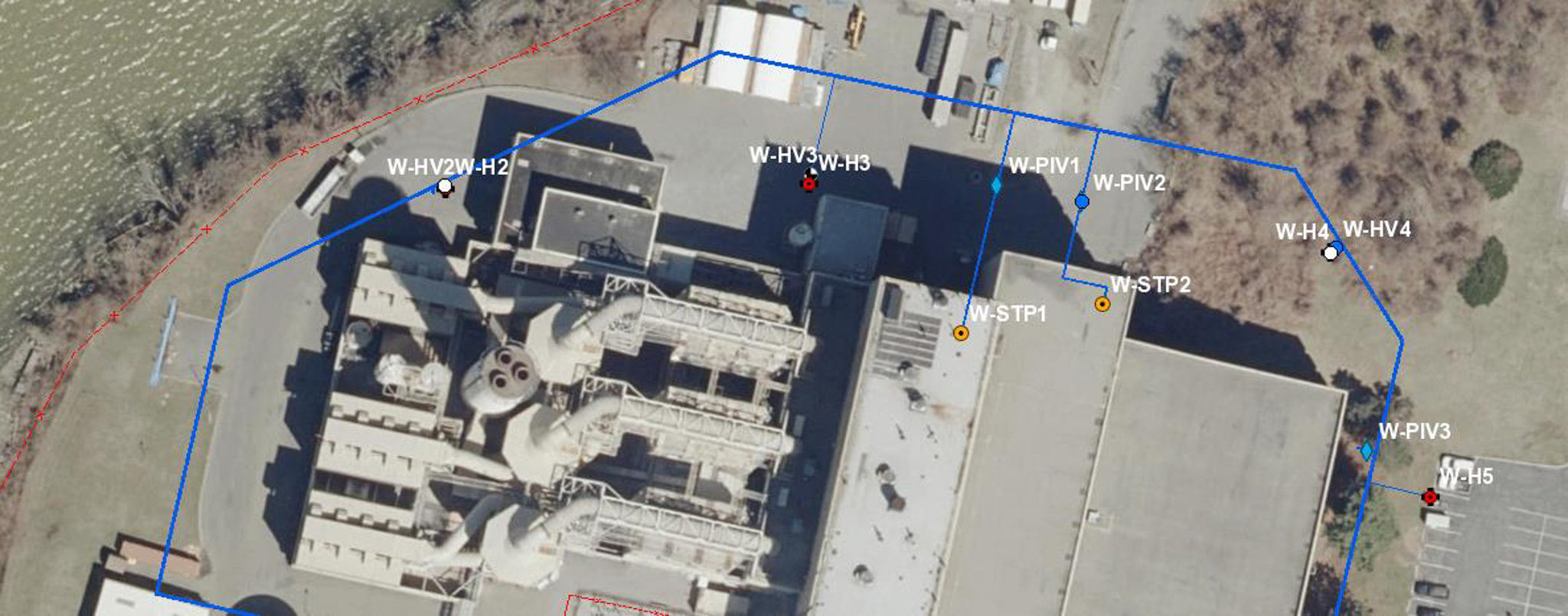
    Aerial site map overlay showing subsurface utility and pipeline routes

    Seeing the Potential in the Dirt

    The "visionary" side of site assessment is about seeing the end-use from the very first soil boring. When we conduct a Phase II ESA, we aren't just looking for pollutants; we are looking for the path to the "No Further Action" (NFA) letter or the Response Action Outcome (RAO).

    We often tell our clients: “The most expensive site is the one you bought thinking it was clean.”

    True site selection requires looking at "optionality." You should never commit to a single location prematurely. By identifying multiple potential sites and running them through our proprietary risk-screening process, we help you avoid the "sunk cost" fallacy. We look for:

    1. Infrastructure Connectivity: Can the existing grid handle your 12-month power requirements?
    2. Climate Resilience: How will 2030 and 2040 flood maps impact your asset’s long-term valuation?
    3. Incentive Alignment: Is the site in an area eligible for federal tax credits, low-cost loans, or job creation grants?

    Why the "Big Consultants" Aren't Enough

    If you’re working with a massive, multi-national consulting firm, you’re likely just a project number in a spreadsheet. You get the junior associate’s attention while paying the senior partner’s rates.

    At Envicon, we provide the points of parity that the big guys promise but rarely deliver:

    • Responsiveness: In the NYC/NJ market, a 24-hour delay can kill a deal. We move at the speed of real estate, not the speed of bureaucracy.
    • Accountability: When we sign off on a site, our reputation is on the line. We don't hide behind layers of corporate legal disclaimers.
    • Local Nuance: We know the local regulators by name. We know which NYC OER reviewers prefer specific mitigation strategies and which NJDEP case managers are looking for particular data points.

    "Environmental integrity isn't just a regulatory hurdle; it's the bedrock of property valuation in the 21st century." : Jason Pancoast, CEO of Envicon Strategic Solutions.

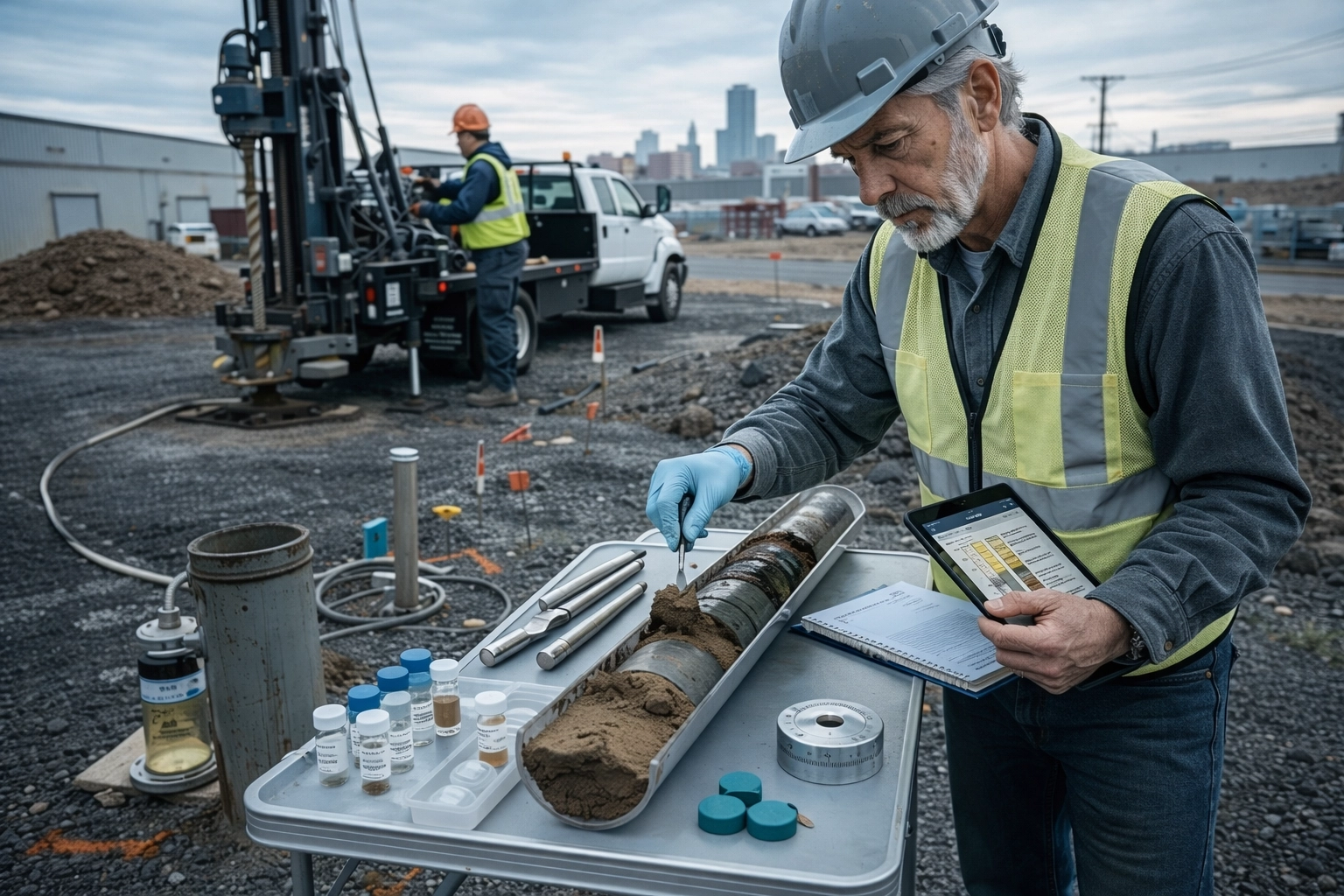
    Environmental engineers collaborating on site assessment for urban redevelopment and de-risking acquisitions in NJ.

    From Liability to Legacy: The Final Result

    The goal of site selection isn't just to buy a piece of land: it's to build a community, a business, or a home. When we successfully navigate the regulatory maze, we transform "liabilities" into "assets" that stand the test of time.

    Look at the transformation possible when environmental due diligence is integrated with visionary engineering. A site that was once an environmental question mark becomes a secured, landscaped, and profitable multi-family development.

    Modern Multi-Family Residential Development - Brownfield Redevelopment

    This level of success requires a partner who understands that environmental law and engineering are two sides of the same coin. We provide the technical certainty that allows our clients to dream bigger.

    Summary: Your Site Selection Checklist

    Before you sign your next acquisition deal in New York or New Jersey, ask yourself if your current consultant has checked these boxes:

    • Has the NYC OER E-Designation been fully vetted against your specific building plans?
    • Have you evaluated the ROI of the Brownfield Cleanup Program tax credits?
    • Is there a clear LSRP-led path to a Response Action Outcome (RAO) in NJ?
    • Have you looked past the visible constraints to find the "hidden" value in the site’s history?

    At Envicon Strategic Solutions, we help you see what others miss. We de-risk the complex so you can focus on the visionary.

    Ready to evaluate your next acquisition with total confidence? Contact our team today and let’s look at the dirt together. Whether you are an architect planning a new skyline or an investor looking for your next industrial hub, we have the local expertise to bring your vision to life.


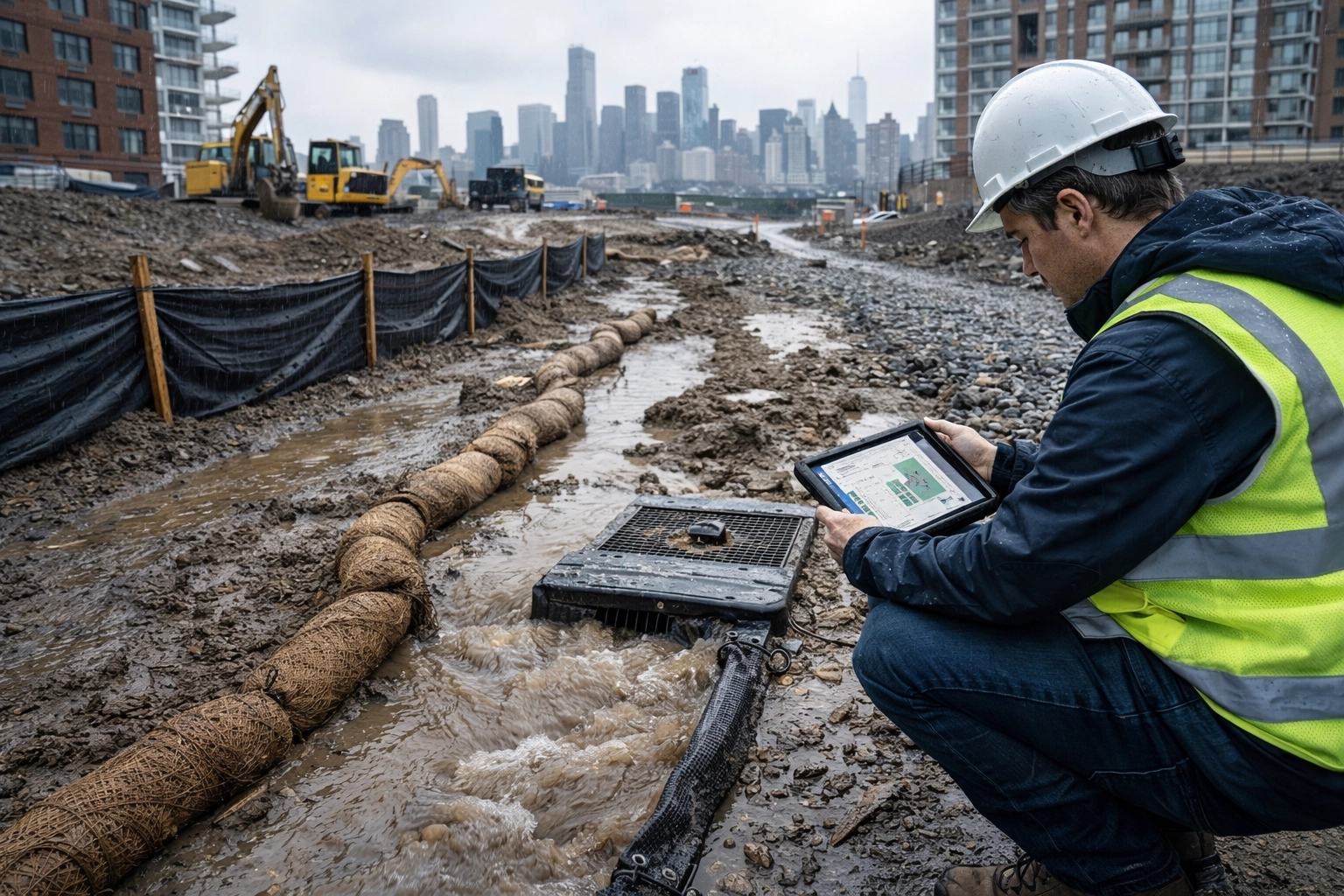
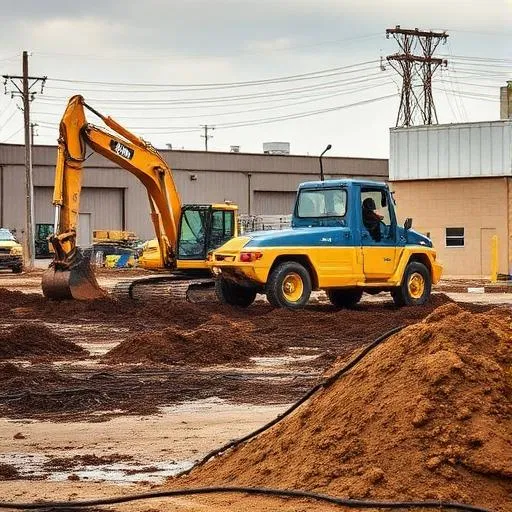
    Active Urban Construction Site

  • AI-Driven Data Analysis: How Envicon Predicts Subsurface Risks Before the First Boring

    AI-Driven Data Analysis: How Envicon Predicts Subsurface Risks Before the First Boring

    In the world of NYC and NJ real estate development, "surprise" is a four-letter word. You’ve seen it happen: a project is moving full steam ahead until the drilling rig hits an unregistered Underground Storage Tank (UST) or a plume of chlorinated solvents that wasn't on the old Sanborn maps. Suddenly, your timeline is shot, your lender is breathing down your neck, and your "big box" consultant is asking for another $15k and three weeks to "study the problem."

    At Envicon Group, we think that’s a broken way to do business. We don’t believe in "drilling and praying."

    Before we even mobilize a rig to your site, we’ve already mapped the invisible. By leveraging AI-driven data analysis and high-resolution geospatial modeling, we predict subsurface risks with surgical precision. We’re moving the industry away from the slow, manual "old-school" methods and into a visionary future where data clears the path to development before the first shovel hits the dirt.

    The Blind Spot of Traditional Consulting

    For decades, environmental consulting has relied on a slow, linear process. You hire a firm, they order a database search, a junior staffer spends a week squinting at grainy 1950s aerial photos, and eventually, you get a Phase I ESA that says, "We might need to look deeper."

    The problem? Most of those reports are written defensively. They aren't designed to help you build; they’re designed to protect the consultant’s liability. They leave you with a list of "Recognized Environmental Conditions" (RECs) but no real sense of the financial or temporal risk they represent.

    In the high-stakes markets of Hudson County, NJ, or the five boroughs of NYC, that delay is a deal-killer. While the national firms are still waiting for their internal "quality control" department to sign off on a memo, the interest on your bridge loan is ticking.

    Predictive Analytics: Seeing Through the Concrete

    We’ve flipped the script. We use AI to ingest massive datasets: historical boring logs, regional groundwater flow models, NYSDEC and NJDEP spill records, and localized soil topography: to build a predictive model of your site.

    GIS Analysis

    Instead of looking at a site in isolation, our AI-driven approach looks at it as part of a dynamic system. If the property three blocks over had a dry cleaner in 1974, our algorithms calculate the probability of vapor intrusion on your site based on soil composition and hydraulic gradients specific to that neighborhood.

    This isn't just "tech for tech's sake." It’s about precision. By identifying "hot zones" digitally, we can target our Phase II investigations with 95% accuracy. We aren't guessing where the plume is; we’re confirming what the data already told us.

    The 72-Hour Edge: Speed Without Compromise

    In this business, speed is a competitive advantage. If you’re bidding on a property in Long Island City or Newark, you don’t have thirty days for a feasibility study. You have a weekend.

    We’ve optimized our internal data pipeline to deliver actionable subsurface risk assessments within 72 hours when necessary. This is where we separate ourselves from the pack. While the big-box firms are struggling with their own bureaucracy, we’re handing you a cleared path.

    Our AI doesn't sleep. It processes GIS layers and historical data overnight, allowing our senior PEs to review the findings and give you a "Go/No-Go" answer while your competitors are still waiting for a callback. We sell urgency because we know that in development, time is literally money.

    Predictive AI analysis of NYC and NJ soil strata identifying subsurface contamination risks before drilling.

    Why NYC and NJ Demand a Different Approach

    Environmental consulting in the New York metropolitan area isn't like consulting in the Midwest. We’re dealing with a century of industrial legacy, complex regulatory bodies like the NYC OER and the NJDEP, and some of the most challenging geology in the country.

    Our AI models are specifically tuned for the Tri-State area. We’ve fed them the "Institutional Controls" and "Engineering Controls" data from thousands of local projects. This means our predictions account for:

    • Fill Material Complexity: Distinguishing between "historic fill" and localized contamination.
    • Perched Water Tables: Predicting how shallow groundwater might impact your foundation and drainage plans.
    • Regulatory Sensitivity: Identifying how specific agencies: be it the NYSDEC or NYC Parks: are likely to respond to certain contaminants.

    We aren't just giving you data; we’re giving you an industry insider's roadmap through the regulatory gauntlet.

    Predicting the Unpredictable: USTs and Hidden Infrastructure

    The biggest nightmare for any developer is the "hidden" tank. Even the best Phase I can miss a UST if it wasn't properly registered 50 years ago.

    We use AI-enhanced anomaly detection to analyze historical utility maps and thermal signatures. By layering these with our aerial site map overlays, we can spot the patterns that suggest subsurface infrastructure: old piping runs, former foundation walls, or buried tanks: long before we break ground.

    Aerial Utility Overlay

    This proactive identification allows us to build a remediation plan into your initial budget. No more $100k change orders three months into construction. You go into the project with your eyes wide open.

    Envicon vs. The Big Consultants: A Choice of Accountability

    You have a choice when it comes to environmental partners. You can hire a national firm with 10,000 employees where your project is just a number in a spreadsheet. You’ll get a bloated, 400-page report written by a junior staffer in a different time zone that concludes with "further study is required."

    Or, you can partner with Envicon.

    We are a PE-led, field-first firm. We live in the same neighborhoods where we work. When you call us, you aren't talking to a project coordinator; you’re talking to the people who are actually analyzing your data and standing in the mud on your site.

    The Envicon Difference:

    • Direct Access: No layers of management. You get the truth, straight and fast.
    • Tech-Forward: We use AI to save you time, not to replace our expertise.
    • Outcome-Obsessed: We don’t care about the report; we care about the "No Further Action" (NFA) letter or the Certificate of Completion.
    • Transparent Pricing: We tell you what it’s going to cost and how long it’s going to take. No "scope creep."

    Real-Time Data, Real-World Results

    Our technology doesn't stop once the drilling begins. We use field-ready tablets to sync real-time soil and groundwater data directly to our models. This allows us to adjust our strategies on the fly. If the AI predicted a plume boundary at 20 feet but the field data shows it at 15, we can re-calibrate our remediation design instantly.

    Field Data Analytics

    This integration of office-based AI and field-based execution is what ensures precision. It’s how we’ve helped transform dozens of contaminated brownfields into thriving residential and commercial assets across New York and New Jersey.

    Summary: The Future of Subsurface Risk

    The era of "drilling blind" is over. The risks associated with urban development are too high to rely on manual, antiquated methods. AI-driven data analysis is the only way to move at the speed of the modern market.

    At Envicon Group, we use technology to sell trust. We use data to sell authority. And we use our 20 years of local experience to sell a cleared path for your project. Whether you’re an architect looking for site-civil support or a developer in the energy and renewables space, we have the tools to ensure your site is buildable and compliant.

    The Takeaway:

    • AI identifies risks early, preventing costly construction delays.
    • 72-hour turnarounds give you the edge in competitive acquisitions.
    • Local expertise in NYC/NJ regulations is non-negotiable for success.
    • Precision matters: targeting your investigation saves thousands in unnecessary sampling.

    Stop guessing what’s under the surface. Let’s get to work and clear the path to your next successful build.

    Ready to see what the data says about your site?
    Contact Envicon Group today for a direct consultation. We don't just find problems; we engineer solutions.


    Envicon Group Logo

  • Stormwater & SWPPP: Moving Beyond the Paperwork to Real Site Compliance

    Stormwater & SWPPP: Moving Beyond the Paperwork to Real Site Compliance

    If you’ve spent any time on a high-stakes development site in North Jersey or the five boroughs, you know the drill. A massive three-ring binder sits in the job trailer, gathering dust. Inside is your Stormwater Pollution Prevention Plan (SWPPP). It cost you a small fortune, it’s filled with generic diagrams, and, if we’re being honest, nobody has looked at it since the day it was printed.

    The problem? Most SWPPPs are written by engineers who haven't stepped foot in a muddy trench in a decade. They are desk-based documents designed to satisfy a checklist, not to manage the chaotic reality of an active construction site.

    At Envicon Group, we see it differently. A SWPPP shouldn't be a hurdle; it should be a cleared path. When the clouds open up over a five-acre brownfield in Hudson County, you don't need "theoretical compliance." You need to know that your silt fences are holding, your discharge permits are valid, and the NJDEP isn't about to shut you down.

    The Reality Gap: Why Desk-Based Plans Fail

    Most national "big-box" firms treat stormwater management as an afterthought, an add-on to a larger engineering package. They use templates that look the same whether the project is in a desert in Arizona or a rainy, high-density site in Queens.

    Effective site compliance requires moving from the desk to the field. You have to account for how runoff actually moves across your specific topography and how your crews actually operate. If a Best Management Practice (BMP) is positioned where a sub-contractor needs to stage steel, that BMP is going to be destroyed within 48 hours.

    When your consultant doesn't understand the flow of a job site, your compliance is dead on arrival. We build plans for the 7:00 AM reality, not the 2:00 PM office meeting.

    Aerial view of an active brownfield remediation site featuring open soil excavations and sediment ponds

    Designing for the Field, Not the Binder

    A "field-first" SWPPP starts with a fundamental understanding of construction phasing. Your site looks different during excavation than it does during foundation pouring. A static plan is a failing plan.

    1. Real-World BMP Placement
    We don’t just stick silt fences on a map where they "look" right. We look at the soil types, the proximity to the nearest catch basin, and the actual grading of the site. A BMP that can’t be maintained or gets buried under a soil stockpile is a liability. We prioritize accessibility for maintenance. If your team can't get to a sediment trap to clean it out, they won't.

    2. Site-Specific Source Control
    In our region, you aren't just dealing with "dirt." Many of our sites are brownfields undergoing remediation. This means your stormwater isn't just "cloudy", it could be carrying contaminants that trigger massive regulatory headaches if they leave the property line. We tailor our source controls to the specific contaminants identified in your Phase II investigation.

    3. Seasonal Strategy
    New York and New Jersey winters are brutal on stormwater controls. Frozen ground, snowmelt, and salt change the chemistry and physics of your runoff. A desk-bound engineer in a satellite office 500 miles away isn't thinking about the March thaw in Jersey City. We are.

    The Envicon Standalone SWPPP: Speed and Precision

    One of the biggest frustrations we hear from developers is that they are "held hostage" by their primary engineering firm for stormwater docs. If your lead civil engineer is six weeks behind on grading plans, your SWPPP is stuck in the queue with them.

    We’ve solved this by offering standalone SWPPP and stormwater discharge permitting. You don't have to move your entire project to us. We can step in as the specialists to handle the regulatory compliance and permitting while your other firms stay focused on their silos.

    Because we are a PE-led, family-owned firm, we don't have the "black box" bureaucracy of the giants. When you call, you talk to the person who wrote the plan. We understand the urgency of a closing date or a mobilization schedule. We provide 72-hour turnarounds on critical documentation because we know every day of delay is a day of carry costs.

    A field technician performing hands-on site work to ensure compliance

    Beyond the Paper: Digital Compliance and Real-Time Data

    In 2026, there is no excuse for "losing" inspection logs or not knowing the status of a discharge permit. We’ve integrated technology into our field operations to ensure that compliance is visible and verifiable.

    Our field teams use real-time digital tracking. When an inspection is performed, whether it’s the standard seven-day check or a post-rain event, the data is uploaded immediately. You aren't waiting for a PDF to be emailed three days later.

    • Real-time Dashboards: See the status of your site’s compliance from your phone.
    • Automated Alerts: Get notified the moment a corrective action is needed so you can fix it before the regulator arrives.
    • Digital Twins: For complex sites, we use drone mapping and high-res modeling to visualize runoff patterns before they become a problem.

    This isn't just "tech for tech's sake." It’s about creating a bulletproof record of compliance. If a neighbor complains or a regulator shows up for a surprise inspection, you have a time-stamped, photo-documented history of exactly what was done and when.

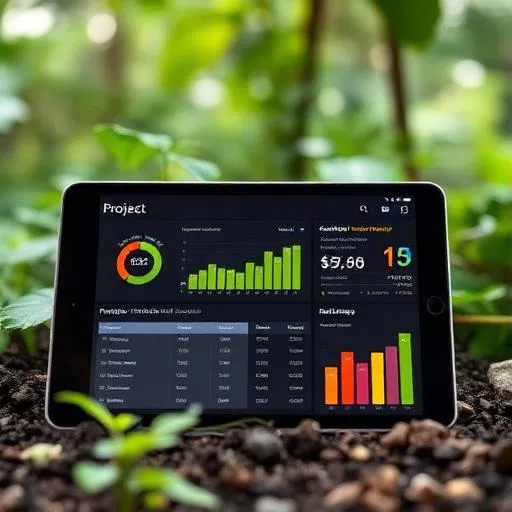
    Tablet displaying project analytics and environmental data dashboards outdoors on active soil

    The Regulatory Insider Advantage: NYSDEC & NJDEP

    In the Tri-State area, compliance isn't just about following the rules; it's about knowing the people who enforce them. After 20 years in the trenches, we know how the NYSDEC and NJDEP reviewers think. We know what they look for and what triggers an automatic "fail" in their eyes.

    When we submit a stormwater discharge permit or a SWPPP for a high-priority site, it’s written in the language the regulators expect. We don't guess. We've spent decades building relationships with architects and regulators alike. We sit at the table with the agencies to resolve issues before they become stop-work orders.

    "A SWPPP is not just a regulatory requirement; it’s an insurance policy for your project’s timeline. If the water doesn't move correctly, the project doesn't move at all." , Jason Pancoast, CEO.

    Making the Switch: Why Envicon is the Smarter Choice

    If you are currently working with a large national firm, ask yourself these three questions:

    1. Do I know the name of the person performing my inspections?
    2. Is my SWPPP tailored to my site’s specific construction phases?
    3. When I have a compliance emergency, does a partner pick up the phone?

    If the answer is "no," you’re taking an unnecessary risk. Big firms deliver bloated, slow reports written to protect the consultant, not your project. Envicon produces clean, actionable documentation that holds up under scrutiny and actually keeps your site moving.

    We don't sell reports. We sell cleared paths. Whether it's a standalone SWPPP, a complex discharge permit, or long-term construction oversight, we take ownership of the outcome.

    Official permit approval stamp on a document representing regulatory compliance

    Summary & Takeaways

    Moving beyond the paperwork means treating stormwater as a dynamic part of the construction process. To stay compliant and keep your project on track, remember:

    • Field-First Design: Ensure your BMPs are practical and accessible for the crews on the ground.
    • Phased Compliance: Update your plan as the site changes. Static plans lead to fines.
    • Standalone Speed: Use a specialist for SWPPPs to bypass the bottlenecks of larger engineering firms.
    • Tech Integration: Use digital tracking to create a verifiable record of compliance.
    • Local Fluency: Work with a firm that understands the specific nuances of NJDEP and NYSDEC.

    Don't let a rainy day turn into a regulatory nightmare. If you're ready for a partner who values your timeline as much as you do, let’s talk.

    Ready to clear the path for your next project? Contact Envicon Group today for a specialized SWPPP and stormwater compliance strategy that actually works in the field.Envicon Group Logo

  • NJDEP LSRP Secrets: Why Your Phase II Investigation is Stalling Your Close

    NJDEP LSRP Secrets: Why Your Phase II Investigation is Stalling Your Close

    You’re staring at a spreadsheet where the "Carry Costs" line item is growing faster than your foundation. Your lender is asking for the final Remedial Investigation Report (RIR), your equity partners are losing patience, and your consultant just told you the lab is "backed up."

    In the New Jersey development world, a stalled Phase II Environmental Site Assessment (ESA) isn't just a technical delay: it’s a financial bleed. Every week your project sits in a regulatory or analytical queue, you’re burning through interest and missing your market window.

    At Envicon Group, we don’t look at a Phase II as a checklist of soil borings. We look at it as the primary obstacle between you and a buildable site. If your current LSRP (Licensed Site Remediation Professional) is treating your project like a science experiment rather than a real estate transaction, you have a problem.

    Here is the truth about why Phase II investigations stall in New Jersey and how we move the needle when the big-box firms get stuck.

    The "Surface Pain": Why You’re Not Closing

    Most developers expect a Phase II to take three to four weeks. When that stretches into three months, the "surface pain" is obvious: the deal won't close. But the root causes are often hidden in how the investigation was designed.

    1. The Lab Processing Trap

    Standard lab turnaround is typically 5 to 10 business days. However, if your consultant waited until the last minute to mobilize, or if they didn't pre-schedule lab capacity for a large-scale site investigation, you’re at the mercy of the pile. We’ve seen projects sit for an extra two weeks simply because a junior staffer at a national firm didn't flag "expedited" on a chain of custody for a critical closing.

    2. The New 2025 Regulatory Hurdles

    The NJDEP doesn't make things easy. We are currently navigating a massive shift in standards. As of February 3, 2025, more stringent Groundwater Quality Standards went into effect. Following that, the updated Soil Remediation Standards became effective on August 4, 2025.

    If your Phase II was scoped using 2024 numbers, your data might already be obsolete. A consultant who isn't ahead of these dates will hand you a report that your lender’s counsel will shred, forcing a re-mobilization and re-sampling. That’s a month of your life you’ll never get back.

    Stopwatch on engineering blueprints

    The Business Impact: The High Cost of "Wait and See"

    When a Phase II Environmental Site Assessment in NJ stalls, the impact ripples far beyond the environmental department.

    • Lender Fatigue: Banks hate uncertainty. If you can't provide a clear "Response Action Outcome" (RAO) path, your financing terms can shift, or worse, the loan committee walks.
    • NJDEP Direct Oversight: This is the ultimate "bogeyman." Under the Site Remediation Reform Act (SRRA), if you miss mandatory remedial timeframes, the NJDEP can pull your project into "Direct Oversight." This means you lose the flexibility of an LSRP and the State starts calling the shots. This adds years: not months: to your timeline.
    • Opportunity Cost: While you're arguing over a "limit of confidence" in a soil sample, your competitors are breaking ground.

    The LSRP "Secret": It’s About the Relationship, Not Just the Rules

    In New Jersey, your LSRP is the gatekeeper. They have the power to issue the RAO, but they also carry the professional liability. This leads many big-firm LSRPs to be overly "conservative": which is code for "slow and expensive." They’ll recommend three more borings just to be safe, even if the data already tells the story.

    The Envicon Difference: We believe integrity is about delivering the truth, not hiding behind extra billable hours. Because we are a licenced professional-led, relationship-driven firm, we don't just guess what the NJDEP wants. We know the reviewers. We understand the specific nuances of Hudson County vs. the Pine Barrens.

    When a site is complex, we don't send a junior tech to talk to the state. We sit at the table with the regulators. We frame the data in a way that shows compliance while keeping the project moving. We don't sell reports; we sell cleared paths.

    LSRP Badge Shield

    Why Big-Box Consultants Fail New Jersey Developers

    If you’re working with a national firm, you’re likely experiencing the "Big-Box Pain":

    • The Junior Staff Shuffle: You met a Senior Partner at the pitch, but a 22-year-old with six months of experience is the one actually supervising your soil borings. They don't know how to pivot when they hit a refusal at 4 feet.
    • The Change Order Culture: Big firms lowball the initial Phase II bid and then hit you with change orders the moment a sample comes back "hot."
    • Defensive Writing: Their reports are 500 pages of fluff designed to protect their legal team, not to help you get a building permit.

    At Envicon, we focus on Construction Oversight and remedial design from the jump. We assume the site has issues: that's why you hired us. Our job is to quantify that risk and give you a number you can take to the bank.

    Subsurface data modeling of a New Jersey brownfield site visualizing contamination plumes for targeted soil sampling.
    Caption: Envicon uses advanced data modeling to visualize subsurface plumes, allowing us to target samples and reduce unnecessary drilling.

    How We Speed Up the Phase II Process

    1. Direct Agency Face-Time: We don’t wait in a queue. We proactively communicate with the NJDEP to ensure our remedial strategies align with their current expectations, especially regarding PFAS and emerging contaminants.
    2. Integrated Site-Civil Thinking: Because we handle civil engineering as well as environmental, we look at your Phase II through the lens of your future foundation. We don't just sample soil; we look at how that soil impacts your grading and drainage plans.
    3. Technology as a Catalyst: We use digital field tools to track data in real-time. If we see a hit in the field, we can step out and delineate immediately, rather than waiting a week for lab results and then re-mobilizing.

    "Collaboration is not a buzzword at Envicon: it’s how we survive the NJDEP regulatory maze. We treat the developer’s capital as if it were our own." : Jason Pancoast, CEO.

    Moving Toward the Close

    If your project is currently stalled, it’s time to ask your current consultant some hard questions:

    • "Are we on track for the mandatory NJDEP remedial investigation timeframe?"
    • "How do the February 2025 groundwater standards change our RAO path?"
    • "Who is our specific point of contact at the Department, and when was the last time we spoke to them?"

    If you get "corporate speak" in response, you’re losing money.

    Active brownfield remediation site

    Summary & Takeaways

    The Phase II investigation doesn't have to be the death of your deal. By understanding the regulatory landscape and hiring a firm that prioritizes your closing date over their own billable hours, you can navigate even the messiest NJDEP requirements.

    • Be Proactive with 2025 Standards: Don't let old data kill a new deal. Ensure your sampling plans account for the latest NJDEP soil and water thresholds.
    • Avoid Direct Oversight: Keep a tight leash on mandatory timeframes. Once the State takes control, your costs will triple.
    • Choose Authority Over Size: A large firm provides a "safe" name for the lender, but a boutique, expert-led firm like Envicon provides the actual results that get the project built.

    Your Phase I found a "Recognized Environmental Condition" (REC). That was the warning. Don't let the Phase II become the funeral.

    Ready to move your project forward? Stop waiting on a report and start looking for a cleared path. Contact Envicon Group today to discuss how we can get your NJDEP case to the finish line.

    Envicon Strategic Solutions Logo


    For more resources on navigating New Jersey's complex regulatory environment, visit our Resource Center or check out our Industry FAQ.

  • The NJ LSRP Playbook: Strategic Remediation to Hit Your Milestones (And Your Exit Date)

    The NJ LSRP Playbook: Strategic Remediation to Hit Your Milestones (And Your Exit Date)

    In New Jersey, your remediation timeline isn't a suggestion: it's a regulatory obligation with real teeth. Miss a mandatory timeframe under the Site Remediation Reform Act (SRRA), and you're not just dealing with delays. You're looking at NJDEP enforcement actions, penalties, and potentially direct Department oversight that strips control from your project entirely.

    For developers with capital on the line and exit dates circled on the calendar, this isn't abstract regulatory talk. It's the difference between closing on schedule and watching your deal evaporate while you explain contamination issues to increasingly impatient investors.

    The good news? Strategic remediation planning can turn the LSRP process from a project killer into a predictable path toward site closure. Here's how we approach it with our clients.

    The SRRA Framework: Understanding What's Actually Required

    The Site Remediation Reform Act fundamentally changed how contaminated sites get cleaned up in New Jersey. Instead of waiting years for NJDEP to review every document, the program puts Licensed Site Remediation Professionals in the driver's seat: with strict accountability measures attached.

    Here's what that means practically:

    • Regulatory timeframes specify periods for completing specific remedial activities
    • Mandatory timeframes carry even stricter consequences: miss one, and NJDEP takes direct oversight
    • Milestone reporting requires submission of forms and reports as each remediation phase completes
    • Ongoing monitoring means NJDEP reviews documents throughout the process to identify potential problems early

    The LSRP program isn't a free pass. It's a framework that rewards proactive planning and punishes reactive scrambling.

    Aerial View with Monitoring Locations

    Mapping Your Milestones Before You Start

    The biggest mistake we see? Developers who treat remediation as a single line item on the project schedule. "Environmental cleanup: 6 months." That's not a plan: that's wishful thinking.

    Strategic milestone mapping means breaking the LSRP process into its actual components:

    Phase 1: Preliminary Assessment (PA)

    • Historical records review
    • Site reconnaissance
    • Initial area of concern identification
    • Typical timeline: 30-60 days

    Phase 2: Site Investigation (SI)

    • Soil and groundwater sampling
    • Contaminant delineation
    • Risk assessment
    • Typical timeline: 60-120 days (highly variable based on site complexity)

    Phase 3: Remedial Investigation (RI)

    • Full characterization of contamination extent
    • Pathway analysis
    • Receptor evaluation
    • Typical timeline: 90-180 days

    Phase 4: Remedial Action (RA)

    • Remedy selection and implementation
    • Active cleanup or engineering/institutional controls
    • Compliance demonstration
    • Typical timeline: Varies dramatically: months to years

    Each phase has its own regulatory timeframe. Each requires specific deliverables. And each can blow your schedule if you're not anticipating the bottlenecks.

    "The remediation timeline you present to your lender needs to account for what actually happens in the field, not what you hope happens," says one veteran LSRP. "Soil conditions surprise you. Groundwater plumes migrate. Labs get backlogged. Build contingency into every milestone."

    The Hidden Schedule Killers

    After managing remediation projects across New Jersey: from brownfield redevelopments in Hudson County to industrial sites along the Turnpike corridor: we've identified the issues that consistently derail timelines:

    1. Incomplete Historical Research

    Skipping thorough preliminary assessment work to "save time" almost always backfires. That unreported underground storage tank you missed? That adjacent property's contamination migrating onto your site? These discoveries during active remediation add months and significant costs.

    2. Underscoped Site Investigations

    Trying to characterize a site with the minimum number of borings is penny-wise and pound-foolish. When delineation isn't complete, NJDEP requires additional investigation. Your "savings" become change orders and timeline extensions.

    3. Laboratory Capacity Issues

    Environmental labs in the region operate at capacity, especially during construction season. Rush fees exist, but they don't guarantee faster turnaround when every developer in the state needs the same thing. Plan sample collection and lab scheduling months in advance.

    Aerial site map overlay

    4. Remedy Selection Delays

    Choosing between active remediation and engineering controls isn't just a technical decision: it's a business decision with timeline implications. Active soil removal might cost more upfront but close faster. Monitored natural attenuation costs less but requires years of quarterly sampling. Your exit strategy should drive this conversation.

    5. Institutional Control Complications

    If your remedy relies on deed notices or classification exception areas, you're adding layers of legal review and municipal coordination. These administrative steps have their own timelines that often surprise developers focused purely on the technical work.

    Choosing the Right LSRP Partnership

    Not all LSRPs approach projects the same way. Some are technically excellent but treat scheduling as someone else's problem. Others understand that remediation exists within a larger transaction context.

    When evaluating LSRP partners, we recommend asking:

    • How do you communicate timeline risks? You need proactive updates, not surprises at milestone deadlines.
    • What's your laboratory relationship? LSRPs with established lab partnerships can often expedite turnaround.
    • How do you handle scope changes? Contamination rarely cooperates with initial assumptions. Flexibility matters.
    • What's your NJDEP relationship? Experience navigating Department review processes can shave weeks off approval timelines.
    • Do you understand my transaction timeline? Technical excellence means nothing if your LSRP doesn't grasp why your closing date matters.

    The best LSRP relationships feel like partnerships, not vendor arrangements. Your remediation professional should understand your business objectives as clearly as they understand contaminant fate and transport.

    Excavator and Crew at Urban Redevelopment Site

    Integrating Remediation with Development Schedules

    Here's where strategic thinking separates successful projects from troubled ones: remediation doesn't have to be sequential with development. With proper planning, significant overlap is possible.

    During Site Investigation:

    • Begin civil engineering preliminary design
    • Initiate permitting applications for non-environmental approvals
    • Coordinate with geotechnical investigations to share mobilization costs

    During Remedial Action:

    • Design foundations and utilities around known contamination areas
    • Plan construction sequencing to accommodate ongoing monitoring wells
    • Coordinate soil management plans with excavation contractors

    During Compliance Monitoring:

    • Proceed with construction in cleared areas
    • Maintain access to monitoring locations in site design
    • Build deed notice requirements into future property documentation

    This integrated approach requires close coordination between your environmental consultant, civil engineer, and construction team. When these disciplines operate in silos, you get sequential timelines. When they collaborate, you find efficiencies that compress schedules significantly.

    Our work on complex infrastructure projects has shown us that early integration between environmental and civil disciplines can reduce overall project timelines by months: not by cutting corners, but by eliminating the dead time between phases.

    The Response Action Outcome: Your Finish Line

    Every LSRP remediation ends with a Response Action Outcome (RAO): the formal document that closes the case and releases you from further obligation (with some exceptions for institutional controls).

    Getting to RAO requires:

    • Complete documentation of all investigation and remediation activities
    • Demonstration that applicable remediation standards have been met
    • Proper implementation of any engineering or institutional controls
    • LSRP certification that the remedy is protective of public health and the environment

    The RAO is your ticket to clean title, satisfied lenders, and closed transactions. Every decision throughout the remediation process should be made with this endpoint in mind.

    "Think backwards from your RAO," advises experienced environmental counsel. "Every sampling event, every remedial decision, every report submission should be building toward that final document. If an activity doesn't advance you toward closure, question whether it's necessary."

    The Strategic Takeaway

    New Jersey's LSRP program offers developers something valuable: predictability. Unlike the old days of indefinite NJDEP review queues, today's framework provides clear milestones, defined timeframes, and professional accountability.

    But predictability only works if you plan for it. The developers who consistently hit their exit dates approach remediation strategically:

    • They invest in thorough upfront investigation to avoid surprises
    • They select LSRPs who understand transaction timelines, not just technical requirements
    • They integrate environmental work with civil engineering and construction planning
    • They build realistic contingency into every milestone
    • They keep their eyes on the RAO from day one

    Contaminated sites in New Jersey aren't obstacles: they're opportunities for developers who know how to navigate the regulatory framework efficiently. The LSRP program provides the roadmap. Strategic planning provides the execution.

    Your exit date is achievable. It just requires treating remediation as the strategic discipline it actually is.


    Need help aligning your remediation timeline with your transaction schedule? Our environmental assessment team works with developers across New Jersey to turn contaminated properties into closed deals. Let's talk about your project.

  • Drone Mapping & High-Res Site Modeling: Visualizing Your Path to a Buildable Site

    Drone Mapping & High-Res Site Modeling: Visualizing Your Path to a Buildable Site

    In the high-stakes world of New York and New Jersey real estate development, the distance between an "underutilized property" and a "buildable site" is often measured in months of regulatory hurdles, unforeseen site conditions, and engineering bottlenecks. For years, the industry relied on static 2D surveys and manual site inspections: processes that were inherently slow and prone to human error.

    At Envicon Group, we believe that if you can’t see the path forward, you can’t build it. That’s why we’ve integrated advanced drone mapping and high-resolution 3D site modeling into our core site investigation NYC workflows. We aren't just taking pictures from the sky; we are capturing the digital DNA of your project to resolve complex engineering challenges before they ever stall your schedule.

    The New Standard of Site Intelligence

    When you’re dealing with brownfield redevelopment in places like Brooklyn, Newark, or the Hudson Waterfront, "close enough" isn't an option. Traditional ground-based surveys can take days or weeks to complete, and by the time the data reaches your desk, the site conditions may have already shifted.

    Drone mapping changes the physics of project planning. Using RTK (Real-Time Kinematic) enabled drones, we achieve centimeter-level precision. A 100-acre site that would have taken a traditional survey crew a week to document can now be scanned in under an hour. This isn’t just about speed; it’s about the density of data. Instead of a few hundred survey points, we collect millions.

    Drone mapping point cloud data for high-resolution site investigation at a New York City foundation pit.

    From Raw Data to Actionable 3D Mesh

    The magic happens in the processing. We transform raw aerial imagery into a suite of high-resolution deliverables that serve as the single source of truth for architects, engineers, and contractors:

    • Orthomosaic Site Maps: These are geometrically corrected 2D images where every pixel is a measurable coordinate. You can measure distances and areas directly on the map with the same accuracy as a traditional survey.
    • 3D Textured Meshes: This is a literal "digital twin" of your site. You can rotate it, zoom in on structural cracks, or evaluate the integrity of an adjacent building’s foundation.
    • LiDAR Topographic Data: Essential for sites with heavy vegetation or debris, LiDAR "sees through" the noise to map the actual ground surface, providing precise elevation data for complex grading.
    • Point Clouds: Massive sets of data points used for direct integration into BIM (Building Information Modeling) and CAD software, ensuring your design fits the reality of the terrain.

    Visualizing the Path Through Complex Engineering

    Most consultants hand you a 200-page report and expect you to find the solution. At Envicon, we use 3D modeling to highlight the obstacles and then design the way around them.

    Consider the challenges of a typical urban infill project. You might be dealing with old railway infrastructure, unknown underground storage tanks (USTs), or radical elevation changes that complicate stormwater management. By visualizing these elements in a high-res 3D environment, we can perform cut/fill analyses with extreme accuracy. We can identify exactly how much soil needs to be moved or remediated, which directly impacts your budget and your timeline with the NYSDEC or NJDEP.

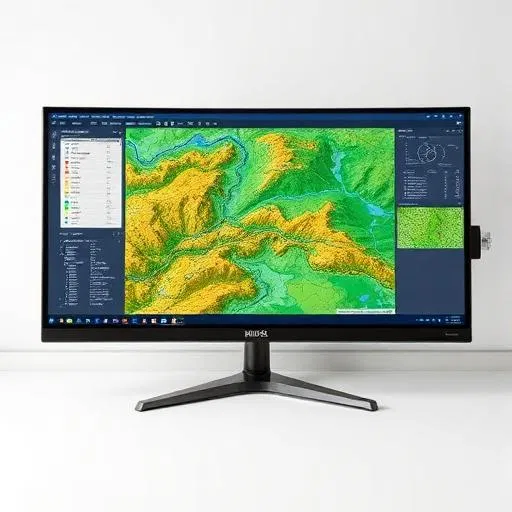
    Widescreen monitor displaying detailed topographic and geospatial data analysis

    Clearing the Obstacles: A Visionary Approach to Brownfields

    Brownfield redevelopment is arguably the most complex form of construction. You are often fighting decades of industrial neglect. In NYC, the Office of Environmental Remediation (OER) and the DEC require rigorous documentation of site conditions.

    Our drone-captured data provides a "visual ledger" of a site’s transformation. We can overlay historical maps onto current high-res orthomosaics to pinpoint exactly where old structures: and potential contamination: might lie. This precision allows us to target our Phase II investigations more effectively, saving you money on unnecessary soil borings and lab fees.

    We don't just see a contaminated lot; we see a cleared path to a luxury high-rise, a modern warehouse, or a community park. The 3D model is the tool that allows us to communicate that vision to lenders, regulators, and stakeholders.

    Real-Time Coordination vs. The "Big Box" Delay

    If you’ve worked with national "big box" consulting firms, you know the pain. You talk to a senior partner during the pitch, and then your project is handed off to a junior staffer in a regional office three states away. When a field issue arises, you’re stuck waiting for a return call while your carry costs mount.

    Envicon is different. We are family-owned, PE-led, and field-first. When we deploy drone mapping on your site, that data is processed and shared through our resources portal immediately.

    High-resolution 3D site modeling for urban brownfield redevelopment and construction planning in NYC.

    Our internal teams use these models to coordinate directly with your architects and construction managers. If there is a deviation between the design plan and the actual field conditions: like a misplaced utility line or a grading error: we spot it in the digital model before it becomes a multi-million dollar change order.

    Why Precision Matters for Your Bottom Line

    Every week your project sits in a regulatory queue or waits for a survey is a week of lost revenue. Our approach to site modeling is built on three pillars:

    1. Certainty: We remove the "unknown unknowns." Whether it’s volume calculations for soil disposal or the exact placement of a crane, we give you the numbers you can bank on.
    2. Compliance: Our high-res documentation is designed to hold up under the scrutiny of agencies like the NYC OER and NJ DEP. We speak their language and provide the visual evidence they need to grant approvals.
    3. Communication: A 3D model is a universal language. It allows us to show a lender exactly how we are resolving a site challenge, turning a technical "problem" into a manageable "process."

    Integrating Technology into the Construction Phase

    The value of high-res modeling doesn't end once the permits are issued. During the construction phase, we use periodic drone flights to monitor progress and maintain site safety.

    We can track excavation volumes in real-time, ensuring that soil management plans are being followed to the letter. We can monitor erosion control measures (SWPPP compliance) and provide visual updates to stakeholders who may not be able to visit the site in person. This level of transparency builds trust with everyone from the site foreman to the equity partners.

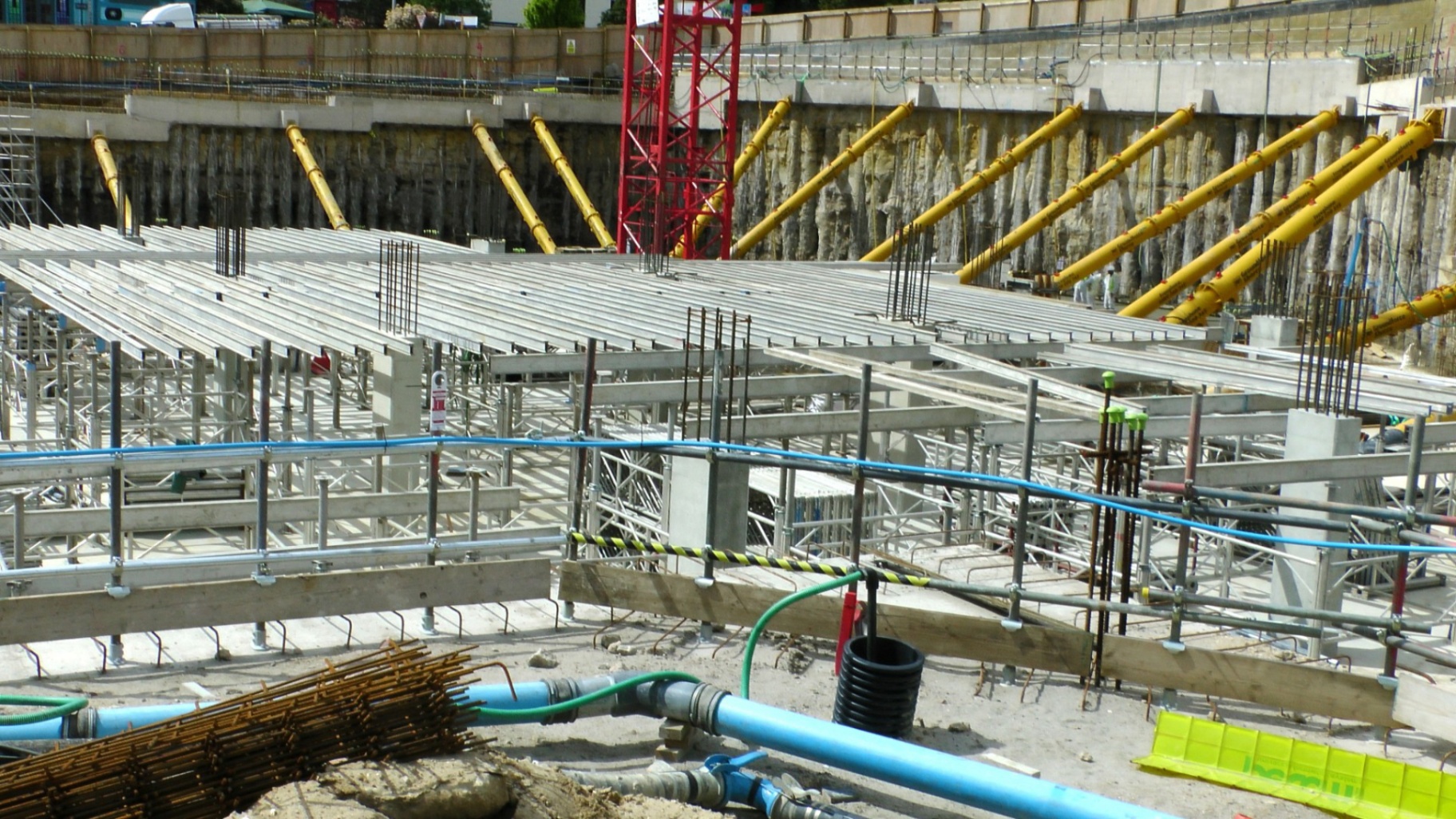
    Active construction site showing excavation support and site safety controls

    The Envicon Difference: From Findings to Action

    Technology is only as good as the experts who interpret it. While other firms might offer "drone services" as a flashy add-on, we treat it as an essential engineering tool. We don’t just deliver a point cloud; we deliver a buildable site.

    We understand that in the NY/NJ market, your reputation is built on your ability to deliver. Our mission is to resolve your complex environmental and engineering challenges with the precision and urgency that your project deserves. We are your "boots on the ground": and your "eyes in the sky."

    Summary & Takeaways

    Visualizing your path to a buildable site requires more than just a map; it requires a comprehensive digital strategy.

    • Accuracy is Paramount: RTK drones provide centimeter-level data that beats traditional surveys in both speed and detail.
    • 3D Meshes Save Money: Spotting design-to-field deviations early prevents costly change orders during construction.
    • Brownfield Mastery: Using high-res imagery to navigate site investigation NYC protocols ensures faster regulatory approval.
    • Envicon Expertise: We combine 20 years of local agency experience with cutting-edge tech to clear the obstacles standing in your way.

    If your current consultant is handing you reports that raise more questions than they answer, it’s time for a change. Let’s look at your site from a new perspective.

    Ready to see your site in high resolution? Contact Envicon Group today to learn how our drone mapping and 3D modeling can accelerate your project.

    Envicon Strategic Solutions Logo

  • Why ‘Big Box’ Consulting Fails the NY/NJ Market

    Why ‘Big Box’ Consulting Fails the NY/NJ Market

    Let’s be honest: hiring a "Big Box" consulting firm: one of those global monoliths with ten thousand employees and a shiny office in a city you’ve never visited: feels like buying insurance. You do it because the name on the report makes your lenders feel warm and fuzzy. You do it because you think size equals safety.

    But if you’re developing property in the New York/New Jersey corridor, that "safety" is an expensive illusion.

    In our market, generic advice doesn’t just slow you down; it kills deals. The NY/NJ regulatory landscape isn't a straight line; it's a labyrinth designed by people who love paperwork and hate shortcuts. When you hire a global firm, you aren't getting their "global expertise." You’re getting a junior associate in a cubicle three states away who is Googling "What is a NJDEP LSRP?" while billing you $350 an hour.

    At Envicon Strategic Solutions, we’ve watched developers lose millions because their big-box consultant treated a complex NYC OER E-Designation like a standard checkbox. It’s time to talk about why the "safe" choice is actually the riskiest move you can make.

    The NY/NJ Regulatory Gauntlet: You Can’t "Template" This

    The tri-state area has some of the most stringent, nuanced, and frankly, exhausting environmental regulations in the world. Between the NJDEP’s LSRP program and the NYC Office of Environmental Remediation (OER), there is no room for "generalists."

    Big Box firms love templates. They love standardized processes that allow them to scale. But you can’t template a Phase II Investigation on a 100-year-old industrial site in Jersey City. You can’t "standardize" a response to a surprise E-Designation during a mid-rise build in Brooklyn.

    When these firms encounter a localized quirk: like the specific way NJDEP handles PFAS remediation or the hyper-local politics of NYC zoning: they stall. They have to "check with corporate" or "consult their internal experts." Meanwhile, your carry costs are ticking, your excavator is sitting idle, and your ROI is evaporating.

    Urban Corridor Site Assessment

    The "Junior Associate" Bait-and-Switch

    We’ve all seen the pitch. Two senior partners with 30 years of experience show up to the meeting, dazzle you with a 50-page slide deck, and promise "unparalleled oversight."

    Then the contract is signed.

    Suddenly, those partners vanish into the ether, and your project is handed off to a kid who graduated six months ago. This isn't just an annoyance; it’s a liability. In environmental consulting, the person doing the work needs to have the "field eyes" to spot a hidden UST (Underground Storage Tank) or recognize a subtle soil discoloration that signals a much larger problem.

    At Envicon, we don't believe in the "Bait-and-Switch." Our leadership: including our CEO, Jason Pancoast: stays in the weeds because that’s where the risk lives. We sell authority, not just expert knowledge. When you call us, you aren't talking to a project coordinator's assistant; you're talking to the people making the decisions.

    Tech-Enabled vs. Spreadsheet-Bound

    The "Big Box" world is surprisingly slow to adopt technology. They rely on legacy systems and massive, clunky reporting structures that take weeks to produce a single draft. In 2026, that’s unacceptable.

    We built Envicon to be a tech-first firm. We use advanced data visualization and aerial site mapping to give our clients a real-time look at their liability. We don't just tell you there’s a problem; we show you exactly where it is, how deep it goes, and what the financial "exit ramp" looks like.

    NJ environmental consultants analyzing 3D soil contamination data on a construction site for faster remediation.

    When we provide an aerial site map with monitoring points, it’s not just a pretty picture for a report. It’s a strategic tool used to value-engineer your remediation. While the Big Box guys are still formatting their Excel tables, we’re already moving the project toward closure.

    The "Insurance" Fallacy

    Many developers stick with big firms because of "vicarious credibility." They think, “If the EPA sues me, at least I can say I hired [Giant Global Firm].”

    But here’s the truth: The EPA doesn't care who you hired. They care about the results. If your big-box consultant missed a REC (Recognized Environmental Condition) because they used a generic checklist instead of local historical knowledge, you are still the one holding the bag.

    True de-risking comes from intimacy with the land and the law. It comes from knowing which NJDEP case manager is retiring and how the new one interprets soil standards. It comes from having a footprint in the locations where you actually build.

    "In the NY/NJ market, your consultant’s local reputation is your greatest asset. A report from a firm that doesn't understand our dirt is just expensive wallpaper."

    Why Envicon? The Strategic Pivot

    If you’re tired of being "Client #8,402" and you’re ready for a partner who treats your capital like their own, it’s time to make a change. We aren't just consultants; we are strategists.

    Here is why our clients are ditching the Big Box firms for Envicon:

    • Responsiveness: We don't have "account managers." We have experts. When you call, we answer.
    • Speed to Market: Because we know the NJDEP and NYC OER systems inside and out, we can often shave weeks (or months) off the approval process.
    • Visionary Thinking: We don't just look at what’s in the dirt; we look at what’s going on top of it. We align our environmental strategy with your architectural goals and your exit strategy.
    • Accountability: We live and work in the same communities we serve. Our legacy is tied to the success of your project.

    Aerial Site Map with Facility Layout

    The Bottom Line: Stop Paying for Overhead

    When you pay a Big Box firm, a massive chunk of your fee goes toward their 50th-floor Midtown rent, their global marketing budget, and their fleet of middle managers.

    Wouldn’t you rather pay for results?

    The NY/NJ market is too complex for "good enough." It requires a sharp, localized, and tech-enabled approach that only a visionary boutique can provide. We’ve built our reputation on being the firm that cleans up the messes the big guys left behind.

    Whether you’re dealing with a Phase I ESA that went sideways or a complex brownfield redevelopment, you need a partner who understands the pulse of the city.

    Summary & Takeaway

    • Big Box firms prioritize scale over specificity, which leads to missed risks in the complex NY/NJ regulatory environment.
    • The "Junior Associate" model means your project is often a training ground for inexperienced staff.
    • Envicon uses a tech-enabled, local-first approach to provide faster approvals and more accurate risk assessments.
    • Authority and trust are built on local expertise, not global headcount.

    Ready to de-risk your next acquisition? Don't settle for a generic report. Let’s build something that lasts. Contact Envicon Strategic Solutions today and see the difference that local authority makes.

  • Beyond the Core Sample: What Geotechnical Costs Actually Tell You

    Beyond the Core Sample: What Geotechnical Costs Actually Tell You

    In the high-stakes world of New Jersey real estate development, the geotechnical report is often viewed as a "check-the-box" line item, a necessary evil required by the lender or the building department before the real work begins.

    When the quotes come in, the instinct is to look at the bottom line. You see $5,000 from one firm and $15,000 from another. On paper, they both promise "borings and a report." But if you’re only looking at the price, you’re missing the most important data point the investigation has to offer.

    At Envicon Strategic Solutions, we’ve seen how "cheap" dirt leads to expensive foundations. In New Jersey’s complex landscape, from the shifting sands of the Shore to the trap rock of the Palisades and the unpredictable "urban fill" of Jersey City, geotechnical costs aren't just an expense. They are a diagnostic tool that tells you exactly how much risk is buried beneath your boots.

    The Price of Uncertainty

    Geotechnical costs reveal the hidden complexity of your project long before a shovel hits the ground. When an engineer looks at a site in, say, the Hackensack Meadowlands, and quotes a high fee, they aren’t just padding their margins. They are signaling that your site has a "memory": and it’s likely a memory of compressible peat and high groundwater that will swallow a standard foundation whole.

    According to industry research, geotechnical investigations for simple residential projects might range from $2,000 to $3,500. However, commercial or industrial projects in our region frequently scale from $10,000 to $50,000 or more.

    Why the delta? Because every dollar in that quote represents a degree of risk mitigation. A $700 classification report tells you what the soil is. A $20,000 comprehensive investigation tells you how the soil will behave when you put a five-story steel structure on top of it.

    Active construction site showing excavation support and foundation stability

    Decoding the Quote: What Are You Actually Buying?

    When we provide a proposal at Envicon, we break it down so you understand the ROI of every boring. Here is what those costs are actually communicating:

    1. Investigation Depth and Quantity: If your quote is low, your consultant is likely betting on "best-case" scenarios. In NJ, "best-case" is a rare bird. More borings and deeper samples mean we are looking for the "refusal" point: the bedrock or stable strata that will actually support your building.
    2. Laboratory Testing: Standard soil classification is one thing. Testing for moisture-density relationships, shear strength, and consolidation is another. If you’re building in an area with heavy clays or organic soils, skipping these tests to save $2,000 today can lead to a $200,000 change order when your floor slabs start cracking two years from now.
    3. Engineering Analysis: This is the most undervalued part of the cost. You aren't paying for someone to look at dirt; you're paying for a civil engineering expert to translate data into a foundation design that won't fail.

    "A geotechnical report is the only insurance policy that actually prevents the disaster instead of just paying for the wreckage." : Jason Pancoast, CEO, Envicon Strategic Solutions.

    The "New Jersey" Factor: Why Local Expertise Matters

    You can’t apply a "national" standard to a site in Newark or Elizabeth. Our region’s geological history is a mess of glacial retreats and 300 years of industrial activity.

    Geotechnical engineers analyzing a soil core sample for urban fill at a New Jersey redevelopment site.

    Higher geotechnical costs in urban New Jersey often reflect the reality of Urban Fill. This is the mix of brick, ash, and debris that was used to "reclaim" land over the last century. If your geotechnical consultant doesn't account for the variability of urban fill, your project is built on a foundation of guesswork.

    In places like Hudson County, the cost of an investigation also signals the difficulty of Access and Permitting. Navigating NYC OER requirements or NJDEP regulations requires a level of precision that a "budget" firm simply won't provide. They’ll give you a report that checks the box but leaves you exposed to regulatory delays that can cost $5,000 a day in carrying costs.

    The Math of Risk: 0.1% vs. 20%

    Let’s put the cost into perspective. A comprehensive geotechnical investigation typically represents less than 0.1% of a total project budget. On an $8 million development, that’s about $8,000.

    Now, consider the alternative. If that $8,000 investigation was "too expensive" and you opted for a $3,000 bare-minimum report, you might miss a pocket of unstable soil. The resulting structural failure or the need for emergency deep foundations (like piles or caissons) during construction can easily add 20% or more to your total budget.

    We aren't just selling a service; we’re selling the ability to sleep at night. We’re selling the certainty that your building will stand for the next 100 years.

    Concrete building foundation under construction showing site grading and foundation walls

    Why Envicon is Different: Beyond the Big Box Consultant

    Many of our clients come to us because they are tired of the "Big Box" consulting firms. You know the ones: they have a massive office in another state, they send a junior technician to your site who has never seen Jersey City silt, and they deliver a 100-page report that says "more study is needed."

    At Envicon, we do things differently:

    • Accountability: We don't just hand you a report and vanish. We partner with your architects and structural engineers to ensure the recommendations are practical and cost-effective.
    • Visionary Approach: We look at your project through the lens of community and legacy. We aren't just building a warehouse; we're revitalizing a piece of New Jersey.
    • Responsiveness: In development, time is the only thing you can't buy back. We move at the speed of your project, not the speed of a corporate bureaucracy.
    • Authority: We know the NJDEP and local municipal boards. We don't just provide data; we provide the narrative that gets your project approved.

    Practical Takeaways for Your Next Project

    If you are evaluating geotechnical proposals today, ask yourself these three questions:

    • Does this price account for the "worst-case" soil in this specific zip code? If the price is the same for a site in Cherry Hill as it is for a site in the Meadowlands, run.
    • Is the engineer providing "Ground Improvement" options? A good report shouldn't just tell you the soil is bad; it should tell you how to fix it: whether through dynamic compaction, surcharge loading, or stone columns: to save on foundation costs.
    • Does the firm understand the regulatory landscape? In NJ, geotechnical and environmental issues are often linked. Choosing a firm like Envicon that handles both ensures nothing falls through the cracks.

    Structural view of concrete foundations at the water’s edge

    Summary: Invest in the Data, Not Just the Dirt

    Geotechnical costs are a window into the soul of your project. A higher initial investment in a thorough investigation is almost always offset by the savings found in a more efficient foundation design and the avoidance of "unforeseen site conditions."

    Don't let a $5,000 savings today become a $500,000 liability tomorrow. You deserve a partner who understands that the core sample is just the beginning of the story.

    Ready to de-risk your next NJ development? Contact the team at Envicon Strategic Solutions today. Let’s build something that lasts.

  • NYSDEC’s New Stormwater Rules Explained in Under 5 Minutes: What Developers Need to Know

    NYSDEC’s New Stormwater Rules Explained in Under 5 Minutes: What Developers Need to Know

    New York's environmental landscape just shifted significantly. On January 29, 2025, the New York State Department of Environmental Conservation (NYSDEC) implemented its updated Construction General Permit (GP-0-25-001), replacing the 2020 version that developers have been working under for the past five years.

    If you're planning construction projects in New York or New Jersey, these changes aren't just regulatory updates: they're immediate business considerations that could impact your project timeline, budget, and compliance strategy.

    What Changed and Why It Matters

    The new permit brings New York's stormwater regulations into closer alignment with federal EPA standards, but it also introduces stricter requirements that directly affect how you plan and execute development projects. The most significant change? Electronic filing is now mandatory, and the eligibility thresholds have become more restrictive, especially in New York City.

    "The 2025 permit provides clearer guidance on complex situations that developers frequently encounter," notes a recent analysis from environmental engineering firms tracking the regulatory shift. "But it also adds new compliance layers that require early planning."

    image_1

    These aren't minor adjustments. The new rules affect everything from your initial permit application to how you handle climate risk assessments on-site. For developers working in NYC, the threshold changes alone could bring projects under permit coverage that previously flew under the regulatory radar.

    Key Changes Every Developer Must Know

    Electronic Filing Is Now Required

    Gone are the days of paper submissions. All permit applications must now be filed electronically through NYSDEC's online system. This includes any required Municipal Separate Storm Sewer System (MS4) acceptance forms when your project falls within their jurisdiction.

    Stricter NYC Thresholds

    In New York City specifically, the permit now covers:

    • Soil disturbances between 20,000 square feet and one acre
    • Creation of 5,000 square feet or more of impervious surface area

    This represents a significant expansion of permit coverage in the five boroughs. Projects that previously required only local permits may now need state-level stormwater authorization.

    Five-Acre Disturbance Authorization

    The 2025 permit finally standardizes the process for projects needing to disturb more than five acres of soil simultaneously. Previous permit versions left this process unclear, creating compliance confusion for larger developments. Now there's a defined pathway for obtaining this authorization.

    Climate Risk Assessment Requirements

    New projects must identify and address significant climate-related risks including:

    • Temperature extremes
    • Changing precipitation patterns
    • Rising sea levels
    • Storm surge potential

    You'll need to propose specific mitigation measures as part of your permit application. This isn't just a checkbox exercise: NYSDEC expects substantive analysis and actionable responses.

    image_2

    What This Means for Current Projects

    If you have an active project currently operating under the 2020 permit (GP-0-20-001), you needed to submit a "Request to Continue Coverage" form by February 28, 2025. Projects that successfully continued coverage are protected by interim coverage provisions and don't need to redesign existing stormwater practices or immediately address the new climate change requirements.

    However, all non-design related requirements from the new permit still apply. This means updated record-keeping, new inspection protocols, and revised reporting procedures are now in effect for continuing projects.

    Implementation Timeline and Critical Deadlines

    The regulatory timeline created some immediate pressure points:

    • January 29, 2025: New permit took effect
    • February 28, 2025: Deadline for continuing coverage requests (already passed)
    • Ongoing: All new applications must use the 2025 permit requirements

    For developers who missed the continuation deadline, any ongoing projects now fall under the full requirements of the new permit, including climate risk assessments and updated stormwater designs.

    Practical Next Steps for Compliance

    For New Projects

    Start your environmental planning early. The electronic filing requirement and expanded documentation needs mean longer lead times for permit approval. Factor in additional time for:

    • Climate risk assessment preparation
    • Electronic system navigation and submission
    • Potential MS4 coordination requirements
    • Enhanced stormwater design documentation

    For Continuing Projects

    Review your current compliance status immediately. Even with continued coverage, you'll need to update:

    • Inspection and monitoring protocols
    • Record-keeping systems
    • Incident response procedures
    • Corrective action timeframes

    image_3

    Navigating the Electronic Filing System

    The transition to mandatory electronic filing represents both an efficiency improvement and a potential bottleneck. The system requires detailed project information upfront, including:

    • Precise soil disturbance calculations
    • Detailed site maps and boundary delineations
    • Comprehensive stormwater management plans
    • Climate risk assessment documentation

    Early preparation of these materials prevents delays during the submission process. Consider having your environmental consultant pre-populate application templates with standard project information to streamline future submissions.

    Regional Considerations: NYC vs. Statewide Requirements

    While the permit applies statewide, New York City projects face additional complexity. The lower thresholds mean more projects require coverage, and the interaction between state permits and local requirements creates layered compliance obligations.

    Projects in NYC must also coordinate with:

    • New York City Department of Environmental Protection requirements
    • Local MS4 programs
    • Borough-specific stormwater management protocols

    Outside NYC, the permit requirements are more straightforward, but the climate risk assessment requirements apply universally across New York State.

    image_4

    Cost and Schedule Implications

    Budget for additional professional services time. The climate risk assessment requirement alone typically adds 15-20 hours of consultant time for standard projects, more for complex sites. Electronic filing preparation can add another 8-10 hours compared to previous paper submissions.

    Schedule-wise, permit processing times haven't officially changed, but the increased documentation requirements may extend review periods. Plan for 4-6 weeks for straightforward projects, longer for complex sites or those requiring five-acre disturbance authorization.

    Best Practices for Staying Ahead

    Successful developers are already adapting their project planning workflows:

    Early Engagement: Involve environmental consultants during site selection and preliminary design phases, not just before permit submission.

    Documentation Systems: Implement digital record-keeping systems that align with the electronic filing requirements from day one.

    Climate Integration: Build climate risk considerations into site selection criteria and preliminary design development.

    Regulatory Monitoring: Subscribe to NYSDEC updates and maintain relationships with consultants who track regulatory changes proactively.

    Long-Term Strategic Considerations

    The 2025 permit represents New York's continuing evolution toward more stringent environmental oversight. Future updates will likely bring even stricter requirements, particularly around climate resilience and water quality protection.

    Smart developers are viewing these requirements not as obstacles but as opportunities to future-proof their projects. Early adoption of climate-resilient design practices and robust stormwater management creates competitive advantages in an increasingly regulation-conscious market.

    image_5

    Taking Action: Your Next Steps

    The regulatory landscape has shifted, and adaptation isn't optional. Here's your immediate action plan:

    This Week: Review any current projects for compliance with new requirements. Identify gaps in documentation or procedures.

    This Month: Update your standard project planning templates to include climate risk assessment and electronic filing preparation timelines.

    Moving Forward: Integrate these requirements into your standard development process. Train your team on the new electronic filing system and establish relationships with environmental consultants who understand the nuanced requirements.

    The developers who thrive under these new regulations won't be those who simply comply: they'll be those who integrate compliance into competitive advantage. The 2025 stormwater permit requirements represent the new baseline for environmental responsibility in New York development.

    Understanding these rules isn't just about avoiding penalties; it's about positioning your projects for success in an evolving regulatory environment where environmental excellence directly correlates with project viability and profitability.

    Ready to ensure your next project navigates these requirements smoothly? The key lies in early planning, expert guidance, and systems that turn regulatory compliance into operational efficiency. Because in today's development climate, environmental excellence isn't just good stewardship; it's good business.

  • 7 Mistakes You’re Making with NJDEP LSRP Rules (and How to Protect Your ROI)

    7 Mistakes You’re Making with NJDEP LSRP Rules (and How to Protect Your ROI)

    In the high-stakes world of New Jersey real estate development, the Licensed Site Remediation Professional (LSRP) program was designed to move projects faster by shifting oversight from the state to the private sector. But here’s the reality: while the program offers speed, it also places the burden of liability and regulatory precision squarely on your shoulders.

    If you are developing in Jersey City, Newark, or anywhere across the Garden State, "compliance" isn't just a legal requirement: it’s a financial variable. One missed deadline or a misunderstood notification requirement can stall a closing, trigger NJDEP enforcement, and bleed your ROI dry.

    At Envicon, we see these hurdles every day. We don't just see dirt and groundwater; we see the pro forma. We see the community legacy you’re trying to build. To protect that vision, you need to avoid these seven common mistakes that catch even seasoned developers off guard.

    1. The 45-Day Retention Death Trap

    When an LSRP leaves a project: whether they retire, change firms, or you decide to part ways: the clock starts ticking immediately. Under current NJDEP LSRP rules, you have exactly 45 days to retain a replacement.

    If you miss this window, you aren't just "behind schedule." You are officially out of compliance. This triggers automatic enforcement actions and can freeze your ability to submit permits or certifications. We’ve seen deals grind to a halt because a developer waited 50 days to sign a new contract, only to find their Remedial Action Permit (RAP) application rejected.

    The ROI Protection: Always have a succession plan. If your relationship with your current consultant is rocky, start interviewing your next partner before the 45-day clock begins.

    2. Ignoring the "Third Media": Indoor Air Notification Areas (IANA)

    Historically, remediation focused on soil and groundwater. Today, the NJDEP has shifted massive focus toward indoor air as the "third media." The new Indoor Air Notification Area (IANA) requirements are a logistical minefield.

    LSRPs are now responsible for submitting detailed maps, GIS deliverables, and: most importantly: direct notifications to municipalities, counties, and building occupants within an IANA. If you’re developing a multi-family unit or a commercial space near a legacy plume, failing to manage these notifications properly can lead to public relations nightmares and legal liabilities that no insurance policy wants to touch.

    Industrial Port Facility Near NY/NJ Metro Area

    3. Treating the LSRP as a "Vendor" Instead of a Strategic Partner

    The biggest mistake we see is developers treating their LSRP like a plumber or an electrician: someone you call only when something breaks. In the NJDEP ecosystem, your LSRP is actually a quasi-regulator. They have a fiduciary duty to the state's environment, but they also have the power to exercise "Professional Judgment."

    When you keep your LSRP at arm's length, they can’t help you optimize the remediation strategy for your specific redevelopment goals. A strategic partner looks at the site and asks, "How can we use engineering controls to cap this in place and save $500k in soil disposal?" A "vendor" just follows the book and sends you the bill for the excavation.

    4. Mismanaging RAP Modifications vs. New Applications

    The NJDEP has recently streamlined how they handle Remedial Action Permits (RAPs), preferring modifications over entirely new applications. However, many consultants still default to the old way of doing things, leading to redundant fees and months of unnecessary review time.

    Knowing when a change in site use or a minor adjustment in monitoring requires a full permit overhaul versus a simple modification is key to maintaining your timeline. At Envicon, we prioritize the most efficient regulatory path because we know that every month of "review time" is a month of interest payments on your construction loan.

    NJDEP LSRP consultants analyzing a digital subsurface model to protect developer ROI through strategic site remediation.

    5. Falling Behind on Biennial Certifications

    Once a site is "done" and you have your Response Action Outcome (RAO), the work doesn't actually stop. If your site has engineering or institutional controls (like a cap or a Deed Notice), you must file a Biennial Certification every two years.

    The requirements for these submissions have become significantly more rigorous. You now need updated documentation of operation, maintenance, and monitoring (OM&M) plans, as well as any additional sampling data from the prior two years. If you miss a filing, the NJDEP can rescind your RAO. Imagine trying to sell a "clean" property only to find out your RAO was pulled because someone forgot to file a report three years ago.

    "In the NY/NJ metro area, the most expensive mistake isn't the cleanup itself: it's the time lost to regulatory circularity." : Jason Pancoast, CEO of Envicon Strategic Solutions.

    6. Underestimating the ASTM E1527-21 Standard

    While NJDEP rules are the state's law, the ASTM E1527-21 standard is the bank’s law. This updated standard for Phase I Environmental Site Assessments (ESAs) changed how we look at "Recognized Environmental Conditions" (RECs) and put a much heavier emphasis on emerging contaminants like PFAS.

    If your LSRP isn't looking at your site through the lens of the 2021 update, your lender might reject your due diligence right before closing. This is especially critical in industrial waterfront properties where historical use almost guarantees some level of PFAS or vapor intrusion concern.

    7. The "Big Box" Consultant Pitfall

    Many developers believe that hiring a massive, national engineering firm provides a "shield" of credibility. In reality, NJ remediation is hyper-local. A "Big Box" firm often assigns junior staff in a different time zone to manage your NJDEP filings. They don't know the case managers in Trenton, and they don't understand the nuances of Hudson County soil.

    These firms are often slow to respond, bill for every five-minute phone call, and lack the agility to pivot when a project hits a snag. You end up paying for their massive overhead while your project sits at the bottom of a pile.

    How to Protect Your ROI: The Envicon Advantage

    At Envicon Strategic Solutions, we offer a different path. We aren't just consultants; we are site-reimagination experts. We help our clients navigate NJ Brownfield Tax Credits and OER requirements to turn liabilities into assets.

    Why do developers switch to Envicon?

    • Accountability: You get direct access to senior leadership. We don’t hide behind "project coordinators."
    • Speed: We understand that in New Jersey, time is literally money. Our reports are lender-ready and NJDEP-compliant the first time.
    • Visionary Strategy: We don't just tell you what's wrong with the dirt. We tell you how to fix it in a way that aligns with your architectural and financial goals.
    • Local Mastery: From Manhattan OER to the NJDEP, we know the people and the processes that move the needle.

    Envicon Strategic Solutions LLC Professional Portrait

    Summary Takeaways

    To keep your project on track and your ROI protected, remember:

    • Never miss the 45-day LSRP retention window.
    • Budget for Indoor Air (IANA) notifications early.
    • Use RAP modifications whenever possible to save time and money.
    • Keep your Biennial Certifications current to protect your RAO.
    • Choose a local, agile partner who values your project as much as you do.

    The remediation process shouldn't be a black hole for your capital. It should be a controlled, strategic step toward a successful development.

    Ready to see what others miss? Contact Envicon today for a consultation on your next project. Let’s turn that "hazard" into a home, and that complexity into a competitive advantage.

    Envicon Strategic Solutions Logo