Category: Industry Insight

  • NJDEP Proposes Tougher Lead and Copper Rules: Service Line Inventory and Replacement Requirements

    NJDEP Proposes Tougher Lead and Copper Rules: Service Line Inventory and Replacement Requirements

    The regulatory landscape for New Jersey water systems just shifted significantly. On February 2, 2026, the New Jersey Department of Environmental Protection (NJDEP) proposed sweeping amendments to the Safe Drinking Water Act rules (N.J.A.C. 7:10) for state-specific lead and copper requirements. While the federal lead action level remains locked at 15 parts per billion (ppb): anticipating future federal tightening under the Lead and Copper Rule Improvements (LCRI): NJDEP's new framework introduces aggressive state-level monitoring, rigorous service line inventory mandates, and unforgiving compliance timelines.

    For New Jersey water utilities, municipal leaders, and property developers, these amendments are not distant bureaucratic updates. They are immediate operational mandates. If your service line records contain gaps, or if your engineering team relies on cookie-cutter national templates, your next regulatory audit or transaction due diligence is sitting on a ticking clock.

    At Envicon Group, we don’t just watch regulatory shifts from a distant corporate office; we navigate them daily alongside state and local agencies. Here is what the February 2026 proposal means for your infrastructure, your compliance standing, and your project timelines.


    The Core Pillars of NJDEP’s February 2026 Proposal

    The proposed rule changes (Proposal No. PRN 2026-009) build upon federal standards to establish a strict state overlay. The goal is simple: eliminate lead exposure points across New Jersey distribution networks with zero margin for error.

    Key structural changes include:

    • Stricter Tap Sampling Protocols: Systems with lead or galvanized service lines must now collect both traditional first-draw samples and follow-up "fifth-liter" (f-liter) samples: a larger volume draw designed to capture water directly from the service line. The higher of the two results dictates compliance.
    • Annualized Testing Frequency: Utilities previously permitted to sample every three years will move to mandatory annual testing. Reductions in frequency will require explicit, hard-fought DEP approval.
    • Zero Tolerance for Unverified Records: Service lines that cannot be definitively classified as non-lead are legally treated as lead under compliance calculations, forcing immediate action or rapid re-investigation.
    • Corrosion Control Overhauls: Exceeding the lead action level immediately strips a system of its "optimized corrosion control" designation, triggering aggressive state intervention, re-evaluation, and public notification.
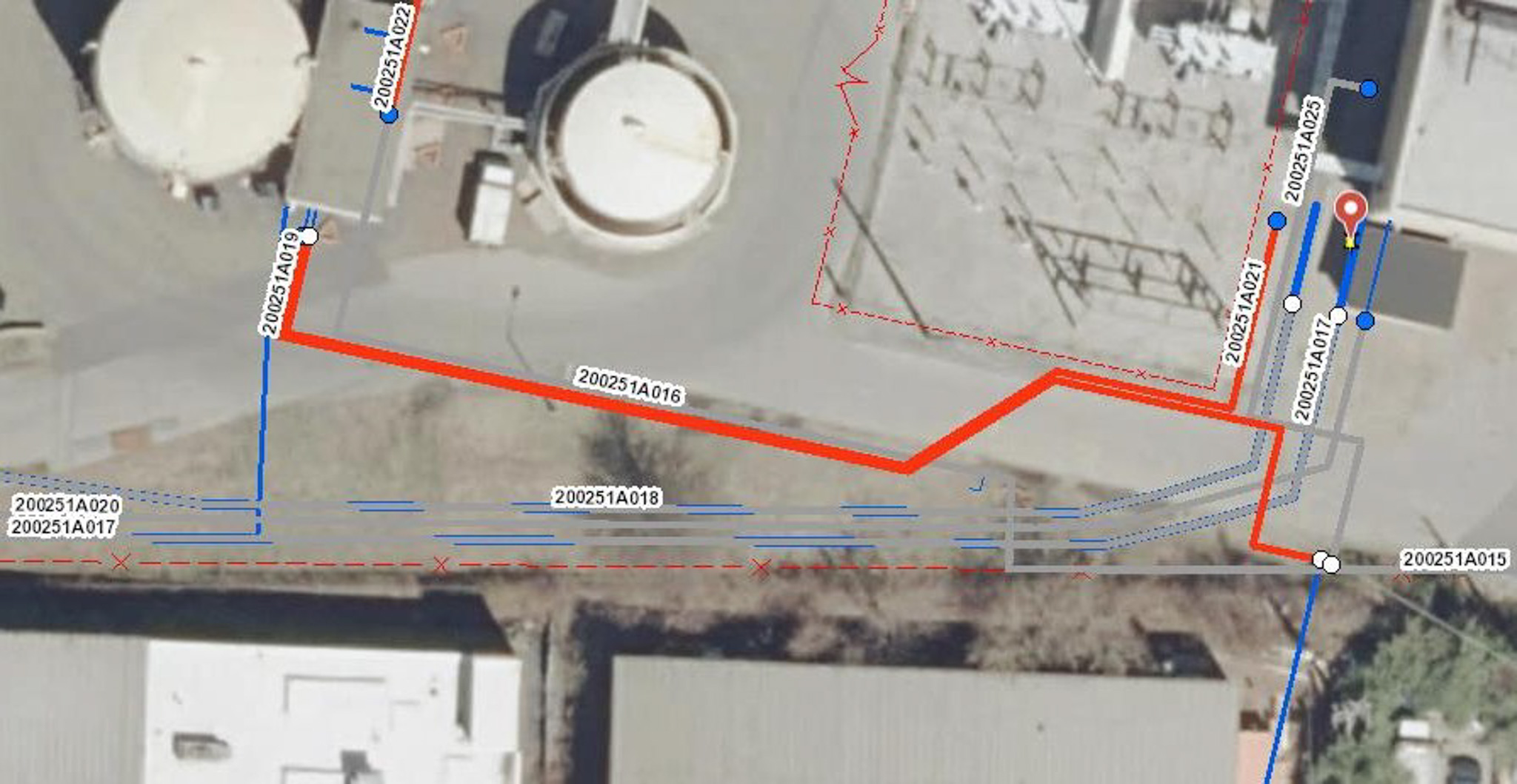
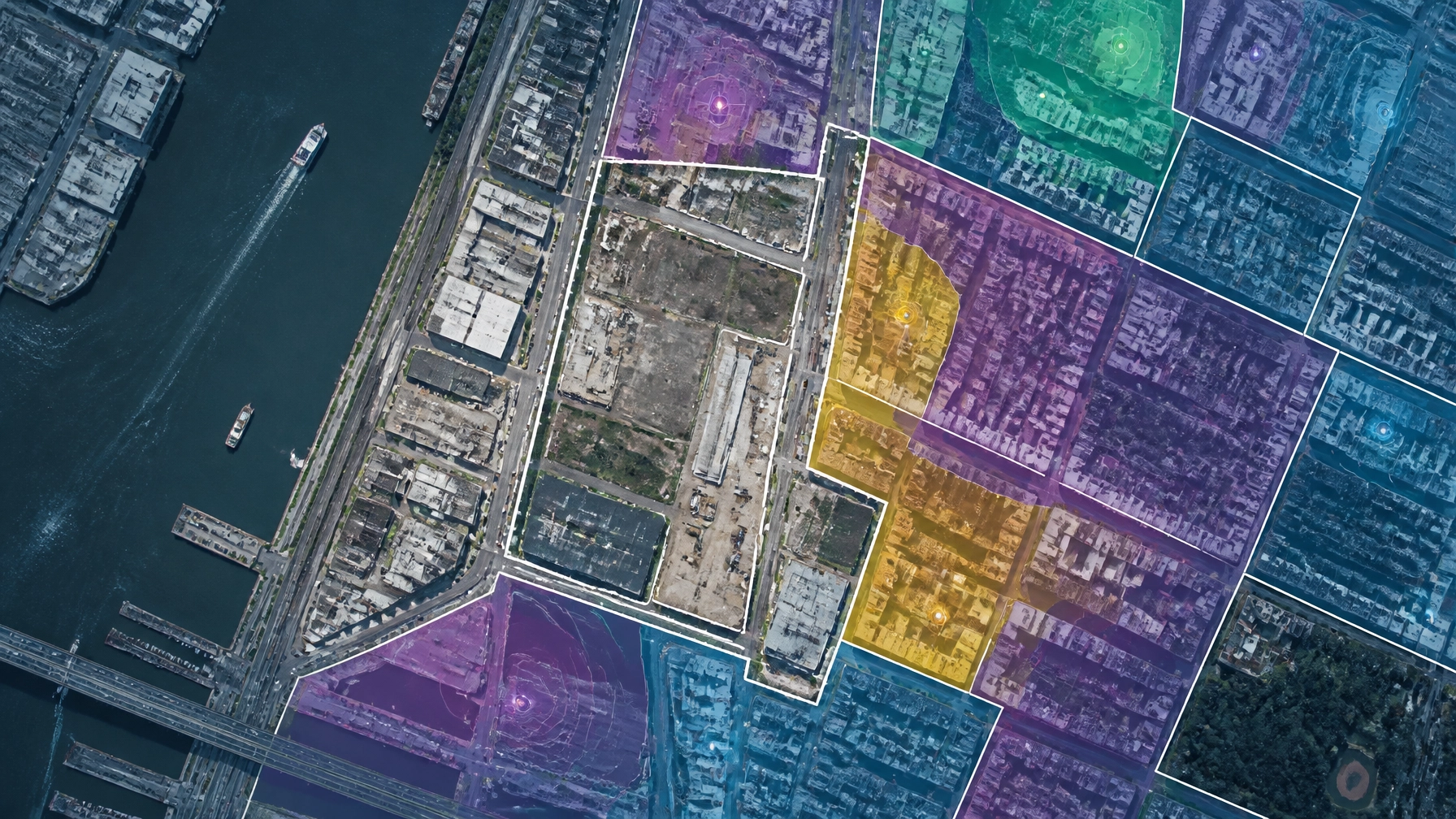
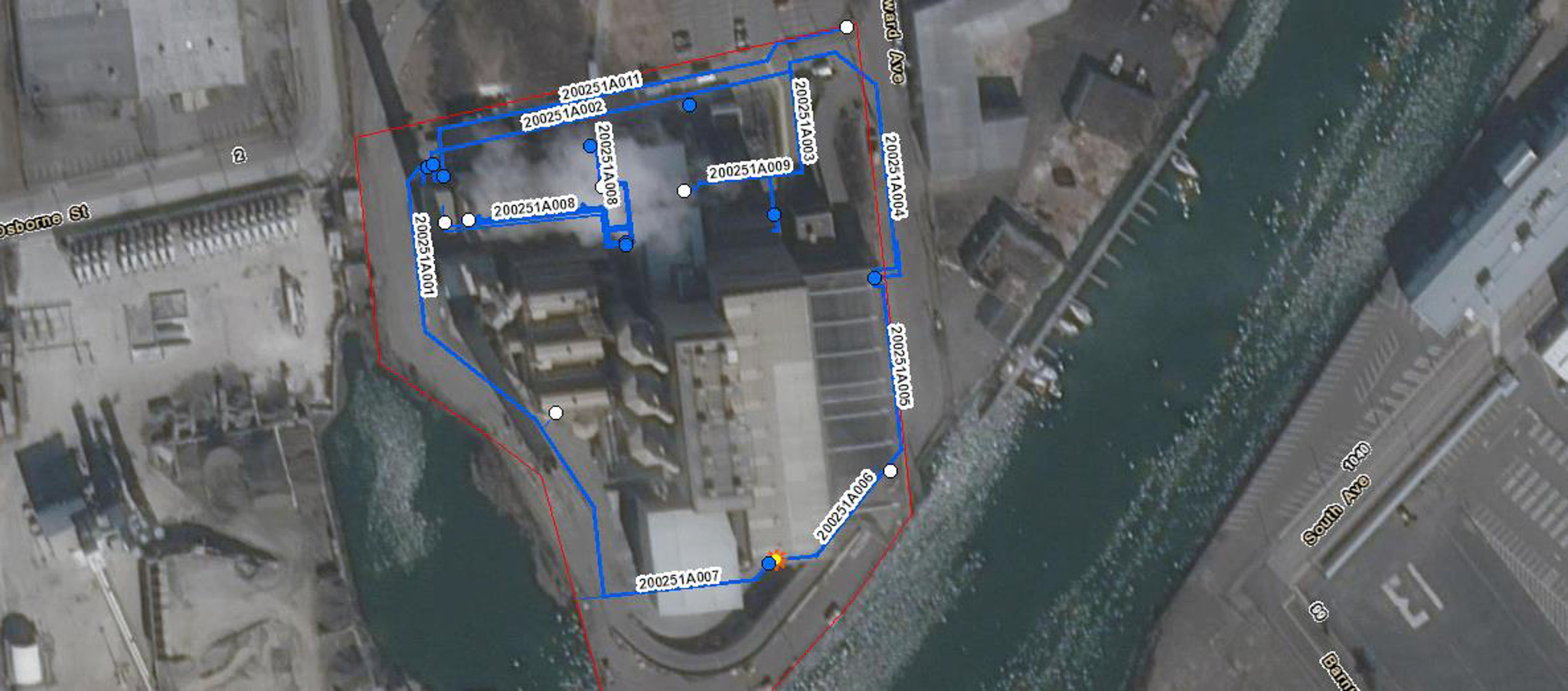
    Aerial site map overlay showing subsurface utility and pipeline routes in red, blue, and gray


    Decoding the Inventory and Replacement Mandates

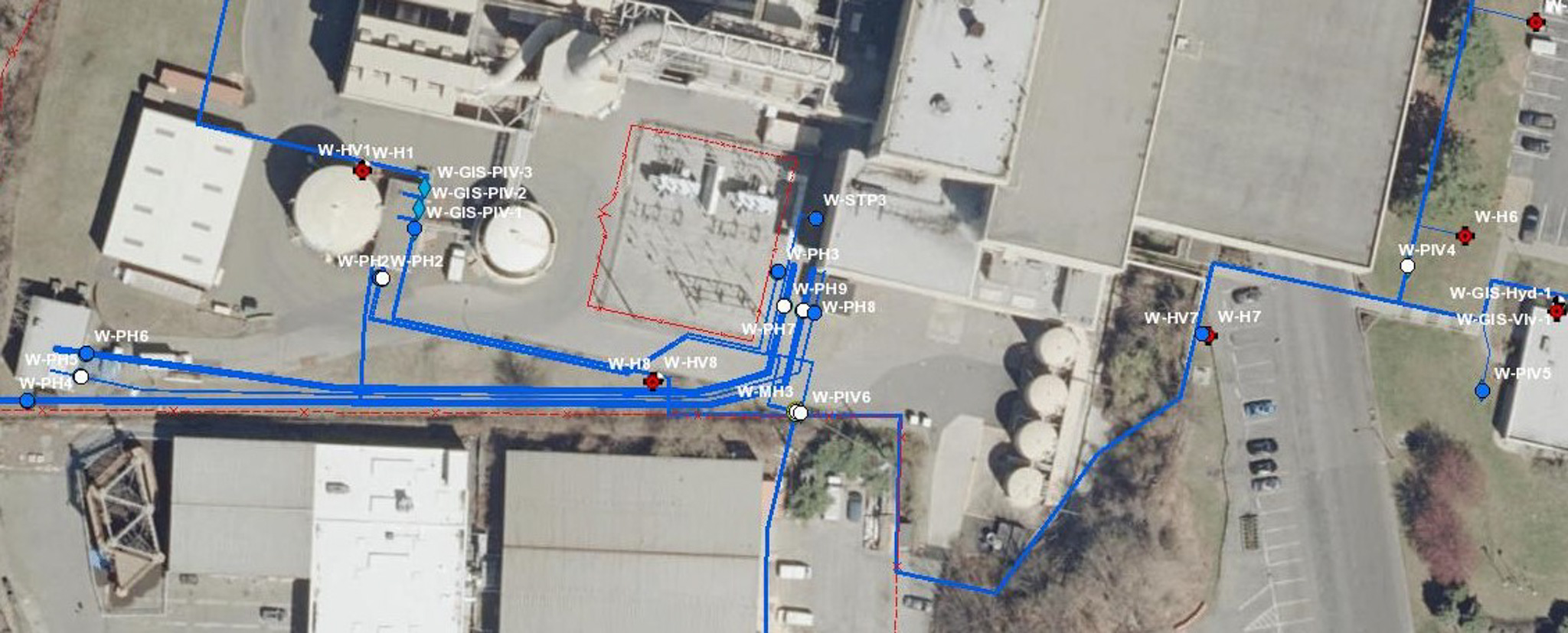
    One of the most consequential aspects of the proposal centers on lead service line (LSL) inventories and replacement strategies. Under the framework, utilities and municipalities must maintain comprehensive, publicly accessible records.

    When records are incomplete, the burden of proof falls entirely on the system owner. If an old connection card or historical utility map leaves a service line status as "unknown," the state treats it as lead. This classification instantly inflates compliance metrics, skews consumer confidence reports (CCRs), and triggers mandatory replacement planning.

    Furthermore, the state's overarching objective remains anchored to New Jersey's 2031 lead service line replacement deadline. To hit this target without blowing municipal budgets, systems must implement structured, annual replacement rates paired with vulnerability-based prioritization.

    "Collaboration is not a buzzword: it's how we work. When regulatory changes threaten your development timeline or municipal compliance, you need a field-first partner who sits at the table, not behind a queue."


    Expanding Reach: Schools, Childcare, and Public Communication

    The February 2026 proposal closes historical gaps by targeting sensitive receptors. While public schools follow Department of Education testing schedules, community water systems must now provide annual lead testing at schools and childcare facilities not already covered by DOE or DCF oversight.

    Simultaneously, public notification requirements have accelerated dramatically:

    • Three-Day Notice: If a home’s tap sample reveals elevated lead, the customer must be formally notified within three business days.
    • Expanded CCR Disclosures: Inventories must be presented in plain language that average property owners can actually understand, supported by strict language-access and translation rules.
    • Milestone Tracking: Utilities must keep customers informed throughout every stage of scheduled service line replacements, eliminating the black box of municipal utility coordination.

    The Big-Box Consultant Blind Spot vs. The Envicon Approach

    When major regulatory revisions hit New Jersey, large national engineering firms often default to a predictable playbook: they deliver massive, defensive reports written to protect the consultant rather than clear a path for the client. They assign junior staff to pore over historical GIS records, apply generic templates designed for entirely different geographic markets, and leave your team to wrestle with NJDEP reviewers.

    That approach results in scope creep, bloated budgets, and stalled projects.

    At Envicon Group, our approach is built on 20 years of direct, regional fluency in New Jersey and New York jurisdictions. We sit directly at the table with state regulators: not behind an administrative queue.

    When you partner with Envicon for environmental due diligence, site characterization, and infrastructure compliance, you get:

    • Hands-on Leadership: Direct coordination and proactive problem-solving from seasoned professional engineers (PEs) from the first call through project close.
    • Proprietary Technology Integration: Real-time project reporting dashboards that give you full visibility into schedule, budget, deliverable status, and field sampling activity.
    • Actionable Outcomes: We don't hand you a compliance report and walk away. We deliver cleared paths, verified utility records, and strategic remediation plans that protect your capital and accelerate your closing or construction start.

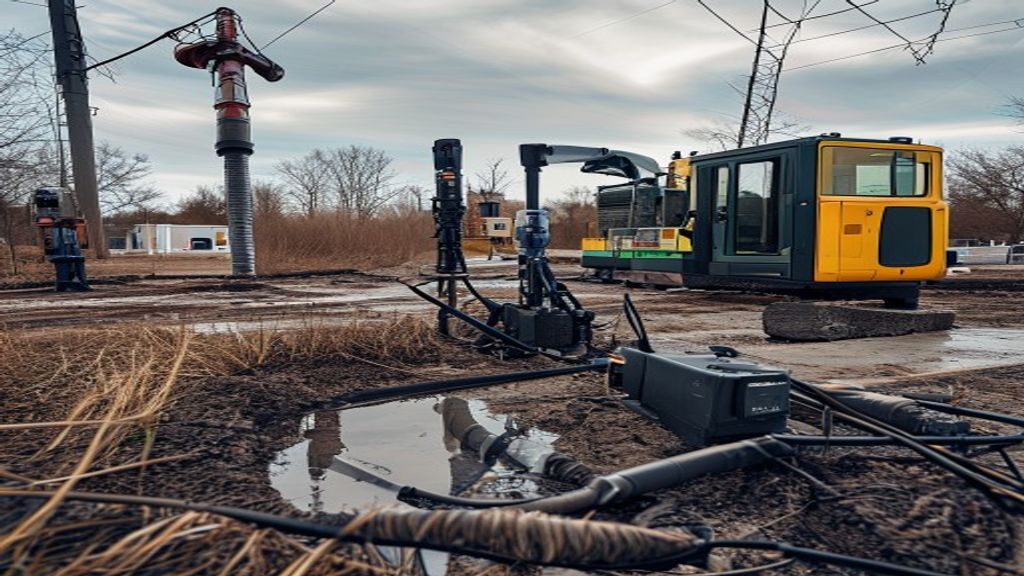
    Geotechnical and environmental site investigation with track-mounted drill rig and field personnel


    Practical Action Items for NJ Utilities, Municipalities, and Developers

    To stay ahead of the pending adoption of N.J.A.C. 7:10 amendments, stakeholders must take proactive steps immediately:

    1. Audit Your Inventory Now: Review existing service line databases to identify every "unknown" classification. Every unverified line is an administrative liability.
    2. Upgrade Sampling Protocols: Ensure field teams are prepared for dual first-draw and fifth-liter sampling requirements to prevent sudden compliance violations.
    3. Align With Local Regulators: Establish direct lines of communication with NJDEP reviewers to clarify corrosion control parameters and remediation milestones before formal notices arrive.
    4. Engage Technical Experts: Partner with an experienced, field-first environmental and civil engineering team that understands regional utility networks inside and out.

    Summary and Takeaway

    The NJDEP’s February 2026 proposed amendments to the Safe Drinking Water Act represent a permanent raising of the bar for water quality and infrastructure accountability in New Jersey. Meeting these standards requires more than administrative compliance: it demands rigorous field investigation, transparent data management, and uncompromised engineering integrity.

    We do not just deliver services: we help transform underused and complex sites into compliant, thriving assets. Let us remove the obstacles between your project and a fully cleared, buildable future.


    Ready to Secure Your Site and Streamline Compliance?

    Don't let evolving regulations stall your next acquisition, municipal project, or development milestone. Connect with our engineering team today:

    Envicon Group Logo

  • Phase II Site Investigation: Precision vs. ‘Fishing Expeditions’

    Phase II Site Investigation: Precision vs. ‘Fishing Expeditions’

    You just received your Phase I Environmental Site Assessment (ESA). The report identifies three Recognized Environmental Conditions (RECs): a former underground storage tank (UST), a historical floor drain in the warehouse, and some suspicious "historic fill" along the property line.

    Now comes the fork in the road.

    You can hire a big-box national firm that will send a junior staffer to "grid out" your site and punch twenty holes in the ground just to see what sticks. Or, you can hire a firm that treats your site like an engineering puzzle to be solved.

    In the industry, we call the first option a "fishing expedition." It’s expensive, it’s defensive, and it usually ends with a report that asks for: you guessed it: more reports. At Envicon Group, we focus on targeted soil sampling and technical precision. We don't just "fish" for contamination; we map it, bound it, and give you a path to clear it.

    The High Cost of "Drill and Hope"

    A Phase II environmental site assessment NJ is not a generic service. It is a surgical strike.

    When a consultant lacks a deep technical understanding of the NJDEP Technical Requirements for Site Remediation (N.J.A.C. 7:26E), they default to "the grid." They figure if they drill enough holes, they’ll eventually hit the plume.

    Here’s the problem: every unnecessary boring is a line item on your invoice. Every "hit" that isn't properly characterized leads to broader (and often unnecessary) delineation. Worse, if they miss the source area because they weren't looking at the site’s specific hydrogeology, your lender is going to flag the report, and your project stalls.

    Precision vs. Proximity: The Targeted Soil Sampling Approach

    A "cleared path" starts with a Conceptual Site Model (CSM). Before a Geoprobe even touches the asphalt, we need to know:

    • What are the Chemicals of Concern (COCs)? (Is it chlorinated solvents from an old dry cleaner or heavy metals in the fill?)
    • Where is the "source" vs. the "migrated plume"?
    • How does the soil strata: the sand, silt, and clay layers beneath your feet: dictate where that contamination lives?

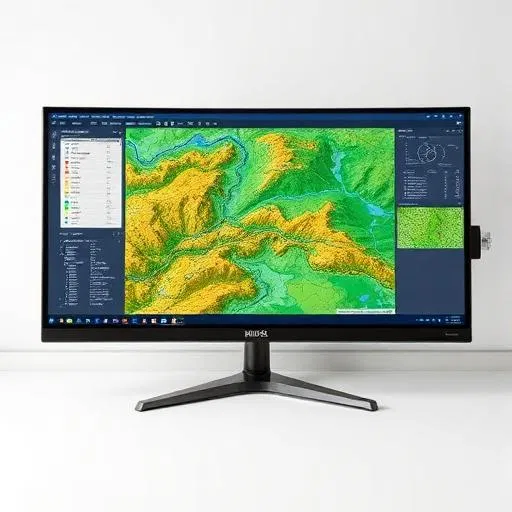
    Widescreen monitor displaying detailed topographic and geospatial data analysis with 3D terrain modeling and GIS layers

    By using High-Resolution Site Characterization (HRSC), we use real-time field data to adjust our borings on the fly. If we hit a lens of impacted soil at 8 feet, we don’t just stop and wait for lab results. We step out, we delineate, and we find the boundary right then and there. This is the difference between a one-and-done mobilization and a project that drags on for six months of "re-sampling."

    The Tech Stack: GIS and 3D Plume Mapping

    The "old way" of doing a Phase II involved a thick binder of black-and-white soil boring logs that only an engineer could love.

    At Envicon, we integrate our field data into a digital infrastructure. We use GIS mapping and 3D modeling to visualize exactly where the impacts are.

    • For the Developer: You can see exactly how much dirt needs to be moved.
    • For the Attorney: You have a defensible, data-backed visual for liability discussions.
    • For the Regulator: Whether it’s the NJDEP or NYC OER, a clear, technical visualization speeds up the review process.

    Technical 3D groundwater plume model showing subsurface contaminant distribution over an urban site plan, professional engineering software aesthetic.

    Why NJDEP Requirements Demand Technical Depth

    New Jersey is one of the most strictly regulated states in the country. If your site is subject to ISRA (Industrial Site Recovery Act) or you're working with an LSRP (Licensed Site Remediation Professional), a "fishing expedition" isn't just a waste of money: it's a regulatory risk.

    The NJDEP doesn't want "maybe." They want a Remedial Investigation Report (RIR) that proves you have fully delineated the site. Big-box firms often deliver defensive, bloated reports written to protect the consultant's liability. We deliver documentation that holds up under scrutiny because it’s built on technical site characterization, not guesswork.

    "Collaboration is not a buzzword: it's how we work. We don't just deliver a report and walk away; we give you the technical roadmap to get that 'No Further Action' letter." : Jason Pancoast, CEO, Envicon Group.

    Beyond the Soil: Groundwater and Vapor Intrusion

    A Phase II often expands into groundwater sampling and vapor intrusion (VI) testing. This is where the technical "wheat" is separated from the "chaff."

    Groundwater doesn't just sit there; it flows. If your consultant doesn't understand the hydraulic gradient of your specific Hudson County or NYC lot, they’ll put your monitoring wells in the wrong place. You'll end up chasing a plume that isn't even yours, or missing a source area that will bite you during construction.

    Field technicians at work site conducting site work using chains and heated metal, illustrating hands-on site assessment and remediation

    Summary: Precision Saves Projects

    When you’re looking at a site for acquisition or redevelopment, the Phase II is your most critical piece of due diligence.

    • Stop the "Fishing": Demand a scope that maps borings directly to Phase I RECs.
    • Demand Data Transparency: Ask for real-time dashboards, not just monthly PDFs.
    • Know Your Regulator: Hire a firm that knows the reviewer’s name and the specific quirks of the NJDEP LSRP Guide.

    At Envicon, we believe integrity is about delivering the truth and never cutting corners. We use our 20 years of experience to solve the complex stuff so you can get back to building.


    Takeaway Checklist for your Phase II:

    • Targeted vs. Grid: Are the borings placed based on RECs or a random pattern?
    • Field Screening: Is the consultant using PID or XRF tools to make real-time decisions?
    • LSRP Involvement: Is a licensed professional overseeing the work plan, or a junior staffer?
    • Tech Integration: Will you get a 3D model of the contamination or just a list of numbers?

    Ready to clear the path for your next project? At Envicon Group, we don’t just deliver reports: we deliver outcomes. Contact us today to discuss your site’s specific challenges.

    Envicon Strategic Solutions logo - MAIN

  • NYC OER E-Designation Removal: The Manual They Didn’t Give You

    NYC OER E-Designation Removal: The Manual They Didn’t Give You

    If you’re a developer in New York City, you know the "E." It’s that little letter on the CEQR E-designation map NYC that can bring a multi-million dollar project to a screeching halt before you’ve even moved a yard of dirt.

    The E-designation is essentially a regulatory placeholder. It tells the city that your site has potential issues with hazardous materials, air quality, or noise. Until those issues are addressed through the New York City Office of Environmental Remediation (OER), the Department of Buildings (DOB) isn’t giving you a permit, and you’re definitely not getting a Certificate of Occupancy (CO).

    Most consultants treat the NYC OER E-designation removal process like a series of checkboxes. They hand you a report and walk away. But at Envicon, we know that a report isn’t the goal: a cleared path to construction is.

    Here is the manual they didn’t give you on how to actually navigate the E-designation maze without losing six months of carry costs.

    The Taxonomy of the "E"

    Before you can remove it, you need to understand what you’re fighting. An E-designation typically falls into three categories:

    1. Hazardous Materials: Soil, groundwater, or vapor contamination from past industrial uses.
    2. Air Quality: Requirements for specific boiler fuel types or stack locations to prevent local pollution.
    3. Noise: Requirements for specific window/wall attenuation to ensure residents aren't living in a drum.

    Often, a site has all three. Handling them in silos is the first mistake developers make. You need an integrated strategy that addresses all environmental and civil engineering challenges simultaneously.

    Screening soil for NYC OER hazardous materials E-designation removal

    Step 1: The Investigation (RIR)

    The process starts with a Phase I Environmental Site Assessment. If the Phase I flags issues, you move to the Remedial Investigation.

    The Remedial Investigation Report (RIR) OER requirements are specific. You aren't just "sampling soil." You are characterizing the entire subsurface profile: soil, groundwater, and soil vapor.

    • The Pro Tip: Don't just do the bare minimum. If you miss a "hot spot" now, it will haunt you during excavation when you’re hit with a $500k disposal surprise. We use high-resolution site characterization to map plumes with surgical precision.

    Step 2: The Action Plan (RAWP/RAP)

    Once OER reviews your RIR, you submit a Remedial Action Work Plan (RAWP). This is your roadmap for cleanup. It details how you will handle excavation, what kind of vapor barrier you’ll install, and how you’ll protect the community during construction.

    For OER noise E-designation compliance and air quality, you’ll submit separate Remedial Action Plans (RAPs). These include architectural elevations and mechanical specs.

    • The Bottleneck: This is where projects often stall. Big-box firms send these plans into a "black box" and wait. We don’t wait. We have 20 years of direct relationships with OER reviewers. We sit at the table to resolve comments in days, not months.

    Step 3: The Notice to Proceed (NTP)

    The NTP is the holy grail of the pre-construction phase. Once OER approves your RAWP and RAPs, they issue this letter to the DOB. This is the key that unlocks your building permits. Without an NTP, your shovels stay clean.

    Technical detail of a vapor barrier for NYC OER compliance

    Step 4: Construction and Oversight

    During construction, you are in "implementation mode." This involves:

    • Soil Management: Tracking every ton of soil leaving the site.
    • Air Monitoring: Ensuring dust and vapors aren't leaving the site perimeter (CAMP).
    • Engineering Controls: Installing the vapor barrier, sub-slab depressurization systems, or high-attenuation windows.

    Most firms deliver a PDF report at the end of the month. We think that’s useless. Through our digital solutions, we provide real-time dashboards. You can see your project milestones, air monitoring data, and budget status in real-time. Transparency isn't a luxury; it's a project management requirement.

    Step 5: The Finish Line (RAR and NOS)

    Once the work is done, you submit a Remedial Closure Report (RCR) or Remedial Action Report (RAR). This documents that you did exactly what you said you would do in the RAWP.

    Following the NYC OER Notice of Completion steps, OER will review your closure report and installation reports for noise and air. If everything is compliant, they issue a Notice of Satisfaction (NOS).

    • Why it matters: You need the NOS to get your final Certificate of Occupancy. If your consultant botched the documentation during construction, you might find yourself ripping open walls to prove a vapor barrier was installed. We ensure the documentation is bulletproof from day one.

    Real-time NYC OER compliance dashboard

    Step 6: Official Removal from Zoning

    The NOS clears the way for the DOB, but the "E" still technically exists on the tax lot. To formally remove it, the OER transmits the final NOS to the Department of City Planning (DCP). Only then is the E-designation scrubbed from the Zoning Resolution.

    Removal is typically granted when:

    • The site is built out to its full potential.
    • Hazardous materials are cleaned to a level that doesn't require active engineering controls (like a motor-driven vapor system).
    • All air and noise requirements are fully satisfied.

    Why Envicon?

    Big national firms treat NYC OER projects like a cookie-cutter exercise. They apply a global playbook to a local problem. We don’t. We know that in New York, the person writing the report needs to be the person who knows your reviewer by name.

    We don’t just give you a report and leave you to figure out what it means. We give you value-add work that moves the needle. From compliance permit matrices to real-time field data, we remove the obstacles between you and a buildable site.

    Acoustic window assembly for noise E-designation compliance

    Summary Takeaways:

    • Don't wait: Start your Phase I and RIR as soon as you have site access.
    • Integrate: Address Hazmat, Air, and Noise as a single engineering challenge.
    • Demand Transparency: If you don't have real-time visibility into your OER status, you're at risk.
    • Focus on the NOS: The goal isn't the investigation; it's the Notice of Satisfaction.

    Ready to clear the path for your next project? At Envicon Group, we don’t just deliver reports: we deliver outcomes. Contact us today to discuss your site’s specific challenges.

    Envicon Strategic Solutions logo - MAIN

  • Disadvantaged Community Mapping: How the Updated NY EAFs Change Your Due Diligence

    Disadvantaged Community Mapping: How the Updated NY EAFs Change Your Due Diligence

    If you are a developer in New York, your "to-do" list just got a lot more complicated. For years, environmental justice was often treated as a peripheral concern: a checkbox on a long list of regulatory requirements. That era is officially over.

    With the implementation of the Climate Leadership and Community Protection Act (CLCPA) and the Environmental Justice Siting Law, the New York State Department of Environmental Conservation (DEC) has fundamentally changed how projects are screened. Specifically, the updated Environmental Assessment Forms (EAFs) now mandate a deep dive into how your project impacts "Disadvantaged Communities" (DACs).

    Missing this during initial due diligence isn't just a paperwork error; it’s a project killer. It leads to the "EIS Trap": where a project that should have been a simple Negative Declaration gets sucked into a multi-year Environmental Impact Statement (EIS) process.

    At Envicon Group, we don’t just write reports; we clear paths. Here is what you need to know about the new DAC mapping requirements and how to keep your project moving.

    The Regulatory Shift: Why the Map Matters Now

    The New York DEC has amended its State Environmental Quality Review Act (SEQRA) regulations to ensure that no community bears a disproportionate share of pollution. The mandate is clear: agencies must evaluate whether a proposed action imposes or exacerbates disproportionate burdens on DACs.

    To make this happen, the DEC updated both the Short EAF and Full EAF. These forms now include specific triggers that require you to identify if your site is within or near a designated Disadvantaged Community.

    "Integrity is not just ethical behavior: it is about delivering the truth and never cutting corners." : This is the lens through which regulators are now viewing SEQRA submittals. If you gloss over the DAC analysis, you are inviting a delay that could last years.

    What Defines a "Disadvantaged Community"?

    The Climate Justice Working Group (CJWG) finalized the criteria for DACs in early 2023. These aren't just arbitrary lines on a map. They are based on 45 different indicators, including environmental burdens (like proximity to waste sites) and population vulnerabilities (like health and income levels).

    Professional engineering desk with SEQRA forms and a tablet showing a technical GIS map

    The Toolkit: Navigating DACAT and the NYSERDA Maps

    You can’t guess where these communities are. You need to use the specific tools the state has authorized. If your consultant is still relying on old maps, your Phase I Environmental Site Assessment is already out of date.

    1. NYSERDA DAC Interactive Map: This is your primary source for checking an address. It allows you to enter a project location and instantly see if it falls within a DAC census tract.
    2. DECinfo Locator: This GIS tool includes layers for both DACs and Potential Environmental Justice Areas (PEJAs). It’s essential for visualizing the project’s footprint relative to these boundaries.
    3. DACAT (Disadvantaged Community Assessment Tool): This is the DEC’s screening tool. It helps lead agencies (and developers) assess "disproportionality."

    Using these tools correctly is the difference between a project that gets approved and one that sits in a reviewer's queue for six months. At Envicon, we integrate these GIS analyses into our digital solutions and initial site screenings from day one.

    The "Big Firm" Risk: Why Junior Staff Can't Solve This

    When you hire a large national firm, they often apply a cookie-cutter playbook designed for any market to your NYC or NJ project. They might hand you a report that lists the DAC status but doesn't explain what it means for your project timeline.

    At a national firm, regulatory coordination is a black box. You don’t know who’s talking to your reviewer at the NYC OER or NYSDEC.

    Envicon is different. We are field-first and regulator-facing. We don't just hand you a report; we sit at the table with the agencies. We know the reviewers by name, and we understand how they interpret the DACAT outputs. While big firms write defensive, bloated reports to protect themselves, we produce clean documentation that holds up under scrutiny and actually gets you to the next step.

    A widescreen monitor displaying 3D terrain modeling and GIS layers for site-civil planning

    Avoiding the SEQRA Delay: Screening During Due Diligence

    The biggest mistake developers make is waiting until the EAF is drafted to look at the DAC map. By then, you’ve already committed to a design, a budget, and a closing date.

    If the DACAT screening shows a potential disproportionate burden, the lead agency may determine that the project has a significant environmental impact. This triggers a "Positive Declaration," requiring a full Environmental Impact Statement.

    An EIS can add 18 to 24 months to your schedule and hundreds of thousands of dollars to your budget.

    By screening for these communities during the site development and due diligence phase, you can:

    • Modify the Site Plan: Adjust grading, drainage, or utility design to mitigate impacts before they become "significant."
    • Proactive Community Engagement: Start conversations with the community early, rather than being forced into a defensive posture later.
    • Accurate Cost Estimation: If remediation or mitigation is required to meet EJ standards, you need to know those costs before you close on the property. Use our Cost Estimator Tool to get ahead of these variables.

    Action Steps for New York Developers

    If you are looking at a new acquisition or moving into the permitting phase of an existing project, here is your playbook:

    • Confirm DAC Status Immediately: Don’t wait. Check the NYSERDA DAC map today.
    • Run the DACAT Screening: Have your engineer run the Disadvantaged Community Assessment Tool to see how your project "scores" on pollution burden indicators.
    • Review Your EAF Drafts: Ensure Part 1 of your Full EAF accurately reflects the DAC data. Inaccuracies here are the #1 cause of compliance delays.
    • Leverage Local Expertise: Work with a firm that has 20 years of direct agency relationships in NY and NJ. We understand the regional fluency required to navigate OER, NYSDEC, and NJDEP.

    Active brownfield remediation site with an engineer's core sample box in the foreground

    The Envicon Resolution

    We take ownership at every phase. Whether it's securing permits, coordinating subcontractors, or resolving field challenges, we take full responsibility for outcomes. We believe in doing the work right, standing behind our word, and keeping projects moving.

    Every week of delay incurs carrying costs and tests lender patience. Don't let an updated map stall your project. Let us provide the "cleared path" you need to transform an underutilized site into a buildable asset.

    High-vis safety vest and hard hat on site blueprints beside a smartphone dashboard

    Summary & Takeaways

    • Regulatory Change: NY EAFs now require mandatory screening for impacts on Disadvantaged Communities (DACs).
    • The Goal: Prevent disproportionate pollution burdens in vulnerable areas as mandated by the CLCPA.
    • The Risk: Failing to address DAC mapping early can trigger a mandatory and costly Environmental Impact Statement (EIS).
    • The Tools: Developers must use the NYSERDA DAC map, DECinfo Locator, and the DACAT screening tool.
    • The Strategy: Integrate EJ screening into the earliest stages of due diligence to avoid delays and unforeseen costs.

    Move Your Project Forward

    Don't let regulatory hurdles stand between you and a buildable site. Our team is ready to help you navigate the new DAC mapping requirements with precision and urgency.

    Envicon Group Logo

  • NYSDEC SEQR Part 617 Just Got a Major Overhaul: What Developers Need to Know About Environmental Justice and Climate Risk

    NYSDEC SEQR Part 617 Just Got a Major Overhaul: What Developers Need to Know About Environmental Justice and Climate Risk

    If you are operating in the New York real estate market, the regulatory landscape just shifted beneath your feet. As of June 12, 2026, the New York State Department of Environmental Conservation (NYSDEC) has officially enacted sweeping amendments to 6 NYCRR Part 617, better known as the State Environmental Quality Review (SEQR) regulations.

    This is not a minor administrative update. It is a fundamental rewriting of how project impacts are measured, particularly concerning Environmental Justice (EJ) and Physical Climate Risk. For developers, property investors, and attorneys, this means the "business as usual" approach to Environmental Assessment Forms (EAFs) is dead. If your consultant is still using last year's playbook, your project is already at risk of a "Positive Declaration" and the costly, multi-year delays that come with a full Environmental Impact Statement (EIS).

    The New Standard: Disproportionate Pollution Burden

    The headline change in the 2026 amendments is the mandatory evaluation of an action’s impact on Disadvantaged Communities (DACs). Under the updated 6 NYCRR § 617.7(c), lead agencies must now explicitly determine whether a proposed action may cause or increase a "disproportionate pollution burden" on these communities.

    In the past, environmental justice was often a secondary consideration or a checkbox. Now, it is a primary criterion for determining significance. The regulations define "pollution burden" and "disproportionate pollution burden" with technical specificity, requiring a deep dive into existing local conditions before a single shovel hits the ground.

    What is a Disadvantaged Community (DAC)?

    A DAC is a geographic area identified by the Climate Justice Working Group based on criteria including income, pollution exposure, and systemic vulnerabilities. The updated EAFs now require you to disclose:

    • Whether your project site is located within a DAC.
    • Whether your project is within a 0.5-mile radius of a DAC.
    • Potential impacts from noise, air emissions, and waste generation that could affect these populations.

    Technical high-resolution close-up of a geotechnical soil boring log and core sample trays

    The Tool You Can’t Ignore: DACAT

    To navigate these new requirements, the NYSDEC has introduced the Disadvantaged Community Assessment Tool (DACAT). This GIS-based screening tool is now the gold standard for project planning. It maps every census tract in the state, flagging those with high vulnerability.

    At Envicon, we don’t just "run a search" on DACAT. we integrate this data into our site development planning from day one. If your project sits near a DAC, the lead agency: whether it’s the NYC OER, NYSDEC, or a local planning board: will be looking for a proactive mitigation strategy. Waiting for them to flag the issue during the comment period is a recipe for a project-killing delay.

    Climate Risk: Resiliency is No Longer Optional

    The 2026 overhaul also operationalizes the Community Risk and Resiliency Act (CRRA) within the SEQR framework. The updated Full EAF now demands hard data on physical climate risks. This includes:

    • Flood Vulnerability: You must assess the project’s exposure to 100-year and 500-year flood events.
    • Sea-Level Rise: For coastal projects, projections for sea-level rise must be factored into the design and the environmental review.
    • GHG Emissions: Mandatory disclosure of annual direct and indirect greenhouse gas emissions.

    The goal is clear: the state wants to ensure that new developments do not increase the vulnerability of human or ecological communities to climate-driven hazards. This requires more than a standard Phase I or Phase II ESA; it requires integrated civil engineering and environmental foresight.

    A detailed civil engineering site grading and drainage plan focusing on stormwater management systems

    The Cost of the "Big Firm" Approach

    Many developers rely on large, national consulting firms for their SEQR filings. Under these new rules, that approach is a liability.

    National firms often apply a "cookie-cutter" playbook designed for a generic market. They hand off the complex DACAT analysis and climate risk modeling to junior staff who have never set foot on a New York City job site. The result? Bloated, defensive reports that are written to protect the consultant’s liability rather than move your project forward.

    "The firm you hired doesn't know your regulator's reviewer by name. They are writing a report for CYA, not for a path to closure. You’re paying big-firm overhead for junior-staff execution."

    When a lead agency sees a generic EJ analysis that misses the nuances of a specific Brooklyn or Hudson County neighborhood, they don't just ask questions: they issue a Positive Declaration. That triggers the EIS process, adding hundreds of thousands of dollars in carrying costs and years to your timeline.

    How Envicon Clears the Path

    At Envicon Group, we operate differently. We are a PE-led, field-first firm. When you call us, you aren't talking to a project manager who is reading notes from a technician; you are talking to the engineers who are designing your stormwater management systems and navigating the NYSDEC regulatory hurdles.

    For the new Part 617 requirements, we provide:

    1. Precision Screening: We use DACAT and proprietary GIS layers to identify EJ risks before you even close on a property.
    2. Integrated Engineering: We don't just report on flood risks; we design the civil solutions: grading, drainage, and barriers: that mitigate those risks and satisfy the lead agency.
    3. Regulator Fluency: We sit at the table with NYC OER, NYSDEC, and NJ DEP every day. We know how they interpret "disproportionate burden" because we speak their language.

    An advanced environmental monitoring station with air quality sensors and noise decibel meters

    Takeaway: Don’t Get Caught in the Transition

    The NYSDEC statewide notice of adoption is clear: these rules are now the law of the land. If your project has not yet received a determination of significance and an accepted DEIS, you are subject to the new Part 617 standards.

    Every week of delay in your environmental review incurs carrying costs and reduces lender patience. In a high-stakes market like NY/NJ, you cannot afford a consultant who is learning these rules on your dime.

    We don't sell reports. We sell cleared paths.

    Summary Checklist for Developers:

    • Verify your EAF version: Ensure your team is using the post-June 2026 forms.
    • Run DACAT early: Identify proximity to Disadvantaged Communities before finalizing your site plan.
    • Quantify GHG and Climate Risk: Move beyond qualitative descriptions to hard data on emissions and flood resiliency.
    • Audit your consultant: Are you getting a senior-level strategy or a junior-level template?

    A digital project management dashboard showing real-time site remediation progress and regulatory submittal statuses


    Ready to Navigate the New SEQR Requirements?

    Don't let regulatory updates stall your development. Get the precision and urgency your project deserves.

    Envicon Group Logo

  • NJDEP Finalizes GenX Groundwater Standards: What Developers Need to Know About the 0.02 µg/L Criterion

    NJDEP Finalizes GenX Groundwater Standards: What Developers Need to Know About the 0.02 µg/L Criterion

    The regulatory window for "voluntary" GenX assessment has officially closed. On June 15, 2026, the New Jersey Department of Environmental Protection (NJDEP) finalized the groundwater quality criterion for GenX: technically known as hexafluoropropylene oxide dimer acid (HFPO-DA) and its ammonium salt: at 0.02 µg/L.

    This is no longer an interim suggestion or a "to-watch" contaminant. It is an enforceable remediation standard. For developers, property owners, and lenders in the New Jersey market, this adoption triggers immediate shifts in how site investigations are conducted and how closure is achieved. If you are sitting on a project with "emerging contaminant" questions, the answers just became a lot more expensive and technically demanding.

    The New Metric: 20 Parts Per Trillion

    The finalized standard of 0.02 µg/L (20 parts per trillion) is exceptionally low. To put this in perspective, New Jersey’s standards for PFOA and PFOS are 0.014 µg/L and 0.013 µg/L, respectively. GenX is now in that same ultra-trace league.

    Accompanying this criterion is a Practical Quantitation Level (PQL) of 0.0075 µg/L. Because the PQL is lower than the 0.02 µg/L standard, the NJDEP expects laboratories to reliably detect and quantify GenX well below the cleanup threshold. This leaves zero margin for error in field sampling or laboratory selection.

    "The finalization of the 0.02 µg/L GenX standard moves New Jersey to the forefront of PFAS regulation, requiring a level of technical precision in the field that many national firms are simply not equipped to handle at scale."

    N.J.A.C. 7:26E: GenX as a "Standard" Analyte

    The most significant operational change comes through amendments to the Technical Requirements for Site Remediation (N.J.A.C. 7:26E).

    Previously, GenX was often treated as an elective analyte unless a specific industrial source was known. As of June 15, 2026, GenX is explicitly integrated into the mandatory quality assurance and contaminant testing requirements.

    Under N.J.A.C. 7:26E, GenX must now be evaluated and sampled at any site where contaminants are unknown or not well-documented. This means your Phase II Environmental Site Assessment (ESA) just got a new mandatory line item. If you are working through a Phase I ESA checklist, GenX is no longer a footnote; it is a primary concern for any site with a history of manufacturing, plastic processing, or fire-fighting foam use.

    Technical GIS monitor displaying groundwater plume modeling and PFAS concentration data.

    N.J.A.C. 7:26D: The Enforceable Remediation Standard

    While 7:26E dictates when you must look for it, N.J.A.C. 7:26D (Remediation Standards) dictates what you must do if you find it.

    By establishing the GenX Ground Water Quality Standard (GWQS) under N.J.A.C. 7:9C, the NJDEP has automatically made 0.02 µg/L the numeric cleanup level for Class II-A groundwater. If your site investigation reveals GenX at 0.021 µg/L, you have a triggered discharge that must be remediated.

    For developers, this impacts:

    • Soil Management: While GenX is a groundwater standard, its presence in soil can lead to "migration to groundwater" concerns that require soil remediation to protect the 0.02 µg/L threshold.
    • Permitting: Any dewatering activities during construction must now account for GenX levels to ensure compliance with discharge permits.
    • Lender Approval: Financing is increasingly contingent on "clean" PFAS results. A 100% lender approval rate: something we pride ourselves on: now requires navigating these specific GenX hurdles.

    The Practical Impact on Your Site Strategy

    If you are currently in the due diligence or remediation phase, you cannot afford to wait for the NJDEP to flag your submittal. The "wait and see" approach often results in re-mobilization, re-sampling, and months of carrying costs.

    1. Update Your Sampling Plans: If your current consultant is using a standard 8260/8270 scan, they are missing GenX. You need specialized PFAS sampling protocols: using PFAS-free materials: to avoid false positives that can stall a project for months.
    2. LSRP Coordination: Your Licensed Site Remediation Professional (LSRP) must now include GenX in the Receptor Evaluation and the overall Remedial Action Workplan (RAW).
    3. Risk Assessment: At 20 parts per trillion, background levels and cross-contamination are real risks. You need a team that understands the NJDEP's specific reviewer preferences to navigate these detections.

    High-precision LC-MS/MS laboratory equipment used for trace-level PFAS and GenX analysis.

    Why Envicon Group vs. The Big-Box Firms

    When a regulation like the June 15 GenX adoption hits, large national firms usually send out a generic PDF alert three weeks late. By then, your project might already have a non-compliant sampling plan in the field.

    At Envicon, we don't just read the regulations; we work directly with the reviewers at the NJDEP. We understand that GenX remediation isn't just about a report: it's about a buildable site.

    • No Black Boxes: In a large firm, regulatory coordination is a mystery. At Envicon, we pick up the phone. We know who is reviewing your project and what they expect to see regarding GenX.
    • Field-First Precision: We don't send junior staff to learn on your dime. Our team uses proprietary technology and field-tested protocols to ensure that 20 ppt doesn't become a multi-million dollar mistake.
    • Actionable Outcomes: We don't sell "Emerging Contaminant Studies." We sell cleared paths. If GenX is present, we provide the remedial design and cost estimation to fix it, not just a report that says you have a problem.

    Summary and Key Takeaways

    The June 15, 2026 adoption of the 0.02 µg/L GenX standard is a milestone in New Jersey's environmental landscape.

    • The Number: 0.02 µg/L (20 ppt) is the new enforceable ceiling for groundwater.
    • The Requirement: GenX is now a standard analyte for investigations under N.J.A.C. 7:26E.
    • The Risk: Even trace amounts can trigger mandatory remediation and stall financing.
    • The Solution: Proactive sampling, expert LSRP guidance, and a firm that knows the NJDEP landscape inside and out.

    Don't let a "forever chemical" create a forever delay on your project. Whether you are navigating a complex brownfield or conducting routine due diligence, you need a partner that treats your schedule with the same urgency you do.

    Engineering site plans and remediation reports on a professional workspace, symbolizing compliance.

    Next Steps for Your Project

    If you suspect GenX or other PFAS are a factor on your site, or if you need to update a pending investigation, contact us today.

    1. Call now: (917) 764-2171
    2. Book a free consultation: https://envicongroup.com/contact
    3. Cost estimator tool: https://envicongroup.com/cost-estimator

  • Fast-Track to Construction: How to Remove a NYC OER E-Designation

    Fast-Track to Construction: How to Remove a NYC OER E-Designation

    If you’re developing in New York City, an (E) Designation on your lot is the ultimate bottleneck. It’s a zoning marker that says your site has potential hazardous materials, air quality, or noise issues. Until it’s addressed, the Department of Buildings (DOB) won't hand over your permits.

    Most developers see an E-designation as a black box of delays. At Envicon, we see it as a checklist that needs a fast, precise response. We don’t just write reports to cover our backs; we write them to get your project moving.

    Here is the step-by-step reality of how to clear your path and remove a NYC OER E-Designation.

    Phase 1: The Paperwork Trap (Registration and EPIC)

    Before you even touch the soil, you have to talk to the Office of Environmental Remediation (OER). Everything flows through EPIC: OER’s online portal.

    1. Confirm the Designation: Check the NYC Zoning Resolution for your lot. Is it Hazmat, Air, Noise, or all three?
    2. Open the Project in EPIC: This is where most projects stall because the wrong information is uploaded. You need a Qualified Environmental Professional (QEP) and a New York-licensed Professional Engineer (PE) from day one.
    3. The Phase I ESA: OER needs a Phase I Environmental Site Assessment to identify "Recognized Environmental Conditions" (RECs). If you’re lucky, and the history is clean, you might avoid the next phase: but in NYC, that's rare.

    Phase 2: The Investigation (Phase II ESA)

    Soil Core Sample Analysis

    If the Phase I flags issues, you’re moving to a Phase II. This is the technical deep dive.

    • The Investigative Work Plan: You don’t just start drilling. You submit a Work Plan to OER for approval.
    • Subsurface Sampling: We hit the site to pull soil, groundwater, and soil vapor samples.
    • The RIR: We compile everything into a Remedial Investigation Report (RIR). This report tells OER exactly what’s in your dirt and what you need to do about it.

    Phase 3: The Roadmap to Permits (RAP and NTP)

    This is where the "Fast-Track" happens. You cannot get a building permit without an OER Notice to Proceed (NTP).

    1. The Remedial Action Plan (RAP): We design a plan to fix the issues: whether that’s excavating soil, installing a vapor barrier, or specialized window glass for noise.
    2. CHASP: You need a Construction Health and Safety Plan to ensure everyone on-site is protected.
    3. The NTP: Once OER approves the RAP, they issue the Notice to Proceed. You take this letter to the DOB, and your permits are released.

    Phase 4: Implementation and the "Golden Ticket"

    Engineers on a Cleared NYC Site

    While your crew is digging, we’re watching. Our field engineers are on-site to ensure the RAP is followed to the letter. We document everything: every ton of soil moved, every square foot of vapor barrier installed, and every window spec verified.

    • The Remedial Action Report (RAR): Once construction is done, we submit the final proof to OER.
    • Notice of Satisfaction (NOS): This is the goal. OER issues a Notice of Satisfaction confirming you’ve met the requirements. This allows the DOB to issue your Temporary Certificate of Occupancy (TCO) or Final CO.

    The Final Step: Formal Removal

    OER doesn't actually remove the "E" from the zoning map: the Department of City Planning (DCP) does. Once OER issues the Final Notice of Satisfaction for every lot in the designation, DCP administratively wipes the "E" from the record.

    Why Envicon?

    Big national firms hand your OER project to a junior staffer who’s never set foot in NYC. They write bloated reports that get bounced back with 50 comments, costing you weeks of carry costs.

    At Envicon, we know the OER reviewers by name. We understand the CEQR Technical Manual requirements because we work them every day. We don’t just deliver a report; we deliver a cleared site.

    Stop waiting on your consultant. Get your project moving. Contact Envicon today to clear your E-designation.

    Ready to move your site forward?

    Envicon Strategic Solutions logo - MAIN


    NJDEP Mandatory Timeframes: The Clock is Ticking on Your Remediation

    NJ Industrial Site Remediation

    In New Jersey, "I'll get to it eventually" is a recipe for a massive fine. The NJDEP doesn't care about your financing delays or contractor issues: they care about Mandatory Remediation Timeframes.

    The Hammer: SRRA and the LSRP

    Under the Site Remediation Reform Act (SRRA), the clock starts the moment a discharge is discovered. If you miss a deadline for a Preliminary Assessment (PA), Site Investigation (SI), or Remedial Investigation (RI), you are in immediate non-compliance.

    The Risk of Direct Oversight

    Miss a mandatory deadline, and you could lose control of your project. The NJDEP can place your site into Direct Oversight, meaning they: not your LSRP: dictate every move and every dollar spent.

    The Envicon Strategy

    We don’t just monitor deadlines; we beat them.

    • Proactive Scheduling: We map out your NJDEP LSRP schedule on day one.
    • Direct Agency Fluency: We know the NJDEP reviewers. We know what they need to see to keep a project moving.

    Don't let a missed date derail your development. Talk to an Envicon LSRP today.

    Ready to move your site forward?

    Envicon Strategic Solutions logo - MAIN


    ASTM E1527-21: Is Your Phase I ESA Already Outdated?

    Environmental Site Assessment Field Work

    The rules for due diligence changed. If your environmental firm is still using the old ASTM E1527-13 standard, your lender is going to flag it, and your project is going to stall.

    What's New in E1527-21?

    The new standard isn't just a formatting change; it’s a technical shift.

    • PFAS and Emerging Contaminants: While not yet "officially" hazardous substances under CERCLA during the standard's draft, the new update emphasizes evaluating these risks to protect your future liability.
    • Historical Research: The requirements for looking back at a site's history (adjoining properties, aerials, etc.) are now much stricter.
    • Shelf Life: A Phase I is now strictly valid for 180 days. Not a day more.

    The Envicon Edge: 48-Hour Capability

    We don't wait for the new standards to become "mandatory" to adopt them. We’ve been ASTM E1527-21 compliant since day one. Plus, we offer 48-hour turnarounds for high-stakes deals where timing is everything.

    Get a report that holds up. Request a Phase I ESA.

    Ready to move your site forward?

    Envicon Strategic Solutions logo - MAIN


    Unlocking Value: The Hudson County Brownfield Playbook

    Waterfront Redevelopment Site

    Hudson County: Jersey City, Hoboken, Bayonne: is the hottest market in NJ, but it’s built on industrial history. That history comes with a price: contamination.

    Turning Liability into Asset

    A "dirty" site is just a site that hasn't been cleared yet. The key to Hudson County development is leveraging Brownfield Incentives.

    • Hazardous Discharge Site Remediation Fund (HDSRF): We help public and private entities tap into state funding to offset investigation costs.
    • Tax Incremental Financing (TIF): We work with your legal team to ensure your remediation costs are factored into your project’s financial structure.

    Field-First Engineering

    We don’t sit in an office in another state. We are on the Jersey City waterfront daily. We know the soil strata, we know the groundwater levels, and we know how to design remediation strategies that work for these specific urban sites.

    Ready to build in Hudson County? Let's clear the path.

    Ready to move your site forward?

    Envicon Strategic Solutions logo - MAIN


    NYC OER vs. NYSDEC: Who Owns Your Cleanup?

    Regulatory Compliance Map

    One of the biggest headaches for NYC developers is the "Jurisdiction Jumble." Is your site under the NYC Office of Environmental Remediation (OER) or the NYS Department of Environmental Conservation (DEC)?

    The Differences Matter

    • OER (The E-Designation): Focuses on city zoning and development. They are built for speed and integration with the DOB.
    • DEC (The Brownfield Cleanup Program – BCP): Focuses on large-scale remediation and offers massive tax credits. It’s a longer, more rigorous process.

    The Overlap Danger

    If you enter the OER process but your site is actually a "Class 2" site under the DEC, you are going to waste six months and six figures in the wrong queue.

    The Envicon Solution

    We perform a Regulatory Analysis before we even sign a contract. We tell you which agency is the right fit for your project goals and your bottom line.

    Choose the right path. Contact Envicon.

    Ready to move your site forward?

    Envicon Strategic Solutions logo - MAIN


    Soil Management Plans: The Difference Between Profit and Waste

    Soil Excavation and Management

    In NYC and NJ, soil is your biggest variable cost. If you don't have a solid Soil Management Plan (SMP), you’re at the mercy of the disposal facilities.

    The Cost of Ignorance

    Loading a truck with "unknown" soil and sending it to a facility is a recipe for a rejection and a massive bill.

    • In-Situ Sampling: We sample the soil while it’s still in the ground. This allows us to pre-approve the soil for disposal before a single excavator arrives.
    • Reuse vs. Disposal: Why pay to dump soil if it can be reused on-site or at a nearby development? We find those opportunities.

    Our Tech: Real-Time Reporting

    We use proprietary project management tools that track every load of soil. You get a dashboard that shows you exactly how much soil has moved and what your remaining budget looks like.

    Optimize your dirt. Talk to our Soil Management experts.

    Ready to move your site forward?

    Envicon Strategic Solutions logo - MAIN


    Vapor Intrusion: The Invisible Threat to Your TCO

    Urban Remediation Site High-Rise

    You can clear the soil and the water, but if there are chemicals in the air beneath your slab, your project is dead in the water. Vapor Intrusion (VI) is now one of the top priorities for OER and NJDEP.

    Mitigation that Works

    We don't just recommend a generic "plastic sheet." We design custom Vapor Mitigation Systems (VMS):

    • Active vs. Passive Systems: Depending on the concentrations, you might need a Sub-Slab Depressurization System (SSDS) that actively pulls air out.
    • Vapor Barriers: We select the right chemical-resistant liners for your specific contaminants (TCE, PCE, etc.).

    Testing to Close

    The job isn't done when the barrier is down. We perform post-installation testing to prove to the regulators that the air is safe. No proof, no Certificate of Occupancy.

    Protect your air. See our Remedial Design services.

    Ready to move your site forward?

    Envicon Strategic Solutions logo - MAIN


    SWPPP Compliance: Why Your Stormwater Plan is Your Best Defense

    Aerial Utility Mapping

    A single heavy rainstorm can cost you thousands in fines if your Stormwater Pollution Prevention Plan (SWPPP) isn't being followed.

    More Than a Document

    A SWPPP isn't just a binder that sits in the trailer. It’s a living plan for:

    • Erosion Control: Silt fences, hay bales, and stabilized entrances.
    • Weekly Inspections: In both NY and NJ, you need a qualified professional to inspect the site every week and after every major rain event.

    The Envicon Approach

    We offer SWPPP as a standalone service. We don't just write the plan; we provide the inspectors who actually know what to look for: preventing fines before they happen.

    Don't let the rain wash away your profit. Get a SWPPP quote.

    Ready to move your site forward?

    Envicon Strategic Solutions logo - MAIN


    The 48-Hour Phase I: How Speed Saves the Deal

    Industrial Site Map Overlay

    In real estate, "time is of the essence" isn't a cliché: it’s the difference between a closed deal and a lost opportunity.

    Why Big Firms Are Slow

    Most national firms have a "queue." Your Phase I sits on a junior's desk while a senior manager in another time zone reviews it. By the time you get the draft, your due diligence period is over.

    The Envicon 48-Hour Capability

    We’ve built a technology infrastructure that allows us to mobilize immediately.

    • Direct Access: You talk to the person writing the report.
    • Agile Teams: We have field staff ready to roll in NYC and NJ tomorrow morning.

    Need it yesterday? We deliver.

    Ready to move your site forward?

    Envicon Strategic Solutions logo - MAIN


    PE-Led Site Engineering: Why It Matters in the Field

    Site Inspection Engineering

    Most engineering firms design in a vacuum. The Professional Engineer (PE) sits in the office, and a technician goes to the field. When a problem arises on-site, the technician has to "call the office."

    The Field-First Difference

    At Envicon, our leadership is on-site. When we encounter an unexpected utility line or a soil anomaly, our PE-led teams make decisions in real-time.

    • No "Phone-a-Friend": We solve the problem at 7 am so your crew isn't standing around at 9 am.
    • Precision Oversight: We ensure your site is built exactly as designed, reducing the risk of costly rework.

    Get engineering that works on the ground. Talk to our PEs.

    Ready to move your site forward?

    Envicon Strategic Solutions logo - MAIN


    PFAS in NJ: Navigating the New Regulatory Front

    Waterfront Industrial Sampling

    The "forever chemicals" (PFAS) are no longer a future concern: they are a current regulatory mandate in New Jersey.

    The NJDEP Standard

    New Jersey is a leader in PFAS regulation, with strict Maximum Contaminant Levels (MCLs) for PFOA and PFOS in groundwater. If your site has a history of firefighting foam, plating, or textile manufacturing, you are on the radar.

    Investigation and Treatment

    We specialize in PFAS site characterization:

    • Clean Sampling: PFAS is everywhere (even in some field equipment). We use specialized protocols to ensure your results are accurate, not cross-contaminated.
    • Remedial Strategies: From GAC (Granular Activated Carbon) to ion exchange, we design the systems to get your groundwater back in compliance.

    Stay ahead of the PFAS wave. Consult with Envicon.

    Ready to move your site forward?

    Envicon Strategic Solutions logo - MAIN

  • NYSDEC Wastewater Cybersecurity Compliance: New Mandatory Reporting and Emergency Planning for 2026

    NYSDEC Wastewater Cybersecurity Compliance: New Mandatory Reporting and Emergency Planning for 2026

    If you operate a wastewater system in New York, the regulatory landscape just shifted under your feet. While many firms are still catching up on post-pandemic SPDES updates, the NYSDEC has dropped a major hammer: Mandatory Cybersecurity Reporting and Emergency Planning.

    Starting March 26, 2026, cybersecurity is no longer just an IT issue; it’s a core environmental compliance requirement. If your system is compromised: or even if you just suspect a breach: the clock starts ticking immediately.

    At Envicon, we’ve spent 20 years navigating the intersection of heavy infrastructure and regulatory scrutiny. We know that a "cybersecurity incident" at a treatment plant isn't just a data leak; it’s a potential bypass, an environmental violation, and a massive liability for developers and municipalities alike. Here’s what you need to know to stay ahead of the 2026 deadline.

    The 24-Hour Rule: New Mandatory Reporting

    The most immediate change for all SPDES permittees: both municipal and industrial: is the strict reporting timeline for cyber incidents. Under the new 6 NYCRR 750-1.2(a)(27) guidelines, the definition of a "cybersecurity incident" is broad. It covers any act that jeopardizes the confidentiality, integrity, or availability of your digital systems or the information they process.

    Starting March 26, 2026, your reporting obligations are two-fold:

    1. 24-Hour Oral Report: You must contact your Regional Water Engineer (RWE) within 24 hours of becoming aware of the incident. This isn't a "wait and see" situation. If your SCADA system is acting up or a terminal is locked, the RWE needs to know.
    2. 30-Day Written Report: A formal written report must follow within 30 days. The DEC has launched an online Cybersecurity Incident Report form specifically for this purpose.

    The trap many facilities will fall into is treating this as separate from their standard compliance and permitting workflows. It isn’t. This reporting is in addition to any other required reporting for bypasses or upsets under the Sewage Pollution Right to Know (SPRTK) Act. If a cyber-attack leads to a discharge violation, you’re filing two sets of paperwork.

    Close-up of an industrial SCADA control panel with a digital cybersecurity shield overlay.

    POTWs: The ERP and IRP Integration

    For Publicly Owned Treatment Works (POTWs), the requirements go even deeper. It’s not just about reacting to a hack; it’s about having the engineering and planning in place to survive one.

    By March 11, 2027, all POTWs must have a cybersecurity Incident Response Plan (IRP) fully integrated into their Emergency Response Plan (ERP).

    This isn't a "check the box" exercise. Your IRP needs to outline exactly how you’ll detect, respond to, and recover from a cyber event. The DEC is looking for specific controls:

    • Access Control & Authentication: Who can touch the system?
    • Vulnerability Management: How are you patching your software?
    • Incident Response Processes: What is the chain of command when the screens go dark?

    You’ll be required to submit your first annual certification of compliance by March 28, 2027, and every year thereafter. If you’re a developer working on large-scale urban projects that involve municipal tie-ins or private treatment facilities, these costs and compliance hurdles need to be baked into your pro-forma and risk screening today.

    The FOIL Shield: Protecting Your Infrastructure Blueprints

    One of the biggest concerns we hear from clients is the risk of public disclosure. If you report your system's vulnerabilities to the state, does that information become a roadmap for the next attacker via a Freedom of Information Law (FOIL) request?

    The short answer is: Not if you handle the reporting correctly.

    The DEC’s new guidelines explicitly reference exemptions under FOIL §87(2) and §89(5). When you submit your 30-day written report, there is an opportunity to request an exception to disclosure. You must identify exactly what information is sensitive: such as critical infrastructure details or trade secrets: and provide a justification.

    This is where having a "regulator-facing" firm like Envicon makes the difference. We don't just fill out forms; we craft the language that protects your assets. Large national firms often use junior staff who copy-paste generic text into these reports. At Envicon, we understand that the way you describe a vulnerability determines whether it stays private or becomes public record.

    A field technician performing site work, highlighting the hands-on nature of infrastructure compliance.

    Why the "Big Box" Firms Will Miss the Nuance

    When you hire a massive national consulting firm, you’re usually paying for a brand name and a bloated report that was written in a satellite office in another time zone. They might understand the federal EPA templates, but they don't know the NYSDEC Regional Water Engineer by name.

    At Envicon, we approach wastewater cybersecurity from the field up, not the boardroom down.

    • Regional Fluency: We’ve been working with the NYSDEC, NYC OER, and NJ DEP for 20 years. We know how New York regulators think and what they’re actually looking for in an IRP.
    • Direct Access: When you call us, you talk to a Principal Engineer who has been on-site at 7 am, not a project manager who is reading from a script.
    • Actionable Outcomes: Most consultants will give you a report that tells you you’re at risk. We give you a cleared path to compliance, integrating cyber-resilience into your existing civil and site engineering.

    "Collaboration is not a buzzword: it's how we work. We don't just deliver services; we help transform underused and contaminated properties into thriving assets by removing the regulatory obstacles that stand in your way." : Jason Pancoast, CEO of Envicon Group.

    Actionable Compliance Checklist for 2026

    If you want to avoid a "stalled project" or a "lender flagged report" when the 2026 deadline hits, start here:

    • Audit Your SCADA: Is your wastewater control system air-gapped? If not, who has remote access?
    • Review Your SPDES Permit: Check your "Schedule of Additional Submittals." Even if your permit hasn't been formally updated yet, these cyber requirements apply independently.
    • Draft Your IRP Now: Don't wait until 2027 to build your Incident Response Plan. Use the EPA templates as a baseline, but customize them for New York's specific reporting forms.
    • Operator Training: Remember that wastewater operators with certifications expiring on or after January 1, 2027, will need DEC-approved cybersecurity training hours for renewal.
    • Update Your Compliance Matrix: Ensure your internal teams know the 24-hour oral reporting rule.

    Technical mapping of an industrial waterfront site showing wastewater infrastructure nodes.

    The Bottom Line

    The 2026 NYSDEC cybersecurity mandates are a wake-up call for the water and wastewater industry. The state is making it clear: if you own the infrastructure, you own the digital risk.

    Every week of delay in setting up your reporting protocols is a week you’re exposed to carrying costs, regulatory fines, and the potential for a rejected submittal that forces a project re-mobilization. We don't sell reports. We sell cleared paths. Let's make sure your path to 2026 is clear of cyber-related hurdles.

    Low angle view of modern civil engineering concrete structures, symbolizing precision and structural integrity.

    Ready to Secure Your Site's Future?

    Don't let a "black box" regulatory requirement stall your development. Get direct, hands-on leadership from the experts who know the NY/NJ landscape best.

    Envicon Group Logo

  • Unlocking Profits: The Developer’s Guide to NJ Brownfield Tax Credits

    Unlocking Profits: The Developer’s Guide to NJ Brownfield Tax Credits

    If you’re developing in New Jersey, you already know the story: the best sites are rarely "clean." The prime real estate: the waterfronts, the transit-adjacent hubs, and the former industrial corridors: almost always comes with a history. Whether it's historical fill, chlorinated solvents from a dry cleaner, or heavy metals from a defunct factory, these environmental liabilities are the "deal killers" that stall projects in the due diligence phase.

    But here’s the shift: In the current market, environmental challenges aren't just obstacles; they are opportunities to bridge your funding gap.

    With the recent 2024 updates to the New Jersey Brownfields Redevelopment Incentive Program (BRIP), the state has significantly upped the ante. We’re no longer talking about small rebates. We’re talking about transferable tax credits that can cover up to 80% of your remediation costs, with caps as high as $12 million.

    At Envicon, we don’t just write reports to satisfy a lender. We engineer paths to project closure. If you’re looking at a contaminated site, you need to understand how these credits work before you turn a single spade of dirt.

    The BRIP Evolution: What Changed in 2024?

    In September 2024, New Jersey legislation overhauled the Brownfield Redevelopment Incentive Program. While the NJEDA is currently refining the rules for a 2026 rollout, the statutory parameters are already clear: and they are aggressive.

    Historically, credits were capped lower and covered a smaller percentage of the "hard" cleanup costs. The new framework changes the math for developers:

    • Standard Brownfield Projects: Can now receive credits for up to 60% of eligible costs, capped at $8 million.
    • GRM/QIT Sites: Projects in Government Restricted Municipalities or Qualified Incentive Tracts are eligible for up to 80% of costs, capped at $12 million.
    • Solar on Landfills: If you are erecting a solar array on a closed sanitary landfill, the credit can cover 100% of remediation costs.

    These are one-time, transferable tax credits. This means if you don’t have the tax liability to use them yourself, you can sell them: typically for 85% of their face value: injecting significant cash back into your capital stack.

    Field engineer holding a soil core sample on a brownfield site

    Calculating the ROI: Bridging the "Funding Gap"

    The core of the BRIP application is proving the "financing gap." You have to demonstrate that the project isn't economically feasible without the credit. This is where most developers get tripped up when using "big box" consulting firms.

    A standard environmental firm will give you a bloated report full of "CYA" language. They’ll tell you what’s wrong, but they won’t help you build a pro forma that accounts for the state’s incentive structure.

    Let’s look at the numbers:

    1. Remediation Cost: $10,000,000
    2. Location: Qualified Incentive Tract (80% Credit)
    3. Potential Credit: $8,000,000
    4. Transfer Value (at 85%): $6,800,000
    5. Net Remediation Cost: $3,200,000

    By effectively subsidizing 68% of your cleanup through a tax credit sale, a site that looked "too expensive to touch" suddenly becomes your highest-margin asset.

    The LSRP’s Role: Timing is Everything

    One of the most critical: and often missed: components of BRIP eligibility is the timing of your remediation. Generally, you cannot start remediation activities before applying for the credit. If you jump the gun and start hauling soil, you may disqualify the entire project.

    However, the program recognizes the role of the Licensed Site Remediation Professional (LSRP). There are exceptions if an LSRP certifies that action was required to address an immediate health or safety hazard.

    At Envicon, our LSRPs are integrated directly into the planning phase. We don't just sign off on documents; we coordinate with your architects, attorneys, and construction managers to ensure that every step of the Site Investigation and Remedial Design aligns with the NJEDA’s requirements.

    Developer workspace with financial planning tools and blueprints

    Why "Big Firms" Miss the Details

    When you hire a national firm with 10,000 employees, you’re paying for overhead, not results. You talk to a partner during the pitch, and then your project is handed off to a junior staffer who has never been to a NJDEP reviewer meeting.

    These firms tend to play it safe. They write reports designed to protect them, not to move your project. In the world of brownfield tax credits, playing it safe costs you money.

    • The Black Box: At a big firm, regulatory coordination is a mystery. You don't know who is talking to your reviewer at the NJDEP or when.
    • Cookie-Cutter Playbooks: They apply national templates to local NJ problems.
    • The "Report" Trap: They hand you a 500-page PDF and tell you to figure out what it means for your budget.

    Envicon is family-owned and operated. We’ve spent 20 years building direct relationships with the NJDEP and NJEDA. We provide real-time project reporting dashboards so you have full visibility into your schedule and budget. We don’t sell reports; we sell cleared paths to construction.

    The Envicon Advantage: Engineering the Truth

    Integrity in this business isn’t just about ethics: it’s about delivering the truth, even when it’s complicated. We specialize in turning environmentally challenged sites into buildable assets by:

    • Precision Engineering: Designing remediation strategies that meet regulatory endpoints with the least amount of disruption.
    • Urgency: We understand that every week of delay is a week of carrying costs. We move with the speed of a contractor, not an academic.
    • Proactive Problem Solving: We identify the tax credit opportunities early so you can factor them into your acquisition price.

    Environmental remediation system at an urban construction site

    Summary: Unlocking Your Site's Potential

    The 2024-2025 period is the time to plan. While the NJEDA prepares the final rules for the enhanced 80% credits, developers who align their LSRP, their civil engineering, and their financial modeling now will be the first in line when the application window opens in 2026.

    Takeaways for Developers:

    • Verify your tract: Check if your site is in a GRM or QIT to unlock the $12M cap.
    • Hold the shovel: Don't start remediation before consulting with an LSRP on BRIP eligibility.
    • Think Transferable: Even if you don't have NJ tax liability, these credits are a liquid asset.
    • Demand Transparency: Stop paying for junior staff execution and demand a firm that sits at the table with the regulators.

    Stop letting environmental hurdles stall your growth. If you have a site in New Jersey that’s sitting idle due to remediation costs, let’s audit the ROI together.

    Contact Envicon Group today to review your site’s eligibility for the NJ Brownfield Tax Credit.


    Take the Next Step

    Envicon Strategic Solutions logo - MAIN

  • New York’s 2040 Climate Target: Strategic Planning for the Next Wave of GHG Regulations

    New York’s 2040 Climate Target: Strategic Planning for the Next Wave of GHG Regulations

    For developers and property owners in the New York and New Jersey metro, regulatory goalposts aren’t just lines in a report: they are the constraints that define project feasibility and asset value.

    Recent legislative updates have fundamentally reshaped New York’s climate roadmap. The original 2030 target of a 40% reduction in greenhouse gas (GHG) emissions has been replaced by a new, more aggressive interim target: a 60% reduction by 2040.

    While 2040 might feel like a distant horizon, the "quiet period" for planning is effectively over. The New York Department of Environmental Conservation (DEC) now has a hard deadline of December 31, 2028, to adopt the implementing regulations that will make this target a reality. For a high-stakes development project entering the pipeline today, 2028 is essentially next week.

    At Envicon Group, we don’t just track these changes; we help our clients build through them. This isn't about "synergy" or "green-washing": it’s about understanding the technical thresholds that will determine if your site is buildable, compliant, and profitable in the next decade.

    The 2040 Reset: Why the Goalposts Moved

    The shift from a 2030 to a 2040 target is not a reprieve; it is a recalibration. New York is moving toward a more realistic, but technically rigorous, path toward the 85% reduction required by 2050 under the Climate Leadership and Community Protection Act (CLCPA).

    The state is also modernizing how it counts emissions. By moving from a 20-year Global Warming Potential (GWP-20) to a 100-year standard (GWP-100), New York is aligning with federal and international inventories. For developers, this accounting shift is critical. It changes the way short-lived pollutants: like methane from legacy sites or certain industrial processes: are weighted in your site's carbon footprint.

    If you are managing a brownfield redevelopment or a site with legacy contamination, how these pollutants are accounted for will directly impact your remedial design and long-term liability.

    Technical engineering site plan with GHG heat map

    The 2028 Deadline: The Calm Before the Regulatory Storm

    The DEC’s mandate to issue regulations by the end of 2028 means that the next four years are the window for strategic positioning. These regulations will likely include:

    • Sector-specific emission limits: Direct mandates on building performance and industrial output.
    • Operationalizing Cap-and-Invest: A program designed to place a ceiling on emissions while requiring large-scale emitters to purchase "allowances."
    • Stricter Permitting requirements: New hurdles for air quality and stormwater management that tie back to the 60% reduction goal.

    When you hire a big-box firm, you might get a generic report that acknowledges these deadlines. At Envicon, we’re already looking at the 2028 landscape to see how it affects your current site investigation and due diligence. We don't want you to build a project today that becomes a non-compliant liability tomorrow.

    Cap-and-Invest: The New Financial Reality

    The feasibility of "cap-and-invest" models is a central pillar of the new strategy. The state is required to consider a program that caps statewide GHG emissions and uses the revenue from allowance sales to fund climate initiatives.

    For developers, this introduces a new line item in the pro-forma. If your project involves significant energy use or large-scale construction oversight, you need to understand the potential costs of compliance under a cap-and-invest framework.

    "Collaboration is not a buzzword: it's how we work. We sit at the table with NYC OER, NYSDEC, and NJ DEP to ensure our clients aren't blindsided by regulatory shifts."

    The reality is that many national firms are reactive. They wait for the rule to be published before they tell you how it affects your project. Envicon’s leadership is field-first and regulator-facing; we’re monitoring the draft regulations and agency discussions in real-time to provide actionable outcomes, not just warnings.

    Active construction site with coordinated oversight

    Strategic Planning: How to Stay Ahead

    Navigating the next wave of GHG regulations requires a "cleared path" approach. You need more than a report; you need a strategy that covers:

    1. Future-Proofed Due Diligence: Assessing sites not just for existing contamination, but for future carbon liability and energy efficiency requirements.
    2. Integrated Civil Engineering: Designing site grading and utility infrastructure that anticipates the shift toward zero-emissions electricity by 2040.
    3. Regulatory Coordination: Maintaining direct lines of communication with reviewers at the DEC and local agencies to ensure your submittals align with the evolving CLCPA framework.

    Most consultants hand you a report and leave you to figure out what it means. We believe in taking ownership of the outcome. Whether it's securing SWPPP permits or managing complex remediation, we handle the regulatory hurdles so you can focus on building.

    The Envicon Difference: Speed, Precision, and Trust

    In a market where every week of delay incurs massive carrying costs, you can’t afford a firm that treats your project as a number in a queue.

    Big-box firms often staff projects with junior technicians who have never met the regulator reviewing their report. At Envicon, the engineer who picks up the phone is the same person standing on your site at 7:00 AM. We’ve built proprietary project management technology that gives our clients real-time visibility into their project's status: no more waiting for a monthly PDF that’s already out of date.

    Modern brownfield redevelopment completed project

    Summary and Key Takeaways

    New York’s 2040 target isn't just an environmental goal; it’s a business reality that will define the next decade of development.

    • The Target: 60% reduction in GHG emissions by 2040.
    • The Deadline: Implementing regulations must be adopted by Dec 31, 2028.
    • The Mechanism: A cap-and-invest program is on the table and will likely influence project costs and permitting.
    • The Action: Developers must begin incorporating these long-term targets into their current site assessments and engineering plans.

    Don’t wait for 2028 to realize your project is behind the curve. We’re here to help you unlock the full potential of your site by navigating these hurdles with precision and urgency.


    Ready to navigate the new regulatory landscape?

    Take the next step in securing your project's future:

    Envicon Group Logo